
Explore key factors influencing pricing in Accounts Payable Automation. Discover how cloud solutions, software features, and integration shape costs.
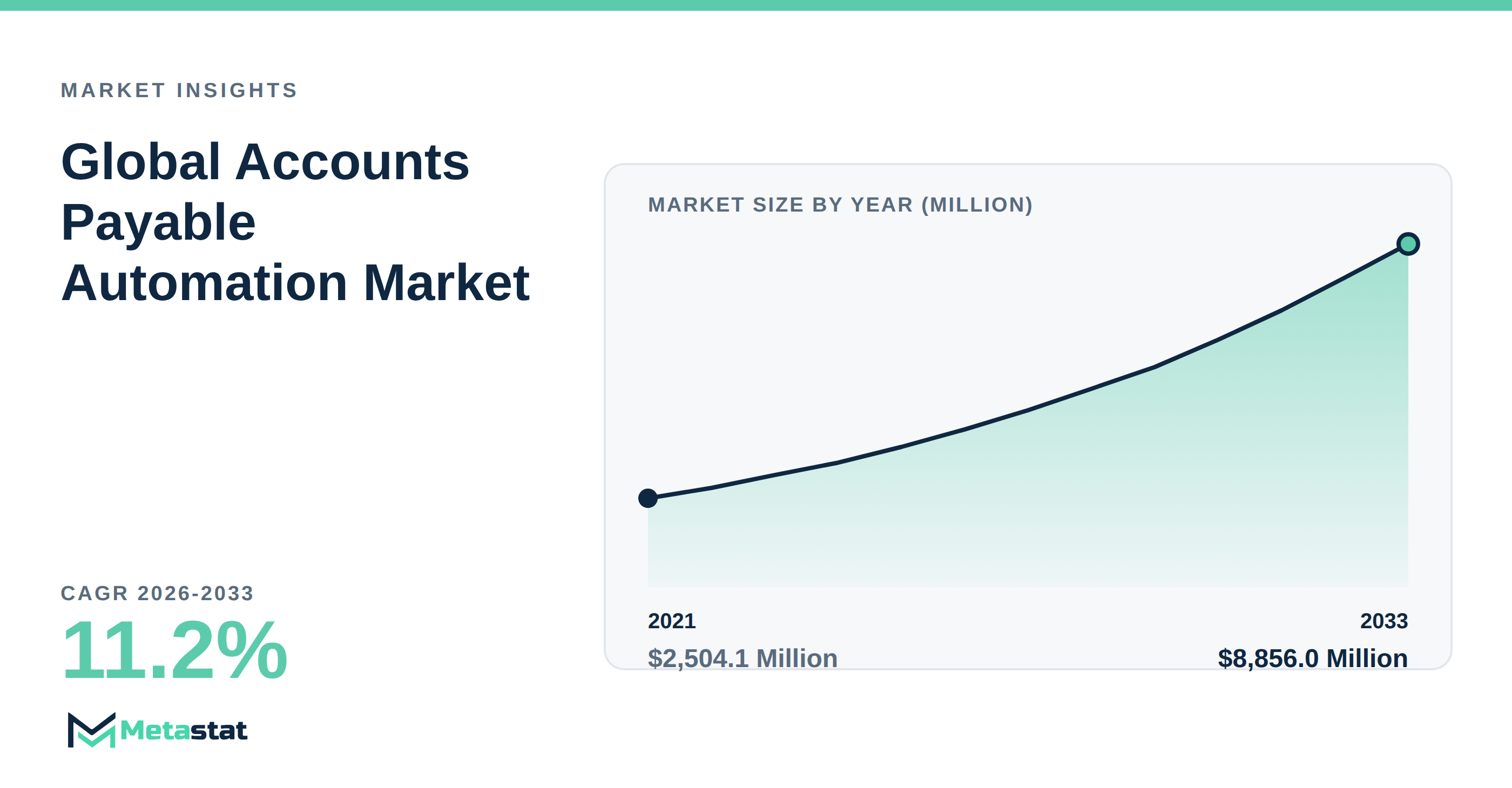
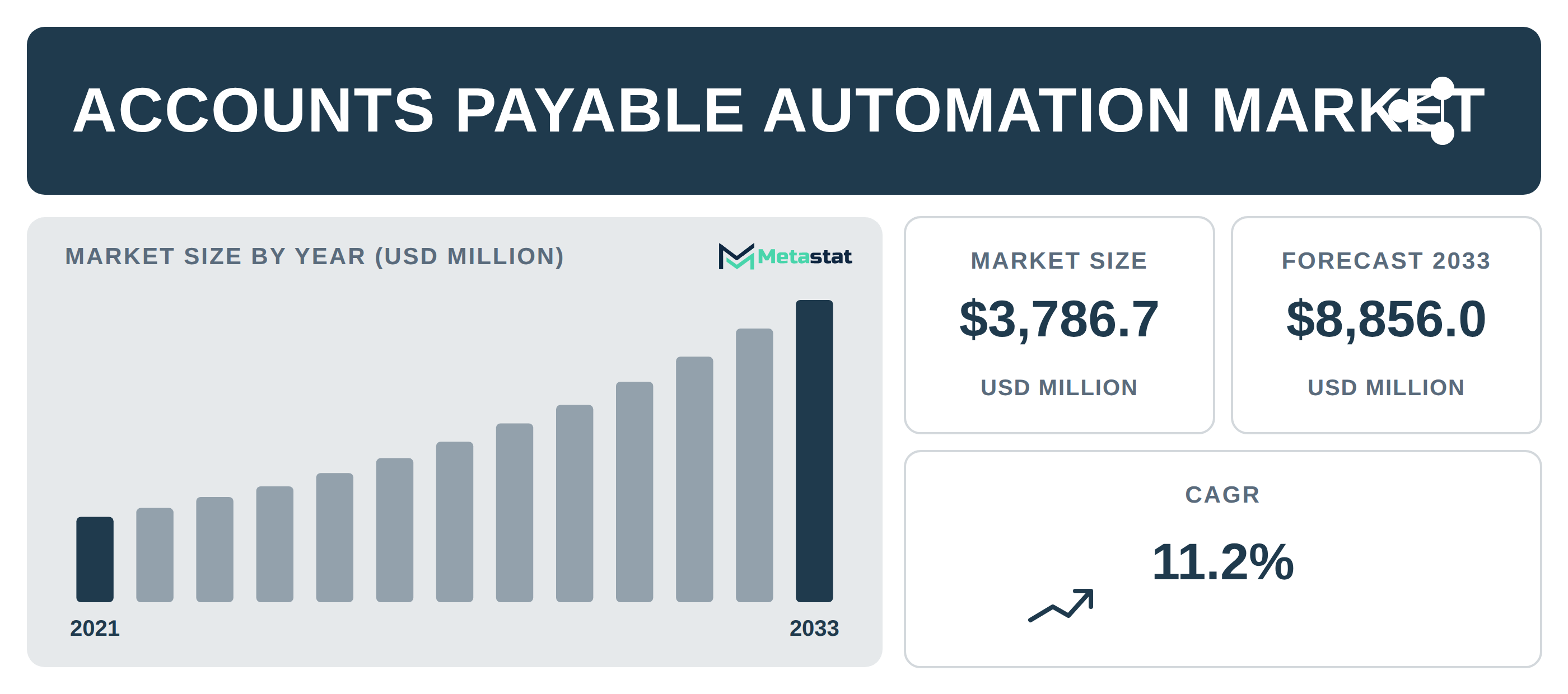
The pricing dynamics in Accounts Payable Automation stem from various foundational elements that significantly influence costs. Understanding these factors enables organizations to make informed decisions and optimize their investment in automation solutions. Are six key considerations impacting Accounts Payable Automation pricing. The full figures are in our Accounts Payable Automation market size and forecast report.
1. Cloud vs. On-Premises Solutions
The selected deployment model impacts the overall pricing structure significantly. Cloud-based solutions offer flexibility and scalability, leading to lower upfront costs compared to traditional on-premises systems. Organizations without substantial IT infrastructure find cloud solutions provide a more affordable entry point, enhancing their appeal. The expected growth for cloud solutions, projected to reach USD 6,448 million by 2033, indicates a clear buyer preference for this deployment model because of its cost-effectiveness and ease of integration.
2. Software Features and Functionality
Pricing directly correlates with the features of different software platforms. Advanced functionalities, including AI-driven invoice matching and automated exception handling, enhance operational efficiency but may come at a premium. Buyers prioritizing features that enable advanced analytics and compliance tend to invest higher amounts, as these elements lead to substantial long-term savings in processing costs. The expected growth in the software segment, projected to rise to USD 6,060.1 million by 2033, illustrates organizations’ willingness to invest in comprehensive solutions that optimize invoice management.
3. Organization Size and Transaction Volume
Pricing strategies often align with the size of the organization and transaction volume. Large enterprises typically handle higher transaction volumes and require more robust automation solutions, resulting in different pricing tiers compared to small and medium-sized enterprises (SMEs). As SMEs are projected to account for USD 3,500.8 million by 2033, they benefit from subscription-based models that reduce upfront costs significantly. Understanding how pricing scales with organizational size enables finance leaders to make tailored investment decisions.
4. Regulatory Compliance Demands
Financial regulations influence pricing as solutions comply with industry standards while facilitating audit trails. Organizations in highly regulated sectors, including banking and healthcare, often invest in pricier solutions that ensure compliance and minimize risk. The growing emphasis on digital transformation and compliance reflects a trend toward automated solutions that integrate effortlessly with existing systems, supporting auditing and regulatory requirements without incurring excessive costs.
5. Integration with Existing Systems
Effective automation systems typically require integration with existing enterprise resource planning (ERP) systems, impacting deployment costs. The complexity of integration creates variable pricing based on the effort necessary to ensure compatibility. Organizations should assess potential vendors based on their integration capabilities to avoid unexpected costs and ensure a smoother transition to automated processes.
6. The Role of Technology Providers
Vendor selection influences pricing through varying levels of support, functionality, and service contracts. Established providers often deliver comprehensive support but at a higher price point, whereas newer entrants offer competitive pricing with less robust service. Companies should evaluate not only the initial cost of software but the total cost of ownership, which includes support, training, and potential ongoing service expenses that could arise as the organization scales its automation efforts.
Understanding these six key factors helps organizations navigate the costs associated with Accounts Payable Automation while positioning them to leverage pricing strategies in line with their operational goals. By effectively evaluating their requirements against these elements, decision-makers enhance their automation investments and drive greater efficiencies within their finance departments.
Tags
About the Authors

LEAD ANALYST
Utkarsh Khirodkar is a Lead Market Research Analyst at MetaStat Insight, specializing in market intelligence, technology sector assessments, and competitive strategy.

PRINCIPAL CONSULTANT - ENTERPRISE AI & EMERGING TECHNOLOGIES
Banking & Finance · Electronics and Semiconductor · Energy and Power · Healthcare IT · Information & Technology · Professional Services
Vijay Gunti is a Principal Consultant at MetaStat Insight, bringing over two decades of experience across enterprise digital transformation, technology strategy, and intelligent systems.

LEAD CONSULTANT - COMMUNICATION, TELECOM, AND IT
Electronics and Semiconductor · Information & Technology · Machinery & Equipment · Professional Services
Ravindra Sathe Consultants for Communication, Telecom, and IT at MetaStat Insight. He leads the firm's industry research initiatives across telecommunications infrastructure, digital connectivity, enterprise networking, and emerging information technology domains.