
Explore the essential drivers behind pricing in Non-Dairy Toppings and discover how buyers affect costs.
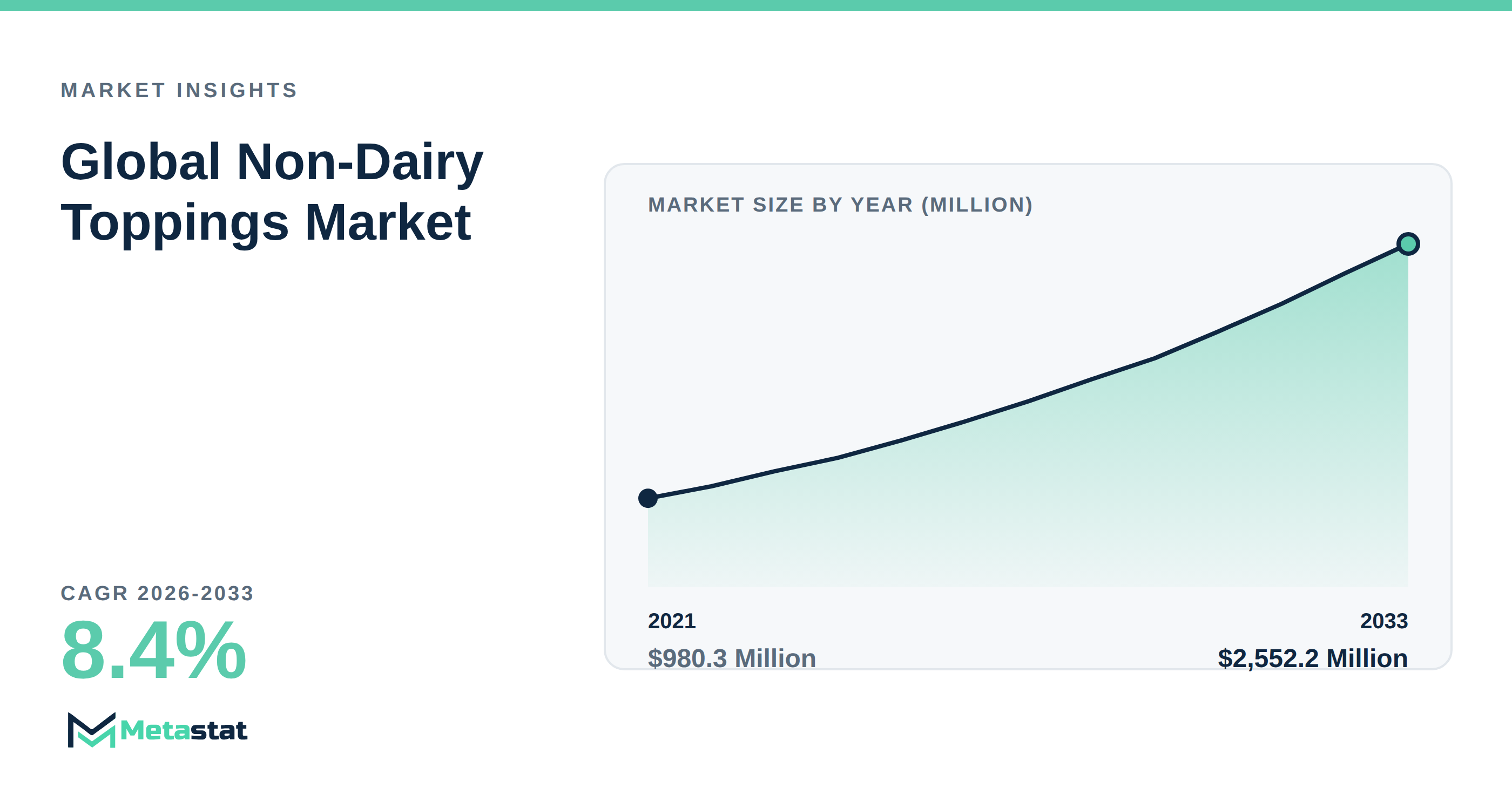
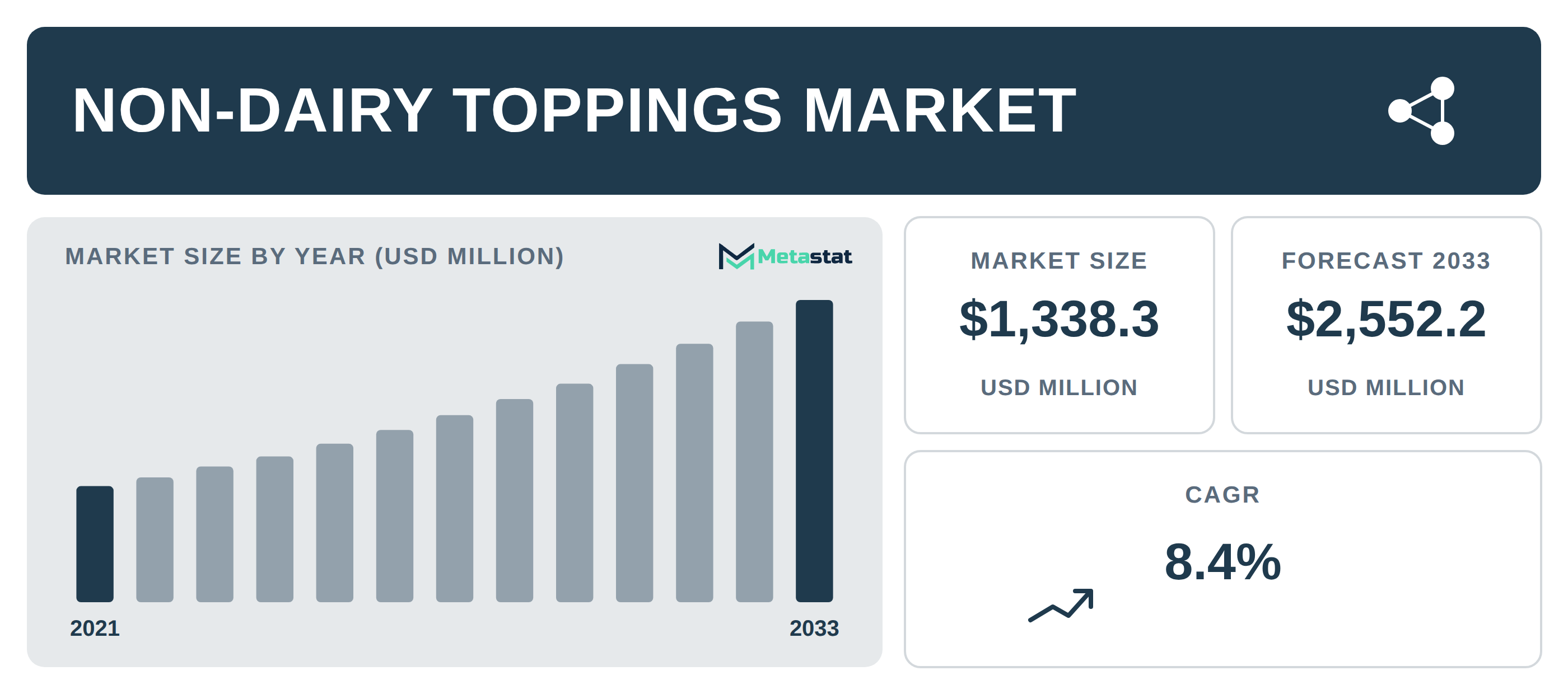
Understanding the factors influencing pricing in the market for Non-Dairy Toppings provides buyers with valuable insights for making informed purchasing decisions. This article highlights critical elements affecting costs and details where buyers exert influence, derived from an extensive analysis of market behaviors and trends. For deeper insights, refer to the Non-Dairy Toppings market size and forecast report.
1. Ingredient Sourcing Impacts Cost Stability
Rising input costs for key ingredients like coconut, almond, and oat derivatives influence pricing within the Non-Dairy Toppings sector. Suppliers face price volatility due to fluctuating harvests and increasing global demand for these plant-based inputs. This situation compresses margins, especially for companies that contract with foodservice establishments. Buyers focused on cost predictability negotiate long-term contracts with suppliers, thus mitigating sudden price increases. These proactive approaches ensure stability in procurement and protect against market fluctuations.
2. Product Form Choices Affect Overall Expenses
The choice between liquid, powdered, and pre-whipped Non-Dairy Toppings directly influences cost per serving. Generally, powdered mixes present the lowest costs, thanks to lower shipping weights and extended shelf life, making them ideal for budget-conscious operators. In contrast, liquid and pre-whipped options incur higher storage and distribution costs but often yield superior textures. Buyers effectively manage expenses by selecting product forms aligned with their operational needs while maintaining quality standards. Understanding these dynamics improves cost management in various applications.
3. Clean-Label Trends Drive Reformulation Costs
Consumers increasingly demand clean-label ingredients, prompting suppliers to address this demand through reformulation, which incurs higher costs. This shift toward natural, allergen-free alternatives compels manufacturers to invest in plant-derived thickeners and stabilizers. Although these investments raise short-term costs, they result in long-term benefits by capturing a more health-conscious consumer base willing to pay premium prices for transparency and higher quality in their Non-Dairy Toppings. This trend signals a broader industry shift toward healthier offerings.
4. Whipping Yield Influences Bakery Procurement Decisions
High whipping yield and heat stability are critical factors for bakeries in choosing Non-Dairy Toppings. These characteristics ensure consistency and performance in high-volume baking environments. Buyers prioritizing suppliers that deliver reliable results in these areas benefit from reduced waste and lower per-serving costs. Establishing performance benchmarks within procurement contracts leads to more favorable pricing agreements in the long run, ensuring that suppliers remain competitive while meeting buyers’ demands.
5. Consumer Preferences Shape Pricing Strategies
Heightened consumer awareness regarding health, sustainability, and dietary inclusivity has transformed pricing strategies in the Non-Dairy Toppings sector. Consumers increasingly seek products that reflect their values, leading suppliers to focus on premium, allergen-friendly offerings. Buyers should remain attuned to evolving preferences since the demand for innovative, better-for-you options justifies higher price points and expands their purchasing options. This trend emphasizes the necessity for suppliers to innovate continually.
6. Competition Among Suppliers Affects Final Pricing
The competitive nature of the Non-Dairy Toppings landscape compels suppliers to differentiate their offerings through innovative products and unique ingredient sourcing. Buyers benefit from this competition, as it enhances price stability and broadens the selection of available options. Engaging with multiple suppliers allows buyers to leverage this competition to negotiate more favorable terms, potentially leading to reduced costs while still meeting their quality and performance requirements. Such strategies help secure advantageous procurement terms.
Collectively, these insights illuminate the intricate dynamics of pricing within the Non-Dairy Toppings sector. By understanding the underlying factors that drive costs and recognizing areas of leverage, buyers are better positioned to navigate their purchasing decisions effectively.
Tags
About the Authors

LEAD ANALYST
Utkarsh Khirodkar is a Lead Market Research Analyst at MetaStat Insight, specializing in market intelligence, technology sector assessments, and competitive strategy.

LEAD PRINCIPAL ANALYST, PHARMA AND HEALTHCARE
Food and Beverages · Healthcare · Healthcare IT · Medical Devices
Ajay Devgire is the Lead Healthcare Analyst at MetaStat Insight, leading strategic research and market intelligence initiatives across the global healthcare domain.

SENIOR RESEARCH ANALYST
Biotechnology · Food and Beverages · Medical Devices · Packaging
Snehal Pasalkar is a Research Analyst at MetaStat Insight, operating at the intersection of life sciences research, competitive strategy, and market intelligence.