
Buyers in the Capital Expenditure sector must ask suppliers critical questions to ensure alignment with their strategic objectives. Here are six vital queries.
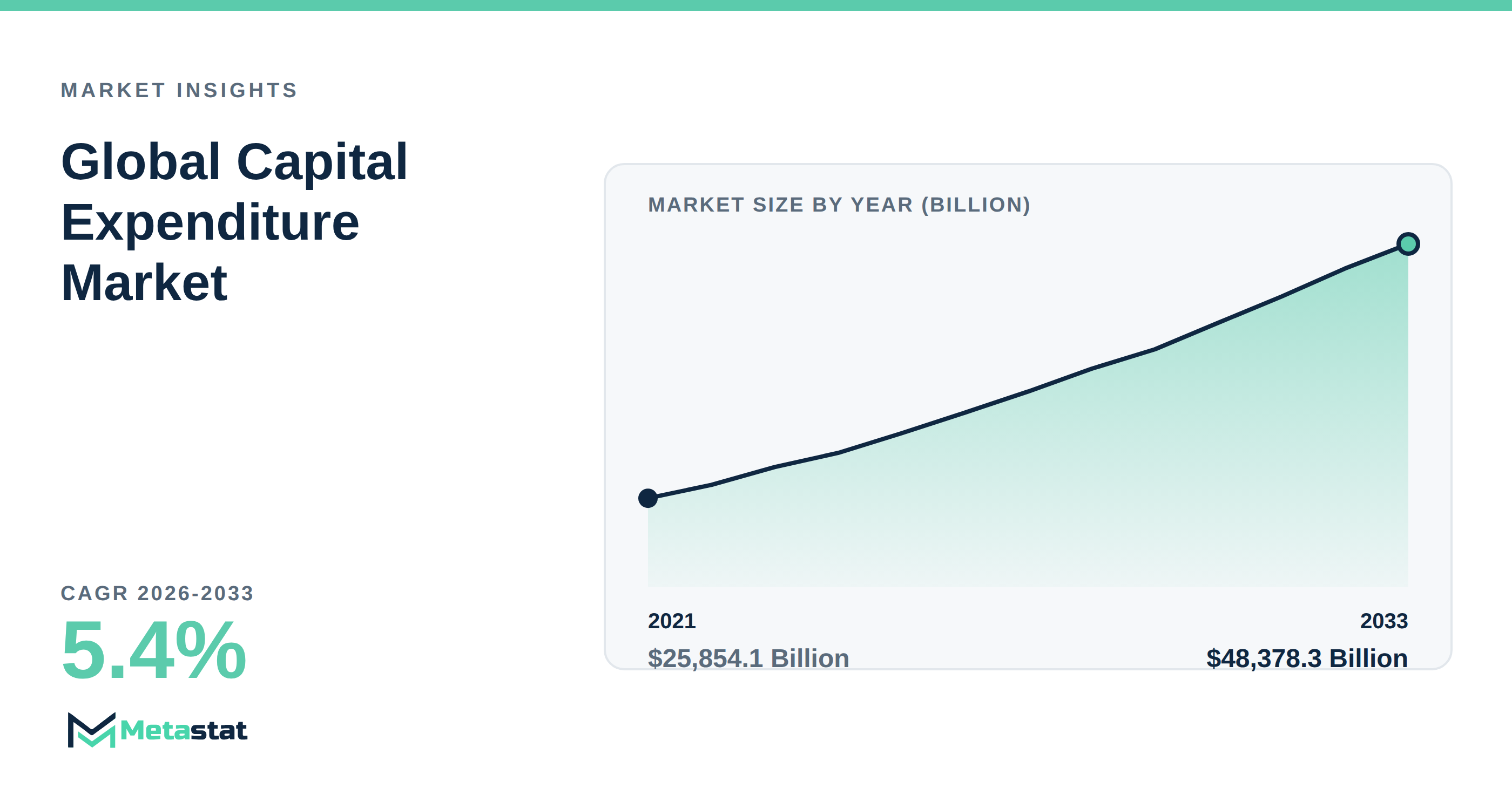
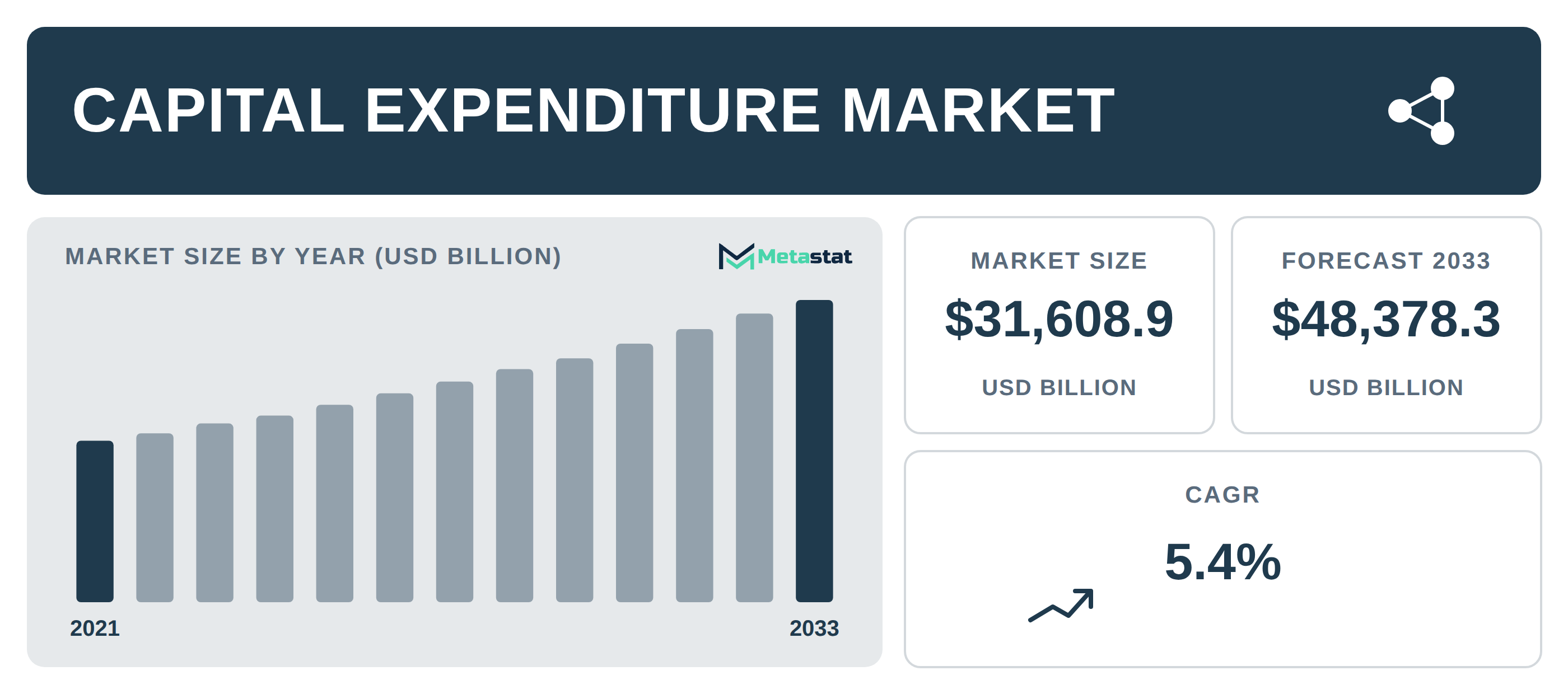
The evolving landscape of Capital Expenditure necessitates that buyers engage in thoughtful discussions with suppliers. Understanding how suppliers meet the demands of modernization, capacity expansion, and compliance is vital for informed decision-making. This post highlights key questions that buyers should pose to ensure alignment with their strategic objectives, based on insights from the Capital Expenditure market size and forecast report.
1. How do your solutions enhance operational efficiency?
Suppliers clearly articulate how their solutions improve operational efficiency. In a climate where modernization is essential, understanding how a supplier's products or services contribute to streamlined processes is crucial. Buyers should seek concrete examples, including improved productivity metrics or cost reductions achieved through existing implementations. These insights confirm a supplier’s capability to support a buyer's long-term growth strategies effectively.
2. What technologies do you implement to meet regulatory compliance?
With increasing regulatory demands, it is essential for suppliers to demonstrate how they help organizations meet compliance requirements. Buyers should inquire about specific technologies and processes that a supplier employs to ensure adherence to environmental and safety standards. Understanding a supplier's approach to compliance minimizes risks and aligns with sustainability initiatives, strengthening a buyer’s competitive advantage in the sector.
3. Can you provide case studies demonstrating successful capacity expansion?
Capacity expansion serves as a significant impetus for investment within the sector. Suppliers should be ready to share case studies or examples where they have successfully aided clients in scaling their operations. These narratives provide tangible evidence of a supplier's ability to assist buyers in responding to rising consumer demand and market fluctuations, thereby enhancing the supplier's reliability and effectiveness.
4. What financing options do you offer to facilitate investment?
Given the substantial initial costs in this environment, suppliers should present flexible financing options to buyers. Negotiating favorable payment terms alleviates budget constraints, allowing organizations to pursue modernization and capacity expansion projects. Buyers should explore how suppliers adapt their financial arrangements to meet the unique needs of each project, ensuring smoother resource allocation over time.
5. How do you support advancements in digital transformation?
Digital transformation is essential for enhancing operational capabilities and ensuring organizations remain competitive. Suppliers should explain how their offerings drive technological advancements, particularly in areas like ICT equipment. Engaging in discussions about integrating smart technologies and improved connectivity helps buyers gauge how well a supplier aligns with their modernization goals, marking this as an essential area of focus.
6. What strategies do you employ to manage rising costs?
The rise in costs associated with capital expenditures has significantly impacted buyer investment decisions. Suppliers should outline their strategies for managing these cost increases, particularly in procurement and project management. Buyers should seek assurances regarding a supplier's capability to navigate budget pressures, since effective cost management strategies significantly impact profitability and long-term sustainability.
Engaging suppliers with these questions cultivates a deeper understanding of their capabilities and alignment with organizational goals. Buyers prioritizing these discussions will be better equipped to navigate the complexities of Capital Expenditure, ensuring they make informed investment decisions that drive growth.
Tags
About the Authors

LEAD ANALYST
Utkarsh Khirodkar is a Lead Market Research Analyst at MetaStat Insight, specializing in market intelligence, technology sector assessments, and competitive strategy.

PRINCIPAL CONSULTANT - ENTERPRISE AI & EMERGING TECHNOLOGIES
Banking & Finance · Electronics and Semiconductor · Energy and Power · Healthcare IT · Information & Technology · Professional Services
Vijay Gunti is a Principal Consultant at MetaStat Insight, bringing over two decades of experience across enterprise digital transformation, technology strategy, and intelligent systems.