
Explore the key trends influencing the Smart Lock market, from integration features to battery life considerations. Make informed choices in smart technology.
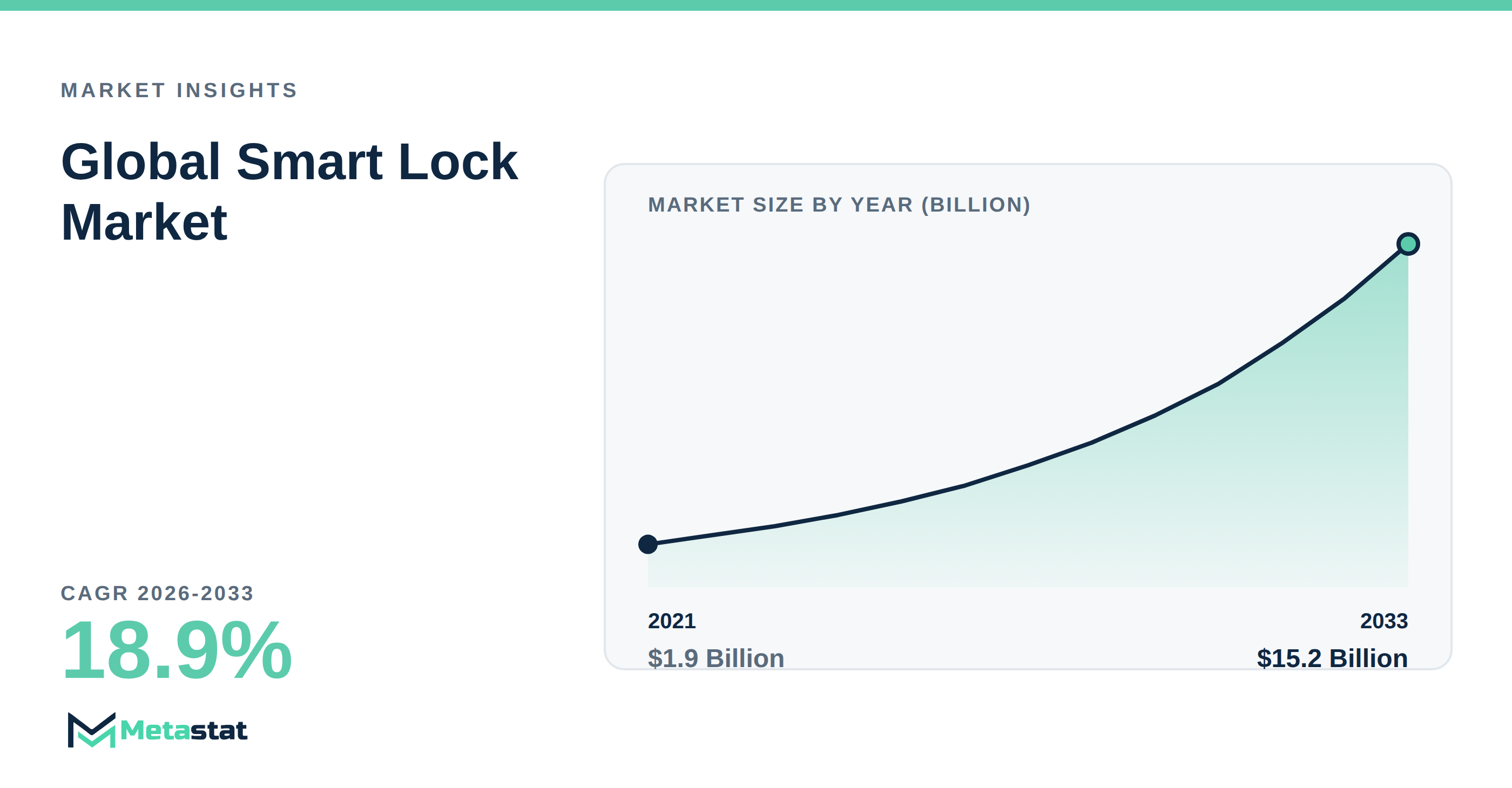
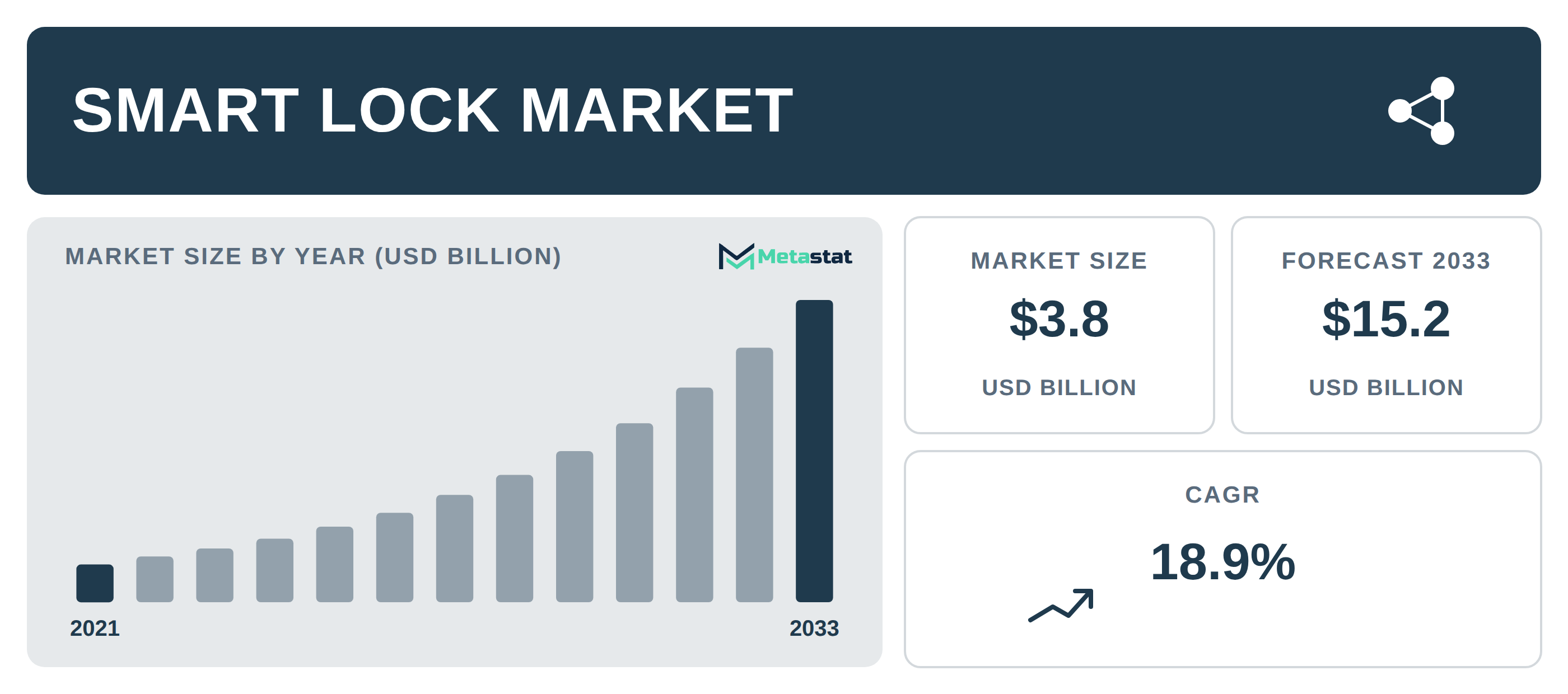
The market for Smart Lock technology is undergoing significant changes, influenced by various trends that reshape consumer expectations and drive adoption. Understanding these trends helps buyers make informed decisions and capitalize on the benefits offered by smart locking systems. Below are key trends reshaping the Smart Lock ecosystem. The full figures are in our Smart Lock market size and forecast report.
1. Integration of Matter-over-Thread Compatibility
Compatibility with Matter-over-Thread significantly influences purchasing decisions within the Smart Lock sector. This innovative protocol enables improved integration between various smart home devices, enhancing the user experience through better connectivity. By enabling Smart Locks to connect effectively with home automation systems, Matter-over-Thread addresses consumer demands for convenience and seamless functionality. Buyers increasingly prefer smart locks that support this protocol, ensuring ease of use and satisfaction over time. Such integration strengthens brand loyalty and encourages ongoing demand for compatible products.
2. Emphasis on Battery Life and Maintenance
Battery longevity emerges as a crucial factor when consumers select Smart Locks, especially for residential applications. Extended battery life not only promotes convenience but alleviates maintenance concerns, leading to a more favorable user experience. This growing focus on battery efficiency is expected to increase the residential segment to USD 7.7 billion by 2033, indicating a shift in buyer preferences towards systems requiring less upkeep. Manufacturers that prioritize advancements in battery technology will enhance product appeal, gaining a competitive advantage in this evolving landscape.
3. Retrofit Considerations Impacting Cost
The compatibility of mortise and rim locks significantly affects retrofit installation costs. Mortise locks, while providing enhanced security, demand more complex door preparations compared to rim locks, resulting in higher labor and material expenses. Residential buyers often consider these installation costs when making purchasing decisions, influencing the acceptance of various Smart Lock options. This factor presents an opportunity for suppliers to provide cost-effective solutions that cater to renovation needs, allowing broader access for diverse consumer segments.
4. Demand for Contactless Solutions in Hospitality
The trend towards contactless solutions, including temporary mobile keys, addresses consumers' increasing need for convenience and safety within the hospitality sector. This demand aligns with anticipated growth in Smart Locks for hospitality, projected to reach USD 3.1 billion by 2033. Property owners recognize the importance of secure and user-friendly access solutions that appeal to tech-savvy guests. The ability to deactivate keys remotely after rentals enhances security and operational efficiency for hosts, reflecting shifting consumer expectations in short-term rental markets.
5. Diverse Communication Protocols Drive Options
Understanding various communication methods, including Bluetooth, Wi-Fi, and Z-Wave, is vital for consumers when selecting Smart Locks. Wi-Fi-enabled smart locks are expected to reach USD 5.3 billion by 2033 as they cater to users seeking dependable internet connectivity and remote control features. Buyers who comprehend the implications of each protocol improve their overall smart home experience. Investing in locks that meet specific needs allows buyers to optimize security while ensuring compatibility with existing smart home systems.
6. Increased Demand for Advanced Security Features
The growing emphasis on security drives up demand for innovative locking solutions among residential buyers. Homeowners increasingly prioritize protecting their properties against potential break-ins, resulting in greater spending on advanced locking mechanisms. This shift in consumer behavior highlights the need for enhanced security measures, prompting buyers to choose smart locks that offer features like remote monitoring and access control. As awareness of these Smart Lock trends grows, buyers navigate this increasingly complex environment, ensuring they select devices that provide both security and convenience while adapting to modern technological demands.
Tags
About the Authors

LEAD ANALYST
Utkarsh Khirodkar is a Lead Market Research Analyst at MetaStat Insight, specializing in market intelligence, technology sector assessments, and competitive strategy.

PRINCIPAL CONSULTANT - ENTERPRISE AI & EMERGING TECHNOLOGIES
Banking & Finance · Electronics and Semiconductor · Energy and Power · Healthcare IT · Information & Technology · Professional Services
Vijay Gunti is a Principal Consultant at MetaStat Insight, bringing over two decades of experience across enterprise digital transformation, technology strategy, and intelligent systems.

PRINCIPAL CONSULTANT - QUALITY SYSTEMS & COMPLIANCE
Electronics and Semiconductor · Machinery & Equipment · Professional Services
Omkar Phadtare is an Industry Consultant at MetaStat Insight, specializing in quality systems, regulatory compliance, and standards benchmarking to drive data-driven market intelligence and strategic industry research.

ENERGY & INFRASTRUCTURE INDUSTRY CONSULTANT
Automotive and Transportation · Electronics and Semiconductor · Energy and Power · Machinery & Equipment
Saurabh Vasant Ganvir consults for Energy & Infrastructure Industry at MetaStat Insight, specializing in renewable energy, solar EPC, and electric vehicle (EV) infrastructure markets.

LEAD CONSULTANT - COMMUNICATION, TELECOM, AND IT
Electronics and Semiconductor · Information & Technology · Machinery & Equipment · Professional Services
Ravindra Sathe Consultants for Communication, Telecom, and IT at MetaStat Insight. He leads the firm's industry research initiatives across telecommunications infrastructure, digital connectivity, enterprise networking, and emerging information technology domains.