
Explore key questions for buyers in the Military Tactical Communication market. Enhance procurement decisions and operational effectiveness.
The Military Tactical Communication market is evolving rapidly, driven by technological advancements and increasing demand for secure communication systems. Buyers in this market face numerous choices, making it essential to ask the right questions when selecting suppliers. Are key inquiries that guide procurement decisions effectively.
1. How does your solution ensure secure communication?
Given the sensitive nature of military operations, buyers should prioritize suppliers who demonstrate robust security protocols. Solutions incorporating advanced encryption and adhering to Commercial Solutions for Classified (CSfC) standards are crucial. Security features including anti-jam capabilities and resistance to electronic warfare are essential, ensuring communication remains operational even in contested environments. This focus enhances operational efficiency while building trust with military stakeholders.
2. What is your interoperability capability with existing systems?
Interoperability remains a vital consideration for military organizations that strive to enhance collaboration across various units. Suppliers provide evidence that their systems integrate seamlessly with existing communication platforms, including Tactical Radio-EUD and Android Team Awareness Kit (ATAK). Ensuring compatibility across platforms directly impacts mission success, facilitating real-time data sharing and effective decision-making.
3. What advancements are included in your technology roadmap?
Understanding a supplier's commitment to innovation is crucial for buyers aiming to stay competitive in military communication. Inquire about planned advancements, including the integration of tactical 5G and private networks that improve data transmission capabilities. A clear innovation strategy focusing on next-generation technologies ensures the longevity and effectiveness of military communication solutions, which is vital in an industry that evolves rapidly.
4. How do you address regulatory compliance?
Adhering to strict regulatory standards presents challenges in the Military Tactical Communication market. Suppliers demonstrate a clear understanding of legal landscapes governing military communications and provide compliant solutions. This awareness ensures efficient procurement processes and mitigates delays caused by compliance issues, allowing military organizations to maintain operational readiness.
5. Can you provide insights on supply chain resilience?
Geopolitical tensions and supply chain disruptions hinder the availability of critical components for military communication systems. Buyers should inquire about suppliers’ strategies for maintaining supply chain resilience, including diversification of sourcing and local production initiatives. Reliable supply chains are essential for ensuring timely delivery of communication systems, ultimately affecting military readiness and responsiveness.
6. What investment are you making in R&D?
Investment in research and development is crucial for advancing technologies within the Military Tactical Communication market. Suppliers should outline their R&D priorities, including efforts directed toward sustainable technologies and innovative solutions that enhance operational capabilities. A strong R&D commitment signals a supplier's capacity to adapt to changing military requirements, introducing potential for product diversification.
7. How do your solutions support operational efficiency?
Lastly, understanding how a supplier's communication systems enhance operational efficiency significantly influences procurement decisions. Solutions prioritizing reduced latency, improved data management, and automated processes are essential for modern military operations. Buyers should seek systems that contribute to streamlined operations, ultimately achieving better resource allocation and mission outcomes.
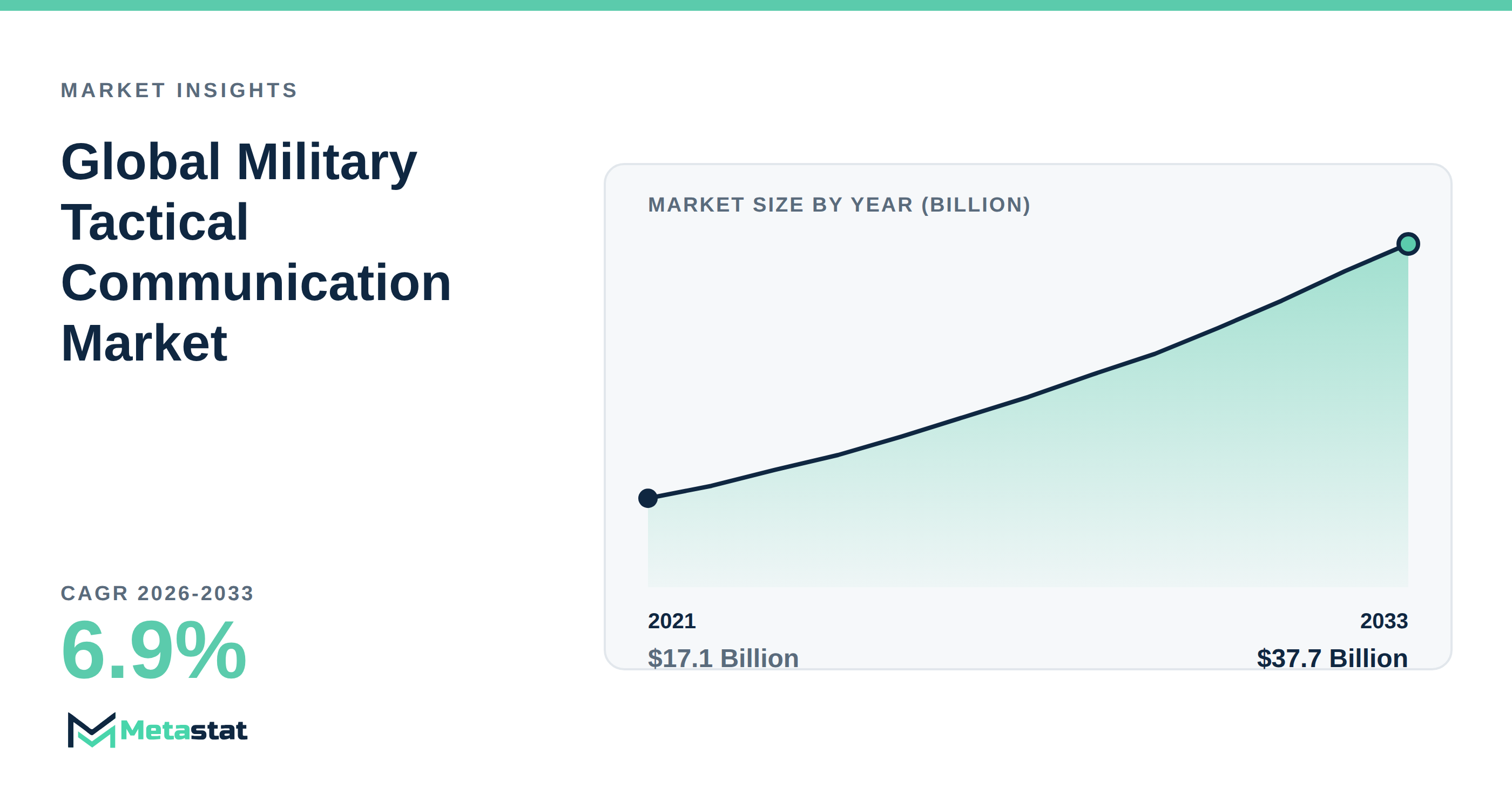
By addressing these key questions, buyers in the Military Tactical Communication market make informed decisions that enhance operational effectiveness. Suppliers capable of answering these inquiries with clarity and confidence likely build strong, long-term partnerships. For a comprehensive analysis, explore the Global Military Tactical Communication Market.
Tags
About the Author

LEAD ANALYST
Utkarsh Khirodkar is a Lead Market Research Analyst at MetaStat Insight, specializing in market intelligence, technology sector assessments, and competitive strategy.