
Explore key factors influencing payments pricing and how buyers leverage them for cost efficiency.
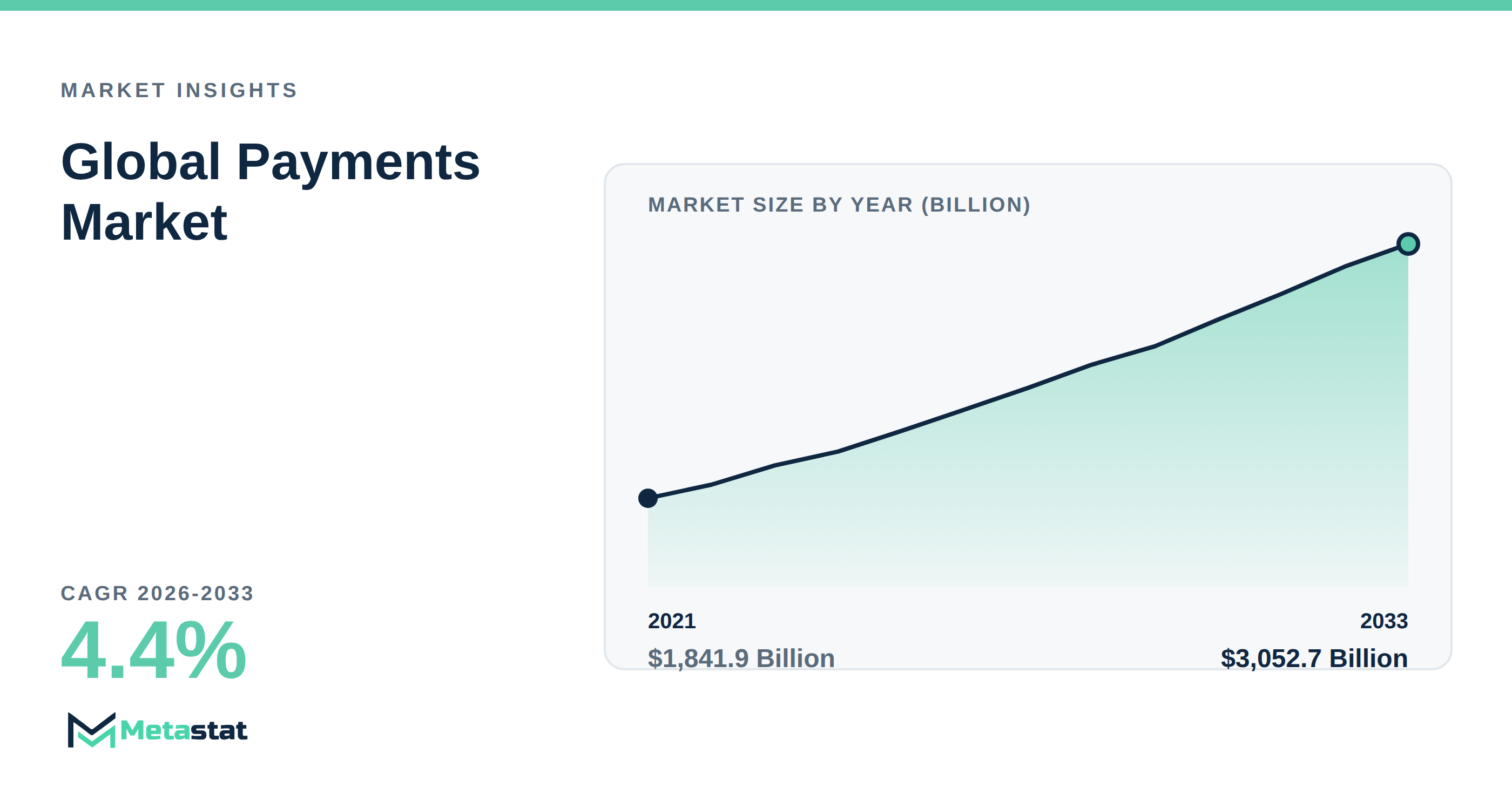
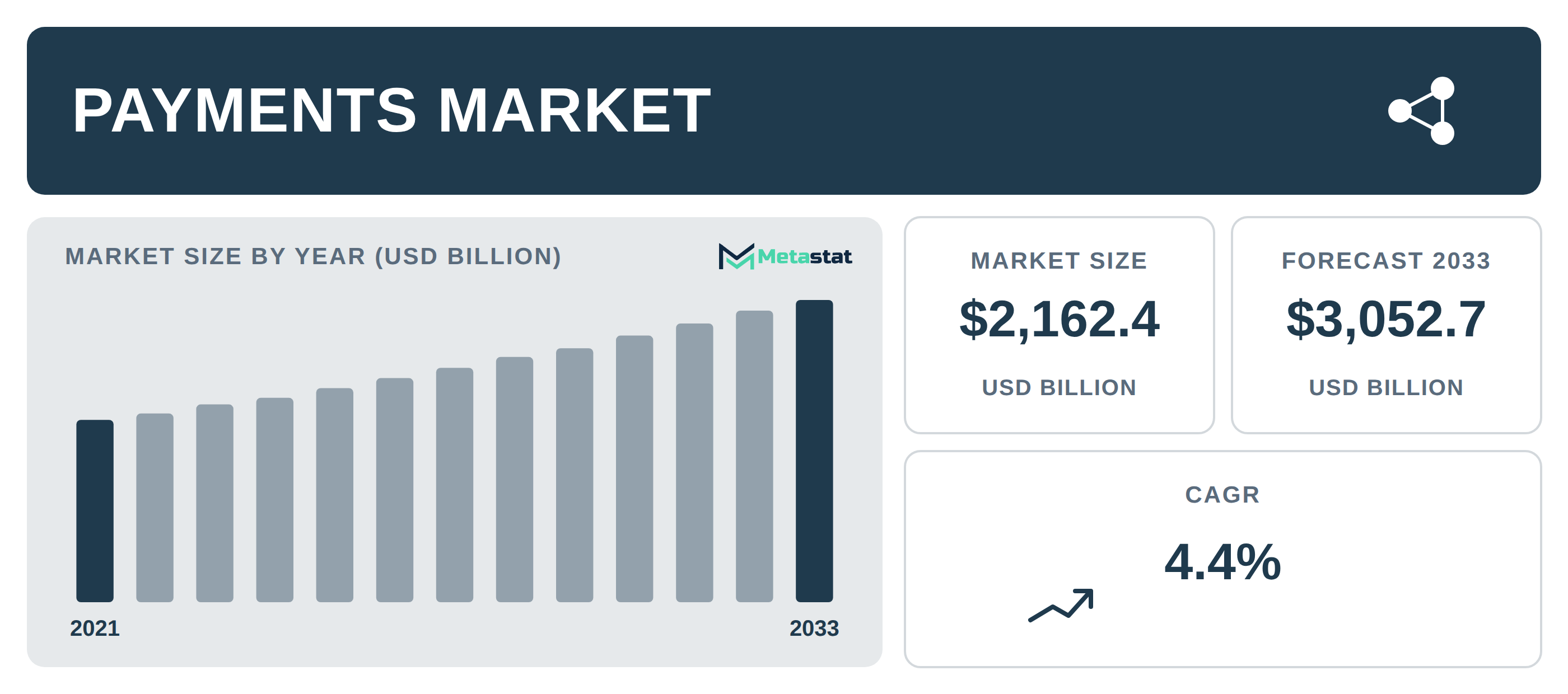
The evolution of payments technology and consumer preferences has led to significant shifts in the pricing landscape. Understanding the intricacies of payments pricing is crucial for businesses seeking to enhance their transaction efficiency and overall financial performance. This post outlines seven key factors that influence payments pricing and what they mean for buyers in the market. The full figures are in our Payments market size and forecast report.
1. The Shift to Digital Transactions
The ongoing transition from cash to digital payments has a substantial impact on pricing structures. Increased demand for electronic payment methods encourages businesses to invest in advanced payment solutions. This trend results in heightened competition among payment service providers, leading to more competitive pricing models for consumers. As digital transactions grow, businesses leverage this transition to negotiate better rates with their service providers.
2. Consumer Preference for Flexibility
Consumers exhibit a strong preference for flexible payment options, particularly credit and charge cards. This preference influences pricing as financial institutions enhance their offerings by providing rewards programs and flexible terms. Buyers benefit from these offerings, as increased competition among card issuers pushes down transaction fees while enhancing customer loyalty. As users demand more flexibility, they drive pricing strategies that cater to these preferences, potentially lowering costs for businesses.
3. The Economics of Instant Payments
Instant account-to-account payments are gaining traction due to their efficiency and speed. This shift reduces reliance on traditional intermediaries, allowing for lower transaction fees. Businesses that adapt to these instant payment solutions benefit from cost savings and improved cash flow management. By embracing instant payments, companies negotiate better terms with payment processors, ultimately driving down their overall costs.
4. Compliance Costs and Regulatory Pressures
Stricter regulatory requirements increase compliance costs, putting pressure on profit margins. Financial institutions invest in technology and personnel to meet these regulations, resulting in higher transaction fees for businesses. Smaller players particularly feel the strain, as they lack the resources to absorb these costs efficiently. This scenario presents an opportunity for buyers to seek providers that offer competitive pricing while ensuring compliance with regulatory demands.
5. The Importance of Transaction Volumes
High transaction volumes typically lead to lower pricing due to economies of scale. Businesses that process significant volumes of transactions negotiate better rates with payment processors. This trend emphasizes the importance of increasing transaction volumes to secure favorable pricing. By streamlining payment processes and encouraging customer engagement, companies enhance their transaction frequency and leverage this to negotiate more attractive pricing structures.
6. The Role of Advanced Payment Technologies
Advancements in payment technologies, including mobile wallets and digital payment solutions, create opportunities for improved pricing structures. As technology becomes more integrated into payment processes, businesses expect reduced processing costs. Companies that invest in innovative payment solutions not only enhance their operational efficiency but can negotiate better rates based on their technological capabilities, ultimately influencing pricing for their transactions.
7. Market Competition and Provider Diversity
The payments sector is characterized by a diverse array of service providers, leading to heightened competition. This competition impacts pricing, as businesses seek providers offering the best value for services rendered. Buyers have the leverage to explore various options and negotiate pricing structures that align with their operational needs. By evaluating multiple providers, businesses capitalize on competitive pricing, ensuring that they secure the most favorable terms.
Understanding these factors influencing payments pricing allows buyers to navigate the complexities of transaction costs successfully. By leveraging technological advancements, consumer preferences, and competitive dynamics, businesses optimize their payment strategies and enhance their financial performance.
Tags
About the Authors

LEAD ANALYST
Utkarsh Khirodkar is a Lead Market Research Analyst at MetaStat Insight, specializing in market intelligence, technology sector assessments, and competitive strategy.

PRINCIPAL CONSULTANT - ENTERPRISE AI & EMERGING TECHNOLOGIES
Banking & Finance · Electronics and Semiconductor · Energy and Power · Healthcare IT · Information & Technology · Professional Services
Vijay Gunti is a Principal Consultant at MetaStat Insight, bringing over two decades of experience across enterprise digital transformation, technology strategy, and intelligent systems.