
Explore critical insights into the competitive landscape of the India OOH and DOOH sectors, highlighting key players and market dynamics.
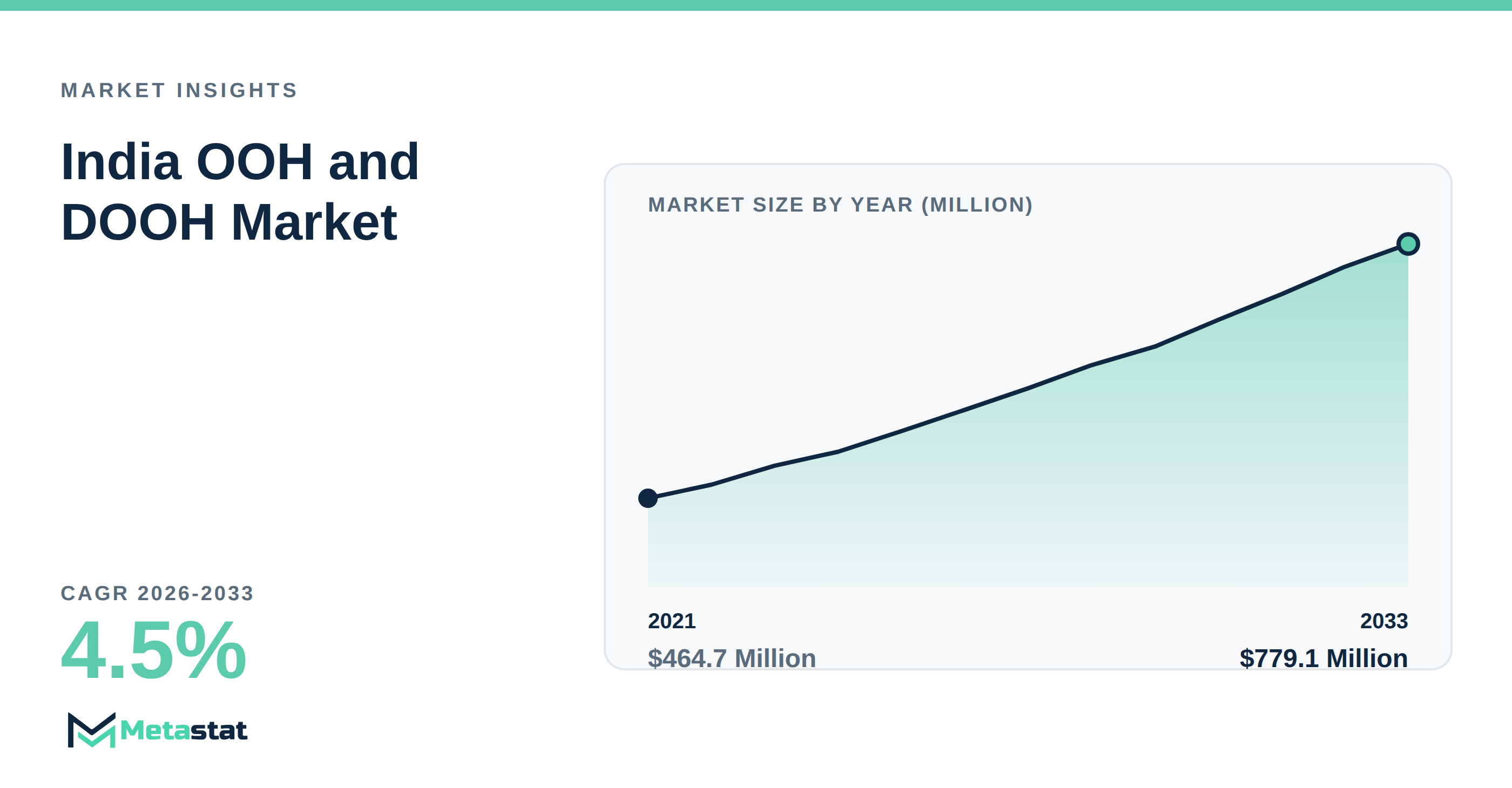
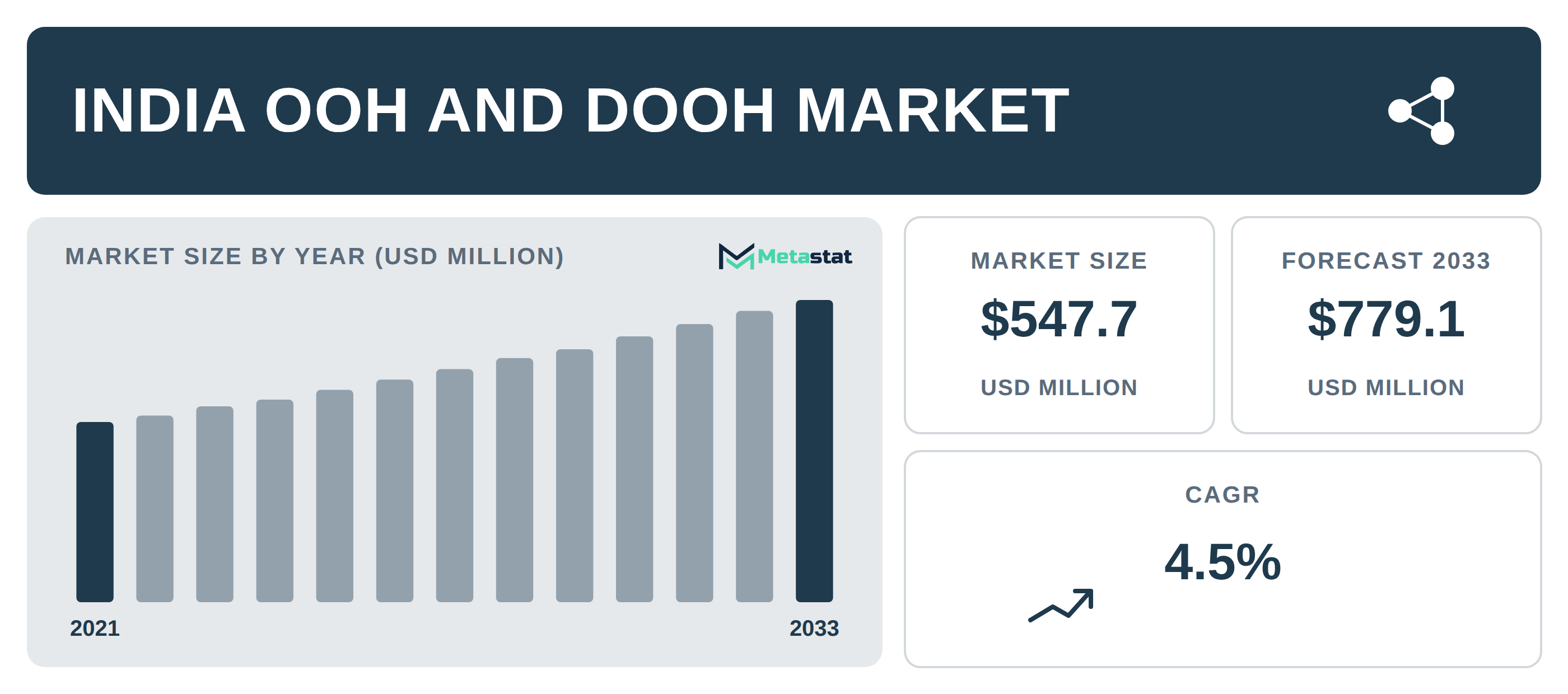
The competition within the India OOH and DOOH sectors is intensifying, driven by rapid urbanization and the shift towards digital formats. Understanding the positioning and strategies of key players is essential for advertisers seeking to optimize their campaigns. Below are critical insights into the competitive landscape that are shaping the future of advertising in this dynamic market. The full figures are in our India OOH and DOOH market size and forecast report.
1. Digital OOH Growth is Rapidly Outpacing Traditional Formats
Companies focusing on Digital OOH are experiencing substantial growth, with projections indicating this segment will achieve USD 285 million by 2033, with a remarkable annual growth rate of 13%. Key players are adapting strategies to leverage data-driven advertising and real-time content management, which helps them engage urban audiences effectively. This evolution enhances competitive advantages, as brands increasingly prefer platforms allowing immediate insights and flexible campaign modifications.
2. Strategic Urbanization Drives Increased Advertising Opportunities
Ongoing urbanization and infrastructure developments in India are creating abundant advertising opportunities for major players like Times Innovative Media Limited and JCDecaux Advertising India. As transit hubs and commercial areas expand, footfall increases, enabling advertisers to establish a more prominent presence. These changes enhance access to diverse demographics and underscore the importance of high-traffic urban settings, allowing brands to maximize their visibility and impact.
3. Regulatory Compliance Poses Challenges for Digital Expansion
Fragmented regulatory standards across various states lead to operational challenges for companies in the OOH and DOOH sectors. Players including Laqshya Media Group and Signpost India Limited encounter complex compliance requirements that delay deployment and raise costs. Navigating these challenges requires strategic planning and adaptability, creating barriers for new entrants while providing a competitive advantage for experienced operators who manage compliance effectively.
4. Sustainability Demand is Reshaping Competitive Strategies
Growing environmental concerns are prompting companies to invest in sustainable advertising solutions. Firms like Bright Outdoor Media Limited are integrating eco-friendly practices into their operations, increasing their attractiveness to brands that prioritize corporate social responsibility. This commitment to sustainability aligns with evolving regulatory frameworks and distinguishes these companies in a competitive marketplace, appealing to clients focused on environmental stewardship.
5. Focus on Place-Based Media is Increasing
The demand for place-based media is surging as brands seek to engage consumers in environments including malls, airports, and entertainment venues. Companies like Jagran Prakashan Limited and Selvel Advertising Private Limited are capitalizing on this trend by developing targeted advertising solutions that offer direct consumer engagement. This segment is anticipated to grow significantly, presenting substantial opportunities for advertisers to connect with consumers in controlled settings.
6. Transit Advertising is Becoming Central to Urban Campaigns
With the ongoing expansion of public transportation systems, transit advertising is increasingly prioritized by firms looking to capture commuter attention. Companies including Global Advertisers Private Limited are enhancing their offerings by integrating static and digital formats within transit hubs. This strategy allows advertisers to capitalize on captive audiences, leveraging higher commuter volumes to foster brand recall and consumer engagement.
7. Continuous Innovation is Key to Maintaining Relevance
To stay competitive, companies invest in innovative advertising solutions that adapt to evolving consumer behaviors. The rapid integration of technology across advertising formats requires firms like Dentsu (Posterscope) and AdOnMo Private Limited to continuously update and evolve their offerings. This focus on innovation ensures these companies remain relevant in a market driven by shifting consumer preferences and technological advancements.
In conclusion, the competitive landscape within the India OOH and DOOH sectors is characterized by rapid digital transformation, regulatory challenges, and a growing emphasis on sustainability and innovation. Companies that strategically navigate these dynamics will be better positioned to capitalize on the lucrative opportunities presented by this evolving market.
Tags
About the Authors

LEAD ANALYST
Utkarsh Khirodkar is a Lead Market Research Analyst at MetaStat Insight, specializing in market intelligence, technology sector assessments, and competitive strategy.

PRINCIPAL CONSULTANT - ENTERPRISE AI & EMERGING TECHNOLOGIES
Banking & Finance · Electronics and Semiconductor · Energy and Power · Healthcare IT · Information & Technology · Professional Services
Vijay Gunti is a Principal Consultant at MetaStat Insight, bringing over two decades of experience across enterprise digital transformation, technology strategy, and intelligent systems.

LEAD CONSULTANT - COMMUNICATION, TELECOM, AND IT
Electronics and Semiconductor · Information & Technology · Machinery & Equipment · Professional Services
Ravindra Sathe Consultants for Communication, Telecom, and IT at MetaStat Insight. He leads the firm's industry research initiatives across telecommunications infrastructure, digital connectivity, enterprise networking, and emerging information technology domains.