
Explore the evolving landscape of Patient Engagement Solutions and the key trends shaping its future through 2033.
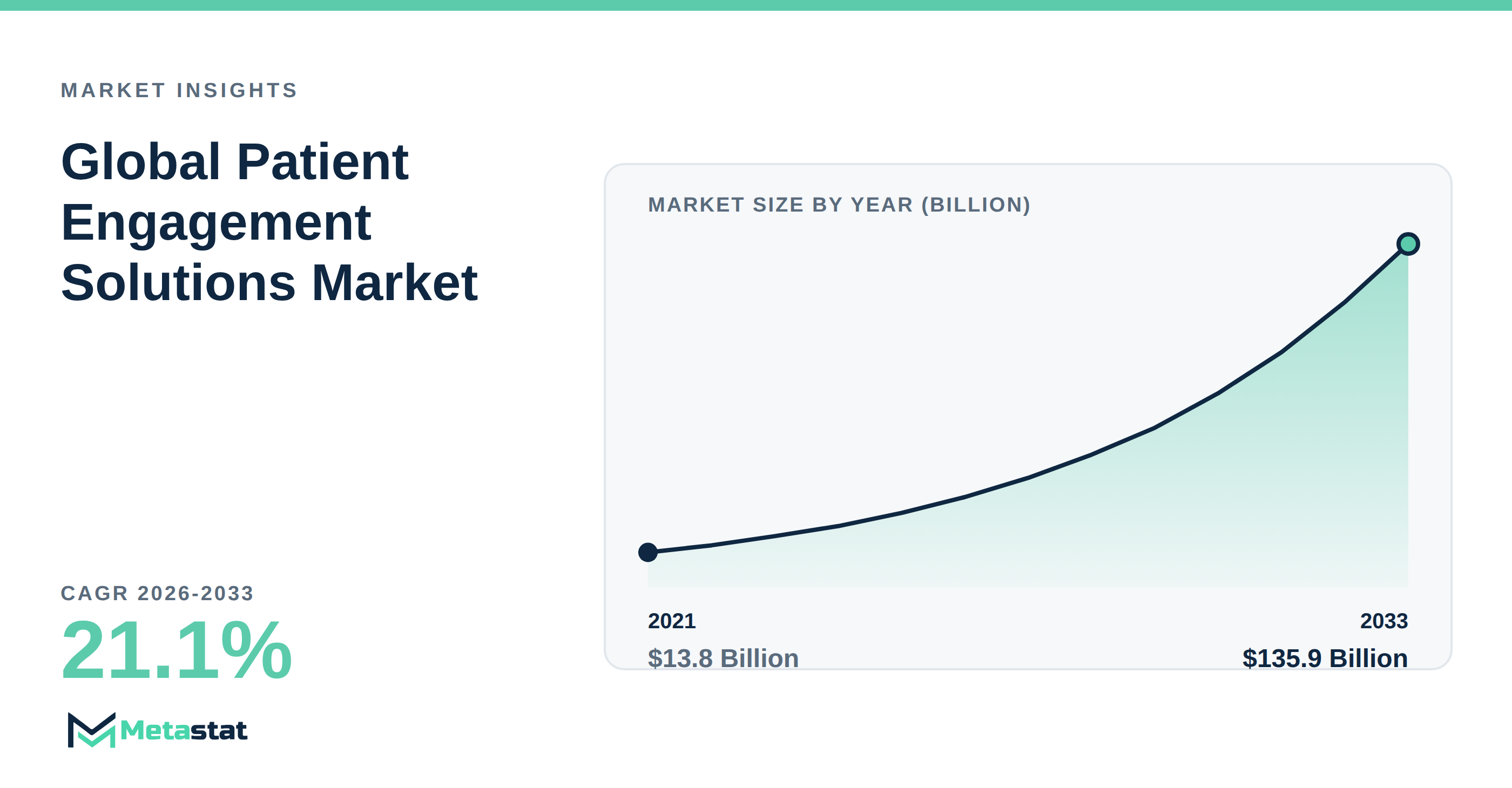
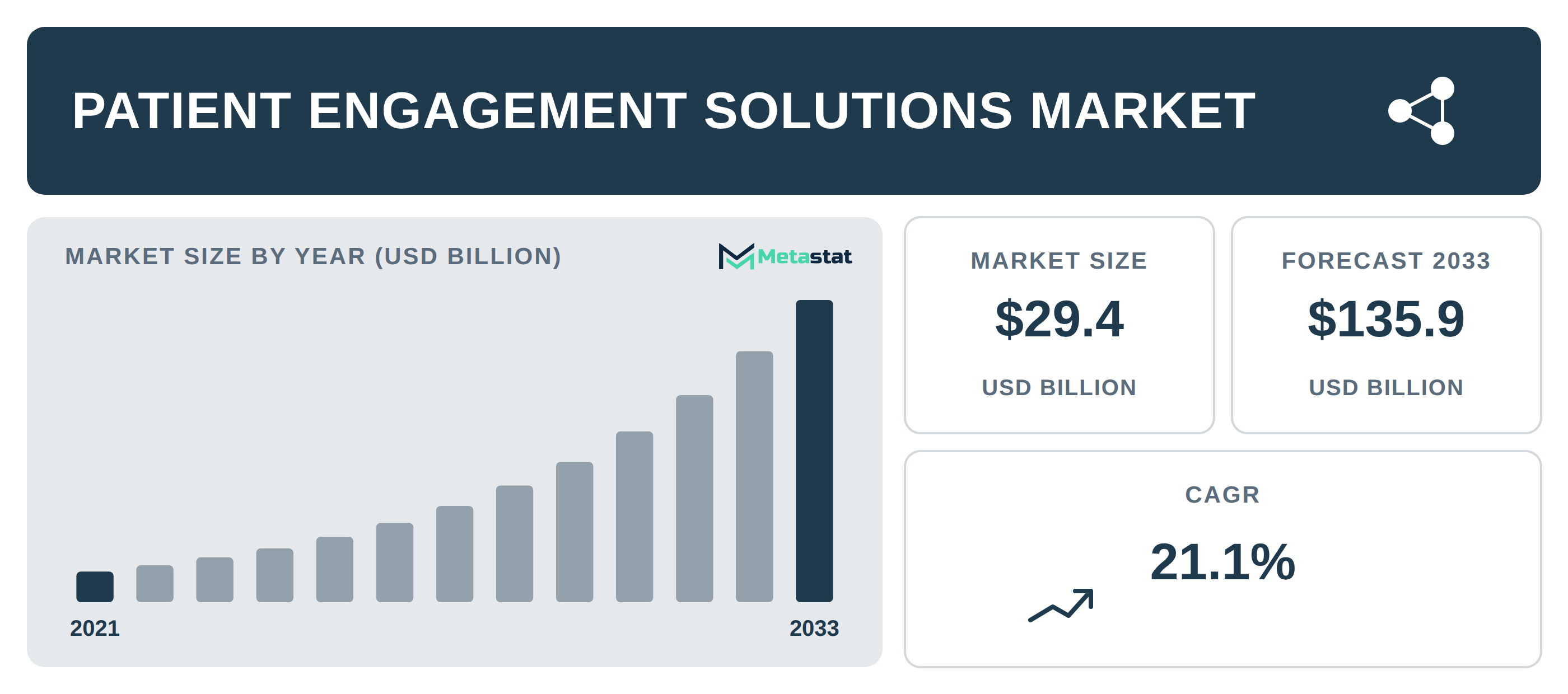
The outlook for Patient Engagement Solutions reveals a dynamic landscape evolving significantly toward 2033. A primary development is the increasing integration of artificial intelligence (AI) into these solutions, enhancing the personalization of outreach and care navigation. This technological shift allows for customized patient communication, scheduling reminders, and improved health education workflows. Organizations adopting AI-driven solutions will be better equipped to satisfy rising patient expectations for convenient access and meaningful care support. The full figures are in our Patient Engagement Solutions market size and forecast report.
Looking toward the future, cloud-based deployment models are set to take center stage, with growth projections indicating these solutions achieve a value of USD 105 billion by 2033. This deployment model not only fosters scalability and accessibility but minimizes IT overhead - a critical consideration for healthcare providers aiming to enhance operational efficiency. The flexibility provided by cloud solutions allows rapid onboarding of new services and integration with existing digital health tools, making it a vital factor for stakeholders making purchasing decisions.
Another crucial aspect to monitor is the increasing demand for integrated electronic health record (EHR) systems paired with digital front door functionalities. Buyers are increasingly favoring platforms that simplify administrative tasks and significantly enhance patient experiences through streamlined access to care. As patient numbers rise and a shift toward digital-first scheduling gains momentum, solutions demonstrating robust EHR integration will likely see increased adoption. Providers offering these capabilities expect improved revenue retention and a strengthened competitive stance within the industry.
Pharmaceutical and biotech firms are anticipated to adopt digital platforms for clinical trial recruitment and retention with growing enthusiasm. These entities are realizing the benefits of targeted engagement solutions to tackle challenges associated with patient enrollment and retention. The transition toward decentralized clinical trials unveils new opportunities for digital tools, improving informed consent processes and elevating participant satisfaction. Continuous investment in technologies facilitating higher engagement and retention rates is expected, as sponsors aim to expedite trial timelines.
Automated patient communication is another trend likely to affect appointment attendance and treatment compliance significantly. Platforms that deliver digital reminders, confirmations, and follow-up messages create ongoing touchpoints between patients and healthcare providers, thereby minimizing the occurrence of missed appointments. While this trend matures, organizations employing these automated communication tools will likely experience enhancements in operational efficiency and overall patient outcomes. The software segment focused on this function is projected for remarkable growth, indicating a clear shift toward automation in patient engagement strategies.
Finally, organizations remain cognizant of the challenges posed by interoperability issues. Limited integration capabilities often hinder the adoption of new solutions, particularly for those healthcare providers utilizing outdated systems. As digitization accelerates in the healthcare landscape, the pressing need for integration across diverse platforms will only intensify. Addressing these interoperability challenges is essential for organizations seeking to fully leverage the capabilities of advanced patient engagement software.
In conclusion, the evolving landscape of Patient Engagement Solutions calls for organizations to stay agile and responsive to technological advancements and changing patient expectations. By emphasizing AI integration, cloud-based deployments, EHR compatibility, and automated communication, stakeholders will be well-positioned to navigate the rapidly shifting environment from 2025 to 2033.
Tags
About the Authors

LEAD ANALYST
Utkarsh Khirodkar is a Lead Market Research Analyst at MetaStat Insight, specializing in market intelligence, technology sector assessments, and competitive strategy.

LEAD PRINCIPAL ANALYST, PHARMA AND HEALTHCARE
Food and Beverages · Healthcare · Healthcare IT · Medical Devices
Ajay Devgire is the Lead Healthcare Analyst at MetaStat Insight, leading strategic research and market intelligence initiatives across the global healthcare domain.

PRINCIPAL CONSULTANT - ENTERPRISE AI & EMERGING TECHNOLOGIES
Banking & Finance · Electronics and Semiconductor · Energy and Power · Healthcare IT · Information & Technology · Professional Services
Vijay Gunti is a Principal Consultant at MetaStat Insight, bringing over two decades of experience across enterprise digital transformation, technology strategy, and intelligent systems.