
Explore the intricacies of Medical Tubing, examining material choices, market dynamics, and the implications for procurement decisions in healthcare.
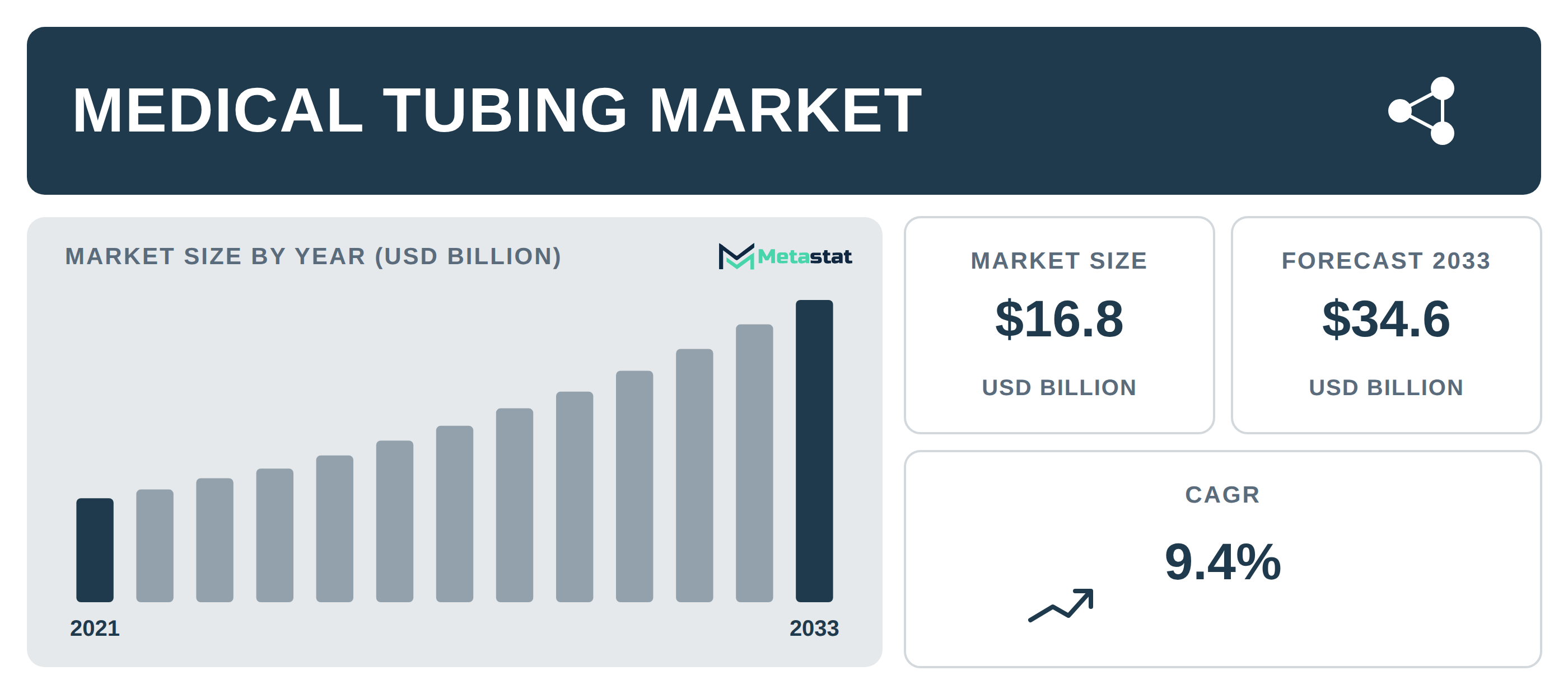
The increasing complexity of healthcare procedures is leading to significant changes in the market for Medical Tubing. Suppliers and buyers navigate a landscape shaped by the growing demand for advanced materials, yet misconceptions about the dynamics often lead to missed opportunities. The full figures are in our Medical Tubing market size and forecast report.
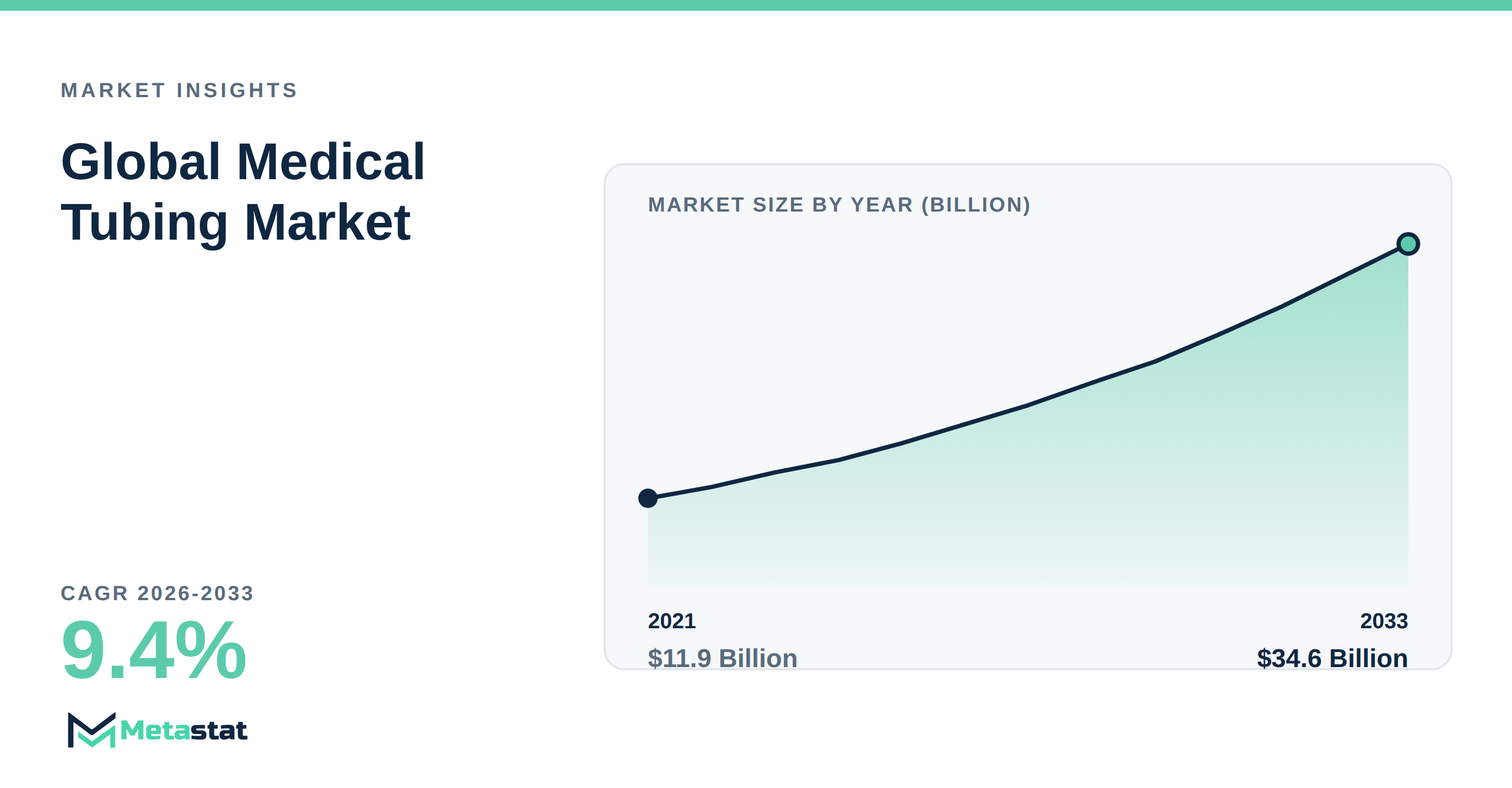
Buyers commonly perceive that all medical tubing options are interchangeable; however, each type of tubing offers distinct benefits that align with specific applications. For instance, silicone tubing is favored in settings requiring biocompatibility and chemical resistance, making it ideal for drug delivery and infusion applications. In contrast, polyvinyl chloride (PVC) tubing remains popular in many lower-cost applications due to its versatility and affordability.
This differentiation among materials impacts decision-making in procurement, especially as healthcare providers increasingly focus on patient safety and regulatory compliance. Recent trends indicate a strong preference for PVC-free infusion systems, driven by sustainability initiatives and growing awareness regarding plasticizers and additives in traditional materials. The shift toward alternative materials like silicone and polyolefins represents a significant opportunity for suppliers capable of validating these alternatives.
The rise of multi-lumen tubing reflects a response to the demand for more advanced device integration, which is essential for complex interventional procedures. This configuration allows multiple fluid pathways within a single catheter body, enhancing procedural efficiency. However, the perception that multi-lumen tubing is merely an upgraded version of single-lumen options leads to underestimating its unique manufacturing and material requirements. Buyers seeking these specialized products prioritize suppliers with expertise in precision extrusion.
Another misinterpretation exists around the role of sterilization compatibility in tubing selection. While several buyers overlook the importance of materials' durability under sterilization protocols, this factor significantly influences product safety and reliability. As healthcare facilities increasingly rely on consistent sterilization standards, tubing materials that withstand repeated exposure to various methods, including autoclaving and ethylene oxide gas, gain preference in procurement decisions.
Pricing strategies within the Medical Tubing sector is misleading. The misconception that higher prices guarantee superior quality discourages buyers from exploring innovative alternatives that offer comparable performance at a lower cost. For instance, while silicone tubing commands a premium price, polyurethane, which serves as a cost-efficient alternative with strong physical properties, is often overlooked by those prioritizing performance over price.
Understanding these nuances in the market for Medical Tubing helps buyers make informed procurement decisions. Aligning product selection with specific clinical needs rather than perceived norms enables healthcare providers to optimize their supply chains and enhance patient care delivery.
Ultimately, the market for Medical Tubing is not just defined by growth figures; it is shaped by evolving healthcare demands, the complexities of material interactions, and the regulatory landscape influencing product selection. Engaging with suppliers who demonstrate a commitment to innovation and compliance equips healthcare providers to navigate these challenges effectively.
For more insights and detailed analysis, consider reviewing the Medical Tubing market size and forecast report.
Tags
About the Authors

LEAD ANALYST
Utkarsh Khirodkar is a Lead Market Research Analyst at MetaStat Insight, specializing in market intelligence, technology sector assessments, and competitive strategy.

LEAD PRINCIPAL ANALYST, PHARMA AND HEALTHCARE
Food and Beverages · Healthcare · Healthcare IT · Medical Devices
Ajay Devgire is the Lead Healthcare Analyst at MetaStat Insight, leading strategic research and market intelligence initiatives across the global healthcare domain.

SENIOR RESEARCH ANALYST
Biotechnology · Food and Beverages · Medical Devices · Packaging
Snehal Pasalkar is a Research Analyst at MetaStat Insight, operating at the intersection of life sciences research, competitive strategy, and market intelligence.