
LEAD ANALYST
Utkarsh Khirodkar is a Lead Market Research Analyst at MetaStat Insight, specializing in market intelligence, technology sector assessments, and competitive strategy.

Global Medical Tubing Market Size, Share, By Material Type (Polyvinyl Chloride (PVC), Silicone, Polyurethane (PU), Polyolefins (Polyethylene, Polypropylene, EVA), Fluoropolymers (PTFE, FEP, PFA, ETFE, PVDF), Polyamides and Polyether Block Amides (PEBA), Other Thermoplastic Elastomers (Styrenic Elastomers, TPV), Polyesters (PET, PBT), Metals (Stainless Steel, Nitinol), Others (Polyimide, PEEK, Natural Rubber)), By Lumen Configuration (Single-Lumen Tubing and Multi-Lumen Tubing), By Application (Infusion and Drug Delivery, Interventional Catheter and Device Delivery, Dialysis and Extracorporeal Circulation, Respiratory Care and Anesthesia, Enteral Feeding, Drainage and Suction, Diagnostic and Laboratory Fluid Handling, Implantable Device Insulation, Others (Medical Device Assembly Aids and Protective Sleeving)), By End-user (Hospitals & ASCs, Aged Care Centers/Nursing Homes and Others), Industry Analysis, Growth, Trends, and Forecast, 2026-2033
Report ID
MSI-5416
Published
October, 2026
Pages
267 Pages
Format
Historical
Base year
Forecast
Forecast period
Report Details
Market Valuation: Valued at $16.8 Billion in 2025, projected to reach $34.6 Billion by 2033 at a 9.4% CAGR.
Dominant Segment: Single-lumen tubing leads the market by value, driven by its widespread use in infusion, drug delivery, and catheter-based interventions across hospitals and ambulatory surgical centers.
Material Leadership: Polyvinyl chloride (PVC) remains the largest material segment, valued at USD 5.5 billion in 2026 and projected to reach USD 9 billion by 2033, favored for its cost efficiency and adaptability in diverse medical applications.
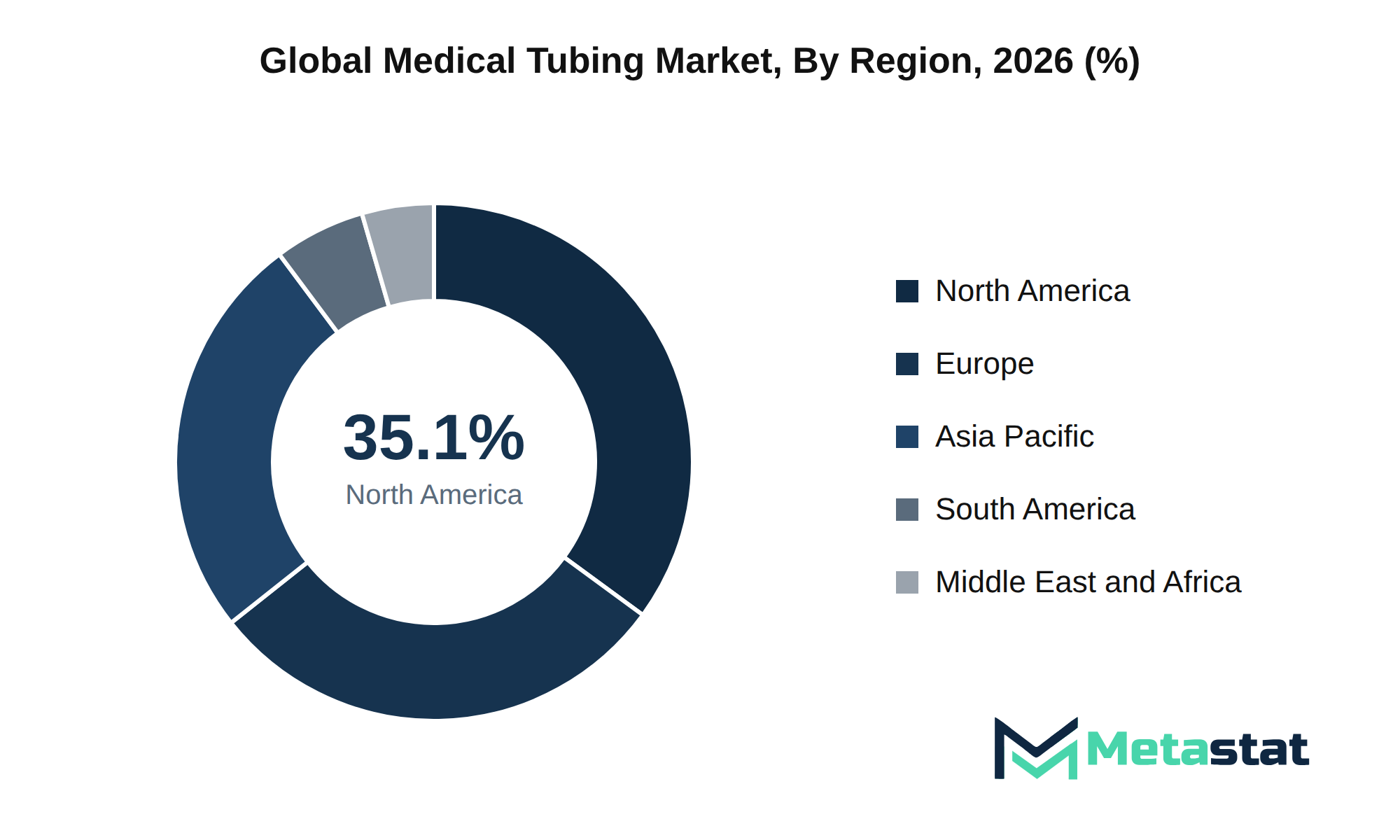
Geographic Lead: North America holds a leading share of 35.1% in 2025, with the US as the primary market, supported by high procedural volumes and rapid adoption of advanced medical tubing technologies.
What's Inside: The report provides detailed segmentation by material type, lumen configuration, application, and end-user, with market sizing and forecasts from 2026 to 2033, alongside competitive analysis and industry trends.
Choose Your License
Global Medical Tubing Market
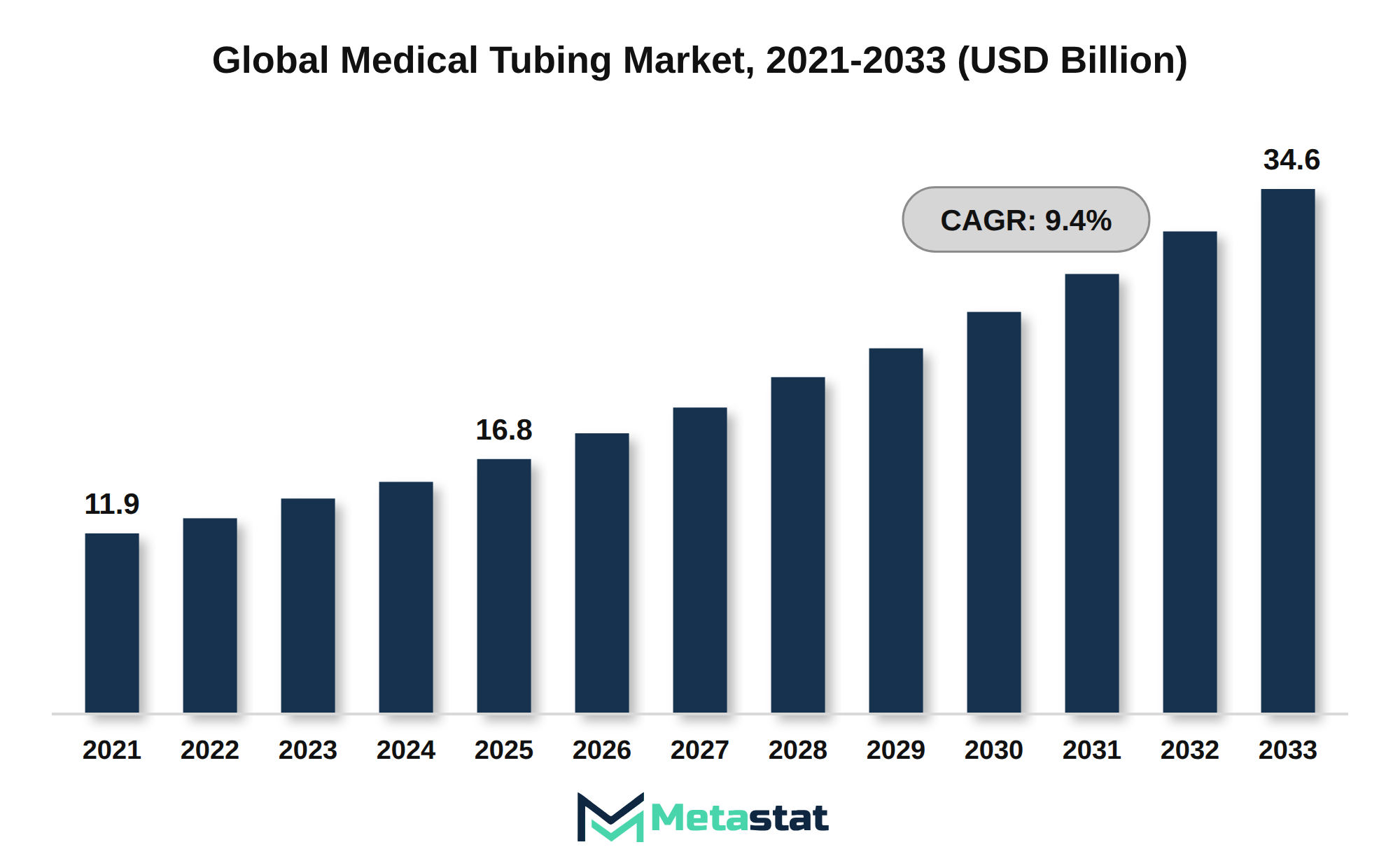
The global Medical Tubing market was valued at USD 16.8 billion in 2025 and is projected to reach USD 34.6 billion by 2033, growing at a CAGR of 9.4% over the forecast period.
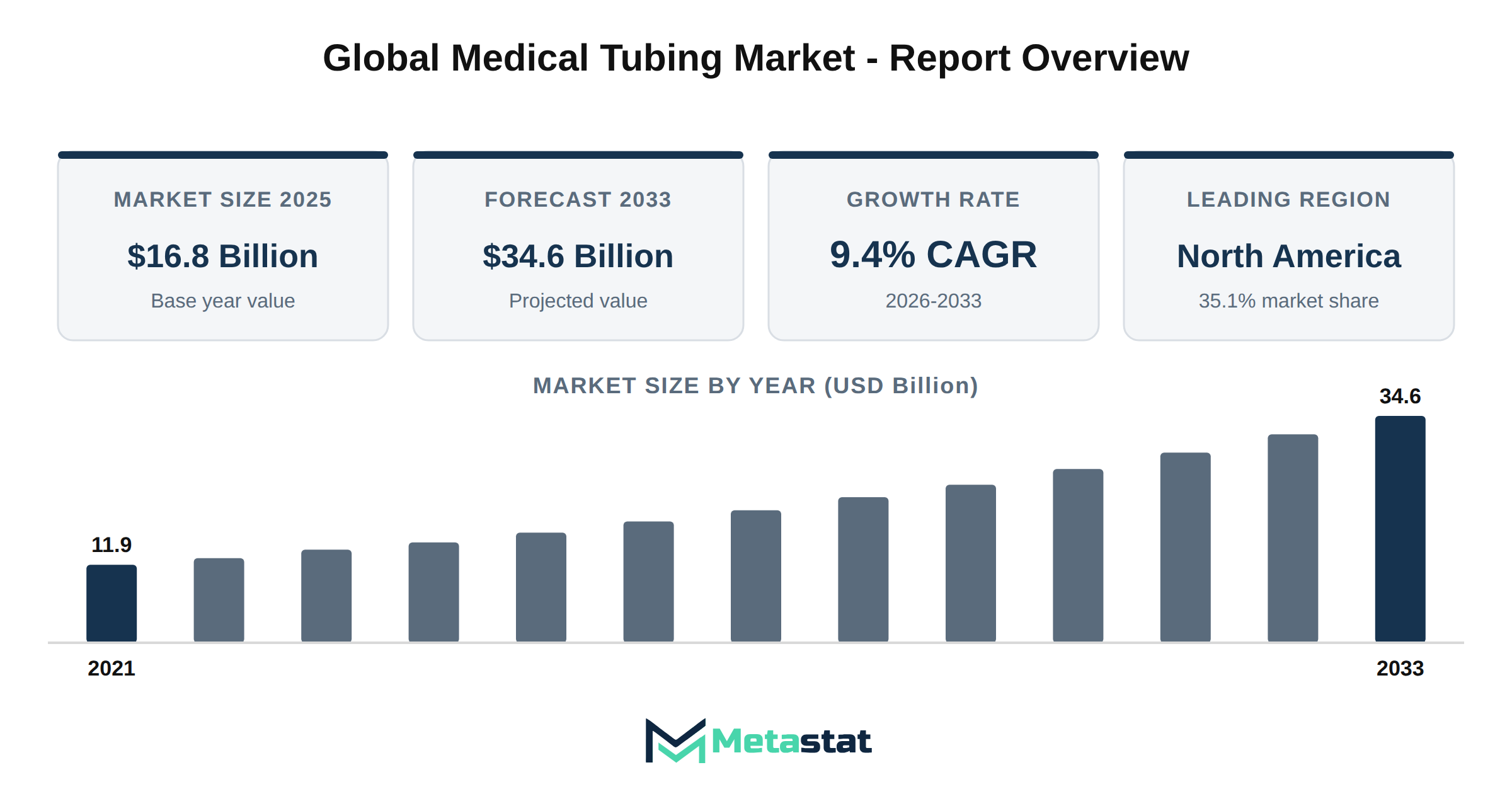
The Medical Tubing market covers the production and supply of flexible tubes used for fluid transfer, drug delivery, and medical device integration in healthcare settings. These tubes replace rigid piping and reusable systems in hospitals, aged care centers, and diagnostic labs, supporting applications from infusion therapy to interventional procedures. The sharp increase in value from USD 16.8 billion in 2025 to USD 34.6 billion in 2033 reflects expanded procedural volumes, a rising prevalence of chronic conditions, and the growing adoption of advanced minimally invasive techniques that require specialized tubing.
North America holds 35.1% in 2025 with US leading the market share in 2026. The market demonstrates strong demand from hospitals and ambulatory surgical centers, where rising patient throughput and a focus on infection control drive high-volume purchases. Single-lumen tubing dominates by value due to its use in infusion, drug delivery, and catheter-based interventions. Material innovation, particularly in silicone and polyurethane, supports the growing need for biocompatibility and patient comfort. The largest force driving expansion is the increased use of disposable devices in both acute and long-term care, which accelerates replacement cycles and lifts overall volume. Disposable Catheters illustrate this single-use demand through products supporting fluid drainage, medication delivery, and diagnostic procedures.
Buyers in the Medical Tubing market prioritize products that deliver safety, chemical resistance, and flexibility for clinical procedures. Hospitals, ambulatory surgical centers, and aged care facilities purchase these tubes for infusion, interventional catheterization, and respiratory care, responding to the increasing complexity and frequency of patient treatments. The largest segment by material type remains polyvinyl chloride (PVC), valued at USD 5.5 billion in 2026 and projected to reach USD 9 billion by 2033, favored for its cost efficiency and adaptability across a variety of medical uses. Multi-lumen tubing, growing at a CAGR of 11.5 percent, addresses the demand for more advanced device integration, supporting multiple fluid pathways within a single procedure.
Infusion and drug delivery applications, projected to grow from USD 4.9 billion in 2026 to USD 9.4 billion by 2033, signal a sustained increase in chronic disease management and home care treatments. Hospitals and ambulatory surgical centers act as the primary end-users, driving volume through continuous procurement cycles and technology upgrades. The most significant force supporting this growth is the ongoing transition to high-performance materials and configurations that enable safer, more efficient patient care.
Miniaturization of multi-lumen catheters is intensifying demand for advanced precision extrusion capabilities among suppliers in the Medical Tubing market. This requirement is particularly pronounced in applications where device profiles are shrinking for minimally invasive procedures, driving the selection of specialty materials and fine-tolerance production environments. Multi-lumen tubing is projected to reach USD 9.5 billion by 2033, expanding at a 11.5% CAGR, reflecting the increasing complexity and integration of multiple fluid or wire channels within a single catheter body. Buyers in the interventional device manufacturing segment are prioritizing suppliers with demonstrated expertise in micro-extrusion, able to deliver consistent wall thickness, concentricity, and reliable lumen separation at sub-millimeter scales. Catheter designers are specifying tighter dimensional tolerances, demanding higher consistency across production runs to support regulatory compliance and device performance.
Material selection is evolving in parallel with miniaturization, with silicone and high-performance thermoplastics including polyamide and PEBA emerging as preferred options for their flexibility, biocompatibility, and processability at small diameters. Silicone material is forecasted to achieve USD 7.1 billion by 2033, reflecting its adoption in advanced catheter designs. The requirement for specialty compounds with specific durometers or radiopacity further influences the supplier qualification process. For extruders, investment in in-line measurement, automated defect detection, and contamination control is becoming a commercial differentiator. Manufacturers unable to meet these precision requirements risk exclusion from device OEM supply chains, as the market continues to reward suppliers delivering consistent micro-scale quality at commercial volumes.
PVC-free infusion systems are gaining traction among healthcare providers seeking to reduce exposure to plasticizers and additives found in conventional polyvinyl chloride (PVC) tubing. The market is experiencing a shift, driven by regulatory guidance and hospital procurement preferences that encourage the adoption of alternative materials, including silicone and polyolefins. Material substitution trends are supported by projections showing that silicone tubing is expected to reach USD 7.1 billion by 2033, expanding at a 9.9% compound annual growth rate. Buyers in hospital and ambulatory surgical center settings are driving this change, motivated by both patient safety concerns and institutional sustainability targets.
Switching away from PVC involves rebalancing material and production costs. PVC has historically served as a cost-effective and versatile option, but increased scrutiny over potential leachables and the environmental impact of its disposal is influencing procurement decisions. Hospitals and device manufacturers evaluate silicone, polyurethane, and polyolefins not only on clinical performance but on lifecycle cost and compatibility with existing processing equipment. Procurement managers track evolving price points as alternative polymers achieve greater economies of scale, with polyolefins in particular showing competitive cost structure given an 8.1% CAGR in the segment. These economics influence supplier relationships and contract terms throughout the market.
Material substitution creates new opportunities for suppliers equipped to validate alternatives for infusion and drug delivery applications. Infusion and drug delivery tubing is forecast to reach USD 9.4 billion by 2033, highlighting the scale of the shift. OEMs and contract manufacturers that qualify and scale production of PVC-free medical tubing products act as preferred partners for healthcare providers seeking compliance with evolving safety standards and green procurement policies. This transition incentivizes investment in material science capabilities and vertical integration within the sector.
Sterilization compatibility acts as a critical procurement criterion for buyers in this market. Sterilization Services extend this consideration to process validation and treatment methods selected around medical device materials and intended use. Device manufacturers and healthcare providers prioritize tubing materials that withstand repeated exposure to sterilization protocols, including autoclaving, ethylene oxide gas, and gamma irradiation. In high-volume end-user settings including hospitals and ambulatory surgical centers, this compatibility becomes more important due to the demand for reliable and safe tubing. These settings are projected to reach USD 24.5 billion in value by 2033. Polyvinyl chloride (PVC) and silicone tubing stand out as preferred choices for their resilience under various sterilization methods. Their use supports adoption in infusion, drug delivery, and interventional catheter applications. Several buyers select these materials specifically for their proven performance in demanding clinical environments.
Supplier qualification processes in this market involve comprehensive evaluation of production consistency, regulatory compliance, and batch traceability. Manufacturers supplying to high-growth segments, including multi-lumen tubing, face frequent requirements to demonstrate validated sterilization protocols and material certifications during procurement. These requirements increase time-to-market for new suppliers. Established players with documented quality management systems gain commercial advantage in serving large-scale buyers. Barriers to entry remain significant, and new entrants encounter challenges in meeting these rigorous standards.
Regulatory expectations further shape procurement decisions. Medical device buyers demand suppliers offer robust documentation on sterilization compatibility and biocompatibility. This trend is especially evident in North America, where the market is forecast to reach USD 11.4 billion by 2033. Stringent documentation and supplier qualification processes influence both pricing and purchasing cycles. Preference shifts toward suppliers with extensive testing data and proven quality systems. Buyers in this environment value traceability and process transparency, which impacts supplier selection and long-term contractual relationships.
Silicone and polyurethane (PU) tubing serve distinct roles in the Medical Tubing market for drug delivery, each offering manufacturers and healthcare providers strategic advantages based on formulation, durability, and patient compatibility. Silicone tubing is valued for its high flexibility, chemical inertness, and biocompatibility, which make it suitable for a wide range of infusion and drug delivery applications. Buyers in this segment select silicone when extended contact with sensitive pharmaceuticals is required, and when device longevity is critical. The market valuation for silicone tubing is projected to reach USD 7.1 billion by 2033, with a CAGR of 9.9 percent, reflecting growing preference among hospitals and device OEMs for advanced material solutions in high-risk therapeutic delivery.
Polyurethane tubing, in comparison, stands out as a cost-effective alternative with robust physical strength and high abrasion resistance, making it attractive for short-term or disposable drug delivery systems. While the fact sheet reports a 2033 market value of USD 4.3 billion for polyurethane tubing, it does not provide a growth rate, suggesting a steadier adoption curve compared to silicone. Device manufacturers select polyurethane when flexible performance and a lower unit cost are prioritized over extended chemical resistance or sterilization cycles. Product pricing in the Medical Tubing market is influenced by these material differences, with silicone typically commanding a premium due to its functional benefits, while polyurethane supports broader adoption in cost-sensitive healthcare procurement strategies.
Regulatory pressures for patient safety and compatibility further shape purchasing decisions, with both materials required to meet stringent biocompatibility standards. However, the higher forecast value for silicone reflects an industry shift toward next-generation therapies demanding greater material performance. This shift drives innovation in product development pipelines and encourages suppliers to differentiate portfolios, enabling buyers to align material choice with evolving clinical applications and reimbursement environments in the Medical Tubing market.
Demand for advanced tubing continues to accelerate as hospitals and ambulatory surgery centers respond to rising rates of chronic diseases. An increase in procedures for diabetes management, cardiovascular interventions, and renal replacement has shifted buying patterns toward higher volumes and more specialized tubing configurations. In renal replacement therapy, Dialysis Devices provide the equipment context for tubing requirements across hemodialysis, peritoneal dialysis, and continuous renal replacement therapy. Hospitals and aged care centers emerge as primary purchasers, with the end-user segment for hospitals and ambulatory surgery centers projected to reach USD 24.5 billion by 2033. This shift is driven by expanded access to minimally invasive therapies and a growing preference for outpatient interventions, which require reliable and biocompatible tubing to support infusion, dialysis, and device delivery. Growth in procedural volumes directly impacts the Medical Tubing market, supporting demand for both single-lumen and multi-lumen products tailored to complex therapies. Evolving clinical protocols and increased procedure frequency reinforce the need for scalable supply capacity and ongoing product innovation in the Medical Tubing market.
High price sensitivity in aged care centers and nursing homes limits broader adoption of advanced tubing products. Buyers in these settings operate under tight budget constraints, which leads to a preference for lower-cost options and restricts uptake of premium materials like silicone or multi-lumen configurations. Demand for tubing solutions with enhanced performance or biocompatibility grows more slowly in this end-user segment compared to hospitals and ambulatory surgery centers. While the market overall is projected to reach USD 34.6 billion by 2033, premium product adoption in aged care and nursing environments lags due to persistent cost pressures. This price-driven restraint reduces order sizes, extends replacement cycles, and delays the introduction of higher-value innovations into routine care across these facilities. The slow pace of upgrades in budget-constrained environments restricts overall growth for suppliers targeting this segment.
Escalating prices for specialty polymers and medical-grade resins are intensifying cost pressures for suppliers in the Medical Tubing market. Producers relying on inputs including silicone, polyurethane, and advanced thermoplastics are experiencing unpredictable swings in raw material expenses, particularly for grades required to meet stringent biocompatibility and regulatory standards. These fluctuations compress margins for suppliers, especially when long-term contracts restrict the ability to pass cost increases to device manufacturers or healthcare providers. To address this challenge, several suppliers are investing in strategic sourcing agreements and diversifying their supplier base to stabilize input costs. Others are adopting process improvements and yield optimization in extrusion and finishing operations, aiming to offset material cost inflation through higher operational efficiency. Intense competition in the Medical Tubing market sustains margin pressure, reinforcing the drive toward innovative sourcing strategies rather than broad price adjustments.
Growth in aged care centers and nursing homes creates a concentrated opportunity for suppliers targeting infusion and drug delivery applications. This end-user group is projected to reach USD 5.4 billion by 2033, supported by a strong annual expansion of 10.5%. Increasing prevalence of age-related chronic conditions and higher dependency on intravenous therapies accelerate procurement of specialized tubing designed for safe, reliable medication administration. The Medical Tubing market benefits from product portfolios tailored for long-term care settings, including low-extractables silicone and kink-resistant polyurethane. Manufacturers who address regulatory and usability requirements in these facilities stand out as preferred partners. Targeted innovation in lumen configurations and biocompatible materials enables suppliers to capture a larger share of this expanding segment. Revenue streams in the Medical Tubing market shift accordingly, with stakeholders aligning with shifting care delivery models and the needs of institutional buyers.
The global Medical Tubing market is segmented based on Material Type, Lumen Configuration, Application, and End-user.
Healthcare facilities rely on PVC tubing for applications in fluid transfer, blood bags, and enteral feeding due to its flexibility, chemical stability, and cost efficiency. Hospitals and ambulatory surgery centers act as primary buyers, driving large-scale procurement of standard and custom configurations. Compared to alternative materials, PVC stands out for its low manufacturing cost, which supports its strong share in the Medical Tubing market. However, regulatory scrutiny over additives and plasticizers influences product preferences in regions with stricter compliance. Slower growth relative to silicone-based tubing reflects a balance between cost pressures and material substitution trends, with PVC’s price advantage sustaining demand even as the Medical Tubing market diversifies toward higher-performance polymers.
Silicone segment is estimated to reach USD 7.1 billion by 2033, at a CAGR of 9.9% during the forecast period. This material is widely selected for medical tubing used in implantable devices, long-term catheters, and high-purity drug delivery applications. Buyers in this segment select silicone when biocompatibility, flexibility, and temperature resistance are mandatory, especially in critical care and surgical settings. The segment’s accelerated growth, which outpaces PVC’s CAGR, is driven by rising adoption in devices that require repeated sterilization or present direct patient contact, since silicone resists degradation and maintains clarity. Compared to other materials, silicone typically commands higher prices, but this premium is accepted by hospitals and device manufacturers prioritizing patient safety and minimizing leachables. This segment stands out when stringent regulatory and end-user requirements push buyers toward advanced materials, particularly in regions with strict standards for medical device components.
Forecasts indicate the polyurethane (PU) segment is expected to reach USD 4.3 billion by 2033. Polyurethane tubing is selected for its durability, kink resistance, and chemical compatibility in demanding healthcare environments. The Medical Thermoplastic Polyurethane Elastomer category provides material-level context for flexible, kink-resistant tubing and catheter components. Device manufacturers and procurement teams in hospitals favor PU for applications that require flexible yet robust conduits, including certain catheters, infusion lines, and fluid transfer systems. One force driving this segment’s expansion is the growing need for reliable tubing in advanced medical devices, especially in settings where durability and flexibility cannot be compromised. Compared to sibling materials like polyvinyl chloride (PVC) or silicone, PU tends to carry a higher price point, but buyers seeking specialized performance continue to invest in this material. Increased differentiation based on end-use requirements shapes purchasing patterns, and the PU segment benefits from its performance profile, even in cost-sensitive environments. While price remains a consideration, buyers select PU for critical applications where longevity and resistance to repeated sterilization cycles influence purchasing decisions.
Polyolefins (Polyethylene, Polypropylene, EVA) segment is projected to grow at a CAGR of 8.1% during the forecast period. These materials are widely adopted for tubing solutions in applications demanding chemical resistance and low leachables, particularly in diagnostic and laboratory fluid handling and enteral feeding lines. Hospitals and device manufacturers select polyolefin-based tubing for procedures where cost efficiency is prioritized over the flexibility or heat resistance offered by silicone or polyurethane alternatives. The segment benefits from the ability of polyolefins to deliver performance with competitive pricing, which appeals to high-volume buyers and procurement teams conscious of budget constraints. Unlike the premium-positioned silicone and polyurethane segments, polyolefin tubing attracts customers seeking scalable production and reliable supply for standard medical devices. Suppliers leverage material advancements in polyethylene and polypropylene blends to enhance transparency and processability, supporting broader adoption in high-throughput healthcare settings. This segment’s growth rate positions it ahead of legacy metal-based tubing while remaining accessible to a broader range of institutional buyers.
Fluoropolymers including PTFE, FEP, PFA, ETFE, and PVDF are specified for applications that demand outstanding chemical resistance and low surface energy. These materials are selected by device manufacturers and hospitals for critical fluid transfer, diagnostic, or interventional procedures where purity, non-stick properties, and biocompatibility are essential. The growing complexity of minimally invasive procedures drives adoption of fluoropolymer tubing, as these applications require tubing capable of withstanding aggressive sterilization cycles and exposure to a wide range of pharmaceutical agents. Compared to lower-cost materials, fluoropolymers command a higher price due to complex manufacturing techniques and the premium attributed to their performance characteristics. This segment differs from PVC, silicone, and polyurethane by targeting high-value, specialized applications rather than bulk hospital consumables, making it less sensitive to price fluctuations and more influenced by technical requirements. Suppliers leverage fluoropolymers to meet specifications that standard polymers cannot address.
Polyamides and polyether block amides (PEBA) are specialty polymers used by manufacturers seeking high resilience, flexibility, and chemical resistance in advanced catheter shafts, microbore tubing, and device delivery systems. Devices targeting interventional and minimally invasive procedures turn to PEBA for its lightweight properties and abrasion resistance, which support complex geometries and fine lumens. Buyers in the Medical Tubing market working on applications where kink resistance and torque response stand out as critical criteria adopt PEBA despite its higher price relative to polyvinyl chloride (PVC) or silicone. The segment’s growth in the Medical Tubing market is influenced primarily by the expanding requirements of device OEMs for next-generation catheters supporting neurological, cardiovascular, and structural heart interventions. PEBA’s cost and specialized processing create an adoption barrier among high-volume, commodity tubing buyers, positioning it as a preferred choice for manufacturers pursuing performance differentiation rather than cost leadership.
Other thermoplastic elastomers, including styrenic elastomers and thermoplastic vulcanizates (TPV), are chosen by device OEMs and converters that prioritize a balance of processability, soft-touch properties, and compatibility with automated high-volume manufacturing lines. These materials stand out as alternatives in applications where flexibility and resilience are required but where the high cost of silicone or the limited chemical resistance of traditional PVC do not align with performance or budget targets. In the Medical Tubing market, demand for these elastomers is driven by their ability to meet specialized requirements in diagnostic and laboratory fluid handling, protective sleeving, and medical device assembly aids. Buyers in this sub-segment include suppliers supporting disposable device manufacturing, who require materials that allow customization and color coding while maintaining robust mechanical properties. Compared to higher-priced specialty polymers, other thermoplastic elastomers act as a cost-containment strategy for buyers intent on meeting regulatory compliance without exceeding material budgets, which influences their adoption rate in the Medical Tubing market.
Polyesters (PET, PBT) are selected for tubing applications where clarity, dimensional stability, and mechanical strength are required by device manufacturers. These materials are specified for diagnostic and laboratory fluid handling devices, and implantable device insulation and protective sleeving, where optical transparency and chemical resistance support performance. In contrast to faster-growing categories like silicone, polyester tubing adoption is shaped by unique processing requirements and cost dynamics that appeal to OEMs seeking a balance of price and technical performance. Barriers to wider use include lower flexibility compared to thermoplastic elastomers or silicones, which restricts their application in highly dynamic catheter or infusion lines. Demand for PET and PBT in this segment is concentrated among buyers prioritizing consistency in wall thickness and low extractables, especially in laboratory and analytical settings. While the market sees accelerating growth in high-precision and specialty material segments, polyester-based products retain a niche position among users valuing durability and optical clarity over flexibility.
Metals including stainless steel and nitinol are specified in catheter shafts, guidewires, and interventional devices that demand high tensile strength, kink resistance, and torque response. Manufacturers serving the Medical Tubing market select these metals for applications where polymer alternatives do not deliver the required mechanical reliability or biocompatibility over repeated use. Demand for these metallic tubing types is heavily concentrated in interventional cardiology, neurology, and minimally invasive surgical procedures, where device performance directly influences patient outcomes. While polymers dominate in disposable infusion and general fluid management, stainless steel and nitinol tubing supports advanced device architectures and long-term implantable systems. Compared to polymer-based options, metal tubing exhibits a higher price point and longer qualification cycles, often shaping procurement decisions at large hospitals and specialty clinics. High material cost and stricter regulatory scrutiny create a procurement environment distinct from the volume-driven, price-sensitive segments of the Medical Tubing market. In this context, metals act as enablers for premium, precision-driven device portfolios in the market.
Polyimide, PEEK, and natural rubber serve as material solutions for highly specialized medical tubing applications where performance requirements exceed those offered by more common polymers. Device manufacturers and OEMs specify these materials when a device demands superior thermal stability, chemical resistance, or unique mechanical properties. PEEK belongs to the broader High Performance Polymers category, connecting this specialty tubing material to medical applications requiring strength and biocompatibility. Polyimide earns adoption in microcatheters and guidewires for minimally invasive procedures, while PEEK is selected for its biocompatibility and radiolucency in long-term implantable devices. Natural rubber, although less common, acts as a flexible and resilient option for applications needing high elasticity. In the Medical Tubing market, these materials are distinguished by higher unit costs and niche demand, compared to larger-volume segments like silicone or PVC. Regulatory scrutiny often increases for devices incorporating these advanced materials, influencing the pace of product approval and market entry, especially in North America and Europe. Cost sensitivity and procurement cycles typically position these materials in premium product categories within the Medical Tubing market.
Single-lumen tubing is valued at USD 14 billion in 2026 and is projected to reach USD 25 billion by 2033, at a CAGR of 8.6% during the forecast period. This segment is used by hospitals, ambulatory surgery centers, and device manufacturers for fluid transfer, drug delivery, and diagnostic procedures that require straightforward flow paths without complex channeling. High-volume usage in intravenous therapy and general fluid administration sustains demand, particularly where simplicity of design and cost-effectiveness are prioritized. Growth in this segment is driven by global healthcare facilities expanding routine infusion and delivery applications, leveraging the ease of integration and broad compatibility with standard connectors. Compared to multi-lumen tubing, which supports more complex interventions, single-lumen products have lower price points and are adopted at scale by buyers focused on operational efficiency and reliability. The segment advances through both high-frequency procedures and the preference for uncomplicated device assembly among procurement teams.
This configuration is engineered with multiple internal channels and is widely adopted in complex interventional procedures, including device delivery systems and minimally invasive surgeries where simultaneous transport of fluids, drugs, or guidewires is critical. Device manufacturers and healthcare providers select multi-lumen tubing for its ability to streamline intricate procedures, enhance patient safety, and support integration within compact device architectures. Rising investment in advanced catheter-based interventions and demand for next-generation diagnostic tools are accelerating adoption. Compared to single-lumen alternatives, multi-lumen tubing captures faster growth in the market due to its higher technical barrier and premium pricing. While device developers seek to differentiate offerings in a competitive environment, this segment stands out as a key driver for value-creation and innovation.
Used in intravenous lines, infusion pumps, and ambulatory drug delivery systems, this segment serves hospitals and outpatient clinics treating both acute and chronic conditions. Expansion of targeted therapies and the shift toward home-based care is driving increased unit volumes and adoption of disposable infusion sets. Compared to segments focused on device delivery or dialysis, Infusion and Drug Delivery outpaces sibling categories, supported by strong demand from oncology, infectious disease, and diabetes management. Shorter replacement cycles and a continual push for safety enhancements including closed-system transfer devices further differentiate this sub-segment. Device OEMs and contract suppliers in the Medical Tubing market are responding to evolving biocompatibility and extractables requirements, which is influencing raw material purchases and conversion processes. These factors position this area as a growth engine within the broader Medical Tubing market.
Estimated to reach USD 9.1 billion by 2033, with a CAGR of 10.6% during the forecast period, interventional catheter and device delivery stands out for its advanced clinical applications in vascular, cardiac, and neuro-interventions. Cardiology departments, surgical suites, and interventional radiology centers rely on this segment for minimally invasive procedures, where precise navigation and biocompatibility are critical. Demand is driven by the growing complexity and frequency of interventional therapies, supported by increased adoption of minimally invasive surgeries in developed and emerging economies. Compared to infusion and drug delivery, this segment achieves faster revenue growth and higher product requirements, with a premium attached to multi-layer extrusion, torque response, and micro-lumen configurations. Regulatory scrutiny is more intensive in this segment, requiring suppliers to invest in material validation and advanced manufacturing capabilities. Suppliers focusing on specialized tubing formulations and catheter assemblies capture a greater share of new device launches. Applications within Peripheral Vascular Devices include balloon and renal denervation catheters, connecting specialized tubing requirements to specific interventional product categories.
Projected to reach USD 5.5 billion by 2033, dialysis and extracorporeal circulation tubing is essential for blood purification procedures in hospitals, specialty dialysis clinics, and critical care settings. These systems act as lifelines for patients with chronic kidney disease or acute renal failure, requiring precise fluid transfer, biocompatibility, and robust performance to minimize contamination and thrombosis risk. Demand in this segment is driven by the rising prevalence of end-stage renal disease and a widening patient base accessing dialysis therapy. Within this application, the Blood Tubing Set category covers dedicated blood-transfer consumables used in hemodialysis treatment. Compared to other applications in the Medical Tubing market, dialysis and extracorporeal circulation tubing faces higher technical requirements for sterility and chemical stability, which often leads to higher material and compliance costs. This complexity distinguishes it from segments including infusion and drug delivery, where flexibility and throughput drive adoption more than stringent biocompatibility. Regulatory scrutiny for these devices in the Medical Tubing market further influences supplier qualification and product design decisions, shaping competitive dynamics and investment priorities.
Projected to expand at a CAGR of 7.1% through 2033, respiratory care and anesthesia tubing serves in critical settings including intensive care units, surgical theaters, and emergency response, supporting functions including mechanical ventilation, oxygen delivery, and anesthesia administration. Hospitals and ambulatory surgical centers act as primary buyers, driven by the growing prevalence of chronic respiratory conditions and higher surgical procedure volumes among aging populations. In contrast to faster-growing application segments in the Medical Tubing market, this area experiences steady expansion aligned with ongoing investments in acute and chronic respiratory disease management. Product innovation in tubing flexibility and biocompatibility contributes to adoption, addressing patient safety requirements and reducing the risk of infection or airway injury. Therapeutic products within Respiratory Care Devices provide the downstream equipment context for tubing used in respiratory treatment. Pricing structures remain stable, reflecting the essential nature of these devices and high procurement demand from institutional buyers. While regulatory standards for medical device safety become more stringent, suppliers in the Medical Tubing market respond with enhanced material traceability and process controls that support compliance in critical respiratory and anesthesia applications.
Enteral feeding tubing serves patients who are unable to consume nutrition orally and require direct gastrointestinal delivery of nutrients and medication. Enteral Single Use Syringes address the same feeding pathway through disposable administration products, adding context on dosing accuracy and cross-contamination prevention. Hospitals, aged care centers, and home healthcare providers act as the principal buyers, favoring tubing designed for reliability, biocompatibility, and resistance to clogging. Clinical adoption of enteral feeding products increases in response to a rising elderly population and higher rates of chronic illnesses, which result in more patients with compromised swallowing reflexes. Compared with segments including interventional catheter delivery, enteral feeding sees steadier but less rapid expansion, reflecting routine procedure volumes rather than acute interventions. Pricing pressure tends to be higher, as healthcare facilities and payers prioritize cost efficiency for high-volume, commoditized tubing. Product differentiation in this segment often centers on minimizing aspiration risk, improving patient comfort, and ensuring compatibility with enteral connectors, which directly influences supplier competition and specification patterns within the market.
Drainage and suction tubing is essential in procedures that remove fluids, air, or infectious materials from surgical sites, wounds, and body cavities. Hospitals, surgical centers, and emergency care providers depend on this segment for devices including wound drains, chest tubes, and surgical suction sets. The frequency of surgeries and trauma cases drives demand for reliable drainage solutions. Compared with high-value applications including interventional catheter and device delivery, drainage and suction tubing generally occupies a lower price tier. A high-volume consumable, it supports steady demand through frequent replacement cycles in acute care environments. Infection Control standards and device safety requirements influence material choices for this segment. Suppliers introduce innovations in kink resistance, flexibility, and transparency, tailoring products for clinical workflows that prioritize reliability and safety. Price sensitivity in procurement and high usage rates distinguish drainage and suction from higher-margin segments, shaping segment dynamics.
Laboratory and diagnostic fluid handling tubing acts in sample collection, reagent transfer, analytical instrumentation, and automated laboratory systems, supporting analytical accuracy for clinical and research settings. Clinical laboratories, diagnostic device manufacturers, and research organizations rely on these tubing products to manage biological samples, chemicals, and buffer solutions. Growth in this segment stems from the expansion of point-of-care diagnostics and the shift toward high-throughput laboratory automation. These applications demand tubing with consistent inner diameters, inert chemistries, and biocompatibility to safeguard test integrity and reduce contamination risk. Compared to high-volume infusion or device delivery segments, diagnostic and laboratory buyers emphasize precision tolerances and lower extractables over throughput, leading to higher per-unit product specifications and quality screening. While device miniaturization and multiplexed assays advance, suppliers to this sub-segment invest in more specialized polymer formulations and custom micro-extrusion capabilities to retain competitive positioning among laboratory customers.
Insulation for implantable devices relies on precision-engineered tubing that provides electrical, thermal, and chemical protection to leads, wires, and structural components placed permanently within the body. Medical device manufacturers and cardiology implant providers specify these solutions for pacemakers, neurostimulators, and implantable defibrillators, where biocompatibility, non-thrombogenic surfaces, and resistance to body fluids are mandatory. Adoption in this application is strongly influenced by advances in polymer science, with fluoropolymers and high-performance thermoplastics enabling thinner wall constructions and longer device lifespans. Compared to higher-volume applications including infusion or interventional catheters, implantable device insulation faces more intensive regulatory scrutiny, resulting in longer qualification cycles and higher per-unit costs. This segment stands out for its low volume but high value, with buyers prioritizing reliability and proven clinical outcomes over price sensitivity.
Assembly aids and protective sleeving tubing deliver functionality in device manufacturing and packaging, protecting sensitive medical components and streamlining device assembly processes. Demand in this segment is driven by manufacturers that require precise handling and safeguarding of wires, sensors, and subassemblies during production and shipment. Unlike high-volume categories including infusion or drug delivery tubing, this segment is shaped by the diversity of device designs and the customization required by OEMs for specific products. Regulatory pressures around contamination control and sterile processing drive adoption, particularly among suppliers serving advanced device manufacturers in North America and Europe. Compared to other segments in the Medical Tubing market, buyers place a premium on consistency, cleanliness, and dimensional accuracy. While suppliers innovate with materials that offer improved chemical resistance and flexibility, adoption extends into new device categories. The market continues to evolve as technical requirements for device assembly and protection become more rigorous and customer expectations rise for quality and supply reliability.
Valued at USD 13.5 billion in 2026 and projected to reach USD 24.5 billion by 2033 with a CAGR of 8.9%, hospitals and ambulatory surgical centers (ASCs) account for the largest end-user share in the Medical Tubing market. These facilities act as primary buyers of advanced tubing products for daily procedures, critical care, surgery, and interventional therapies. Growth in this segment is propelled by the steady increase in inpatient and outpatient procedures, driven by population aging, higher surgical volumes, and broader access to minimally invasive techniques. Hospitals and ASCs adopt a wide range of tubing products to ensure sterile, reliable fluid and air transfer in complex clinical environments, differentiating this segment from aged care centers or specialty clinics. Their robust purchasing capacity supports higher-value, specification-driven procurement, which in turn encourages suppliers to prioritize compliance and innovation. The market benefits from hospitals and ASCs continuing to invest in upgrading material quality, safety standards, and device compatibility, reinforcing structural demand across global healthcare systems.
Estimated to achieve USD 5.4 billion by 2033, with a CAGR of 10.5% through the forecast period, this segment serves a rapidly expanding elderly population requiring long-term medical care and continuous health monitoring. Aged care centers and nursing homes rely on advanced tubing solutions for enteral feeding, medication administration, and fluid management, aligning with the increasing incidence of chronic diseases among aging residents. Accelerated growth in this segment outpaces that of hospitals and ASCs, driven by demographic shifts and rising demand for minimally invasive, safe, and comfortable patient interventions. These buyers require tubing with enhanced biocompatibility and infection control, distinguishing their procurement criteria from acute-care settings. Suppliers are responding to heightened interest from institutional care providers by addressing stringent quality and regulatory expectations. Higher adoption rates in aged care environments support volume and premium material trends, reinforcing innovation targeting geriatric healthcare needs.
Expected to reach USD 4.7 billion by 2033, the Others segment under end-user primarily includes non-hospital healthcare settings, rehabilitation centers, outpatient clinics, and specialized care facilities. These buyers rely on medical tubing for device assembly, procedural support, and a range of ancillary medical applications where custom or lower-volume needs are prioritized over standardized mass adoption seen in hospital networks. Growth in this segment is linked to the expansion of ambulatory care and tailored therapeutic environments, where flexibility and specialized device integration act as key purchasing drivers. Compared to hospitals and aged care centers, buyers in the Others category often require tubing solutions adapted to diverse procedural contexts and unique technological configurations. Demand in this segment tracks evolving clinical practices and device customization needs, positioning it distinctively within the broader sector where scale and standardization typically dominate.
Based on geography, the Global Medical Tubing market is divided into North America, Europe, Asia-Pacific, South America, Middle East, and Africa.
With a projected value of USD 11.4 billion by 2033, North America is a key contributor to global revenue for this sector. Across the United States, Canada, and Mexico, sustained investment in advanced healthcare infrastructure and the prevalence of high-acuity hospitals drive demand for complex tubing requirements. Buyers in this region emphasize product quality and regulatory compliance, particularly for advanced materials and multi-lumen configurations that address chronic disease management and surgical needs. The United States stands out as the primary revenue contributor due to its concentration of medical device manufacturers and robust funding for clinical innovation. While reimbursement models increasingly prioritize minimally invasive and home-based therapies, suppliers deliver tubing solutions tailored for both hospital and outpatient settings. This shift supports a broader deployment of high-performance materials and custom-engineered tubing, accelerating adoption across North American healthcare providers and device developers.
Leading medical device manufacturing hubs in Germany, France, and the UK underpin robust demand for advanced tubing solutions in Europe. The region's concentration of specialized hospitals and a large base of medical technology firms supports ongoing innovation and early adoption of next-generation materials. Regulatory expectations for biocompatibility and product safety drive investment in product testing and certification, influencing supplier selection and pricing strategies. The Medical Tubing market in Europe accounted for 29.3% of global revenue in 2025, supported by strong healthcare infrastructure and established reimbursement models. Italy and Spain contribute through expanding public hospital networks and a growing focus on home-based care, which increases demand for user-friendly and safe tubing products. Russia and the Rest of Europe present additional growth opportunities as investments in healthcare modernization accelerate.
Across Asia Pacific, surging adoption of advanced healthcare technologies and increased investment in hospital infrastructure drive expanding demand. Rising healthcare expenditure in China, India, and Southeast Asia underpins procurement across high-volume clinical applications. Rapid urbanization and growing middle-class populations in China and India contribute to a greater number of surgical procedures and chronic disease management, supporting wider use of sophisticated tubing types. Japan and South Korea demonstrate strong uptake of high-purity and precision tubing in their established medical device sectors, reflecting rigorous quality expectations. Asia Pacific accounted for 25.5% of the global Medical Tubing market in 2025, indicating the region’s substantial role in overall growth. Investments from both the private and public sectors accelerate product development, with Southeast Asia emerging as a manufacturing hub for export-oriented medical tubing production. These conditions position the Medical Tubing market in Asia Pacific for sustained expansion through the forecast period.
Brazil and Argentina act as the region's primary demand centers, driven by sustained investment in public health infrastructure and the expansion of local medical device manufacturing. Brazil’s healthcare sector, influenced by periodic government modernization campaigns, encourages local assembly of devices that require high-precision tubing. Multinational and regional suppliers targeting the Medical Tubing market focus on these countries to leverage high patient volumes and increasingly complex medical procedures. Argentina’s growth in private healthcare and biosciences research further supports demand for specialized tubing configurations. The region’s revenue is concentrated in Brazil and Argentina, with the rest of South America contributing through a mix of public procurement and emerging private providers. Regulatory processes are shaped by requirements for imported medical devices, prompting suppliers to certify tubing materials for compliance with local product standards and healthcare protocols.
Healthcare systems in Saudi Arabia, the UAE, and South Africa are expanding access to advanced medical procedures, driven by public and private sector investment in hospital infrastructure and specialized care centers. Modernization initiatives across these countries increase demand for reliable tubing that performs in critical environments, particularly where infection control and material purity are priorities. Revenue generation in the region reflects a combination of population growth and rising incidence of chronic disease that requires sustained medical intervention. Regulatory frameworks in these countries increasingly align with international standards, prompting suppliers to upgrade product quality and certification processes. In Rest of Middle East and Africa, growing urbanization and government-backed healthcare expansion support adoption of single-use and specialty tubing. Suppliers targeting this region tailor product offerings to withstand extreme temperature variations common across large geographic areas, reflecting local clinical and operational requirements in medical tubing.
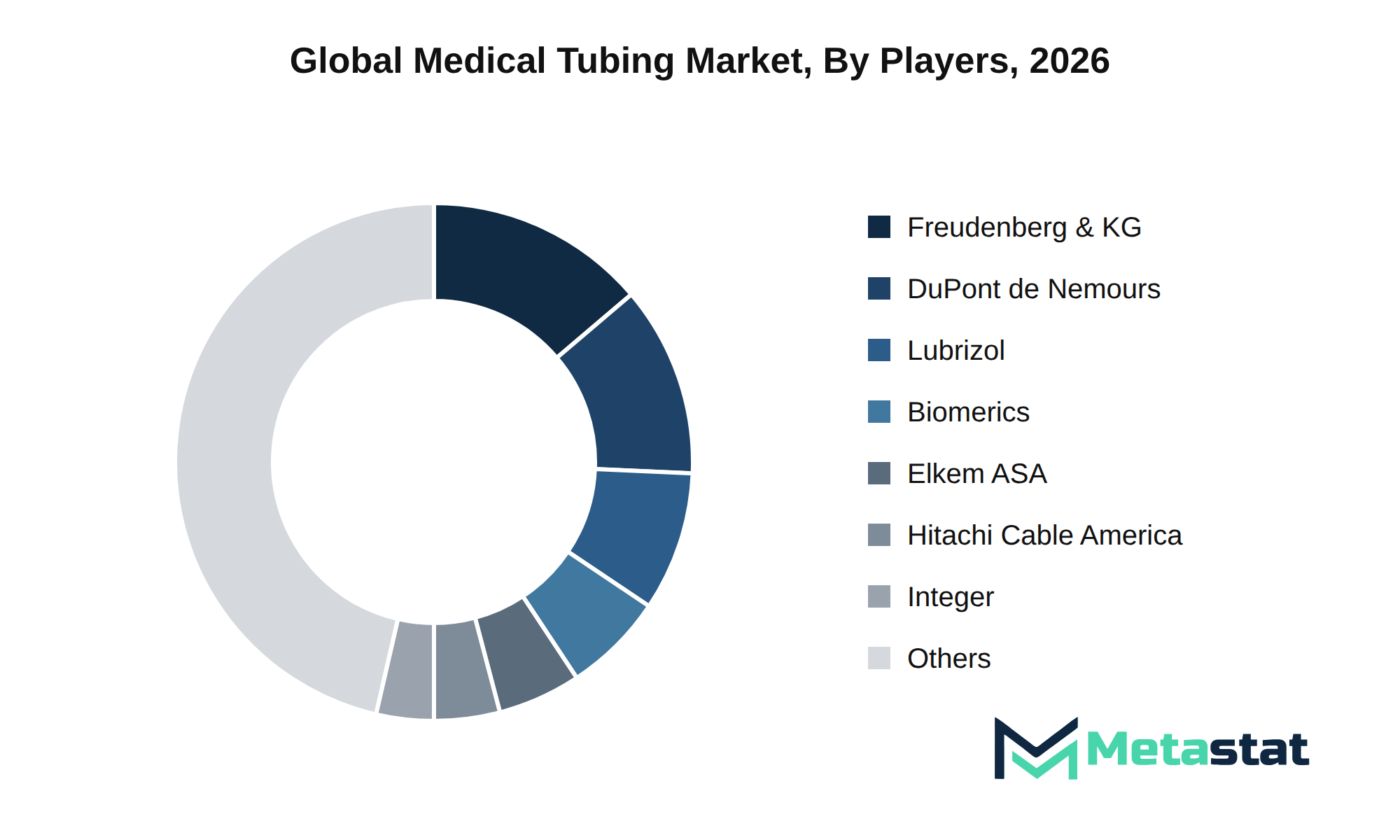
Competition in the Medical Tubing market centers on material innovation, product customization, and the ability to support complex medical applications. Companies operate across a spectrum of capabilities. Several suppliers address demand for advanced polymers including polyvinyl chloride, silicone, and polyurethanes. Buyers in this sector prioritize consistency in biocompatibility and regulatory certification. Flexibility to deliver specialized tubing configurations for uses ranging from infusion therapy to interventional device delivery remains important. Price competitiveness and the ability to deliver tailored solutions influence supplier selection in both high-volume hospital purchasing and device manufacturing.
Established suppliers including DuPont de Nemours, Inc. and Saint-Gobain Performance Plastics address broad medical manufacturing needs through extensive material portfolios and scalable production. Biomerics focuses on precision medical tubing and specialized device delivery systems. This approach provides technical customization for interventional procedures. Optinova Holding AB emphasizes elastomeric and thermoplastic tubing innovation, supporting device OEMs requiring advanced lumen configurations. These strategic choices reflect a broader trend toward differentiated material science and close alignment with evolving healthcare protocols. Ongoing investment in production technology and quality assurance reinforces supplier positioning.
This projection depends on several reinforcing developments. Increased utilization of advanced polymers, particularly silicone and polyurethane, supports higher-value applications in interventional catheter and device delivery, which is projected to expand significantly through 2033. Regulatory frameworks in North America and Europe influence material selection and manufacturing processes, encouraging the adoption of compliant, biocompatible tubing solutions across hospitals, ambulatory surgical centers, and aged care facilities. Demographic shifts, including the aging population in developed regions, drive volume growth in infusion, drug delivery, and dialysis applications, resulting in greater procurement by healthcare providers.
The primary risk to this outlook centers on raw material pricing volatility or regulatory delays, especially in Europe, which could disrupt supply or increase costs for manufacturers and healthcare systems. Slower-than-expected adoption of multi-lumen tubing technologies or constraints in component qualification could restrict growth within interventional segments. For the market to reach its forecast, suppliers and buyers will rely on stable input costs, timely updates to standards, and continued investment in healthcare infrastructure, particularly in Asia Pacific and North America.
By Material Type: Polyvinyl Chloride (PVC), Silicone, Polyurethane (PU), Polyolefins (Polyethylene, Polypropylene, EVA), Fluoropolymers (PTFE, FEP, PFA, ETFE, PVDF), Polyamides and Polyether Block Amides (PEBA), Other Thermoplastic Elastomers (Styrenic Elastomers, TPV), Polyesters (PET, PBT), Metals (Stainless Steel, Nitinol), Others (Polyimide, PEEK, Natural Rubber)
By Application: Infusion and Drug Delivery, Interventional Catheter and Device Delivery, Dialysis and Extracorporeal Circulation, Respiratory Care and Anesthesia, Enteral Feeding, Drainage and Suction, Diagnostic and Laboratory Fluid Handling, Implantable Device Insulation, Others (Medical Device Assembly Aids, Protective Sleeving)
By End-user: Hospitals & ASCs, Aged Care Centers/Nursing Homes, Others
The report strategically identifies and profiles the key market players and analyses their core competencies in each sub-segment of the Medical Tubing market.
|
Report Attributes |
Details |
|
Study Period |
2021-2033 |
|
Base Year |
2025 |
|
Estimated Year |
2026 |
|
Forecast Period |
2026-2033 |
|
Historical Period |
2021-2025 |
|
Growth Rate |
CAGR 9.4% from 2026 to 2033 |
|
Revenue Unit |
USD billion |
|
Segmentation |
|
|
By Region |
North America (By Material Type, Lumen Configuration, Application, End-user, and Country)
|
|
|
|
Asia Pacific (By Material Type, Lumen Configuration, Application, End-user, and Country)
|
|
|
|
|
Middle East and Africa (By Material Type, Lumen Configuration, Application, End-user, and Country)
|
Find answers to common questions about this report
The Metastat Insights study reveals that the Medical Tubing market size was valued at USD 16.8 billion in 2025.
The Medical Tubing market is projected to grow at a CAGR of 9.4% during the forecast period from 2026 to 2033.
According to Metastat Insights analysis, the North America Medical Tubing market size is estimated to reach USD 11.4 billion by 2033.
Single-Lumen Tubing leads by value, reaching USD 25.0 billion in 2033, based on lumen configuration. This segment outpaces Multi-Lumen Tubing, which is projected at USD 9.5 billion in 2033.
North America holds the dominant regional share with 35.1 percent of the total, leading all other regions by market share. This position is based on the latest available figures for regional distribution.
Growth in aged care centers and nursing homes is favoring product adoption, supported by a projected end-user segment value of USD 5.4 billion by 2033. Increasing prevalence of age-related chronic conditions and higher reliance on intravenous therapies accelerate procurement of specialized tubing for safe, reliable medication administration in these settings.
The Medical Tubing market is estimated to reach a valuation of USD 34.6 billion by 2033.
Key players operating in the medical tubing industry include DuPont de Nemours, Inc., Freudenberg & Co. KG, Saint-Gobain Performance Plastics, TekniPlex, Teleflex Incorporated, Trelleborg AB, Optinova Holding AB, and Nordson Corporation. These companies act as major suppliers, offering a broad range of medical tubing products and technologies to meet evolving healthcare requirements.
Demand growth in hospitals and ambulatory surgery centers is driven by rising rates of chronic diseases and increased minimally invasive procedures. This segment is projected to reach USD 24.5 billion by 2033, reflecting expanded access to advanced therapies.
High price sensitivity in aged care centers and nursing homes limits adoption of advanced tubing products. These buyers favor lower-cost options, which restricts uptake of premium materials and slows product upgrades.
The analysts below cover Medical Devices research at Metastat Insights.
LEAD ANALYST
Utkarsh Khirodkar is a Lead Market Research Analyst at MetaStat Insight, specializing in market intelligence, technology sector assessments, and competitive strategy.

LEAD PRINCIPAL ANALYST, PHARMA AND HEALTHCARE
Food and Beverages · Healthcare · Healthcare IT · Medical Devices
Ajay Devgire is the Lead Healthcare Analyst at MetaStat Insight, leading strategic research and market intelligence initiatives across the global healthcare domain.

SENIOR RESEARCH ANALYST
Biotechnology · Food and Beverages · Medical Devices · Packaging
Snehal Pasalkar is a Research Analyst at MetaStat Insight, operating at the intersection of life sciences research, competitive strategy, and market intelligence.
Enterprise zero-trust network rollouts are often slowed down by multi-cloud transit latency and proprietary hardware retirement schedules. This study provided realistic total cost of ownership models comparing cloud-delivered security edge solutions against traditional hardware refreshes. The analysis of contract renewal lengths and software maintenance fees gave us clear visibility into enterprise replacement cycles over the next three to five years.
Scaling antibody-drug conjugate manufacturing hinges on contract manufacturing availability for high-potency active ingredients. The MetaStat Insight analysis looked closely at global cleanroom slot constraints, bioconjugation batch failure rates, and supply chain redundancies between the US, Europe, and India. The supplier capability matrix proved genuinely useful for our team when mapping secondary source options across our clinical pipeline.
Floating offshore wind feasibility relies heavily on specialized installation vessel availability and port crane limits, which most broad renewable energy forecasts ignore. The report delivered a thorough analysis of dry dock capacity, mooring chain supply constraints, and raw material pricing trends for deepwater anchor installations. It served as a solid independent sanity check for our offshore project capital expenditure assumptions.
Explore related market intelligence reports worth reading alongside this one.