
Explore the key factors influencing the Carbon Disulfide market, particularly its pivotal role in agrochemical synthesis and evolving production processes.
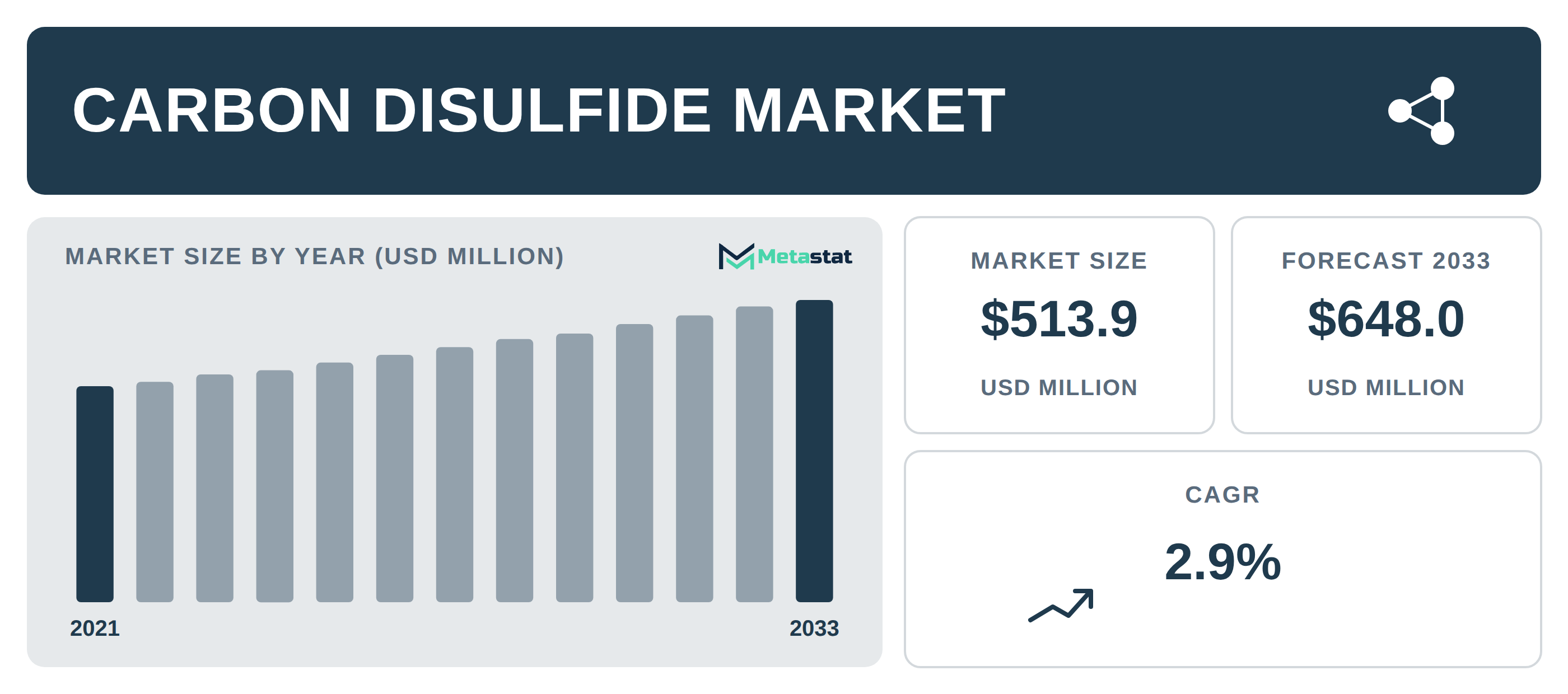
One common misconception about the market for Carbon Disulfide is that its growth is solely driven by demand from the textile and rubber industries. While these sectors indeed play a crucial role, the reality is more nuanced. The versatility of Carbon Disulfide extends far beyond these applications, and its evolving role in agrochemical synthesis is becoming increasingly significant. The full figures are in our Carbon Disulfide market size and forecast report.
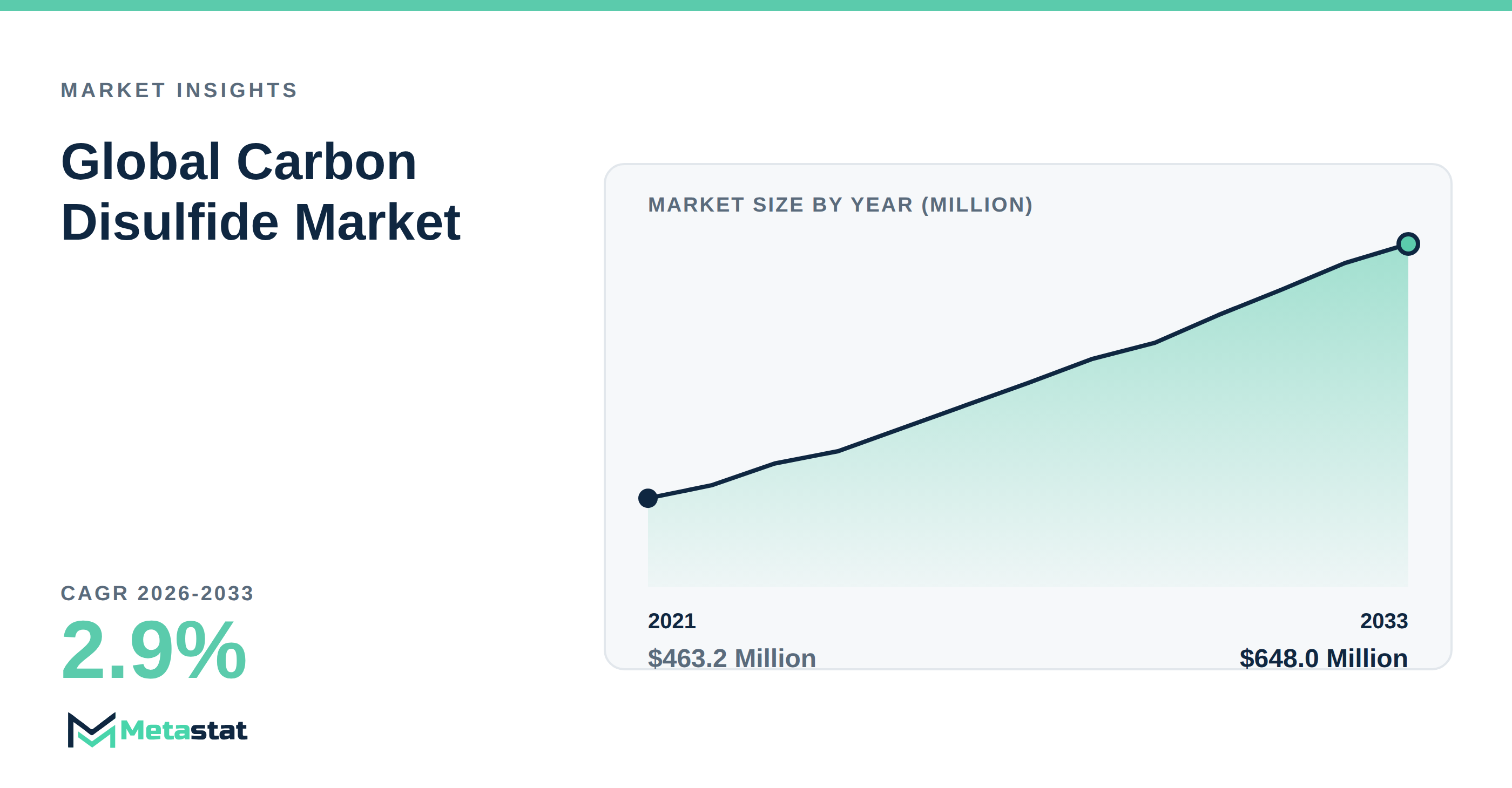
The current landscape indicates a transformation in how industries perceive and apply Carbon Disulfide. For instance, the increasing utilization of Carbon Disulfide in agrochemical synthesis highlights a shift towards enhancing agricultural productivity. This necessity arises from global challenges related to food security and the continuous need for effective chemical formulations. As agricultural demands grow, producers recognize the importance of high-quality Carbon Disulfide to formulate fertilizers and pesticides that meet modern agricultural standards.
In addition to agrochemicals, the market benefits from technical advances in production processes. The Natural Gas-Sulfur Process reflects a growing preference for efficiency and sustainability in chemical production. This process supports cost-effective manufacturing and aligns with broader industry trends aiming for lower environmental impact. Such advancements distinguish the market for Carbon Disulfide, as manufacturers adapt to ensure compliance with evolving regulations and consumer expectations.
The vitality of the market for Carbon Disulfide is further reinforced by its geographical dynamics. The Asia Pacific region, in particular, stands out, holding a significant share of the market. This dominance is not merely a reflection of historical production patterns; it signifies a robust industrial base capable of meeting rising global demands. Countries like China and India are essential, driven by strong textile and rubber sectors. Their established manufacturing capabilities enhance market access for suppliers, which promotes competitive pricing and stabilizes supply chains in an increasingly interconnected global economy.
Interestingly, while the emphasis on technical grade Carbon Disulfide continues due to the textile industry, the reagent grade segment is gaining traction. This segment is expected to exhibit a higher growth rate as it caters to specialized applications in laboratory analysis and agrochemical synthesis. With advancements in research and development, the demand for high-purity chemicals is set to increase, further diversifying the market and attracting a wider range of participants.
Understanding the nuances of Carbon Disulfide purity is another critical aspect for stakeholders. Higher purity grades considerably enhance production efficiency and reduce waste generation. Consequently, producers focusing on delivering high-purity Carbon Disulfide experience lower operational costs and improved product integrity. This emphasis on quality becomes particularly important as industries strive to balance cost efficiency with stringent regulatory demands.
The various factors affecting buyer decisions are significant. Buyers today are more aware of their sourcing options and the implications of price volatility in raw materials like natural gas and sulfur. Such fluctuations significantly influence procurement strategies, compelling buyers to negotiate flexible contracts that balance securing stable pricing with the risks associated with market volatility. As demonstrated, the dual approach of long-term agreements and spot market transactions provides strategic advantages for buyers, allowing them to navigate the complexities of procurement more effectively.
Lastly, the ongoing trend of sustainability cannot be underestimated. Manufacturers progressively adopt methods that not only optimize Carbon Disulfide usage but minimize their environmental impact. For example, viscose solvent recovery systems allow for the reclamation and reuse of solvents, leading to reduced overall consumption of fresh Carbon Disulfide. This shift not only supports operational cost reductions but aligns with increasing consumer demand for eco-friendly products.
In conclusion, the market for Carbon Disulfide is multifaceted, with its growth driven by diverse factors beyond traditional applications. Understanding these dynamics is crucial for stakeholders aiming to make informed decisions in a landscape that continues to evolve. While the market adapts to new challenges and opportunities, it presents significant potential for innovation and sustainable practices that will influence its trajectory.
Tags
About the Authors

LEAD ANALYST
Utkarsh Khirodkar is a Lead Market Research Analyst at MetaStat Insight, specializing in market intelligence, technology sector assessments, and competitive strategy.

INDUSTRY CONSULTANT - CHEMICALS & ADVANCED MATERIALS
Chemicals and Materials · Machinery & Equipment · Packaging
Amit Gadhekar Consultant for Chemicals and Materials at MetaStat Insight, directing sector-specific intelligence, research, and strategic consulting across global chemical and processing markets.