
Explore how incentive travel outpaces other segments in the MICE industry and what drives this demand.
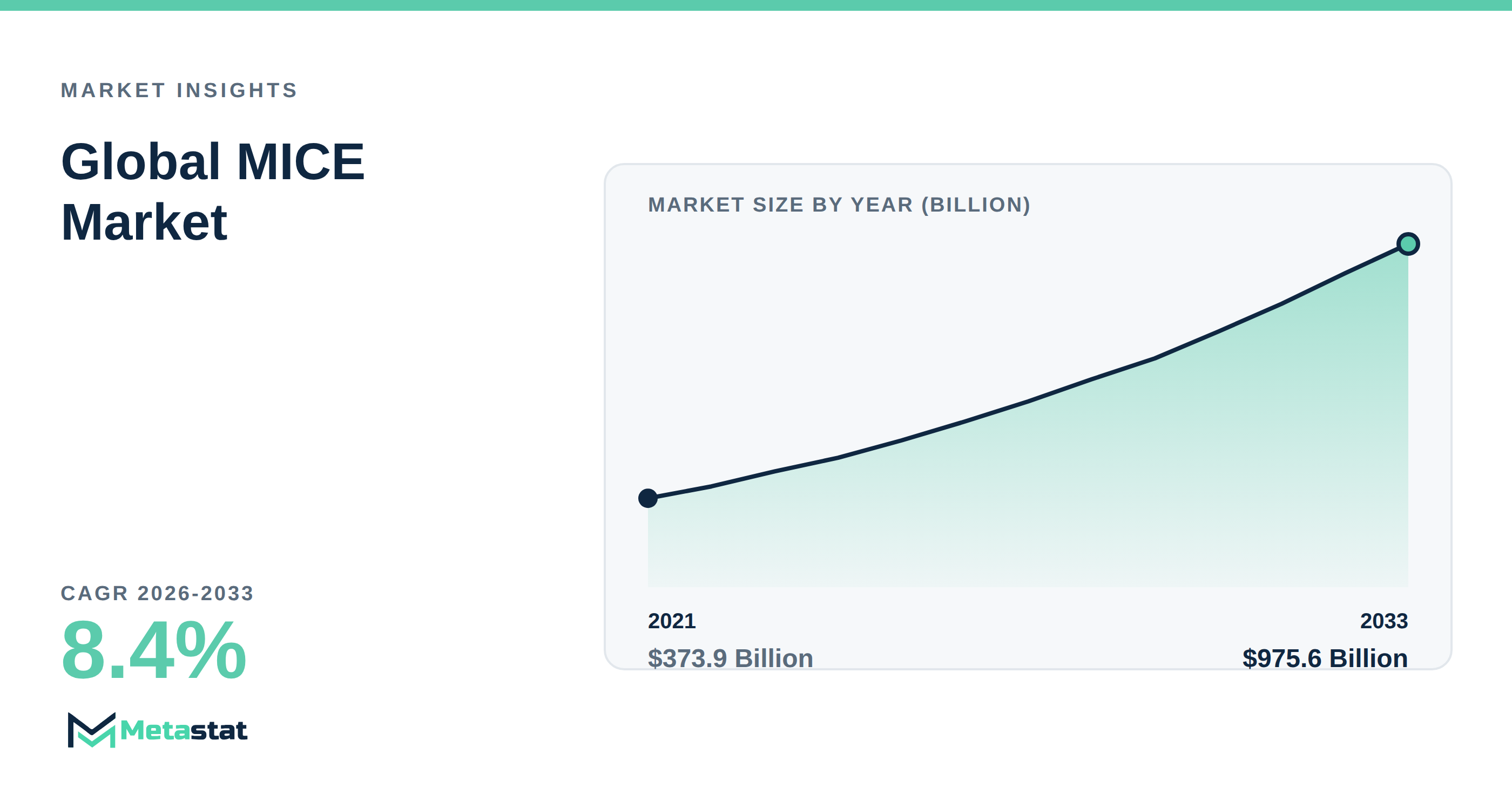
Incentive travel has emerged as the leading segment within the market for MICE, demonstrating impressive growth compared to traditional meetings. This segment is projected to achieve a valuation of USD 189.8 billion by 2033, achieving a significant compound annual growth rate of 10.1%. Such figures illustrate a decisive shift in how organizations approach employee motivation and engagement through experiential rewards. The full figures are in our MICE market size and forecast report.
As organizations face competition for talent, there is a growing recognition of the limitations of conventional monetary bonuses. Companies now increasingly invest in immersive travel experiences that reward high-performance personnel and build stronger team connections. These incentive travel programs create unique opportunities for employees to bond, leading to enhanced morale and productivity upon their return.
What drives the demand for incentive travel?
The push for incentive travel stems from its ability to create lasting impressions on employees. Organizations realize that rewarding their workforce with experiences instead of cash bonuses fosters deeper emotional connections and increases retention rates. Such programs motivate staff and align with broader trends emphasizing experiential engagement, which particularly appeals to a younger workforce seeking meaningful interactions.
Technological advancements significantly shape the incentive travel landscape. Companies incorporate virtual and augmented reality to create engaging experiences, allowing employees to explore destinations before committing to travel plans. This integration enhances the perceived value of incentive programs, making them more attractive to both employers and employees.
Why is incentive travel outpacing other MICE segments?
In comparison, the meetings segment is expected to reach USD 355.2 billion by 2033, growing at a more modest rate of 7.7%. This slower growth rate is attributed to several factors, including increasing logistical complexities and fluctuating venue costs. While meetings remain essential for corporate operations, they often lack the experiential element that incentive travel provides, limiting their potential impact on motivation and team cohesion.
The incentive travel segment capitalizes on a trend toward a more personal approach to employee engagement. Organizations strategically invest in experiential rewards, recognizing these efforts translate into improved workplace culture and stronger organizational performance. This emphasis on personal connections compellingly drives incentive travel to continue pulling ahead of other MICE segments.
How companies leverage this trend?
Organizations seeking to capitalize on the potential of incentive travel should focus on customizing experiences to align with their company culture and employee preferences. Tailored travel programs create memorable experiences that employees value and remember, strengthening the overall impact of the incentive package.
Incorporating feedback mechanisms allows companies to refine their incentive offerings continuously. Engaging employees in planning leads to innovative ideas that cater specifically to their interests. This adaptability enhances the effectiveness of incentive travel programs, ensuring that they resonate with employees and meet organizational goals.
The significant growth in the incentive travel segment highlights a shift in corporate strategies toward enhancing employee satisfaction and engagement. By investing in experiential rewards, organizations position themselves to motivate their workforce while building a culture of loyalty and high performance. While demand for MICE continues to evolve, embracing this trend will be essential for companies aiming to thrive in a competitive environment.
Tags
About the Authors

LEAD ANALYST
Utkarsh Khirodkar is a Lead Market Research Analyst at MetaStat Insight, specializing in market intelligence, technology sector assessments, and competitive strategy.

PRINCIPAL CONSULTANT - ENTERPRISE AI & EMERGING TECHNOLOGIES
Banking & Finance · Electronics and Semiconductor · Energy and Power · Healthcare IT · Information & Technology · Professional Services
Vijay Gunti is a Principal Consultant at MetaStat Insight, bringing over two decades of experience across enterprise digital transformation, technology strategy, and intelligent systems.

PRINCIPAL CONSULTANT - QUALITY SYSTEMS & COMPLIANCE
Electronics and Semiconductor · Machinery & Equipment · Professional Services
Omkar Phadtare is an Industry Consultant at MetaStat Insight, specializing in quality systems, regulatory compliance, and standards benchmarking to drive data-driven market intelligence and strategic industry research.

LEAD CONSULTANT - COMMUNICATION, TELECOM, AND IT
Electronics and Semiconductor · Information & Technology · Machinery & Equipment · Professional Services
Ravindra Sathe Consultants for Communication, Telecom, and IT at MetaStat Insight. He leads the firm's industry research initiatives across telecommunications infrastructure, digital connectivity, enterprise networking, and emerging information technology domains.