
LEAD ANALYST
Utkarsh Khirodkar is a Lead Market Research Analyst at MetaStat Insight, specializing in market intelligence, technology sector assessments, and competitive strategy.

Global Antifibrinolytic Agents Market Size, Share, By Active Ingredient (Tranexamic Acid, Aminocaproic Acid, Aprotinin and Others), By Route of Administration (Oral, Intravenous and Topical or Local), By Clinical Application (Surgical and Perioperative Bleeding, Heavy Menstrual Bleeding, Postpartum and Obstetric Hemorrhage, Trauma and Emergency Bleeding, Bleeding Disorders), By Distribution Channel (Hospital and Facility Pharmacies, Retail and Community Pharmacies, Online Pharmacies), Industry Analysis, Growth, Trends, and Forecast, 2026-2033
Report ID
MSI-5547
Published
October, 2026
Pages
292 Pages
Format
Historical
Base year
Forecast
Forecast period
Report Details
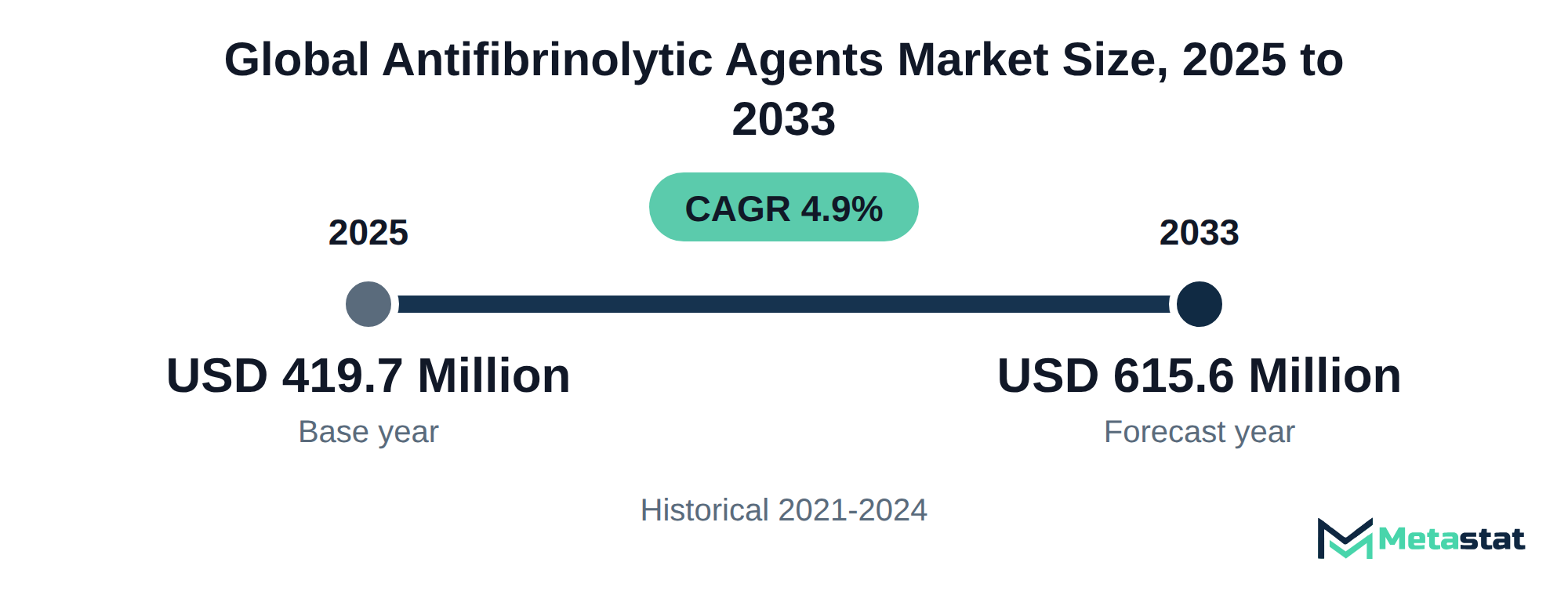
Market Valuation: Valued at $419.7 Million in 2025, projected to reach $615.6 Million by 2033 at a 4.9% CAGR.
Dominant Segment: Tranexamic Acid leads the antifibrinolytic agents market, driven by its widespread application in surgical settings and effectiveness in controlling hemorrhage.
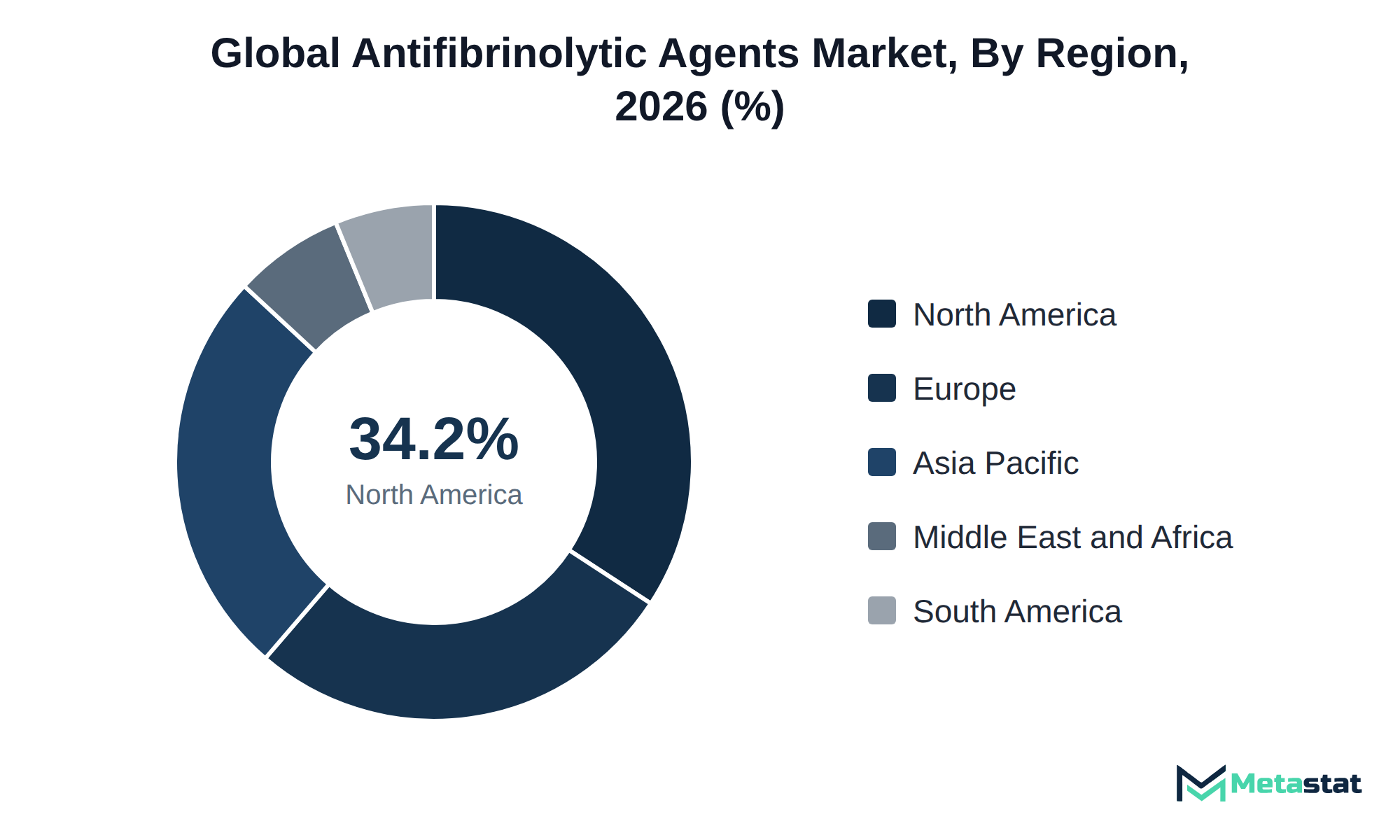
Geographic Lead: North America is the leading region, accounting for 34.2% of the market in 2025, supported by advanced healthcare infrastructure and high surgical intervention rates.
What's Inside: The report includes detailed competitive coverage, market analyses, and forecasts from 2026 to 2033, providing insights into market dynamics and growth drivers.
Heavy Menstrual Bleeding: This segment is projected to grow to USD 114.6 million by 2033, reflecting increasing awareness and demand for effective treatment options in women's health.
Intravenous Administration: Intravenous antifibrinolytic agents are expected to reach USD 349.8 million by 2033, with a CAGR of 5.4%, driven by their rapid action in emergency and surgical settings.
Choose Your License
Global Antifibrinolytic Agents Market
The global Antifibrinolytic Agents market was valued at USD 419.7 million in 2025 and is projected to reach USD 615.6 million by 2033, growing at a CAGR of 4.9% over the forecast period.
The Antifibrinolytic Agents market encompasses a range of products designed to inhibit fibrinolysis, effectively preventing excessive bleeding during surgical procedures and various medical conditions. Buyers invest in these agents primarily to manage bleeding complications, particularly in surgical and obstetric applications. The increasing incidence of surgical procedures and the growing prevalence of bleeding disorders drive demand for these agents, leading to significant spending by healthcare providers and pharmacies.
Growth in the market is supported by rising awareness of the importance of managing bleeding in clinical settings. Tranexamic Acid emerges as the most valuable segment, reflecting its widespread usage and effectiveness in controlling hemorrhage. North America holds 34.2% of the market in 2025, with the US leading in 2026. This region's advanced healthcare infrastructure and high rates of surgical interventions contribute to its dominance in market share.
Several factors influence the expansion of the market, including advancements in drug formulations and delivery methods. The increasing focus on patient safety and improved surgical outcomes necessitates effective bleeding management strategies. This trend raises the profile of antifibrinolytic agents in modern medicine, particularly in surgical and emergency care.
The Antifibrinolytic Agents market addresses various medical needs by providing essential solutions for managing excessive bleeding. Buyers invest in these products to enhance patient care, particularly during surgical procedures and in treating conditions that lead to significant blood loss. The clinical applications of these agents support increasing demand from healthcare providers focused on improving patient outcomes and reducing the risks associated with hemorrhage.
Growth within the market is primarily driven by the rising prevalence of surgical procedures globally, coupled with expanding awareness of the benefits of antifibrinolytic treatments. Tranexamic Acid stands out as the segment with the highest value, reflecting its widespread adoption across various clinical applications. This regional dominance results from advanced healthcare infrastructure and increasing investments in medical technologies.
The market experiences significant expansion due to an aging population that often requires surgical interventions, leading to a higher incidence of bleeding-related complications. The aged care sector is therefore relevant to demand, since older patients often require surgical interventions. This demographic trend emphasizes the importance of effective antifibrinolytic agents, positioning the market for sustained growth throughout the forecast period. Health systems' priorities on cost-effective solutions further contribute to demand for these products in modern healthcare.
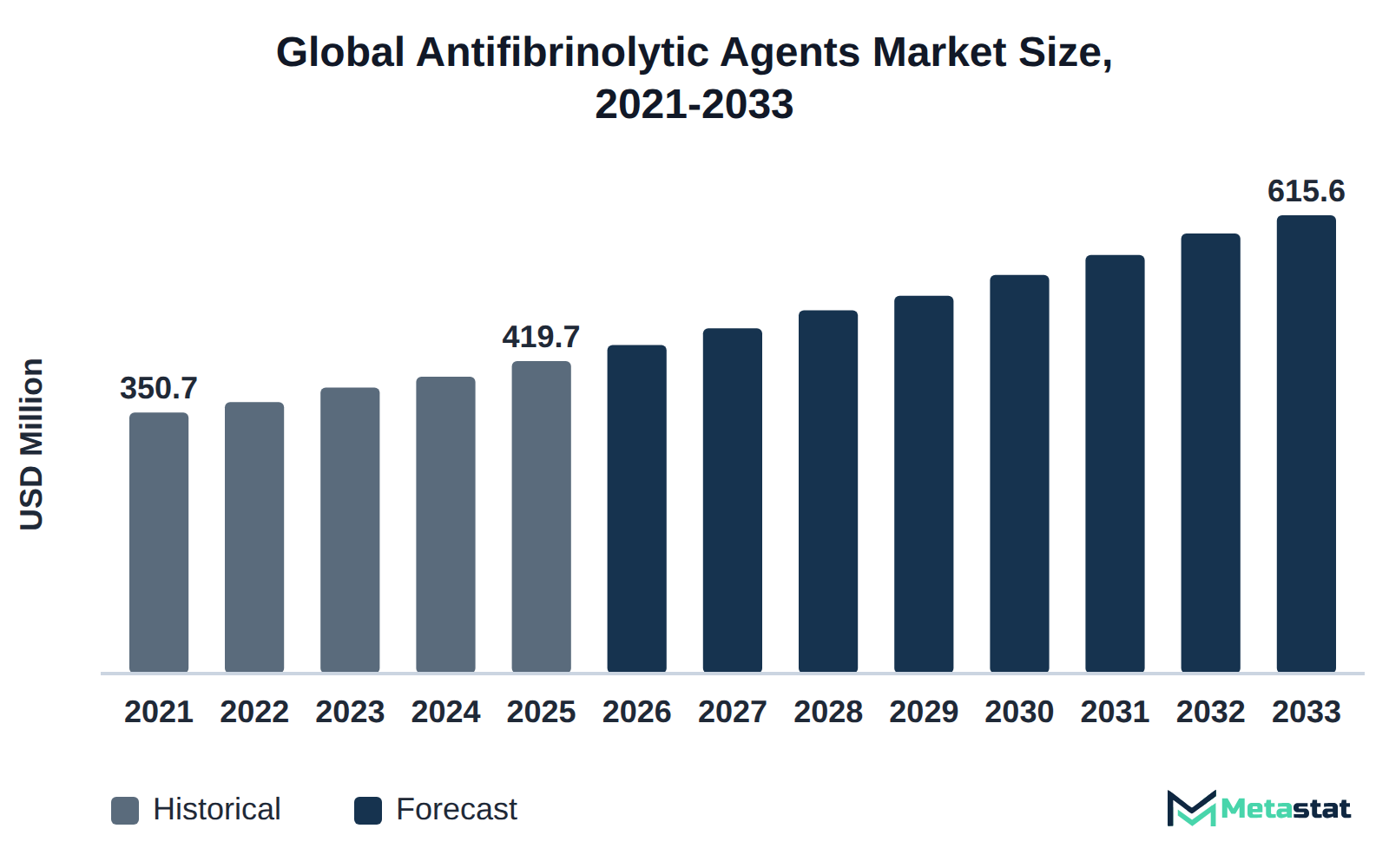
Tranexamic acid significantly improves patient outcomes in surgical and trauma settings by effectively controlling bleeding. The substance reduces the risk of complications associated with excessive blood loss during procedures, which supports its place in perioperative care. By 2033, the revenue from tranexamic acid is projected to reach USD 496.3 million, reflecting a compound annual growth rate (CAGR) of 5.2%. This growth highlights the rising adoption of tranexamic acid among healthcare providers focused on optimizing surgical outcomes.
The increasing prevalence of surgical procedures globally drives demand for effective hemostatic agents, with tranexamic acid emerging as a preferred option due to its efficacy and safety profile. Key buyer groups, including hospitals and surgical centers, prioritize agents that enhance patient safety while reducing costs associated with blood transfusions. The ongoing emphasis on patient-centered care drives the focus on antifibrinolytic agents including tranexamic acid within the market.
Incorporating tranexamic acid into clinical protocols informs best practices for managing surgical and trauma-related bleeding. Substantial market interest in antifibrinolytic agents reflects a commitment to better clinical outcomes and operational efficiency in surgical settings. It positions tranexamic acid as an essential component of bleeding management strategies.
Pricing strategies and contract models shape the procurement of oral and ready-to-use injectable antifibrinolytic agents within hospital settings. The market structure emphasizes the importance of strong relationships between suppliers and healthcare providers, which influence the overall cost and availability of these agents. Hospital and facility pharmacies represent a significant distribution channel in this landscape. The channel is projected to grow from USD 291.7 million in 2026 to USD 395.1 million by 2033, with a compound annual growth rate (CAGR) of 4.4%. This growth reflects the increasing reliance on these agents for surgical and perioperative bleeding management. That application is expected to expand from USD 171.8 million in 2026 to USD 244.6 million in 2033, which highlights the need for effective pricing strategies.
Negotiating favorable pricing and contract terms enhances access to these essential agents, enabling hospitals to manage their budgets effectively while providing high-quality care. The competitive nature of the antifibrinolytic agents market compels suppliers to offer flexible pricing models, including bulk purchasing agreements and tiered pricing based on hospital size and patient volume. The evolution of these pricing strategies and contract models directly impacts healthcare providers, allowing them to better allocate resources for patient care. While the market continues to expand, understanding the nuances of purchasing dynamics and pricing remains vital for stakeholders seeking to optimize their procurement processes in healthcare supply chain management.
Antifibrinolytic agents are used to manage heavy menstrual bleeding, postpartum hemorrhage, and dental bleeding. The segment focusing on heavy menstrual bleeding is expected to reach USD 114.6 million by 2033, reflecting a compound annual growth rate of 4.1%. This growth results from increasing awareness and demand for effective treatment options that enhance women's health and quality of life.
Postpartum hemorrhage represents a significant clinical concern, with antifibrinolytic agents providing critical intervention in obstetric care. Products addressing this condition are essential for reducing maternal morbidity and mortality rates associated with excessive bleeding. Currently, the market for antifibrinolytic agents targeting postpartum hemorrhage is poised for growth, driven by heightened healthcare provider awareness and evolving clinical guidelines emphasizing timely interventions.
Dental professionals increasingly incorporate antifibrinolytic agents in managing bleeding during surgical procedures. These agents effectively control bleeding in patients with coagulopathies or those undergoing surgical interventions. The integration of antifibrinolytic agents in dental care services enhances patient outcomes and satisfaction while promoting safer treatment protocols. Dental applications add to demand in the broader antifibrinolytic agents market.
Tranexamic acid and aminocaproic acid represent prominent antifibrinolytic agents used to manage surgical and obstetric bleeding. In surgical and perioperative bleeding, the market anticipates a significant increase in tranexamic acid usage. Usage is projected to rise from USD 171.8 million in 2026 to USD 244.6 million by 2033, reflecting a compound annual growth rate (CAGR) of 5.2%. This growing reliance on tranexamic acid arises from its effectiveness in reducing blood loss during surgeries, enhancing patient outcomes and operational efficiency in medical facilities.
Aminocaproic acid, another key agent, serves to counteract excessive bleeding during surgical procedures and obstetric emergencies. This increase highlights a shift towards more effective management of bleeding disorders, particularly in high-risk surgical scenarios. The expanding application of these antifibrinolytic agents aligns with a broader trend in healthcare prioritizing patient safety and recovery efficiency, driving competitive strategies among suppliers in the market.
An increase in surgical procedures significantly boosts demand for antifibrinolytic agents, particularly in high-volume hospitals and surgical centers. Surgeons and anesthesiologists prioritize these agents to manage bleeding effectively, enhancing patient recovery times and overall outcomes. A focus on minimizing postoperative complications drives higher adoption rates among healthcare providers. The market is projected to grow due to the rising number of surgeries performed globally, with surgical and perioperative bleeding applications expected to show a compound annual growth rate (CAGR) of 5.2% through 2033. This trend reflects a shift toward preventive measures in surgery, leading to increased expenditure on antifibrinolytic agents. Heightened awareness of potential complications from surgical procedures further accelerates demand in the market.
Intravenous administration of antifibrinolytic agents enhances their effectiveness in treating various medical conditions, especially in surgical settings. This route ensures rapid absorption and immediate action, crucial for patients experiencing severe bleeding. An increase in the preference for intravenous formulations drives hospitals to adopt these agents, leading to higher demand in critical care environments. The market sees significant investment in developing innovative injectable drug delivery systems for intravenous use, which improve patient outcomes and streamline administration processes.
The growing focus on patient safety and outcomes supports the preference for intravenous administration, which minimizes complications associated with oral or topical routes. Healthcare providers emphasize the importance of quick intervention in emergency situations, further reinforcing the role of intravenous antifibrinolytic agents. Ongoing advancements in formulation technologies enhance the market's competitive edge, attracting investments and boosting overall growth. This evolution influences the adoption patterns of antifibrinolytic agents across various healthcare settings.
Pricing pressures associated with antifibrinolytic agents create significant barriers for hospitals and healthcare facilities, particularly in budget-constrained environments. High acquisition costs discourage healthcare providers from adopting these agents, leading to slower uptake in clinical settings. Many hospitals delay the procurement of antifibrinolytic agents due to stringent budgeting processes and competing financial priorities, which impacts the market's overall growth trajectory. Smaller orders and conservative inventory practices emerge among healthcare providers aiming to manage costs effectively. This restraint particularly affects smaller facilities that lack the financial flexibility of larger institutions. The market's expansion is further restricted by the presence of lower-cost alternatives, which several providers opt for despite potentially inferior efficacy. Heightened cost considerations drive purchasing decisions, ultimately hindering broad adoption of antifibrinolytic agents in various clinical applications.
Suppliers in the Antifibrinolytic Agents market face significant pricing pressures that impact profit margins. Competitive dynamics within the sector heighten the urgency for cost-effective production methods and pricing strategies. Hospitals and healthcare facilities seek to optimize budgets, leading to increased demand for lower-cost alternatives. Suppliers respond through a variety of approaches, including strategic partnerships to enhance distribution efficiencies and investments in process innovation to lower manufacturing costs. By streamlining operations and focusing on high-demand formulations, suppliers maintain competitive pricing while ensuring product quality. These strategies help suppliers manage pricing pressures while aiming to sustain market share and profitability.
Heavy menstrual bleeding represents a significant opportunity within the antifibrinolytic agents market, with a projected value of USD 114.6 million by 2033. This segment highlights growing awareness and diagnosis of related conditions, enhancing the demand for effective treatment options. Increased awareness among healthcare professionals and patients regarding the availability of antifibrinolytic agents specifically targeting heavy menstrual bleeding supports this trend. Antifibrinolytic agents, particularly tranexamic acid, demonstrate efficacy in providing relief for affected individuals, addressing a previously underserved area of women's health.
The anticipated compound annual growth rate of 4.1% in this segment emphasizes the potential for market players to expand their product offerings and enhance patient access. Innovative formulations and supportive healthcare initiatives drive growth in this area, creating a favorable environment for new entrants and established suppliers alike. Increased focus on women's health further strengthens the market, making heavy menstrual bleeding a key area for strategic investment and development.
The Global Antifibrinolytic Agents market is segmented based on Active Ingredient, Route of Administration, Clinical Application, and Distribution Channel.
This active ingredient is essential in managing surgical and trauma bleeding, primarily used by healthcare professionals in hospital settings. Demand for Tranexamic Acid is driven by the increasing volume of surgical procedures, which necessitates effective bleeding control to enhance patient safety. Compared to other segments, including Aminocaproic Acid, which has a lower projected value of USD 75 million by 2033, Tranexamic Acid exhibits a faster growth rate due to its broader application and efficacy. High clinical acceptance and proven outcomes lead to higher adoption rates in various medical environments, positioning this segment favorably within the market.
Aminocaproic Acid segment is estimated to reach USD 75 million by 2033, at a CAGR of 3.5% during the forecast period. This active ingredient is primarily for treating conditions involving excessive bleeding, particularly in surgical settings and for managing trauma. The demand for Aminocaproic Acid is driven by an increasing number of surgical procedures and heightened awareness regarding postoperative hemorrhage management. Compared to other segments, including Tranexamic Acid, which shows a CAGR of 5.2%, Aminocaproic Acid experiences slower growth. Its adoption is primarily among hospitals and surgical centers that seek effective solutions for bleeding control, distinguishing it from segments with broader consumer bases or those addressing more common medical conditions. Despite slower growth, the segment remains vital for clinicians focused on patient safety during surgical interventions.
Aprotinin is projected to reach USD 30 million by 2033. This active ingredient is primarily used in surgical settings to manage bleeding and is frequently administered during complex surgical procedures. A significant driver for this segment includes the rising number of surgical operations, which necessitate effective hemostatic agents. Compared to other active ingredients, Aprotinin exhibits a slower growth rate, with a lower compound annual growth rate (CAGR) of 4.3% compared to Tranexamic Acid's CAGR of 5.2%. The market for Aprotinin attracts a distinct buyer group focused on surgical and trauma settings, differentiating it from alternatives that cater to broader clinical applications. With increasing demand for efficient solutions to control bleeding during critical surgeries, Aprotinin is expected to help meet these specific healthcare needs.
The Others segment is projected to grow at a CAGR of 4.3% during the forecast period. This segment includes various antifibrinolytic agents that address unique clinical applications beyond the primary active ingredients. Healthcare professionals apply these agents for specific medical needs, including management of bleeding disorders and other niche applications. Demand for these products primarily stems from their effectiveness in addressing less common but critical bleeding issues. Compared to the other segments, the growth rate aligns closely with the overall market while maintaining lower visibility among mainstream antifibrinolytics. The segment benefits from expanding clinical recognition, contributing to its development and acceptance in diverse medical settings. Increased awareness is expected to enhance adoption rates, supporting sustained growth.
Oral administration of antifibrinolytic agents is valued at USD 182.4 million in 2026 and is projected to reach USD 242.6 million by 2033, at a CAGR of 4.2% during the forecast period. This route of administration primarily manages surgical and perioperative bleeding, making it a preferred choice among healthcare providers due to its ease of use and patient compliance. Oral antifibrinolytic formulations also belong to the broader field of advanced oral drug delivery, which covers the technologies used to formulate and deliver oral medicines. Demand for oral antifibrinolytic agents grows, driven by increasing awareness of treatment options and the expansion of applications in various medical fields. Compared to intravenous administration, which yields a higher value of USD 349.8 million by 2033, oral formulations offer a lower price point and broader accessibility for patients. The distinct advantages of oral administration position this segment as a vital component of the market, appealing to a diverse range of buyers, including hospitals, outpatient centers, and pharmacies.
Intravenous administration of antifibrinolytic agents is estimated to reach USD 349.8 million by 2033, at a CAGR of 5.4% during the forecast period. This route is primarily applied in acute clinical settings, where rapid administration of medication is crucial for controlling excessive bleeding, particularly during surgical procedures. The segment attracts healthcare providers, especially hospitals and surgical centers, focused on optimizing patient outcomes. A significant driver influencing this segment arises from the increasing volume of surgical procedures, which generates higher demand for intravenous formulations. Compared to other routes, including oral administration, intravenous delivery offers quicker onset of action, making it preferable in emergency scenarios. This differentiation supports the intravenous segment's stronger growth trajectory, aligning with evolving healthcare practices that prioritize immediate intervention.
The Topical or Local segment is expected to reach USD 12.8 million by 2033. This segment finds application in treating localized bleeding conditions, commonly used in various medical and surgical procedures. Healthcare professionals, particularly in outpatient settings, prefer this route for its convenience and ease of application. Demand is driven primarily by the increasing prevalence of localized bleeding incidents and advancements in formulation technologies that enhance efficacy. The growth rate in this segment is slower compared to Intravenous administration, which is projected to grow at a CAGR of 5.4%. The lower growth rate reflects its niche application and the limited number of formulations available relative to other administration routes. This segment's distinct characteristics, combined with a targeted user base, highlight its unique position in the Antifibrinolytic Agents market.
Projected to grow at a CAGR of 5.3% during the forecast period, the Others segment encompasses various antifibrinolytic agents not classified under the primary active ingredients. This segment primarily caters to niche applications where specific formulations are required for unique patient needs. Adoption by specialized healthcare providers focusing on personalized treatment regimens drives growth in this segment. Regulatory changes supporting innovation in drug formulations influence its expansion. Compared to the other segments, the Others segment features a slower growth trajectory, reflecting its more specialized applications and limited market presence. In contrast, the Intravenous segment, with a CAGR of 5.4%, shows stronger momentum due to broader usage in clinical settings. The Antifibrinolytic Agents market continues to evolve, with the Others segment gradually filling specific clinical gaps that enhance treatment options for patients.
This segment addresses bleeding control during surgical procedures, primarily employed by hospitals and surgical centers. A noteworthy driver for this segment is the increasing number of surgical procedures, leading to higher demand for effective antifibrinolytic agents. Compared to other segments in the Clinical Application category, this segment exhibits significant growth due to its critical role in surgical settings, where timely and effective bleeding management is essential. The focus on minimizing blood loss during operations differentiates it from segments aimed at non-surgical applications, reinforcing its importance in the overall Antifibrinolytic Agents market.
This segment focuses on treating excessive menstrual bleeding, which commonly affects women and is often managed by gynecologists. Demand is driven by increasing awareness of available treatment options and a growing need for effective management solutions among patients experiencing heavy menstrual bleeding. This sub-segment demonstrates a slightly slower growth rate compared to other applications, including Surgical and Perioperative Bleeding, which is projected to grow at a CAGR of 5.2%. The different buyer profiles in this segment, including outpatient facilities and specialized clinics, influence purchasing decisions and pricing strategies, setting it apart from other clinical applications in the market. Effective therapies in this area not only improve patient quality of life but contribute to broader acceptance of antifibrinolytic agents in women's health.
Postpartum and Obstetric Hemorrhage segment is expected to reach USD 101.5 million by 2033. This segment addresses the bleeding that occurs after childbirth, particularly in cases of severe hemorrhage. Healthcare professionals, including obstetricians and midwives, apply antifibrinolytic agents to manage and reduce excessive bleeding during postpartum care. Demand for this segment grows due to increasing childbirth rates and rising awareness of the effectiveness of antifibrinolytic therapies. Compared to Surgical and Perioperative Bleeding, which is projected to grow at a CAGR of 5.2%, this segment has a comparatively lower growth rate, contributing to the overall dynamics of the Antifibrinolytic Agents market. The unique requirements of postpartum patients, along with targeted treatment protocols, distinguish this segment from others, ensuring continued relevance in maternal care strategies.
Trauma and Emergency Bleeding segment is projected to grow at a CAGR of 5.6% during the forecast period. This segment addresses urgent medical situations where rapid intervention is critical to manage bleeding. Emergency departments and trauma centers primarily employ these agents to stabilize patients who have sustained injuries leading to significant blood loss. Related emergency bleeding care also uses anticoagulant reversal drugs, which address bleeding linked to anticoagulant therapy. Key drivers influencing this segment include the rising incidence of traumatic injuries and advancements in emergency care protocols. Compared to other segments, Trauma and Emergency Bleeding exhibits a higher growth rate due to increased public awareness and preparedness for trauma care. This segment's focus on immediate care differentiates it from those targeting chronic conditions, reflecting its urgent operational requirements in the healthcare sector. The market anticipates a steady increase in demand driven by evolving treatment protocols and a growing emphasis on timely medical response.
Bleeding disorders encompass a range of medical conditions characterized by abnormal bleeding due to various factors, including clotting factor deficiencies and platelet dysfunction. Patients suffering from these conditions rely on antifibrinolytic agents to manage and prevent excessive bleeding during medical procedures or trauma. Key demand drivers for this segment include the rising incidence of bleeding disorders and advancements in treatment protocols. Compared to other clinical applications in the market, bleeding disorders see slower growth, driven by the specific requirements for tailored treatments and ongoing patient monitoring. This segment addresses the needs of specialized healthcare providers who administer targeted therapies, distinguishing it from broader applications like surgical and perioperative bleeding, which benefit from more extensive market penetration and faster adoption rates.
This sub-segment encompasses various clinical applications of antifibrinolytic agents that do not fall under the primary categories. Medical professionals apply these agents in diverse situations, including treating bleeding disorders and specific patient cases that require tailored treatment approaches for bleeding management. Demand in this segment is influenced by the increasing recognition of antifibrinolytic agents' role in enhancing patient outcomes in various clinical settings. Compared to other segments, this sub-segment experiences relatively slower growth due to its specialized nature and lower visibility among healthcare providers. The market's overall growth trajectory supports gradual adoption of these agents in scenarios where traditional treatments do not suffice, leading to improved patient care.
This segment serves healthcare institutions that manage patient medications, providing critical antifibrinolytic agents for surgical and emergency applications. Increasing surgical procedures drive demand for antifibrinolytic agents, enhancing the segment's growth potential compared to retail channels. Hospital and Facility Pharmacies focus on delivering medications tailored for acute and complex cases, differentiating them from retail and community pharmacies. The segment's growth aligns with improvements in surgical techniques and heightened awareness regarding bleeding management, highlighting its significance in the market for antifibrinolytic agents.
Retail and Community Pharmacies segment is estimated to reach USD 173.4 million by 2033, at a CAGR of 5.2% during the forecast period. This segment serves patients seeking antifibrinolytic agents for various conditions, including heavy menstrual bleeding and surgical procedures. The increasing emphasis on self-medication and accessibility of medications through community pharmacies drives growth in this segment. Compared to Hospital and Facility Pharmacies, which focus on inpatient care and higher volumes, Retail and Community Pharmacies provide a more patient-centered approach with smaller transaction sizes. This segment's growth rate outpaces others in the same distribution channel, reflecting a shift toward more accessible healthcare options for patients. The Antifibrinolytic Agents market demonstrates a notable consumer preference for easy access to medications through local pharmacies.
The Online Pharmacies segment is expected to reach USD 19.8 million by 2033. This channel primarily serves patients seeking antifibrinolytic agents with the convenience of home delivery and ease of access. The growing trend toward online shopping and eHealth solutions drives adoption among consumers who prioritize convenience and discretion. Compared to other distribution channels, Online Pharmacies exhibit a slower growth trajectory due to regulatory hurdles and competition from established retail pharmacies. However, the anticipated CAGR of 5.3% reflects increasing consumer acceptance and a shift toward digital purchasing methods. The market for antifibrinolytic agents continues to expand, driven by technological advancements and evolving healthcare delivery models.
Valued at USD 19.8 million in 2026, the Others segment encompasses various distribution channels that do not fit into the main categories of Hospital and Facility Pharmacies, Retail and Community Pharmacies, or Online Pharmacies. This segment provides access to antifibrinolytic agents for healthcare providers and patients seeking alternative purchasing avenues. The projected growth at a CAGR of 5.3% during the forecast period reflects increasing interest in diverse distribution methods, supporting wider availability of these agents. Factors driving this segment include a growing preference among consumers for convenience and accessibility, prompting pharmacies to expand their offerings. Compared to traditional distribution channels, this segment appeals to different buyer demographics who prioritize flexibility in purchasing options. The market for antifibrinolytic agents evolves, adapting to the changing needs of healthcare systems and patients alike.
Based on geography, the Global Antifibrinolytic Agents market is divided into North America, Europe, Asia-Pacific, South America, Middle East, and Africa.
Growing demand in North America for antifibrinolytic agents stems from a focus on surgical and perioperative care, where effective management of bleeding conditions directly influences patient outcomes. The United States, Canada, and Mexico comprise the primary markets, characterized by advanced healthcare infrastructures and significant investments in medical technologies. Antifibrinolytic agents serve various clinical applications, especially surgical procedures, which drives market growth. By 2033, North America is projected to reach USD 202.6 million, contributing 34.2% of the global market share in 2025. Increased adoption of intravenous administration and a strong pharmaceutical logistics network through hospital and facility pharmacies support this upward trajectory, reflecting a pressing need for effective bleeding control solutions in clinical settings.
Europe represents a share of the global antifibrinolytic agents market, with a contribution of 27.1% in 2025. Key countries driving demand include Germany, France, the UK, Italy, Spain, and Russia, where robust healthcare infrastructure and a focus on surgical procedures enhance the use of these agents. The increasing prevalence of heavy menstrual bleeding and surgical interventions across these nations fuels market growth. Regulatory frameworks emphasizing patient safety and effective treatment protocols influence the adoption of antifibrinolytic agents. This environment encourages healthcare providers to integrate these solutions into standard treatment regimens, supporting the overall expansion of the market in the region.
In the Asia-Pacific region, the Antifibrinolytic Agents market benefits from a growing healthcare infrastructure and an increasing prevalence of conditions requiring these agents. Countries like China and India show significant demand driven by surgical procedures and trauma care, leading to heightened adoption of these agents in medical settings. Rising disposable incomes and improved healthcare access contribute to the expansion of the market. The regulatory environment supports the introduction of new formulations and generics, which helps meet the diverse needs of patients. By 2025, the Asia-Pacific market is expected to account for 25.6% of the global total. Growth opportunities exist particularly in online pharmacies, driven by shifting consumer behaviors and the expansion of e-commerce platforms. The increasing emphasis on patient-centric care enhances the competitive landscape within the region.
In South America, the Antifibrinolytic Agents market displays a share of 6.2% in 2025. Brazil and Argentina emerge as prominent countries driving demand, primarily due to rising surgical procedures and a growing focus on maternal health. Investments in healthcare infrastructure contribute to improved accessibility of treatments, enhancing patient outcomes. The increasing prevalence of conditions including heavy menstrual bleeding fuels demand for effective antifibrinolytic solutions. The market benefits from a combination of public and private sector initiatives aimed at improving healthcare delivery and managing bleeding conditions. Regional stakeholders position themselves to capitalize on these trends, creating growth opportunities in the market.
The Middle East and Africa region holds a share of 6.9% in the global antifibrinolytic agents market in 2025. Key demand drivers include the increasing prevalence of surgical procedures and the growing focus on effective management of bleeding disorders within healthcare systems. Countries including Saudi Arabia and the UAE are investing in healthcare infrastructure improvements, which support the adoption of advanced treatment options. South Africa's healthcare sector is expanding, contributing to demand for antifibrinolytic agents. Emerging markets in the region experience a rise in awareness regarding the benefits of these agents, further influencing market dynamics. The market in this region is projected to develop due to evolving healthcare policies and improved access to medications.
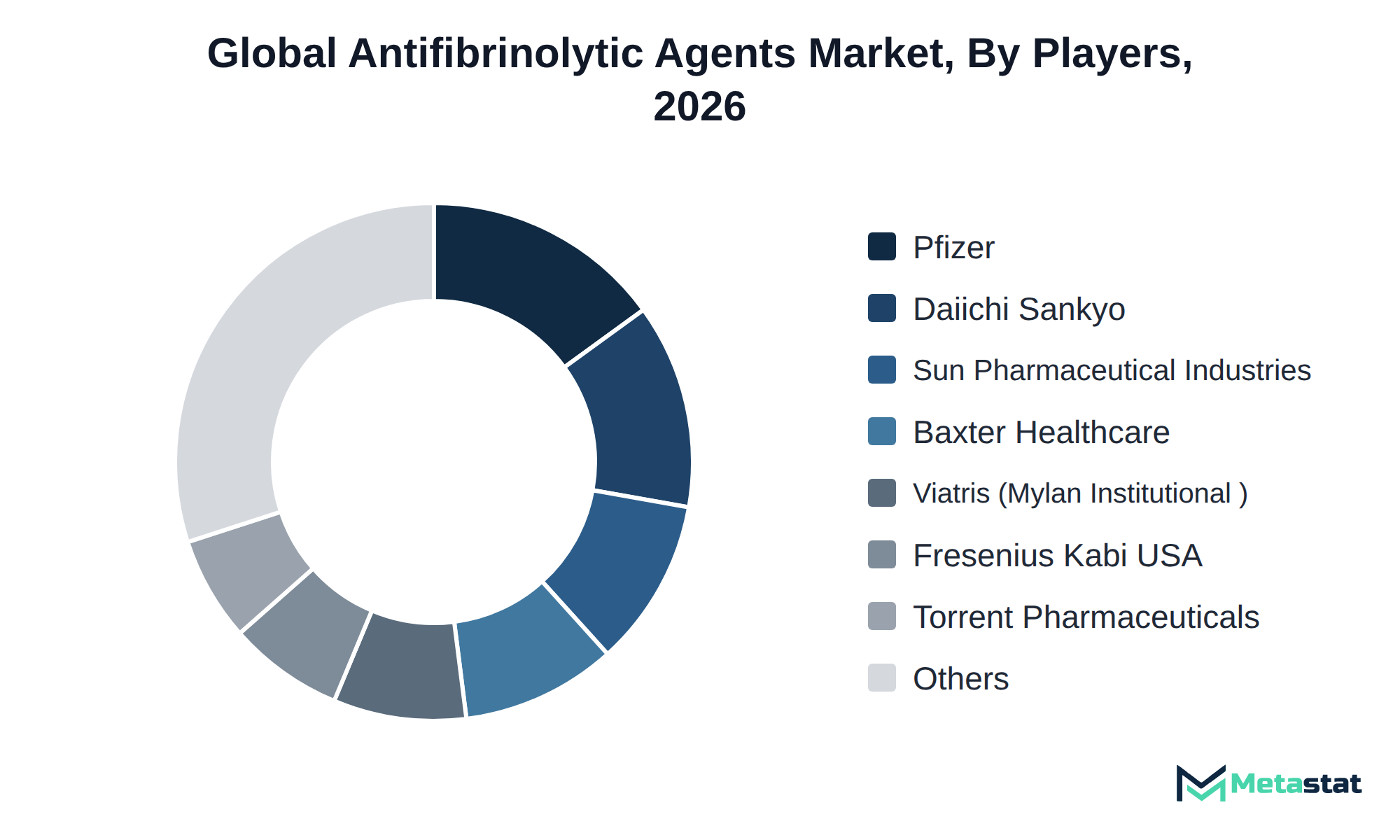
Competition in the Antifibrinolytic Agents market reflects diverse strategies based on product offerings and market focus. Companies compete on price, certification, and customization, which influence buyers' purchasing decisions. High-quality formulations and effective distribution channels enhance competitive positioning.
Pfizer Inc. emphasizes Tranexamic Acid, aligning with the growing demand for effective antifibrinolytic agents. Daiichi Sankyo Company, Limited and Sun Pharmaceutical Industries Limited offer a range of formulations catering to various clinical applications, targeting surgical and perioperative bleeding.
Viatris (Mylan Institutional LLC) and Fresenius Kabi USA, LLC prioritize hospital and facility pharmacies, ensuring accessibility in critical care settings. Retail and community pharmacies serve key distribution points for companies like Baxter Healthcare Corporation, which offers tailored solutions for outpatient treatment.
Another crucial development involves the expansion of the intravenous route of administration, projected to reach USD 349.8 million by 2033. These segments play significant roles in driving overall market demand.
However, potential risks exist that could impede growth. Rising manufacturing costs challenge profitability, particularly in regions including Asia Pacific, where price sensitivity could limit market penetration. If production costs increase without a corresponding rise in value perception among healthcare providers, adoption rates could slow, affecting the overall market trajectory. Thus, while the Antifibrinolytic Agents market is poised for growth, attention to cost management and value communication remains essential for sustained expansion.
By Active Ingredient: Tranexamic Acid, Aminocaproic Acid, Aprotinin, Others
By Route of Administration: Oral, Intravenous, Topical or Local, Others
By Clinical Application: Surgical and Perioperative Bleeding, Heavy Menstrual Bleeding, Postpartum and Obstetric Hemorrhage, Trauma and Emergency Bleeding, Bleeding Disorders, Others
The report strategically identifies and profiles the key market players and analyses their core competencies in each sub-segment of the Antifibrinolytic Agents market.
Report Attributes | Details |
Study Period | 2021-2033 |
Base Year | 2025 |
Estimated Year | 2026 |
Forecast Period | 2026-2033 |
Historical Period | 2021-2025 |
Growth Rate | CAGR 4.9% from 2026 to 2033 |
Revenue Unit | USD million |
Segmentation | By Active Ingredient, Route of Administration, Clinical Application, Distribution Channel, and Region |
By Region | North America (By Active Ingredient, Route of Administration, Clinical Application, Distribution Channel, and Country)
|
Europe (By Active Ingredient, Route of Administration, Clinical Application, Distribution Channel, and Country)
| |
Asia Pacific (By Active Ingredient, Route of Administration, Clinical Application, Distribution Channel, and Country)
| |
South America (By Active Ingredient, Route of Administration, Clinical Application, Distribution Channel, and Country)
| |
Middle East and Africa (By Active Ingredient, Route of Administration, Clinical Application, Distribution Channel, and Country)
|
Find answers to common questions about this report
The Antifibrinolytic Agents market size was valued at USD 419.7 million in 2025.
The market is projected to grow at a CAGR of 4.9% during the forecast period from 2026 to 2033.
The North America Antifibrinolytic Agents market size is projected to reach USD 202.6 million by 2033.
Tranexamic Acid leads the Antifibrinolytic Agents market with a projected value of USD 496.3 million by 2033, reflecting the highest growth among active ingredients.
An increase in surgical procedures significantly boosts demand for antifibrinolytic agents, driven by a focus on minimizing postoperative complications. Heavy menstrual bleeding represents a significant opportunity within the market, with growing awareness and diagnosis enhancing the demand for effective treatment options.
North America holds the dominant share of the Antifibrinolytic Agents market, with a value of USD 202.6 million projected for 2033, representing 34.2 percent of the total market.
Pricing pressures associated with antifibrinolytic agents create significant barriers for hospitals and healthcare facilities, particularly in budget-constrained environments. High acquisition costs discourage adoption, leading to slower uptake in clinical settings and impacting the overall growth trajectory.
Factors favoring adoption in the antifibrinolytic agents market include the increasing number of surgical procedures, heightened awareness of postoperative complications, and the effectiveness of agents like tranexamic acid in managing heavy menstrual bleeding. These elements contribute to a growing demand for antifibrinolytic agents, projected to reach USD 615.6 million by 2033.
The Antifibrinolytic Agents market is estimated to reach a valuation of USD 615.6 million by 2033.
Key players operating in the Antifibrinolytic Agents market include Pfizer Inc., Daiichi Sankyo Company, Limited, Sun Pharmaceutical Industries Limited, Torrent Pharmaceuticals Limited, Wockhardt Limited, and Viatris (Mylan Institutional LLC). Other notable companies are Fresenius Kabi USA, LLC, Baxter Healthcare Corporation, Apotex Corp., and Emcure Pharmaceuticals Limited.
The analysts below cover Medical Devices research at Metastat Insights.
LEAD ANALYST
Utkarsh Khirodkar is a Lead Market Research Analyst at MetaStat Insight, specializing in market intelligence, technology sector assessments, and competitive strategy.

LEAD PRINCIPAL ANALYST, PHARMA AND HEALTHCARE
Food and Beverages · Healthcare · Healthcare IT · Medical Devices
Ajay Devgire is the Lead Healthcare Analyst at MetaStat Insight, leading strategic research and market intelligence initiatives across the global healthcare domain.

SENIOR RESEARCH ANALYST
Biotechnology · Food and Beverages · Medical Devices · Packaging
Snehal Pasalkar is a Research Analyst at MetaStat Insight, operating at the intersection of life sciences research, competitive strategy, and market intelligence.
Tracking ceramic matrix composite adoption in high-bypass aero engines requires strict attention to material qualification cycles and FAA airworthiness testing milestones. The MetaStat Insight team provided a detailed timeline of silicon carbide fiber manufacturing capacity and commercial foundry lead times. Having clear visibility into upstream thermal barrier coating supply helped us stress-test our long-term component procurement strategy.
Transitioning ultra-class mining haul trucks to alternative power requires concrete data on remote hydrogen refueling infrastructure economics. The report evaluated megawatt-scale electrolyzer installation expenses, onsite storage safety mandates, and heavy-duty fuel cell stack degradation under continuous duty cycles. That technical rigor helped our engineers benchmark realistic total operating cost horizons for off-highway fleet decarbonization.
Enterprise zero-trust network rollouts are often slowed down by multi-cloud transit latency and proprietary hardware retirement schedules. This study provided realistic total cost of ownership models comparing cloud-delivered security edge solutions against traditional hardware refreshes. The analysis of contract renewal lengths and software maintenance fees gave us clear visibility into enterprise replacement cycles over the next three to five years.
Explore related market intelligence reports worth reading alongside this one.