
LEAD ANALYST
Utkarsh Khirodkar is a Lead Market Research Analyst at MetaStat Insight, specializing in market intelligence, technology sector assessments, and competitive strategy.

Australia Cat Litter Market Size, Share, By Product Type (Clumping and Non-Clumping), By Raw Material (Clay, Silica, Wood, Vegetal, Pellets, and Others), By Distribution Channel (Specialized Pet Shops, Internet Sales, Hypermarkets, and Other Distribution Channels), Industry Analysis, Growth, Trends, and Forecast, 2026-2033
Report ID
MSI-4802
Published
June, 2026
Pages
305 Pages
Format
Report Details
Choose Your License
Australia Cat Litter Market
Australia Cat Litter market size is valued at USD 361.1 million in 2025 and projected to grow at a CAGR of 7.3% during the forecast period, reaching USD 671.8 million by 2033.
Clumping segment account for a market share of 25.0% in 2025.
Key trends driving growth: High cat ownership across Australian households continues to increase regular spending on litter and hygiene products and urban apartment living is boosting indoor cat adoption, raising demand for odor-control and easy-clean litter solutions.
Opportunities includegrowing environmental awareness opens strong scope for tofu, corn, recycled paper, and compostable litter products and subscription-based online sales can expand repeat purchases for bulky cat litter products.
Key insight: Australia cat litter demand is shifting toward eco-friendly, low-dust, and premium clumping products owing to rising pet humanization trends.
The Australia Cat Litter Market is a key segment of the pet care industry, focused on hygiene products designed for domestic cats across apartments, houses, shelters, and breeding facilities. Market demand is supported by rising cat adoption, indoor pet ownership, and increased spending on companion animal well-being.
Manufacturers and retailers are investing in dust-free formulas, natural materials, lightweight packaging, odor-lock technologies, and convenient delivery models. Growing e-commerce penetration and premium pet ownership trends will support long-term growth of the Australia Cat Litter Market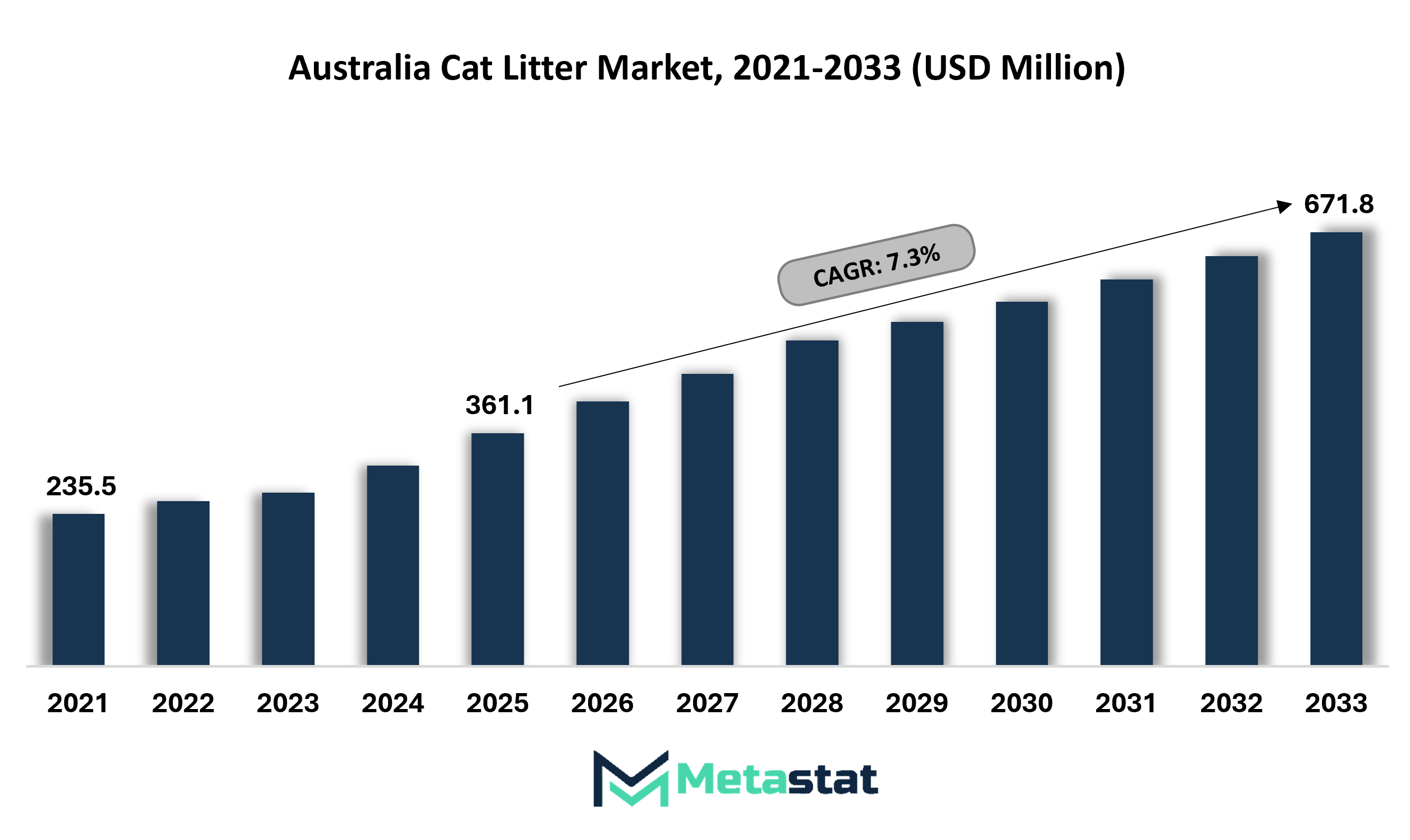
High cat ownership across Australian households continues to increase regular spending on litter and hygiene products.
Rising pet companionship trends across metropolitan and regional areas are supporting recurring purchases of litter, trays, deodorizers, liners, and cleaning aids. Supermarkets, pet specialty chains, and online sellers are gaining repeat sales momentum. Future demand will strengthen through premium hygiene routines, subscription purchasing models, and wider product accessibility.
Urban apartment living is boosting indoor cat adoption, raising demand for odor-control and easy-clean litter solutions.
Compact housing growth across major cities is encouraging indoor pet care practices with stronger focus on cleanliness, convenience, and odor management. Clumping litter, low-dust variants, and quick-scoop formulas are attracting consistent consumer interest. Future product development will favor lightweight packs, advanced absorption, and space-saving storage formats.
Premium biodegradable litter products often face slower adoption owing to price-sensitive buyers.
Higher shelf pricing for plant-based and eco-focused cat litter limits wider adoption among budget-conscious households. Conventional clay options remain attractive owing to lower upfront spending and frequent promotions. Future category growth will rely on cost reductions, larger pack-size efficiencies, and clearer long-term value communication.
Heavy packaging and transport costs create supply chain pressure for retailers and e-commerce sellers.
Bulky cat litter packs increase freight costs, warehousing requirements, and delivery complexity across long domestic routes. Margin pressure can affect pricing decisions, promotional intensity, and inventory planning. Future relief is expected through lighter materials, concentrated formulas, refill systems, and stronger local distribution networks.
Growing environmental awareness opens strong scope for tofu, corn, recycled paper, and compostable litter products.
Sustainability awareness among consumers is creating favorable conditions for renewable raw materials and lower-waste packaging. Natural odor control and flushable or compost-ready positioning will improve category appeal. Future growth will accelerate through certification labels, education campaigns, and wider placement across mainstream retail channels.
The Australia Cat Litter market is classified based on Product Type, Raw Material, and Distribution Channel.
Clumping segment is valued at USD 102.4 million in 2026 and is projected to reach USD 145.8 million by 2033, at a CAGR of 5.2% during the forecast period.
Fast absorption, easy scooping, odor control, and lower waste generation support rising demand in the Australia Cat Litter Market. Premium households prefer cleaner tray conditions and reduced replacement frequency. Product innovation with lighter granules, low-dust texture, plant-based blends, and stronger clumping performance will attract wider urban consumer interest during the forecast period.
Non-Clumping segment is valued at USD 307.5 million in 2026 and is projected to reach USD 526.0 million by 2033, at a CAGR of 8% during the forecast period.
Budget-friendly pricing, ease of use, and extensive retail presence maintain consistent demand across price-sensitive consumers. Traditional purchasing habits continue supporting sales across many households. Improved fragrance options, dust reduction, higher moisture retention capacity, eco-friendly blends, and convenient pack sizes will strengthen future adoption across Australia Cat Litter Market channels.
Clay segment is projected to reach USD 414.4 million by 2033, at a CAGR of 6.4% during the forecast period.
Strong moisture capture, familiar performance, and affordable pricing keep clay products important across volume sales. Large-scale availability supports consistent supply for retailers. Future progress will include lighter formulas, reduced dust particles, improved odor-lock systems, recyclable packaging, cleaner sourcing practices, and stronger consumer confidence.
Silica segment is projected to reach USD 143.9 million by 2033, at a CAGR of 9.2% during the forecast period.
High absorbency, longer usage cycles, and strong odor control create premium appeal for silica cat litter products. Busy households value lower maintenance requirements. Future demand will rise through softer crystal textures, safer handling perception, smaller pack formats, improved branding, and stronger presence across digital retail platforms.
Others (Wood, Vegetal, Pellets, etc.) segment is projected to reach USD 113.5 million by 2033, at a CAGR of 8.7% during the forecast period.
Natural ingredients, compostable positioning, and lower environmental burden are encouraging growing interest in alternative litter materials. Wood pellets, paper blends, corn-based litter, and vegetal mixes appeal to sustainability-focused consumers. Future expansion will come from fragrance-free alternatives, improved absorption, broader shelf presence, and stronger price competitiveness across urban markets.
Specialized Pet Shops segment is projected to reach USD 236.5 million by 2033.
Expert guidance, curated product ranges, premium brands, and repeat customer traffic keep specialized pet shops influential. Store staff recommendations often shape purchasing decisions for new pet owners. Future growth will involve loyalty programs, subscription packs, in-store sampling, wider eco-friendly product options, and stronger neighbourhood presence.
Internet Sales segment is projected to reach USD 194.1 million by 2033.
Convenience, doorstep delivery, price comparison, and subscription ordering are driving rapid internet sales expansion. Bulk purchases suit heavy products such as cat litter. Future momentum will strengthen through faster logistics, targeted promotions, review-led purchasing behavior, bundle offers, and recurring delivery models serving busy metropolitan households effectively.
Hypermarkets segment is projected to reach USD 170.6 million by 2033.
One-stop shopping convenience, visible shelf placement, and promotional pricing support hypermarket sales performance. Grocery trips frequently encourage add-on purchases of pet care products. Future gains are expected through expanded private labels, value packs, seasonal discounts, improved category organization, and broader premium assortments in stores.
Other Distribution Channels segment is projected to reach USD 70.5 million by 2033.
Local grocery stores, pharmacies, convenience stores, and independent retailers create added accessibility across many communities. Emergency purchases often support consistent turnover through these channels. Future progress will come from compact packaging, better inventory rotation, local delivery links, wider brand partnerships, and stronger rural availability networks.
The Australia Cat Litter Market has grown steadily as more households adopt indoor cats and owners seek cleaner, easier-to-manage litter solutions. Buyers now compare odor control, dust levels, texture, tracking, and disposal convenience before selecting a product. Many consumers also review product labels and prefer materials positioned as safer for pets and households. Retail stores and online sellers provide wider access, supporting repeat purchases. Premium packs, trial sizes, and bulk bags appeal to different budget groups. Strong branding matters, while repeat sales depend on daily product performance. Reliable clumping, low tracking, and simple disposal continue to guide demand across major Australian cities.
Leading suppliers shape competition through product range, pricing, brand trust, and distribution reach. Mars, Incorporated and The Clorox Company benefit from global scale and marketing reach. Intersand and Nestlé S.A. Purina maintain strong reputations among pet shoppers seeking reliable quality. FibreCycle Pty Ltd benefits from recycled paper-based product positioning, while Masterpet Australia Pty Ltd Trouble & Trix targets everyday household requirements. SunRice CopRice and Poowee Pty Ltd add local relevance through practical product offerings. Rolf C. Hagen Inc. Catit and Tolsa S.A. widen consumer choice through specialist product lines and imported formats available across multiple Australian retail channels.
Smaller and niche brands also add competitive depth to the market. Rufus & Coco Pty Ltd focuses on lifestyle branding and neat packaging for modern pet owners. Tofu Cat Litter Australia is gaining interest from consumers seeking plant-based choices that break down more easily. Oz-Pet is known for wood pellet formats valued for absorbency and low mess. JRS Petcare GmbH + Co. KG brings fibre-based material expertise, while Dr. Elsey’s earns loyalty from owners managing odor, tracking, or litter box behavior among sensitive cats.
Future development will come from improved materials, transparent pricing, and easier cleanup. Buyers increasingly notice refill packs, lighter bags, and formulas that reduce odor without harsh fragrances. Online reviews can quickly strengthen or weaken a brand, making consistent product quality important. Retailers also prefer products with clear margins and reliable supply. New entrants can gain shelf space if they address common issues such as dust clouds, floor tracking, and disposal inconvenience. Established companies still hold an advantage through research, promotions, and wide distribution networks that keep shelves stocked across Australia throughout the year.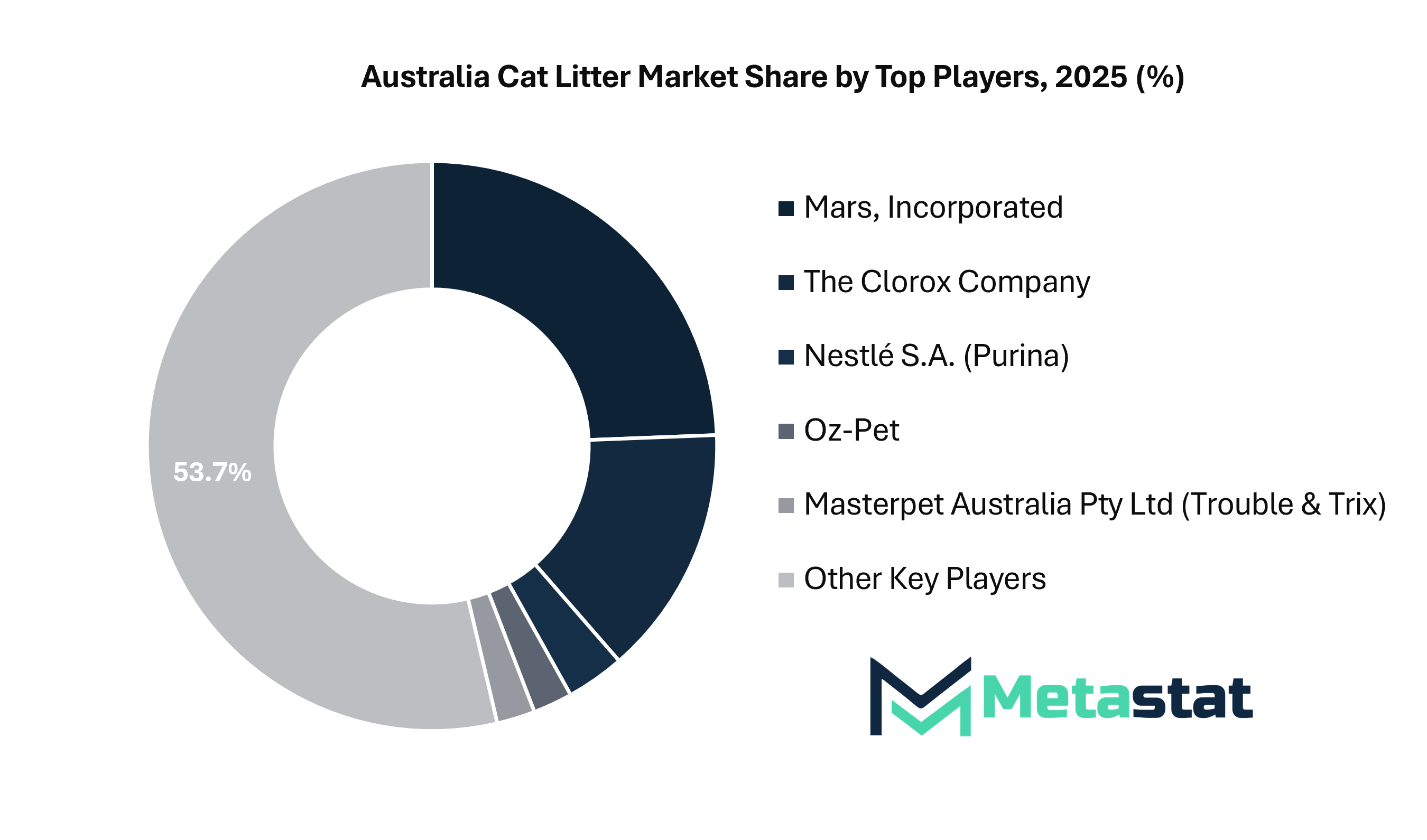
Market size is forecast to rise from USD 361.1 million in 2025 to over USD 671.8 million by 2033.
The Australia Cat Litter Market is expected to benefit from rising pet ownership, premium care habits, and growth in convenient delivery models. Future demand is expected to favor biodegradable litter, advanced odor-lock formulas, lightweight packs, fragrance-free health-focused variants, and automated replenishment subscriptions.
This research report categorizes the Australia Cat Litter market based on key segments and regions, forecasts revenue growth, and analyses trends in each submarket. The report analyses the key growth drivers, opportunities, and challenges influencing the Australia Cat Litter market. Recent market developments and competitive strategies such as expansion, product launch, partnership, merger, and acquisition have been included to draw the competitive landscape in the market.
The report strategically identifies and profiles the key market players and analyses their core competencies in each sub-segment of the Australia Cat Litter market.
|
Report Attributes |
Details |
|
Study Period |
2021-2033 |
|
Base Year |
2025 |
|
Estimated Year |
2026 |
|
Forecast Period |
2026-2033 |
|
Historical Period |
2021-2025 |
|
Growth Rate |
CAGR 7.3% from 2026 to 2033 |
|
Revenue Unit |
USD million |
|
Sales Volume Unit |
Kilotons |
|
Segmentation |
By Product Type, Raw Material, and Distribution Channel |
Find answers to common questions about this report
Top players operating in the Australia Cat Litter industry includes Mars, Incorporated, The Clorox Company, Intersand, Nestlé S.A. (Purina), and FibreCycle Pty Ltd.
High cat ownership across Australian households continues to increase regular spending on litter and hygiene products and urban apartment living is boosting indoor cat adoption, raising demand for odor-control and easy-clean litter solutions are key driving factors, boosting the market.
Premium biodegradable litter products often face slower adoption owing to price-sensitive buyers will hamper the market growth within the forecast period.
The Australia Cat Litter market is expected to grow at a CAGR of 7.3% over the forecast period (2026-2033).
The non-clumping is the leading type of segment in the Australia market.
Australia Cat Litter market is estimated to reach USD 671.8 million by 2033.
The Metastat Insights study shows that the Australia Cat Litter market size was USD 361.1 million in 2025.
The analysts below cover Consumer Goods research at Metastat Insights.
LEAD ANALYST
Utkarsh Khirodkar is a Lead Market Research Analyst at MetaStat Insight, specializing in market intelligence, technology sector assessments, and competitive strategy.
Analyzing the transition from natural gas to green hydrogen in iron ore reduction requires realistic infrastructure timelines. Meta stat insight supplied a detailed regional assessment of DRI plant conversion costs and scrap metal availability in North America and Western Europe. Their report carefully examined pellet quality specs and electrical grid access constraints without making oversimplified market assumptions. The research material served as a practical reference during internal technology roadmap discussions.
Integrating zero-trust access controls across legacy electronic health record systems involves complex compliance overhead. Team produced an analysis that clearly separated identity governance and administration tools from privileged access management platforms. Their evaluation of HIPAA and GDPR compliance features across cloud native solutions gave our architecture group clear baseline criteria. The custom data request regarding biometric authentication adoption in hospital networks was returned promptly with clear documentation.
Evaluating calorific value requirements and air permit compliance across municipal waste facilities requires localized data. Metastat Insight structured their analysis around operational throughput capacity and feedstock composition variations in Latin America and Eastern Europe. Their competitive mapping of sorting equipment vendors helped clarify technology differences between optical separators and heavy media systems. The study provided an objective baseline during our capital expenditure reviews.
Explore related market intelligence reports worth reading alongside this one.