
LEAD ANALYST
Utkarsh Khirodkar is a Lead Market Research Analyst at MetaStat Insight, specializing in market intelligence, technology sector assessments, and competitive strategy.

Global Gas Turbine Services Market Size, Share, By Service Type (Maintenance & Inspection, Repair & Refurbishment, Overhaul & Major Inspection, Upgrades & Modernization, Parts & Component Services, Field Services & Outage Management, Digital Monitoring & Diagnostics), By Turbine Type (Heavy-Duty Frame Gas Turbines, Aeroderivative Gas Turbines, Light Industrial Gas Turbines, Small Gas Turbines and Microturbines), By Service Provider (Original Equipment Manufacturer Service Providers, Independent Service Providers), By End-Use Industry (Power Generation Utilities and Independent Power Producers, Upstream Oil and Gas, Midstream Gas, Pipelines and LNG, Refining and Petrochemicals, Manufacturing and Process Industries, Marine and Offshore), Industry Analysis, Growth, Trends, and Forecast, 2026-2033
Report ID
MSI-5455
Published
October, 2026
Pages
262 Pages
Format
Historical
Base year
Forecast
Forecast period
Report Details
Market Valuation: Valued at $45.2 Billion in 2025, projected to reach $99.9 Billion by 2033 at a 10.4% CAGR.
Dominant Segment: The heavy-duty frame gas turbines segment leads the market, driven by significant investments in power generation infrastructure and a growing demand for sustainable energy solutions.
Geographic Lead: North America is projected to hold a substantial market share in 2025, with the US expected to lead growth in 2026 due to strong industrial investments in energy infrastructure.
What's Inside: The report provides a comprehensive analysis of the Gas Turbine Services market, covering service types, turbine types, service providers, and end-use industries, along with competitive insights and growth forecasts through 2033.
Emerging Trends: The integration of digital monitoring and predictive maintenance is reshaping service strategies, enhancing operational efficiency and reducing downtime for gas turbine operators.
Service Growth: The Upgrades and Modernization segment is projected to grow significantly, with a CAGR of 12.5%, reflecting the increasing need for enhanced turbine capabilities and efficiency.
Choose Your License
Global Gas Turbine Services Market
The global Gas Turbine Services market was valued at USD 45.2 billion in 2025 and is projected to reach USD 99.9 billion by 2033, growing at a CAGR of 10.4% over the forecast period.
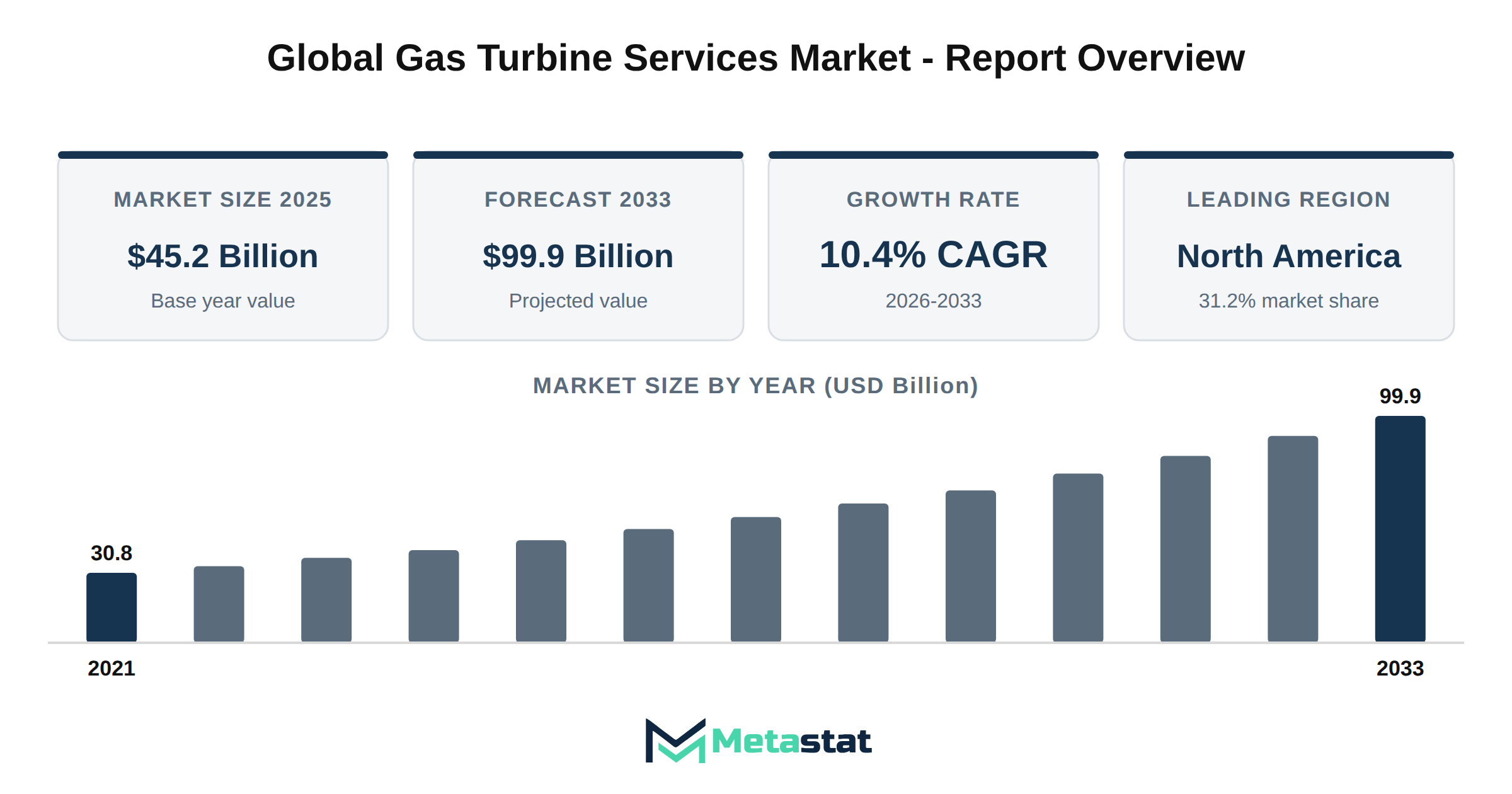
The Gas Turbine Services market encompasses a wide range of services related to gas turbine maintenance, repair, and upgrades. Buyers invest in these services primarily to enhance operational efficiency, prolong equipment life, and ensure compliance with environmental regulations. The market serves various end-use industries, including power generation and the broader oil and gas sector, reflecting the demand for reliable and efficient energy solutions.
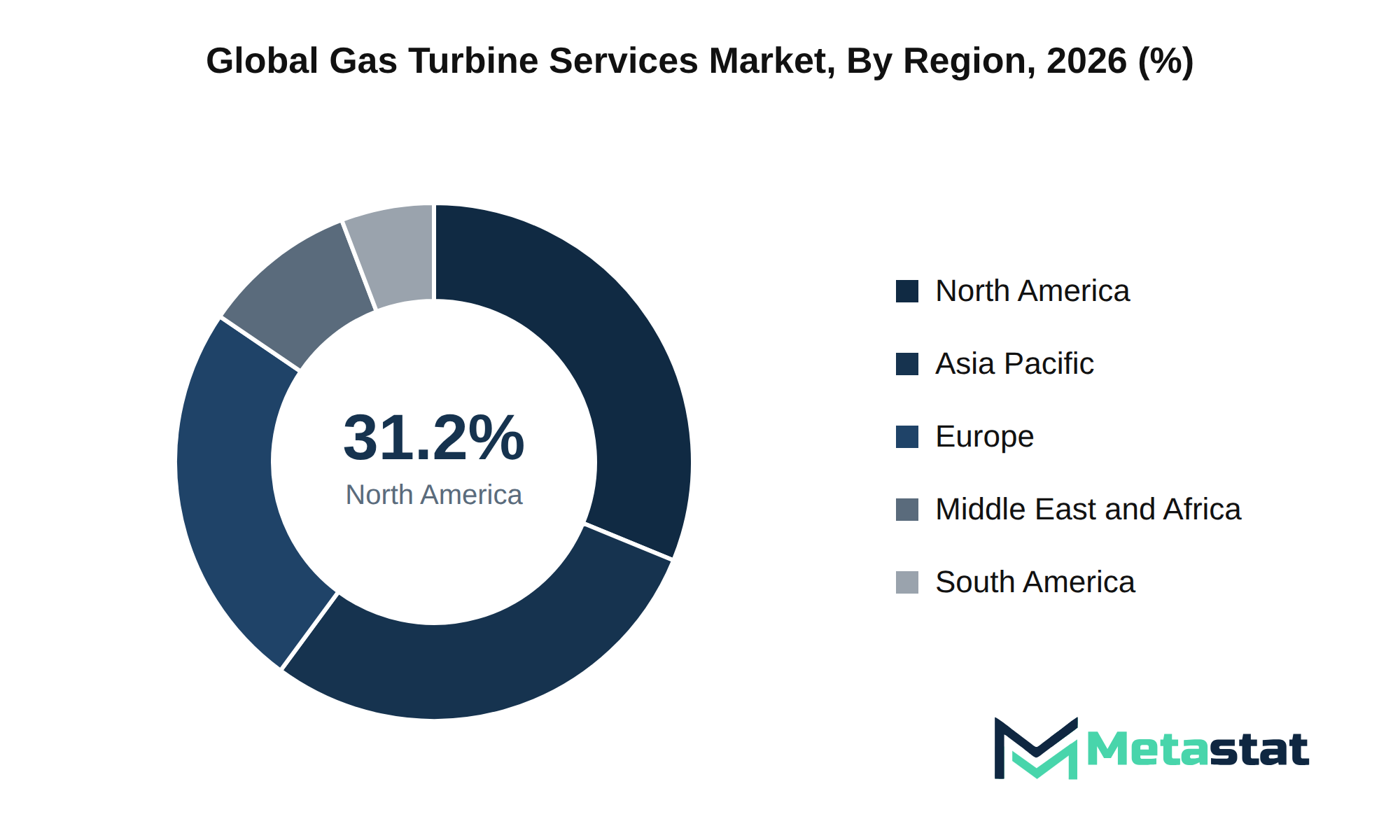
Growth in the market is driven by the increasing need for energy efficiency and reliability in power generation. North America holds 31.2% of the market in 2025, with the US leading in 2026. The heavy-duty frame gas turbines segment represents the largest value within the market, driven by significant investments in power generation infrastructure and the growing demand for sustainable energy solutions.
Technological advancements and the implementation of digital monitoring and diagnostics play crucial roles in supporting market growth. The rise of smart technologies enables service providers to enhance operational performance and reduce maintenance costs, benefiting buyers across various sectors. Ongoing investments in modernization and efficiency improvements support the market expansion.
Growth in the Gas Turbine Services market is driven by increasing demand for efficient energy solutions and the need for reliable power generation. Power generation utilities and independent power producers represent the largest segment, focusing on maintenance and repair services to ensure optimal performance and reliability of their systems. The ongoing transition towards cleaner energy sources necessitates upgrades and modernization of existing turbines, further propelling expenditure in this sector. As intermittent capacity expands across the renewable energy sector, flexible gas turbines are increasingly serviced to maintain grid stability.
North America is projected to account for a significant share of the market in 2025, supported by a strong industrial base and substantial investments in energy infrastructure. These regional investments frequently coincide with modernizations in smart grid technologies that require responsive, fast-ramping generation assets. In contrast, Europe and Asia Pacific exhibit strong growth, reflecting advances in technology and increasing regulatory support for energy efficiency. The competitive landscape is intensifying, with service providers expanding their offerings to capture a larger share of the market.
One main growth driver stems from the rising need for maintenance and inspection services, which is essential for maximizing the lifespan and efficiency of gas turbines. This trend is particularly evident in the heavy-duty frame gas turbine segment, which experiences substantial investment. The combination of technological advancements and regulatory frameworks creates a favorable environment for the Gas Turbine Services market. Consistent turbine output remains indispensable for utilities investing in complementary power T&D equipment across regional electrical networks.
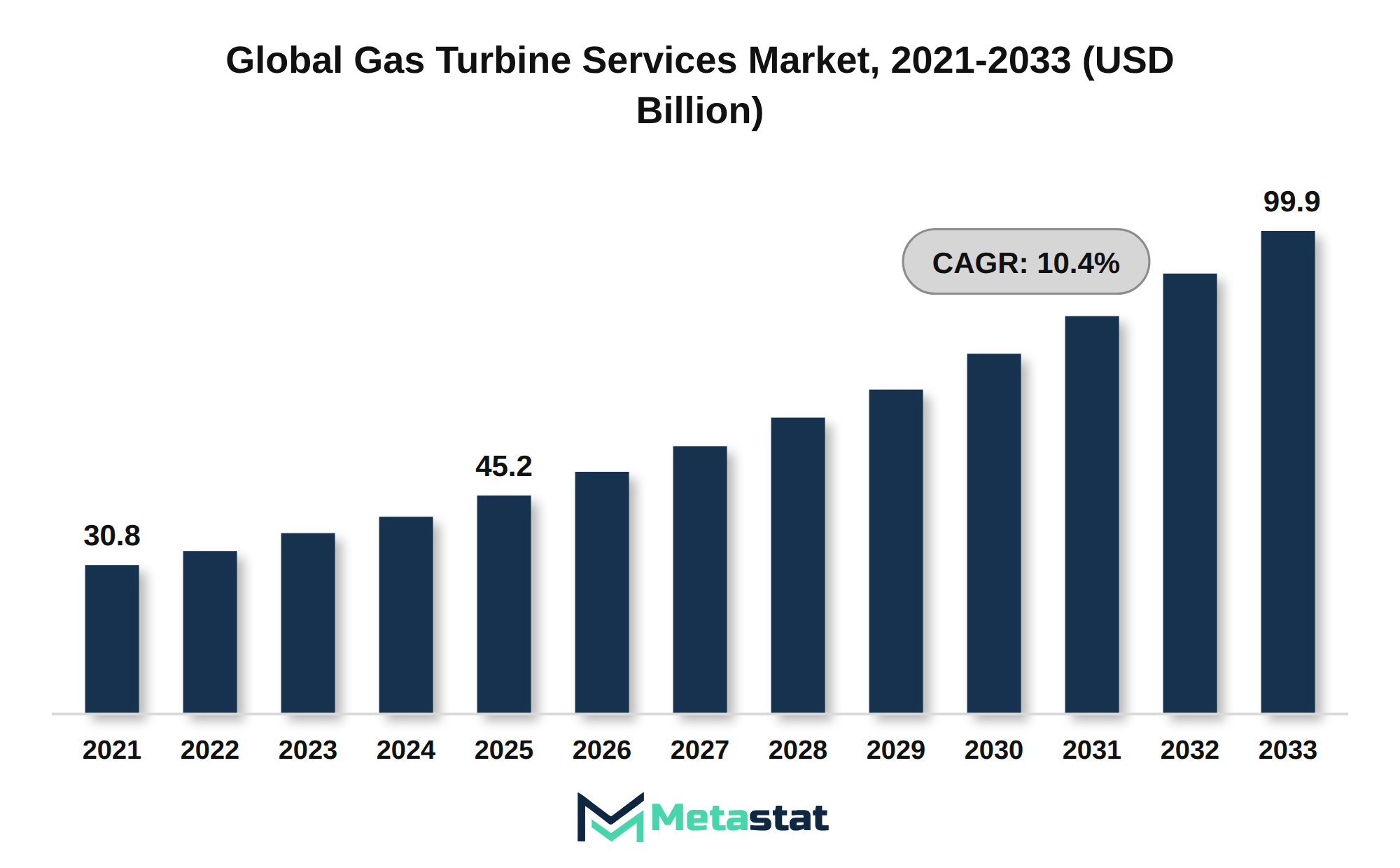
The lifecycle extension and modernization of aging gas turbine fleets has become increasingly essential in the Gas Turbine Services market. Aging gas turbines often face performance degradation, impacting operational efficiency and reliability. Upgrading these systems through modernization initiatives enhances efficiency and extends the lifespan of the equipment. Similar low-carbon efficiency enhancements and fuel-blending technologies have attracted funding through energy transition venture capital channels. In 2026, the segment for Upgrades and Modernization is projected to grow significantly, driven by an annual growth rate of 12.5%, reflecting strong demand for enhancing existing turbine capabilities.
Focusing on technological advancements, the integration of digital monitoring and diagnostics optimizes turbine performance. These predictive capabilities reflect the broader digital shift seen in renewable energy asset management software platforms used to monitor hybrid utility fleets. This technology allows operators to conduct real-time assessments, minimizing downtime while maximizing output. By implementing these strategies, operators in the power generation utilities and independent power producers segment, expected to reach USD 44.9 billion by 2033, improve operational efficiencies. Operators realize substantial cost savings while meeting increasing energy demands with higher reliability.
In a competitive market, the ability to modernize aging turbines not only enhances service offerings but positions companies favorably against competitors. Service providers that emphasize lifecycle extension strategies attract more clients seeking efficient and reliable energy solutions, ultimately driving growth within the Gas Turbine Services market.
Digital monitoring and predictive maintenance enhance purchasing strategies in the Gas Turbine Services market. Buyers increasingly prioritize service contracts that incorporate advanced diagnostics and data analytics. This shift toward data-driven maintenance models improves operational efficiency and reduces unexpected downtime. The segment for digital monitoring is projected to grow significantly as firms seek comprehensive solutions for ongoing maintenance.
Service contracts are evolving to include performance-based pricing structures, where costs align with the operational performance of the gas turbines. This model encourages service providers to focus on long-term equipment health, creating a stronger partnership between buyers and suppliers. Original Equipment Manufacturer Service Providers are expected to capture a larger share of this trend, with a projected value increase to USD 60.6 billion by 2033.
The adoption of these advanced service strategies not only optimizes maintenance expenditures but drives technological advancements in the sector. Buyers benefit from lower operational costs and improved reliability, positioning themselves competitively in the market. Such developments highlight the necessity for service providers to adapt their offerings to meet changing buyer expectations.
Long-term service agreements have gained traction among power generation utilities and independent power producers, driven by the need for reliable and efficient turbine operations. These agreements allow operators to secure essential maintenance and support services, ensuring optimal performance and reducing unplanned downtime. In 2026, the power generation sector is anticipated to generate USD 23.1 billion in revenue, reflecting the importance of these arrangements.
In the oil and gas sector, similar trends emerge, with upstream oil and gas operators increasingly opting for long-term agreements to enhance operational stability. The growing complexity of gas turbine systems necessitates expert management, leading to a higher demand for service contracts. The repair and refurbishment segment alone is projected to reach USD 15.4 billion by 2033, illustrating the industry's commitment to maintaining operational efficiency through strategic service partnerships.
The shift towards long-term service agreements in both power generation and oil and gas applications represents a broader trend within the market. This transition strengthens the relationship between service providers and clients while enhancing the overall reliability and efficiency of turbine operations.
The evolution of gas turbine services aligns closely with the global push for decarbonization and the demand for flexible power generation. A significant driver of this trend is the increasing need for cleaner energy sources, prompting gas turbine service providers to adapt their offerings. In particular, the market sees a growing emphasis on upgrades and modernization, which support the integration of low-carbon technologies. The upgrades segment is projected to experience a compound annual growth rate of 12.5% through 2033, reflecting heightened interest from power generation utilities and independent power producers.
Utilities shift toward renewable energy sources, requiring gas turbine services that enhance operational flexibility. This flexibility ensures that turbines respond efficiently to variable power demands, enabling smoother transitions between traditional and renewable energy generation. Consequently, providers focusing on digital monitoring and diagnostics gain traction, with these services supporting real-time performance optimization and predictive maintenance. The gas turbine services market is expected to benefit from increasing investments in technologies that facilitate this flexibility, driving growth and influencing competitive dynamics.
Rising emphasis on the maintenance and upgrade of existing gas turbine systems significantly influences the Gas Turbine Services market. This shift stems from the necessity for power generation utilities and industrial sectors to enhance operational efficiency and extend equipment lifespan. Aging gas turbine fleets require more frequent servicing, leading to increased demand for comprehensive maintenance programs. Advancements in technology enable more effective upgrades and modernization efforts, ensuring systems operate at peak performance. The trend results in heightened investment in service contracts, with buyers seeking reliable solutions for performance enhancement and efficiency gains. A growth rate of 10.4% reflects this trajectory, suggesting robust market expansion driven by the commitment to maintaining and upgrading turbines.
High costs associated with gas turbine services limit adoption among buyers, particularly within the power generation utilities and independent power producers sector. The expense of necessary maintenance, repair, and upgrades often results in slower uptake of new services and technologies. This situation creates a barrier for operators facing budget constraints or requiring significant capital investments for service contracts. Increased operational expenditures impact the decision-making process, leading to smaller orders and delayed replacement of aging gas turbines. The financial burden of implementing advanced technologies hinders competitiveness among smaller firms in the market. While the gas turbine services market expands, various segments experience challenges in aligning service offerings with available resources, ultimately affecting overall growth potential.
Rising talent costs present a significant challenge for suppliers in the Gas Turbine Services market. While the industry experiences technological advancements and an increasing demand for skilled professionals, the cost of hiring and retaining qualified personnel escalates. This situation affects profit margins, compelling suppliers to adopt strategies that enhance operational efficiency. To address these challenges, companies focus on training and development programs aimed at upskilling existing employees. Implementing automation and digital tools further supports efficiency by reducing reliance on manual labor. Such strategies not only mitigate the impact of rising talent costs but improve service delivery in the competitive environment of the market. The emphasis on employee retention and development reflects a long-term commitment to sustaining growth amid increasing operational pressures.
Growth in the aeroderivative gas turbine segment presents a significant opportunity within the market. The increasing demand for flexible and efficient power generation solutions drives interest in these turbines, particularly for applications in peak shaving and backup power generation. The aeroderivative gas turbines segment is projected to achieve a compound annual growth rate of 11.6% through 2033, indicating robust potential for expansion. The efficiency and reduced emissions associated with aeroderivative gas turbines align with global decarbonization goals, making them an attractive option for operators seeking sustainable energy solutions. This segment's growth is expected to be particularly pronounced in regions with high energy demands. The projected value for this segment by 2033 reaches USD 30.7 billion, reflecting the increasing investment and focus on advanced turbine technologies. Companies focusing on this area are likely to benefit from the shift toward cleaner energy sources and the evolving needs of power generation utilities.
The Global Gas Turbine Services market is segmented based on Service Type, Turbine Type, Service Provider, and End-Use Industry.
Maintenance & Inspection segment is valued at USD 9.2 billion in 2026 and is projected to reach USD 16.9 billion by 2033, at a CAGR of 9.1% during the forecast period. This segment focuses on essential upkeep activities that ensure gas turbines function optimally. Power generation utilities and independent power producers primarily access these services to enhance reliability and operational efficiency. The ongoing shift towards longer-term maintenance contracts drives growth in this segment, reflecting a commitment to minimizing downtime and extending equipment life. Compared to other service types, Maintenance & Inspection experiences steady demand growth due to its fundamental role in turbine performance and reliability, positioning it uniquely within the market's service offerings. The significant projected increase in value highlights the importance of these services in maintaining operational excellence and reducing unexpected failures.
Repair & Refurbishment segment is estimated to reach USD 15.4 billion by 2033, at a CAGR of 9.2% during the forecast period. This segment focuses on restoring gas turbines to optimal operating conditions, serving power generation utilities and independent power producers. The growing emphasis on extending the operational life of existing turbines drives demand for refurbishment services. The segment benefits from advancements in technology that enhance repair capabilities and reduce turnaround times. Compared to other service segments, Repair & Refurbishment tends to grow at a moderate rate, with a CAGR of 9.2%, positioning it as a crucial aspect for maintaining efficient energy production. Reliable and cost-effective solutions push buyers to prioritize refurbishment over complete replacements, thereby influencing purchasing decisions while navigating budget constraints in the evolving market.
Overhaul & Major Inspection segment is expected to reach USD 16.7 billion by 2033. This segment focuses on extensive examination and repairs of gas turbines, ensuring optimal performance and adherence to safety standards. Power generation utilities and independent power producers apply these services to maintain efficiency and prolong the life of their turbine assets. Strong demand for reliable power generation drives growth in this segment, with operators prioritizing the operational integrity of their equipment. Overhaul & Major Inspection demonstrates a notable CAGR of 9.2%, reflecting a significant growth trajectory compared to other service types. This segment stands out due to its emphasis on comprehensive inspections and extensive repairs, differing from faster-growing segments like Upgrades & Modernization, which target technological enhancements. Effective maintenance strategies, driven by stringent performance standards, support the ongoing expansion of this segment in the market.
Upgrades & Modernization segment is projected to grow at a CAGR of 12.5% during the forecast period. This segment focuses on enhancing the efficiency and capabilities of existing gas turbines, enabling operators to meet evolving performance standards. Power generation utilities and independent power producers apply these services to optimize their turbine operations and extend asset life. The push for increased efficiency and lower emissions drives demand within this segment, differentiating it from others that experience slower growth rates. While the Repair & Refurbishment segment has a CAGR of 9.2%, the Upgrades & Modernization segment offers faster growth due to rising needs for advanced technology integration. This segment represents a strategic opportunity for service providers to deliver tailored solutions that meet the specific requirements of their clients, aligning with broader trends in the Gas Turbine Services market.
Parts & Component Services focus on providing essential components and spare parts required for the maintenance and repair of gas turbines. This service is critical for operators in the power generation, oil and gas, and industrial sectors, where reliability and efficiency are crucial. Demand for these services is influenced by the enhance the operational efficiency of existing turbine systems, which drives purchases among utilities and independent power producers. Unlike other segments, this service specifically addresses immediate operational needs, allowing for quick replacements and repairs to minimize downtime. The market has seen an uptick in demand due to the increasing complexity of gas turbine technology, necessitating specialized parts that ensure optimal performance. This segment supports existing frameworks while facilitating ongoing modernization and upgrading efforts necessary to maintain competitiveness in energy generation.
Field Services & Outage Management provides essential support for gas turbine operations, focusing on unplanned outages and scheduled maintenance activities. This service is vital for power generation utilities and independent power producers, ensuring operational reliability and minimizing downtime. A significant factor driving demand stems from the increasing need for rapid response to unexpected turbine failures, which directly affects energy production. The segment differentiates itself due to its specialized nature, involving on-site support and technical expertise that set it apart from other service types, including Maintenance & Inspection or Repair & Refurbishment. The emphasis on real-time diagnostics and proactive maintenance enhances the overall efficiency of turbine operations. Continued advancements in digital monitoring technologies further influence this area, enabling quicker identification of potential issues before they escalate into major outages. The Gas Turbine Services market increasingly values these capabilities, contributing to improved service reliability and operational longevity.
Digital Monitoring & Diagnostics enhances the performance and reliability of gas turbines through advanced technology. This segment is essential for power generation utilities and independent power producers aiming to optimize operational efficiency and reduce downtime. The increasing adoption of IoT and analytics solutions drives demand within this segment, allowing users to proactively identify issues and perform maintenance prior to failures. Compared to other service types, the Digital Monitoring & Diagnostics segment differentiates itself through its focus on predictive maintenance and real-time data analysis, appealing to buyers seeking to minimize operational costs. The financial implications of this segment are significant; effective monitoring leads to substantial savings by preventing costly repairs and unplanned outages. The Gas Turbine Services market benefits from these advancements, with a growing emphasis on technology integration shaping service strategies across various sectors.
Training and engineering support services cater to the specialized needs of gas turbine operators, focusing on enhancing operational efficiency and reliability. These services facilitate knowledge transfer and skill development for personnel involved in gas turbine operations. Power generation utilities and independent power producers rely heavily on such training to ensure proper handling and maintenance of their equipment. Growth in this segment arises from the increasing complexity of gas turbine technology, which demands skilled personnel. The focus shifts towards expanding the capabilities of workers, contrasting with segments like Repair & Refurbishment, which concentrate primarily on physical asset maintenance. This sub-segment supports the overall growth of the market by addressing the human factor that underpins successful turbine operations.
Heavy-Duty Frame Gas Turbines segment is valued at USD 25.9 billion in 2026 and is projected to reach USD 48.9 billion by 2033, at a CAGR of 9.5% during the forecast period. This segment primarily serves power generation utilities and independent power producers, offering essential support for large-scale energy generation systems. Demand for reliable and efficient power generation drives growth in this segment, with operators increasingly focusing on maximizing uptime and minimizing operational disruptions. Compared to other turbine types, heavy-duty frame gas turbines experience a significant growth trajectory, attributed to their suitability for continuous operation in high-demand environments. With a CAGR of 9.5%, this segment demonstrates stronger performance than lighter alternatives, reflecting ongoing investment in more substantial, high-capacity installations. The market evolves in response to technological advancements that enhance efficiency and reliability, reinforcing its position as a key contributor to the overall Gas Turbine Services market.
Aeroderivative Gas Turbines segment is estimated to reach USD 30.7 billion by 2033, at a CAGR of 11.6% during the forecast period. These turbines find extensive application in power generation, particularly in applications requiring rapid startup and flexible operation. Demand from power generation utilities and independent power producers drives this growth, fueled by an increasing focus on renewable energy integration and the need for backup power solutions. This segment's growth rate outpaces others due to technological advancements that enhance efficiency and reduce emissions. Aeroderivative Gas Turbines typically command higher service costs compared to heavy-duty frame gas turbines, reflecting their advanced technology and operational flexibility. Rising investments in cleaner energy solutions significantly contribute to the broader landscape of the Gas Turbine Services market.
Light Industrial Gas Turbines segment is expected to reach USD 13 billion by 2033. This segment caters primarily to markets requiring smaller scale power generation solutions, including commercial and industrial applications. Demand growth in this segment is driven by increasing energy efficiency requirements and a shift towards decentralized power systems. With a CAGR of 12.4%, Light Industrial Gas Turbines demonstrate a faster growth rate compared to other turbine types. This growth reflects a preference for adaptable energy solutions within sectors that prioritize flexibility and lower operational costs. Unlike Heavy-Duty Frame Gas Turbines, which dominate larger power generation applications, Light Industrial Gas Turbines focus on smaller, more specialized markets, highlighting distinct buyer characteristics and operational needs. The market increasingly recognizes the value of these turbines in achieving operational efficiency and meeting energy demands across diverse settings.
Small Gas Turbines and Microturbines segment is projected to grow at a CAGR of 12.4% during the forecast period. These turbines serve primarily in distributed generation applications, catering to sectors that require modular and scalable power solutions, including remote power generation and backup systems. The increasing shift towards decentralized energy production drives demand, particularly among industrial facilities and commercial establishments seeking energy independence. This segment stands out due to its higher growth rate compared to larger turbine types, which typically experience slower growth. The portability and flexibility of small gas turbines and microturbines attract buyers focusing on rapid deployment and reduced emissions, further influencing market dynamics. The expected growth reflects a broader trend within the market, emphasizing the transition towards more efficient and versatile energy solutions.
Original Equipment Manufacturer Service Providers segment is valued at USD 31.5 billion in 2026 and is projected to reach USD 60.6 billion by 2033, at a CAGR of 9.8% during the forecast period. This segment primarily serves power generation utilities and independent power producers, focusing on the provision of maintenance, repair, and refurbishment services for turbines manufactured by the original equipment manufacturers. A significant driver for this segment stems from the ongoing need for reliable energy generation, which necessitates regular servicing and upgrades of gas turbine systems. Compared to independent service providers, this segment exhibits a more stable growth trajectory due to established relationships between manufacturers and utility companies. The emphasis on maintaining operational efficiency and minimizing downtime increases reliance on these service providers, further enhancing their role in the Gas Turbine Services market.
Independent Service Providers segment is estimated to reach USD 39.2 billion by 2033, at a CAGR of 11.2% during the forecast period. This segment focuses on delivering specialized services for gas turbine maintenance and operations, catering primarily to utilities and independent power producers. The increasing demand for efficient energy production drives this segment, with operators seeking reliable service providers to ensure optimal performance. Factors including technological advancements in gas turbine operations contribute to service enhancements, supporting energy efficiency and reducing downtime. Compared to OEM service providers, Independent Service Providers often offer competitive pricing while maintaining quality, allowing them to capture a growing share of the market. The segment's growth reflects a shift toward more flexible and cost-effective service solutions, appealing particularly to budget-conscious end users.
Power Generation Utilities and Independent Power Producers segment is valued at USD 23.1 billion in 2026 and is projected to reach USD 44.9 billion by 2033, at a CAGR of 10% during the forecast period. This segment primarily serves the demand for reliable electricity generation and supply, catering to both public utility companies and independent producers. Growth in global energy consumption drives investments in gas turbine services, particularly for enhancing efficiency and reducing emissions. This segment exhibits a higher growth rate compared to others, reflecting the increasing shift towards cleaner energy sources. Regulations favoring sustainable energy production further support this trend. The rising need for modernization and upgrades in power generation facilities enhances demand, facilitating significant investments in service contracts and maintenance agreements. These dynamics establish a distinct outlook for this sector, setting it apart from other segments in the market, which experience slower growth or different buyer profiles.
The Upstream Oil and Gas segment is estimated to reach USD 13.2 billion by 2033, at a CAGR of 9.8% during the forecast period. This segment serves the oil and gas industry, focusing on turbine services necessary for exploration and production activities. Key drivers include increasing global energy demand and the need for efficient operations in harsh environments. Operators seek to enhance productivity and reduce downtime, pushing investments in maintenance and modernization solutions. Compared to other segments in the market, this segment experiences relatively slower growth; however, its specialized nature requires high-quality services, leading to premium pricing. The integration of advanced technologies further supports the segment's expansion, with companies adopting digital monitoring solutions to optimize performance and reduce operational risks.
Midstream Gas, Pipelines and LNG segment is expected to reach USD 13.5 billion by 2033. This segment is essential in the transportation and storage of natural gas, serving companies that operate pipelines and liquefied natural gas (LNG) facilities. A significant driver for this segment includes the increasing demand for natural gas as an energy source, reflected in ongoing investment in infrastructure and pipeline projects. Compared to other segments, this area faces different growth dynamics, with its expansion propelled by regulatory support for cleaner energy solutions. This segment experiences a unique relationship with pricing and operational costs, influenced by fluctuations in global energy markets and the need for reliable service providers to ensure efficiency and compliance. Adopting advanced technologies further enhances the operational effectiveness of services offered in this segment. The Gas Turbine Services market is expected to evolve while these factors shape the midstream operations.
The Refining and Petrochemicals segment is projected to grow at a CAGR of 9.8% during the forecast period. This segment primarily serves the oil and gas sector, focusing on the maintenance and optimization of gas turbines used in refining processes and petrochemical production. Increased global energy demand drives this segment, highlighting the ongoing need for efficient and reliable turbine services. Significant investments in refining capacity enhancements contribute to the segment's growth trajectory. Compared to other segments, the Refining and Petrochemicals segment experiences steady demand due to the critical role it plays in energy production and industrial processes, which distinguishes it from segments including Power Generation Utilities and Independent Power Producers, where growth rates differ considerably.
The Manufacturing and Process Industries segment serves critical functions in various production processes, incorporating gas turbine services for operational efficiency. Key players in this sector include manufacturers of machinery and industrial products, who rely on gas turbines for energy generation and mechanical power. Demand is driven by the ongoing push for energy efficiency and sustainability within industrial operations. Unlike sectors including power generation, this segment experiences distinct challenges, including the need for tailored maintenance solutions to accommodate specific industrial applications. While several segments exhibit faster growth rates, the Manufacturing and Process Industries segment is characterized by steady demand, reflecting the essential nature of gas turbines in production processes. Enhanced efficiency and reliability through advanced service offerings contribute to sustained interest in this segment, aligning with broader trends within the Gas Turbine Services market.
Marine and Offshore applications employ gas turbines for various functions, including propulsion and power generation on vessels and offshore platforms. Companies operating in this segment include shipbuilders and offshore energy firms that require reliable power solutions to enhance operational efficiency. Factors influencing this segment include the increasing demand for sustainable energy solutions, driving the adoption of gas turbines in marine environments. Compared to other segments, including Power Generation Utilities and Independent Power Producers, Marine and Offshore experiences slower growth due to specialized requirements and higher costs associated with offshore turbine installations. The gas turbine services market exhibits varied trends across its segments, with unique challenges and opportunities in the Marine and Offshore domain.
This sub-segment encompasses services related to district energy, mining, and institutional power applications. Operators in these fields employ gas turbine services for efficient energy generation, ensuring reliability and cost-effectiveness. The demand in this segment is driven by the growing emphasis on sustainable energy solutions and the transition towards more environmentally friendly technologies. Companies are increasingly investing in gas turbines for their ability to provide flexible and responsive power solutions, particularly in remote or off-grid locations. Compared to other segments, this area experiences different customer dynamics, characterized by longer-term contracts and partnerships. The market shows a distinct shift towards integrating advanced technologies, enhancing operational efficiency, and minimizing environmental impact while adapting to unique regulatory pressures and market conditions.
Based on geography, the Global Gas Turbine Services market is divided into North America, Europe, Asia-Pacific, South America, Middle East, and Africa.
Driving factors behind growth in the region include substantial investments in power generation infrastructure and the increasing focus on energy efficiency. The United States, Canada, and Mexico demonstrate a strong demand for advanced gas turbine solutions due to the rising need for reliable energy sources. North America holds a 29.8% share of the global market. Proactive measures in regulatory frameworks encourage upgrades and modernization of existing gas turbine equipment. North America is projected to reach USD 29.8 billion by the end of 2033. The market continues to attract significant attention from various industries seeking to enhance operational efficiency and reduce emissions.
Europe accounts for 24.4% of the Gas Turbine Services market in 2025. Demand is driven primarily by power generation utilities, where aging infrastructure requires upgrades and maintenance to maintain efficiency. Countries including Germany and France exhibit strong investments in renewable energy initiatives, further propelling the need for effective gas turbine solutions. Regulatory frameworks supporting sustainability in energy production enhance the market's growth potential across the region. The growing focus on energy security in the UK and Italy pushes operators to modernize existing facilities, resulting in increased expenditure on gas turbine services. The combination of these factors positions Europe as a critical region for market expansion through 2033.
Asia-Pacific represents a significant portion of the global market, holding a 28.9% share in 2025. Rapid industrialization and urbanization in countries like China and India drive demand, particularly in the power generation sector. The rising need for energy security and sustainable power sources supports investments in gas turbine services. Japan and South Korea focus on upgrading their existing infrastructure, ensuring efficiency and reliability in energy production. Australia’s commitment to renewable energy integration further enhances the demand for modernization services. The market strengthens due to regional players emphasizing innovation and advanced technologies, which enable better operational efficiency. Continued expansion in the market is anticipated, with a strong growth rate projected throughout the forecast period.
Brazil and Argentina play important roles in driving the Gas Turbine Services market within South America, primarily through the power generation sector. Investments in renewable energy and modernization of aging infrastructure create significant demand for maintenance, inspection, and upgrade services. The need for reliable energy sources drives power generation utilities to seek advanced solutions that optimize operational efficiency. The region's share of 5.8% in the global market reflects a growing recognition of the importance of gas turbines in meeting energy demands. Local suppliers and international players focus on providing tailored services to enhance performance and reduce downtime. In this context, strategic partnerships between government initiatives and private companies support growth, ensuring that the market remains robust amid changing energy dynamics.
Significant opportunities exist in the Middle East and Africa, particularly in Saudi Arabia and the UAE, where investments in renewable energy and infrastructure modernization drive demand. The presence of major oil reserves and a focus on diversifying energy sources contribute to increased spending on gas turbine services. South Africa, with its ongoing energy challenges, seeks to enhance power generation capacity, thereby increasing the need for reliable turbine services. The region's share of the global Gas Turbine Services market is projected at 9.7% in 2025. Advancements in technology and digital monitoring systems support enhanced operational efficiency, attracting interest from various sectors. The market in this region benefits from strategic initiatives aimed at improving energy security and sustainability.
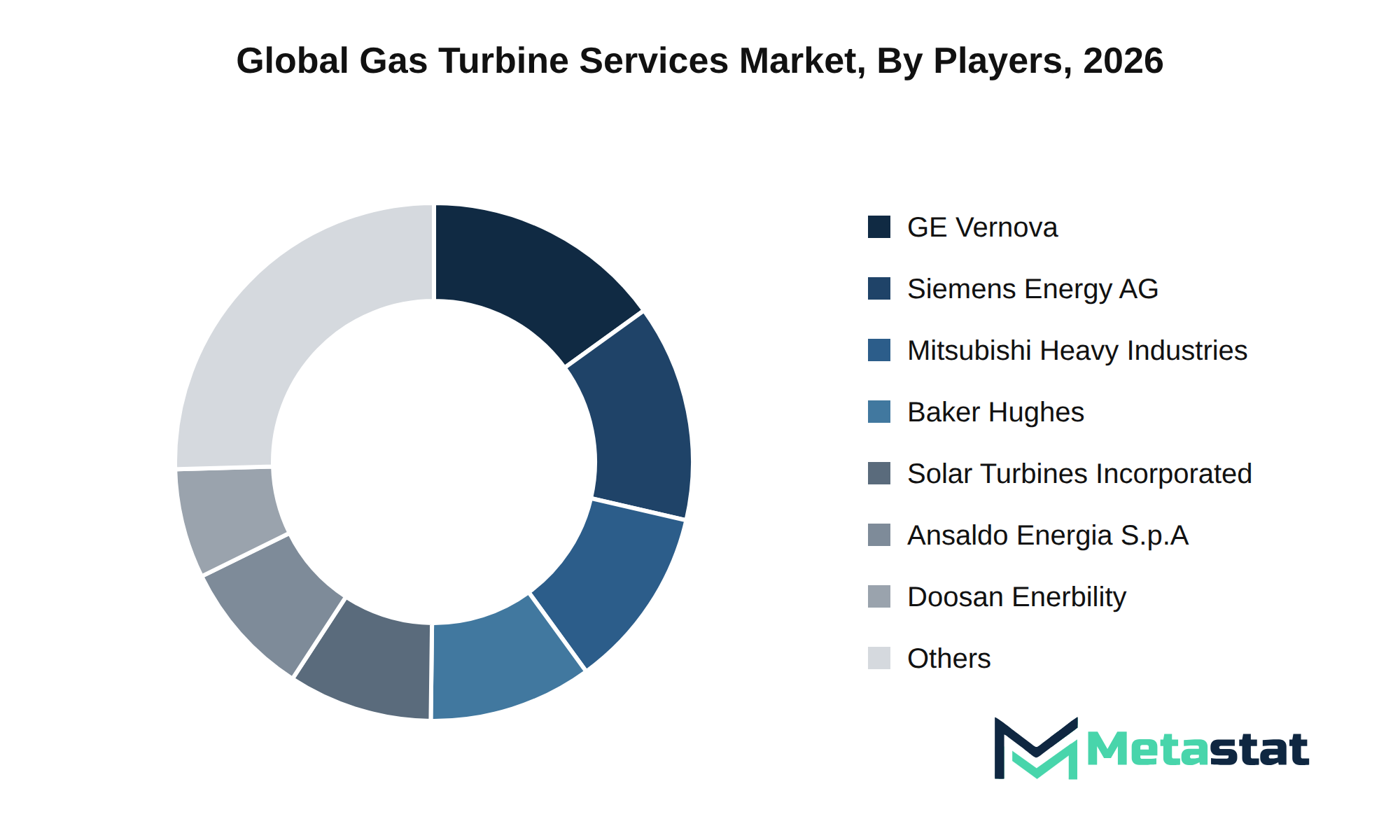
Companies in the Gas Turbine Services market compete through various strategies, focusing on service type, pricing, and technological advancements. The field divides between Original Equipment Manufacturer Service Providers and Independent Service Providers, with the former providing a comprehensive range of services directly linked to the turbine manufacturers, while the latter offers competitive pricing and customized solutions.
Buyers prioritize factors including certification, service quality, and customization options when selecting service providers. GE Vernova emphasizes its extensive service offerings and technological expertise, while Siemens Energy AG focuses on digital solutions and efficiency enhancements. Mitsubishi Heavy Industries, Ltd. highlights its strong presence in heavy-duty turbine services, catering to power generation utilities and independent power producers.
Achieving this growth requires significant advancements in the power generation sector, particularly in maintenance and inspection services, which are projected to grow from USD 9.2 billion in 2026 to USD 16.9 billion by 2033. This increase is driven by rising demand for reliable and efficient energy solutions.
However, potential challenges could arise from market volatility, particularly in the Middle East and Africa, where geopolitical factors impact investment in gas turbine services. Effective management of these risks is essential for sustaining the growth trajectory of the market. The outlook remains optimistic, underpinned by strong demand across various end-use industries, including power generation utilities and independent power producers, which represent a significant portion of the market.
By Service Type: Maintenance & Inspection, Repair & Refurbishment, Overhaul & Major Inspection, Upgrades & Modernization, Parts & Component Services, Field Services & Outage Management, Digital Monitoring & Diagnostics, Others (Training, Engineering Support)
By Turbine Type: Heavy-Duty Frame Gas Turbines, Aeroderivative Gas Turbines, Light Industrial Gas Turbines, Small Gas Turbines and Microturbines
By End-Use Industry: Power Generation Utilities and Independent Power Producers, Upstream Oil and Gas, Midstream Gas, Pipelines and LNG, Refining and Petrochemicals, Manufacturing and Process Industries, Marine and Offshore, Others (District Energy, Mining, Institutional Power)
The report strategically identifies and profiles the key market players and analyses their core competencies in each sub-segment of the Gas Turbine Services market.
Report Attributes | Details |
Study Period | 2021-2033 |
Base Year | 2025 |
Estimated Year | 2026 |
Forecast Period | 2026-2033 |
Historical Period | 2021-2025 |
Growth Rate | CAGR 10.4% from 2026 to 2033 |
Revenue Unit | USD billion |
Segmentation | |
By Region | North America (By Service Type, Turbine Type, Service Provider, End-Use Industry, and Country)
|
| |
Asia Pacific (By Service Type, Turbine Type, Service Provider, End-Use Industry, and Country)
| |
| |
Middle East and Africa (By Service Type, Turbine Type, Service Provider, End-Use Industry, and Country)
|
Find answers to common questions about this report
The Gas Turbine Services market size was valued at USD 45.2 billion in 2025.
The market is projected to grow at a CAGR of 10.4% during the forecast period from 2026 to 2033.
The North America Gas Turbine Services market size is estimated to reach USD 29.8 billion by 2033.
The leading segment in the Gas Turbine Services market is Heavy-Duty Frame Gas Turbines, with a projected value of USD 48.9 billion by 2033. This segment surpasses others in terms of revenue growth and market share.
Rising emphasis on the maintenance and upgrade of existing gas turbine systems significantly influences market growth. Growth in the aeroderivative gas turbine segment presents a significant opportunity, driven by increasing demand for flexible and efficient power generation solutions.
North America holds the dominant share of the Gas Turbine Services market, with a value of USD 29.8 billion in 2033, representing 31.2 percent of the total market. This figure surpasses other regions, highlighting North America's leading position.
High costs associated with gas turbine services limit adoption among buyers, particularly within the power generation utilities and independent power producers sector. Increased operational expenditures impact the decision-making process, leading to smaller orders and delayed replacement of aging gas turbines.
Several factors favor adoption in the gas turbine services industry. The rising demand for efficient power generation solutions drives interest in advanced technologies. the need for maintenance and upgrades of aging gas turbine fleets contributes to increased investment in service contracts, enhancing operational efficiency.
The Gas Turbine Services market is estimated to reach a valuation of USD 99.9 billion by 2033.
Key players operating in the Gas Turbine Services market include GE Vernova, Siemens Energy AG, Mitsubishi Heavy Industries, Ltd., Baker Hughes Company, Solar Turbines Incorporated, and Ansaldo Energia S.p.A. These companies provide a range of services related to gas turbines, contributing to the overall growth and development of the market.
The analysts below cover Energy and Power research at Metastat Insights.
LEAD ANALYST
Utkarsh Khirodkar is a Lead Market Research Analyst at MetaStat Insight, specializing in market intelligence, technology sector assessments, and competitive strategy.

PRINCIPAL CONSULTANT - ENTERPRISE AI & EMERGING TECHNOLOGIES
Banking & Finance · Electronics and Semiconductor · Energy and Power · Healthcare IT · Information & Technology · Professional Services
Vijay Gunti is a Principal Consultant at MetaStat Insight, bringing over two decades of experience across enterprise digital transformation, technology strategy, and intelligent systems.

ENERGY & INFRASTRUCTURE INDUSTRY CONSULTANT
Automotive and Transportation · Electronics and Semiconductor · Energy and Power · Machinery & Equipment
Saurabh Vasant Ganvir consults for Energy & Infrastructure Industry at MetaStat Insight, specializing in renewable energy, solar EPC, and electric vehicle (EV) infrastructure markets.
Most industry reports on warehouse automation bundle autonomous mobile robots and fixed conveyor installations into the same top-level numbers, which complicates advisory work. This study split the market cleanly by payload tiers, navigation technology, and fleet management software layers. The regional forecast for Western Europe gave our team defensible adoption benchmarks when evaluating capital allocation for logistics clients, saving us days of secondary data scrubbing.
Standard industry briefs frequently blur the operational distinctions between isobaric pressure exchangers and centrifugal turbines. In this study, MetaStat Insight categorized mega-scale desalination tenders across the GCC and Mediterranean basins by membrane replacement frequencies and salinity tolerances. Their primary research helped us evaluate local content requirements in Saudi Arabia and the UAE without relying on marketing literature. We found the segment-level equipment replacement estimates grounded and well-reasoned throughout.
The technical breakdown of ISO 20022 migration readiness across correspondent banking corridors was remarkably thorough. Rather than treating cross-border corporate payments as a single block, the report drew a useful distinction between multilateral netting platforms and domestic instant payment rails across ASEAN economies. MetaStat Insight highlighted regulatory constraints on foreign exchange liquidity management that many publications gloss over. The research material offered practical clarity for our platform development roadmap.
Explore related market intelligence reports worth reading alongside this one.
Starting from
$2950