
LEAD ANALYST
Utkarsh Khirodkar is a Lead Market Research Analyst at MetaStat Insight, specializing in market intelligence, technology sector assessments, and competitive strategy.

Global Grounding Mat Market Size, Share, By Product Type (Universal Grounding Mats, Grounding Sleep Mats, Grounding Desk and Mouse Mats, Grounding Yoga and Fitness Mats, Grounding Chair Mats and Grounding Pet Mats), By Conductive Material (Carbon-Based Grounding Mats, Silver-Based Grounding Mats, Stainless Steel-Based Grounding Mats, Copper-Based Grounding Mats and Hybrid Conductive Material Grounding Mats), By Distribution Channel (Online Retail, Direct Sales, Wholesale Distributors and Specialty Stores), By Application (Residential, Commercial, Pet Care and Others (Healthcare, Industrial/ESD Protection)), Industry Analysis, Growth, Trends, and Forecast, 2026-2033
Report ID
MSI-5430
Published
October, 2026
Pages
309 Pages
Format
Historical
Base year
Forecast
Forecast period
Report Details
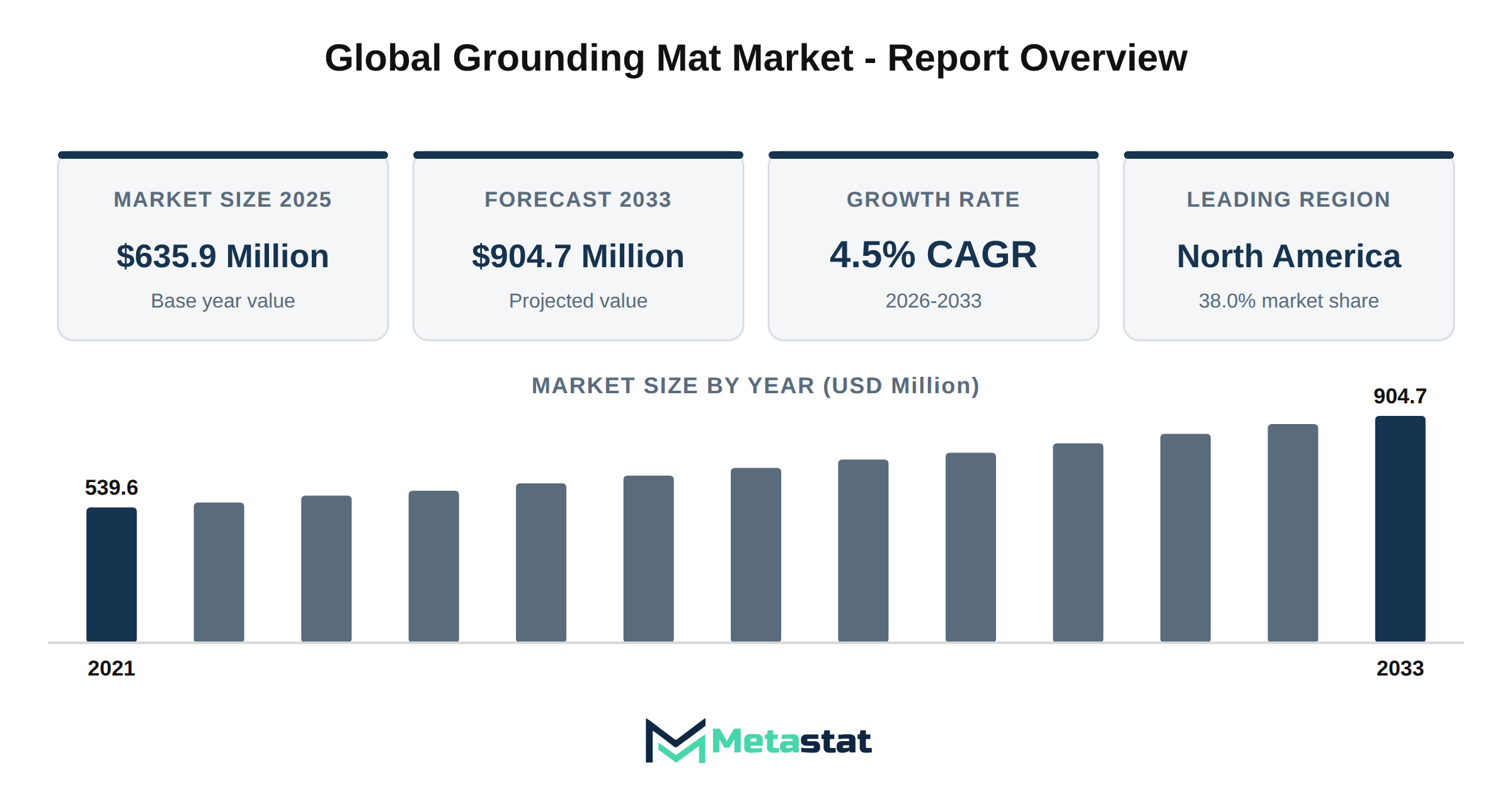
Market Valuation: Valued at $635.9 Million in 2025, projected to reach $904.7 Million by 2033 at a 4.5% CAGR.
Dominant Segment: The residential application segment leads the market by value, supported by strong integration of grounding mats into daily routines and sleep environments, and is projected to reach USD 543.9 million by 2033.
Geographic Lead: North America holds 38.0% of the market in 2025, with the US leading in 2026, driven by high consumer awareness, established distribution networks, and a mature wellness-focused buyer base.
Product Leadership: Universal Grounding Mats generate the highest segmental value, reflecting their versatility for sleep, work, and exercise settings, while Grounding Sleep Mats and Yoga & Fitness Mats are the fastest-growing product types by CAGR.
Distribution Channel Shift: Online retail is the fastest-growing distribution channel, projected to reach USD 523.3 million by 2033 at a CAGR of 5.6%, as consumers increasingly prioritize convenience and product variety.
What's Inside: The report provides detailed segmentation by product type, conductive material, distribution channel, and application, with competitive analysis, regional trends, and forecasts from 2026 to 2033.
Choose Your License
Global Grounding Mat Market
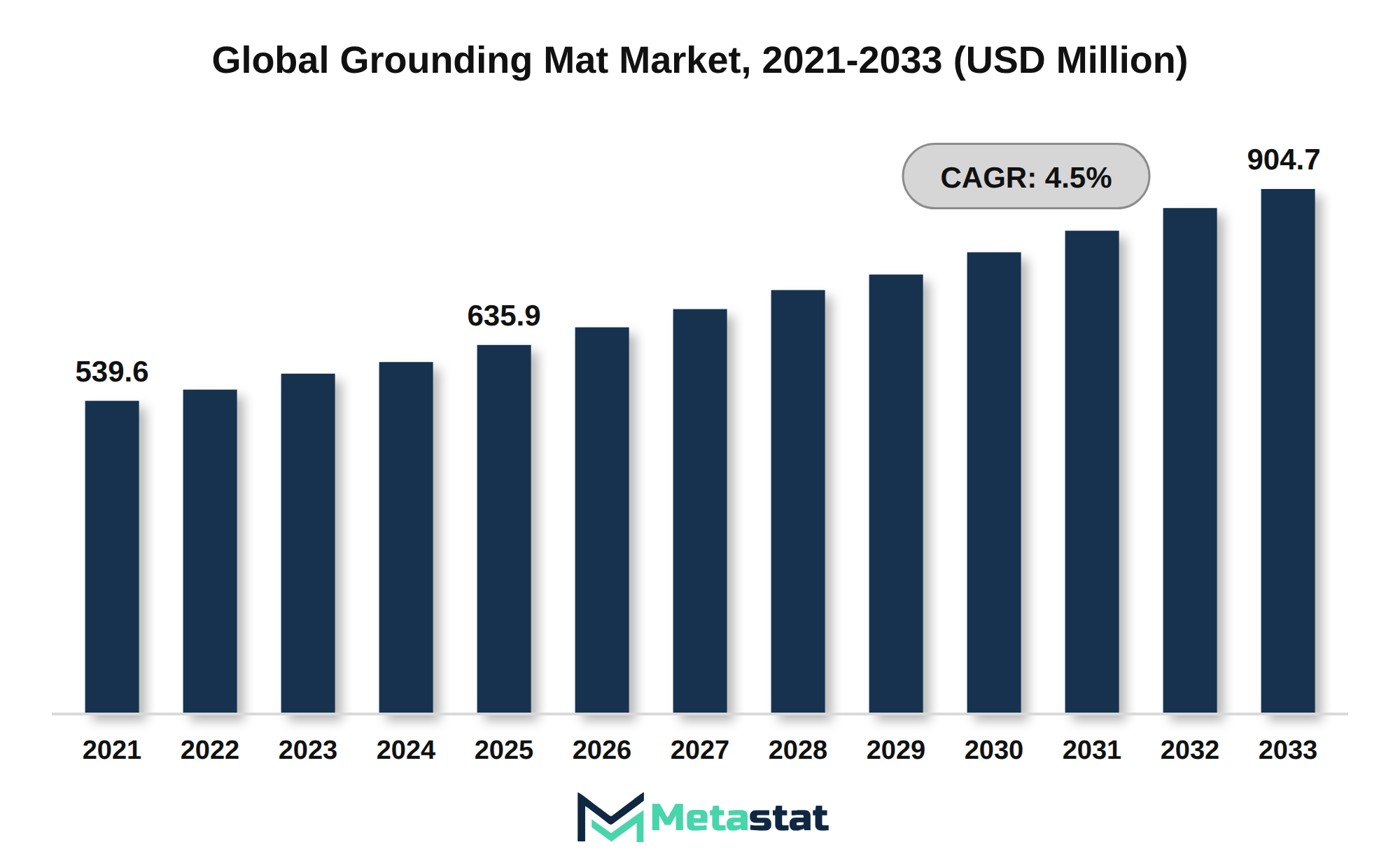
The global Grounding Mat market was valued at USD 635.9 million in 2025 and is projected to reach USD 904.7 million by 2033, growing at a CAGR of 4.5% over the forecast period.
The Grounding Mat market covers products designed to facilitate direct physical contact with conductive surfaces, complementing specialized materials such as electrically conductive foam in supporting wellness and electrostatic discharge mitigation across residential, commercial, pet care, and specialized environments. This focus on domestic animal welfare mirrors broader premiumization trends across pet travel services and pet wellness care. Buyers include individual consumers, wellness practitioners, corporate offices, and facilities managers, driven by growing awareness of the potential health and operational benefits tied to grounding technologies. Product selection is influenced by intended application, with residential buyers showing particular interest in sleep and fitness mats, while commercial users prioritize desk, chair, and ESD protection solutions.
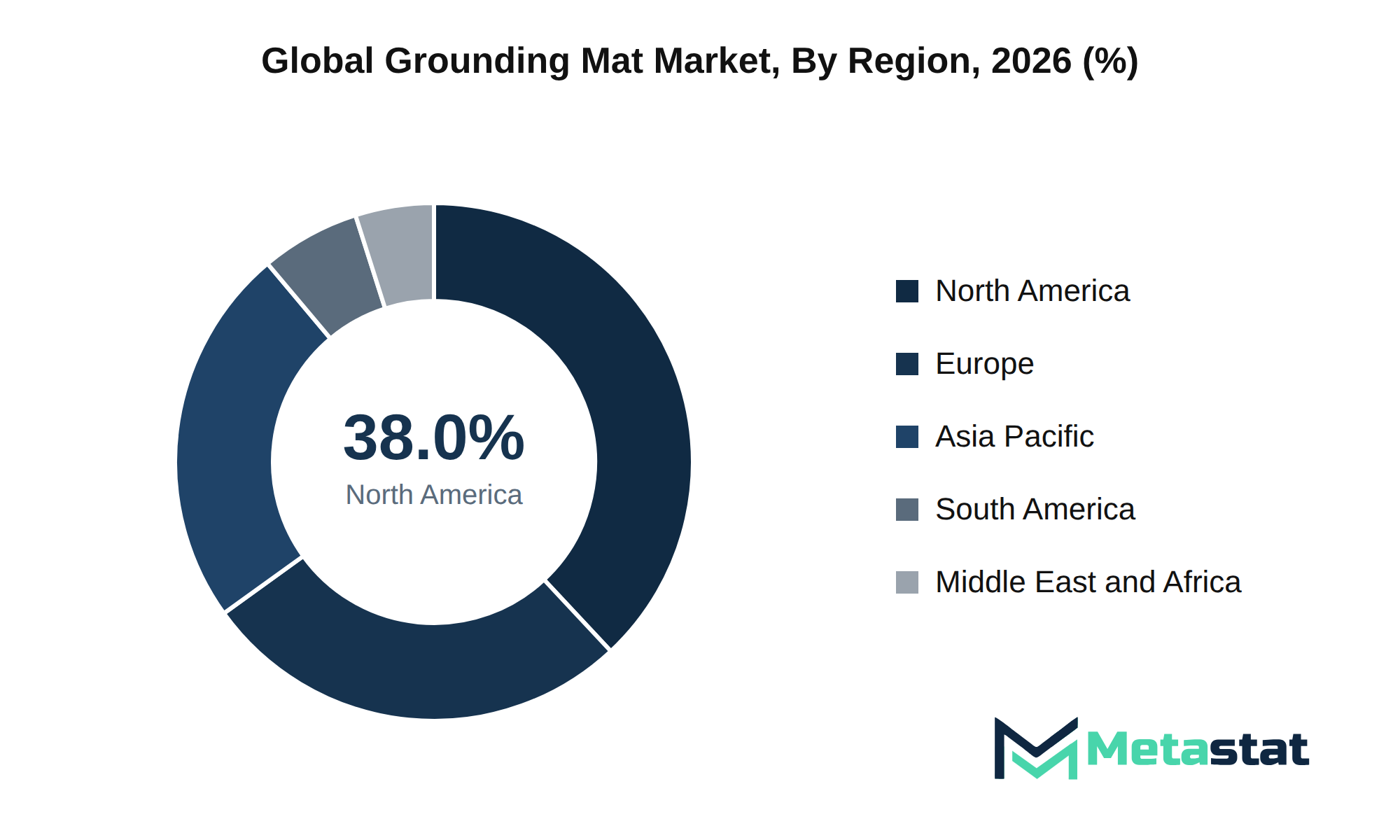
Growth is primarily driven by rising consumer interest in wellness and preventive health, which has led to increased adoption of grounding mats in home environments. The residential segment represents the largest application by value, reflecting widespread integration into daily routines and sleep environments. North America holds 38.0% of the market in 2025, with the US leading in 2026. This regional strength is supported by high consumer awareness, established distribution networks, and a mature base of wellness-focused buyers.
Among product types, universal grounding mats generate the highest segmental value, reflecting their versatility across sleep, work, and exercise settings. Expanding online retail channels streamline consumer access and education, enabling broader reach for manufacturers and retailers. Robust demand in North America and strong residential uptake continue to support stable growth across the forecast period.
Buyers purchase grounding mats to address the growing interest in personal wellness alongside therapeutic recovery tools like electric massagers, electrostatic discharge control, and improved sleep quality. The product range spans universal mats, sleep-focused variants, and specialized options for workspaces and fitness, serving both individual consumers and organizations. Demand is particularly strong among health-conscious households and small businesses, where products are positioned to reduce stress and improve workplace safety. Residential buyers drive the highest volume, supported by the perception of health benefits and rising awareness of electrostatic risks in everyday environments.
Universal Grounding Mats lead the product type segment by value and adoption, reflecting their versatility in both home and professional settings. Their portable formats match consumer adoption patterns seen in flexible sleep surfaces like the air mattress and beds category. These mats appeal to buyers seeking multi-purpose use, from sleeping to working environments, and deliver a tangible entry point for those new to grounding solutions. Online retail channels have expanded access to a wider audience, supporting growth across both urban and suburban markets. The commercial segment is expanding while corporate procurement channels integrate grounding mats alongside standard office equipment and ergonomic workspace furnishings.
North American buyers benefit from higher disposable incomes, increased health and wellness spending, and a strong presence of specialized suppliers. The single strongest growth driver is the shift in consumer behavior toward preventative wellness solutions, which has increased both the frequency and volume of purchases in the market.
Material innovation stands at the center of product differentiation in the Grounding Mat market, drawing on high-purity inputs such as oxygen-free electronic copper and rapid advances in conductive compositions to drive new product categories and buyer preferences. Moreover, mirroring technological breakthroughs in military smart textiles where rapid advances in conductive compositions drive new product categories and buyer preferences. Carbon-based grounding mats remain the most commercially established segment, reaching a projected USD 315.5 million by 2033, supported by their cost efficiency and durability for everyday use. Silver-based grounding mats, valued at up to USD 223.5 million for 2033, capitalize on properties including enhanced conductivity and antimicrobial effects. Their adoption rises among premium buyers seeking performance advantages.
Copper-based variants demonstrate the fastest compound annual growth at 5.1 percent, reflecting a push for hybrid and specialty solutions that target higher-end wellness and industrial buyers. Stainless steel and hybrid conductive materials expand the design palette by blending mechanical strength with stable conductivity, enabling new applications in both wellness and ESD protection. Each material class shapes product positioning: carbon delivers reliability for high-volume consumer adoption, silver appeals to health-conscious segments, and copper or hybrid designs support niche or application-specific performance requirements.
Suppliers in the Grounding Mat market segment portfolios according to end-user needs and pricing flexibility, aligning R&D investment with material cost volatility and consumer willingness to pay. This material diversification sharpens competition by rewarding technical innovation and supply chain integration, prompting established players and entrants to differentiate through unique properties, certifications, or bundled offerings. The result is a dynamic product cycle where advances in conductive materials drive both product refresh rates and premiumization strategies for manufacturers.
Digital channels have reshaped purchasing behavior in the Grounding Mat market, with online retail emerging the dominant distribution pathway. Buyers increasingly seek convenience, variety, and access to product information before committing to a purchase, favoring digital platforms over traditional outlets. This shift stands out among residential consumers, who now represent the largest application segment by volume. Online retail is projected to reach USD 523.3 million by 2033, outpacing direct sales and wholesale distributors in growth rate and absolute value within the period.
Price transparency, reviews, and flexible payment options drive online adoption for both first-time and repeat buyers. Consumers compare brands and models across multiple sites, often opting for bundles or promotions offered through e-commerce. The market has responded by expanding product ranges and enhancing digital marketing efforts. Many suppliers benefit from online channels that reduce overhead and streamline logistics, reinforcing a price-competitive environment and increasing sales velocity.
Retailers and manufacturers in this segment face greater competitive pressure to differentiate on both value and service, requiring investment in user-friendly web interfaces and post-purchase support. New entrants rely on online retail to reach early adopters, while established brands consolidate their digital presence to maintain share. This dynamic supports faster product turnover and increased consumer awareness compared to traditional retail models.
Residential wellness trends are driving a distinct shift in purchasing within the Grounding Mat market, with buyers increasingly selecting products tailored for the home environment and specific lifestyle routines. Households seeking to integrate grounding into daily life are prioritizing mats for beds, yoga, and pet care, reflecting a focus on well-being that extends beyond basic electrical safety. Grounding Sleep Mats, for example, are forecast to reach USD 232.9 million by 2033, highlighting demand from consumers aiming to improve sleep quality and recovery through at-home wellness interventions.
Fitness-focused buyers are accelerating adoption of Grounding Yoga and Fitness Mats, attracted to potential benefits for recovery and overall health. Residential buyers distinguish these products by their conductive material, comfort, and ease of integration with existing routines. Pet owners form a dedicated customer segment, seeking grounding solutions to support animal health and comfort, particularly in urban households where natural surface access is limited.
Manufacturers in the Grounding Mat market are responding with targeted innovations including hypoallergenic surfaces, washable designs, and broader size options, helping to capture a larger share of the residential and pet care segments. This targeted approach is strengthening brand loyalty and supporting premium pricing strategies, with buyers increasingly valuing purpose-designed grounding solutions for home, wellness, and animal care.
Shifting consumer preferences are driving a notable expansion in demand for grounding mats across residential and wellness-focused applications. The residential segment retains the largest share, supported by a forecast value of USD 543.9 million by 2033 and a compound annual growth rate of 3.7 percent from 2026 to 2033. This sustained growth reflects heightened awareness among individual buyers about the potential health and wellness benefits of grounding, especially for sleep, stress reduction, and general wellbeing. In particular, grounding sleep mats are projected to reach USD 232.9 million in 2033, indicating strong adoption among consumers prioritizing sleep enhancement and daily recovery within their home environments.
Commercial applications are registering faster expansion, with a projected compound annual growth rate of 5.6 percent and a forecast value of USD 184.6 million by 2033. This segment includes fitness centers, spas, wellness studios, and workplaces seeking to offer improved employee wellness and stress mitigation through grounding technologies. The rising presence of grounding yoga and fitness mats reflects the broader integration of wellness concepts into commercial settings, attracting organizations and service providers aiming to differentiate offerings and address comprehensive health trends. Rapid adoption within these environments increases both the volume and perceived value of products sold, encouraging suppliers to diversify their portfolios and invest in targeted marketing for institutional buyers.
Employers are prioritizing employee well-being by integrating grounding mats into workplace wellness initiatives, driving commercial sector demand. Heightened awareness of stress reduction and fatigue management among office-based workforces has led organizations to seek accessible, low-disruption interventions. The market is experiencing a surge in orders from corporate buyers for desk and mouse mats designed to combat the effects of prolonged screen time and static exposure. Commercial applications are projected to reach USD 184.6 million by 2033, reflecting accelerated adoption in shared offices, co-working spaces, and technology-driven environments. This uptake is creating new revenue streams for suppliers, shifting volume away from the traditional residential base and reinforcing the market’s relevance in corporate health programs. Employers benefit from improved workforce satisfaction and reduced absenteeism, supporting sustained investment from commercial purchasers.
Limited consumer awareness restricts first-time adoption for grounding mats, particularly within the commercial and pet care segments. Many buyers remain unfamiliar with the technology’s benefits, resulting in cautious procurement or delayed trial orders. In the commercial sector, decision-makers often prioritize established wellness products with broader recognition, resulting in longer evaluation cycles for novel offerings. Pet care buyers display similar hesitation, holding back on larger purchases until value is clearly demonstrated. This dynamic reduces overall order volumes and extends replacement timelines, slowing expansion in these segments. Suppliers investing in education and targeted outreach face higher customer acquisition costs, which constrains immediate returns and contributes to a more gradual shift in sector penetration.
Volatility in the prices of conductive raw materials presents a persistent profitability challenge for suppliers in the Grounding Mat market. Fluctuating costs for inputs including silver, carbon, and specialty polymers have tightened supplier margins. Manufacturers pursuing advanced formulations or premium product lines face greater exposure to these price shifts. Carbon-based and silver-based grounding mats absorb the most impact, reflecting their dependence on commodities with global price risk. Several suppliers have explored hybrid material blends to stabilize input costs while maintaining product performance. Diversifying sourcing strategies or locking in longer-term contracts buffers against price swings, but introduces complexity for smaller firms. Higher input costs limit aggressive price competition, which supports a gradual increase in average selling prices. Suppliers with efficient procurement and flexible production adapt more readily to changing material conditions. Price-sensitive buyers delay upgrades or select lower-cost alternatives, which slows growth for premium segments.
Faster growth in the commercial segment creates a concentrated pocket of opportunity for suppliers and distributors. The commercial application segment is projected to reach USD 184.6 million by 2033, expanding at a 5.6% CAGR, outpacing the overall Grounding Mat market. Uptake is strongest for products designed for shared environments, including offices, clinics, and studios, where employers and facility managers invest in wellness infrastructure and electrostatic discharge mitigation. Business buyers increasingly seek specialty configurations and larger-format mats suited for multiple occupants and high-traffic zones, supporting premium pricing and higher average order values. Product development for this sector focuses on durability, ease of cleaning, and bulk packaging, which address the operational requirements of commercial environments. Suppliers targeting this growth area position themselves for above-average revenue gains through tailored solutions and direct engagement with institutional buyers.
The Global Grounding Mat market is segmented based on Product Type, Conductive Material, Distribution Channel, and Application.
Universal Grounding Mats segment is valued at USD 205.6 million in 2026 and is projected to reach USD 258.4 million by 2033, at a CAGR of 3.3% during the forecast period. These mats deliver a versatile solution intended for both home and workplace environments, appealing predominantly to buyers who prioritize flexibility and multipurpose use. Individuals seeking wellness benefits in shared or high-traffic spaces drive a steady baseline of demand, differentiating this segment from single-purpose options like sleep or yoga mats. Compared to Grounding Sleep Mats, which are projected to expand at a 5.2% CAGR, Universal Grounding Mats grow more slowly, reflecting their broader but less specialized appeal. Price sensitivity is more pronounced among buyers in this segment, who frequently weigh cost against durability and adaptability. In this segment, stable volume is supported but the fastest-growing or highest-margin niches are not captured. Consumer education and product visibility in retail environments remain moderate, limiting impulse purchase rates relative to highly targeted alternatives.
Grounding Sleep Mats segment is estimated to reach USD 232.9 million by 2033, at a CAGR of 5.2% during the forecast period. Designed primarily for use during sleep, these mats target individuals seeking improved rest, recovery, and relief from daily stressors. The segment draws consistent demand from wellness-conscious consumers who prioritize products that enhance sleep quality and support comprehensive routines in the home environment. Compared with Universal Grounding Mats, Grounding Sleep Mats achieve a faster growth rate, with a 5.2% CAGR compared to 3.3%, reflecting a sharper rise in wellness and sleep-focused purchasing behavior. This performance positions Grounding Sleep Mats as the most dynamic sub-segment in their group over the period, driven by increased awareness of the potential connection between grounding, circadian rhythm support, and health optimization. Buyers in this segment display higher willingness to invest in premium-priced, purpose-built solutions that target nighttime use, resulting in heightened interest in sleep-specific products.
Grounding Desk and Mouse Mats segment is expected to reach USD 171.2 million by 2033. Used primarily by office workers, remote professionals, and technology users seeking to reduce electrostatic discharge and improve comfort at their workstations, this product type responds directly to the prevalence of screen-based work environments. Demand in this segment is shaped by awareness of ergonomic and wellness benefits during prolonged computer use, with hybrid work arrangements expanding globally. Compared to Grounding Sleep Mats, which are projected to achieve a higher CAGR of 5.2%, this segment is growing at a more moderate pace, reflecting a difference in buyer urgency and application frequency. Buyers in the Grounding Desk and Mouse Mats segment often favor products that integrate seamlessly into desk setups without altering daily routines, keeping price sensitivity lower than for specialized or larger-format mats. For companies in the market, differentiation in this segment revolves around usability and material durability, given the frequent contact and wear from office accessories. The segment offers stable, incremental volume for suppliers.
Grounding Yoga and Fitness Mats segment is projected to grow at a CAGR of 5.4% during the forecast period. Designed for use in yoga studios, gyms, and private fitness settings, these mats appeal to fitness enthusiasts and wellness practitioners seeking both grounding benefits and ergonomic performance. Growth in this segment outpaces all other product types, with consumer demand driven by heightened interest in wellness routines that integrate grounding into physical activity. Fitness professionals and individual consumers report sustained demand for products that combine durability with conductive properties, reflecting preferences for mats that support both exercise and grounding practices. Compared with Universal Grounding Mats, which carry a CAGR of 3.3%, Grounding Yoga and Fitness Mats achieve faster uptake, supported by expanding yoga and fitness communities and a willingness among buyers to pay a premium for specialized designs. This segment’s distinct user base and rapid expansion influence new product development strategies across the market.
Grounding chair mats are specialized products designed for use with office and home seating, allowing continuous contact with conductive surfaces during periods of extended sitting. Typical buyers for grounding chair mats include remote workers, corporate office employees, and individuals with sedentary routines seeking to mitigate static electricity or enhance personal wellness while seated. Rising awareness of ergonomic office setups and the integration of wellness tools into daily workspaces is supporting demand in this sub-segment. Compared to yoga and fitness mats, which serve physical activity spaces, grounding chair mats target stationary users and blend into professional environments. This distinction attracts a different buyer profile, focused less on fitness and more on situational comfort and wellness during desk work. Pricing for grounding chair mats generally sits below that of multi-purpose universal mats, making them more accessible for individual buyers seeking a single-use solution. In the market, chair mats occupy a niche focused on sedentary and professional consumers rather than the broader multifunctional applications addressed by other product types.
Grounding Pet Mats are designed for animal wellness, focusing on pets that spend significant time indoors or in urban environments. These products serve owners seeking to address stress, anxiety, or sleep irregularities in their animals through grounding techniques. In the Grounding Mat market, buyers for pet mats differ from those selecting sleep, yoga, or desk products - pet owners are often motivated by observed behavioral issues or recommendations from veterinarians with interest in natural care approaches. Among all product types, pet mats are distinguished by their niche use case and are often marketed at a premium price point due to specialized sizing, durable materials, and targeted health claims.
Adoption in this segment faces unique barriers compared to broader segments in the Grounding Mat market. Limited consumer awareness regarding grounding benefits for animals and the absence of standardized veterinary endorsement restrict large-scale adoption. Unlike segments with higher volume residential or commercial demand, product innovation in the pet mat category is typically incremental, focusing on ease of cleaning, durability, and safe conductive materials. This segment’s differentiation is further shaped by the relatively smaller but loyal buyer base prioritizing animal health and well-being over cost or multipurpose use.
Valued at USD 251.2 million in 2026 and projected to reach USD 315.5 million by 2033, carbon-based grounding mats serve buyers seeking a balance of cost efficiency, durability, and conductivity for daily use. Widely adopted in both personal wellness and light commercial environments, this segment draws demand from users who prioritize affordability versus silver-based or hybrid alternatives. A CAGR of 3.3% through 2033 places this segment behind the silver-based variant, which expands at a 5.2% rate, highlighting a slower uptake when compared with premium material options. Buyers in this segment prefer carbon-based mats for their reliable grounding properties and lower price point, especially where recurring purchase or large-scale deployment is required. Growing customer adoption among health-conscious consumers and small business applications reflects moderate but steady growth. Material cost stability draws interest from retailers and e-commerce outlets aiming to serve budget-conscious segments, setting these products apart from higher-priced, specialty-focused variants that compete on advanced features or perceived wellness benefits.
Silver-Based Grounding Mats segment is estimated to reach USD 223.5 million by 2033, at a CAGR of 5.2% during the forecast period. This segment draws demand from health-conscious consumers and wellness-focused commercial buyers seeking enhanced conductivity and hypoallergenic properties. Silver-infused mats are favored by users prioritizing antimicrobial benefits, distinguishing them from carbon-based and stainless steel-based options. The stronger 5.2% CAGR for silver-based mats outpaces the 3.3% CAGR of carbon-based grounding mats in the market, reflecting heightened interest in advanced material performance and premium product positioning. Higher costs for silver-based solutions position them in the upper tier of the market, attracting buyers willing to pay for product differentiation. Suppliers benefit from this premiumization, though they experience margin pressures tied to fluctuating silver prices. Adoption is supported by both residential and commercial users who value product safety and longevity, signaling a shift toward specialized applications and willingness to invest in higher-value offerings.
Stainless Steel-Based Grounding Mats segment is expected to reach USD 141.3 million by 2033. These mats are selected for applications where mechanical durability and resistance to corrosion are critical, including laboratories, industrial workstations, and healthcare environments. Buyers in these sectors prioritize longer service life over the premium conductivity of silver-based alternatives. In this segment, demand is driven by customers who require robust performance against heavy usage or chemical exposure. Adoption growth is slower than in silver-based mats, which carry a higher CAGR of 5.2%, while no published CAGR is available for stainless steel-based options. Pricing for these mats tends to be lower than for silver-based counterparts, attracting cost-sensitive institutional buyers. Stainless steel-based products have not matched the velocity of segments driven by wellness or residential trends, but retain a steady share among industrial and commercial procurement teams seeking value in material longevity and moderate electrical conductivity.
Projected to grow at a CAGR of 5.1% during the forecast period, copper-based grounding mats are selected by buyers seeking robust electrical conductivity and long-term durability in applications where material resilience and premium performance are valued. These mats are often adopted by residential and wellness-focused consumers who prioritize natural materials and seek a higher perceived value compared with carbon- or stainless steel-based alternatives. The segment’s growth outpaces carbon-based grounding mats, which are projected at a 3.3% CAGR, indicating stronger demand momentum for copper-based options in the market. Higher commodity prices for copper influence the segment’s pricing, distinguishing it from silver-based grounding mats that, while premium-priced, are projected to grow slightly faster at a 5.2% CAGR. Adoption of copper-based products is influenced by perceptions of superior biocompatibility and marketing that emphasizes natural wellness benefits, drawing buyers who are motivated by both performance and health-driven decision criteria.
Hybrid Conductive Material Grounding Mats integrate two or more conductive materials - commonly carbon, silver, or copper - into a single mat design to deliver a blend of electrical performance and material durability. These products attract buyers seeking a tailored balance of conductivity, comfort, and cost, often addressing specialized wellness or industrial use cases where single-material mats present trade-offs. In the market, this approach fills a gap for users dissatisfied with either the price-premium of silver-based mats or the moderate conductivity of carbon-based alternatives. Adoption is driven by a subset of health-conscious consumers and commercial buyers prioritizing both long-term resilience and functional efficacy, especially in settings where repeated cleaning or high-traffic exposure would otherwise limit product lifespan. While no CAGR is provided for this segment, product differentiation is more prominent than in others, with suppliers innovating on composite layering and integration with anti-microbial or moisture-resistant surfaces. The market sees these hybrid mats positioned for gradual uptake among discerning buyers seeking performance upgrades without committing to the highest price tier.
Online Retail segment is valued at USD 357.5 million in 2026 and is projected to reach USD 523.3 million by 2033, at a CAGR of 5.6% during the forecast period. This channel serves individual consumers who prioritize convenience and product variety, making it the primary gateway for first-time and repeat purchases by wellness-focused buyers. Digital platforms enable suppliers to reach geographically dispersed customers and streamline product education, which supports rapid uptake, especially among residential and small business buyers. With a CAGR of 5.6%, Online Retail outpaces Direct Sales and Wholesale Distributors, reflecting a stronger migration of demand toward e-commerce. Price transparency, frequent promotions, and the proliferation of health and wellness influencers contribute to this segment's volume gains, encouraging new entrants to invest in digital marketing and online customer support. This channel stands out by driving higher volume growth, particularly among younger and urban buyers seeking flexible, at-home solutions.
Direct Sales segment is estimated to reach USD 151.3 million by 2033, at a CAGR of 3.3% during the forecast period. This channel primarily addresses organizations and wellness practitioners who prioritize tailored solutions or bulk procurement over standard retail options. The segment’s steady growth is shaped by a preference for personalized service and the assurance of product authenticity, elements valued in institutional and professional settings including clinics, workplaces, and wellness studios. Compared to Online Retail, which holds a higher growth rate and larger volume in the market, Direct Sales attracts buyers seeking detailed product consultation or integration into specialized environments. Differences in buyer profiles and purchasing triggers mark a clear distinction: price sensitivity and convenience drive other channels, while Direct Sales retains a consistent but moderate pace, supported by trust-based relationships and after-sales engagement. Suppliers in this space often secure repeat business through established contracts, underpinning a stable but less accelerated contribution to overall expansion.
Wholesale Distributors segment is expected to reach USD 121.3 million by 2033. Distributors in this channel primarily serve small and mid-sized retailers, wellness clinics, and niche resellers that lack the scale for direct manufacturer relationships. Buyers in this segment favor bundled shipments and established product lines over trial goods. This preference shapes product mix and average order size. Volume-driven incentives appeal to wholesalers aiming to build margins through established brands. Online Retail is projected to grow faster at a 5.6% CAGR. Wholesale Distributors rely on in-person relationships and trusted supplier networks. These buyers show more loyalty to proven brands, resulting in slower product turnover but greater repeat business. Pricing flexibility remains limited. Wholesale buyers often negotiate for discounts based on bulk purchases, which affects supplier margins. Regulatory compliance and product certifications introduce complexity to transactions. Vendors address these requirements directly with distribution partners. Wholesale Distributors provide stability for suppliers seeking recurring orders.
Specialty Stores segment is projected to grow at a CAGR of 2.8% during the forecast period. Specialty stores in the Grounding Mat market attract buyers looking for personalized consultation, hands-on demonstrations, and product comparison across wellness-focused inventory. Wellness practitioners, health-conscious consumers, and clients exploring targeted therapeutic applications drive foot traffic in this channel. Unlike online retail, which posts a higher CAGR of 5.6% and caters to a broader, price-sensitive segment, specialty stores emphasize in-person support and curated offerings, often carrying premium-priced or niche designs. Adoption is tempered by moderate consumer awareness and a slower shift from traditional retail to specialist formats, which dampens segment acceleration relative to direct sales or wholesale channels. Specialty stores play a role in education and brand-building, yet their incremental contribution to aggregate growth remains lower due to limited geographic reach and slower conversion rates compared to digital platforms.
Residential segment is valued at USD 423 million in 2026 and is projected to reach USD 543.9 million by 2033, at a CAGR of 3.7% during the forecast period. This segment serves individual homeowners and multi-family dwellings seeking personal wellness solutions, with mats integrated into bedrooms, living areas, and home offices. Growth in this category results from increased consumer awareness of wellness products and a preference for at-home health interventions, with residential buyers contributing the largest volume. Compared to the commercial segment, residential mats deliver slower growth - 3.7% CAGR versus 5.6% - reflecting a larger installed base and steadier but less rapid adoption. Price sensitivity shapes residential purchasing decisions more strongly than in institutional settings, with households prioritizing affordability and ease of installation. Continued product innovation, including enhanced mat comfort and aesthetics, influences upgrade cycles and supports penetration into new home environments.
Offices, wellness centers, and corporate environments drive this segment, seeking solutions that address employee well-being, reduce static discharge, and meet health-focused workplace initiatives. Demand from commercial buyers has accelerated due to increased awareness regarding workplace comfort and productivity, particularly in high-density or open-plan spaces where static electricity concerns are prevalent. This segment is expected to outpace residential growth, with the commercial CAGR of 5.6% exceeding the residential CAGR of 3.7%, reflecting a stronger commitment among businesses to invest in employee wellness. Adoption in commercial settings is influenced by purchasing cycles tied to broader facility upgrades and new building construction. Compared to other applications, commercial buyers prioritize durability, regulatory compliance, and scalability, often opting for bulk purchases or custom installations to suit large-scale environments.
Expected to reach USD 87.2 million by 2033, this segment addresses the unique requirements of pet owners prioritizing animal comfort and wellness. Grounding mats for pets are used in both residential and pet care settings, targeting buyers interested in natural approaches for managing stress and supporting recovery in companion animals. Demand is influenced by rising awareness among veterinarians and pet owners who are seeking non-pharmaceutical alternatives and preventive wellness products, especially for indoor pets or those in urban environments where direct contact with natural ground is limited. In comparison to residential and commercial segments, pet care products occupy a distinct price and buyer category, with a more specialized focus and typically lower unit volumes. This segment shows differentiation through product size, material resilience to animal use, and distribution channels that favor specialty pet retailers and online platforms. Suppliers adapt offerings to pet-specific needs, setting this sub-segment apart from general wellness or industrial applications.
Projected to grow at a CAGR of 5% during the forecast period, this segment encompasses healthcare environments, industrial facilities, and electrostatic discharge (ESD) protection applications. Demand is driven by institutional buyers including hospitals, clinics, electronics manufacturers, and industrial safety departments seeking solutions that minimize static-related risks and support compliance with workplace safety protocols. This segment differs from residential or pet care use by prioritizing large-area coverage, durability, and conductivity standards resulting from regulatory guidelines in healthcare and ESD-sensitive zones. Compared to the residential segment, which is projected to expand at a CAGR of 3.7%, the 5% growth rate signals above-average adoption. Price sensitivity is lower in this segment, reflecting the technical requirements and operational risk profiles of buyers. Regulations on ESD protection influence procurement decisions in electronics assembly and cleanroom operations, supporting continued demand in this segment.
Based on geography, the Global Grounding Mat market is divided into North America, Europe, Asia-Pacific, South America, Middle East, and Africa.
In North America, health-conscious consumers and wellness-focused businesses drive sustained demand for grounding solutions. Early adoption trends reflect a strong interest among individuals in the United States and Canada who seek products that support sleep quality, stress reduction, and overall wellbeing. This region stands out for the commercial maturity of wellness retail channels, which has encouraged both established brands and new entrants to invest in product innovation, particularly in grounding mats designed for home and workspace environments. North America is projected to reach USD 325.1 million by the end of 2033, after holding a 38.00% share of the global Grounding Mat market in 2025. The presence of a robust e-commerce infrastructure further streamlines access to specialized products, supporting higher transaction volumes and premium segment growth. Several suppliers have expanded their offerings in response to growing consumer awareness and demand for scientifically-supported health technologies, shaping competition among brands offering grounding mats in this region.
In Europe, demand for grounding mats is shaped by consumer awareness of wellness solutions and a strong emphasis on preventive health. Large cities in Germany, France, and the UK have seen increased adoption among wellness-focused households and small businesses, reflecting broader trends in lifestyle improvement. The region accounted for 27.00% of global share in 2025, supported by a culture that prioritizes products with proven health and ergonomic benefits. Pricing sensitivity in Italy and Spain influences buyers to favor products with clear quality certifications, enhancing market transparency. Russia presents unique growth perspectives driven by growing urbanization and an expanding middle class interested in home-based wellness technologies. Regulatory compliance and environmental standards in Europe encourage manufacturers to invest in low-emission production and recyclable materials, reinforcing consumer trust. These regional characteristics support steady expansion and attract brands aiming to differentiate on sustainability and user safety.
Manufacturers serving China, India, and Southeast Asia encounter a large pool of health-conscious consumers seeking products that promote wellness and stress reduction. Awareness campaigns focused on the benefits of grounding technology have expanded across major urban centers, supporting broader product adoption. The presence of local electronics and textile industries allows suppliers to procure conductive materials cost-effectively, which strengthens regional competitiveness and supports development of differentiated offerings. Regulatory scrutiny in Australia and Japan on product safety and claims drives suppliers to invest in compliance and quality assurance. With Asia Pacific holding 23.8% of the global share in 2025, the region stands out for its combination of scalable supply chains and rising wellness-focused consumer spending. The market in this region benefits from both the scale of its manufacturing base and the pace of urbanization, which fuels demand from residential and commercial segments. Suppliers leverage digital sales channels to reach younger buyers who seek innovative wellness solutions, reinforcing the position of this segment in Asia Pacific.
Buyers in Brazil and Argentina shape demand in South America through growing interest in wellness and alternative health practices. With a regional share of 6.2 percent in 2025, market participants target consumers seeking new approaches for stress management and improved sleep, reflecting a shift from traditional bedding and desk accessories. Local distributors and online retail platforms increase accessibility to grounding mats, meeting the requirements of urban populations in major cities. In recent years, wellness product adoption accelerated among middle-income households, driven by rising awareness of biohacking and natural lifestyle trends. The cost sensitivity of South American consumers places emphasis on competitively priced grounding mat offerings, resulting in strong competition among regional and imported brands. Local suppliers position their products by highlighting comfort, ease of use, and adaptability to tropical climates, supporting steady growth for suppliers. In this environment, effective marketing and education efforts are critical for expanding the customer base and building brand loyalty across the region.
Wellness awareness among urban populations in Saudi Arabia, UAE, and South Africa influences purchasing trends for earthing products. The region represented 4.9% of the global Grounding Mat market in 2025, reflecting a rising but still niche adoption compared to other regions. In these countries, health-focused retail outlets introduce grounding mats tailored to prevent static discharge and support consumer wellness routines, especially in residential and small commercial environments. Economic diversification efforts in Saudi Arabia and the UAE support growth in the consumer wellness sector, encouraging uptake of such products. The market is shaped by premium pricing and limited local manufacturing, which keeps importers and specialized retailers central to distribution. Educational drives by retailers and wellness practitioners raise product visibility, yet cost sensitivity slows penetration in less urbanized areas. Despite these barriers, the market benefits from the strong presence of online retail platforms that bridge the gap between international brands and regional customers.
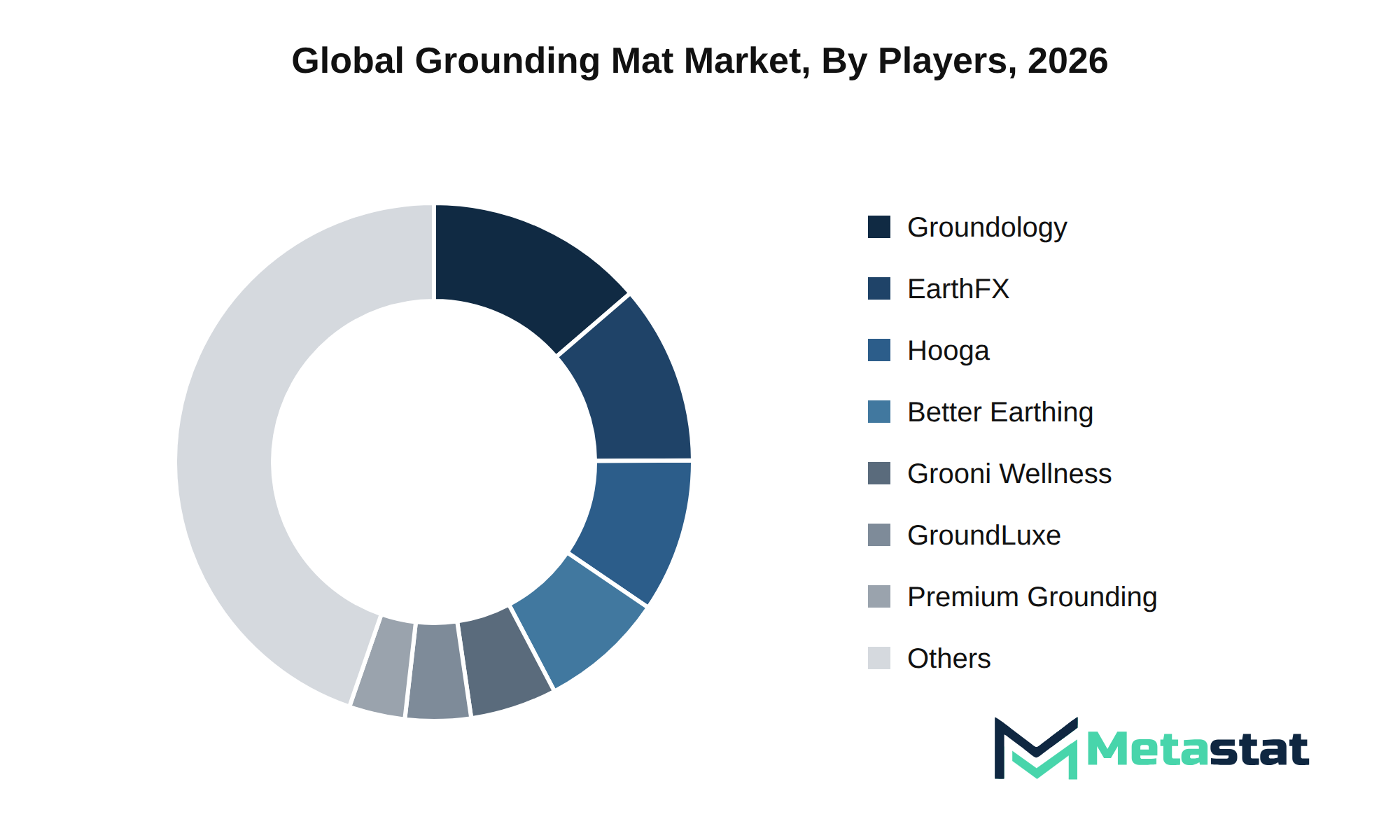
Competition in the Grounding Mat market centers on product differentiation, material innovation, and online retail reach. Companies respond to growing demand by emphasizing specialized materials including carbon-based and silver-based conductive mats, aligning with user preferences for durability and performance. Buyers compare options based on price, perceived health benefits, customization, and the convenience of direct-to-consumer channels. Certification, product range, and service quality influence purchasing decisions, particularly in segments targeting wellness, sleep improvement, and ergonomic applications.
EarthFX, Inc. produces a diverse portfolio across universal, sleep, and desk grounding mats, supporting adoption in both residential and commercial segments. Groundology prioritizes material quality, with offerings that span carbon-based and silver-based mats to address varying buyer needs for conductivity and comfort. Hooga leverages online distribution to enhance accessibility and targets health-conscious consumers seeking grounding solutions. Better Earthing and GroundLuxe focus on customization and premium segment positioning, catering to customers seeking tailored solutions. Both established brands and niche wellness suppliers operate in this market, resulting in a broad product ecosystem and competitive pricing strategies.
Achievement of this forecast depends primarily on sustained growth in online retail distribution and expanding adoption in residential applications. Online retail is projected to advance at a 5.6% CAGR, outpacing other channels and supporting broader product accessibility for both established and emerging brands. In parallel, residential buyers drive volume gains, with this application segment expected to reach USD 543.9 million by 2033. Growth is further enabled by rising demand for grounding sleep mats and commercial usage, with both segments posting above-average growth rates compared to the market as a whole.
The main risk to this outlook is price sensitivity among end users, particularly in regions with lower purchasing power. If input costs for conductive materials rise or if buyers delay replacement cycles, distributors and manufacturers could face slower volume growth, especially in Asia Pacific and South America. Maintaining competitive pricing and effective consumer education will be critical for suppliers aiming to meet the volume trajectory anticipated through 2033.
By Product Type: Universal Grounding Mats, Grounding Sleep Mats, Grounding Desk and Mouse Mats, Grounding Yoga and Fitness Mats, Grounding Chair Mats, Grounding Pet Mats
By Conductive Material: Carbon-Based Grounding Mats, Silver-Based Grounding Mats, Stainless Steel-Based Grounding Mats, Copper-Based Grounding Mats, Hybrid Conductive Material Grounding Mats
By Distribution Channel: Online Retail, Direct Sales, Wholesale Distributors, Specialty Stores
By Application: Residential, Commercial, Pet Care, Others (Healthcare, Industrial/ESD Protection)
The report strategically identifies and profiles the key market players and analyses their core competencies in each sub-segment of the Grounding Mat market.
|
Report Attributes |
Details |
|
Study Period |
2021-2033 |
|
Base Year |
2025 |
|
Estimated Year |
2026 |
|
Forecast Period |
2026-2033 |
|
Historical Period |
2021-2025 |
|
Growth Rate |
CAGR 4.5% from 2026 to 2033 |
|
Revenue Unit |
USD million |
|
Segmentation |
|
|
By Region |
North America (By Product Type, Conductive Material, Distribution Channel, Application, and Country)
|
|
|
|
Asia Pacific (By Product Type, Conductive Material, Distribution Channel, Application, and Country)
|
|
|
|
|
Middle East and Africa (By Product Type, Conductive Material, Distribution Channel, Application, and Country)
|
Find answers to common questions about this report
The Grounding Mat market size was valued at USD 635.9 million in 2025.
The market is projected to grow at a CAGR of 4.5% during the forecast period from 2026 to 2033.
The North America Grounding Mat market size is estimated to reach USD 325.1 million by 2033.
Universal Grounding Mats lead by segment value, reaching USD 258.4 million in 2033, the highest among product types. This segment outpaces Grounding Sleep Mats, which reach USD 232.9 million in 2033.
Employers are increasing purchases for workplace wellness programs, driving commercial demand for grounding mats designed to reduce stress and fatigue. Growth is further supported by rising orders for specialty products in shared offices and technology-driven environments, where buyers seek durable, larger-format solutions.
North America holds the dominant share with 38 percent of the total, supported by a projected value of USD 325.1 million in 2033. This share leads all other regions on a percentage basis.
Limited consumer awareness restricts first-time adoption, especially in commercial and pet care segments, leading to cautious procurement and slower expansion. Volatility in conductive raw material prices tightens supplier margins and discourages aggressive price competition, slowing growth for premium segments.
Faster growth in the commercial segment is supported by employer investment in wellness infrastructure and demand for specialty configurations suited to shared environments. Product development focused on durability, ease of cleaning, and bulk packaging further supports adoption by meeting the operational needs of offices and other high-traffic settings.
The Grounding Mat market is estimated to reach a valuation of USD 904.7 million by 2033.
Companies active in this market include EarthFX, Inc., Better Earthing, Groundology, Grooni Wellness, Hooga, GroundLuxe, Premium Grounding, and Earthbound.
The analysts below cover Consumer Goods research at Metastat Insights.
LEAD ANALYST
Utkarsh Khirodkar is a Lead Market Research Analyst at MetaStat Insight, specializing in market intelligence, technology sector assessments, and competitive strategy.
When evaluating distributed energy resource management systems, standard research summaries tend to gloss over the operational differences between front-of-the-meter utility deployments and behind-the-meter industrial sites. The MetaStat Insight report addressed those distinctions directly, especially regarding software interoperability standards and grid interconnection backlogs. The five-year market sizing across regional transmission organizations provided actionable context for our grid modernization strategy.
Most industry reports on warehouse automation bundle autonomous mobile robots and fixed conveyor installations into the same top-level numbers, which complicates advisory work. This study split the market cleanly by payload tiers, navigation technology, and fleet management software layers. The regional forecast for Western Europe gave our team defensible adoption benchmarks when evaluating capital allocation for logistics clients, saving us days of secondary data scrubbing.
Standard industry briefs frequently blur the operational distinctions between isobaric pressure exchangers and centrifugal turbines. In this study, MetaStat Insight categorized mega-scale desalination tenders across the GCC and Mediterranean basins by membrane replacement frequencies and salinity tolerances. Their primary research helped us evaluate local content requirements in Saudi Arabia and the UAE without relying on marketing literature. We found the segment-level equipment replacement estimates grounded and well-reasoned throughout.
Explore related market intelligence reports worth reading alongside this one.