
LEAD ANALYST
Utkarsh Khirodkar is a Lead Market Research Analyst at MetaStat Insight, specializing in market intelligence, technology sector assessments, and competitive strategy.

Global Safari Tourism Market Size, Share, By Service Level (Luxury, Mid-Range and Budget), By Accommodation Type (Safari Resorts and Lodges, Tented Safari Camps, Hotels and Guesthouses and Others), By Traveler Group (Couples, Families, Friends and Solo Travelers), By Booking Channel (Direct Booking, Travel Agents and Intermediaries and Online Travel Marketplaces), Industry Analysis, Growth, Trends, and Forecast, 2026-2033
Report ID
MSI-5701
Published
November, 2026
Pages
290 Pages
Format
Historical
Base year
Forecast
Forecast period
Report Details
Market Valuation: Valued at $21.4 Billion in 2025, projected to reach $37.3 Billion by 2033 at a 7.1% CAGR.
Dominant Segment: The luxury segment leads the Safari Tourism market, driven by affluent travelers seeking exclusive and high-quality adventures. This segment is projected to grow at a CAGR of 8.2%, indicating a strong demand for premium experiences.
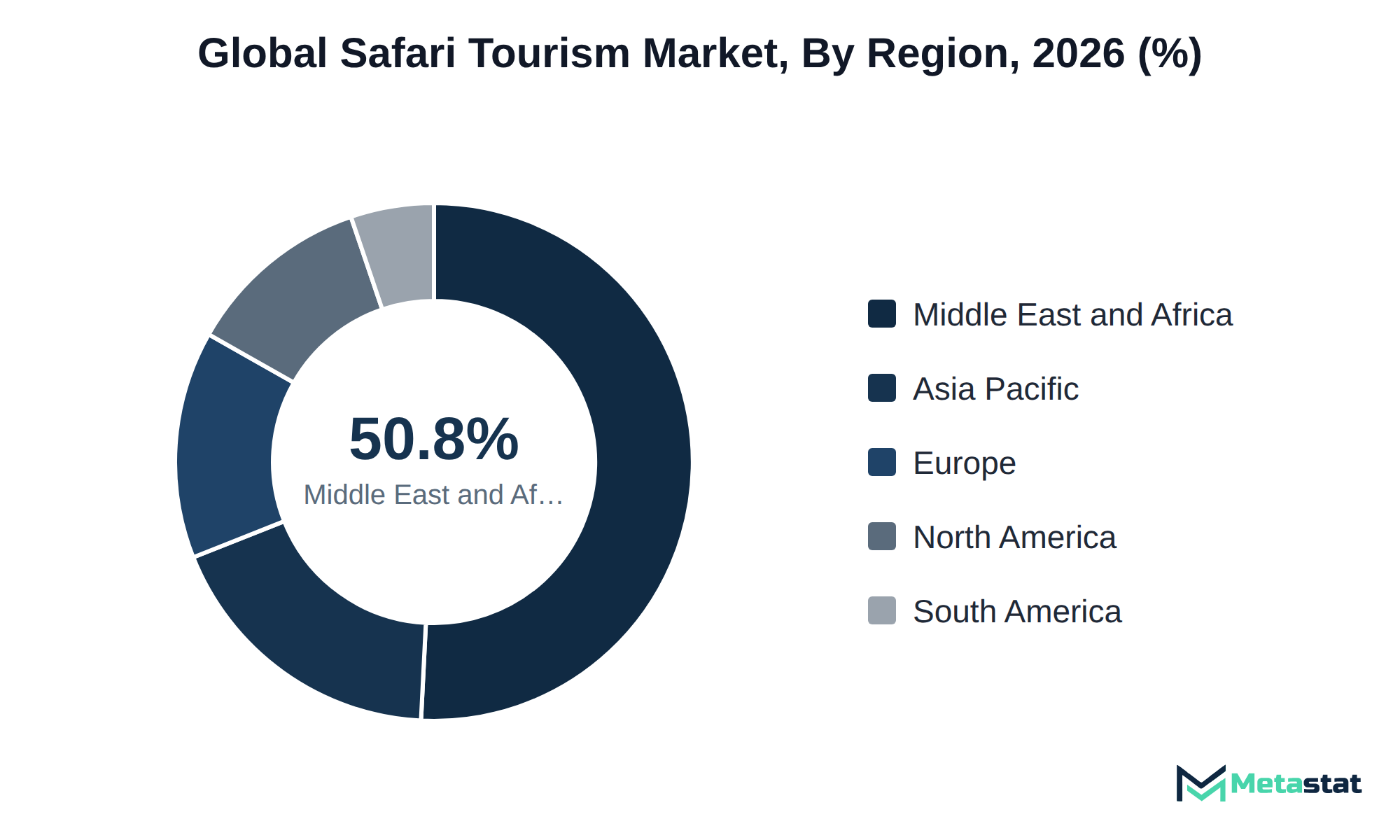
Geographic Lead: The Middle East and Africa dominate the Safari Tourism market, holding a market share of 50.8% in 2025. This region's rich wildlife and natural attractions are key factors contributing to its leading position.
What's Inside: The report provides a comprehensive analysis of the Safari Tourism market, covering competitive landscapes, segmentations by service level, accommodation type, traveler group, and booking channels, along with forecasts through 2033.
Growing Demand for Tented Safari Camps: The Tented Safari Camps segment is experiencing robust growth, projected to reach USD 14.1 billion by 2033, driven by travelers seeking immersive wildlife experiences and closer interactions with nature.
Increased Interest from Couples: Couples represent a significant traveler group, with a projected market value of USD 15.5 billion by 2033. This growth reflects a trend towards personalized and romantic safari experiences.
Choose Your License
Global Safari Tourism Market
The global Safari Tourism market was valued at USD 21.4 billion in 2025 and is projected to reach USD 37.3 billion by 2033, growing at a CAGR of 7.1% over the forecast period.
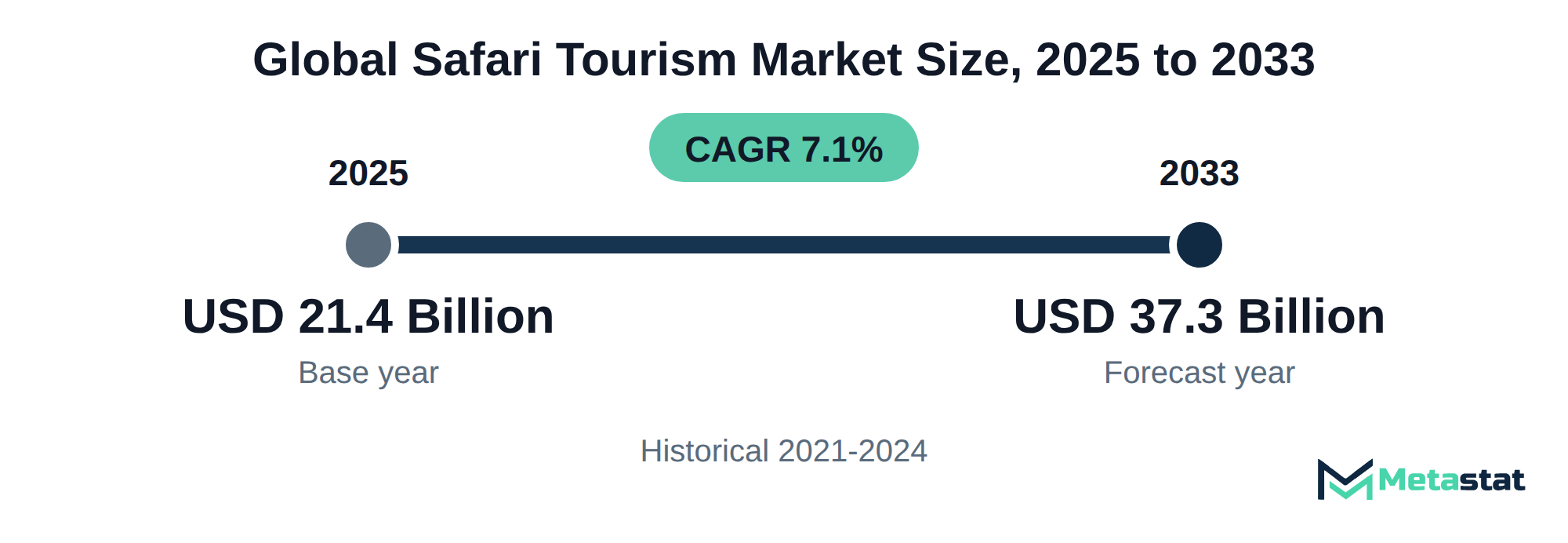
The Safari Tourism market encompasses travel experiences centered around wildlife observation and exploration in natural environments. Buyers invest in this market to engage in unique adventures that offer immersive encounters with nature, culture, and diverse ecosystems. The appeal of safari tourism lies in its ability to provide memorable experiences that create a deep connection with the environment, contributing to the desire for authentic travel and adventure.
Growth in the market is primarily driven by increasing disposable incomes and a rising interest in sustainable travel options. Luxury safari experiences represent the most valuable segment, attracting affluent travelers seeking exclusive and high-quality adventures. The region dominating the market is the Middle East and Africa, which holds 50.8% of the market share in 2025, making it a key area for safari tourism growth. North America holds 11.6% of the market in 2025, with the US leading in 2026.
Increased awareness of conservation efforts and responsible tourism practices further fuels demand within the market. Travelers increasingly seek to support initiatives that protect wildlife and habitats, enhancing their overall safari experience. This trend reflects a broader shift toward environmentally conscious travel choices, positioning safari tourism as a significant part of the global travel industry.
The Safari Tourism market includes various travel experiences that focus on wildlife encounters and exploration in natural habitats. Buyers invest in these experiences to engage in adventure tourism, enhance their recreational activities, and connect with nature. Factors including the unique wildlife offerings, luxurious accommodations, and immersive experiences contribute to the appeal of this market, drawing in travelers seeking memorable adventures in the world's most striking environments.
Growth in the market is driven by increasing disposable income, greater interest in eco-tourism, and the desire for adventure among affluent travelers. The luxury segment, which commands the highest value, is projected to expand significantly over the forecast period. Among the regions, the Middle East and Africa dominate with a market share of 50.8%, reflecting the abundance of wildlife and natural attractions.
Demand for personalized travel experiences is shaping the market, encouraging suppliers to tailor offerings to specific customer preferences. Enhanced marketing efforts and digital platforms facilitate access to travelers, boosting engagement and bookings. These factors support growth in the Safari Tourism market and reinforce its place in the broader travel and tourism industry.
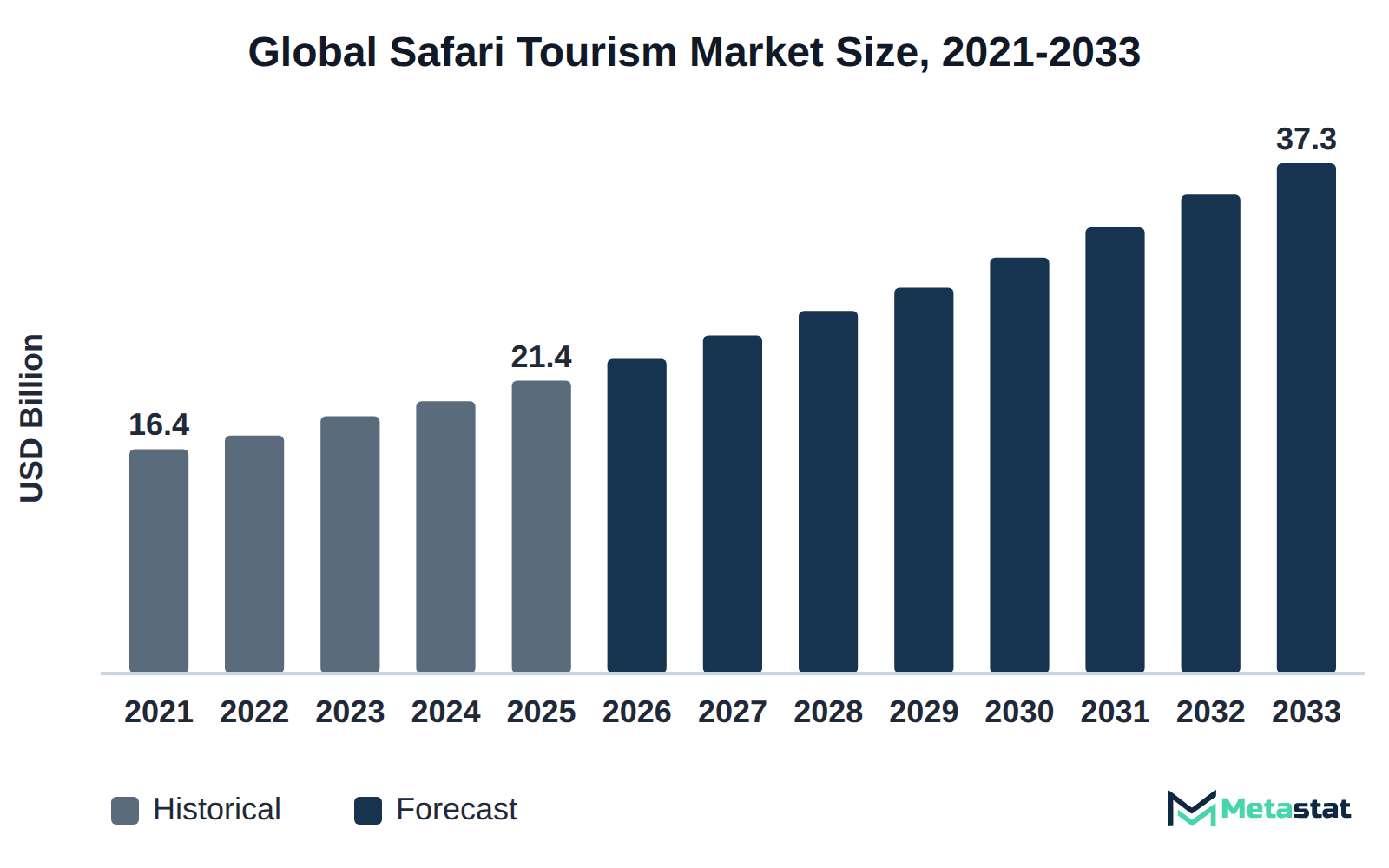
Private concessions and exclusive-use stays in luxury safaris attract a growing segment of travelers seeking personalized experiences in remote environments. This trend reflects a shift toward tailored planning that prioritizes privacy and unique encounters with nature. The demand for exclusive-use accommodations aligns with the segment's luxury offerings, projected to increase from USD 9.9 billion in 2026 to USD 17.3 billion by 2033, with a compound annual growth rate of 8.2%. Such accommodations allow visitors to immerse themselves in the wilderness without the presence of other guests, enhancing the feeling of exclusivity and connection to nature. This format sits within the broader luxury experiential travel market.
The Safari Tourism market's focus on private concessions enables operators to provide customized itineraries that cater to individual preferences, including private guides and bespoke experiences. This shift matters for luxury travelers, who increasingly prioritize distinct, high-quality experiences over traditional guided tours. Suppliers that invest in exclusive-use options position themselves advantageously in a competitive landscape, appealing to affluent clientele seeking unique travel experiences.
The Tented Safari Camps segment within the Safari Tourism market experiences robust demand due to the desire for immersive wildlife experiences. This segment, characterized by its unique accommodation offering, attracts travelers seeking closer interactions with nature and wildlife. Tented Safari Camps provide an authentic experience that traditional hotels cannot replicate, aligning with the preferences of eco-conscious tourists and adventure seekers.
Pricing structures for Tented Safari Camps typically reflect the level of luxury and amenities offered. For instance, prices range from budget-friendly options to premium experiences, catering to various traveler groups. The Tented Safari Camps segment is projected to reach a value of USD 14.1 billion by 2033, highlighting its appeal and growth potential within the industry. This segment's growth is driven by increasing traveler willingness to invest in unique and immersive experiences that enhance their connection with nature.
Contract models in this segment generally involve direct bookings through operators or travel agents. Many travelers prefer securing their stays through established agencies that offer comprehensive packages, ensuring a smooth experience from booking to the actual safari. Demand for Tented Safari Camps is expected to drive further innovation in pricing strategies and booking channels, benefiting the market's overall growth.
Direct lodge reservations have gained traction among travelers seeking personalized experiences in the Safari Tourism market. This segment of the market increasingly attracts couples, who prioritize tailored services and exclusive offerings. By 2033, the traveler group of couples is projected to contribute USD 15.5 billion, reflecting a compound annual growth rate (CAGR) of 6.8%. This growth is attributed to a rising preference for intimate and bespoke travel experiences.
Travelers opting for direct bookings often benefit from cost savings and access to unique packages that enhance their safari experiences. The ability to communicate directly with lodge operators builds trust and enables customization of services to meet specific preferences. The trend toward digital booking channels supports this shift, allowing travelers to research and secure accommodations with greater ease.
Digital booking channels play a significant role in facilitating lodge reservations, aligning with the preferences of tech-savvy travelers who seek convenience and efficiency. Online travel platforms streamline the booking process, providing real-time availability and competitive pricing. The emergence of these channels enables operators to reach a broader audience, enhancing the overall appeal of the Safari Tourism market.
The combination of direct lodge reservations and the growth of digital booking channels drives demand among couples looking for unique safari experiences. This trend supports market growth, with a projected value of USD 37.3 billion by 2033.
Families planning a safari holiday should prioritize accommodation types that cater to their specific needs. Safari Resorts and Lodges, for instance, offer luxurious amenities and family-friendly activities, making them ideal for families traveling with children. Safari Resorts and Lodges are projected to grow from USD 9.2 billion in 2026 to USD 14.6 billion by 2033, reflecting a compound annual growth rate of 6.9%. This growth signifies increasing recognition of family-oriented offerings within the Safari Tourism market.
When choosing accommodations, families should consider factors including safety, accessibility, and engaging activities for children. Resorts often provide guided tours, educational programs, and recreational facilities that enhance the overall experience for young travelers. Such amenities contribute significantly to the overall satisfaction of family vacationers, ensuring both parents and children enjoy their time.
Investing in family-friendly accommodations enhances the holiday experience and reflects a growing trend within the market toward catering to family groups. This focus on family-oriented services positions accommodations as competitive choices in the Safari Tourism market, driving demand and increasing overall revenue potential.
Travelers increasingly seek unique experiences to celebrate special occasions, leading to heightened interest from couples in the market. This demographic shift toward more personalized adventures highlights a desire for intimate and memorable safari experiences. The emphasis on exclusive safari experiences drives demand for unique accommodations, including safari resorts and lodges. This trend reflects changing consumer preferences, with couples opting for travel that offers not only wildlife observation but romantic settings and services. The overall impact on the market includes increased spending and competition among providers to attract this lucrative buyer group.
Increased integration of technology within the market enhances the overall travel experience for consumers. Innovations including mobile apps for booking and itinerary management streamline the planning process, catering to a tech-savvy demographic. Enhanced virtual reality and augmented reality tools provide travelers with immersive previews of safari adventures, generating excitement and engagement prior to travel. The utilization of drones for wildlife monitoring and enhanced photography enables travelers to capture unique moments, adding value to their safari experience.
Advancements in sustainable practices attract environmentally conscious travelers, driving growth in the market. Accommodations implementing renewable energy solutions and eco-friendly initiatives appeal to individuals prioritizing responsible tourism. This emphasis on sustainability enhances the traveler experience and positions suppliers to attract new customer segments seeking eco-conscious travel options. Integration of technology and sustainability strengthens the Safari Tourism market's competitive edge, facilitating long-term growth while consumer preferences evolve.
High pricing levels for safari tourism experiences restrict growth for budget-conscious travelers, particularly families and solo travelers. Expenses associated with luxury accommodations, guided tours, and transport within safari destinations contribute to higher overall travel costs. Potential travelers often delay booking decisions or opt for less expensive alternatives, reducing overall demand in the market.
Budget travelers face limited options due to these pricing pressures, which affects the number of bookings made through various channels. Families seeking affordable yet enriching experiences exhibit increased caution when considering safari tourism options. The resulting hesitance in bookings affects revenue across various segments, including safari resorts and lodges, compelling providers to find ways to appeal to a broader audience while maintaining profitability.
One significant challenge impacting profitability involves talent costs within the safari tourism market. Suppliers face increasing difficulties in recruitment and staffing for skilled personnel, particularly in specialized roles including guides and hospitality staff. This situation arises from heightened competition among operators and rising wage expectations driven by a global labor shortage. Many suppliers implement strategies focused on enhancing compensation packages and investing in training programs to improve staff retention and service quality.
Several operators explore partnerships with educational institutions to facilitate a steady influx of trained professionals, reducing reliance on external hiring. These changes contribute to higher operational costs, impacting profit margins. While several suppliers engage in cost-cutting measures, such initiatives often compromise service quality and experience, deterring travelers seeking premium safari experiences. Adapting to these talent cost pressures is essential for suppliers that want to stay competitive and meet changing traveler preferences in the market.
The luxury segment within the Safari Tourism market presents a significant growth opportunity, driven by increasing disposable incomes and a shift in consumer preferences toward exclusive travel experiences. This expansion aligns with high-income travelers seeking personalized, immersive experiences in unique destinations. The rise in affluent couples and families prioritizing bespoke safari experiences fuels demand for luxury offerings. Safari resorts and lodges, representing a key accommodation type, are well-positioned to capitalize on this trend, providing tailored experiences that cater to discerning travelers. Enhanced marketing strategies targeting this demographic will drive revenue growth and strengthen competitive positioning within the market.
The Global Safari Tourism market is segmented based on Service Level, Accommodation Type, Traveler Group, and Booking Channel.
This segment caters to affluent travelers seeking premium experiences, characterized by high-quality accommodations, personalized services, and exclusive access to wildlife encounters. Demand for luxury safari experiences is driven by increased disposable incomes among high-net-worth individuals and a growing trend toward experiential travel. Compared to mid-range and budget segments, the luxury segment demonstrates a faster growth trajectory, supported by a CAGR of 8.2%, while the mid-range segment shows a CAGR of 6.4%. This difference highlights a shift in consumer preferences toward luxury options, positioning the luxury segment as a key area for investment and development in the Safari Tourism market.
Mid-Range segment is estimated to reach USD 13.9 billion by 2033, at a CAGR of 6.4% during the forecast period. This segment caters to travelers seeking quality experiences without the higher costs associated with luxury options. Families and couples primarily engage with this segment, attracted by its balance of comfort and affordability. The growing interest in wildlife excursions drives demand, supported by increasing disposable incomes among middle-class travelers. This segment differentiates itself from luxury offerings, which exhibit a higher growth rate of 8.2%. The Mid-Range segment focuses on providing value-oriented options, making it attractive to budget-conscious travelers without compromising on experience. Competitive pricing strategies enable broader access to safari experiences while enhancing market growth.
Budget segment is expected to reach USD 6.2 billion by 2033. This segment caters to budget-conscious travelers seeking affordable safari experiences, often used by families and solo travelers aiming for wildlife encounters without the premium costs associated with luxury offerings. Growth in this segment is driven by increasing availability of cost-effective packages and the desire for accessible adventure travel. With a compound annual growth rate (CAGR) of 5.9%, this segment demonstrates slower growth compared to the luxury segment, which has a CAGR of 8.2%. Travelers in the budget segment prioritize value for money, leading to a distinct focus on affordability and essential experiences, contrasting with the more upscale preferences observed in luxury options. An emphasis on experiential value without excessive costs characterizes budget safari offerings, attracting a wide range of consumers within the market.
This segment appeals to travelers seeking upscale accommodations combined with immersive wildlife experiences. Couples and families frequently choose this option for its luxurious amenities and proximity to nature. Increasing interest in eco-friendly tourism influences the segment, driving demand for sustainable practices among resorts and lodges. Compared to other accommodation types, including Tented Safari Camps, which grow at a CAGR of 8.2%, Safari Resorts and Lodges maintain a slower growth trajectory. Nevertheless, their higher pricing reflects the premium offerings, positioning them distinctly within the market. Their premium pricing also places them in the luxury resort hotel category. The combination of luxury and accessibility enhances their appeal, catering to affluent travelers prioritizing comfort alongside adventure.
Tented Safari Camps are estimated to reach USD 14.1 billion by 2033, at a CAGR of 8.2% during the forecast period. These camps offer travelers immersive experiences in natural settings, attracting individuals and families seeking adventure and connection with wildlife. The growing popularity of unique travel experiences drives demand for Tented Safari Camps, particularly among couples and families. This segment features a higher growth rate compared to traditional accommodations, including hotels and guesthouses, which generally experience slower growth patterns. The emphasis on outdoor and adventurous experiences distinguishes Tented Safari Camps from other accommodation types in the market. Offering a more intimate and engaging environment enhances appeal for travelers looking to deepen their connection with nature and wildlife.
The Hotels and Guesthouses segment is expected to reach USD 4 billion by 2033. This segment serves travelers seeking convenient and affordable lodging options while exploring wildlife-rich areas. Families and solo travelers frequently choose this segment due to budget considerations and the desire for comfortable accommodations in proximity to safari activities. Growth in this segment is driven by increasing traveler interest in exploring new destinations without incurring excessive costs. Compared to luxury and mid-range segments, which are projected to grow at CAGRs of 8.2% and 6.4% respectively, the Hotels and Guesthouses segment experiences slower growth. It focuses on affordability rather than exclusivity, catering to a broader audience within the market. This value focus also places the segment in the low cost travel category. Emphasis on value for money distinguishes this segment, attracting budget-conscious travelers seeking memorable experiences without compromising on quality.
No Overnight Stay segment is projected to grow at a CAGR of 5.9% during the forecast period. This segment caters to travelers seeking day visits or short excursions without overnight accommodations, appealing primarily to budget-conscious individuals and families exploring safari experiences. The convenience of day trips provides a significant attraction, allowing tourists to engage with wildlife without the additional costs associated with overnight stays. While this segment exhibits steady growth, it remains slower compared to others, including Tented Safari Camps, which have a higher CAGR of 8.2%. The affordability factor distinguishes No Overnight Stay from luxury or mid-range options, which typically involve higher price points and additional amenities. Increased interest in diverse and flexible travel options further drives this segment, influencing its overall trajectory within the safari tourism market.
Treehouses and houseboats provide unique accommodation experiences that appeal to adventurous travelers seeking unconventional stays. This segment attracts couples and families pursuing immersive wildlife interactions combined with distinctive lodging options. Demand drivers include a growing interest in eco-friendly tourism and the desire for memorable experiences that differ from typical hotel stays. These accommodations often come at varied price points, making them accessible to a broader audience compared to luxury resorts while still offering unique charm. Unlike traditional safari lodges, treehouses and houseboats immerse guests in nature, enhancing the overall safari experience. The Safari Tourism market benefits from this segment's ability to cater to niche preferences, distinguishing it from more conventional lodging options.
Valued at USD 9.8 billion in 2026, this segment is projected to reach USD 15.5 billion by 2033, at a CAGR of 6.8% during the forecast period. Couples typically seek memorable getaways that blend romance with adventure, driving demand for safari experiences that prioritize intimacy and unique wildlife encounters. Factors influencing growth include rising disposable incomes and an increased appetite for travel among this demographic. Couples display distinct preferences compared to groups including families or solo travelers, often opting for more luxurious accommodations and personalized experiences. This segment’s growth trajectory outpaces the Mid-Range segment, which achieves a CAGR of 6.4%. The Safari Tourism market benefits from evolving consumer preferences, encouraging greater investment in tailored offerings targeting couples, which enhances the overall appeal and accessibility of safari vacations.
Families segment is estimated to reach USD 11.4 billion by 2033, at a CAGR of 7.6% during the forecast period. Families typically seek engaging experiences that create lasting memories. This traveler group values tailored itineraries that accommodate various age ranges, ensuring activities are suitable for both children and adults. A growing trend toward family-oriented vacation packages contributes to this segment's expansion, driven by rising disposable incomes and greater awareness of safari tourism's benefits. Compared to other groups, families prioritize safety and comfort, influencing their choice of accommodations, which typically includes family-friendly resorts or lodges. This segment's growth rate outpaces that of the couples segment, highlighting a shift in traveler preferences. By addressing safety concerns and offering diverse activities, the market captures the interest of this lucrative demographic, boosting overall industry growth.
Expected to reach USD 6.3 billion by 2033, the Friends segment targets groups of individuals traveling together for leisure and adventure. This segment attracts travelers seeking social experiences and bonding opportunities while exploring wildlife. A significant driver for this segment involves the growing trend of experiential travel, where friends prioritize unique and memorable experiences. The Friends segment is anticipated to demonstrate a CAGR of 6.3%, reflecting steady interest in group travel. Compared to other traveler groups, including Couples and Families, this segment has different price sensitivity, influencing choices of accommodation and activities. Friends often opt for shared accommodations and group packages, contributing to a distinct market dynamic that favors budget and mid-range offerings, contrasting with the higher expenditure typical of Couples in the market.
Projected to grow at a CAGR of 6.8% during the forecast period, this segment reflects the increasing number of individuals seeking unique travel experiences. Solo travelers often pursue adventures that offer personal discovery and connection with nature, making them a vital group in the market. This segment attracts those who prioritize flexibility and autonomy over traditional group travel experiences. A significant driver for growth stems from shifting attitudes towards solo travel, with many seeking destinations that offer safety and enriching activities. Compared to couples and families, solo travelers tend to allocate a higher percentage of their budget to immersive experiences, resulting in a projected value of USD 6.3 billion by 2033. While all traveler groups contribute to market dynamics, solo travelers stand out due to their unique preferences for personalized itineraries, influencing service providers to adapt offerings accordingly.
This segment focuses on unique travel experiences organized by clubs and associations, catering to specific interests and shared passions. Members of these groups engage in safari tourism for various purposes, including wildlife conservation, photography, and cultural exchange. Demand for this segment is influenced by the increasing popularity of tailored travel options, allowing for unique camaraderie among participants. Compared to other traveler groups, this segment features a higher level of organization and support, attracting individuals who prefer structured itineraries. While couples and families pursue leisure activities, clubs and associations prioritize educational experiences, promoting a deeper understanding of the environments visited. This approach results in distinct travel dynamics, presenting a different appeal within the wider market.
Direct Booking segment is valued at USD 12.2 billion in 2026 and is projected to reach USD 19.3 billion by 2033, at a CAGR of 6.8% during the forecast period. This segment caters to travelers who prefer to arrange their safari experiences independently, using platforms that facilitate direct communication with providers. Increasing internet penetration and the growing trend of self-planned trips drive this segment's growth. Direct Booking stands out from other channels, including Travel Agents and Intermediaries, which are expected to reach USD 11.7 billion by 2033 with a CAGR of 6.9%. Travelers engaging in Direct Booking often seek value and personalization, leading to a heightened focus on user-friendly interfaces and efficient transaction processes. The ongoing evolution of online platforms enhances user experience, supporting the segment's expansion in the safari tourism market.
This segment facilitates bookings and travel arrangements for individuals and groups, playing a vital role in organizing safari experiences. Travelers seeking personalized itineraries and expert guidance frequently engage travel agents, allowing for tailored experiences in the safari tourism market. A primary driver for this segment involves the growing preference for convenience and expert support, particularly among families and couples. This segment exhibits a steadier growth rate than others, including the direct booking segment, which experiences a more aggressive CAGR. While direct bookings appeal to tech-savvy travelers, those seeking curated and comprehensive experiences favor travel agents and intermediaries, enhancing demand and ensuring satisfaction in the market.
Online Travel Marketplaces segment is expected to reach USD 6.2 billion by 2033. This segment facilitates the booking of safari experiences through various platforms, appealing to tech-savvy travelers looking for convenience and competitive pricing. The growth of this segment is driven by the increasing popularity of online booking tools and the shift toward digital channels for travel arrangements. In comparison to the Direct Booking and Travel Agents segments, Online Travel Marketplaces experience slower growth, with a projected CAGR of 6.2%, reflecting the competitive nature of pricing and consumer preferences for comprehensive options. Buyers in this segment seek detailed comparisons and user reviews, which significantly influence their choices. The Safari Tourism market benefits from this trend, allowing potential travelers to make informed decisions while enhancing the overall customer experience.
Based on geography, the Global Safari Tourism market is divided into North America, Europe, Asia-Pacific, South America, Middle East, and Africa.
Significant growth in the Safari Tourism market is evident in North America, driven largely by travelers from the United States, Canada, and Mexico. The region's share of the global market is 11.6% in 2025. Increasing disposable income among consumers enhances spending on luxury travel experiences, contributing to escalating demand. Infrastructure improvements, including enhanced transportation options and better access to safari destinations, further support market expansion. North America is projected to reach USD 4.1 billion by the end of 2033. The increasing interest in wildlife conservation and sustainable tourism aligns with market trends, driving engagement among environmentally conscious travelers. Rising participation in guided safari tours leads to a more immersive travel experience, positioning the region favorably within the global market.
Demand for the Safari Tourism market in Europe reflects a growing interest in unique travel experiences among affluent travelers. Countries like Germany, France, and the UK drive significant demand, influenced by strong economies and a culture valuing adventure and exploration. The region's focus on sustainability and conservation enhances its appeal, with travelers increasingly seeking eco-friendly options. The market's share in Europe stands at 14.2% in 2025, indicating robust participation in the global tourism landscape. Investment in infrastructure, including enhanced transportation links to safari destinations, further supports growth potential. The Safari Tourism market thrives on the diverse preferences of European travelers, including luxury accommodations and immersive experiences in nature.
The Asia-Pacific region accounts for 18.2% of the global market in 2025. Countries like China, Japan, and India exhibit strong demand for safari tourism experiences, driven by an interest in wildlife conservation and adventure travel. Rising disposable incomes and a growing middle class contribute to the appeal of luxury safari packages. Infrastructure improvements in transportation and accommodation are enhancing accessibility to safari destinations, making it easier for travelers to explore. The region's unique wildlife and diverse ecosystems attract various traveler groups, including couples and families seeking memorable experiences. The Safari Tourism market stands to benefit from ongoing investments in eco-friendly tourism initiatives across Southeast Asia and Australia, supporting sustainable travel practices.
In South America, the Safari Tourism market sees notable engagement from travelers in Brazil and Argentina, with a growing interest in safari experiences that emphasize unique wildlife encounters and immersive cultural activities. The market's share in 2025 stands at 5.2%, reflecting the region's appeal to both local and international tourists seeking adventure. Investment in tourism infrastructure, including improved connectivity and enhanced accommodation options, enhances access to various safari destinations, contributing to increased demand. The market benefits from a rising middle class in these countries, driving interest in travel experiences focused on nature and wildlife. Tour operators focus on tailored packages for families and couples, responding to the demand for memorable travel experiences that highlight the natural beauty of South America.
The Middle East and Africa stands out in the Safari Tourism market, capturing 50.8% of the market share in 2025. This region benefits significantly from its diverse wildlife and unique landscapes, enticing travelers seeking authentic safari experiences. Countries including South Africa, Saudi Arabia, and the UAE play a crucial role in driving demand, with high-income travelers seeking luxury adventures and eco-friendly tourism. Infrastructure improvements and increased investment in tourism facilities further enhance accessibility and attractiveness, promoting growth in the market. The focus on sustainability and conservation appeals to both domestic and international travelers, aligning with global trends towards responsible tourism. By 2033, the market is projected to thrive, supported by ongoing efforts to enhance visitor experiences and promote regional attractions.
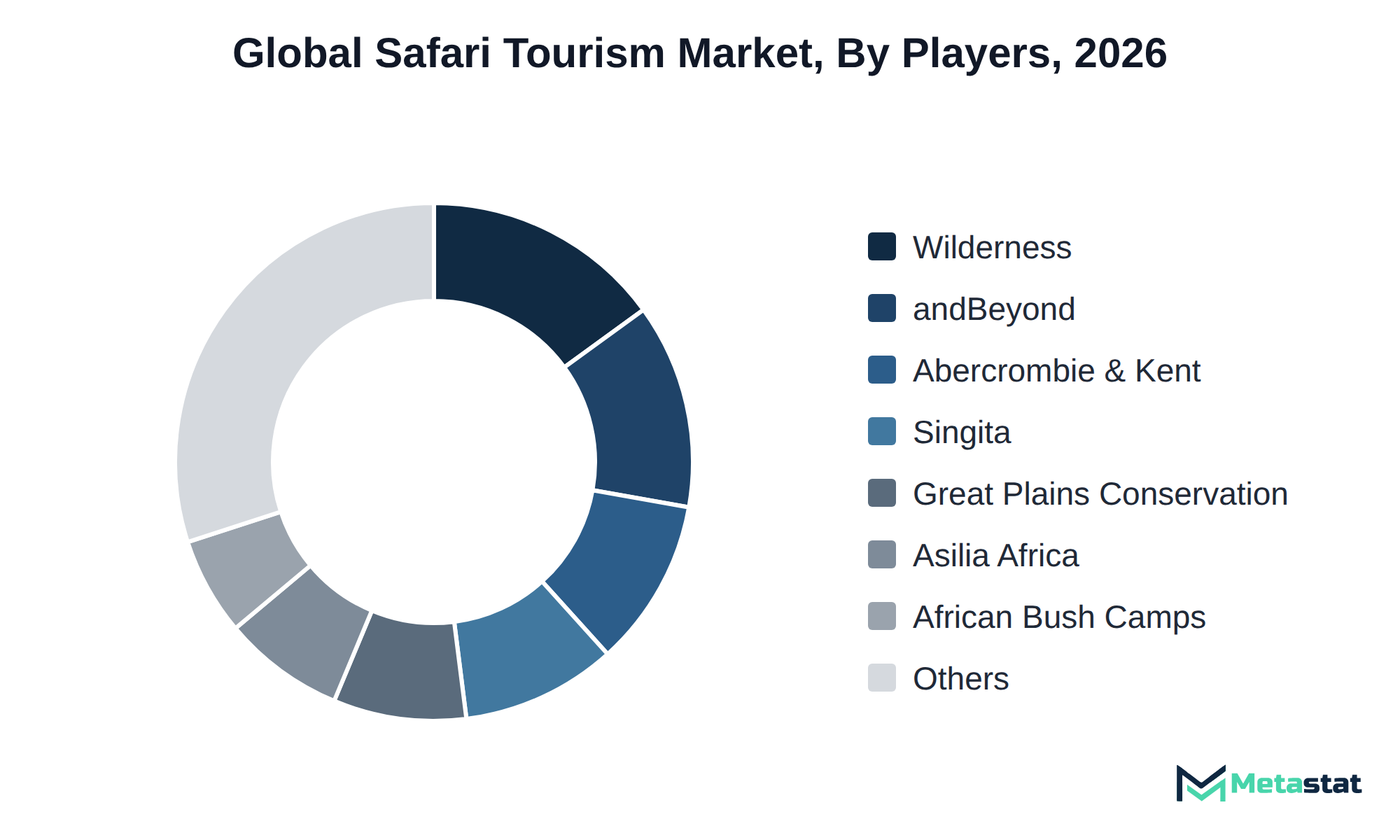
Competition within the Safari Tourism market hinges on various factors, including service level, accommodation type, and booking channels. Luxury, mid-range, and budget services attract different buyer preferences, influencing choices based on price, customization, and overall experience.
Luxury offerings dominate the high-end segment, with companies like Wilderness and Singita focusing on exclusive experiences and premium accommodations. Mid-range providers, including andBeyond and Abercrombie & Kent, cater to travelers seeking quality experiences at competitive prices, while budget options attract cost-sensitive customers.
Direct booking platforms play a significant role in shaping consumer preferences, with companies like Intrepid Travel and G Adventures effectively using online channels to reach a broader audience. Partnerships with travel agents and intermediaries remain vital for many players, including Marriott International, Inc. and TUI AG, ensuring diversified outreach and enhanced customer service within the market.
Achieving this growth relies on several key developments within the Safari Tourism market. First, the luxury segment, which is anticipated to grow from USD 9.9 billion in 2026 to USD 17.3 billion by 2033 at an 8.2% CAGR, significantly drives overall market value. Enhanced marketing strategies targeting affluent travelers support this expansion. Second, the increase in direct bookings, projected to rise from USD 12.2 billion in 2026 to USD 19.3 billion by 2033, contributes to a streamlined customer experience, enhancing overall demand. This growth aligns with the rising trend of consumers seeking personalized travel experiences. Regional challenges could hinder progress, particularly in the Middle East and Africa, which accounts for over 50% of the market share. Economic fluctuations or political instability in this region restrict growth potential. Overall, the Safari Tourism market's path toward USD 37.3 billion depends on these developments and on managing risks in key regions.
By Service Level: Luxury, Mid-Range, Budget
By Accommodation Type: Safari Resorts and Lodges, Tented Safari Camps, Hotels and Guesthouses, No Overnight Stay, Others (Treehouses, Houseboats)
By Traveler Group: Couples, Families, Friends, Solo Travelers, Others (Clubs, Associations)
By Booking Channel: Direct Booking, Travel Agents and Intermediaries, Online Travel Marketplaces
The report strategically identifies and profiles the key market players and analyses their core competencies in each sub-segment of the Safari Tourism market.
Report Attributes | Details |
Study Period | 2021-2033 |
Base Year | 2025 |
Estimated Year | 2026 |
Forecast Period | 2026-2033 |
Historical Period | 2021-2025 |
Growth Rate | CAGR 7.1% from 2026 to 2033 |
Revenue Unit | USD billion |
Segmentation | By Service Level, Accommodation Type, Traveler Group, Booking Channel, and Region |
By Region | North America (By Service Level, Accommodation Type, Traveler Group, Booking Channel, and Country)
|
Europe (By Service Level, Accommodation Type, Traveler Group, Booking Channel, and Country)
| |
Asia Pacific (By Service Level, Accommodation Type, Traveler Group, Booking Channel, and Country)
| |
South America (By Service Level, Accommodation Type, Traveler Group, Booking Channel, and Country)
| |
Middle East and Africa (By Service Level, Accommodation Type, Traveler Group, Booking Channel, and Country)
|
Find answers to common questions about this report
The Safari Tourism market size was valued at USD 21.4 billion in 2025.
The market is projected to grow at a CAGR of 7.1% during the forecast period from 2026 to 2033.
The North America Safari Tourism market size is estimated to reach USD 4.1 billion by 2033.
The Luxury segment leads the Safari Tourism market with a projected value of USD 17.3 billion by 2033. This segment demonstrates the highest growth rate, with a compound annual growth rate of 8.2 percent.
Key drivers for the Safari Tourism market include increasing disposable incomes and a shift in consumer preferences toward exclusive travel experiences. The emphasis on personalized adventures, particularly among couples, enhances demand for luxury offerings and unique accommodations.
The Middle East and Africa holds the dominant share of the Safari Tourism market, accounting for 50.8 percent in 2025. This region significantly surpasses others in market share, with Europe at 14.2 percent and North America at 11.6 percent.
High pricing levels for safari tourism experiences restrict growth for budget-conscious travelers, particularly families and solo travelers. Increased talent costs within the market challenge profitability, as suppliers struggle to attract and retain skilled personnel, leading to higher operational costs.
Several factors favor adoption in the Safari Tourism industry, including rising disposable incomes and an increasing demand for personalized, immersive travel experiences. Affluent couples and families prioritize exclusive safari adventures, driving growth in the luxury segment. This trend positions safari resorts and lodges to meet evolving consumer preferences effectively.
The Safari Tourism market is estimated to reach a valuation of USD 37.3 billion by 2033.
Key players operating in the Safari Tourism market include Wilderness, andBeyond, Abercrombie & Kent, Singita, Great Plains Conservation, Asilia Africa, and TUI AG.
The analysts below cover Consumer Goods research at Metastat Insights.
LEAD ANALYST
Utkarsh Khirodkar is a Lead Market Research Analyst at MetaStat Insight, specializing in market intelligence, technology sector assessments, and competitive strategy.
Enterprise zero-trust network rollouts are often slowed down by multi-cloud transit latency and proprietary hardware retirement schedules. This study provided realistic total cost of ownership models comparing cloud-delivered security edge solutions against traditional hardware refreshes. The analysis of contract renewal lengths and software maintenance fees gave us clear visibility into enterprise replacement cycles over the next three to five years.
Scaling antibody-drug conjugate manufacturing hinges on contract manufacturing availability for high-potency active ingredients. The MetaStat Insight analysis looked closely at global cleanroom slot constraints, bioconjugation batch failure rates, and supply chain redundancies between the US, Europe, and India. The supplier capability matrix proved genuinely useful for our team when mapping secondary source options across our clinical pipeline.
Floating offshore wind feasibility relies heavily on specialized installation vessel availability and port crane limits, which most broad renewable energy forecasts ignore. The report delivered a thorough analysis of dry dock capacity, mooring chain supply constraints, and raw material pricing trends for deepwater anchor installations. It served as a solid independent sanity check for our offshore project capital expenditure assumptions.
Explore related market intelligence reports worth reading alongside this one.