
LEAD ANALYST
Utkarsh Khirodkar is a Lead Market Research Analyst at MetaStat Insight, specializing in market intelligence, technology sector assessments, and competitive strategy.

Global PCI Express (PCIe) 4.0 Retimer Market Size, Share, By Product Type (Active Retimers and Passive Retimers), By Form Factor (Discrete Retimer ICs, Standalone Retimer Modules, and Embedded Retimers), By Data Rate (8 GT/s and 16 GT/s), By Application (Data Centers, Servers, Storage Applications, Telecommunications, Automotive, Industrial, Consumer Electronics, and Military and Aerospace), Industry Analysis, Growth, Trends, and Forecast, 2026-2033
Report ID
MSI-5372
Published
September, 2026
Pages
288 Pages
Format
Historical
Base year
Forecast
Forecast period
Report Details
Market Valuation: Valued at $325.1 Million in 2025, projected to reach $834.4 Million by 2033 at a 12.5% CAGR.
Dominant Segment: The Active Retimers segment leads the market, projected to grow from USD 315.2 million in 2026 to USD 699.3 million by 2033, driven by the demand for high-speed data transmission in data centers and telecommunications.
Geographic Lead: North America dominates the market, benefiting from established data center infrastructures, while Asia-Pacific exhibits the fastest growth due to rising investments in cloud services and high-performance computing.
What's Inside: The report includes detailed competitive coverage, market segmentation analysis, and forecasts from 2026 to 2033, providing insights into product types, form factors, and applications.
Emerging Demands: The market is expanding due to emerging regional demands and infrastructure modernization, particularly in Asia-Pacific, where technological advancements and digital transformations are rapidly occurring.
Technological Integration: Advancements in automation and AI are driving market growth, as companies seek high-speed data transmission capabilities to support digital transformation initiatives.
Choose Your License
Global PCI Express (PCIe) 4.0 Retimer Market
The global PCI Express (PCIe) 4.0 Retimer market was valued at USD 325.1 million in 2025 and is projected to reach USD 834.4 million by 2033, growing at a CAGR of 12.5% over the forecast period.
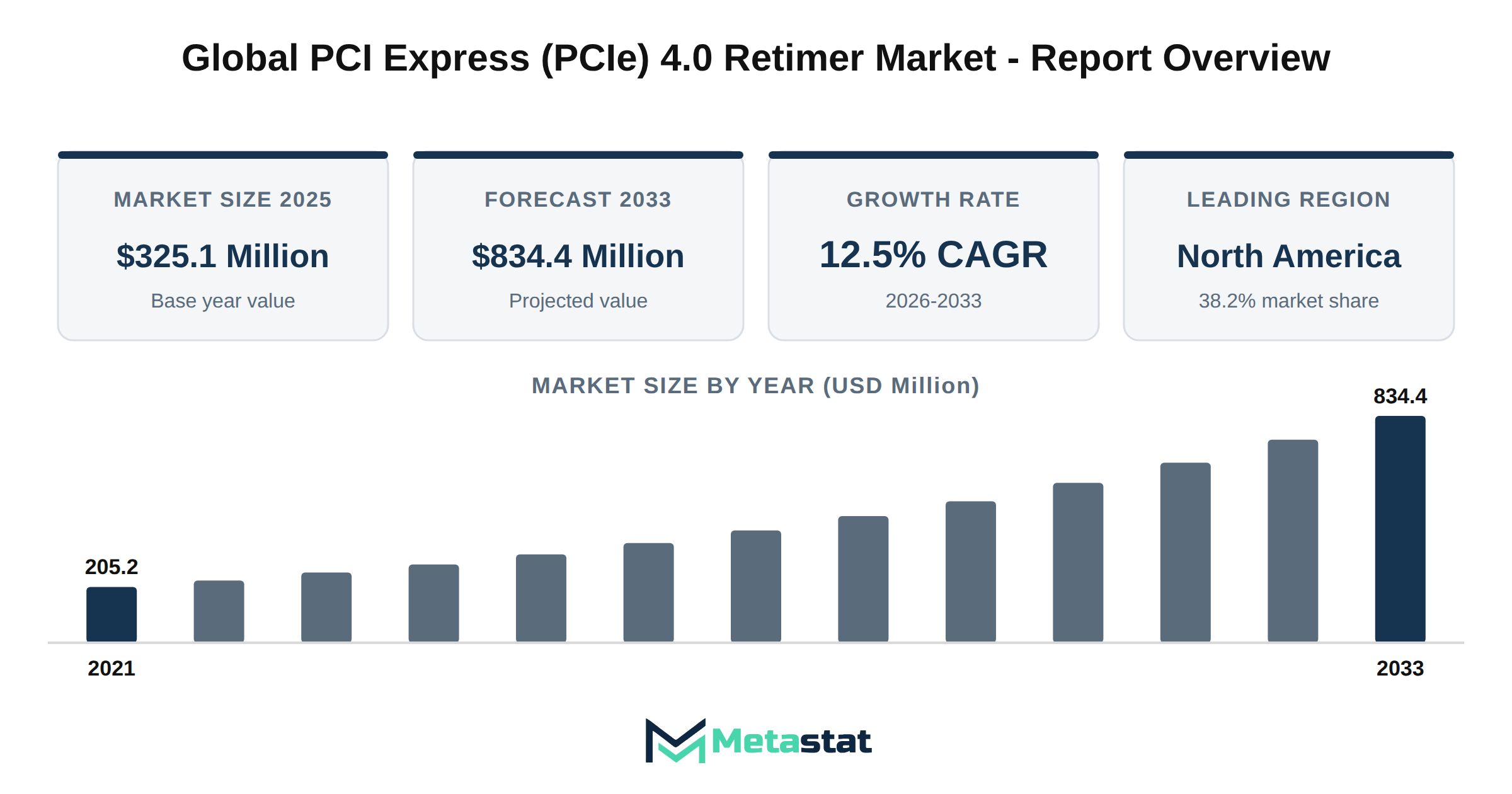
The PCI Express (PCIe) 4.0 Retimer market is projected to grow from USD 325.1 million in 2025 to USD 834.4 million by 2033, reflecting a compound annual growth rate (CAGR) of 12.5%. This growth trajectory aligns with the increasing demand for high-speed data transmission and connectivity solutions across various sectors, including data centers and telecommunications.
Accelerating deployments of AI servers and the demand for high-density compute architectures significantly influence market dynamics. Advancements in these areas require enhanced signal integrity and performance, driving the adoption of PCIe 4.0 Retimers to meet stringent application requirements.
Signal integrity challenges, particularly insertion loss, present critical considerations in enterprise server environments. The integration of PCIe 4.0 Retimers addresses these challenges, ensuring reliable data transfer and system stability in high-speed interconnects.
The expansion of data centers and the growing number of cloud hyperscalers further contribute to the demand for signal conditioning retimers. This trend emphasizes the importance of efficient data handling and processing capabilities, which the PCIe 4.0 Retimer market fulfills.
Architectural comparisons between PCIe 4.0 Retimers and redrivers show distinct advantages in high-speed interconnect applications. Retimers provide superior signal conditioning, enhancing performance in environments with demanding bandwidth requirements.
Storage acceleration trends, particularly in NVMe SSD interconnect integration, drive the adoption of PCIe 4.0 Retimers. These devices enable faster data access and improved overall system performance in storage applications.
Edge computing and the infrastructure requirements for high-performance 5G networking create additional opportunities for the PCIe 4.0 Retimer market. The integration of advanced retimer technologies supports the performance needs of next-generation communication networks.
Resiliency in the semiconductor supply chain, wafer capacity, and lead time dynamics impact the market landscape. Increased investments in manufacturing and supply chain optimization enhance the availability of PCIe 4.0 Retimers, supporting market growth.
The competitive landscape features significant activity, including mergers among tier-1 semiconductor firms and strategic partnerships within the ecosystem. These developments position companies to better meet the evolving demands of the PCIe 4.0 Retimer market.
Regional dynamics across North America and Asia-Pacific hyperscale hubs reveal a strong preference for PCIe 4.0 Retimers. The concentration of data centers in these regions fuels demand, ensuring sustained growth in the market.
Transition dynamics from PCIe 4.0 to PCIe 5.0 and 6.0 highlight the evolving technological landscape. Migration roadmaps outline the path for upgrading systems, with PCIe 4.0 Retimers playing a crucial role in this transition.
Thermal dissipation, power envelope constraints, and innovations in energy-efficient silicon are critical considerations for the market. These factors shape product development and competitive positioning within the PCIe 4.0 Retimer market.
The PCI Express (PCIe) 4.0 Retimer market exhibits a strong growth trajectory, projected to reach USD 834.4 million by 2033, reflecting a compound annual growth rate (CAGR) of 12.5% from 2025. This growth aligns with the increasing demand for advanced data processing capabilities, driven by the proliferation of AI technologies and high-density compute architectures.
AI server deployments gain momentum, significantly impacting the demand for PCIe 4.0 Retimers. High-density compute architectures require enhanced signal integrity and reliability, prompting manufacturers to invest in advanced retimer solutions. The shift towards AI-driven workloads necessitates the integration of high-speed interconnects that optimize data throughput and reduce latency.
Signal integrity challenges associated with PCIe 4.0 technology necessitate strategic insertion loss mitigation techniques. Enterprise servers increasingly rely on effective retimer solutions to maintain optimal performance levels. Innovations in signal conditioning are crucial for addressing these challenges, ensuring reliable data transmission in complex server environments.
The expansion of data centers and the adoption of cloud hyperscaler services drive demand for signal conditioning retimers. While data traffic surges, cloud service providers prioritize efficient data management and high-speed connectivity solutions, reinforcing the role of PCIe 4.0 in modern data infrastructures.
Architectural differences between PCIe 4.0 retimers and redrivers highlight their respective functionalities in high-speed interconnects. Retimers excel in maintaining signal fidelity over longer distances, while redrivers focus on strengthening signals. Understanding these distinctions aids in selecting the appropriate technology for specific application requirements.
Storage acceleration trends emphasize the integration of NVMe SSDs with PCIe 4.0 technology. This integration enhances data transfer rates and reduces latency, addressing the increasing performance demands of enterprise storage solutions. The market recognizes the necessity for efficient interconnects to optimize overall system performance.
Edge computing's rise and the demand for high-performance 5G networking infrastructure create additional opportunities for the PCI Express (PCIe) 4.0 Retimer market. These applications require low-latency communication and efficient data processing capabilities, driving innovations in retimer design to meet stringent performance criteria.
Resiliency within the semiconductor supply chain influences the availability and pricing of PCIe 4.0 Retimers. Fluctuations in wafer capacity and lead times impact production timelines, compelling manufacturers to adopt flexible strategies to navigate supply chain challenges effectively.
The competitive landscape of the PCI Express (PCIe) 4.0 Retimer market features significant activity, including Tier-1 semiconductor mergers and strategic ecosystem partnerships. These dynamics encourage innovation and enhance product offerings, positioning firms to capitalize on emerging market opportunities.
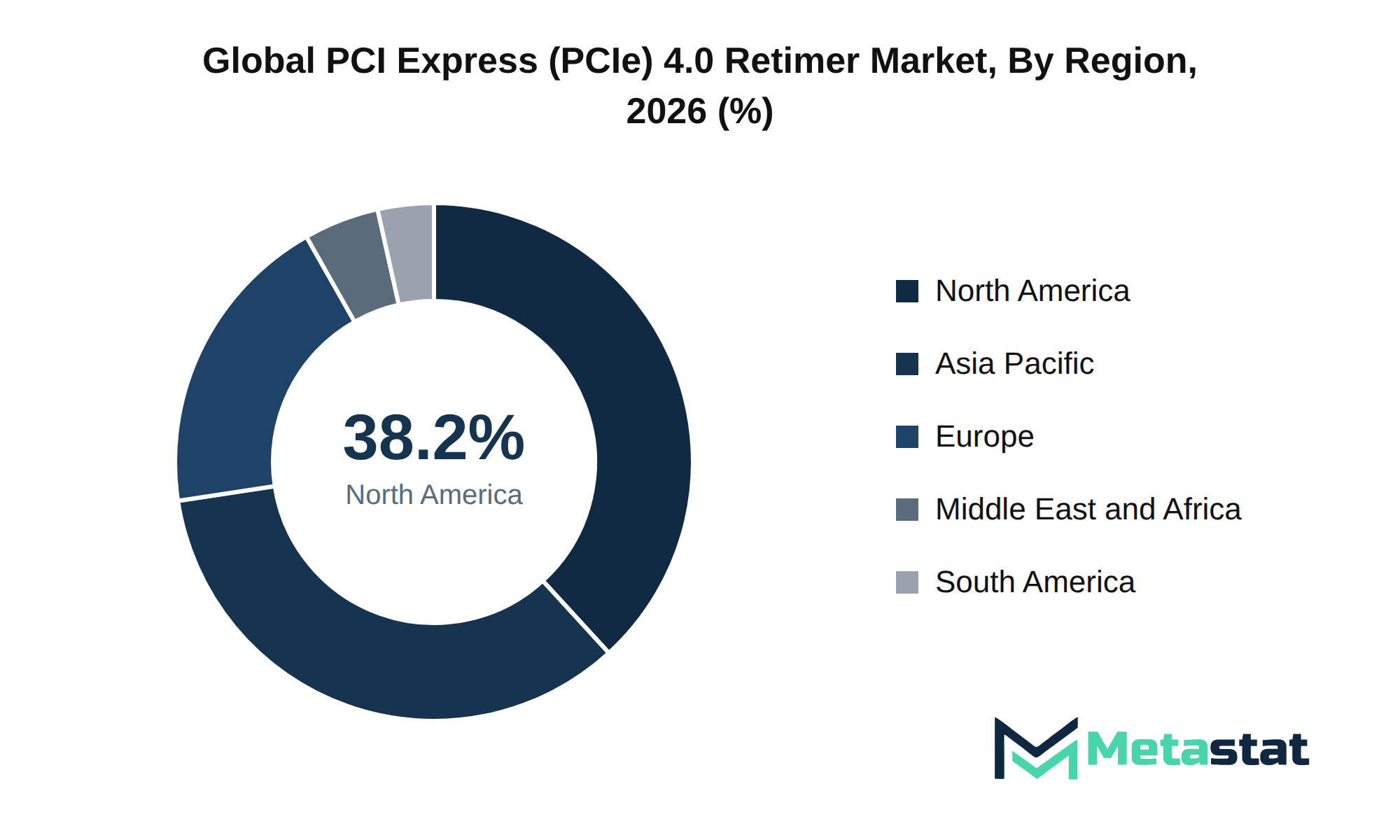
Regional market dynamics show distinct trends in North America and Asia-Pacific hyperscale hubs. North America leads in market share, driven by established data center infrastructures, while Asia-Pacific experiences rapid growth due to increasing investments in cloud services and high-performance computing.
The transition from PCIe 4.0 to PCIe 5.0 and 6.0 introduces new capabilities and performance enhancements. Migration roadmaps highlight the necessity for businesses to adapt their infrastructures to leverage the benefits of the latest standards, ensuring competitive advantage in data-intensive applications.
Thermal dissipation and power envelope constraints present ongoing challenges in the PCIe 4.0 Retimer market. Advancements in energy-efficient silicon innovations are critical for developing solutions that address these constraints while maintaining high performance and reliability. The focus on sustainability drives the evolution of retimer technologies.
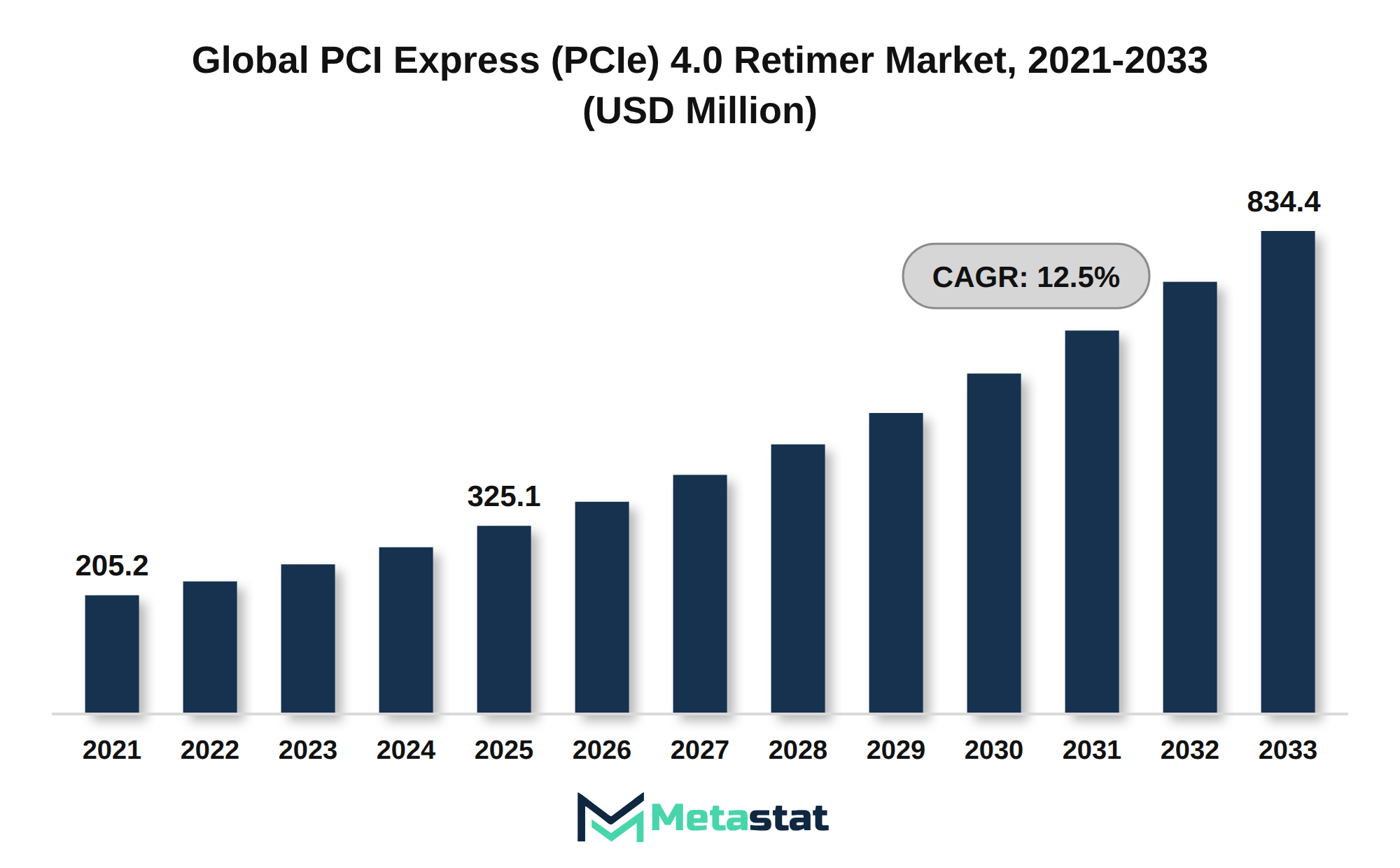
Advancements in technology drive the expansion of the PCI Express (PCIe) 4.0 Retimer market. The increasing adoption of automation and artificial intelligence across various sectors enhances operational efficiency and performance. Companies invest in digitizing legacy processes, resulting in growing demand for high-speed data transmission capabilities offered by PCIe 4.0 Retimers.
The rising reliance on data centers, telecommunications, and storage applications directly influences the market. Businesses transitioning toward digital transformation intensify the need for robust data transfer speeds. This trend generates greater demand for PCI Express (PCIe) 4.0 Retimers, which facilitate faster communication between devices, thereby driving market growth.
The integration of innovative technologies necessitates ongoing improvements in network infrastructure. Investment in next-generation hardware becomes crucial for maintaining competitive advantage. The market responds to this demand by expanding its offerings of high-performance Retimers, positioning itself to meet the evolving needs of various industries.
Investments in digital transformation drive significant growth in the PCI Express (PCIe) 4.0 Retimer market. Many organizations prioritize the adoption of advanced technologies and automation solutions, which enhance operational efficiency and reduce costs. This emphasis stems from the imperative to improve productivity and adapt to evolving consumer demands. Increased automation and integration of artificial intelligence into various applications necessitate high-performance connectivity solutions, including PCIe 4.0 Retimer technology.
Industries including data centers and telecommunications, which require substantial data transfer rates and low latency, particularly benefit from enhanced digital infrastructures. While companies upgrade their systems to support these technologies, demand for PCIe 4.0 Retimer solutions rises sharply. The market experiences a notable increase attributed to organizations recognizing the importance of leveraging advanced technology to maintain competitive advantages.
Investment in digital transformation aligns with broader macroeconomic trends, including rising GDP and increasing venture funding in technology sectors. These factors contribute to an environment ripe for growth, reinforcing the market's trajectory. Businesses increasingly prioritize digital initiatives. The PCI Express (PCIe) 4.0 Retimer market is expected to flourish, driven by the demand for effective, high-speed data solutions.
The PCI Express (PCIe) 4.0 Retimer market faces significant regulatory challenges that hinder growth potential and introduce complexities for manufacturers and suppliers. Regulatory tightening across various regions creates compliance hurdles that increase operational costs and extend time-to-market for new products. The necessity for adherence to evolving legal mandates increases the burden on companies, particularly smaller firms lacking the resources to meet stringent requirements.
Macroeconomic headwinds have exacerbated these challenges, contributing to inflationary pressures that affect pricing structures within the market. Rising costs associated with raw materials and labor force create barriers to entry for new players, limiting competition and innovation. Supply chain disruptions further complicate the situation, driven by geopolitical instability and resource scarcity that lead to delays in production and distribution.
Capital investment requirements for advanced technology development demand substantial financial commitment. This investment often deters potential entrants and restricts existing players from pursuing expansion strategies. Technological obsolescence poses a threat, resulting from advancements in alternatives that render existing solutions less competitive, pushing manufacturers to invest continually in R&D to stay relevant.
The market is influenced by deployment bottlenecks, where insufficient infrastructure hampers the effective integration of new technologies. Connectivity deficits in certain regions limit the accessibility and potential growth of the PCI Express (PCIe) 4.0 Retimer market. Skilled labor deficiencies further exacerbate these issues, driven by the need for specialized talent to support advanced technologies and development processes.
Concerns regarding data security vulnerabilities and privacy risks play a critical role in shaping market perceptions. Rising awareness of intellectual property theft risks increases caution among stakeholders, affecting investment decisions and buyer confidence. Market fragmentation presents challenges for standardization, complicating interoperability between various solutions and manufacturers.
Finally, slowing downstream demand in associated industries reflects broader economic trends. The maturation of the industry cycle introduces additional competition and reflects market saturation, necessitating strategic adaptations among participants to maintain relevance in a changing environment.
Geopolitical fragmentation significantly impacts the PCI Express (PCIe) 4.0 Retimer market by creating challenges in global supply chains. Trade deficits and tariff friction between countries disrupt the flow of components necessary for production, leading to increased costs and delays. These disruptions affect manufacturers' ability to meet demand, creating potential gaps in availability and performance across various applications.
Technological disruptions, stemming from rapid advancements, contribute to complexities in research and development integrations. Firms face hurdles in adapting existing technologies to new specifications while ensuring interoperability between various components. These challenges introduce overhead costs that further compress margins in a competitive market.
The evolving focus on environmental sustainability and decarbonization mandates necessitates adjustments in production practices. Companies in the PCI Express (PCIe) 4.0 Retimer market encounter pressures to enhance their lifecycle footprints, compelling them to invest in cleaner technologies and processes. Such shifts often require retrofitting existing infrastructure, introducing additional barriers to implementation.
Growing cybersecurity risks and data vulnerabilities pose significant challenges to manufacturers. With increased reliance on digital platforms, protecting intellectual property and sensitive data becomes critical. Failure to address these issues results in legal liabilities and damage to reputation, hindering potential growth opportunities in the market.
Geopolitical fragmentation, technological disruptions, environmental mandates, and cybersecurity risks collectively challenge the PCI Express (PCIe) 4.0 Retimer market. Addressing these complexities requires strategic planning and investment to navigate evolving demands and maintain competitiveness.
The PCI Express (PCIe) 4.0 Retimer market experiences significant opportunities owing to emerging regional demands and infrastructure modernization. Geographical expansion into developing regions enhances market prospects, particularly in Asia Pacific, where rapid technological advancements and digital transformations occur. Investment in next-generation innovations supports the growth of data centers and telecommunications applications, increasing the need for efficient retimer solutions.
Sustainability imperatives impact buying behaviors, with businesses prioritizing eco-friendly product designs and operations. This shift aligns with the trend toward green transformations and ESG-driven alignments, prompting manufacturers to innovate in energy-efficient retimer technologies. The market benefits from downstream diversification, driven by suppliers seeking to integrate products across various applications, enhancing overall market penetration.
Strategic consolidation and cross-industry mergers facilitate resource sharing and expertise, allowing for the development of more sophisticated retimer solutions. Evolving commercial models, including digital procurement shifts, enable companies to streamline operations and reduce costs. These dynamics drive operational yield maximization, creating a competitive environment where agility and responsiveness are vital.
Supply chain localization and strategic buffering against global uncertainties contribute to enhanced resilience within the market. Asset life-cycle extensions and maintenance upgrades ensure that existing infrastructure remains relevant in the face of rapid technological evolution. Overall, these factors collectively position the PCI Express (PCIe) 4.0 Retimer market for growth and significant opportunities through 2033.
The Global PCI Express (PCIe) 4.0 Retimer market is segmented based on Product Type, Form Factor, Data Rate, and Application.
Valued at USD 315.2 million in 2026, the Active Retimers segment is projected to reach USD 699.3 million by 2033, at a CAGR of 12.1% during the forecast period. This growth stems from increased demand for high-speed data transmission, driven by advancements in data center infrastructure and emerging applications in telecommunications. Data centers increasingly adopt active retimers to ensure signal integrity over longer distances and higher data rates. This adoption facilitates the deployment of next-generation computing resources and cloud services.
Technological maturation in chip design and manufacturing processes enhances the capabilities of active retimers, enabling higher performance and reliability. The transition to advanced applications in artificial intelligence and machine learning creates a need for efficient data processing. This trend fuels demand within this segment. The ongoing evolution of communication standards and protocols supports the integration of active retimers in various end-use applications, including automotive and military sectors.
The PCI Express (PCIe) 4.0 Retimer market reflects heightened competition among manufacturers aiming to capture share in the active retimers segment. Companies invest in research and development to innovate products that meet stringent regulatory compliance standards while optimizing cost structures. Supply chain resilience is critical, with firms focusing on secure raw material sourcing to mitigate risks associated with pricing volatility.
Increased capital investment in infrastructure supports the expansion of the active retimers segment, promoting white-space opportunities in the market. The anticipated growth in downstream applications across diverse industries highlights the critical role of active retimers in facilitating high-speed data transmission and connectivity solutions. Overall, the active retimers segment is positioned for significant growth within the PCI Express (PCIe) 4.0 Retimer market.
Growth within the Passive Retimers segment stems from increasing demand for efficient data transmission in various applications, particularly in data centers and telecommunications. This segment demonstrates a focus on technology maturation, driving enhancements in reliability and performance. Continuous upgrades in next-generation infrastructure, including cloud computing and 5G networks, significantly influence product evolution and adoption rates. Industries transitioning to higher data rate requirements find that the shift towards Passive Retimers aligns with these trends, providing necessary support for enhanced data throughput. Investment in advanced semiconductor technologies further drives growth, with suppliers responding to the need for improved bandwidth and reduced latency. The segment is projected to reach USD 135.2 million by 2033, at a CAGR of 14.8% during the forecast period. Regulatory compliance standards surrounding data privacy and security push manufacturers to innovate and upgrade their offerings, ensuring alignment with industry demands. Competitive dynamics within the PCI Express (PCIe) 4.0 Retimer market highlight the importance of strategic partnerships and supply chain resilience. Players focus on securing reliable raw material sourcing and mitigating risks associated with substitution and technological obsolescence. While the market evolves, opportunities for new entrants and established providers emerge, particularly in addressing the unique needs of various downstream applications.
Valued at USD 210.3 million in 2026, the Discrete Retimer ICs segment is projected to reach USD 458.1 million by 2033, reflecting a CAGR of 11.8% during the forecast period. Increasing demand for high-speed data transmission and improved signal integrity in various applications drives significant growth in this segment. The expansion of data centers and the proliferation of advanced computing systems contribute to heightened requirements for efficient data handling, ultimately boosting the adoption of discrete retimer ICs.
Technological advancements lead to the evolution of discrete retimer ICs, aligning with next-generation upgrades in data rates and performance. Enhanced features and capabilities position these components favorably within the PCI Express (PCIe) 4.0 Retimer market. Regulatory compliance standards concerning data transmission speeds and performance metrics further drive the segment's growth, resulting from manufacturers seeking to meet these requirements.
Cost structures and pricing volatility impact the profitability of discrete retimer ICs, necessitating careful management of production processes and raw material sourcing. Strategic opportunity windows arise for manufacturers who innovate and enhance product offerings while navigating these challenges. The expected increase in demand from sectors including telecommunications, automotive, and consumer electronics further highlights the necessity for robust discrete retimer ICs, reinforcing their importance within the PCI Express (PCIe) 4.0 Retimer market.
Demand for Standalone Retimer Modules aligns with the increasing complexity of data transmission in modern computing applications. These modules provide essential signal integrity and reliability, particularly in high-speed data communications. Adoption primarily occurs in data centers and telecommunications, where the need for high-performance connectivity drives investment in advanced interconnect solutions. The segment is expected to reach USD 231.1 million by 2033, at a CAGR of 12.8% during the forecast period.
Technological maturation in the PCI Express (PCIe) 4.0 Retimer market influences the evolution of Standalone Retimer Modules. Continuous improvements in data rates, driven by the demands of applications including cloud computing and AI, create an environment where these modules become increasingly critical. Regulatory compliance standards in various industries shape product development, ensuring that performance meets stringent industry benchmarks.
Price volatility tied to component manufacturing and supply chain dynamics affects the cost structures of Standalone Retimer Modules. Producers face margin pressures due to fluctuations in raw material costs and increased competition. Strategic opportunity windows arise for manufacturers that optimize production efficiency while enhancing performance and reliability.
Overall, the Standalone Retimer Modules segment presents strong potential within the PCI Express (PCIe) 4.0 Retimer market. Ongoing investment in next-gen upgrades, coupled with a focus on meeting the evolving demands of end-users, positions this segment for substantial growth in the coming years.
Technological advancements drive the growth of Embedded Retimers within the PCI Express (PCIe) 4.0 Retimer market. Increased reliance on high-speed data transfer in various sectors contributes to rising demand for this sub-segment. A strong focus on enhancing system performance and reducing latency for applications in data centers, telecommunications, and consumer electronics fuels adoption. Regulatory compliance standards concerning data integrity and transmission efficiency promote the integration of Embedded Retimers.
Market value for Embedded Retimers is expected to reach USD 145.2 million by 2033, reflecting a notable shift toward more advanced networking solutions. This growth aligns with rising consumer expectations for speed and reliability in data handling across multiple industries. Enhanced functionalities offered by these retimers support sophisticated applications, ensuring compatibility with next-generation technologies.
Investment in research and development remains critical, enabling manufacturers to innovate within this segment. Strategic partnerships among technology providers enhance supply chain resilience, allowing players to adapt to changing market demands. The combination of evolving technology, regulatory requirements, and consumer preferences establishes Embedded Retimers because a key element in the PCI Express (PCIe) 4.0 Retimer market.
Valued at USD 75.2 million in 2026, the 8 GT/s segment is projected to reach USD 125.2 million by 2033, at a CAGR of 7.6% during the forecast period. Demand for this sub-segment arises from the increasing need for higher data transfer rates in applications including data centers and telecommunications. The ongoing technological maturation of PCI Express standards enables efficient data transmission, enhancing performance in critical applications.
Investment in next-generation upgrades fuels expansion, driven by organizations seeking to improve operational efficiency and support more complex workloads. Downstream applications, particularly in data-intensive environments, drive consumption shifts toward higher data rates, emphasizing the importance of reliable retimer solutions. Regulatory compliance and standards in various regions further influence demand, resulting from industries striving to meet evolving specifications and performance benchmarks.
Cost structures and pricing volatility in the semiconductor industry impact the overall market dynamics, creating opportunities for players to innovate and optimize their offerings. Competitive pressures encourage manufacturers to enhance features and functionalities while managing production costs effectively. The PCI Express (PCIe) 4.0 Retimer market, therefore, stands at the crossroads of technological advancement and market demand, positioning the 8 GT/s segment for continued growth.
Growth within the 16 GT/s segment significantly aligns with advancements in high-speed data transfer technologies. Increasing demand for high-performance computing, data centers, and telecommunications applications drives this trend. Industries pursuing greater efficiency and speed in data processing necessitate robust retimer solutions. Enhanced interconnectivity and the need for high bandwidth lead to greater adoption rates of PCI Express (PCIe) 4.0 Retimer market offerings.
Investments in next-generation infrastructure support the segment's expansion. With a focus on upgrading legacy systems, companies actively seek PCIe 4.0 solutions to support more demanding applications. This segment is projected to reach USD 709.3 million by 2033, at a CAGR of 13.5% during the forecast period. Increased competition among suppliers drives innovation in product development and feature enhancement, positioning the segment for sustained growth.
Adoption of 16 GT/s technologies extends across various end-use dynamics, including automotive, military, and consumer electronics. The need for higher data rates enhances operational capabilities, prompting organizations to integrate advanced retimer solutions into their systems. Regulatory compliance standards for data integrity and transmission reliability reinforce the segment's importance within the PCI Express (PCIe) 4.0 Retimer market.
Valued at USD 155.4 million in 2026, the Data Centers segment is projected to reach USD 358.8 million by 2033, at a CAGR of 12.7% during the forecast period. Increasing demand for high-performance computing and the growing reliance on cloud infrastructure significantly drive this segment. The rise of big data analytics and the Internet of Things (IoT) further enhance the necessity for advanced data management solutions, which directly influences the demand for PCI Express (PCIe) 4.0 Retimer products.
Technological maturation plays a critical role in shaping the Data Centers segment, driven by advancements in retimer technologies that lead to improved data transfer rates and reduced latency. This evolution enables data centers to enhance their operational efficiency, catering to the growing needs of enterprises for efficient data processing. The expansion of 5G networks and edge computing applications creates strategic opportunities for the adoption of PCIe 4.0 Retimers, ensuring compatibility with next-generation infrastructures.
Evolving consumption patterns, particularly with enterprises migrating to hybrid and multi-cloud environments, are reshaping the market dynamics. The need for reliable and efficient connectivity solutions drives investment in PCIe 4.0 Retimer technologies. While companies look to optimize their data centers, the emphasis on cost structures, pricing stability, and margin pressures intensifies, making it essential for suppliers to innovate and adapt to meet new standards.
The PCI Express (PCIe) 4.0 Retimer market reflects a shift towards greater integration and efficiency, supporting the increasing complexity of data center operations. Strategic investments in research and development further enhance the resilience and performance of retimers, ensuring they meet the stringent demands of modern data applications.
Growth in the Servers segment of the PCI Express (PCIe) 4.0 Retimer market reflects increasing demand for efficient data processing and storage solutions. Major factors driving this growth include the surge in cloud computing, virtualization, and the expansion of data centers worldwide. These trends result in higher performance requirements for server infrastructure, necessitating upgraded technology including PCIe 4.0 Retimers.
Market players focus on next-generation upgrades and product evolution to enhance data transfer speeds and reduce latency. The increasing complexity of applications and workloads in enterprise environments further elevates the need for reliable retimer solutions. Technological maturation in the industry supports the transition to PCIe 4.0 standards, providing opportunities for manufacturers to innovate and expand their product offerings.
The Servers segment is estimated to reach USD 129.3 million by 2033, at a CAGR of 12.9% during the forecast period. This growth aligns with broader trends in digital transformation, where organizations prioritize data-driven strategies to enhance operational efficiency and maintain competitive advantages.
Regulatory compliance and standards play critical roles in shaping product development and market dynamics. While organizations adopt stringent data security measures, demand for compliant technologies rises. Consequently, manufacturers invest in certifications and product testing to meet these evolving requirements.
Market dynamics influence pricing structures and margin pressures within the Servers segment. Ongoing shifts in supply chain resilience and raw material sourcing further impact cost management strategies for manufacturers. This environment presents challenges and strategic opportunities for companies navigating the competitive landscape in the PCI Express (PCIe) 4.0 Retimer market.
Increasing data storage requirements across various industries drive growth in the Storage Applications segment of the PCI Express (PCIe) 4.0 Retimer market. These demands arise from the rapid expansion of data centers and cloud computing services, compelling organizations to enhance storage capacities and performance. Investments in advanced technologies including artificial intelligence and big data analytics contribute significantly to the segment's expansion, pushing the need for high-speed data transfer solutions.
Technological maturation in storage technologies fuels market growth, driven by companies seeking to upgrade existing infrastructure. The transition from traditional storage devices to high-performance SSDs and NVMe (Non-Volatile Memory Express) systems requires advanced retimer solutions that ensure reliable and efficient signal integrity. The ongoing evolution of storage applications emphasizes the importance of PCIe 4.0 Retimers in maintaining optimal performance in next-generation storage solutions.
While organizations prioritize high-speed connections in their storage ecosystems, the segment is expected to reach USD 96 million by 2033. This growth reflects a growing understanding of the value of PCIe 4.0 technology in enhancing overall system performance, while addressing latency and bandwidth challenges. Increased adoption of these advanced solutions aligns with broader trends in digital transformation.
Rapid advancements in telecommunications technology create significant demand for high-speed data transmission, contributing to the growth of the PCI Express (PCIe) 4.0 Retimer market. The telecommunications segment is projected to grow at a CAGR of 13.1% during the forecast period. Increasing reliance on cloud services, 5G deployments, and enhanced broadband infrastructure compels operators to prioritize high-performance components that support efficient data transfer. This emphasis on performance drives adoption among telecommunications providers seeking to optimize network operations and improve user experience.
The transition to next-generation networks fuels the necessity for advanced retimer solutions in telecommunications applications. Enhanced bandwidth requirements necessitate robust infrastructure capable of handling increased data loads effectively. Telecommunications companies invest in upgrading their systems, leading to an uptick in demand for PCIe 4.0 Retimers, which provide the necessary speed and reliability.
Competition among telecommunications firms to offer faster and more reliable services enhances market dynamics. These entities seek to differentiate their offerings through advanced technology, prompting investments in PCIe 4.0 Retimer solutions. The focus on evolving standards and regulatory compliance further increases the need for efficient components that meet stringent performance benchmarks.
Overall, the combination of technological maturation, strategic upgrades, and heightened demand in the telecommunications sector positions the PCI Express (PCIe) 4.0 Retimer market for sustained growth. Continued investment and innovation within this segment will likely shape its competitive landscape, driving advancements that align with operator requirements and consumer expectations.
Growing interest in the Automotive sector significantly influences the PCI Express (PCIe) 4.0 Retimer market. Increasing demand for advanced driver-assistance systems (ADAS) and infotainment systems within vehicles drives the need for high-speed data transmission. The segment benefits from the integration of various electronic components, requiring robust retimer solutions to maintain signal integrity and performance. Automakers focus on transitioning toward electric vehicles (EVs), which rely on sophisticated electronic architectures. This shift encourages higher data rates and efficient performance, generating demand for innovative retimer technologies.
Technological maturation drives adoption within the Automotive segment. While automotive manufacturers adopt next-generation upgrades, the need for reliable and efficient data transfer solutions grows. This progression leads to increased utilization of PCIe 4.0 standards across various automotive applications, facilitating connectivity among electronic components. Evolving regulatory compliance standards surrounding safety and performance in automotive electronics necessitate reliable retimer solutions to meet industry benchmarks.
Cost structures and pricing volatility present challenges within the Automotive sector. The necessity for high-quality materials and components contributes to the overall production costs. Manufacturers optimize their supply chains to enhance resilience against potential disruptions. Strategic opportunity windows arise from ongoing investments in research and development focused on innovative retimer solutions that enhance vehicle performance. Continuous advancements in the market cater to evolving consumer demands for safety, connectivity, and efficiency in the automotive ecosystem.
Adoption of PCI Express (PCIe) 4.0 Retimers within the Industrial sector arises from increasing demand for high-performance computing and data transfer applications. Industries including manufacturing, automation, and robotics benefit from advanced connectivity solutions, enabling faster and more efficient operations. The transition towards Industry 4.0 emphasizes the importance of reliable data handling, driving the need for robust retimers that support efficient data flow.
Technological maturation drives the expansion of this segment. Continuous improvements in semiconductor technology enhance the performance characteristics of retimers, allowing for higher data rates and lower latency. While industries adopt more sophisticated automation solutions, the market experiences a shift towards next-generation upgrades that prioritize speed and efficiency. Product evolution, focusing on increased integration and miniaturization, aligns with the growing demand for compact and efficient components.
End-use dynamics reflect the necessity for reliable data transmission in critical applications. The Industrial sector benefits from PCI Express (PCIe) 4.0 Retimers, which ensure minimal data loss and maximum system performance. Regulatory compliance standards impact the adoption rate, compelling manufacturers to invest in compliant technologies that meet safety and operational requirements. This regulatory environment drives innovation and encourages companies to upgrade their systems to maintain market competitiveness.
Investment in supply chain resilience becomes increasingly significant within the sector. Manufacturers focus on securing raw material sourcing and logistics strategies to mitigate risks associated with supply chain disruptions. The market experiences heightened scrutiny regarding cost structures, pricing volatility, and margin pressures, prompting firms to optimize their operations for sustainability and profitability. Companies seek partnerships and collaborations, enhancing their technological capabilities and expanding their market reach.
Consumer electronics exhibit a growing reliance on advanced connectivity solutions, significantly influencing the PCI Express (PCIe) 4.0 Retimer market. The expansion of smart devices and the increasing integration of high-speed data transfer capabilities fuel demand for efficient retimer technologies. Trends in consumer behavior highlight a shift towards high-performance applications, driving manufacturers to prioritize innovative retimer solutions. Technological maturation enhances product performance, leading to increased adoption of PCIe 4.0 Retimers across various consumer electronic devices.
Next-generation upgrades in consumer electronics necessitate robust and reliable data transmission, with PCIe 4.0 technologies enabling faster speeds and improved efficiency. Continuous product evolution in response to consumer expectations leads to enhanced features, positioning retimers because critical components in the market. Regulatory compliance standards concerning device performance and connectivity further streamline adoption, ensuring that products meet consumer and industry expectations alike. With an emphasis on cost-competitive solutions, manufacturers focus on optimizing pricing structures while navigating potential margin pressures associated with product development.
The drive for supply chain resilience has prompted manufacturers to evaluate raw material sourcing strategies, enhancing the reliability of retimer components. Addressing substitution risks involves innovative designs to mitigate the impact of disruptive alternatives in the consumer electronics sector. Strategic windows of opportunity arise from the growing demand for high-performance devices, encouraging investment in advanced retimer technologies. Overall, the evolving dynamics of consumer electronics continue to shape the PCI Express (PCIe) 4.0 Retimer market, creating an environment ripe for growth and innovation.
Demand for PCI Express (PCIe) 4.0 Retimers within the Military and Aerospace sector arises from the increasing need for high-speed data transfer and reliable performance in critical applications. The sector relies on advanced technology to support various military operations and aerospace missions, with stringent requirements for data integrity and low latency. Ongoing investments in military modernization and the development of next-generation aerospace systems drive adoption, ensuring that communication and data management systems operate efficiently in demanding environments.
Technological maturation is significant in the growth of the market, enabling the integration of innovative solutions designed to meet the specific needs of military and aerospace applications. Enhanced product evolution, characterized by the introduction of advanced retimer technologies, improves system performance while reducing power consumption, which aligns with the strategic objectives of these sectors.
End-use dynamics within military and aerospace applications reflect a growing emphasis on advanced electronic systems that support sophisticated operations. Regulatory compliance standards influence the selection of retimer solutions, ensuring that products meet the necessary certifications essential for deployment in sensitive environments. The ability to comply with these standards strengthens manufacturers' positions in the market, allowing for greater participation in government and defense contracts.
Strategic opportunity windows emerge owing to military and aerospace sectors exploring new technologies, with ongoing capital investment aiming to enhance operational capabilities. Supply chain resilience becomes increasingly important, particularly in securing reliable access to raw materials and components necessary for the production of PCI Express (PCIe) 4.0 Retimers. This sector faces unique challenges, including substitution risks and potential vulnerabilities in logistics, requiring manufacturers to adopt robust strategies to mitigate disruptions. Investment in advanced manufacturing processes and technologies further enhances the capacity to deliver high-quality retimers, aligning with the growing expectations of the market.
Based on geography, the Global PCI Express (PCIe) 4.0 Retimer market is divided into North America, Europe, Asia-Pacific, South America, Middle East, and Africa.
The North America PCI Express (PCIe) 4.0 Retimer market benefits from a robust technological ecosystem and a strong demand for high-performance solutions. Market expansion receives significant support from the increasing adoption of advanced computing technologies and data center infrastructure upgrades across the United States, Canada, and Mexico. By the end of 2033, the market is set to expand at a CAGR of 12.5%, reaching a market size of USD 300.4 million.
In 2025, North America commands a significant share of the global market. This dominance stems from the presence of key players and an established supply chain that facilitates timely delivery of innovative products. The region experiences high-value replacement cycles, driven by the need for enhanced performance and reliability in critical applications.
Localized manufacturing densities contribute to the market's growth, supported by strategic initiatives to strengthen domestic production capabilities. Nearshoring efforts improve supply chain efficiency, allowing manufacturers to respond swiftly to market demands. Emerging technologies in sectors including data centers and telecommunications drive significant investment, reinforcing the importance of reliable PCI Express (PCIe) 4.0 Retimers.
Regional procurement dynamics reflect a preference for high-quality solutions, with buyers seeking vendors that demonstrate compliance with local regulations and standards. The competitive landscape features established domestic market participants who leverage their expertise to meet the evolving needs of customers. This strong foundation ensures sustained growth within the market through 2033.
The PCI Express (PCIe) 4.0 Retimer market in Europe exhibits a strong growth trajectory, driven by increasing demands for high-performance computing systems across various sectors. Countries including Germany, France, and the UK lead in market adoption, supported by significant investments in data center infrastructure and telecommunications. This aligns with the EU's objectives for digital transformation, enhancing connectivity and efficiency.
Infrastructure modernization initiatives within Europe create favorable conditions for market growth. Nations prioritize upgrading their technological capabilities, focusing on enhanced data throughput and reliability. Countries like Italy and Spain participate actively in these upgrades, which boosts demand for advanced retimer solutions.
Local compliance mandates and regulatory frameworks create an environment conducive to growth in the PCI Express (PCIe) 4.0 Retimer market. Adherence to stringent standards ensures that products meet performance benchmarks, enhancing consumer trust and driving market penetration. The regional competitive landscape features established vendors and emerging players, contributing to innovation and competitive pricing.
With a market share of 19.2 percent in 2025, Europe holds a significant position within the global PCI Express (PCIe) 4.0 Retimer market. The region's focus on localized procurement dynamics and cultural nuances influences B2B buying behaviors, encouraging partnerships between technology providers and local manufacturers. This creates a collaborative ecosystem aimed at addressing the evolving needs of customers, thus reinforcing market stability and growth potential.
The Asia-Pacific region represents a key player in the PCI Express (PCIe) 4.0 Retimer market, accounting for a 34.4% share of the global market in 2025. Rapid expansion of data centers and increased demand for high-speed connectivity across various sectors drive this growth, particularly in China, Japan, and India. Infrastructure modernization initiatives enhance the adoption of innovative technologies, enabling the deployment of advanced retimer solutions.
Emerging markets including South Korea and Southeast Asia demonstrate strong growth potential, supported by substantial foreign direct investment (FDI) flows and localized manufacturing efforts. Domestic leaders in these countries, including tech giants and start-ups, contribute to the competitive landscape, creating a dynamic environment for PCI Express (PCIe) 4.0 Retimer growth. Adoption rates in these territories reflect a growing focus on enhancing operational efficiencies and meeting evolving market demands.
Cultural nuances and regional B2B buying behaviors influence procurement dynamics, making localized strategies critical for suppliers aiming to succeed in the region. Strategic entry barriers remain, but increasing availability of resources and energy grid resiliency improve overall infrastructure readiness for new technology implementations. Continued investment in telecommunications and data processing capabilities highlights the region's commitment to enhancing connectivity, further driving market expansion.
The PCI Express (PCIe) 4.0 Retimer market in South America faces a unique set of challenges and opportunities shaped by regional characteristics. A share of 3.5% of the global market in 2025 highlights the potential for growth in Brazil and Argentina, alongside other areas within Rest of South America. Rising demand for advanced connectivity solutions correlates with the increasing need for data-intensive applications across various sectors, including telecommunications and data centers.
Infrastructure modernization enhances regional capabilities and facilitates the adoption of high-speed technologies. Domestic market participants focus on localized manufacturing to meet the specific requirements of regional clients, creating a competitive environment. Supply chain regionalization strategies and nearshoring initiatives further support the growth of the PCI Express (PCIe) 4.0 Retimer market by optimizing costs and improving delivery timelines.
Emerging market front-runners prioritize cross-border trade corridors, enabling efficient distribution and access to international markets. This strategic positioning enhances the value proposition for suppliers and encourages investment in the sector. Continued growth in domestic demand for high-performance computing and networking solutions drives market dynamics, encouraging foreign direct investment flows and geographic expansion.
Localized procurement dynamics reflect cultural nuances that influence B2B buying behaviors, necessitating tailored approaches from suppliers. Compliance with geographic regulatory frameworks and local mandates ensures that products meet regional standards, further establishing the foundation for sustained market growth. The increasing resilience of the energy grid and overall local infrastructure readiness supports the ongoing development and adoption of PCI Express (PCIe) 4.0 Retimers across South America.
The PCI Express (PCIe) 4.0 Retimer market in the Middle East and Africa accounts for a modest share of 4.7% in 2025. Countries including Saudi Arabia, UAE, and South Africa exhibit growing interest in modernizing their infrastructure, which facilitates the adoption of high-speed connectivity solutions. Expansion of data centers and increasing demand for efficient telecommunications systems drive this growth.
Regional players emphasize localized procurement dynamics and the unique B2B buying behaviors prevalent in these markets. Domestic market participants leverage their understanding of cultural nuances to enhance customer engagement and drive sales. The presence of strategic entry barriers, coupled with foreign direct investment flows, supports market expansion.
Challenges including geopolitical fragmentation and varying regulatory frameworks influence competitive landscapes. Local compliance mandates necessitate adjustments in product offerings, ensuring alignment with regional preferences. Overall, the market is positioned for incremental growth, driven by modernization efforts and the need for reliable, high-speed data transmission solutions.
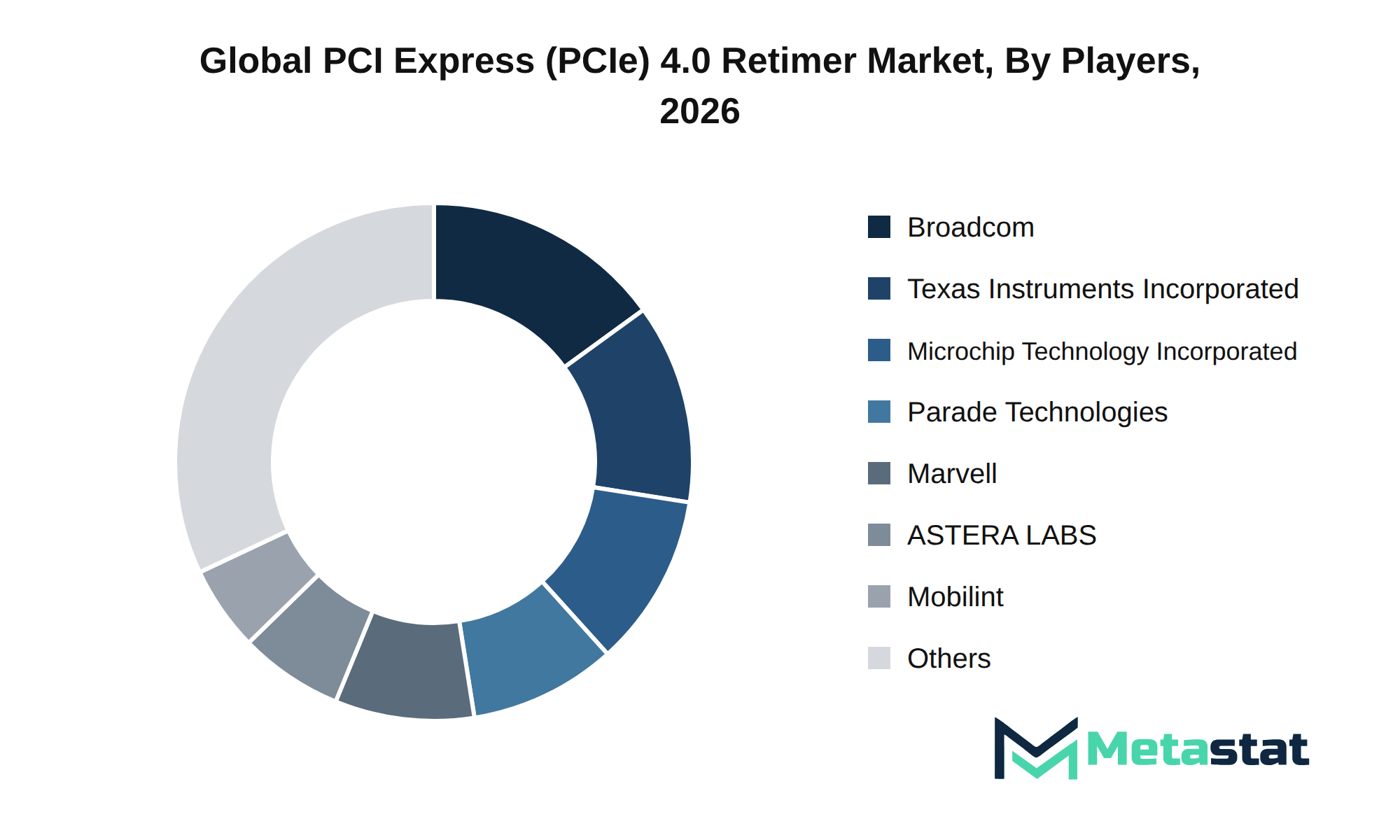
The competitive landscape within the PCI Express (PCIe) 4.0 Retimer market features key players employing various strategic behaviors to enhance market share and influence. Companies including Texas Instruments Incorporated, Microchip Technology Incorporated, and Broadcom focus on product differentiation through advanced technologies and proprietary solutions. Investments in research and development contribute to robust intellectual property portfolios, ensuring technological defensibility in a changing market.
Strategic alliances and partnerships characterize the efforts of players like Parade Technologies, Ltd. and ASTERA LABS, INC., enabling them to leverage complementary strengths and expand their reach. The threat of new entrants remains substantial, with established firms continuously enhancing customer retention strategies through effective branding and high switching costs. This competitive environment emphasizes the importance of developing strong value chain integration and supply chain dominance, positioning key players effectively within the PCI Express (PCIe) 4.0 Retimer market.
Market size is forecast to rise from USD 325.1 million in 2025 to over USD 834.4 million by 2033. The base case anticipates growth at a 12.5% CAGR during this period. In a bullish scenario, factors including accelerated technology integration, increased research and development (R&D) investments, and heightened demand from high-growth sectors could drive the market even further beyond forecasts. Conversely, a bearish outlook could arise from macroeconomic uncertainties, regulatory challenges, or disruptions in global supply chains that hinder market progression.
Strategic capital allocation directives and infrastructure commitments will play important roles in shaping the PCI Express (PCIe) 4.0 Retimer market. Businesses are expected to invest significantly in next-generation technologies, focusing on enhancing operational efficiencies and meeting emerging enterprise needs. Unmet demands in various industries, including data centers and telecommunications, represent high-growth pockets that will influence market dynamics.
Core industry maturation and structural consumption shifts will affect market trajectories, requiring ongoing adaptation to technological advancements and evolving client requirements. Regulatory evolution timelines and imminent compliance milestones will guide innovation and product development, impacting the overall market landscape. Geopolitical realignments and changing trade corridors will further influence supplier dynamics and market accessibility across different regions.
The report strategically identifies and profiles the key market players and analyses their core competencies in each sub-segment of the PCI Express (PCIe) 4.0 Retimer market.
Report Attributes | Details |
Study Period | 2021-2033 |
Base Year | 2025 |
Estimated Year | 2026 |
Forecast Period | 2026-2033 |
Historical Period | 2021-2025 |
Growth Rate | CAGR 12.5% from 2026 to 2033 |
Revenue Unit | USD million |
Segmentation | By Product Type, Form Factor, Data Rate, Application, and Region |
By Region | North America (By Product Type, Form Factor, Data Rate, Application, and Country)
|
Europe (By Product Type, Form Factor, Data Rate, Application, and Country)
| |
Asia Pacific (By Product Type, Form Factor, Data Rate, Application, and Country)
| |
South America (By Product Type, Form Factor, Data Rate, Application, and Country)
| |
Middle East and Africa (By Product Type, Form Factor, Data Rate, Application, and Country)
|
Find answers to common questions about this report
The PCI Express (PCIe) 4.0 Retimer market size was valued at USD 325.1 million in 2025, according to the Metastat Insights study.
The PCI Express (PCIe) 4.0 Retimer market is projected to grow at a CAGR of 12.5% during the forecast period from 2026 to 2033.
The North America PCI Express (PCIe) 4.0 Retimer market size is estimated to reach USD 300.4 million by 2033.
Active Retimers lead the PCI Express (PCIe) 4.0 Retimer market, with a projected value of USD 699.3 million by 2033, compared to Passive Retimers, which will reach USD 135.2 million in the same year.
Advancements in technology drive the PCI Express (PCIe) 4.0 Retimer market, because increased adoption of automation and artificial intelligence enhances operational efficiency. The rising demand for high-speed data transmission in sectors including data centers and telecommunications further fuels market growth, aligning with broader trends in digital transformation and investment in advanced technologies.
North America holds the dominant share of the PCI Express (PCIe) 4.0 Retimer market, with a value of USD 300.4 million projected for 2033, representing 38.2 percent of the total market.
Regulatory challenges hinder the PCI Express (PCIe) 4.0 Retimer market growth by increasing operational costs and extending time-to-market for new products. Compliance with evolving legal mandates burdens companies, especially smaller firms, while macroeconomic headwinds and supply chain disruptions exacerbate these issues, limiting competition and innovation.
Advancements in technology and the increasing adoption of automation and artificial intelligence are driving demand for PCI Express (PCIe) 4.0 Retimers. Organizations prioritize digital transformation to enhance operational efficiency, leading to a greater need for high-speed data transmission capabilities, particularly in sectors including data centers and telecommunications.
The PCI Express (PCIe) 4.0 Retimer market is estimated to reach a valuation of USD 834.4 million by 2033.
Key players in the PCI Express (PCIe) 4.0 Retimer market include Texas Instruments Incorporated, Parade Technologies, Ltd., Microchip Technology Incorporated, Broadcom, Marvell, and Intel Corporation.
The analysts below cover Electronics and Semiconductor research at Metastat Insights.
LEAD ANALYST
Utkarsh Khirodkar is a Lead Market Research Analyst at MetaStat Insight, specializing in market intelligence, technology sector assessments, and competitive strategy.

PRINCIPAL CONSULTANT - ENTERPRISE AI & EMERGING TECHNOLOGIES
Banking & Finance · Electronics and Semiconductor · Energy and Power · Healthcare IT · Information & Technology · Professional Services
Vijay Gunti is a Principal Consultant at MetaStat Insight, bringing over two decades of experience across enterprise digital transformation, technology strategy, and intelligent systems.

PRINCIPAL CONSULTANT - QUALITY SYSTEMS & COMPLIANCE
Electronics and Semiconductor · Machinery & Equipment · Professional Services
Omkar Phadtare is an Industry Consultant at MetaStat Insight, specializing in quality systems, regulatory compliance, and standards benchmarking to drive data-driven market intelligence and strategic industry research.

ENERGY & INFRASTRUCTURE INDUSTRY CONSULTANT
Automotive and Transportation · Electronics and Semiconductor · Energy and Power · Machinery & Equipment
Saurabh Vasant Ganvir consults for Energy & Infrastructure Industry at MetaStat Insight, specializing in renewable energy, solar EPC, and electric vehicle (EV) infrastructure markets.

LEAD CONSULTANT - COMMUNICATION, TELECOM, AND IT
Electronics and Semiconductor · Information & Technology · Machinery & Equipment · Professional Services
Ravindra Sathe Consultants for Communication, Telecom, and IT at MetaStat Insight. He leads the firm's industry research initiatives across telecommunications infrastructure, digital connectivity, enterprise networking, and emerging information technology domains.
When evaluating distributed energy resource management systems, standard research summaries tend to gloss over the operational differences between front-of-the-meter utility deployments and behind-the-meter industrial sites. The MetaStat Insight report addressed those distinctions directly, especially regarding software interoperability standards and grid interconnection backlogs. The five-year market sizing across regional transmission organizations provided actionable context for our grid modernization strategy.
Most industry reports on warehouse automation bundle autonomous mobile robots and fixed conveyor installations into the same top-level numbers, which complicates advisory work. This study split the market cleanly by payload tiers, navigation technology, and fleet management software layers. The regional forecast for Western Europe gave our team defensible adoption benchmarks when evaluating capital allocation for logistics clients, saving us days of secondary data scrubbing.
Analyzing the transition from natural gas to green hydrogen in iron ore reduction requires realistic infrastructure timelines. Meta stat insight supplied a detailed regional assessment of DRI plant conversion costs and scrap metal availability in North America and Western Europe. Their report carefully examined pellet quality specs and electrical grid access constraints without making oversimplified market assumptions. The research material served as a practical reference during internal technology roadmap discussions.
Explore related market intelligence reports worth reading alongside this one.
Starting from
$2950