
LEAD ANALYST
Utkarsh Khirodkar is a Lead Market Research Analyst at MetaStat Insight, specializing in market intelligence, technology sector assessments, and competitive strategy.

Global Pelvic Floor Electric Stimulator Market Size, Share, By Type (Mobile Devices, Fixed Devices, Wearable Stimulation Systems, and Others), By Application (Urinary Incontinence Treatment, Neurodegenerative Diseases, Sexual Dysfunction, and Others), By End User (Hospitals, Clinics, Home Care Settings, and Others), Industry Analysis, Growth, Trends, and Forecast, 2026-2033
Report ID
MSI-4763
Published
May, 2026
Pages
313 Pages
Format
Report Details
Choose Your License
Pelvic Floor Electric Stimulator Market
Global Pelvic Floor Electric Stimulator market size is valued at USD 319.0 million in 2025 and projected to grow at a CAGR of 9.8% during the forecast period, reaching USD 673.5 million by 2033.
Global Pelvic Floor Electric Stimulator market valued at USD 319.0 million in 2025, growing at a CAGR of 9.8% through 2033, with potential to exceed USD 673.5 million.
North America holds a 36.5% market share in 2025, with the U.S. leading regional revenue contribution.
The Mobile Devices segment accounts for a 33.3% market share in 2025.
Key trends driving growth: Rising Prevalence of Urinary Incontinence and Pelvic Floor Disorders, Shift Toward Home-Based, Non-Invasive, and Connected Rehabilitation Solutions
Opportunities include Smart Biofeedback, App-Connected, and Personalized Pelvic Rehabilitation Platforms.
Key insight: The Global Pelvic Floor Electric Stimulator Market is entering a high-adoption phase supported by aging demographics, women’s health awareness, and digital therapy innovation.
The Global Pelvic Floor Electric Stimulator Market continues to gain traction across preventive care, rehabilitation, and post-treatment recovery pathways. Adoption is increasing among postpartum women, elderly patients managing continence issues, and individuals recovering from pelvic surgeries. Healthcare providers increasingly recommend electrical stimulation devices when conservative treatment pathways are preferred before invasive intervention.
Technology advancement is improving user experience across pelvic floor rehabilitation devices. Compact wearable systems guided mobile applications, adjustable stimulation modes, and progress-tracking tools are improving comfort, usability, and therapy adherence. With the growing popularity of discreet self-care products, the pelvic floor electric stimulator market is projected to witness sustained expansion across clinical and home care settings.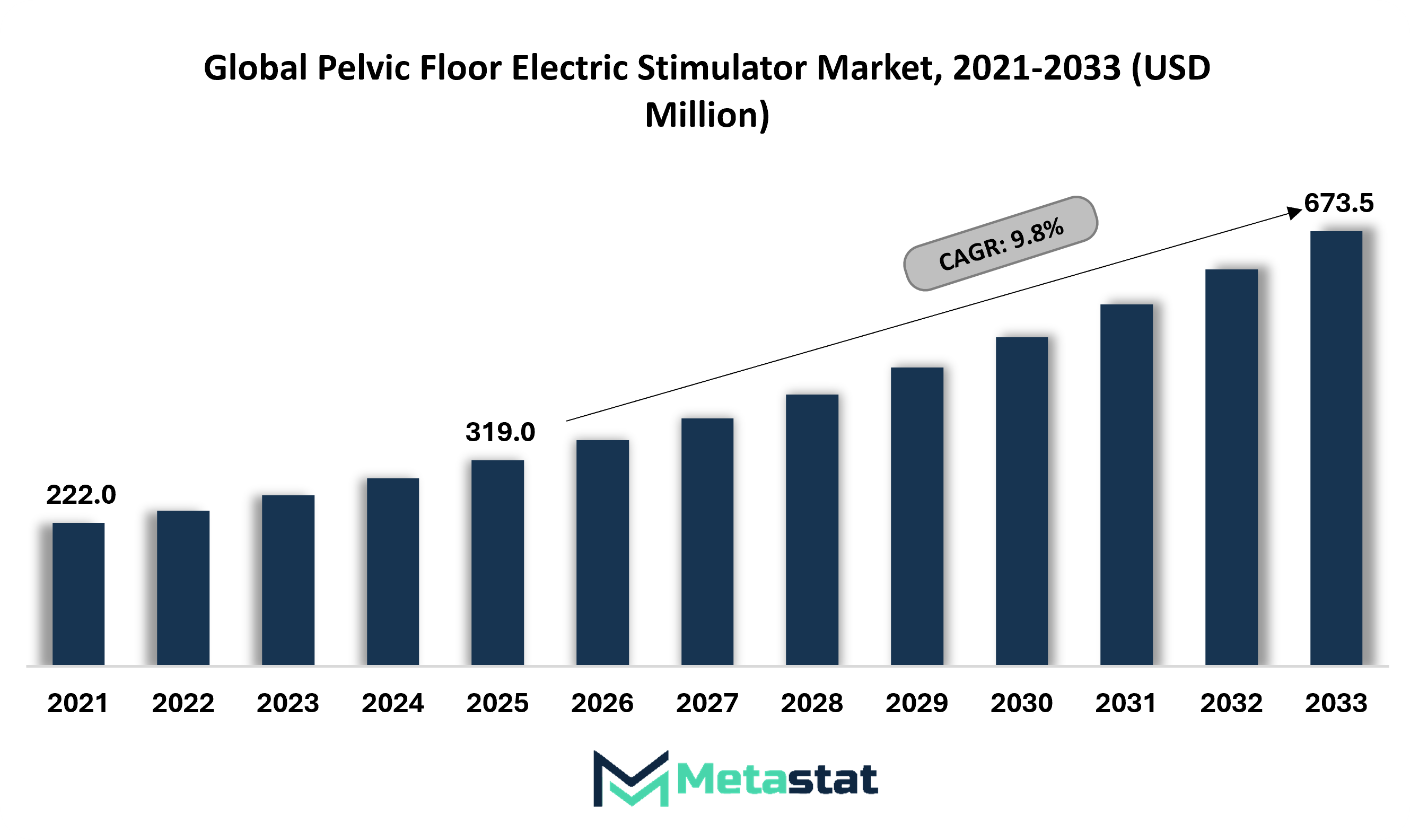
Rising Prevalence of Urinary Incontinence and Pelvic Floor Disorders.
Rising diagnosis rates for urinary leakage, postpartum pelvic floor weakness, age-related muscle decline, and post-surgical recovery needs will support product adoption across the pelvic floor electric stimulator market. Hospital referrals, women’s health programs, and preventive wellness services will increase therapy adoption, creating broader commercial potential across urban and developing healthcare systems.
Shift Toward Home-Based, Non-Invasive, and Connected Rehabilitation Solutions
Consumer preference for private treatment options will accelerate interest in compact stimulators designed for home care. Wireless controls, guided sessions, progress tracking, and telehealth integration will strengthen acceptance in the pelvic floor electric stimulator market. Convenience, comfort, and reduced healthcare facility visits will encourage regular product usage.
Limited Reimbursement and High Upfront Device Cost
Premium pricing for advanced stimulators will restrict access among price-sensitive consumers. Limited insurance coverage across many regions will slow purchasing decisions in the pelvic floor electric stimulator market. Budget constraints in smaller clinics and community care centers will further reduce the expansion pace of branded therapy systems.
Low Awareness, Social Stigma, and Long-Term Therapy Adherence Challenges
Limited public education regarding pelvic health will delay diagnosis and treatment initiation. Social discomfort linked to intimate health concerns will reduce consultations, affecting the pelvic floor electric stimulator market. Irregular session routines, weak motivation, and delayed visible outcomes will create long-term adherence barriers for many patients.
Smart Biofeedback, App-Connected, and Personalized Pelvic Rehabilitation Platforms
Digital innovation will open strong opportunities for the pelvic floor electric stimulator market. Smart sensors, real-time muscle response data, customized therapy plans, and mobile coaching platforms will improve treatment outcomes. Subscription models, remote clinician monitoring, and multilingual wellness ecosystems will create recurring revenue channels globally.
The Global Pelvic Floor Electric Stimulator Market is segmented by Type, Application, and End User.
Mobile Devices segment is valued at USD 116.7 million in 2026 and is projected to reach USD 233.3 million by 2033, at a CAGR of 10.4% during the forecast period.
Mobile Devices support discreet therapy, app-linked controls, adjustable intensity, and routine daily use. Adoption is projected to increase with improved battery life, smarter tracking, and compact product design. Consumer preference for convenience will strengthen usage across urban populations within the pelvic floor electric stimulator market.
Fixed Devices segment is valued at USD 137.7 million in 2026 and is projected to reach USD 247.5 million by 2033, at a CAGR of 8.7% during the forecast period.
Fixed Devices remain valuable for supervised sessions, consistent output delivery, and structured treatment plans. Hospitals and therapy centers often prefer fixed units for repeated clinical use. Future product development will include digital displays, guided programs, and improved hygiene features for professional healthcare environments.
Wearable Stimulation Systems segment is valued at USD 62.0 million in 2026 and is projected to reach USD 141.0 million by 2033, at a CAGR of 12.5% during the forecast period.
Wearable Stimulation Systems offer comfort, mobility, and therapy support during regular activities. Product development will focus on silent operation, ergonomic fit, and sensor-based feedback. Rising interest in preventive wellness will encourage broader acceptance among working adults seeking flexible treatment solutions.
Others segment is valued at USD 33.6 million in 2026 and is projected to reach USD 51.7 million by 2033, at a CAGR of 6.4% during the forecast period.
Other product categories include hybrid devices, specialty rehabilitation tools, and customized stimulation formats for niche treatment needs. Innovation will create multifunction devices combining monitoring with therapy delivery. Expanding research activity will open new commercial opportunities across varied patient requirements.
Urinary Incontinence Treatment segment is projected to reach USD 375.2 million by 2033, at a CAGR of 9.4% during the forecast period.
Urinary Incontinence Treatment remains a major demand area owing to rising awareness, aging populations, and preference for non-surgical care. Electrical stimulation will support pelvic muscle strength and bladder control. Future healthcare campaigns will increase diagnosis rates, supporting wider product penetration worldwide.
Neurodegenerative Diseases segment is projected to reach USD 96.4 million by 2033, at a CAGR of 11.8% during the forecast period.
Neurodegenerative disease management will benefit from supportive pelvic muscle therapy during mobility decline and nerve impairment. Rehabilitation facilities will integrate stimulation programs into broader care pathways. Advancing clinical evidence will strengthen physician confidence and support larger institutional procurement volumes.
Sexual Dysfunction segment is projected to reach USD 128.8 million by 2033, at a CAGR of 10.6% during the forecast period.
Sexual Dysfunction treatment will gain traction through growing openness toward intimate wellness and restorative therapies. Pelvic stimulation will support blood flow, muscle tone, and functional confidence. Premium product lines with privacy-focused design will attract higher-value demand across advanced healthcare markets.
Others segment is projected to reach USD 73.2 million by 2033, at a CAGR of 8.3% during the forecast period.
Other applications include postpartum recovery, chronic pelvic discomfort management, post-surgical rehabilitation, and preventive wellness programs. Broader clinical acceptance will widen prescription patterns. New therapy protocols will create diversified revenue channels for manufacturers serving specialized treatment needs.
Hospitals segment is projected to reach USD 225.2 million by 2033.
Hospitals represent a significant end-user group owing to diagnostic capacity, specialist availability, and structured rehabilitation services. Procurement demand will rise with expanding women’s health departments and geriatric care programs. Premium devices aligned with compliance standards will secure steady institutional sales.
Clinics segment is projected to reach USD 202.5 million by 2033.
Clinics offer focused outpatient treatment through shorter appointments and highly individualized therapy plans. Rising numbers of physiotherapy and urology centers will increase device placement rates. Compact systems with simple controls will support limited-space clinical settings while maintaining effective therapeutic performance.
Home Care Settings segment is projected to reach USD 193.7 million by 2033.
Home Care Settings will record rapid expansion through convenience, privacy, and lower long-term treatment costs. User-friendly devices with step-by-step guided sessions will improve patient adherence. Remote monitoring tools and telehealth integration will further strengthen adoption among aging populations.
Others segment is projected to reach USD 52.1 million by 2033.
Other end users include rehabilitation centers, wellness studios, elder care facilities, and specialty recovery institutes. Adoption across alternative care channels will increase with preventive health trends. Flexible pricing models will help manufacturers enter underserved regions with growing healthcare needs.
Based on geography, the Global Pelvic Floor Electric Stimulator market is divided into North America, Europe, Asia-Pacific, South America, Middle East, and Africa.
Strong reimbursement-supported diagnostics and high awareness of women’s wellness products support market demand across North America.
Established rehabilitation clinics and growing adoption of home-use therapy systems create additional momentum in the region.
Europe represents a significant market for pelvic floor electric stimulators, supported by strong awareness of women’s health, structured rehabilitation pathways, and rising adoption of non-invasive continence management solutions.
Asia Pacific offers strong opportunities through improving healthcare access, rising middle-class spending, and increasing women’s health awareness.
Regional manufacturers in Asia Pacific are improving affordability through cost-effective devices and e-commerce-led distribution.
Across the Middle East, Africa, and South America, market expansion is supported by gradual healthcare modernization, rising private clinic networks, and increasing focus on non-surgical continence management.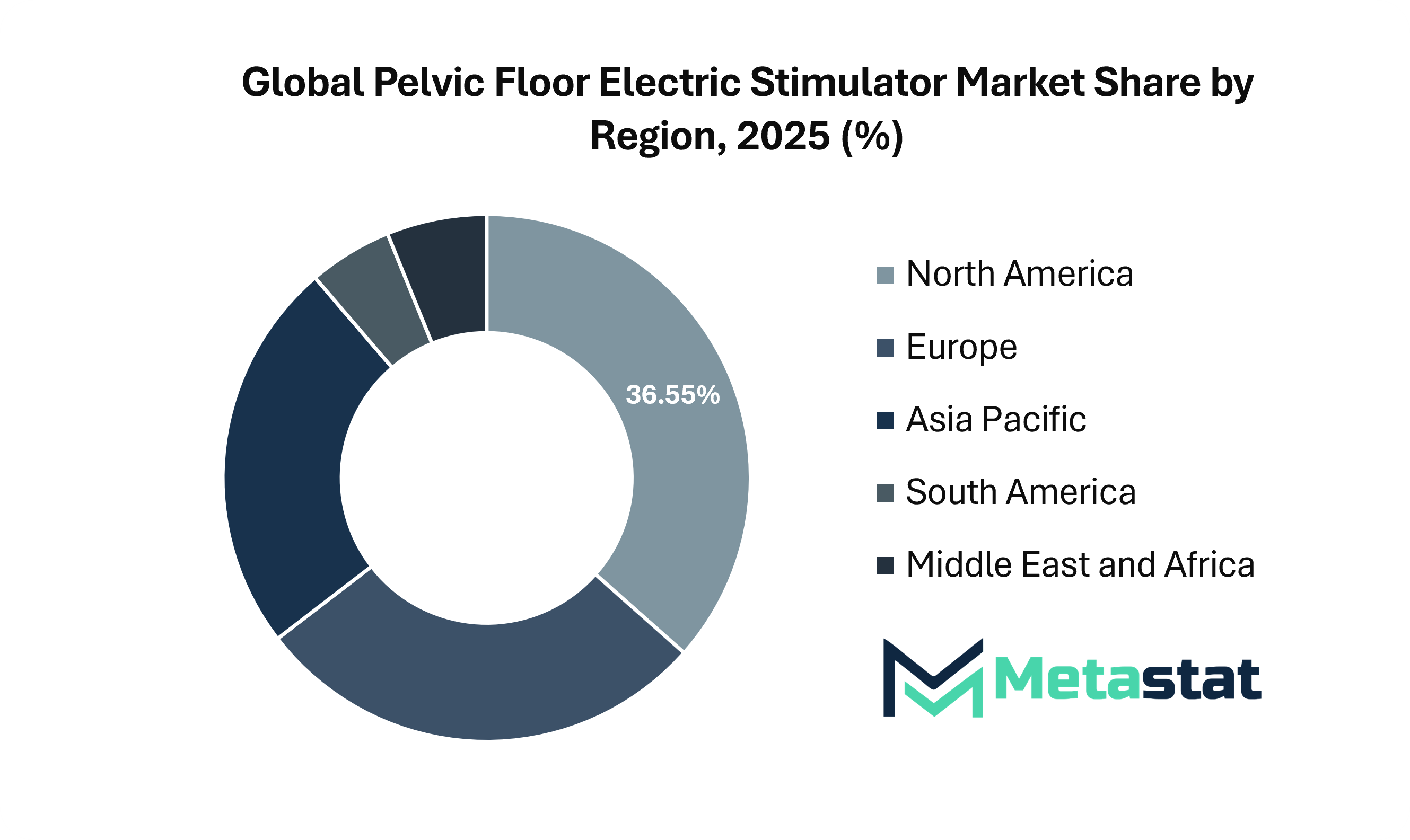
The Global Pelvic Floor Electric Stimulator Market is gaining attention as patients increasingly discuss bladder weakness, postpartum recovery, and age-associated pelvic muscle decline. Hospitals, clinics, and home users are seeking private, easy-to-use, and safe treatment alternatives. Physicians often guide patients toward therapy strategies that support pelvic muscle activity without surgery. Stronger awareness campaigns will help patients seek care earlier, while buyers continue to evaluate comfort, battery life, device size, hygiene, and ease of use before purchase. Online health education is also supporting demand as users compare reviews, practical benefits, and product suitability before selecting devices for daily therapy.
Leading companies continue to shape competition through design updates, service networks, and wider market reach. Verity Medical Ltd. and Laborie Medical Technologies Corp. maintain strong recognition among clinical buyers. EDAN Instruments, Inc. and TensCare Ltd. serve varied price points with reliable product lines. The Prometheus Group, Athena Feminine Technologies, and FEMSelect focus on targeted user needs. InMode Ltd., Konmed Technology Co., Ltd., Neurosoft, and Utah Medical Products, Inc. add technical depth, while Yarlap, Shenzhen XFT Medical Limited, Kegel8, and Elidah Inc. expand home-use adoption through retail channels, digital promotion, and stronger brand recall among consumers.
Future development will depend on trust, clinical guidance, and clear user education. Many first-time users feel hesitant while discussing symptoms, so simple education from physicians, therapists, and pharmacists will increase adoption. Product manufacturers are improving softer materials, quieter stimulation pulses, app pairing, and rechargeable systems, which will improve user satisfaction. Insurance support in selected regions will reduce cost pressure, while stronger clinician training can improve treatment planning. Online reviews and community forums will also shape purchasing decisions as users compare comfort, price, reliability, privacy, and long-term maintenance needs before ordering devices for home care.
Regional demand patterns vary as healthcare systems, income levels, and public awareness differ across markets. Mature markets often show repeat purchases and replacement cycles, while developing regions will expand faster from a smaller base. Sellers that provide educational videos, responsive support, and fair pricing will build loyalty over time. Partnerships with hospitals, wellness centers, and online retailers will widen access. Investors will continue to track margins, regulations, product approvals, and return rates, while the steady need for non-invasive care will sustain positive momentum for manufacturers, distributors, clinicians, and patients in the coming years.
Market size is forecast to rise from USD 319.0 million in 2025 to over USD 673.5 million by 2033.
The Global Pelvic Floor Electric Stimulator Market is likely to evolve beyond standalone devices toward connected therapy ecosystems. Future adoption will be supported by AI-based treatment personalization, subscription wellness models, telehealth integration, and broader inclusion in preventive women’s health programs. With improving awareness and declining stigma, long-term market potential remains favorable.
This research report categorizes the Pelvic Floor Electric Stimulator Market based on key segments and regions, forecasts revenue growth, and analyzes trends in each submarket. The report analyzes key growth drivers, opportunities, and challenges influencing the Pelvic Floor Electric Stimulator Market. Recent market developments and competitive strategies such as expansions, product launches, partnerships, mergers, and acquisitions have been included to define the competitive landscape.
The report strategically identifies and profiles key market players and analyzes their core competencies across each sub-segment of the Pelvic Floor Electric Stimulator Market.
|
Report Attributes |
Details |
|
Study Period |
2021-2033 |
|
Base Year |
2025 |
|
Estimated Year |
2026 |
|
Forecast Period |
2026-2033 |
|
Historical Period |
2021-2025 |
|
Growth Rate |
CAGR 9.8% from 2026 to 2033 |
|
Revenue Unit |
USD million |
|
Sales Volume Unit |
Units |
|
Segmentation |
By Type, Application, End User, and Region |
|
By Region |
North America (By Type, Application, End User, and Country)
|
|
Europe (By Type, Application, End User, and Country)
|
|
|
Asia Pacific (By Type, Application, End User, and Country)
|
|
|
South America (By Type, Application, End User, and Country)
|
|
|
Middle East and Africa (By Type, Application, End User, and Country)
|
Find answers to common questions about this report
Global Pelvic Floor Electric Stimulator market is estimated to reach USD 673.5 million by 2033.
Top players operating in the Pelvic Floor Electric Stimulator industry includes Verity Medical Ltd., Laborie Medical Technologies Corp., EDAN Instruments, Inc., TensCare Ltd., The Prometheus Group, and Athena Feminine Technologies
North America region dominates the market.
Limited Reimbursement and High Upfront Device Cost will hamper the market growth within the forecast period.
The Fixed Devices is the leading type of segment in the Global market.
Rising Prevalence of Urinary Incontinence and Pelvic Floor Disorders and Shift Toward Home-Based, Non-Invasive, and Connected Rehabilitation Solutions are key driving factors, boosting the market.
The Metastat Insights analysis shows that the North America Pelvic Floor Electric Stimulator market size is estimated to be USD 229.1 million by 2033.
The Metastat Insights study shows that the Global Pelvic Floor Electric Stimulator market size was USD 319.0 million in 2025.
The Global Pelvic Floor Electric Stimulator market is expected to grow at a CAGR of 9.8% over the forecast period (2026-2033).
The analysts below cover Medical Devices research at Metastat Insights.
LEAD ANALYST
Utkarsh Khirodkar is a Lead Market Research Analyst at MetaStat Insight, specializing in market intelligence, technology sector assessments, and competitive strategy.

LEAD PRINCIPAL ANALYST, PHARMA AND HEALTHCARE
Food and Beverages · Healthcare · Healthcare IT · Medical Devices
Ajay Devgire is the Lead Healthcare Analyst at MetaStat Insight, leading strategic research and market intelligence initiatives across the global healthcare domain.

SENIOR RESEARCH ANALYST
Biotechnology · Food and Beverages · Medical Devices · Packaging
Snehal Pasalkar is a Research Analyst at MetaStat Insight, operating at the intersection of life sciences research, competitive strategy, and market intelligence.
Tracking maintenance cycle demand for secondary flight display units and terrain collision avoidance systems across regional jet fleets involves complex aftermarket dynamics. MetaStat Insight provided practical analysis separating airline retrofit programs from OEM forward-fit production schedules in North America and Southeast Asia. The supplier matrix highlighted component obsolescence timelines without resorting to vague generalizations. The dataset served as a dependable reference during our annual program review meetings.
Evaluating secondary resin quality across post-consumer packaging streams requires reliable technical segmentation. MetaStat Insight delivered an objective assessment that distinguished between extrusion-grade flake pricing and optical sorting throughput limitations across Western Europe. The competitive positioning breakdown for licensed depolymerization technology providers answered several questions during our feedstock feasibility audit. Their team clarified regional trade restrictions on mixed plastic scrap quickly when our team submitted follow-up requests.
Evaluating sovereign cloud deployments for core banking platforms demands a clear view of data residency regulations and migration exit strategies. MetaStat Insight delivered an exhaustive review of regional latency tolerances, mainframe decommission milestones, and third-party vendor concentration risk. The regulatory compliance mapping across European and Asian financial jurisdictions gave our team a dependable baseline for multi-cloud infrastructure discussions.
Explore related market intelligence reports worth reading alongside this one.
Starting from
$2950