
LEAD ANALYST
Utkarsh Khirodkar is a Lead Market Research Analyst at MetaStat Insight, specializing in market intelligence, technology sector assessments, and competitive strategy.

China Ultrasound Image Analysis Software Market Size, Share, By Software Type (Integrated Software and Standalone Software), By Analytical Technology (Ai-Enabled Analysis and Conventional Analysis), By Clinical Application (Cardiology, Obstetrics and Gynecology, Abdominal Imaging, Breast and Thyroid Imaging, Vascular Imaging, Musculoskeletal Imaging and Others), By End User (Hospitals, Diagnostic Imaging Centers, Specialty Clinics and Academic and Research Institutions), Industry Analysis, Growth, Trends, and Forecast, 2026-2033
Report ID
MSI-5612
Published
October, 2026
Pages
263 Pages
Format
Historical
Base year
Forecast
Forecast period
Report Details
Market Valuation: Valued at $103.8 Million in 2025, projected to reach $241 Million by 2033 at a 11.1% CAGR.
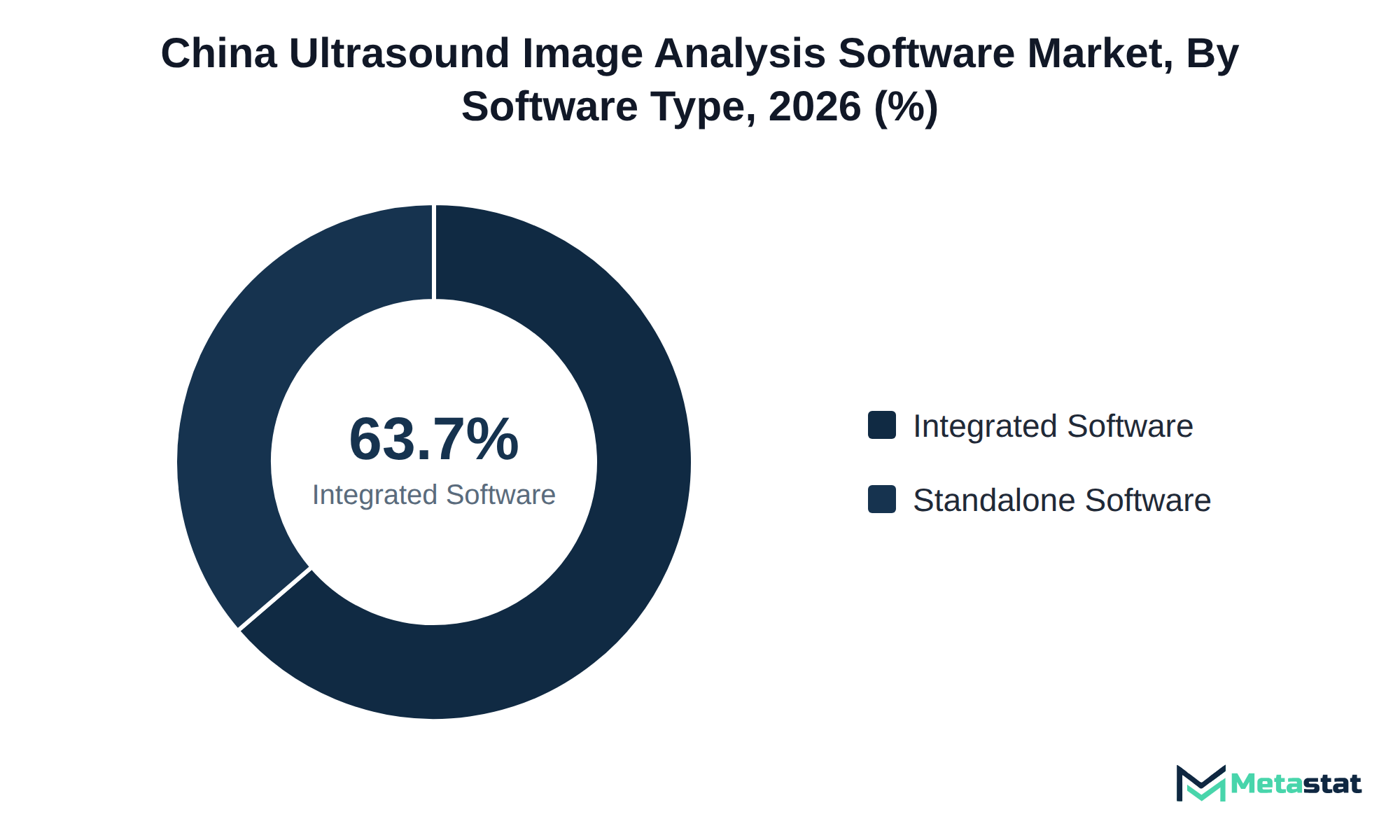
Dominant Segment: Integrated software leads the China Ultrasound Image Analysis Software market, driven by a significant shift towards comprehensive solutions that enhance diagnostic workflows.
Geographic Lead: The Asia-Pacific region, particularly China, holds the largest market share due to substantial investments in healthcare infrastructure and a growing demand for advanced imaging capabilities.
What's Inside: This report provides an in-depth analysis of market dynamics, competitive landscape, and detailed forecasts for various segments, including software types and clinical applications.
Emerging Trends: AI-enabled analysis is rapidly gaining traction, projected to reach USD 149 million by 2033, highlighting a shift towards advanced diagnostic capabilities in healthcare.
Investment Drivers: Increasing hospital investments in advanced diagnostic tools are driving demand for ultrasound image analysis software, emphasizing the importance of accurate and timely diagnoses.
Choose Your License
China Ultrasound Image Analysis Software Market
The China Ultrasound Image Analysis Software market was valued at USD 103.8 million in 2025 and is projected to reach USD 241 million by 2033, growing at a CAGR of 11.1% over the forecast period.
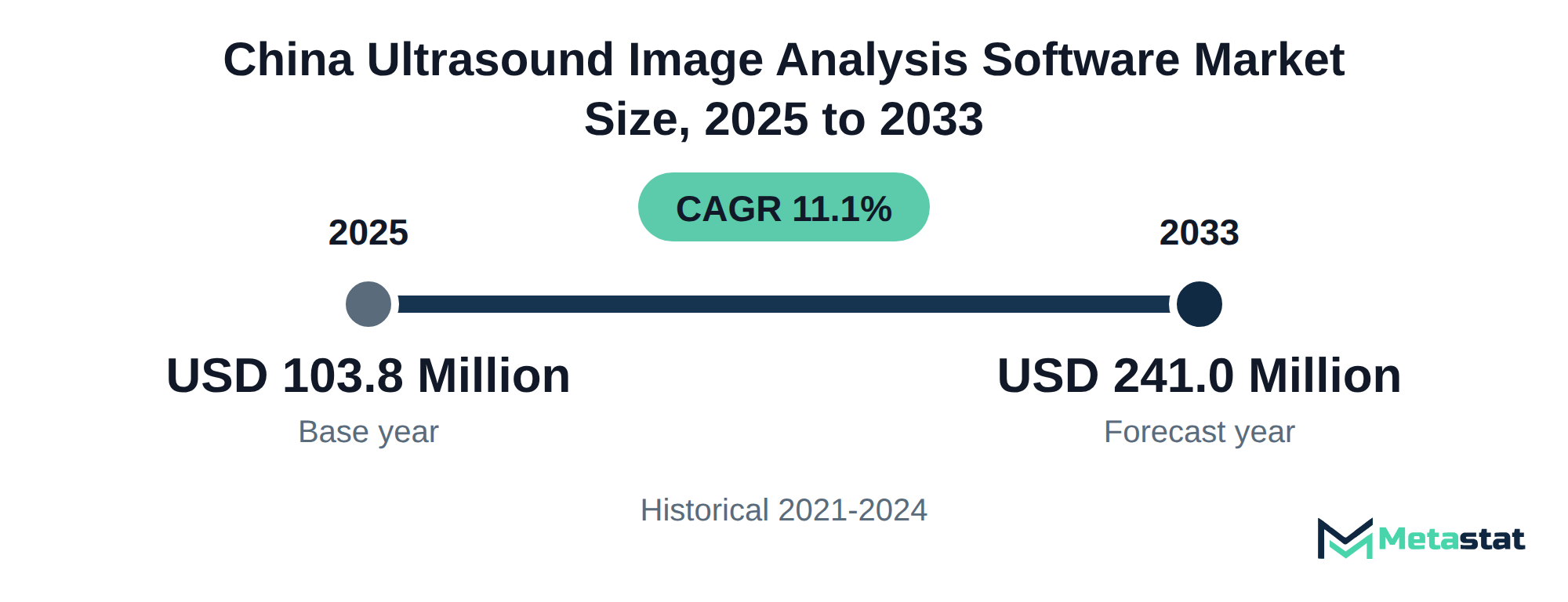
The China Ultrasound Image Analysis Software market encompasses a range of software solutions designed to enhance the analysis of ultrasound images across various clinical applications. Buyers invest in these technologies to improve diagnostic accuracy, streamline workflows, and enhance patient care. The increasing adoption of these solutions stems from growing demand for precise imaging in healthcare settings, driving spending on advanced software capabilities.
Growth within the market is propelled by rising prevalence of chronic diseases and the subsequent demand for effective diagnostic tools. Integrated software is the highest-value segment, reflecting a significant shift towards solutions that combine multiple functionalities. The market's expansion is further supported by advancements in AI-enabled analysis, an application of AI in medical imaging that helps healthcare professionals interpret ultrasound images more effectively.
The Asia-Pacific region holds the largest share of the market, driven by significant investments in healthcare infrastructure and a growing emphasis on improving diagnostic capabilities. The increasing number of hospitals and diagnostic imaging centers in this region contributes to robust demand for ultrasound image analysis software. Buyers in these settings also weigh how the software fits with existing diagnostic imaging equipment. Enhanced diagnostic accuracy is a critical factor influencing purchasing decisions, leading to sustained growth in the market.
The demand for ultrasound image analysis software stems from the increasing emphasis on accurate diagnostics and patient care in healthcare settings. Hospitals, diagnostic imaging centers, and specialty clinics invest significantly in these solutions to improve operational efficiency and enhance imaging capabilities. The market provides software that integrates advanced analytical technologies, enabling healthcare providers to generate precise and timely insights from ultrasound data. This analysis relies on images captured by hardware such as a medical ultrasound probe.
Growth in the China Ultrasound Image Analysis Software market is driven primarily by advancements in artificial intelligence technologies. This segment is projected to see substantial investments, reflecting a shift toward AI-enabled analysis. Among the segments, integrated software represents the highest value, with healthcare facilities prioritizing comprehensive solutions that streamline workflow and improve patient outcomes. The market expansion aligns with rising healthcare expenditure across various regions.
In terms of regional dynamics, the market exhibits a strong presence within Asia, characterized by a growing population and increasing healthcare needs. This region is expected to hold the largest share, supported by ongoing technological innovations and rising demand for advanced imaging techniques. Such developments contribute to overall market growth, positioning it for significant advancements in the coming years.
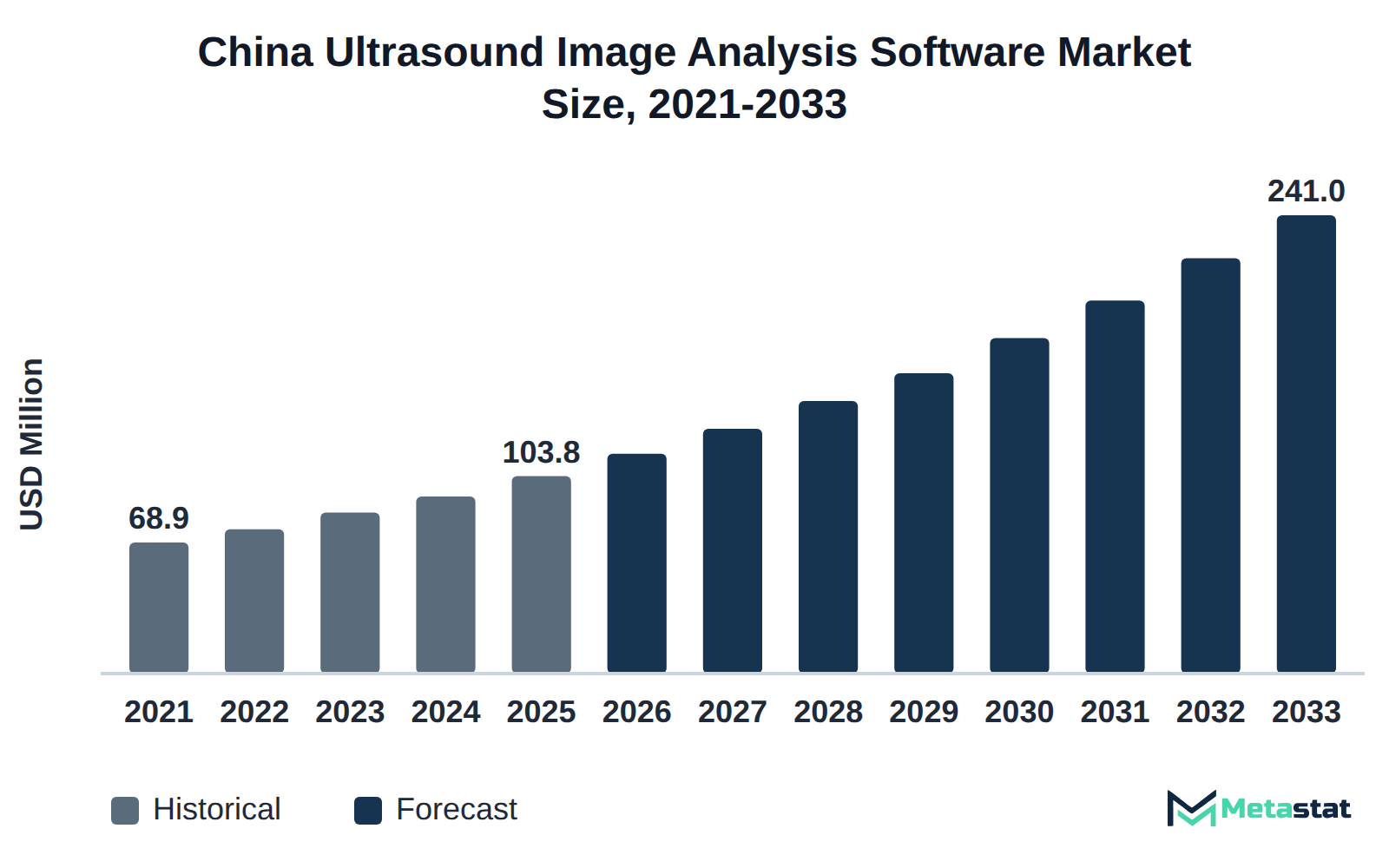
Automated fetal biometry and prenatal image quality control are gaining traction in the China Ultrasound Image Analysis Software market. This shift reflects advancements in artificial intelligence and imaging technology, enhancing the accuracy and efficiency of prenatal assessments. By 2033, AI-enabled analysis is projected to reach USD 149 million, with a compound annual growth rate (CAGR) of 16.3%. This increase in AI applications in fetal biometry allows for more precise measurements, minimizing human error and providing healthcare professionals with reliable data.
In hospitals, where prenatal care is critical, the integration of automated systems significantly streamlines workflows. Automated systems reduce the time required for image interpretation, enabling healthcare providers to focus on patient care. The anticipated growth in the market emphasizes the need for hospitals to adopt these technologies to enhance service offerings and achieve operational efficiencies. Automated fetal biometry and image quality control represent a significant advancement, directly influencing the quality of prenatal healthcare delivery.
Purchasing models for cardiac strain quantification technologies and vendor-independent ultrasound workstations increasingly emphasize flexibility and value. Healthcare providers seek solutions that deliver high-quality imaging without being tied to specific vendors. This trend reflects a significant shift in the China Ultrasound Image Analysis Software market, where buyers prioritize interoperability and cost-effectiveness.
The market shows promising growth, with an expected compound annual growth rate (CAGR) of 11.1% from the base year of 2025 to the forecast end in 2033. Providers benefit from integrating both integrated and standalone software solutions, which expand imaging capabilities. For instance, the integrated software segment is projected to grow from USD 73.1 million in 2026 to USD 142.5 million by 2033. This rise highlights the demand for versatile systems that enhance operational efficiency and diagnostic accuracy.
Contract structures vary, with several institutions pursuing subscription-based models that spread costs over time, while others opt for outright purchases. This diversity in financing options enables facilities to align their expenditures with budget cycles or specific project needs. The strategic selection of pricing models enhances access to advanced imaging technologies, ultimately supporting improved patient outcomes and operational performance in the market.
The integration of AI ultrasound software within local healthcare systems in China presents unique challenges and opportunities. Hospitals, representing a significant end-user group, require software that aligns with established practices while enhancing diagnostic accuracy. The expected growth in the China Ultrasound Image Analysis Software market highlights the urgency for effective deployment and interoperability.
Interoperability is a critical factor for hospitals, which encompass a substantial portion of the market. AI-enabled analysis tools, anticipated to grow from USD 51.8 million in 2026 to USD 149 million by 2033, demonstrate the increasing reliance on advanced technologies. These tools communicate with existing systems, so healthcare practitioners can use AI insights without disrupting workflows. The emphasis on local deployment creates an environment that prioritizes tailored solutions, addressing specific regional healthcare needs.
Successful integration of AI ultrasound software into local practices enhances diagnostic capabilities and operational efficiency. By prioritizing interoperability, hospitals streamline workflows and improve patient outcomes. This focus on local deployment within the China Ultrasound Image Analysis Software market positions hospitals to maximize the benefits of technological advancements while adapting to their unique operational structures.
Chinese hospitals increasingly prioritize the evaluation of integrated versus standalone ultrasound analysis software based on functionality and cost-effectiveness. Integrated software solutions, which streamline operations by combining imaging and analysis into a single platform, are projected to reach USD 142.5 million by 2033, reflecting a compound annual growth rate (CAGR) of 10% from 2026. In contrast, standalone software, while offering flexibility for specific applications, is anticipated to achieve a maximum value of USD 98.5 million during the same period.
Hospitals often prefer integrated systems due to the potential for improved workflow efficiency and reduced operational costs. By adopting a unified solution, hospitals minimize the need for multiple software licenses and decrease training requirements for staff. This integration leads to enhanced patient care through streamlined processes and quicker analysis times. The emphasis on functionality and cost-effectiveness in the China Ultrasound Image Analysis Software market influences purchasing decisions, shaping how hospitals evaluate their software options.
Investment growth within hospitals drives demand for ultrasound image analysis software in China. Healthcare facilities allocate more resources towards advanced diagnostic tools, aiming to enhance patient outcomes and operational efficiencies. This shift towards higher-quality imaging solutions reflects an increasing recognition of the importance of accurate and timely diagnoses. Hospitals upgrading their imaging capabilities result in a rising volume of software purchases. This growth offers significant opportunities for software developers to innovate and cater to evolving healthcare needs.
Heightened focus on patient care further drives software adoption. Hospitals prioritize solutions that streamline workflows and improve diagnostic accuracy, leading to greater spending on ultrasound image analysis software. The increasing embrace of technology in healthcare demonstrates a strong commitment to enhancing service delivery, ultimately benefiting both providers and patients.
The integration of AI-enabled analysis in ultrasound image analysis software significantly enhances diagnostic accuracy and efficiency. Healthcare facilities increasingly adopt this technology to utilize advanced algorithms for image interpretation, resulting in improved clinical outcomes. The shift towards AI-driven solutions reflects a broader trend in medical technology, prioritizing precise diagnostics and timely patient care.
AI-enabled analysis transforms traditional imaging methods, driving demand in the China Ultrasound Image Analysis Software market. This development attracts interest from hospitals and diagnostic imaging centers seeking to improve their diagnostic capabilities. The ability to process complex data and provide rapid insights makes AI-enabled solutions appealing in high-pressure healthcare environments. This technology supports the growing focus on personalized medicine, aligning with the industry's aim for tailored patient treatment plans.
The increasing availability of AI-enabled image analysis tools further stimulates market expansion. As healthcare providers adopt these solutions, competition among software vendors intensifies, leading to further advancements in technology and functionality. This competitive landscape drives ongoing improvements, helping healthcare providers stay equipped with advanced diagnostic tools.
Price sensitivity remains a significant barrier to widespread adoption of ultrasound image analysis software. Hospitals and diagnostic imaging centers frequently face constrained budgets, leading to cautious purchasing decisions regarding new technologies. This financial pressure results in smaller orders and delays in software upgrades, impacting overall market growth. Smaller healthcare facilities particularly experience this challenge, often lacking the financial resources to invest in advanced solutions. This pressure reduces their willingness to adopt advanced software, hindering potential improvements in diagnostic accuracy and efficiency. Increased competition among software providers influences pricing strategies, but many healthcare institutions prioritize cost-effectiveness over technological advancement. This dynamic affects the trajectory of the China Ultrasound Image Analysis Software market, resulting in lower-than-expected adoption rates for innovative products. Addressing this barrier could enhance market engagement and drive future growth through increased investment in software solutions.
The rising costs associated with talent acquisition and retention present a significant challenge for suppliers in the China Ultrasound Image Analysis Software market. The increasing demand for skilled professionals in fields including data analysis and software development drives up hiring expenses, putting additional strain on operational budgets. Suppliers face challenges in balancing competitive salaries with profitability, which influences pricing strategies and product offerings.
In response, companies within the market are exploring partnerships with educational institutions to cultivate a skilled workforce and reduce reliance on external hiring. Several suppliers are investing in training and development programs to enhance the capabilities of existing staff, thereby decreasing turnover and building internal expertise. This strategic focus aims to mitigate the impact of rising talent costs while maintaining the quality and innovation necessary to compete effectively in the market.
Rapid advancements in AI-enabled analysis present a significant opportunity within the market. This growth is driven by demand for enhanced diagnostic capabilities and greater efficiency in clinical workflows. The integration of AI technologies within ultrasound image analysis software allows for improved speed and precision in interpreting complex imaging data. Hospitals and diagnostic imaging centers serve as primary adopters, seeking to improve diagnostic accuracy and patient care standards. Addressing this need with innovative products leads to increased investment in AI-driven solutions, which is expected to influence overall market growth positively. The market is expected to expand as healthcare providers recognize the advantages of adopting AI-enabled analysis tools.
The China Ultrasound Image Analysis Software market is segmented based on Software Type, Analytical Technology, Clinical Application, and End User.
This software is used primarily by hospitals and diagnostic imaging centers to streamline workflow and improve the analysis of ultrasound images. The increasing demand for more efficient diagnostic processes drives growth in this segment. Compared to standalone software, integrated solutions often offer enhanced functionality and tighter integration with existing systems, appealing to buyers seeking comprehensive solutions. Although growth in this segment is strong, standalone software is anticipated to grow faster, with a projected CAGR of 12.7%. The focus on providing integrated solutions capable of supporting complex clinical applications positions this segment uniquely within the China Ultrasound Image Analysis Software market.
The Standalone Software segment is estimated to reach USD 98.5 million by 2033, at a CAGR of 12.7% during the forecast period. This software type focuses on providing specific imaging functionalities that enhance diagnostic capabilities, primarily used in hospitals and specialty clinics. Demand for standalone software is driven by the increasing need for specialized imaging solutions, allowing healthcare providers to access advanced analytical tools without extensive system integration. Unlike Integrated Software, which covers multiple imaging modalities, standalone software delivers targeted functionalities for particular applications. Its faster growth compared to Conventional Analysis technologies, which exhibit a CAGR of 5.4%, highlights the shift towards more adaptable and versatile solutions in the China Ultrasound Image Analysis Software market. Ongoing advancements in imaging technology further contribute to rising adoption rates, positioning standalone solutions as an important choice for healthcare providers.
This segment serves healthcare professionals seeking advanced diagnostic capabilities, particularly in identifying subtle patterns and anomalies in ultrasound images. The demand for AI-enabled solutions stems from the increasing need for accurate and timely diagnostics, especially in fields including cardiology and obstetrics. Significant advancements in machine learning technologies drive this growth, enabling faster processing and interpretation of imaging data. Compared to Conventional Analysis, which shows a CAGR of 5.4%, Ai-Enabled Analysis experiences more rapid expansion, reflecting its higher effectiveness and appeal to end users. Hospitals and diagnostic imaging centers exhibit a strong preference for AI solutions, recognizing their potential to enhance clinical outcomes and operational efficiency.
Conventional Analysis segment is estimated to reach USD 92 million by 2033, at a CAGR of 5.4% during the forecast period. This analytical technology focuses on traditional methods of evaluating ultrasound images, primarily used in hospitals, diagnostic imaging centers, and specialty clinics. Demand for this segment arises from the ongoing reliance on established diagnostic practices, which appeal to practitioners familiar with conventional techniques. Compared to the AI-Enabled Analysis segment, which anticipates a CAGR of 16.3%, Conventional Analysis demonstrates slower growth due to reliance on more traditional approaches. Cost considerations associated with transitioning to advanced technologies influence adoption rates, particularly among facilities with budget constraints. The market recognizes the essential role of Conventional Analysis in maintaining diagnostic accuracy, even while newer technologies emerge.
Valued at USD 31.5 million in 2026, this segment is projected to reach USD 63.1 million by 2033, reflecting a CAGR of 10.4% during the forecast period. Focused on the assessment and management of cardiovascular conditions, this segment serves hospitals and diagnostic imaging centers that prioritize cardiac health diagnostics. The growing prevalence of heart diseases significantly influences demand within this segment, driving investment in advanced ultrasound technologies. Compared to other clinical applications, the cardiology segment experiences steady growth, although it lags behind the obstetrics and gynecology segment, which shows a CAGR of 12%. The integration of AI-driven analytical tools enhances diagnostic capabilities in cardiology, promoting better patient outcomes and increasing urgency for adoption among end users. Cardiac imaging software, such as cardiovascular image fusion software, forms an adjacent category. Evolving healthcare needs and increasing demand for accurate cardiac assessments position this segment as an essential component of the China Ultrasound Image Analysis Software market.
The Obstetrics And Gynecology segment is estimated to reach USD 66.5 million by 2033, at a CAGR of 12% during the forecast period. This segment primarily focuses on prenatal diagnostics and maternal health monitoring, serving hospitals and specialized clinics. Rising awareness of maternal health and advancements in ultrasound technology significantly drive segment demand. Compared to other clinical applications, the Obstetrics And Gynecology segment exhibits faster growth, attributed to increasing pregnancy rates and the need for comprehensive prenatal care. Healthcare institutions prioritize efficient solutions for patient monitoring, emphasizing the importance of timely and accurate diagnostics. Consequently, the adoption of ultrasound image analysis software in this segment aligns with broader trends of enhancing patient outcomes and optimizing clinical workflows within the China Ultrasound Image Analysis Software market.
Abdominal Imaging segment is expected to reach USD 38.4 million by 2033. This segment primarily focuses on the imaging of organs located in the abdomen, serving hospitals and diagnostic imaging centers that require detailed visualization for diagnoses. The growing prevalence of abdominal disorders, including liver diseases and gastrointestinal abnormalities, generates robust demand for advanced imaging solutions. Treatment of liver diseases is covered separately in the liver disease therapeutics industry. The segment demonstrates a relatively slower growth rate compared to other clinical applications, with a CAGR of 10.4%. This lower growth rate contrasts with the Obstetrics and Gynecology segment, which is projected to grow at a CAGR of 12%. The market benefits from technological advancements, particularly in AI-enabled analysis, which enhances diagnostic accuracy and operational efficiency.
Breast And Thyroid Imaging segment is projected to grow at a CAGR of 13.3% during the forecast period. This segment focuses on diagnostic imaging for breast and thyroid conditions, primarily by healthcare professionals in hospitals and diagnostic imaging centers. The increasing prevalence of breast and thyroid disorders drives demand for advanced imaging solutions, highlighting a significant market force. Breast imaging also includes mammography, which is covered in the breast cancer mammography screening industry. Compared to other clinical applications, Breast And Thyroid Imaging features a faster growth rate, largely influenced by rising awareness regarding early detection and treatment options. The rising adoption of AI-enabled analysis technologies in this segment enhances diagnostic accuracy, setting it apart from others including Abdominal Imaging, which experiences slower growth. Innovations and increased funding for healthcare technologies further support expansion in this area, reinforcing its importance within the China Ultrasound Image Analysis Software market.
Vascular Imaging focuses on the assessment of blood vessels and related structures through ultrasound technology. This application caters primarily to hospitals and diagnostic imaging centers, where accurate visualization of vascular conditions is essential for effective diagnosis and treatment planning. Demand for this segment is driven by the increasing prevalence of vascular diseases, prompting healthcare facilities to enhance their imaging capabilities. Device-based treatment for these conditions is covered in the peripheral vascular devices industry. Compared to other clinical applications including cardiology and obstetrics and gynecology, Vascular Imaging presents distinct challenges, including the need for specialized training among practitioners and potential technological limitations in achieving the desired imaging resolution. The segment's growth trajectory, influenced by advancements in imaging technology and rising healthcare expenditure, is expected to strengthen long-term demand in the China Ultrasound Image Analysis Software market.
Musculoskeletal Imaging involves using ultrasound technology to assess muscles, tendons, and joints, providing critical diagnostic information for various musculoskeletal disorders. This segment primarily serves hospitals and specialty clinics focused on orthopedic and rehabilitation services. Increasing incidences of musculoskeletal system disorders drive demand for advanced imaging solutions, highlighting the importance of accurate diagnostics in treatment planning. Compared to other clinical applications, including Cardiology and Obstetrics and Gynecology, Musculoskeletal Imaging presents unique challenges due to varying levels of technological adoption and specific buyer needs. While other segments experience faster growth rates, Musculoskeletal Imaging maintains steady demand, reflecting the continuing relevance of ultrasound technology in non-invasive assessments. Enhanced accuracy through innovative imaging techniques supports market expansion, with stakeholders emphasizing the development of tailored solutions to better meet clinician requirements.
Spanning various medical applications including urology, ophthalmology, and lung imaging, this segment enhances diagnostic capabilities. Medical professionals apply ultrasound image analysis software to improve patient outcomes and streamline diagnostic processes. Increasing demand for non-invasive imaging techniques drives growth in this segment, particularly among diagnostic imaging centers and specialty clinics. The technology's ability to provide rapid and accurate assessments contributes to its appeal. Compared to other clinical applications, this segment experiences slower growth, reflecting a more niche market focus, yet offers significant potential for advancements in imaging technology. Ongoing innovations in AI-enabled analysis influence future adoption rates, enhancing diagnostic precision in these specialized fields. Related developments for eye care are covered in the AI in ophthalmology industry. The China Ultrasound Image Analysis Software market evolves, driven by the need for advanced imaging solutions across diverse medical disciplines.
Valued at USD 81 million in 2026, this segment is projected to reach USD 157.1 million by 2033, at a CAGR of 9.9% during the forecast period. Hospitals use ultrasound image analysis software primarily for diagnostic imaging and patient monitoring, enhancing clinical decision-making and workflow efficiency. Demand in this segment is driven by the increasing patient population requiring imaging services and the growing emphasis on early diagnosis. Compared to other segments, hospitals face a slower growth rate due to higher operational costs and regulatory constraints. Diagnostic Imaging Centers, with a projected CAGR of 14.1%, typically exhibit faster expansion due to their focused service offerings and technology upgrades. The China Ultrasound Image Analysis Software market reflects significant potential for hospitals, particularly with advancements in AI-enhanced diagnostic tools that improve patient outcomes while enhancing operational efficiencies.
Estimated to reach USD 42.6 million by 2033, the Diagnostic Imaging Centers segment experiences a robust CAGR of 14.1% during the forecast period. This segment focuses on providing advanced imaging solutions for a variety of medical conditions, serving healthcare providers who specialize in diagnostic imaging services. Remote image interpretation, covered in the teleradiology industry, is a related service area for these providers. The increasing demand for accurate and timely diagnostic tools drives growth within this segment. Technological advancements in ultrasound imaging, particularly AI-enabled analysis, significantly impact service delivery efficiency and diagnostic accuracy. Compared to other segments, the Diagnostic Imaging Centers segment exhibits faster growth, supported by a growing preference for specialized imaging services among healthcare professionals. Its projected CAGR exceeds that of hospitals, which is 9.9%. The emphasis on precision in diagnostics leads to increased investments in ultrasound technology, driving further demand in the market.
The Specialty Clinics segment is expected to reach USD 29.6 million by 2033. These clinics use ultrasound image analysis software for specialized diagnostic purposes, often in areas like dermatology, pain management, and sports medicine. Increased demand for accurate diagnostic tools drives growth in this segment, with practitioners seeking advanced capabilities to enhance patient outcomes. Compared to hospitals, specialty clinics typically operate with a focus on niche markets, leading to a different pricing strategy and a unique selection of software features. This segment presents higher growth potential, supported by the increasing prevalence of outpatient services and the demand for precise imaging solutions. The anticipated CAGR of 12.4% reflects strong investment in technology upgrades and the integration of AI-enabled analysis tools in specialized practices. This growth contributes significantly to the overall dynamics of the China Ultrasound Image Analysis Software market.
Projected to grow at a CAGR of 12.4% during the forecast period, this sub-segment provides advanced ultrasound image analysis solutions for educational and research purposes. Academic and research institutions use this software to enhance diagnostic accuracy and facilitate medical training. The increased focus on research and development in the medical field drives demand for innovative ultrasound technologies. Compared to other end-user segments, this sub-segment experiences higher growth rates, reflecting ongoing investment in educational programs and medical research initiatives. While hospitals and diagnostic imaging centers focus primarily on immediate clinical applications, academic institutions prioritize long-term advancements and knowledge creation, positioning themselves uniquely within the China Ultrasound Image Analysis Software market.
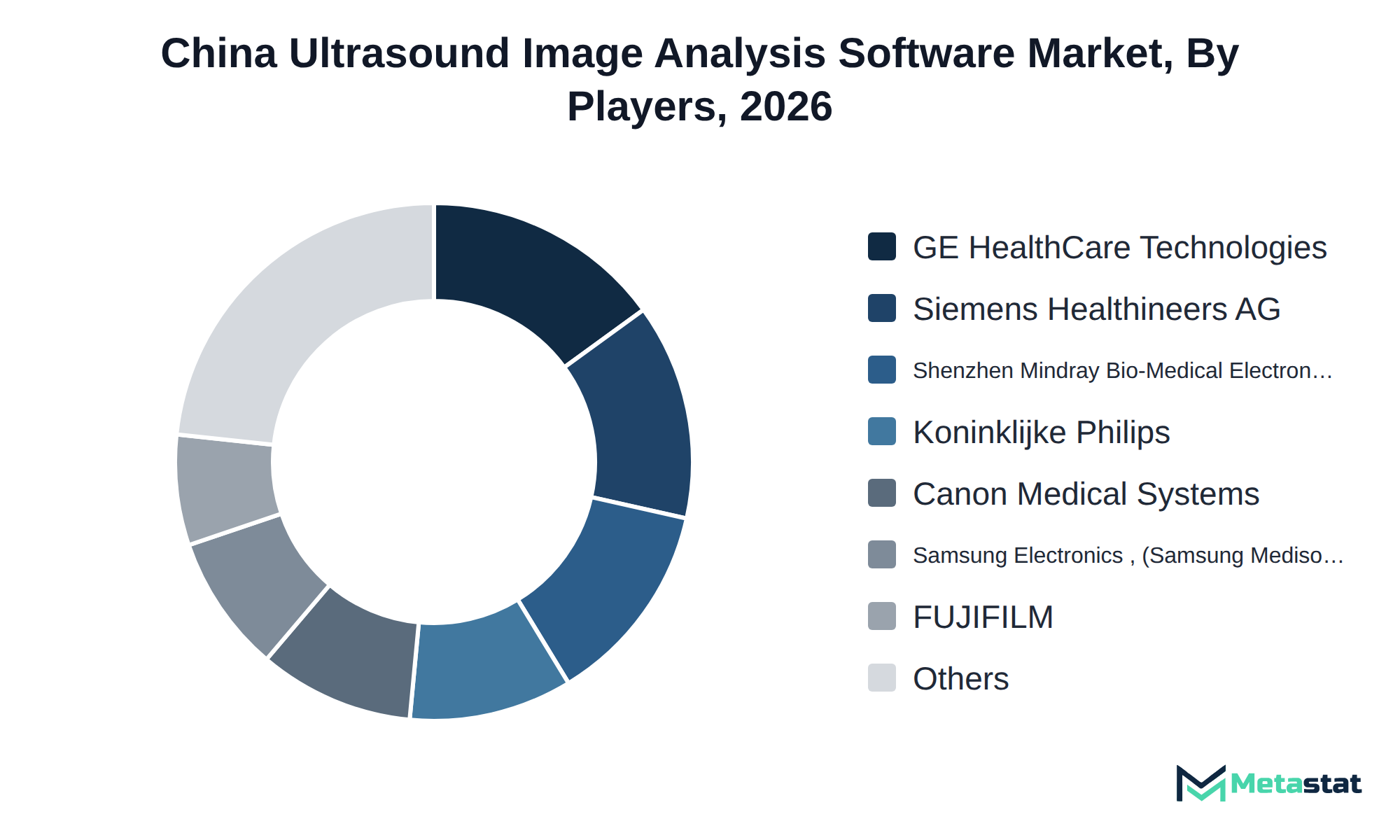
Companies offering varying solutions compete in the China Ultrasound Image Analysis Software market. Major players include Shenzhen Mindray Bio-Medical Electronics Co., Ltd., GE HealthCare Technologies Inc., and Koninklijke Philips N.V., each focusing on integrated software solutions and innovative analytical technologies. This competitive environment emphasizes the importance of price sensitivity, certification compliance, and the ability to customize offerings to meet specific buyer needs.
Shenzhen Mindray Bio-Medical Electronics Co., Ltd. excels in integrated software solutions designed for hospitals and diagnostic imaging centers. GE HealthCare Technologies Inc. prioritizes advanced analytical capabilities, particularly in AI-enabled analysis, appealing to institutions seeking advanced technology. Koninklijke Philips N.V. focuses on offering a comprehensive ecosystem that supports various end users, including specialty clinics and academic institutions.
The market features distinct segments based on software type, analytical technology, clinical application, and end user. Standalone software providers, including Canon Medical Systems Corporation and Siemens Healthineers AG, cater to specific applications like obstetrics and gynecology, offering specialized tools that differentiate their products from integrated solutions. Buyers select offerings based on the strength of service support and the potential for integration with existing systems.
Emerging players like VINNO Technology (Suzhou) Co., Ltd. and Shenzhen Wisonic Medical Technology Co., Ltd. focus on providing competitive pricing and tailored services to attract smaller diagnostic imaging centers and specialty clinics. This strategic positioning supports a competitive environment where diverse offerings and specialized solutions contribute to the growth of the China Ultrasound Image Analysis Software market.
Growth in China's ultrasound image analysis software market relies on several developments across various segments. Expanded adoption of AI-enabled analysis technology will drive increased efficiency in imaging processes. This segment anticipates significant growth, from USD 51.8 million in 2026 to USD 149 million by 2033, reflecting robust demand for advanced analytical capabilities. An increase in investments in integrated software solutions will support market expansion, with projections indicating a rise from USD 73.1 million in 2026 to USD 142.5 million by 2033. Hospitals, a major end-user, will significantly contribute to this demand, with revenues projected to grow from USD 81 million in 2026 to USD 157.1 million by 2033. However, potential risks including regulatory challenges could impede market progress, particularly affecting the development and deployment of innovative software solutions. Overall, the China Ultrasound Image Analysis Software market is positioned for substantial growth, driven by technological advancements and increasing healthcare demands.
By Software Type: Integrated Software, Standalone Software
By Analytical Technology: Ai-Enabled Analysis, Conventional Analysis
By Clinical Application: Cardiology, Obstetrics And Gynecology, Abdominal Imaging, Breast And Thyroid Imaging, Vascular Imaging, Musculoskeletal Imaging, Others (Urology, Ophthalmology, Lung Imaging)
By End User: Hospitals, Diagnostic Imaging Centers, Specialty Clinics, Academic And Research Institutions
The report strategically identifies and profiles the key market players and analyses their core competencies in each sub-segment of the Ultrasound Image Analysis Software market.
Report Attributes | Details |
Study Period | 2021-2033 |
Base Year | 2025 |
Estimated Year | 2026 |
Forecast Period | 2026-2033 |
Historical Period | 2021-2025 |
Growth Rate | CAGR 11.1% from 2026 to 2033 |
Revenue Unit | USD million |
Segmentation | By Software Type, Analytical Technology, Clinical Application, End User, and Region |
Find answers to common questions about this report
The Ultrasound Image Analysis Software market size was valued at USD 103.8 million in 2025.
The market is projected to grow at a CAGR of 11.1% during the forecast period from 2026 to 2033.
Integrated Software leads the Ultrasound Image Analysis Software market with a projected value of USD 142.5 million by 2033. This segment outpaces Standalone Software, which is expected to reach USD 98.5 million in the same year.
Investment growth within hospitals drives demand for ultrasound image analysis software. Healthcare facilities allocate more resources towards advanced diagnostic tools, while the integration of AI-enabled analysis enhances diagnostic accuracy and efficiency, attracting interest from hospitals and diagnostic imaging centers seeking to improve their capabilities.
Rapid advancements in AI-enabled analysis enhance diagnostic capabilities and efficiency in clinical workflows, driving adoption in the ultrasound image analysis software market. Hospitals and diagnostic imaging centers increasingly recognize the benefits of these innovative solutions, leading to greater investment and market growth.
The Ultrasound Image Analysis Software market is estimated to reach a valuation of USD 241 million by 2033.
Key players operating in the Ultrasound Image Analysis Software market include Shenzhen Mindray Bio-Medical Electronics Co., Ltd., GE HealthCare Technologies Inc., Koninklijke Philips N.V., Siemens Healthineers AG, Canon Medical Systems Corporation, FUJIFILM Holdings Corporation, and Wuhan Youkey Bio-Medical Electronics Co., Ltd.
The AI-enabled analysis segment is projected to achieve a compound annual growth rate of 16.3% from 2026 to 2033, increasing from USD 51.8 million to USD 149 million.
The Diagnostic Imaging Centers segment is expected to reach USD 42.6 million by 2033, reflecting a compound annual growth rate of 14.1%.
Suppliers face rising costs associated with talent acquisition and retention, impacting operational budgets and pricing strategies.
The analysts below cover Medical Devices research at Metastat Insights.
LEAD ANALYST
Utkarsh Khirodkar is a Lead Market Research Analyst at MetaStat Insight, specializing in market intelligence, technology sector assessments, and competitive strategy.

LEAD PRINCIPAL ANALYST, PHARMA AND HEALTHCARE
Food and Beverages · Healthcare · Healthcare IT · Medical Devices
Ajay Devgire is the Lead Healthcare Analyst at MetaStat Insight, leading strategic research and market intelligence initiatives across the global healthcare domain.

SENIOR RESEARCH ANALYST
Biotechnology · Food and Beverages · Medical Devices · Packaging
Snehal Pasalkar is a Research Analyst at MetaStat Insight, operating at the intersection of life sciences research, competitive strategy, and market intelligence.
Assessing 200mm wafer transition schedules and substrate supply bottlenecks requires precise technical intelligence. MetaStat Insight supplied an actionable breakdown comparing planar and trench MOSFET architectures across automotive and industrial drive markets. The regional capacity estimates for Asia-Pacific foundries helped clarify lead-time uncertainties during our strategic planning session. When we needed additional clarification on high-purity raw material sourcing, their analyst team responded with helpful context within twenty-four hours.
Tracking maintenance cycle demand for secondary flight display units and terrain collision avoidance systems across regional jet fleets involves complex aftermarket dynamics. MetaStat Insight provided practical analysis separating airline retrofit programs from OEM forward-fit production schedules in North America and Southeast Asia. The supplier matrix highlighted component obsolescence timelines without resorting to vague generalizations. The dataset served as a dependable reference during our annual program review meetings.
Evaluating secondary resin quality across post-consumer packaging streams requires reliable technical segmentation. MetaStat Insight delivered an objective assessment that distinguished between extrusion-grade flake pricing and optical sorting throughput limitations across Western Europe. The competitive positioning breakdown for licensed depolymerization technology providers answered several questions during our feedstock feasibility audit. Their team clarified regional trade restrictions on mixed plastic scrap quickly when our team submitted follow-up requests.
Explore related market intelligence reports worth reading alongside this one.