
LEAD ANALYST
Utkarsh Khirodkar is a Lead Market Research Analyst at MetaStat Insight, specializing in market intelligence, technology sector assessments, and competitive strategy.

Promotional Products Market Size, Share, By Type (Apparel & Textiles, Food & Beverage, Toys, Home & Living, Beauty & Health, Office Supplies & Writing, and Others), By Distribution Channel (Direct Sales, Online Stores, Distributors, Wholesalers, Specialty Retail Stores), By End-User (Corporate & Business Sector, Education, Government & Public Sector, Hospitality, Sports & Entertainment, and Others), By Price Range (Low-Cost Promotional Products, Mid-Range Promotional Products, Premium Promotional Products, Luxury, and Executive Gifts), Industry Analysis, Growth, Trends, and Forecast, 2026-2033
Report ID
MSI-4007
Published
January, 2026
Updated
Pages
234 Pages
Format
Report Details
Choose Your License
Promotional Products Market
Global Promotional Products market size is valued at USD 84.4 billion in 2025 and projected to grow at a CAGR of 3.8% during the forecast period, reaching USD 113.7 billion by 2033.
The global promotional products market is a company that will transform in the next two years, offering brands innovative ways of connecting with individuals directly and intentionally. It will be centered on tangible products branded pens, personalized cups, wearable items, tiny gadgets that people will carry into daily routines. Designers will produce items of real utility, so the recipient will engage with the brand in a repeated way, rather than in a one-off ad glance. In the near future, the global promotional products market will unlock by marrying old-school panache to subtle digital winks. A notebook will include not only a printed logo but also a QR trigger that leads to a helpful video or one-off promotion. The customers will feel that the products they receive are thought through, not mass-produced din. The affective value will increase because people will interact these items in meaningful ways a monogrammed travel cup as part of a morning walk or a tote bag with a brand becoming a integral part of a shopping outing. That individual interaction will be a whisper but a powerful loyalty driver. Firms producing these items will start to provide specialty small orders, tailored with a human touch.
Instead of drenching everyone in the same giveaways, they will tailor quantities and designs for specific groups employees, repeat customers, event attendees. It will be more human, more intentional. A boutique company could request leather keychains with a fresh slogan stamped on them, or a fresh company could choose sleek power banks imprinted with a streamlined icon. The manufacture will be more customized, less mass. At the same time, fulfillment operations will be quicker and more versatile. Orders will be made and delivered in a more rapid fashion, and design elements may be customized as late as the last minute. Businesses will enjoy the ability to change direction, for example, changing the text on an order of T-shirts if there is a last-minute campaign change. It will offer an entirely new measure of flexibility to the business.
A major new element will be responsible purchasing. Shoppers will seek out recycled material, re-useable packaging, and green print. A seed-plant card that will develop herbs when planted will be more than a trick customers will feel that they are doing something good with the branded gift. And smaller manufacturers who will embrace eco-friendship craftsmanship will be rewarded for the real care that they radiate.
The boundaries of what constitutes promotional products will broaden. At events, not only will flyers and giveaways be distributed, but also digital-physical combinations USBs containing promo material and augmented reality triggers. Those that will spend on interactive packaging will be noticed automatically, not necessarily by design.
Community campaigns will tap this market too. Local charities and schools will place orders for customized water bottles or blankets that will create a sense of ownership. Recipients will feel recognized, not just targeted. This people-first approach will drive the industry forward as more organizations realize that giving something useful will create silent champions.
Ultimately, this marketplace will become not about logos on products but about experiences associated with products. A branded notebook would have questions to spur personal reflection; a coffee cup may have a basic recipe printed within. People receivers would pass these products naturally, sharing the message without being requested because they will value the act. All this will make the global promotional products market stay alive, creative, and close to people's lives, but still practical and refreshingly personal.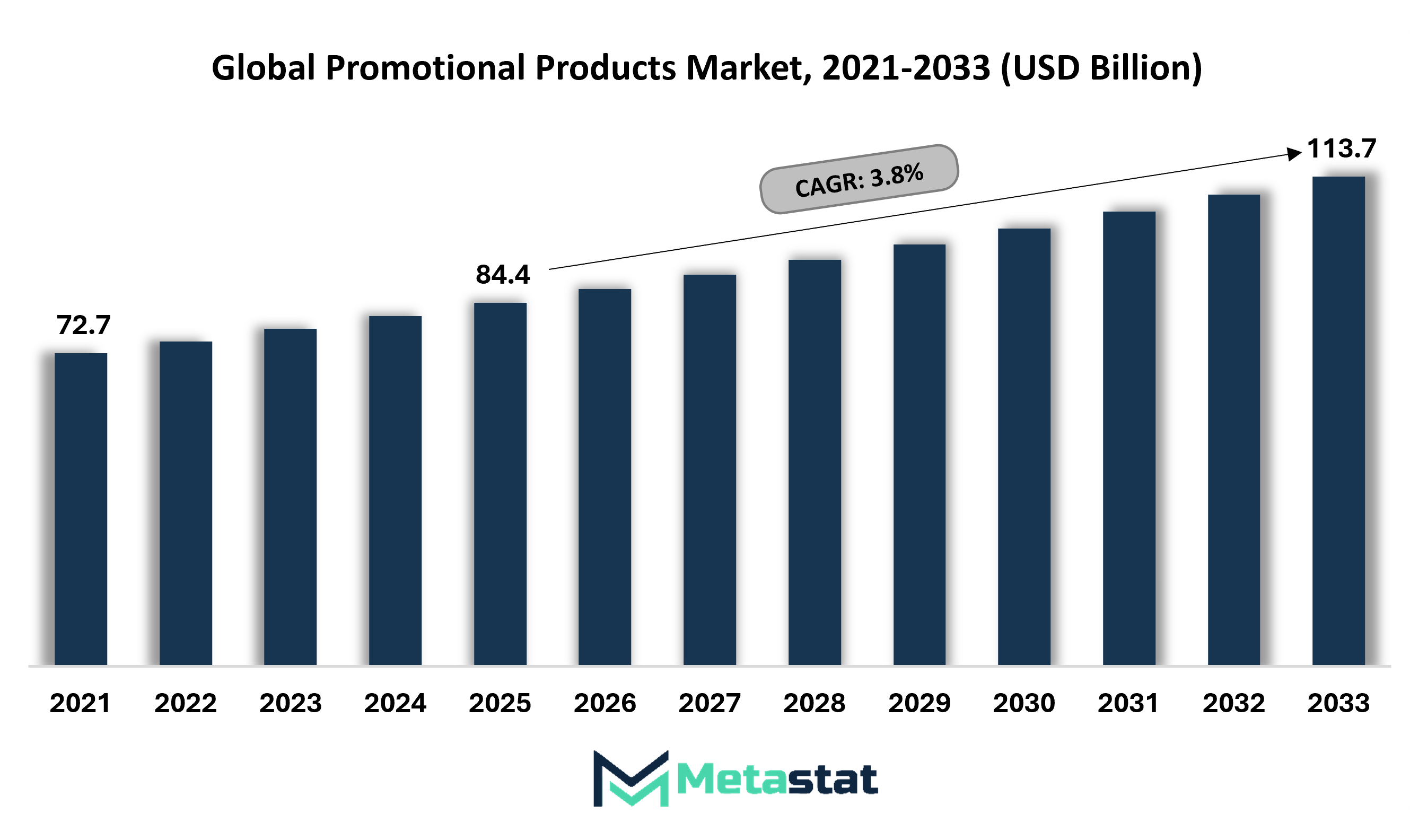
The global promotional products market is expected to grow steadily in the next several years because companies are making brand visibility and customer engagement a top priority than ever before. Companies across various industries are willing to invest more in promotional products that will help them build more meaningful connections with audiences. Promotion products have been a reliable mean for a long time, but nowadays the market is moving toward more customized and innovative products that reflect the changing tastes of consumers. One of the major movers of this growth is the increasing need for personal and environmental promotional products.
Organizations are realizing that customers are more likely to engage with brands that they identify with, most especially sustainability. Products having recycled content, reusable products, and longer life are gaining traction. Not only do they contribute to environmentally friendly programs, but they also help companies differentiate themselves from competitors in a competitive marketplace. Personalized products, facilitated through advanced printing technologies, allow companies to create unique products that make more of an impression in campaigns and events. But the market has no guarantees. One of the most significant concerns is raw material prices volatility, which directly affects manufacturing expenses and prices. Firms tend to have a challenge maintaining continuity in promotional strategies with fluctuating costs. Environmental concerns over single-use or low-value goods are also increasingly leading to regulation of the industry.
This is compelling firms to re-evaluate their position and pursue solutions that balance affordability and environmental factors. In the years ahead, digital printing and on-demand personalization technologies will open up new opportunities for the Global Promotional Products industry. These technologies will make it possible for companies to produce and create promotional products faster, in smaller batches, and with more customization options. This responsiveness will allow brands to move quickly in reaction to market trends and consumer preferences, keeping their promotional activity fresh and engaging.
The future of the global promotional products market will also be shaped by how far companies close the gap of sustainability without being cost-inhibitive. Companies that will work to create products that are useful, long-lasting, and sustainable in terms of their materials will gain a competitive edge. With the development in technology, enhancing digital platforms through creative marketing will revamp the way brands connect with their consumers.
The global promotional products market is gaining strong momentum, with projections showing steady growth across multiple categories. By 2025, this market is expected to be valued at USD 9,659.47 million, reflecting the rising demand from businesses that see promotional items as a practical way to strengthen their brand presence. Companies in different sectors are using these products not only for marketing but also as a way to build loyalty and connect with their audiences on a more personal level.
By type, the global promotional products market is segmented into several categories, each playing a key role in shaping the industry’s future. Apparel & Textiles segment is valued at USD 27.9 billion in 2026 and is projected to reach USD 38.1 billion by 2033, at a CAGR of 4.6% during the forecast period.
Toys segment is valued at USD 6.8 billion in 2026 and is projected to reach USD 8 billion by 2033, at a CAGR of 2.3% during the forecast period.
Looking ahead, the global promotional products market will continue to expand as technology and consumer expectations change. Personalized products will grow in importance, with businesses using advanced printing methods and digital platforms to create items tailored to specific audiences. Sustainability will also play a major role, with eco-friendly materials becoming a standard for many companies looking to appeal to environmentally conscious buyers.
In 2025, the market’s growth will be driven by innovation, creativity, and a stronger focus on customer experience. Businesses will increasingly use promotional products not just as giveaways but as strategic tools to tell their story, strengthen relationships, and maintain a lasting impression in a competitive environment.
Direct Sales segment is projected to reach USD 35.3 billion by 2033, at a CAGR of 2.6% during the forecast period.
The global promotional products market is shaping the way businesses connect with their audiences, and its growth shows no sign of slowing down. Companies across industries are realizing that tangible items create lasting impressions, and this demand will continue to drive the market forward in the years ahead. Whether it’s a branded pen, a customized tote bag, or a unique corporate gift, promotional products have a way of keeping a brand visible in the daily lives of consumers. As the market develops, its distribution channels are evolving to meet new customer preferences and technological changes.
By distribution channel, the global promotional products market is divided into direct sales, online stores, distributors or wholesalers, and specialty retail stores. Direct sales will remain a strong part of the market because many businesses prefer personal interaction and tailored solutions when ordering products. This channel allows companies to discuss specific needs with suppliers, ensuring that the promotional items align perfectly with their branding goals. At the same time, online stores are gaining more attention, driven by the convenience and speed they offer. Businesses can browse catalogs, compare prices, and place bulk orders with just a few clicks, making online channels a key driver of future growth.
Distributors and wholesalers also play a vital role, particularly for companies looking for cost efficiency. They allow businesses to access a wide variety of products at competitive prices, which is crucial for large campaigns or events that need high volumes of merchandise. Specialty retail stores, although a smaller channel, will still hold importance because they often offer unique and high-quality products that can help brands stand out. These stores appeal to companies aiming to make a strong impact with premium promotional items.
Looking ahead, the global promotional products market will see increasing integration of technology in both product offerings and distribution. For example, items with smart features, eco-friendly materials, and digital customization options will become more common. Online platforms will likely adopt advanced tools such as augmented reality to help businesses visualize their logos on products before making a purchase. Additionally, direct sales teams will use data-driven insights to provide more personalized recommendations to clients.
This market will also benefit from the growing focus on sustainability. Many businesses will look for eco-conscious products that reflect their commitment to environmental responsibility, creating new opportunities for manufacturers and retailers alike. As distribution channels continue to adapt to digital innovation and customer preferences, the global promotional products market will remain a powerful tool for building connections and driving brand recognition worldwide.
Corporate & Business Sector segment is projected to reach USD 50 billion by 2033.
The global promotional products market will continue to grow steadily as businesses and organizations recognize the power of personalized marketing. These products, often small but impactful, help build connections with audiences by creating a sense of familiarity and trust. Looking ahead, the market will expand as technology and creativity combine to make promotional products more appealing, practical, and tailored to the needs of various sectors.
In the corporate and business sector, companies will continue to invest heavily in promotional items as a way to boost brand awareness and customer loyalty. From simple stationery to tech gadgets, businesses will look for items that reflect their values and connect with their clients on a personal level. The demand for sustainable and eco-friendly items will rise sharply, as organizations aim to showcase their commitment to the environment while promoting their brand.
Education will remain a key segment driving demand within the global promotional products market. Schools, colleges, and training institutions will continue to use custom products like pens, bags, and apparel to build a sense of belonging among students and staff. With the rise of online learning, even digital-friendly products such as branded USB drives or accessories for virtual classrooms will gain more importance.
In the government and public sector, promotional products will be used more often to spread information and encourage public participation in programs and campaigns. From health awareness drives to community events, items like reusable bags, calendars, or drinkware will remain popular tools for communication and engagement.
The hospitality industry will also play a major role in shaping the future of the market. Hotels, restaurants, and travel-related businesses will rely on promotional items to enhance customer experiences and strengthen their brand identity. Personalized keychains, tote bags, or tech-based accessories will create lasting memories for guests, encouraging loyalty and repeat visits.
Sports and entertainment will keep driving innovation in this market. Fans want merchandise that feels unique and connected to their favorite teams, events, or shows. From limited-edition apparel to interactive products that integrate technology, this segment will see steady growth as experiences become more immersive.
Other areas, including healthcare and non-profit organizations, will also continue to explore how promotional items can strengthen their message and support their goals. As customization options grow and production becomes faster and more affordable, the global promotional products market will move toward a future where personalization and practicality go hand in hand, creating value for every end-user segment.
The global promotional products market is steadily shaping the way businesses connect with their customers, offering innovative ways to build recognition and loyalty. As companies continue to look for meaningful strategies to leave a lasting impression, this market is expected to grow even further in the coming years. With products that range from customized apparel and stationery to tech gadgets and eco-friendly items, brands are finding new ways to engage their audiences while staying relevant in a fast-changing business environment.
Geographically, the global promotional products market is spread across North America, Europe, Asia-Pacific, South America, and the Middle East & Africa, with each region contributing uniquely to its growth. North America, driven by the U.S., Canada, and Mexico, remains one of the strongest markets due to high demand from both large corporations and small businesses that rely on promotional products for brand visibility. Europe, which includes the UK, Germany, France, Italy, and the Rest of Europe, continues to expand its share by combining traditional promotional methods with digital tools to create more targeted campaigns.
Asia-Pacific is emerging as one of the most promising regions, with countries such as India, China, Japan, and South Korea leading the way. The rapid expansion of e-commerce, along with the increasing popularity of personalized products, is expected to push this region toward significant growth in the coming years. Companies in these markets are not only producing goods for local businesses but are also exporting to meet global demands. South America, including Brazil, Argentina, and the Rest of South America, is witnessing steady development as more businesses invest in cost-effective marketing solutions to stay competitive.
In the Middle East & Africa, countries such as those within the GCC, along with Egypt, South Africa, and the Rest of the region, are seeing rising opportunities. The demand here is fueled by growing business activities, international events, and an increasing focus on brand identity. This region, while smaller compared to others, has the potential for rapid growth as businesses look for creative promotional strategies that fit their unique markets.
Looking forward, technology will play a key role in shaping the future of the global promotional products market. From AI-driven personalization to eco-friendly materials that meet sustainability goals, the industry will continue to evolve. As businesses around the world adapt to changing consumer preferences, promotional products will remain a powerful and cost-effective way to connect, communicate, and create lasting impressions.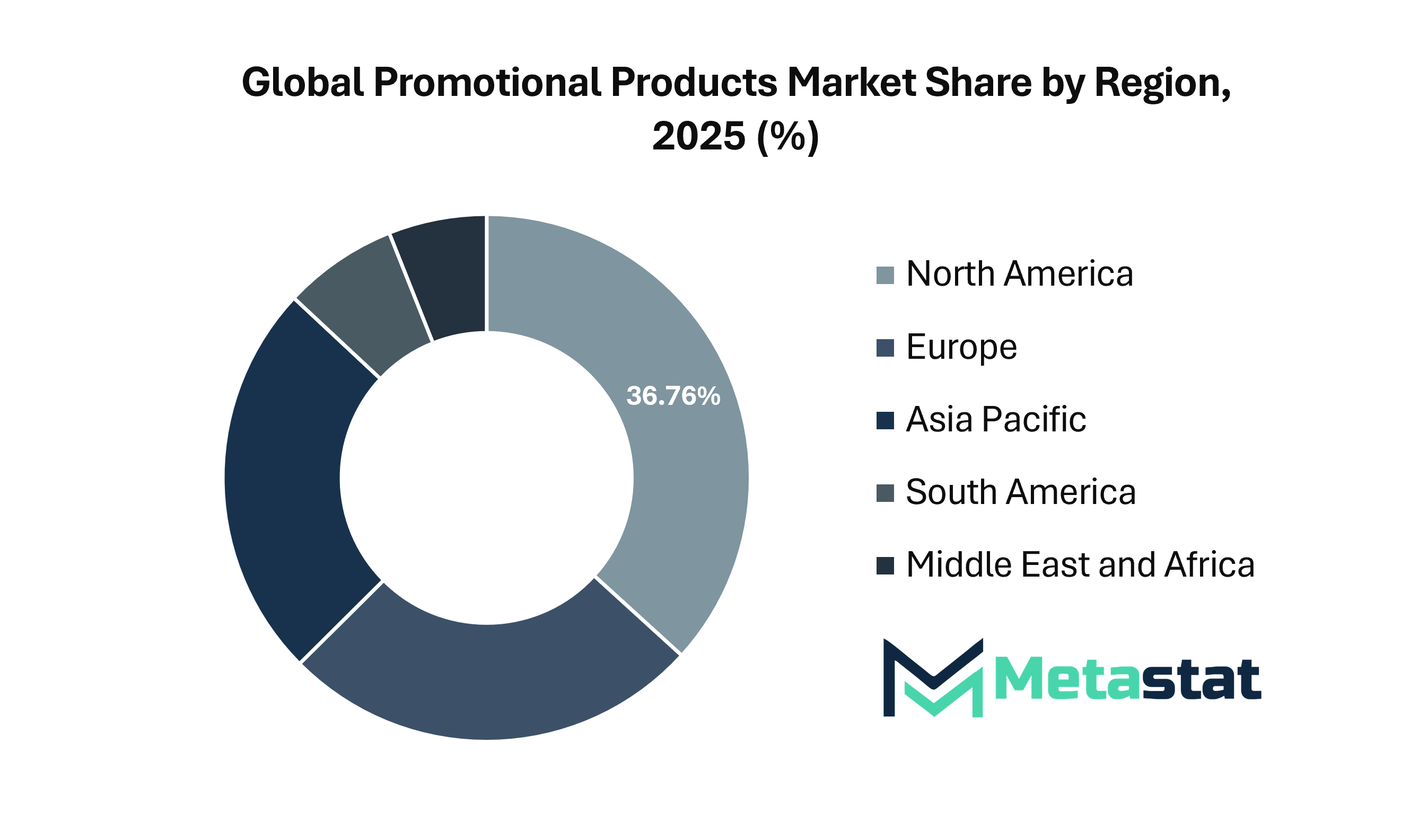
Looking ahead, the global promotional products market will continue to grow as businesses look for fresh, creative ways to connect with customers. In the near future, people will still respond well to tangible items things that they can touch, use or share. That personal link seems small but sparks a real reaction. As companies race to stand out, smart thinkers will look beyond today’s plain mug or pen, and instead will imagine items that fit into a tech-savvy lifestyle maybe reusable items with built-in features, or eco-friendly materials that carry data or smart reminders. The idea is simple: promotional items will become more meaningful, more tied to daily life.
In that competitive field, several well-known names will continue to shape the scene. 4imprint Group plc will keep serving clients with broad products and global reach, while HALO Branded Solutions will bring personal service to big campaigns. Vistaprint, part of Cimpress, will offer easy online design and fast delivery. At the same time, Staples Promotional Products will match its office brand with helpful promotional offerings. Proforma and Geiger will stay active with tailored services, and BIC Graphic (also known now as Koozie Group) will lean on its legacy in writing tools and drinkware. Deluxe Corporation, Hit Promotional Products, iPromo and ePromos will maintain their own strengths, each known for swift turnaround or niche items. Crestline Custom Promotional Products and National Pen Company will still lead in personalized, pen-based branding. Custom Ink and Positive Promotions will stand out for creative designs and easy ordering systems.
As we move forward, these groups will adapt by adding digital tools online mock-ups, tracking, personalization engines and they will invest in greener materials as demand shifts. Brands that combine smart technology, quick design tools, and sustainability will win. In the years to come, a coffee mug might remind you of a meeting time, or a tote bag might fold into a compact, reusable form for everyday errands. The global promotional products market will become more connected, more thoughtful, and more part of how people live. And as players compete, those who anticipate what life looks like tomorrow will lead the way not just by offering budgets or speed, but by offering value that fits how people live, work, and care for the world.
|
Report Attributes |
Details |
|
Study Period |
2021-2033 |
|
Base Year |
2025 |
|
Estimated Year |
2026 |
|
Forecast Period |
2026-2033 |
|
Historical Period |
2021-2025 |
|
Growth Rate |
CAGR 3.8% from 2026 to 2033 |
|
Revenue Unit |
USD billion |
|
Sales Volume Unit |
Thousand Units |
|
Segmentation |
By Type, Distribution Channel, End-User, Price Range, and Region |
|
By Region |
North America (By Type, Distribution Channel, End-User, Price Range, and Country)
|
|
|
Europe (By Type, Distribution Channel, End-User, Price Range, and Country)
|
|
|
Asia Pacific (By Type, Distribution Channel, End-User, Price Range, and Country)
|
|
|
South America (By Type, Distribution Channel, End-User, Price Range, and Country)
|
|
|
Middle East and Africa (By Type, Distribution Channel, End-User, Price Range, and Country)
|
Find answers to common questions about this report
The Metastat Insights study reveals that the Promotional Products market size was valued at USD 84.4 billion in 2025
The Promotional Products market is projected to grow at a CAGR of 3.8% during the forecast period from 2026 to 2033.
The Promotional Products market is estimated to reach a valuation of USD 113.7 billion by 2033.
Top players operating in the Promotional Products industry includes 4imprint Group plc, HALO Branded Solutions, Vistaprint (Cimpress), Staples, and Others
According to Metastat Insights analysis, the North America Promotional Products market size is estimated to reach USD 39.2 billion by 2033.
The analysts below cover Consumer Goods research at Metastat Insights.
LEAD ANALYST
Utkarsh Khirodkar is a Lead Market Research Analyst at MetaStat Insight, specializing in market intelligence, technology sector assessments, and competitive strategy.
Last Updated: August, 2026
Floating offshore wind feasibility relies heavily on specialized installation vessel availability and port crane limits, which most broad renewable energy forecasts ignore. The report delivered a thorough analysis of dry dock capacity, mooring chain supply constraints, and raw material pricing trends for deepwater anchor installations. It served as a solid independent sanity check for our offshore project capital expenditure assumptions.
Assessing commercial microgrid software adoption requires looking past top-level installation numbers and examining utility interconnection queues. The research provided verifiable data on average permitting timelines, tariff structures, and battery storage integration costs across regional utility territories. That grounded perspective was valuable for our team when building five-year demand projections for industrial microgrid controllers.
Ambulatory surgical centers have very different purchasing cycles for robotic-assisted surgery platforms than major hospital networks. The MetaStat Insight study focused squarely on capital expenditure depreciation, procedural reimbursement pathways, and surgeon training overhead. That operational clarity made it much simpler to validate multi-year procedure growth forecasts against actual ambulatory center adoption patterns.
Explore related market intelligence reports worth reading alongside this one.