
LEAD ANALYST
Utkarsh Khirodkar is a Lead Market Research Analyst at MetaStat Insight, specializing in market intelligence, technology sector assessments, and competitive strategy.

Global Sportswear Fabric Market Size, Share, By Dominant Fiber Type (Polyester-Based Fabrics, Nylon-Based Fabrics, Cotton-Based Fabrics, Wool-Based Fabrics and Others), By Fabric Construction (Weft-Knitted Fabrics, Warp-Knitted Fabrics, Woven Fabrics and Nonwoven Fabrics), By Application (Team Sports, Running and Training, Gym and Fitness, Yoga and Athleisure, Outdoor and Adventure, Cycling, Swimming and Others), By Recycled Content (Without Recycled Content and With Recycled Content), Industry Analysis, Growth, Trends, and Forecast, 2026-2033
Report ID
MSI-5584
Published
October, 2026
Pages
281 Pages
Format
Historical
Base year
Forecast
Forecast period
Report Details
Market Valuation: Valued at $30.1 Billion in 2025, projected to reach $46.3 Billion by 2033 at a 5.5% CAGR.
Dominant Segment: Polyester-based fabrics lead the market, driven by their moisture-wicking and quick-drying properties, making them the preferred choice for performance apparel.
Geographic Lead: Asia Pacific dominates the market, holding 56.8% share in 2025, fueled by a large population and rising disposable incomes.
What's Inside: The report provides a comprehensive analysis of the competitive landscape, segment breakdowns by fiber type and application, and a detailed forecast window from 2026 to 2033.
Emerging Trends: The segment featuring recycled content is projected to grow at a CAGR of 10%, reflecting a rising consumer preference for sustainable and eco-friendly fabrics.
Technological Advancements: Innovations in fabric technology are driving growth, with developments focusing on lightweight and breathable materials that enhance athletic performance.
Choose Your License
Global Sportswear Fabric Market
The global Sportswear Fabric market was valued at USD 30.1 billion in 2025 and is projected to reach USD 46.3 billion by 2033, growing at a CAGR of 5.5% over the forecast period.
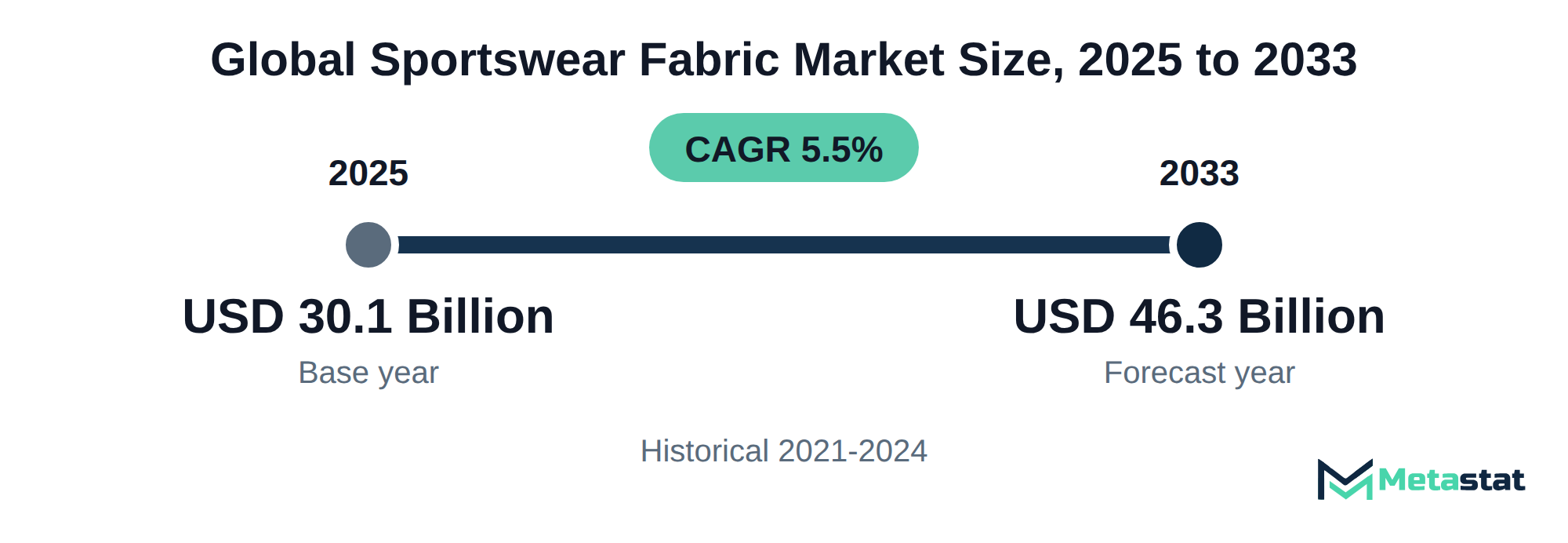
The Sportswear Fabric market encompasses a variety of materials used in the production of athletic and leisure apparel. Buyers invest in these fabrics to enhance performance, comfort, and durability in various sports and fitness activities. The growing demand for high-quality, breathable, and lightweight materials drives spending, with brands continuously seeking innovations to gain a competitive edge.
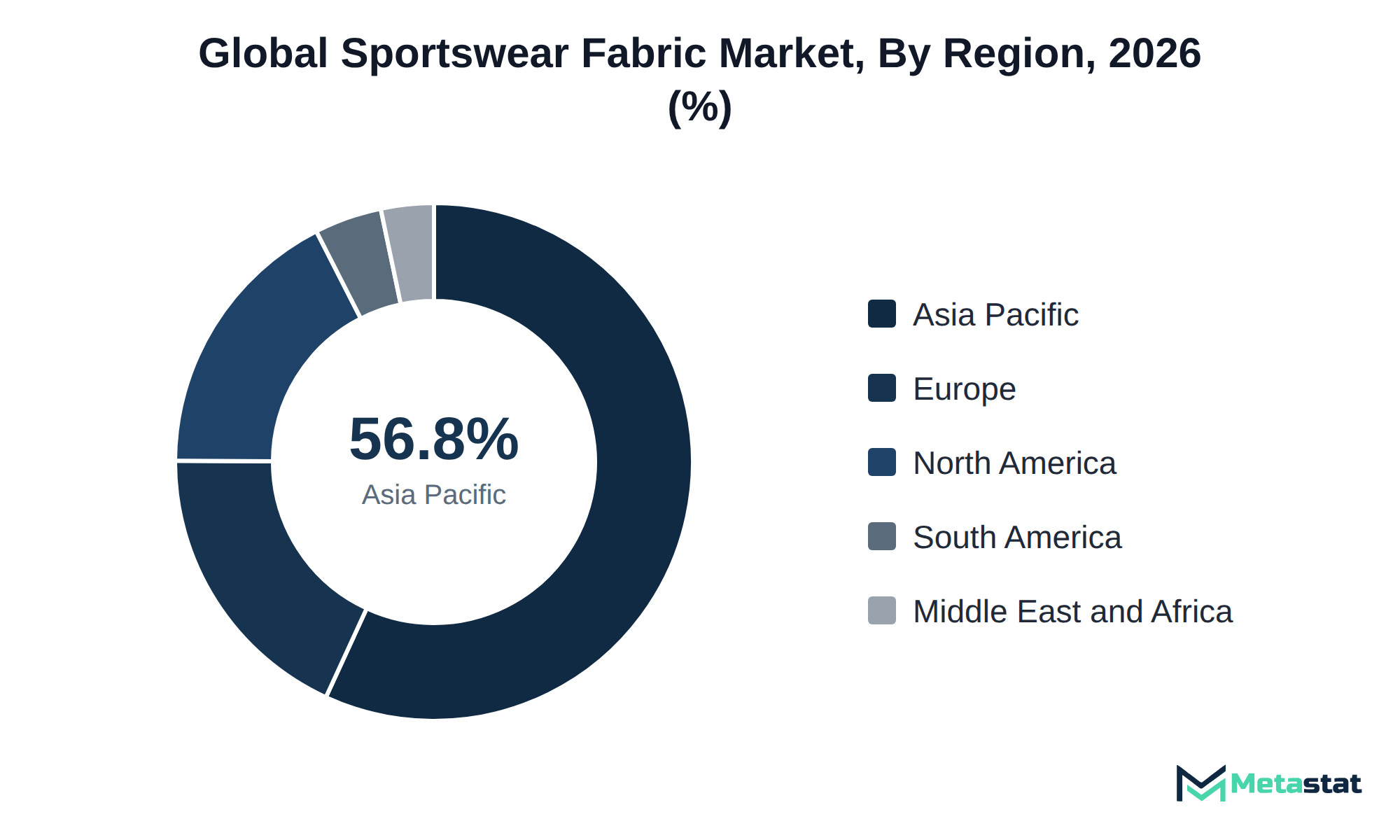
Growth in the market stems from increasing health awareness and a shift towards active lifestyles among consumers. Polyester-based fabrics represent the most valuable segment, reflecting their widespread use in performance apparel due to their moisture-wicking and quick-drying properties. Asia Pacific holds the largest share of the market at 56.8%, significantly outpacing other regions, driven by a large population and rising disposable incomes.
North America holds 17.4% of the market in 2025, with the US leading in 2026. The expansion of e-commerce and online retail channels supports market growth, enabling consumers to access a broader range of sportswear fabric options. This accessibility enhances the purchasing experience and encourages investment in innovative fabric technologies that align with evolving consumer preferences.
The Sportswear Fabric market includes a diverse range of materials that support the production of performance-oriented clothing. Buyers invest in these fabrics due to their ability to enhance comfort, durability, and functionality in athletic and leisure activities. The emphasis on health and fitness, coupled with a growing awareness of the importance of appropriate apparel, drives demand across various consumer segments, including athletes and casual wearers who prioritize active lifestyles.
Growth in the market is propelled by increasing participation in sports and fitness activities, particularly in regions with higher disposable incomes. Asia Pacific stands out with the largest market share, accounting for 56.8% in 2025. Polyester-based fabrics represent the most valuable segment, reflecting consumer preferences for lightweight and moisture-wicking materials that improve performance. This trend reflects a shift towards functionality, with fabric technology meeting the requirements of active individuals.
The expansion of online retail channels and the influence of fitness trends enhance consumer access to sportswear fabrics. This access supports growth and creates opportunities for brands to innovate and introduce new products that align with evolving consumer preferences. Investing in sustainable practices and recycled content presents a significant avenue for market differentiation and appeal.
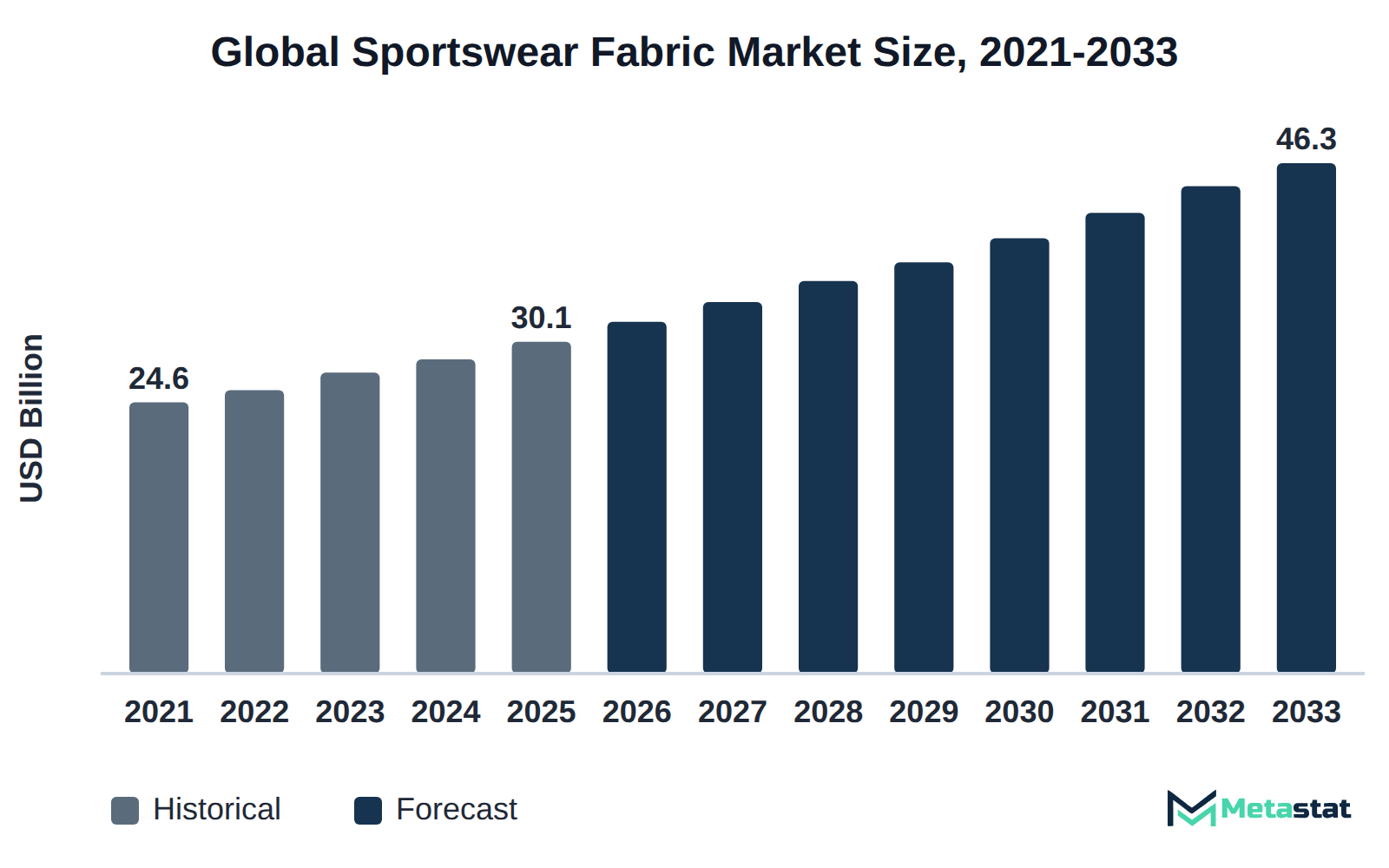
Sublimation-ready polyester stands out in the Sportswear Fabric market because it combines print clarity with effective moisture-wicking properties. This fabric type supports the production of high-quality athletic apparel that meets the demands of consumers seeking both performance and aesthetics. The polyester-based fabrics segment, which is expected to grow from USD 20.1 billion in 2026 to USD 29.7 billion by 2033, reflects the increasing adoption of sublimation-ready materials in the market.
The ability of sublimation-ready polyester to retain vivid colors during the digital textile printing process directly influences consumer preferences, particularly in team sports and athleisure applications. This fabric type allows brands to create visually appealing designs without compromising comfort, which is critical for activewear. The moisture-wicking attributes enhance user experience by keeping athletes dry, thus driving higher consumer satisfaction and repeat purchases.
The commercial consequence of this technology shift involves meeting consumer expectations and optimizing production costs. As competitive pricing and fabric quality draw more focus, manufacturers investing in sublimation-ready polyester gain a strategic position in the Sportswear Fabric market.
The Sportswear Fabric market increasingly prioritizes stretch recovery and compression performance in knitted activewear fabrics. Buyers seek materials that offer superior elasticity and durability, ensuring garments perform well under various conditions. Compression fabrics enhance muscle support during physical activities, leading to improved performance and reduced fatigue, as seen in products such as compression socks. In 2026, the market value for weft-knitted fabrics is projected to reach USD 13.1 billion, highlighting robust demand for materials that support these performance characteristics.
Pricing models reflect this growing focus, with suppliers offering tiered pricing based on fabric quality and performance features. Contracts include performance guarantees, ensuring consistent product delivery that meets specified stretch and recovery criteria. This approach benefits both buyers and suppliers, establishing long-term relationships built on quality assurance. In the competitive landscape, firms investing in advanced knitting technologies and innovative materials secure a significant edge, driving demand for their products. Activewear brands adopt these performance-enhancing fabrics, directly impacting sales and market positioning.
Supplier traceability for recycled polyester and nylon in the Sportswear Fabric market has gained traction due to increasing consumer demand for sustainable products. Brands that incorporate recycled textile materials often face price premiums, reflecting both the cost of sourcing sustainable inputs and the added value perceived by environmentally conscious consumers. Fabrics with recycled content are projected to reach a value of USD 18.3 billion by 2033, indicating strong growth in this sector.
Buyers prioritizing sustainability require transparency in the supply chain to ensure that materials meet environmental standards. This demand for traceability encourages suppliers to invest in tracking systems that verify the origin of recycled materials, enhancing their credibility in the market. The emphasis on sustainability strengthens brand loyalty among eco-conscious consumers and allows companies to differentiate themselves in a competitive landscape.
While the market evolves, the integration of recycled fabrics presents both a challenge and an opportunity for suppliers. Price premiums associated with recycled nylon and polyester reflect the investment required for sustainable sourcing, yet they provide a pathway for suppliers to command higher margins while appealing to a growing segment of sustainability-focused buyers.
Durability is essential in the selection of fabrics for custom team uniforms. Polyester-based fabrics, particularly, stand out due to their high durability and resistance to wear and tear. Polyester is increasingly preferred in performance sportswear because it withstands rigorous physical activity while maintaining comfort.
The enhancement of moisture-wicking properties in polyester contributes to its popularity among teams, ensuring athletes remain dry and comfortable during rigorous competitions. High durability fabrics significantly reduce replacement costs, thereby providing teams with a more economical solution in the long term. Buyers investing in durable sportswear fabrics gain operational efficiencies and enhanced performance, in line with broader market trends.
Rising participation in fitness activities across age groups shapes consumer purchasing behavior in the Sportswear Fabric market. Younger demographics, particularly millennials and Gen Z, show a strong preference for stylish yet functional sportswear, driving demand in the retail sector. This shift toward active lifestyles correlates with a rise in sales for sportswear, reflecting a growing trend toward health and wellness. The projected value of the market reaches USD 46.3 billion by 2033, indicating strong growth fueled by these demographic trends. Expanding interest in sports and fitness apparel encourages brands to innovate, leading to an increase in product variety and quality, which further stimulates consumer spending. The increasing availability of performance-oriented fabrics, including polyester-based and nylon-based options, positions the market favorably for sustained revenue growth.
Emerging trends in sustainable and eco-friendly fabrics enhance market appeal, attracting environmentally conscious consumers. These trends mirror the broader shift toward sustainable fashion. Rising demand for recycled content in sportswear fabrics represents a significant shift in buyer preferences, with purchasers actively seeking materials that align with their values and lifestyles. This transition positively impacts sales and drives innovations in fabric technologies.
Technological advancements in fabric development drive significant growth in the Sportswear Fabric market. Innovations in material science enable the creation of high-performance fabrics that enhance comfort and functionality. These developments focus on lightweight, breathable materials that provide moisture-wicking properties, promoting better athletic performance. The emergence of smart fabrics equipped with sensors and temperature regulation capabilities further influences consumer preferences, leading to higher adoption rates among athletes and fitness enthusiasts.
Manufacturers respond to the increasing demand by investing in R&D to enhance fabric features, thus positioning their products competitively in the market. The focus on sustainability in fabric production attracts environmentally conscious consumers, contributing to growth. This shift reflects broader trends in consumer behavior where buyers prioritize performance alongside eco-friendly practices. Integrating innovative materials creates a competitive environment that encourages continued product development and investment.
Fluctuations in raw material prices impose significant constraints on purchasing decisions within the Sportswear Fabric market. Increased costs for essential fibers, particularly polyester and nylon, lead to higher production expenses for manufacturers. Consequently, brands face challenges in maintaining profit margins while offering competitive pricing to consumers. Smaller companies and startups, often less equipped to absorb these price hikes, experience reduced order volumes and delayed procurement cycles. High raw material costs particularly affect segments focused on budget-conscious consumers, resulting in slower market adoption of innovative materials. The long-term impact involves restrained growth potential for the overall market, with brands prioritizing cost management over product quality and differentiation.
Rising input costs present a significant challenge for suppliers within the Sportswear Fabric market. Increases in raw material prices, particularly for polyester and nylon, have prompted a reevaluation of pricing strategies and sourcing practices. Suppliers face pressure to maintain profit margins while responding to consumer demands for sustainable and high-performance fabrics. To counteract these pressures, many suppliers invest in cost-effective production techniques and explore alternative materials that provide comparable performance at a lower cost. Several companies enhance their supply chain transparency to negotiate better pricing terms with raw material producers and pass savings onto customers. This proactive approach improves competitiveness while addressing the need for cost management in a challenging market environment. The ongoing evolution of sourcing strategies directly impacts suppliers' ability to remain profitable and responsive to market trends.
Rapid growth in the segment featuring recycled content presents a significant opportunity. This segment is projected to experience a compound annual growth rate of 10%, reaching a value of USD 18.3 billion by 2033. This upward trend responds to heightened consumer awareness regarding sustainability and environmental impact, with buyers increasingly seeking products that minimize ecological footprints. The growing interest in eco-friendly fabrics emphasizes a shift in purchasing behavior among environmentally conscious consumers, particularly in the sportswear sector. Manufacturers are motivated to innovate by developing fabrics that incorporate recycled materials, aligning production processes with consumer demands. The market shows steady expansion driven by the convergence of sustainability trends and consumer preferences for responsible sourcing. This dynamic encourages investment in research and development to enhance recycled content capabilities, further strengthening the market's growth trajectory.
The Global Sportswear Fabric market is segmented based on Dominant Fiber Type, Fabric Construction, Application, and Recycled Content.
These fabrics find significant application in sports apparel manufacturing, appealing to athletes and fitness enthusiasts due to their moisture-wicking properties and durability. The segment benefits from increasing consumer demand for high-performance clothing, driven by a growing emphasis on active lifestyles. Compared to other fiber types, including Nylon-Based Fabrics, which exhibit a higher CAGR of 6.1%, Polyester-Based Fabrics display stable growth. While Nylon caters to specific high-performance applications, the cost-effectiveness and versatile use of polyester ensure its prominent position in the market. This segment remains essential for brands seeking to balance performance with affordability in their product offerings.
Nylon-Based Fabrics segment is estimated to reach USD 10.5 billion by 2033, at a CAGR of 6.1% during the forecast period. These fabrics primarily serve the athletics and outdoor recreation markets, where durability and flexibility are essential. Manufacturers use nylon’s lightweight, moisture-wicking properties to appeal to consumers engaged in high-performance activities like running and training. The segment's growth is supported by an increasing trend toward performance-oriented apparel among fitness enthusiasts. Compared to other segments, including Cotton-Based Fabrics, which exhibit slower growth, nylon-based options demonstrate faster adoption due to superior performance characteristics. Pricing differences exist, with nylon offerings often positioned at a higher price point than cotton alternatives, reflecting the advanced technology and benefits associated with nylon. This trend signals strong demand for high-quality, performance-driven fabrics.
Cotton-Based Fabrics segment is expected to reach USD 3.6 billion by 2033. This segment finds significant applications in casual and activewear clothing, appealing to consumers who prioritize comfort and breathability. Demand for cotton-based fabrics is driven by their natural properties, which provide a soft feel against the skin, making them a preferred choice for gym and fitness apparel. Growth in this segment lags behind polyester-based fabrics, which are projected to grow at a CAGR of 5.8%. The market's focus on sustainability presents a challenge, with traditional cotton cultivation facing scrutiny regarding environmental impact. Despite these challenges, the enduring appeal of cotton ensures its presence in the market, particularly among buyers seeking natural fiber options.
The Wool-Based Fabrics segment is projected to grow at a CAGR of 4% during the forecast period. This segment finds applications in various athletic and leisure apparel, appealing to consumers who prioritize comfort and insulation. Demand for wool-based fabrics, which are made from wool yarn, arises from their natural moisture-wicking properties and temperature regulation, making them suitable for outdoor activities and casual wear. However, the segment faces competition from synthetic alternatives that offer lower prices and increased durability. Compared to other dominant fiber types, wool-based fabrics experience slower growth, reflecting consumer preferences for more affordable options. In 2033, the segment is expected to achieve a value of USD 3.6 billion, highlighting its niche position in the market.
Others (Cellulosic, Polypropylene, Elastane) encompasses a range of innovative materials in the production of sportswear. This segment appeals to manufacturers focused on performance garments that benefit from the unique properties of these fibers. The growing preference for environmentally friendly options drives demand for cellulosic and recycled materials among consumers emphasizing sustainability, in line with wider interest in bio-based textiles. Brands targeting eco-conscious buyers increasingly deploy these fabrics to differentiate their offerings in a competitive landscape. While the growth trajectory of this segment exhibits slower dynamics in comparison to more dominant fiber types, the focus on sustainable practices and innovation in material technology increases interest, ensuring potential for market participation. Buyers seeking environmentally friendly alternatives often choose these materials to align with their values, driving their inclusion in contemporary sportswear collections.
Weft-Knitted Fabrics segment is valued at USD 13.1 billion in 2026 and is projected to reach USD 18.6 billion by 2033, at a CAGR of 5.1% during the forecast period. This category finds application in various athletic and leisure apparel, catering primarily to consumers engaged in team sports and fitness activities. Growth in this segment is driven by increasing demand for comfortable and flexible materials that enhance performance during physical activities. Compared to other fabric construction types, including woven or warp-knitted fabrics, weft-knitted fabrics exhibit a more substantial focus on stretch and recovery, appealing to buyers seeking high-performance garments. Competitive pricing associated with weft-knitted fabrics, alongside their versatility, supports adoption among manufacturers, further propelling the segment's growth in the market.
Warp-Knitted Fabrics segment is estimated to reach USD 9.8 billion by 2033, at a CAGR of 5.6% during the forecast period. These fabrics find extensive use in activewear, particularly for applications requiring elasticity and comfort, appealing to consumers engaged in sports and fitness activities. Demand for these fabrics is driven by the growing preference for high-performance athletic wear that offers flexibility and durability. This segment experiences strong growth compared to others due to the increasing trend of athleisure, where consumers seek stylish yet functional clothing options. The segment's growth pace outstrips that of Woven Fabrics, which does not experience similar demand trends. Overall, the Warp-Knitted Fabrics segment meets the evolving needs of athletic apparel consumers while contributing significantly to the market.
Woven Fabrics segment is expected to reach USD 16.9 billion by 2033. The adoption of woven fabrics occurs predominantly in sportswear used for activities requiring durability and comfort, including running, cycling, and team sports. This segment experiences growth driven by the increasing popularity of outdoor and adventure sports, leading more consumers to seek high-performance apparel. Woven fabrics maintain a competitive edge compared to knitted alternatives due to their superior strength and structural integrity. The segment's growth rate aligns with a CAGR of 5.6%, differentiating it from other fabric constructions. Unlike nonwoven fabrics, which cater to less demanding applications, woven fabrics command higher prices due to their complex manufacturing processes and material quality. The Sportswear Fabric market highlights this segment's unique positioning in response to evolving consumer preferences for specialized and durable sportswear.
Nonwoven Fabrics segment is projected to grow at a CAGR of 5.1% during the forecast period. These fabrics are widely used in applications including team sports, running, and fitness activities, catering to a wide consumer base that values comfort and durability. The increasing demand for lightweight and moisture-wicking materials drives growth in this segment, particularly among activewear manufacturers focused on performance. Compared to woven and knitted fabrics, nonwoven fabrics typically offer easier production processes, contributing to lower manufacturing costs. This segment features distinct advantages in price competitiveness while appealing to environmentally conscious buyers seeking nonwoven options with recycled content. The market reflects a shift toward sustainable practices, further enhancing the attractiveness of nonwoven offerings in the Sportswear Fabric market.
Team Sports segment is valued at USD 5.8 billion in 2026 and is projected to reach USD 8.1 billion by 2033, at a CAGR of 4.9% during the forecast period. This segment primarily serves athletes and teams participating in various sports, providing specialized fabrics that enhance performance, comfort, and durability during play. Growing interest in organized sports and fitness activities drives demand for high-quality sportswear. Compared to other segments, Team Sports exhibits slower growth due to the competitive pricing strategies of alternative applications including Gym and Fitness, which is projected to reach higher values due to increasing fitness trends. The focus on functional fabrics tailored for performance and comfort distinguishes this segment from applications including Yoga and Athleisure, which emphasize versatility and style. The market adapts to evolving consumer preferences, ensuring that Team Sports remains a critical focus in the broader Sportswear Fabric market.
Running and Training segment is estimated to reach USD 11.7 billion by 2033, at a CAGR of 5.2% during the forecast period. This segment caters to individuals engaged in running and various forms of training, including gym workouts and fitness classes. The increasing awareness of health and wellness drives demand among fitness enthusiasts, resulting in higher purchasing activity. In contrast to other segments, this sub-segment experiences relatively faster growth, driven by the rising interest in personal fitness and outdoor activities. This trend leads to increased investment in high-performance fabrics designed to enhance comfort and performance. Advancements in fabric technology create opportunities for innovative offerings that meet the specific needs of consumers in athletic pursuits. The segment's growth trajectory significantly influences overall dynamics in the market.
Gym and Fitness segment is expected to reach USD 8.4 billion by 2033. This segment primarily serves consumers engaged in various fitness activities, including workouts in gyms and home fitness routines. Rising health consciousness among individuals drives demand for specialized fabrics that enhance comfort and performance during exercise. The segment features a growth rate at a CAGR of 4.9%, which is slower compared to other applications like Running and Training that grow at a CAGR of 5.2%. The differentiation in growth rates highlights varied consumer preferences and the specific requirements for apparel used in training versus general fitness activities. While the use of advanced materials improves performance, the focus on sustainability in consumer preferences necessitates growth in fabrics featuring recycled content, aligning with global trends emphasizing environmental responsibility. This evolving landscape influences the direction of the Sportswear Fabric market.
The Yoga and Athleisure segment is projected to grow at a CAGR of 7% during the forecast period. Increasing interest in fitness and healthy lifestyles drives demand for this segment, appealing to consumers seeking both functionality and style in their activewear. This segment primarily serves fitness enthusiasts and casual wear buyers who prioritize comfort, flexibility, and aesthetics in their clothing choices. The rising trend of athleisure clothing, which transitions easily from workout to casual settings, significantly influences adoption rates. Compared to other segments, Yoga and Athleisure experiences faster growth due to its ability to attract a broader audience, including those who do not regularly engage in sports but prefer comfortable clothing. This segment reflects a shift in consumer preferences towards versatile apparel, highlighting the evolving dynamics of the Sportswear Fabric market.
Outdoor and Adventure focuses on apparel designed for various outdoor activities, appealing to enthusiasts who engage in hiking, camping, and other recreational pursuits. This segment attracts buyers who prioritize functionality, durability, and weather resistance in their clothing choices. The popularity of outdoor activities drives demand within this segment, reflecting a growing interest in health and fitness among consumers. Unlike other segments, including Team Sports or Running and Training, Outdoor and Adventure features specialized materials and construction techniques tailored for specific environmental conditions, differentiating it from broader applications. The segment faces competition from fashion-oriented approaches that prioritize aesthetics over performance, influencing consumer choices. A shift toward sustainable practices, particularly the increasing emphasis on recycled materials, enhances competitive positioning for brands focusing on environmentally friendly options.
Cycling involves specialized sportswear fabric designed for comfort and performance during cycling activities. This segment serves athletes and recreational cyclists, emphasizing lightweight, breathable, and moisture-wicking materials. A growing trend in cycling apparel focuses on enhanced aerodynamic properties to improve performance. The increasing popularity of cycling, both as a competitive sport and a leisure activity, drives demand for high-quality fabrics tailored specifically for this application. Compared to other segments, cycling experiences distinct consumer preferences, particularly for advanced fabric technologies that enhance comfort and performance. This focus on specialized features positions the cycling segment with unique growth dynamics, differentiating it from broader applications within the market.
Swimming involves specialized sportswear fabrics designed to enhance performance in aquatic environments. Swimmers at various levels require fabrics that withstand chlorine and saltwater, ensuring durability while providing comfort and flexibility. Demand for innovative materials that improve buoyancy and reduce drag drives this segment, appealing to competitive and recreational swimmers alike. Unlike other segments, including Team Sports, which focus on group dynamics, Swimming emphasizes individual performance attributes. The particular requirements of swimming fabrics lead to different buyer behaviors, with athletes prioritizing advanced technical features over price. Fabric advancements aimed at increasing water resistance and maintaining breathability contribute to the segment's appeal. The market offers a unique range of fabrics tailored specifically for swimming, differentiating it from other applications in the Sportswear Fabric market.
This segment encompasses a variety of sportswear applications, including Golf, Racquet Sports, and Combat Sports. Athletes and recreational players apply these specialized fabrics to enhance performance, comfort, and durability specific to their activities. Increasing leisure participation in these sports drives demand, along with a growing trend toward performance-oriented apparel. The diversity in this segment allows for innovative fabric designs tailored to the unique requirements of different sports, distinguishing it from other segments. For instance, buyers purchasing gear for combat sports often seek enhanced protection features in their apparel, which differs from the demands seen in Team Sports or Running and Training. The market for sportswear fabric is expected to evolve, addressing varied consumer needs across distinct athletic disciplines.
Without Recycled Content segment is valued at USD 22.5 billion in 2026 and is projected to reach USD 28 billion by 2033, at a CAGR of 3.2% during the forecast period. This segment primarily serves industries producing standard sportswear, where performance and durability are essential for sports and fitness activities. Increased consumer awareness regarding environmental issues places pressure on manufacturers to explore sustainable options; however, the traditional appeal of non-recycled fabrics remains strong. Compared to the segment with recycled content, which is expected to grow at a CAGR of 10%, this segment experiences slower growth. Consumers seeking affordability and immediate availability often prefer fabrics without recycled content, making it a staple for entry-level sportswear products. The Sportswear Fabric market continues to evolve, with manufacturers balancing performance features and sustainability efforts in their offerings.
The With Recycled Content segment is estimated to reach USD 18.3 billion by 2033, at a CAGR of 10% during the forecast period. This segment focuses on sportswear fabrics that incorporate recycled materials, appealing to environmentally conscious consumers and brands aiming to reduce their ecological footprint. Increasing regulatory pressure and consumer demand for sustainable products drive growth in this segment, enhancing its attractiveness. Compared to the Without Recycled Content segment, which is projected to grow at a CAGR of 3.2%, the With Recycled Content segment stands out due to its higher growth rate, reflecting a shifting preference towards sustainable practices. Brands targeting outdoor enthusiasts and fitness aficionados increasingly prioritize recycled content, enhancing the appeal of products in the market. The adoption of advanced recycling technologies further supports segment growth, creating innovative fabrics that meet performance standards while promoting sustainability. Textile-to-textile recycling is one route to supplying recycled inputs for such fabrics.
Based on geography, the Global Sportswear Fabric market is divided into North America, Europe, Asia-Pacific, South America, Middle East, and Africa.
Demand for sportswear fabric in North America benefits from a strong emphasis on fitness and wellness among consumers. The United States, Canada, and Mexico demonstrate significant interest in high-performance materials suitable for various athletic activities. The region's projected market value is USD 7.3 billion by the end of 2033, highlighting its importance within the global landscape. Rapid growth in sectors including running, team sports, and gym activities drives the need for innovative fabric solutions. The market's share represented 17.4% in 2025, underlining the competitive dynamics prevalent in North America. Companies focus on developing sustainable fabrics to enhance appeal among environmentally conscious consumers. This trend aligns with increasing regulatory emphasis on sustainability within the textile industry. Ongoing investment in advanced manufacturing processes further strengthens the market's potential for growth.
In Europe, the focus on sustainable practices drives significant demand in the Sportswear Fabric market. Countries including Germany, France, and the UK emphasize eco-friendly materials, fueling interest in fabrics with recycled content. The market is characterized by a strong emphasis on performance and innovation, particularly in team sports and athleisure applications. High participation rates in fitness and recreational activities across Europe create strong growth opportunities, with youth engagement contributing to increased sales. The region's share of the global market in 2025 reflects a competitive landscape influenced by trends in health and wellness. Continuous advancements in fabric technology further enhance the appeal of sportswear fabrics, aligning with consumer preferences for comfort and style.
The Asia-Pacific region dominates the Sportswear Fabric market, accounting for 56.8% of the global share in 2025. Key driving factors include the rising popularity of fitness activities and increasing participation in sports across countries including China, Japan, and India. The region benefits from a growing middle-class population with disposable income, enabling higher spending on sportswear. Infrastructure improvements, particularly in urban areas, enhance accessibility to sports facilities and events, driving demand for sportswear products. Advancements in textile technology contribute to the market's growth, with manufacturers focusing on innovative fabrics that offer enhanced performance. The local presence of major players further strengthens the competitive landscape, ensuring a diverse offering of products tailored to regional preferences within the market.
In the South America region, the Sportswear Fabric market experiences notable demand driven primarily by the growing interest in fitness and outdoor activities among consumers in Brazil and Argentina. This increased engagement in sports, particularly team sports and fitness-focused applications, enhances the market potential. Regional infrastructure improvements facilitate the distribution of sportswear products, allowing brands to reach a wider audience. Market players focus on offering innovative fabrics that cater to the unique climatic conditions prevalent in these countries. Achieving a 4.2% share of the global market in 2025 highlights the region's importance in the overall landscape of the Sportswear Fabric market. The combination of cultural factors and infrastructure development contributes significantly to the growth trajectory expected in the coming years.
In the Middle East and Africa, the demand for the Sportswear Fabric market primarily arises from the growing interest in fitness and wellness activities. This interest is particularly notable in countries including Saudi Arabia and the UAE, where increased participation in physical activities drives the need for high-performance athletic wear. Infrastructure improvements related to sports facilities and recreational areas contribute to this growth, creating opportunities for sportswear fabric suppliers. The region accounts for a 3.3% share of the global market in 2025, indicating a developing landscape for athletic apparel. South Africa shows potential in this market, driven by a rising middle class and increased disposable income, leading to higher spending on sports-related activities and products. Overall, the Sportswear Fabric market in this region reflects trends that support increasing demand and investment in sports apparel.
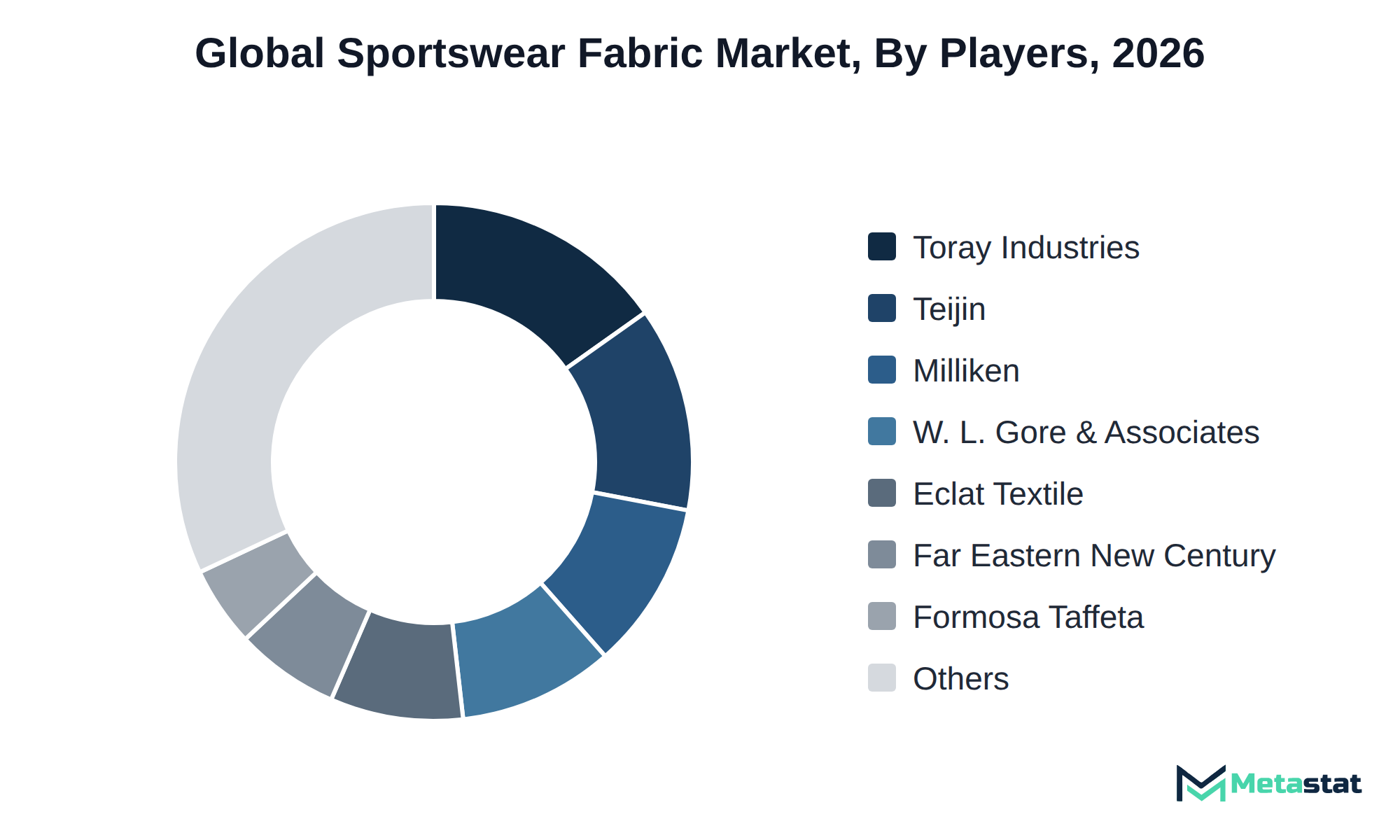
In the Sportswear Fabric market, companies compete based on factors including price, certification, customization, and service. Buyers emphasize quality and durability, driving demand for innovative materials that enhance performance. Companies like Toray Industries, Inc. focus on advanced polymer technologies, while Teijin Limited emphasizes eco-friendly solutions through recycled fibers. Eclat Textile Co., Ltd. demonstrates capabilities in producing high-performance fabrics aimed at specialized applications.
The market features distinct segments, including polyester-based, nylon-based, and cotton-based fabrics, each catering to specific buyer preferences. Buyers seek suppliers that demonstrate strong sustainability practices, particularly in recycled content offerings. For instance, Milliken & Company highlights its commitment to environmentally friendly materials, while W. L. Gore & Associates, Inc. provides specialized waterproof and breathable fabrics, appealing to performance-driven consumers.
Growth in the Sportswear Fabric market relies on several key developments. Rising demand for recycled content, particularly in the segment with recycled materials, reflects a significant trend among environmentally conscious consumers, with an expected CAGR of 10%. This shift is especially prominent in regions including North America and Europe, where sustainability influences purchasing decisions.
However, risks including fluctuating raw material prices impede growth. For instance, cotton-based fabrics, which have a lower projected value of USD 3.6 billion by 2033, face challenges due to unstable supply chains. If these challenges persist, they could hinder the overall performance of the market. The Sportswear Fabric market is set for substantial growth, contingent upon material innovation and effective management of external risks.
By Dominant Fiber Type: Polyester-Based Fabrics, Nylon-Based Fabrics, Cotton-Based Fabrics, Wool-Based Fabrics, Others (Cellulosic, Polypropylene, Elastane)
By Application: Team Sports, Running and Training, Gym and Fitness, Yoga and Athleisure, Outdoor and Adventure, Cycling, Swimming, Others (Golf, Racquet Sports, Combat Sports)
By Recycled Content: Without Recycled Content, With Recycled Content
The report strategically identifies and profiles the key market players and analyses their core competencies in each sub-segment of the Sportswear Fabric market.
Report Attributes | Details |
Study Period | 2021-2033 |
Base Year | 2025 |
Estimated Year | 2026 |
Forecast Period | 2026-2033 |
Historical Period | 2021-2025 |
Growth Rate | CAGR 5.5% from 2026 to 2033 |
Revenue Unit | USD billion |
Segmentation | By Dominant Fiber Type, Fabric Construction, Application, Recycled Content, and Region |
By Region | North America (By Dominant Fiber Type, Fabric Construction, Application, Recycled Content, and Country)
|
Europe (By Dominant Fiber Type, Fabric Construction, Application, Recycled Content, and Country)
| |
Asia Pacific (By Dominant Fiber Type, Fabric Construction, Application, Recycled Content, and Country)
| |
South America (By Dominant Fiber Type, Fabric Construction, Application, Recycled Content, and Country)
| |
Middle East and Africa (By Dominant Fiber Type, Fabric Construction, Application, Recycled Content, and Country)
|
Find answers to common questions about this report
The Sportswear Fabric market size was valued at USD 30.1 billion in 2025.
The market is projected to grow at a CAGR of 5.5% during the forecast period from 2026 to 2033.
The North America Sportswear Fabric market size is estimated to reach USD 7.3 billion by 2033.
Polyester-based fabrics lead the Sportswear Fabric market with a projected value of USD 29.7 billion by 2033, reflecting the highest growth among the dominant fiber types.
Increasing participation in fitness activities among various age groups drives demand for stylish and functional sportswear. The rapid growth in the segment featuring recycled content reflects heightened consumer awareness regarding sustainability and environmental impact.
Asia Pacific holds the dominant share of the Sportswear Fabric market, accounting for 56.8 percent in 2025. This region significantly surpasses others, including Europe at 18.2 percent and North America at 17.4 percent.
Fluctuations in raw material prices impose significant constraints on purchasing decisions, leading to higher production expenses for manufacturers. Rising input costs challenge suppliers to maintain profit margins while addressing consumer demands for sustainable and high-performance fabrics.
Several factors favor adoption in the Sportswear Fabric industry. The increasing demand for sustainable products drives consumer preferences toward fabrics with recycled content, projected to grow at a compound annual growth rate of 10% and reach USD 18.3 billion by 2033. Innovations in high-performance fabrics that enhance comfort and functionality further support market expansion.
The Sportswear Fabric market is estimated to reach a valuation of USD 46.3 billion by 2033.
Key players operating in the Sportswear Fabric market include Toray Industries, Inc., Teijin Limited, Milliken & Company, W. L. Gore & Associates, Inc., Eclat Textile Co., Ltd., Far Eastern New Century Corporation, and Formosa Taffeta Co., Ltd.
The analysts below cover Chemicals and Materials research at Metastat Insights.
LEAD ANALYST
Utkarsh Khirodkar is a Lead Market Research Analyst at MetaStat Insight, specializing in market intelligence, technology sector assessments, and competitive strategy.

INDUSTRY CONSULTANT - CHEMICALS & ADVANCED MATERIALS
Chemicals and Materials · Machinery & Equipment · Packaging
Amit Gadhekar Consultant for Chemicals and Materials at MetaStat Insight, directing sector-specific intelligence, research, and strategic consulting across global chemical and processing markets.
Evaluating secondary resin quality across post-consumer packaging streams requires reliable technical segmentation. MetaStat Insight delivered an objective assessment that distinguished between extrusion-grade flake pricing and optical sorting throughput limitations across Western Europe. The competitive positioning breakdown for licensed depolymerization technology providers answered several questions during our feedstock feasibility audit. Their team clarified regional trade restrictions on mixed plastic scrap quickly when our team submitted follow-up requests.
Evaluating sovereign cloud deployments for core banking platforms demands a clear view of data residency regulations and migration exit strategies. MetaStat Insight delivered an exhaustive review of regional latency tolerances, mainframe decommission milestones, and third-party vendor concentration risk. The regulatory compliance mapping across European and Asian financial jurisdictions gave our team a dependable baseline for multi-cloud infrastructure discussions.
Replacing petrochemical surfactants with bio-based alternatives requires realistic timelines on industrial precision fermentation scaling. The market research broke down commercialization timelines, feedstock sugar price sensitivities, and regional cosmetic ingredient regulatory approvals in Europe and East Asia. That supplier readiness mapping gave our formulations team reliable context when comparing renewable chemical sourcing roadmaps.
Explore related market intelligence reports worth reading alongside this one.
Starting from
$2950