
LEAD ANALYST
Utkarsh Khirodkar is a Lead Market Research Analyst at MetaStat Insight, specializing in market intelligence, technology sector assessments, and competitive strategy.

Global Veterinary Medicine Market Size, Share, By Product Type (Pharmaceuticals, Biologics (Vaccines and Therapeutic Antibodies), Medicated Feed Additives), By Animal Type (Poultry, Cattle, Swine, Sheep and Goats, Aquaculture, Dogs, Cats, Horses), By Route of Administration (Injectable, Oral, Topical), By Distribution Channel (Veterinary Hospitals and Clinics, Veterinary Pharmacies and Farm Retail Stores, Direct Sales to Farms and Feed Mills, E-commerce), Industry Analysis, Growth, Trends, and Forecast, 2026-2033
Report ID
MSI-5585
Published
October, 2026
Pages
252 Pages
Format
Historical
Base year
Forecast
Forecast period
Report Details
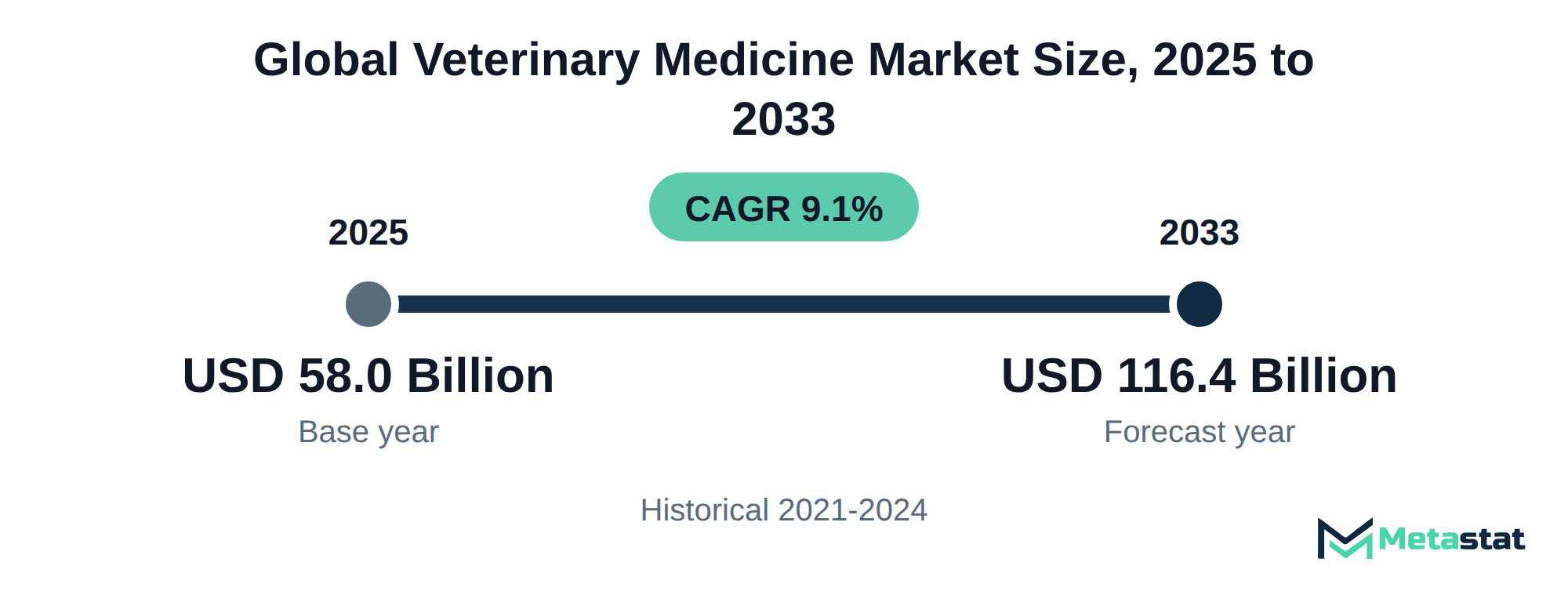
Market Valuation: Valued at $58 Billion in 2025, projected to reach $116.4 Billion by 2033 at a 9.1% CAGR.
Dominant Segment: Pharmaceuticals lead the Veterinary Medicine market, driven by a significant demand for effective medications aimed at both livestock and companion animals.
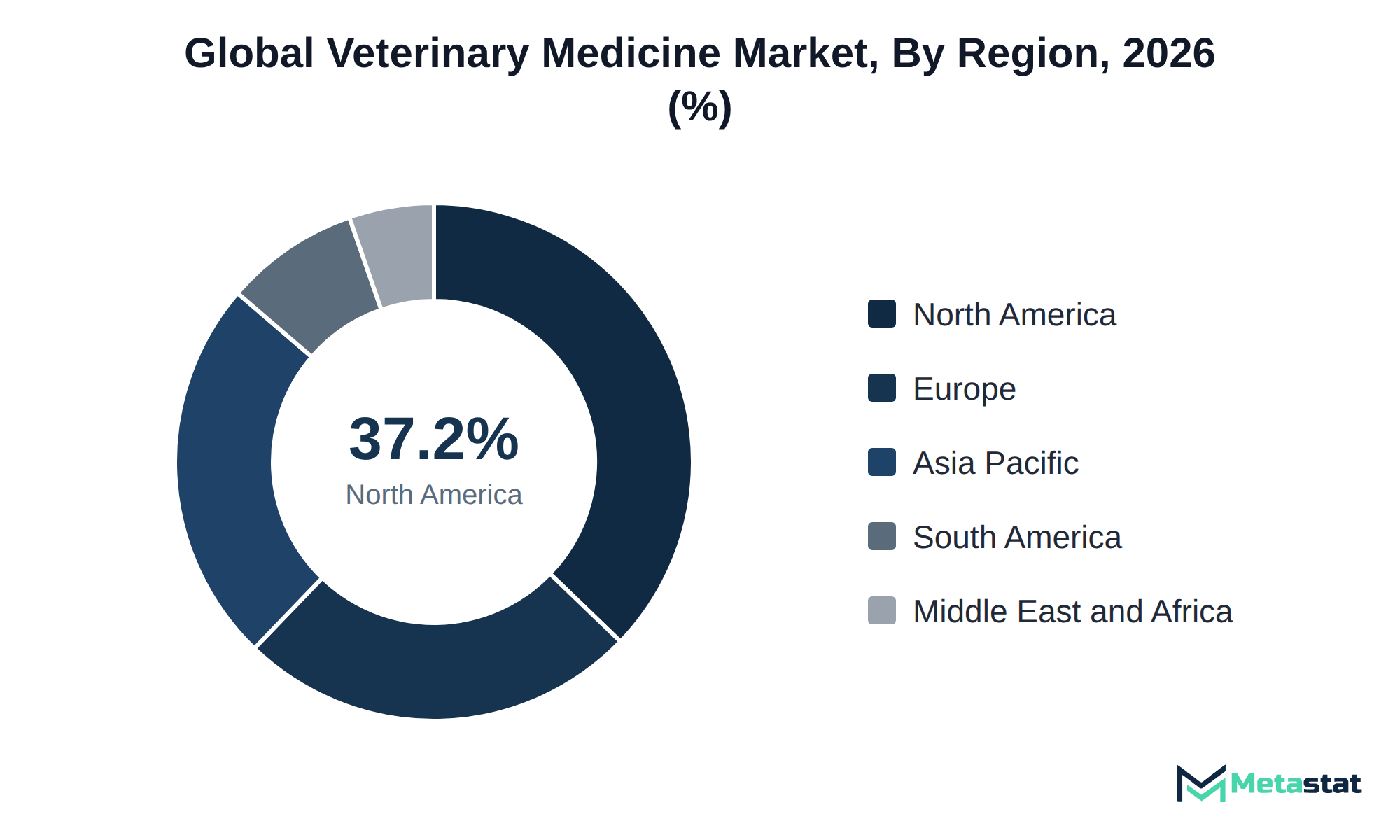
Geographic Lead: North America holds the largest market share at 37.2% in 2025, supported by robust veterinary infrastructure and high spending on animal healthcare.
What's Inside: The report provides comprehensive coverage of market dynamics, competitive landscape, and detailed forecasts from 2026 to 2033, focusing on product types, animal types, and distribution channels.
Growth Drivers: Key growth drivers include rising pet ownership, increasing awareness of animal health, and advancements in vaccine technology, particularly in the biologics segment.
Emerging Trends: The shift towards antimicrobial stewardship in medicated feed reflects a growing preference for responsible practices in animal health management.
Choose Your License
Global Veterinary Medicine Market
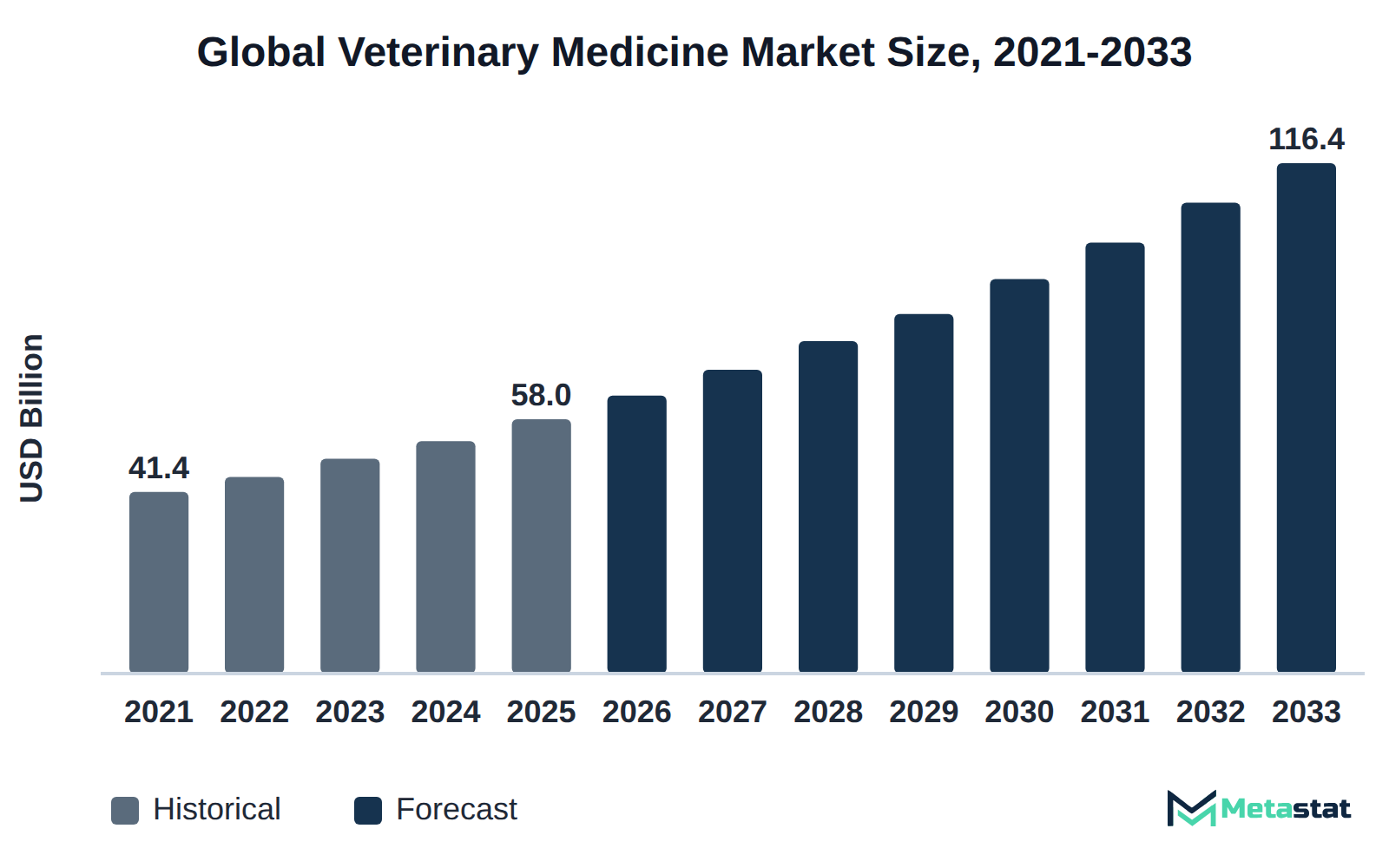
The global Veterinary Medicine market was valued at USD 58 billion in 2025 and is projected to reach USD 116.4 billion by 2033, growing at a CAGR of 9.1% over the forecast period.
The Veterinary Medicine market includes products and services that protect the health and welfare of many animal species. Buyers, including veterinarians, livestock producers, and pet owners, invest in these solutions to maintain animal health, prevent diseases, and enhance productivity in livestock operations. The need for effective therapies and preventive measures drives spending in this sector, supporting advancements in veterinary pharmaceuticals, biologics, and feed additives.
Veterinary Medicine market growth stems mainly from rising pet ownership and increasing consumer awareness of animal health. Among the various segments, pharmaceuticals represent the largest share, reflecting a significant demand for effective medications. North America holds 37.2% of the market in 2025, with the US leading in 2026. This region's established veterinary infrastructure and high animal healthcare spending support its leading position in the global market.
Biologics, including vaccines and therapeutic antibodies, exhibit the fastest growth rate, driven by innovations in vaccine development and the rising prevalence of zoonotic diseases. Increased investment in research and development by key market players supports the introduction of advanced solutions, enhancing the overall market growth trajectory.
The Veterinary Medicine market covers pharmaceuticals, biologics, and medicated feed additives designed to support animal health. Buyers invest in these products to ensure the well-being of livestock and companion animals, driven by increasing awareness of animal health and welfare standards. Demand for effective veterinary solutions stems from growth in the livestock industry, along with rising pet ownership levels globally.
Pharmaceuticals represent the most valuable segment within the market, reflecting a strong emphasis on preventive and therapeutic treatments for animals. The increasing incidence of zoonotic diseases contributes significantly to demand for veterinary medicines, fueling market expansion.
The Veterinary Medicine market experiences notable growth due to advancements in biologics, particularly vaccines and therapeutic antibodies. These innovations enhance disease prevention and treatment options for various animal species. The competitive landscape is shifting as key players focus on research and development to introduce novel solutions for emerging animal health challenges.
The adoption of recombinant poultry vaccines significantly alters flock health spending within the Veterinary Medicine market. These vaccines improve the ability to target specific pathogens, enhancing overall flock immunity. The segment for poultry health, valued at USD 12 billion in 2026, indicates strong growth, with a projected value of USD 22.4 billion by 2033, reflecting a compound annual growth rate (CAGR) of 9.3%. This growth is driven by increased investment in biosecurity measures and advancements in vaccine technology.
The move towards hatchery immunization further supports this trend. Employing vaccines during hatchery processes optimizes production outcomes by minimizing disease transmission at early developmental stages. This proactive approach to flock health has proven economically beneficial for producers, reducing losses associated with disease outbreaks and enhancing productivity. The Veterinary Medicine market experiences continual shifts, with stakeholders focusing on innovative solutions that yield significant returns on investment.
Changes in purchasing practices for medicated feed reflect a strong emphasis on antimicrobial stewardship and disease prevention strategies. The Veterinary Medicine market shows a growing preference for products that align with these principles, driven by increasing awareness of the implications of antibiotic resistance. This shift aligns with the projected growth of the medicated feed additives segment, which is expected to reach USD 10.7 billion by 2033.
Buyers now seek suppliers that offer transparent pricing models and flexible contract options tailored to their specific operational needs. This trend encourages a more collaborative approach between buyers and suppliers, creating long-term relationships that prioritize animal health and compliance with evolving regulations. The focus on antimicrobial stewardship enhances the value placed on quality over quantity, prompting buyers to evaluate products based on efficacy and safety.
The emphasis on responsible medication use influences purchasing decisions, leading to increased demand for biologics and alternative treatments. In the Veterinary Medicine market, this transformation supports more sustainable practices and drives innovation among suppliers. Companies that develop and market advanced medicated feed solutions positioned within these frameworks stand to gain a competitive advantage.
The increasing prevalence of chronic conditions in dogs and cats drives the growth of therapeutic antibodies within the Veterinary Medicine market. Pet owners increasingly seek effective treatments for long-term health issues, leading to rising demand for biologics, particularly therapeutic antibodies. This segment is projected to reach USD 43.3 billion by 2033, reflecting a compound annual growth rate of 11.6%. Such significant growth is fueled by rising awareness among pet owners regarding the quality of care and the effectiveness of advanced therapies.
Veterinary professionals recognize the efficacy of therapeutic antibodies in managing chronic ailments, including autoimmune disorders and certain cancers. Increased investments in research and development by key players, including Zoetis Inc. and Merck & Co., Inc., further enhance the availability of innovative treatment options. This focus on developing new biologics aligns with the market's overall expansion, reinforcing the shift toward more specialized veterinary care.
The financial implications of this trend are profound for both veterinary practices and pet owners. Investing in therapeutic antibodies provides better health outcomes for pets and contributes to the profitability of veterinary services. The Veterinary Medicine market evolves, and the strong emphasis on chronic condition management will likely lead to enhanced customer loyalty and recurring revenue streams for veterinary clinics.
Poultry producers face a critical decision when evaluating the cost-effectiveness of different vaccine programs and their impact on flock performance. The Veterinary Medicine market demonstrates that investment in biologics, specifically vaccines and therapeutic antibodies, is projected to reach USD 43.3 billion by 2033, reflecting a compound annual growth rate (CAGR) of 11.6%. This upward trend highlights the growing reliance of poultry producers on immunization strategies to enhance flock health and overall productivity.
Cost analysis shows that optimizing vaccine programs aligns with improved flock performance metrics. Producers who implement comprehensive vaccination protocols experience reduced mortality rates and enhanced growth rates among their birds. Such improvements directly correlate with financial performance, as healthier flocks lead to increased marketable yield and efficiency in production. Consequently, the market supports producers in making informed investments in vaccine programs that protect animal health and enhance profitability.
The rise in pet ownership significantly influences spending patterns in the Veterinary Medicine market. Consumers increasingly view pets as family members, leading to increased demand for veterinary services and products. This shift in perception encourages pet owners to invest more in preventive care and advanced treatments, enhancing the overall health of their animals. Spending on veterinary medications, including vaccines and therapeutics, reflects this trend, particularly in companion animals including dogs and cats. This growth results from heightened awareness of animal health and the willingness of pet owners to allocate more resources for quality care. The increasing focus on wellness and preventive health measures among pet owners further stimulates demand for various products and services in the market.
The rising interest in animal wellness presents an opportunity for growth and innovation within the Veterinary Medicine market. Enhanced spending on preventive care creates a favorable environment for pharmaceutical and biologic companies to develop new treatments tailored to the needs of pet owners.
Continuous technological advancements promote innovation in the Veterinary Medicine market, encouraging the development of new pharmaceuticals and biologics. Enhanced vaccine formulations and therapeutic antibodies emerge from research and development efforts, providing effective solutions for various animal health challenges. Increased investment in biotechnology facilitates the creation of advanced treatment options, targeting specific diseases with precision.
The integration of digital health technologies, including telemedicine and data analytics, transforms the approach to veterinary care. These tools enable real-time monitoring of animal health, improving diagnosis and treatment processes. Adoption of mobile applications and connected devices streamlines communication between veterinarians and pet owners, enhancing engagement in animal health management. Smart-connected pet collars are one example of these connected devices.
This environment results in a more competitive landscape, with suppliers striving to differentiate their offerings. This pressure encourages investment in innovative products that align with evolving market demands, ultimately expanding access to advanced veterinary solutions. Enhanced product portfolios contribute to increased revenue potential, driving growth within the overall market.
Rising costs of veterinary medicines present a significant barrier for various buyer groups, particularly independent veterinary clinics and farms. These entities face challenges related to budget constraints, resulting in slower adoption of advanced treatment options. Increased pricing for pharmaceuticals and biologics directly impacts their purchasing decisions, leading to smaller order sizes and delayed replacement of existing products. Smaller veterinary practices prioritize essential medications over newer, potentially more effective treatments, affecting overall market growth. This restraint restricts access to innovative products, limiting the ability to provide comprehensive animal care. The Veterinary Medicine market sees lower adoption rates in segments reliant on these buyers, which limits expansion and improved health outcomes for animals.
Increasing input costs represent a significant challenge for suppliers in the Veterinary Medicine market. Fluctuations in raw material prices and production expenses pressure margins, impacting the ability to maintain profitability. Manufacturers face higher costs related to sourcing active pharmaceutical ingredients and other materials required for product formulations. Veterinary medicine providers respond by optimizing supply chains and exploring alternative sourcing strategies to mitigate these pressures. Several suppliers invest in technology to enhance operational efficiency, reducing production costs over time. This strategic focus on cost management influences pricing strategies and leads to adjustments in value propositions offered to customers. Such adaptations aim to sustain competitiveness in the current economic environment without compromising product quality. These efforts influence market dynamics and maintain supplier viability amid fluctuating market conditions.
The demand for biologics, especially vaccines and therapeutic antibodies, in the poultry sector presents a notable growth opportunity. This segment highlights the increasing focus on disease prevention and management among poultry producers, with a projected compound annual growth rate (CAGR) of 11.6%. The shift towards biologics reflects a response to the growing challenges of poultry health and welfare, driven by rising awareness of the impacts of infectious diseases on productivity and economics. The poultry industry faces pressures from both productivity and regulatory standards. Effective vaccination strategies help mitigate these risks. The emphasis on biologics supports an expansion of the Veterinary Medicine market, particularly in regions with substantial poultry production. By investing in these innovative solutions, suppliers enhance their market position while addressing evolving health standards in animal husbandry.
Growth in the biologics segment aligns with broader trends in veterinary health management, influencing overall spending and practices across the sector. The continued emphasis on effective disease management drives further investments and advancements in vaccine technologies, ultimately benefiting producers and consumers.
The Global Veterinary Medicine market is segmented based on Product Type, Animal Type, Route of Administration, and Distribution Channel.
The pharmaceuticals segment is valued at USD 36.5 billion in 2026 and is projected to reach USD 62.4 billion by 2033, at a CAGR of 8% during the forecast period. This segment includes various medicinal products designed to treat or prevent diseases in animals, primarily targeting livestock and pets. Veterinary hospitals and clinics primarily use these pharmaceuticals to enhance animal health and address specific medical conditions. The increasing prevalence of zoonotic diseases and rising awareness of animal health significantly drive demand for pharmaceuticals. Compared to other segments, including biologics, which experience faster growth at a CAGR of 11.6%, pharmaceuticals show steady expansion, appealing to a broader customer base due to their wide range of applications and established efficacy in treating diverse conditions. This stability contributes to its important role in the overall veterinary medicine market.
This category includes vaccines and therapeutic antibodies designed for disease prevention and treatment in various animal species. Farmers, veterinary clinics, and livestock producers employ these products to maintain animal health and improve productivity. The increasing prevalence of infectious diseases among livestock drives demand for more effective vaccines and therapeutic options. This segment exhibits a faster growth rate compared to other product types, including pharmaceuticals, which are projected to grow at a CAGR of 8%. The emphasis on animal welfare and food safety further drives the market expansion, motivating suppliers to innovate and improve their offerings in this critical area of the Veterinary Medicine market.
This segment enhances the health and growth of livestock through the inclusion of therapeutic agents in animal feed. Farmers and livestock producers apply these additives to optimize animal performance and prevent disease outbreaks. Rapid growth in the poultry sector, driven by increasing meat consumption, drives demand for medicated feed additives, which exhibit a CAGR of 9.3% during the forecast period. Poultry feed is a common delivery route for these additives in flock health management. Regulatory shifts toward responsible antibiotic use enhance the focus on alternative solutions, boosting the growth of this sub-segment. Compared to other product types, medicated feed additives represent a more specialized and targeted approach, catering to specific health needs, which differentiates them from broader pharmaceuticals and biologics.
This segment primarily serves poultry producers who apply veterinary medicines to enhance flock health, prevent diseases, and improve productivity. Demand is driven by the rising focus on biosecurity measures and disease prevention, which have become crucial in poultry operations. Compared to other animal types, the poultry segment experiences faster growth due to increasing global consumption of poultry products and heightened awareness of animal health. Factors influencing this market include technological advancements in veterinary solutions and changing regulations that support responsible antibiotic use in poultry farming, further enhancing the segment's growth potential.
Cattle segment is estimated to reach USD 22.3 billion by 2033, at a CAGR of 7.8% during the forecast period. This segment primarily serves beef and dairy producers who require effective health management solutions for their livestock. Increasing adoption of preventive healthcare practices among cattle producers drives demand for veterinary medicines, focusing on disease prevention and overall herd health. Compared to other animal types, the cattle segment experiences steady growth, attributed to its essential role in food production and livestock management. Regulatory pressures around antibiotic usage further influence purchasing patterns, encouraging the shift toward biologics and medicated feed additives. These dynamics create a distinctive positioning for the cattle segment, emphasizing sustainable practices and innovative solutions tailored for large-scale farming operations. The market continues to evolve, addressing the unique challenges and opportunities present in the cattle industry.
Swine segment is expected to reach USD 13.7 billion by 2033. This segment includes veterinary medicines targeting pig health, widely used by farmers and livestock producers to ensure animal welfare and productivity. The sector experiences growth driven by rising global pork consumption, which fuels demand for effective veterinary solutions. Interest in antibiotic-free pork also reflects the wider emphasis on responsible antibiotic use in animal production. Increasing awareness of animal health management among producers influences purchasing decisions, reinforcing the segment's expansion. Compared to other animal types, growth in the swine segment occurs at a moderate pace, with a compound annual growth rate of 7.8%. This growth differs from poultry, which enjoys a higher CAGR of 9.3%, reflecting varying buyer needs and market dynamics. The competitive landscape in the market emphasizes tailored solutions for swine, responding to unique health challenges and economic pressures faced by producers.
The Sheep and Goats segment is projected to grow at a CAGR of 8.2% during the forecast period. This segment primarily serves livestock producers who rely on veterinary medicines for disease prevention, treatment, and overall health management of their flocks. The increasing demand for high-quality meat and dairy products drives investment in health management practices among farmers. Adoption of improved veterinary care practices supports growth in this segment, differing from others in the Animal Type category due to its specific focus on livestock rather than companion animals. Strong demand for effective vaccines and biologics enhances this segment’s growth potential, with the overall market for these products expanding significantly. The projected value of the Sheep and Goats segment shows its contribution to the Veterinary Medicine market and reflects the ongoing commitment of producers to animal health and productivity.
Aquaculture involves the cultivation of aquatic animals and plants, playing a vital role in global food production. This segment serves farmers and producers focused on fish and shellfish, where the demand for health products is significant to maintain optimal growth and prevent diseases. Rising awareness of food safety and health standards drives the demand for effective veterinary medicines in aquaculture. Regulatory pressures regarding the use of antibiotics in aquaculture push producers toward alternative treatments, emphasizing vaccines and therapeutics. Compared to other animal types in the market, aquaculture shows unique challenges, including specific disease management practices. The segment experiences different growth dynamics compared to poultry or cattle, which face distinct purchasing drivers and regulatory environments.
This segment focuses on the health and well-being of dogs, addressing various medical needs through preventive care, treatment options, and nutrition. Pet food is a related spending category for dog owners alongside veterinary care. Pet owners increasingly prioritize veterinary care for dogs, reflecting a growing awareness of animal health. Demand is driven by the humanization of pets, resulting in higher spending on veterinary services and products. The segment stands out from others within Animal Type due to a strong emphasis on innovative therapies and preventative measures for chronic conditions. This focus leads to a faster growth trajectory compared to segments including Cattle and Swine, which experience different purchasing patterns and priorities. The Veterinary Medicine market sees significant traction in this sub-segment, supported by advancements in veterinary pharmaceuticals and an expanding range of treatment options tailored specifically for dogs.
The segment dedicated to cats focuses on the health and medical needs of feline companions, addressing various aspects of their care. Pet owners invest in veterinary treatments for cats to ensure their well-being, driven by a growing awareness of the importance of pet health. The increasing prevalence of pet insurance and rising disposable income among consumers support spending in this segment, contributing to its anticipated growth. Compared to other animal types, the demand for cat-specific veterinary medicine presents a unique market dynamic, influenced by distinct buyer behaviors and preferences. Cats often receive higher levels of personalized attention, reflected in the types of services and products sought by their owners. While segments like poultry and cattle are influenced by agricultural practices, the market for cats emphasizes companionship and pet welfare, shaping the growth trajectory and investment focus in this area.
Horses require specific veterinary care to maintain their health and performance. This segment caters to horse owners, trainers, and breeders who prioritize the well-being of these animals for competitions, recreational activities, and breeding purposes. The increasing participation in equestrian sports and recreational riding drives demand for specialized medical services, treatments, and supplements for horses. Growing awareness of preventive care influences buyers to invest in health management solutions. Compared to other segments within animal type, the horse segment experiences unique challenges and requirements, often leading to distinct buyer behavior and pricing strategies. The market encompasses a range of products tailored to address the specific needs of equine health, differentiating it from more common livestock segments.
This segment focuses on the health and well-being of rabbits, companion birds, and exotic pets, encompassing a range of veterinary products and services tailored to these specific animals. Owners of these pets often seek specialized care, including preventive measures, treatments, and nutritional support. The growing trend of pet ownership, especially among exotic species, drives demand for veterinary services catering to this niche market. Unique challenges arise due to the specialized needs of these animals, including the availability of suitable medications and the expertise required for their care. Compared to more common pet categories including dogs and cats, the segment experiences slower growth due to the limited number of veterinarians with expertise in exotic and small animal care, impacting accessibility and pricing. These factors contribute to a distinct market dynamic within the broader veterinary medicine market.
Injectable segment is valued at USD 29.1 billion in 2026 and is projected to reach USD 53.7 billion by 2033, at a CAGR of 9.1% during the forecast period. This segment is essential in administering vaccines and medications, primarily used by veterinarians across various animal types. Needle-free injection technology is an alternative delivery approach to conventional needle-based injection. The growing prevalence of infectious diseases in livestock and pets drives the demand for injectable solutions, reflecting an increasing focus on animal health. Compared to other routes of administration, injectables often achieve faster therapeutic effects, appealing to buyers prioritizing rapid results. The injectable route differentiates itself through a notable CAGR of 9.1%, positioning it as a dynamic option in the Veterinary Medicine market, especially when compared to oral administration, which features a CAGR of 8.5%. Such growth underscores the importance of effective delivery methods in enhancing overall animal care and health outcomes.
The oral segment is estimated to reach USD 44.6 billion by 2033, at a CAGR of 8.5% during the forecast period. This segment serves a vital role in delivering treatments to various animal types, including cattle and poultry, ensuring effective disease management. Increasing awareness among pet owners regarding preventative care drives demand in this segment, particularly in companion animal markets. Unlike injectable alternatives, oral administration offers ease of use and compliance, making it favorable for both veterinary professionals and pet owners. The growth of the oral segment is expected to outpace that of injectable solutions, presenting unique opportunities for suppliers focused on product innovation and marketing. Overall, the segment addresses the needs of a growing health-conscious consumer base, thereby enhancing adoption rates.
Topical segment is expected to reach USD 13.4 billion by 2033. This segment involves the application of veterinary products directly onto the skin or mucous membranes of animals, commonly used for the treatment of local infections, skin conditions, and external parasites. Animal parasiticides are one product category that commonly uses topical application. Veterinary hospitals, clinics, and veterinary pharmacies primarily apply topical treatments, targeting both companion animals and livestock. The segment experiences growth driven by rising consumer awareness regarding animal health and increasing pet ownership. Compared to other routes of administration, topical products present a lower barrier to adoption due to ease of application. The anticipated CAGR for this segment stands at 11.8%, reflecting strong demand relative to other segments in the market, particularly in contrast to injectable and oral routes. Veterinary Medicine market trends indicate a growing preference for non-invasive treatment options, enhancing the appeal of topical products among veterinarians and pet owners alike.
Others (Intranasal, Ocular, Immersion) segment is projected to grow at a CAGR of 11.8% during the forecast period. This segment encompasses various administration routes for veterinary treatments, targeting specific conditions in animals through innovative methods. Veterinary professionals apply these methods to enhance the effectiveness of treatments, particularly in cases where traditional routes do not suffice. Increased pet ownership and the growing emphasis on animal health drive demand in this segment. The distinct administration routes offered in this segment often lead to faster absorption rates compared to traditional methods. In contrast to other routes, this segment presents unique advantages and applications, appealing to veterinarians and animal health organizations seeking targeted solutions. The market experiences a shift toward these techniques, resulting in a growing share in the broader veterinary medicine landscape.
Veterinary Hospitals and Clinics segment is valued at USD 25.6 billion in 2026 and is projected to reach USD 45.5 billion by 2033, at a CAGR of 8.6% during the forecast period. This segment provides healthcare services for pets and livestock, catering to the needs of pet owners and farmers seeking medical treatments and preventive care for their animals. Rising awareness of animal health alongside increasing pet ownership drives demand within this segment. Veterinary Hospitals and Clinics differ from other distribution channels primarily through their focus on personal veterinary services, which often command higher prices than those found in retail outlets. The segment's growth reflects an ongoing commitment to animal welfare and the necessity for professional veterinary services in the Veterinary Medicine market.
Veterinary Pharmacies and Farm Retail Stores segment is estimated to reach USD 25.9 billion by 2033, at a CAGR of 7% during the forecast period. This segment provides essential veterinary products and services to pet owners, farmers, and livestock producers, supporting the health and well-being of animals. Increasing awareness of animal health and the importance of preventive care drives demand in this segment. The convenience of access to veterinary products through pharmacies and retail stores enhances purchase frequency among consumers. In comparison to other segments, this segment experiences slower growth, reflecting a more stable demand pattern influenced by established buying habits. The market continues to expand due to factors including rising disposable income and a growing population of pet owners, driving the need for various veterinary solutions. The Veterinary Medicine market sees this segment supporting the availability of necessary products for animal care.
Direct Sales to Farms and Feed Mills segment is expected to reach USD 27.2 billion by 2033. This channel involves the direct provision of veterinary products to farmers and feed mill operators, who use these products for the health management of livestock. The growth in this segment is driven by the increasing demand for efficient livestock production and the rising awareness of animal health and welfare among farmers. Compared to other distribution channels, this segment supports a more personalized purchasing experience, leading to stronger relationships between suppliers and farmers. Direct Sales to Farms and Feed Mills experiences a growth trajectory influenced by price sensitivity among buyers and the need for assurance regarding product quality and efficacy. The segment is projected to exhibit competitive evolution in the Veterinary Medicine market.
E-commerce segment is projected to grow at a CAGR of 13.1% during the forecast period. This segment facilitates the online sale of veterinary products, catering primarily to pet owners, veterinary professionals, and agricultural producers seeking convenience and variety. The rise in digital shopping trends, accelerated by the pandemic, drives increased adoption of e-commerce solutions for purchasing veterinary medicines. Compared to traditional distribution channels including veterinary hospitals and clinics, which have a CAGR of 8.6%, the e-commerce segment experiences rapid expansion, reflecting a shift in consumer buying behavior. The relatively lower operational costs associated with e-commerce platforms attract various market players, enhancing competitive dynamics. This segment stands out due to its ability to offer a broader range of products and services, thereby addressing specific consumer needs more effectively than conventional distribution methods.
Based on geography, the Global Veterinary Medicine market is divided into North America, Europe, Asia-Pacific, South America, Middle East, and Africa.
Demand within the Veterinary Medicine market in North America is driven primarily by a well-established infrastructure for animal health care, particularly in the United States, Canada, and Mexico. A significant focus on preventive care and advancements in veterinary pharmaceuticals contribute to market growth. The region's market is projected to reach USD 41 billion by the end of 2033, reflecting a robust commitment to animal health and welfare. The high prevalence of companion animals and livestock, coupled with increasing consumer awareness regarding animal health, further intensifies demand for veterinary products and services. The region represents 37.2% of the global market in 2025, demonstrating its critical role in shaping industry trends and innovations. Regulatory frameworks supporting animal health initiatives enhance the market's operational environment, promoting investment and encouraging the adoption of new veterinary solutions.
Veterinary Medicine market growth in Europe benefits from robust demand across various sectors, driven by increasing pet ownership and rising awareness of animal health. Countries including Germany, France, and the UK play important roles in shaping market dynamics through substantial investments in veterinary services and pharmaceuticals. Regulatory frameworks focused on improving animal welfare further enhance demand, compelling stakeholders to adopt advanced veterinary care practices. The region accounts for 25.0% of the global market share in 2025, with expectations of significant expansion through ongoing innovations in biologics, including vaccines and therapeutic antibodies. Increasing consumer inclination towards preventive healthcare for pets highlights the market's potential in Europe, creating a competitive landscape among key players striving to meet evolving consumer needs.
Strong demand for veterinary services arises from the growing livestock and poultry industries in the region, particularly in countries like China and India. Increased investment in animal health and welfare drives growth in the Veterinary Medicine market. Significant advancements in veterinary pharmaceuticals and biologics contribute to higher adoption rates among producers. Infrastructure development in rural areas enhances access to veterinary services, further supporting market expansion. Urbanization progresses, while pet ownership in countries including South Korea and Japan influences the demand for veterinary care. Regulatory frameworks promoting animal health standards strengthen the market's position. The market's share in the global landscape is projected at 24.1% in 2025, indicating substantial growth potential for the foreseeable future.
In South America, veterinary services experience steady growth, driven by increasing demand for livestock and poultry health management. Brazil and Argentina represent significant markets, focusing on enhancing animal health through veterinary products and services. Infrastructure challenges persist, particularly in rural areas, impacting the accessibility of veterinary care. The Veterinary Medicine market in this region benefits from growing awareness of animal health and the adoption of advanced veterinary practices. Regulatory support and investment in veterinary health initiatives contribute to market expansion. By 2025, South America is expected to account for 8.4% of the global market, reflecting its importance in the overall veterinary landscape.
Growing interest in animal health drives demand within the Veterinary Medicine market in the Middle East and Africa. The poultry and cattle sectors significantly contribute to market expansion, particularly in Saudi Arabia and the UAE, where increased investments in livestock health and productivity are evident. South Africa's veterinary services sector reflects significant growth due to initiatives focusing on livestock welfare and disease prevention. The region's market share in 2025 stands at 5.3%, highlighting its potential for future development. An emphasis on biologics, including vaccines and therapeutic antibodies, aligns with the regional focus on animal health, further enhancing growth prospects for the Veterinary Medicine market.
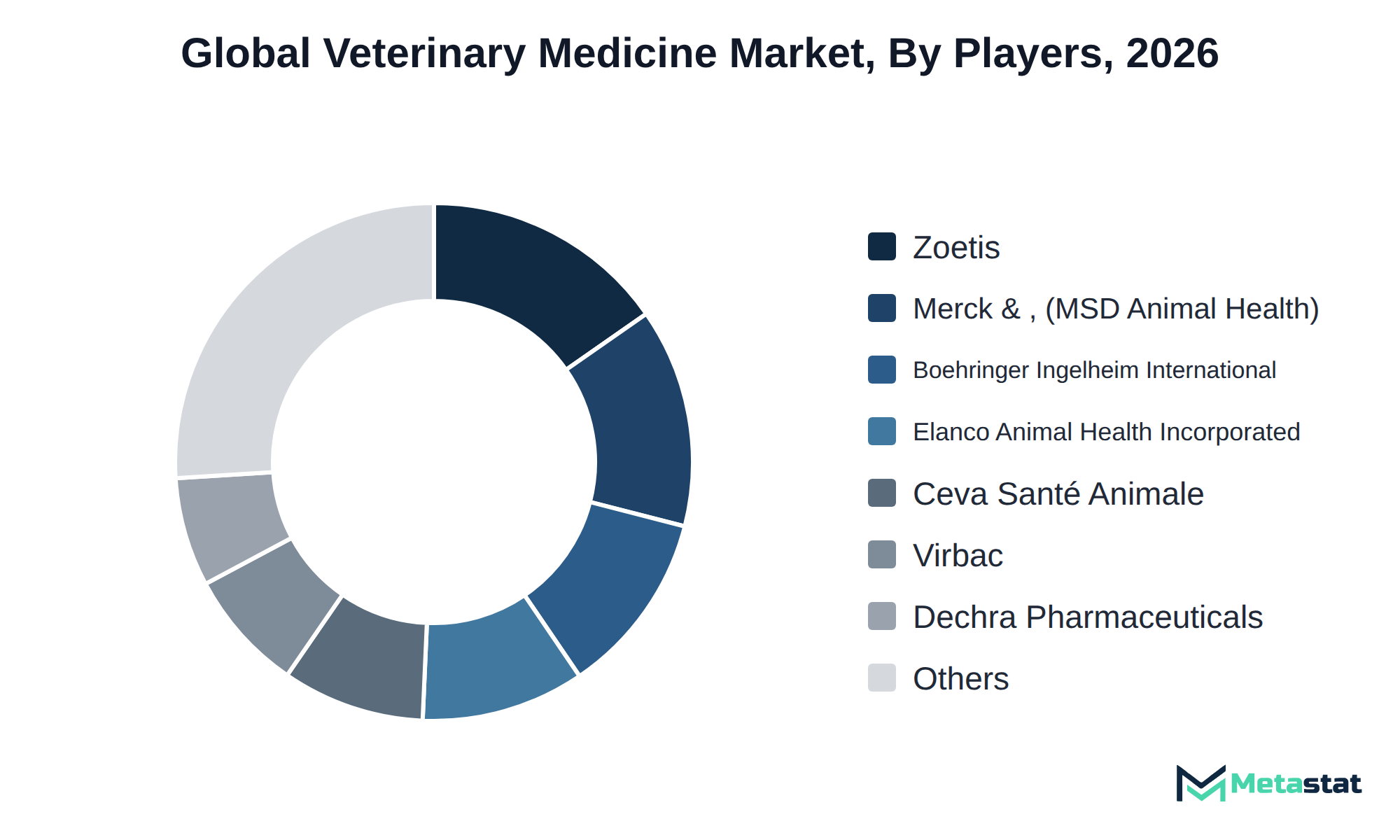
The Veterinary Medicine market features many companies, each adopting distinct strategies to address varying customer needs. Companies compete on elements including pricing, product certification, customization, service quality, and the overall ecosystem they provide. For instance, Zoetis Inc. focuses on a wide range of pharmaceuticals and biologics, positioning itself as a provider of innovative solutions that enhance animal health.
Merck & Co., Inc. (MSD Animal Health) emphasizes a solid portfolio of biologics and pharmaceuticals, catering to livestock and companion animals. This approach allows the company to meet the specific demands of different animal types. In contrast, Elanco Animal Health Incorporated diversifies its offerings by integrating medicated feed additives and pharmaceuticals, targeting both the agricultural and companion animal sectors effectively.
Companies including Boehringer Ingelheim International GmbH and Ceva Santé Animale focus on solutions that address both preventive and therapeutic needs, which strengthens their competitive stance. The market dynamics facilitate various purchasing decisions driven by factors including efficacy, safety, and brand reputation. This competitive environment leads to a strong emphasis on research and development, with firms striving to introduce innovative products that align with consumer expectations.
Achieving this growth hinges on several critical developments. First, the expansion of the pharmaceuticals segment, projected to reach USD 62.4 billion, relies on increased demand for effective treatments across various animal types, particularly cattle and poultry. Second, growth in the biologics segment, anticipated to hit USD 43.3 billion, necessitates innovation in vaccine development, a focus area driven by the high incidence of diseases affecting livestock and poultry. Third, the rise of e-commerce as a distribution channel is crucial, with this segment expected to experience significant growth, enhancing accessibility for veterinary products. Conversely, a significant risk lies in potential regulatory hurdles that impede the timely introduction of new products into the market. Delays in approvals or stringent regulations stifle innovation and restrict market growth. Overall, the Veterinary Medicine market is poised for substantial expansion, but achieving the forecasted figures relies on managing these challenges effectively.
By Product Type: Pharmaceuticals, Biologics (Vaccines and Therapeutic Antibodies), Medicated Feed Additives
By Animal Type: Poultry, Cattle, Swine, Sheep and Goats, Aquaculture, Dogs, Cats, Horses, Others (Rabbits, Companion Birds, Exotic Pets)
By Route of Administration: Injectable, Oral, Topical, Others (Intranasal, Ocular, Immersion)
By Distribution Channel: Veterinary Hospitals and Clinics, Veterinary Pharmacies and Farm Retail Stores, Direct Sales to Farms and Feed Mills, E-commerce
The report strategically identifies and profiles the key market players and analyses their core competencies in each sub-segment of the Veterinary Medicine market.
Report Attributes | Details |
Study Period | 2021-2033 |
Base Year | 2025 |
Estimated Year | 2026 |
Forecast Period | 2026-2033 |
Historical Period | 2021-2025 |
Growth Rate | CAGR 9.1% from 2026 to 2033 |
Revenue Unit | USD billion |
Segmentation | By Product Type, Animal Type, Route of Administration, Distribution Channel, and Region |
By Region | North America (By Product Type, Animal Type, Route of Administration, Distribution Channel, and Country)
|
Europe (By Product Type, Animal Type, Route of Administration, Distribution Channel, and Country)
| |
Asia Pacific (By Product Type, Animal Type, Route of Administration, Distribution Channel, and Country)
| |
South America (By Product Type, Animal Type, Route of Administration, Distribution Channel, and Country)
| |
Middle East and Africa (By Product Type, Animal Type, Route of Administration, Distribution Channel, and Country)
|
Find answers to common questions about this report
The Veterinary Medicine market size was valued at USD 58 billion in 2025.
The market is projected to grow at a CAGR of 9.1% during the forecast period from 2026 to 2033.
The North America Veterinary Medicine market size is estimated to reach USD 41 billion by 2033.
Pharmaceuticals lead the Veterinary Medicine market with a projected value of USD 62.4 billion by 2033, reflecting significant growth compared to other segments.
The rise in pet ownership significantly influences spending patterns, leading to increased demand for veterinary services and products. The emphasis on wellness and preventive health measures among pet owners stimulates demand for various products and services in the market.
North America holds the dominant share of the Veterinary Medicine market, with a projected value of USD 41 billion in 2033, representing 37.2 percent of the total market. This region surpasses others in market share, reflecting its significant role in the industry.
Rising costs of veterinary medicines present a significant barrier for various buyer groups, particularly independent veterinary clinics and farms. Increased input costs, including fluctuations in raw material prices, challenge suppliers' margins and impact profitability.
The rising interest in animal wellness and preventive care drives adoption in the Veterinary Medicine market. This trend encourages investment in innovative treatments and solutions tailored to the needs of pet owners, enhancing overall animal health management.
The Veterinary Medicine market is estimated to reach a valuation of USD 116.4 billion by 2033.
Key players operating in the Veterinary Medicine market include Zoetis Inc., Merck & Co., Inc. (MSD Animal Health), Boehringer Ingelheim International GmbH, Elanco Animal Health Incorporated, Ceva Santé Animale, and Virbac S.A.
The analysts below cover Healthcare research at Metastat Insights.
LEAD ANALYST
Utkarsh Khirodkar is a Lead Market Research Analyst at MetaStat Insight, specializing in market intelligence, technology sector assessments, and competitive strategy.

LEAD PRINCIPAL ANALYST, PHARMA AND HEALTHCARE
Food and Beverages · Healthcare · Healthcare IT · Medical Devices
Ajay Devgire is the Lead Healthcare Analyst at MetaStat Insight, leading strategic research and market intelligence initiatives across the global healthcare domain.
Evaluating sovereign cloud deployments for core banking platforms demands a clear view of data residency regulations and migration exit strategies. MetaStat Insight delivered an exhaustive review of regional latency tolerances, mainframe decommission milestones, and third-party vendor concentration risk. The regulatory compliance mapping across European and Asian financial jurisdictions gave our team a dependable baseline for multi-cloud infrastructure discussions.
Replacing petrochemical surfactants with bio-based alternatives requires realistic timelines on industrial precision fermentation scaling. The market research broke down commercialization timelines, feedstock sugar price sensitivities, and regional cosmetic ingredient regulatory approvals in Europe and East Asia. That supplier readiness mapping gave our formulations team reliable context when comparing renewable chemical sourcing roadmaps.
Tracking ceramic matrix composite adoption in high-bypass aero engines requires strict attention to material qualification cycles and FAA airworthiness testing milestones. The MetaStat Insight team provided a detailed timeline of silicon carbide fiber manufacturing capacity and commercial foundry lead times. Having clear visibility into upstream thermal barrier coating supply helped us stress-test our long-term component procurement strategy.
Explore related market intelligence reports worth reading alongside this one.