
LEAD ANALYST
Utkarsh Khirodkar is a Lead Market Research Analyst at MetaStat Insight, specializing in market intelligence, technology sector assessments, and competitive strategy.

Global Water and Wastewater Treatment Technology Market Size, Share, By Type of Treatment (Primary Treatment, Secondary Treatment, Tertiary Treatment and Sludge Treatment), By Technology (Coagulation, Flocculation & Clarification, Media & Depth Filtration, Membrane Separation, Biological Treatment, Adsorption, Ion Exchange & Demineralization, Disinfection & Advanced Oxidation, Electrochemical Treatment and Thermal Treatment & Evaporation), By Offering (Equipment & Integrated Treatment Systems, Treatment Media & Consumables, Instrumentation & Process Control Hardware, Digital Water Treatment Software & Analytics, Engineering, Integration & Commissioning Services and Operations & Maintenance Services), By End-Use Industry (Municipal Water & Wastewater Utilities, Power Generation, Oil & Gas, Chemicals & Petrochemicals, Food & Beverage, Pharmaceuticals & Life Sciences, Electronics & Semiconductors, Mining & Metals and Pulp & Paper), Industry Analysis, Growth, Trends, and Forecast, 2026-2033
Report ID
MSI-5375
Published
September, 2026
Pages
258 Pages
Format
Historical
Base year
Forecast
Forecast period
Report Details
Market Valuation: Valued at $377.8 Billion in 2025, projected to reach $694.3 Billion by 2033 at a 7.9% CAGR.
Dominant Segment: The Secondary Treatment segment leads the market, projected to reach USD 242.4 billion by 2033, driven by stringent regulations and urbanization pressures that demand effective wastewater management solutions.
Geographic Lead: The Asia Pacific region is experiencing the fastest growth, fueled by rapid urbanization and population growth, necessitating advanced treatment technologies to combat water scarcity and pollution.
What's Inside: The report provides comprehensive coverage of market dynamics, competitive landscape, and detailed analyses of treatment technologies, segmented by type, offering, and end-use industry, along with forecasts through 2033.
Emerging Demands: Increasing demands for sustainable water management solutions are enhancing market potential, particularly in regions with aging infrastructure and rising environmental concerns.
Choose Your License
Global Water and Wastewater Treatment Technology Market
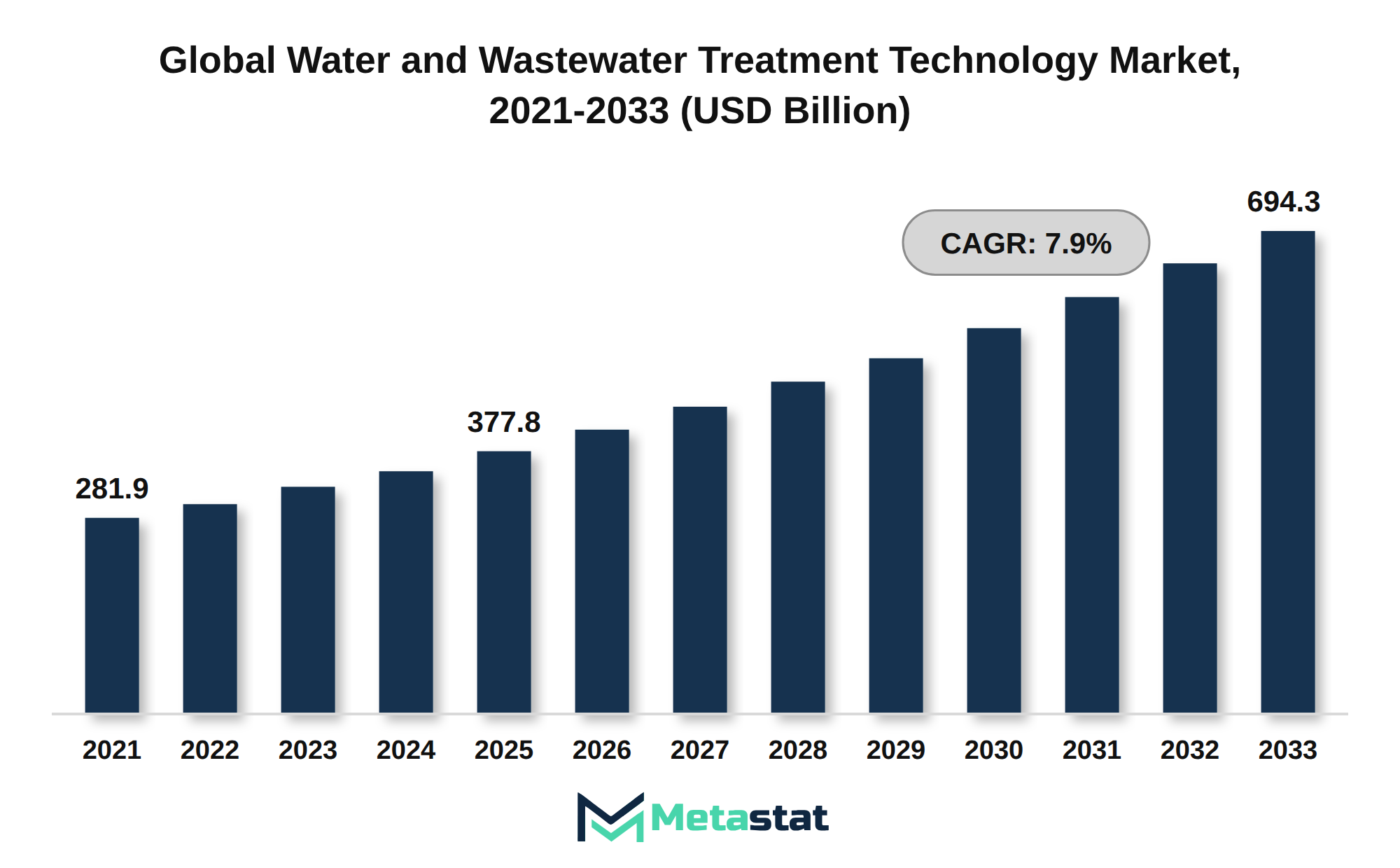
The global Water and Wastewater Treatment Technology market was valued at USD 377.8 billion in 2025 and is projected to reach USD 694.3 billion by 2033, growing at a CAGR of 7.9% over the forecast period.
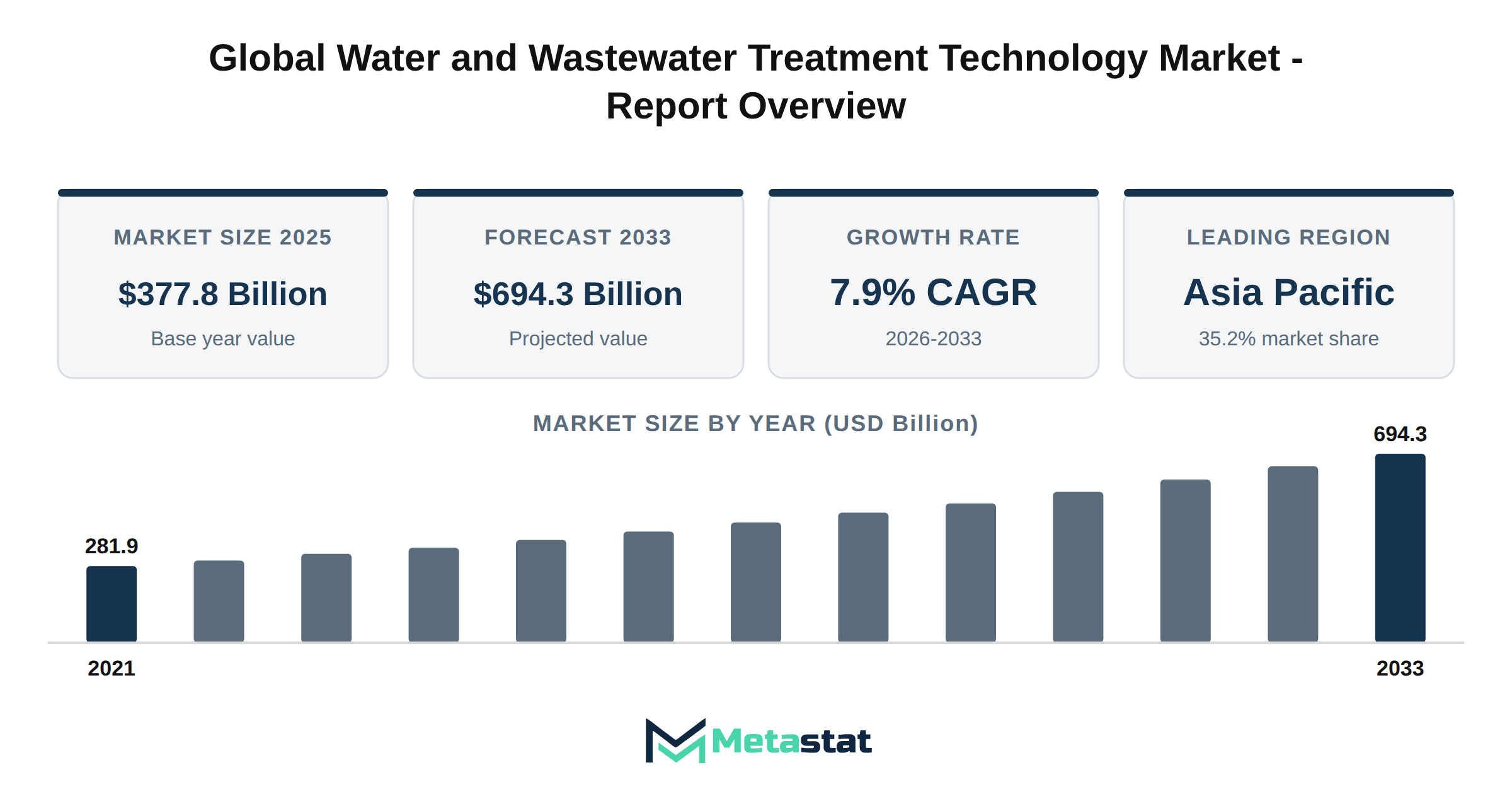
The Water and Wastewater Treatment Technology market, valued at USD 377.8 billion in 2025, is projected to experience substantial growth, reaching USD 694.3 billion by 2033. This growth reflects a compound annual growth rate (CAGR) of 7.9% over the forecast period from 2026 to 2033. Increasing global water scarcity and rising regulatory pressures regarding water quality are primary factors driving market expansion.
Advanced membrane technologies are transforming water and wastewater treatment processes, enabling efficient separation and purification of water. These innovations significantly enhance treatment quality while reducing energy consumption and operational costs. Demand for these technologies continues to rise, particularly in sectors including municipal utilities and industrial applications.
The modernization of municipal water infrastructure is essential for the demand for treatment technology. Aging infrastructure across many regions necessitates significant upgrades to ensure compliance with stringent water quality regulations. Investments in advanced treatment solutions support improved water quality and operational efficiency, directly impacting public health and environmental sustainability.
Industrial wastewater treatment is increasingly adopted across high water-use industries, including power generation and chemicals. These sectors recognize the importance of effective water management practices to mitigate environmental impacts and adhere to regulatory standards. Integration of advanced treatment technologies enhances the capacity to recycle and reuse water, further driving market growth.
Water reuse and recycling technologies are gaining commercial momentum, driven by the need for sustainable water management solutions. Industries actively seek methods to reclaim and recycle water to reduce consumption and lower costs. This trend aligns with global efforts to promote circular water management practices, improving efficiency in water resource utilization.
The need for effective treatment solutions for per- and polyfluoroalkyl substances (PFAS) and emerging contaminants presents significant opportunities in the market. Advanced technologies specifically designed to address these contaminants are increasingly prioritized by regulatory agencies and industries alike. The focus on developing effective treatment methods for PFAS reflects the broader commitment to improving water quality and environmental health.
Digital water treatment platforms and AI-driven process optimization enhance operational efficiency within treatment facilities. These technologies facilitate real-time monitoring and analytics, allowing operators to optimize treatment processes and reduce costs. Adoption of smart technologies represents a significant trend, transforming traditional water treatment methodologies into more efficient and data-driven operations.
Smart monitoring and automation in water and wastewater treatment plants improve operational management and resource allocation. Integration of IoT devices and data analytics platforms enables proactive maintenance and monitoring, reducing downtime and enhancing overall system reliability. This trend aligns with the industry's shift towards more connected and efficient treatment solutions.
Energy-efficient water treatment technologies are key to reducing operating costs for treatment facilities. Innovations in energy management and process design contribute to lower energy consumption without compromising treatment effectiveness. This focus on energy efficiency aligns with broader sustainability goals within the water and wastewater treatment sector.
Technological advancements in membranes significantly influence the Water and Wastewater Treatment Technology market. Innovations in filtration techniques, including reverse osmosis and ultrafiltration, enhance separation efficiency, enabling treatment facilities to achieve higher purity levels while reducing operational costs. These advancements drive demand for membrane technologies across various sectors, including municipal utilities and industrial applications.
Modernization of municipal water infrastructure increases the requirement for innovative treatment technologies. Aging systems necessitate upgrades to ensure reliable service and compliance with water quality regulations. Investments in advanced treatment methodologies enhance efficiency and effectiveness, supporting both operational sustainability and regulatory compliance in water utilities.
High water-use industries are increasingly adopting industrial wastewater treatment solutions. Sectors including power generation and manufacturing prioritize efficient water management practices to meet sustainability goals and regulatory requirements. This trend contributes to the overall growth of the market, driven by businesses seeking to minimize their environmental footprint while optimizing resource use.
Water reuse and recycling technologies gain traction due to rising water scarcity concerns. Municipalities and industries recognize the potential of treated wastewater because a valuable resource, driving investment in advanced technologies for water reclamation. This shift towards circular water management practices enhances resilience against water supply uncertainties.
Emerging contaminants, including per- and polyfluoroalkyl substances (PFAS), present new challenges for water treatment. Technologies focused on PFAS removal and micropollutant treatment attract attention because regulatory scrutiny intensifies. This focus creates opportunities for innovation and investment in treatment solutions that effectively address these contaminants.
Digital water treatment platforms integrate artificial intelligence (AI) to optimize processes and improve operational efficiency. These platforms enhance decision-making through real-time data analysis, enabling facilities to respond proactively to changing conditions. The incorporation of smart technologies supports sustainability efforts and operational excellence within the market.
Monitoring and automation technologies transform the management of water and wastewater treatment plants. Advanced sensors and control systems facilitate improved efficiencies, reducing labor costs and enhancing system reliability. Automation in treatment processes improves compliance with regulatory standards while promoting safe and efficient operations.
Energy-efficient technologies in water treatment significantly reduce operating costs. Innovations in energy recovery systems and process optimization contribute to lower energy consumption, aligning with sustainability objectives. These advancements enhance the long-term viability of treatment facilities, making them increasingly attractive to investors.
Biological wastewater treatment innovations contribute to process intensification and efficiency gains. Enhanced biological processes, including membrane bioreactors, improve treatment effectiveness while minimizing space and resource requirements. This evolution supports the market's growth, driven by operators seeking to enhance system performance and reduce operational burdens.
Adoption trends in advanced oxidation and disinfection technologies reflect the meet stringent water quality standards. These technologies enhance pathogen removal and contaminant oxidation, offering effective solutions for various applications. While regulatory pressures increase, investment in these technologies becomes essential for compliance and public health protection.
Developments in sludge treatment and resource recovery technologies yield significant environmental benefits. Innovations in sludge processing create opportunities for energy generation and nutrient recovery, promoting sustainable practices within the market. These advancements contribute to the overall efficiency and effectiveness of wastewater treatment operations.
The Water and Wastewater Treatment Technology market experiences growth driven by technological advancements, regulatory pressures, and evolving consumer demands. Continuous innovation and strategic investments will define the future of this critical sector.
Increased capital investments in infrastructure are vital for the Water and Wastewater Treatment Technology market. Significant public and private funding supports the development of advanced treatment facilities, ensuring compliance with growing environmental standards. Rising GDP levels globally prompt governments and industries to prioritize water management systems, enhancing operational efficiency and sustainability.
Technological integration, including automation and software adoption, transforms traditional treatment processes. Investment in digital transformation optimizes operations, reduces labor costs, and improves service quality. These factors contribute to increased demand for innovative treatment solutions, stimulating market growth.
Shifting demographic patterns, particularly urbanization, further influence market dynamics. Urban populations require efficient water management systems to handle increased consumption and waste generation. This trend stimulates innovation within the Water and Wastewater Treatment Technology market, creating new solutions to address the needs of densely populated areas.
Overall, macro-economic factors and demographic shifts fuel investment and adoption of advanced technologies in the water treatment sector. This progression enhances operational productivity while meeting the demands of evolving consumer behaviors, ultimately driving sustained growth in the market.
The Water and Wastewater Treatment Technology market experiences growth driven by heightened focus on sustainability initiatives. Organizations across various sectors seek to minimize their environmental impact, prompting substantial investments in technologies that promote water conservation and waste management. This shift aligns with evolving consumer expectations, emphasizing ethical governance and resource stewardship. Enhanced public awareness regarding water scarcity and pollution drives companies to adopt innovative water treatment solutions that reduce carbon footprints and support circular economy principles.
Industry players respond to this demand by integrating advanced technologies into their processes. Automation, artificial intelligence (AI), and software adoption streamline operations, enhancing efficient water use and reducing operational costs. The transition towards sustainable practices influences capital investment environments, encouraging public and private stakeholders to allocate resources towards modernizing water infrastructure. Consequently, this supportive investment landscape strengthens the market focus on sustainability, driving the adoption of innovative water and wastewater treatment technologies.
The market benefits further from governmental policies that incentivize sustainable practices. Regulatory frameworks increasingly prioritize environmental objectives, facilitating the emergence of funding opportunities for projects that align with sustainability goals. These developments enhance project viability and contribute to the overall growth of the Water and Wastewater Treatment Technology market, promoting long-term investment in sustainable infrastructure.
Regulatory challenges significantly hinder the Water and Wastewater Treatment Technology market. Stringent compliance requirements create barriers for suppliers, leading to increased costs and delays in project implementation. Legal mandates often require extensive documentation and testing, complicating the operational landscape for companies seeking to introduce new technologies. Navigating complex compliance landscapes deters investment in innovative solutions, thereby restricting market expansion.
Macroeconomic headwinds impact capital availability, resulting in reduced funding for water treatment projects. Inflationary pressures escalate operating costs, compelling businesses to prioritize essential expenditures over new technology adoption. This financial strain emphasizes the need for companies to make tough decisions regarding resource allocation, which stifles growth opportunities within the market. Infrastructure gaps and connectivity deficits create additional obstacles, limiting the effectiveness of treatment solutions in underserved regions.
Deployment bottlenecks arise from a lack of skilled labor, creating a talent gap that challenges the ability to implement advanced water treatment technologies. Rising workforce overhead contributes to operational challenges, complicating project timelines. In addition, data security vulnerabilities and privacy concerns surrounding the collection and management of water quality data pose significant risks, causing hesitation among stakeholders to fully engage in technology-driven solutions.
Market fragmentation creates an environment where diverse regional adoption resistors exist, complicating the ability to leverage economies of scale. Slowing downstream demand and industry cycle maturation lead to market saturation, reinforcing a cautious approach among investors and stakeholders. These intertwined factors collectively create a challenging environment for the Water and Wastewater Treatment Technology market, impeding its potential for growth and innovation.
Geopolitical fragmentation poses significant challenges for the Water and Wastewater Treatment Technology market, impacting global trade dynamics and creating supply chain instability. Increased trade deficits and tariff friction disrupt relationships between countries, complicating the procurement of essential materials and components necessary for water treatment technologies. This fragmentation leads to higher costs and delays in the supply chain, forcing companies to seek alternative suppliers or develop localized production capabilities, which increases operational complexity and expenditure.
Technological disruptions and interoperability challenges compound these difficulties, because companies navigate a field of changing technologies while ensuring compatibility across various systems. Investment in research and development remains crucial, but complex integration requirements often lead to increased costs and extended timelines for product deployment. The market faces continuous pressure from rising input costs, stemming from fluctuating feedstock prices and component volatility, which erode profit margins and challenge companies to maintain competitive pricing.
Environmental lifecycle footprints and sustainability demands further complicate the operational environment. Companies striving to comply with tightening global regulatory standards encounter substantial compliance overhead and evolving legal liabilities, which necessitate increased investments in environmentally friendly technologies. These challenges deter market entrants and stifle innovation, ultimately slowing growth within the Water and Wastewater Treatment Technology market.
Workforce skill gaps present a formidable obstacle, impacting talent retention and automation displacements within the industry. While companies seek to adapt to new technologies, the availability of skilled labor becomes critical to ensure efficient operations. The combination of these factors creates a competitive environment where businesses continuously adapt to maintain their market position while facing increasing challenges.
Growing demands in emerging regions significantly enhance opportunities within the Water and Wastewater Treatment Technology market. Rapid urbanization and population growth in Asia Pacific create an increasing necessity for advanced treatment technologies to address water scarcity and pollution. Aging infrastructure in North America and Europe necessitates modernization initiatives, creating a substantial market for upgrades and replacements.
Technological disruptions, including automation and digital transformation, lead to enhanced efficiency and reduced operational costs. Innovations in treatment methodologies, including biological treatment and membrane separation, attract attention from various industries aiming to improve water quality and recycling capabilities. The market experiences shifts due to evolving buyer behaviors, with an increasing preference for integrated treatment solutions over separate systems, enabling greater market penetration.
Sustainability imperatives, driven by environmental, social, and governance (ESG) considerations, align with corporate strategies aiming for eco-friendly compliance. Companies within the market adapt by focusing on green transformations and innovations that address environmental concerns, contributing to long-term growth. The integration of digital water treatment software and analytics further improves operational yield, highlighting the role of advanced technologies in shaping future market dynamics.
Asset life-cycle extensions and retrofitting dynamics present avenues for existing facilities to enhance their operational capabilities. Value-chain optimization improves efficiency, while strategic buffering and import substitution frameworks mitigate risks associated with supply chain disruptions. The Water and Wastewater Treatment Technology market stands to benefit from these multifaceted growth opportunities, supporting sustained expansion and investment in the sector.
The Global Water and Wastewater Treatment Technology market is segmented based on Type of Treatment, Technology, Offering, and End-Use Industry.
Valued at USD 109.8 billion in 2026, the Primary Treatment segment is projected to reach USD 171.3 billion by 2033, achieving a CAGR of 6.6% during the forecast period. Increasing urbanization and population growth contribute to rising water demand, thus enhancing the necessity for effective primary treatment solutions. Municipalities prioritize advanced primary treatment processes to meet regulatory compliance standards, driving investments in this segment.
The focus on environmental sustainability influences adoption rates, driven by industries seeking to minimize their ecological footprint through efficient water treatment. Technological maturation in primary treatment systems leads to enhanced operational efficiency and lower lifecycle costs. This shift accelerates product evolution, with providers developing next-generation treatment technologies that maximize resource recovery and minimize waste.
End-use dynamics illustrate a substantial commitment from municipal water and wastewater utilities, accounting for a significant portion of the segment's growth. Rising consumption shifts toward high-quality water drive demand for primary treatment technologies, necessitating continuous upgrades in facilities. Pricing volatility in raw materials impacts cost structures, urging operators to strategize effectively to maintain margins.
Strategic opportunity windows manifest through investment in innovative treatment equipment and integrated systems, enabling facilities to adapt to regulatory changes and evolving market expectations. The growing emphasis on supply chain resilience enhances the industry's ability to respond to disruptions, while the ongoing quest for process optimization mitigates substitution risks and increases competition. The Water and Wastewater Treatment Technology market remains poised for sustained growth, driven by these dynamic factors influencing the Primary Treatment segment.
Increasing focus on environmental sustainability drives growth in the Secondary Treatment segment of the Water and Wastewater Treatment Technology market. Stringent regulations and standards for wastewater discharge result in heightened demand for effective treatment solutions. Urbanization pressures cities to enhance wastewater management systems, increasing the importance of secondary treatment processes that effectively remove contaminants and pollutants.
The segment is estimated to reach USD 242.4 billion by 2033, at a CAGR of 7.4% during the forecast period. Technological maturation in secondary treatment methods, including biological treatment and membrane separation, contributes to improved efficiency and effectiveness. This evolution supports market expansion by providing operators with advanced tools to address the complexities of wastewater treatment.
End-use industries including municipal water utilities increasingly adopt secondary treatment technologies to comply with regulatory mandates, ensuring safe and clean water for communities. Demand from these sectors drives investment in innovative solutions capable of meeting both current and future environmental standards.
Competitive pressures within the market encourage continuous product evolution. This facilitates the development of next-generation upgrades that enhance performance and reduce operational costs. Strategic opportunity windows identified in this segment highlight the importance of aligning technological advancements with regulatory requirements, positioning companies to capitalize on growth prospects.
Tertiary treatment focuses on advanced purification processes essential for meeting stringent water quality standards. Increasing environmental regulations and heightened public awareness regarding water safety drive demand for tertiary treatment solutions. These advanced filtration and purification techniques are vital for various applications, including municipal wastewater treatment, industrial processes, and water recycling initiatives.
The market is expected to reach USD 199.7 billion by 2033, reflecting a growing emphasis on sustainable water management practices. Technological advancements in filtration systems, including membrane technologies and advanced oxidation processes, enhance the efficacy and efficiency of tertiary treatment solutions. The shift towards more sophisticated treatment methods is influenced by the need for higher water quality standards, particularly in urbanized and industrial regions facing significant water scarcity.
End-use industries increasingly adopt tertiary treatment processes to ensure compliance with regulatory requirements and improve operational efficiency. Municipal water utilities and industrial sectors are primary contributors to demand, driven by the necessity to reuse water and minimize environmental impact. Strategic capital investments in advanced treatment technologies support the growth trajectory of the market, aligning with global sustainability goals and environmental protection initiatives.
Growing environmental regulations and increasing focus on sustainable practices drive demand for effective sludge treatment solutions within the Water and Wastewater Treatment Technology market. The segment is projected to grow at a CAGR of 8% during the forecast period. This growth results from the necessity to manage and reduce waste generated during water treatment processes, particularly in municipal and industrial applications.
Technological advancements in sludge treatment methods, including anaerobic digestion and advanced drying techniques, enhance operational efficiency and reduce overall costs. These innovations enable facilities to optimize resource recovery, turning waste into valuable by-products including biogas and fertilizers. Municipal water and wastewater utilities leverage these technologies to comply with stringent environmental standards while minimizing disposal costs.
Market competitors are investing in research and development to introduce next-generation sludge treatment solutions that align with evolving regulatory frameworks. The emphasis on technological maturation within the segment results in improved performance and reliability, increasing adoption across various applications. This dynamic enhances the overall value proposition of the Water and Wastewater Treatment Technology market, facilitating sustained growth.
Valued at USD 67.1 billion in 2026, the Coagulation, Flocculation & Clarification segment is projected to reach USD 104.2 billion by 2033, at a CAGR of 6.5% during the forecast period. This segment benefits from growing regulatory emphasis on water treatment standards, which drives adoption across various industries. Municipalities and industrial sectors prioritize efficient water treatment processes, propelling investments in advanced coagulation and flocculation technologies. Innovations in chemical additives enhance the effectiveness of these processes, enabling improved performance and reduced operational costs. Environmental concerns surrounding water quality and resource conservation stimulate demand in this market. Adoption of next-generation technologies within this segment improves treatment efficiency and reduces the environmental footprint. Significant expansion in the Water and Wastewater Treatment Technology market is expected, fueled by these evolving dynamics.
Increasing reliance on efficient filtration technologies drives demand within the Water and Wastewater Treatment Technology market. Media and Depth Filtration provides essential solutions for various applications in water treatment processes. The Media & Depth Filtration segment is estimated to reach USD 74.7 billion by 2033, at a CAGR of 6.7% during the forecast period. Growth in this segment arises from rising concerns regarding water quality and the need for effective treatment solutions across municipal and industrial sectors.
Technological maturation in media and depth filtration systems contributes to enhanced performance and reliability. Innovations in materials and design lead to improved filtration efficiency, resulting in better operational outcomes. End-use industries, including municipal water and wastewater utilities, increasingly adopt these technologies to comply with stringent regulatory standards regarding water quality and environmental protection.
Cost structures associated with media and depth filtration systems influence market dynamics. Manufacturers focus on optimizing production processes to enhance cost efficiency and maintain competitive pricing. In this context, strategic opportunity windows emerge for key players, allowing them to invest in research and development to innovate and capture market share.
While downstream applications expand, consumption shifts toward more advanced filtration technologies. The market experiences a notable trend of companies integrating smart technologies and analytics into their filtration systems. These advancements facilitate real-time monitoring and control, enhancing the effectiveness of water treatment processes and increasing operational efficiency.
Growing emphasis on advanced filtration technologies drives demand for membrane separation solutions within the Water and Wastewater Treatment Technology market. This sub-segment of the market is projected to reach USD 121.4 billion by 2033. Increasing municipal and industrial requirements for high-quality water and stringent regulatory compliance standards significantly influence the adoption of membrane separation technologies. Innovations in membrane materials and designs enhance efficiency and reduce operational costs, supporting market expansion.
Technological maturation enables next-generation upgrades that improve system performance and lifespan, further fueling adoption across various industries. End-use dynamics highlight increasing demand from municipal water and wastewater utilities, which rely on efficient separation methods to meet stringent quality standards. Supply chain resilience and raw material sourcing strategies directly impact pricing and availability of membrane technologies, presenting opportunities for manufacturers to optimize their offerings.
Strategic investment in research and development promotes product evolution, addressing the need for more effective and sustainable separation solutions. The emergence of disruptive alternatives, including advanced filtration systems, challenges existing technologies and compels manufacturers to innovate continuously. Consequently, the market positions itself for growth driven by these dynamics, ensuring a competitive environment that adapts to evolving consumer and regulatory demands.
Increasing attention toward sustainable and efficient treatment solutions drives the Biological Treatment segment within the Water and Wastewater Treatment Technology market. This segment leverages microbial processes to treat wastewater, effectively removing contaminants and supporting the circular economy approach. Growing regulatory pressure to comply with strict environmental standards increases demand for biological treatment methods, enhancing their adoption across various industries. Technological maturation in biological treatment solutions enables greater efficiency and effectiveness, leading to enhanced performance in treating complex wastewater streams. Enhanced awareness of environmental sustainability drives investment in next-generation upgrades, promoting innovation in biological treatment processes. The segment is projected to grow at a CAGR of 7.4% during the forecast period. Increased capital investment in municipal water and wastewater utilities directly influences the expansion of biological treatment capabilities. The shift toward more sustainable practices is expected to spur demand from end-use industries, including oil and gas, chemicals, and pharmaceuticals, further strengthening biological treatment's position in the market. With continuous evolution in treatment technologies, the Biological Treatment segment presents strategic opportunity windows for suppliers and manufacturers. Overall, this segment is essential in meeting both regulatory compliance and environmental sustainability goals, ensuring a resilient market outlook.
Advancements in adsorption technology are reshaping the Water and Wastewater Treatment Technology market. This segment relies on the efficient removal of contaminants through various adsorption media, which enhances treatment efficacy. Industries increasingly adopt these solutions to meet stringent regulatory requirements, addressing concerns related to water quality and environmental impact.
Growing awareness regarding environmental sustainability encourages investments in adsorption technologies. This trend aligns with the shift towards green technologies and practices across numerous sectors, driving demand for effective water treatment solutions. End-use industries, including municipal utilities and power generation, prioritize these systems to ensure compliance with evolving standards and certifications.
Technological maturity in adsorption methods influences market dynamics, with continuous innovation leading to next-generation upgrades and product evolution. Suppliers focus on enhancing material efficiency and performance, thereby increasing the market's appeal. Incorporating advanced materials and novel approaches enhances adsorption efficiency and broadens application scopes, improving overall effectiveness.
The market faces challenges, including pricing volatility and margin pressures tied to raw material sourcing. Resilience in the supply chain becomes crucial in mitigating disruptions and maintaining consistent production. Strategic opportunity windows arise due to industries exploring innovative alternatives to traditional treatment methods, reinforcing the importance of adaptability in a changing market environment.
Demand for Ion Exchange & Demineralization technologies derives primarily from the increasing necessity for high-purity water across various industries. Industries including pharmaceuticals, power generation, and semiconductor manufacturing exhibit a growing reliance on these technologies to meet stringent quality standards. Enhanced product quality and process efficiency represent critical drivers for adoption within these end-use sectors.
Technological advancement plays a major role in shaping market dynamics. Innovations in ion exchange resins and membrane technologies lead to improved efficiencies and reduced operating costs. The shift towards automated and digitally integrated solutions reflects ongoing trends in next-generation upgrades, facilitating effective monitoring and control of water treatment processes.
Regulatory compliance further fuels demand, because industries face stricter regulations regarding water quality and wastewater discharge. Certification standards from governing bodies compel companies to adopt advanced treatment technologies, ensuring both environmental protection and operational compliance. This heightened focus on compliance necessitates continuous investment in ion exchange and demineralization capabilities.
Cost structures in the market reflect the need for efficient raw material sourcing and effective waste management strategies. Pricing volatility impacts operational margins, prompting suppliers to explore alternative materials and processes that mitigate cost pressures. The evolution of low-cost, high-performance ion exchange technologies enhances the value proposition for businesses seeking sustainable solutions.
Strategic opportunity windows arise from growing investments in infrastructure, particularly in emerging markets. Increasing urbanization and industrialization drive the demand for reliable water treatment solutions, positioning ion exchange and demineralization because vital components of the Water and Wastewater Treatment Technology market's growth strategy. Companies focusing on developing localized solutions capture significant market share in these regions.
Advanced oxidation and disinfection technologies play a crucial role in ensuring water quality across various applications. Increasing regulatory demands for cleaner water supply drive adoption in both municipal and industrial sectors, enhancing the focus on effective pathogen removal and contaminant degradation. Compliance with stringent safety standards by end-users, including municipalities and industries, drives investment in innovative disinfection solutions.
Technological advancements continue to shape this segment, with ongoing developments in UV disinfection, ozone treatment, and advanced oxidation processes. These innovations improve efficiency, reduce operational costs, and optimize performance, driving market growth. Reliable and effective treatment solutions influence purchasing decisions, particularly in regions facing water scarcity and quality issues.
Downstream applications, especially in industries including pharmaceuticals and food and beverage, impose specific requirements for disinfection efficacy. Ensuring product safety and quality drives demand for advanced treatment technologies, further emphasizing their importance in the Water and Wastewater Treatment Technology market. Expansion in these application areas enhances overall market dynamics and increases competition among technology providers.
The ongoing evolution of regulations and standards creates new opportunities for market participants. Meeting regulatory compliance and certification builds trust and reliability, essential for securing contracts and long-term partnerships. Strategic investments in research and development, coupled with an agile response to changing regulations, equip market players to capitalize on emerging opportunities in the disinfection and advanced oxidation space.
Increasing interest in electrochemical processes for water treatment enhances the adoption of innovative technologies. This approach addresses both the efficiency and effectiveness of contaminant removal, appealing to industries requiring stringent water quality standards. Rising demand for sustainable solutions drives interest in electrochemical treatment, particularly because concerns regarding environmental impact heighten among regulatory bodies.
Technological maturation in electrochemical treatment facilitates the development of next-generation systems that offer improved performance and lower operational costs. Stakeholders in the Water and Wastewater Treatment Technology market recognize the potential of this technology to optimize treatment processes. Enhanced product evolution leads to the integration of advanced materials and automation, resulting in better scalability and adaptability across various applications.
End-use dynamics play a significant role in shaping the market landscape, with sectors including pharmaceuticals and food and beverage demonstrating heightened requirements for water treatment solutions. Regulatory compliance standards enforce strict guidelines, prompting facilities to shift toward electrochemical alternatives that align with eco-friendly practices. This transition emphasizes the need for industry players to invest in innovative electrochemical technologies to maintain competitiveness.
Pricing volatility remains a consideration. Raw material sourcing and supply chain resilience influence cost structures. The competitive environment drives companies to seek cost-effective solutions while addressing margin pressures and ensuring consistent product quality. Strategic opportunity windows arise because organizations explore partnerships and collaborations that enhance product offerings and market reach within the electrochemical treatment segment.
Increasing interest in efficient solutions for wastewater treatment drives the adoption of Thermal Treatment & Evaporation technologies within the Water and Wastewater Treatment Technology market. These technologies focus on the removal of contaminants through evaporation, concentrating waste materials for easier handling and disposal. Regulatory compliance standards surrounding effluent discharge and waste minimization significantly influence market dynamics. Industries including municipal water and wastewater utilities and power generation increasingly integrate these technologies to meet stringent environmental regulations while enhancing operational efficiencies.
Technological maturation continues to advance thermal treatment applications, leading to innovations in energy recovery and process optimization. Next-gen upgrades emphasize the deployment of advanced thermal systems that enhance evaporation rates, thereby increasing operational effectiveness. Product evolution aligns with market demand for sustainable and cost-effective treatment solutions, improving the competitive positioning of suppliers. The growing emphasis on high-performance integrated systems drives the development of these thermal technologies.
Downstream applications across various industries reflect a shift towards more efficient treatment processes, directly impacting consumption patterns and operational methodologies. While the market evolves, ongoing investments in research and development encourage innovation and diversification of thermal treatment options. Capital investment outlook indicates a positive trend driven by the need for modernization of existing infrastructure and the introduction of disruptive alternatives that outperform traditional methods.
Innovative technologies in the Water and Wastewater Treatment Technology market, particularly in air stripping and nature-based treatments, underline the industry's shift towards sustainable practices. Increasing environmental concerns and regulatory compliance drive the adoption of eco-friendly solutions. The demand for nature-based treatments stems from their ability to effectively manage wastewater while enhancing local biodiversity. Air stripping technologies provide efficient solutions for removing volatile substances from water, aligning with stringent environmental standards.
Understanding the end-use dynamics shows the growing integration of these technologies across various sectors. Municipal utilities, along with industries like food and beverage, recognize the benefits of sustainable water treatment methods. This shift towards greener solutions reflects a broader consumption trend where stakeholders actively seek environmentally responsible practices. The ongoing evolution of product offerings in this segment creates competitive advantage while responding to changing consumer preferences.
Technological maturation influences the advancement of air stripping and nature-based treatments. Continued research and development supports next-generation upgrades, enhancing the efficiency and effectiveness of these methods. Strategic opportunity windows emerge because stakeholders prioritize investments in innovative technologies, ensuring future resilience within their supply chains. While the Water and Wastewater Treatment Technology market evolves, these factors will shape treatment methodologies.
Challenges associated with cost structures and pricing volatility persist in the market. However, the long-term benefits of adopting efficient and sustainable solutions, including reduced operational costs and improved regulatory compliance, provide compelling incentives for investment. The focus on air stripping and nature-based treatments highlights the market's commitment to sustainable practices while addressing the pressing need for effective wastewater management.
Valued at USD 126.7 billion in 2026, the Equipment & Integrated Treatment Systems segment is projected to reach USD 200.7 billion by 2033, at a CAGR of 6.8% during the forecast period. Rising environmental regulations drive demand for innovative treatment solutions, compelling utilities and industries to adopt advanced equipment that enhances efficiency and compliance. The integration of new technologies ensures reliable and effective treatment processes, addressing growing concerns regarding water scarcity and quality.
Technological maturation within this segment reflects the industry's shift toward automated and smart systems, enabling real-time monitoring and management. Next-gen upgrades within Equipment & Integrated Treatment Systems facilitate improved operational efficiency, reducing energy consumption and operational costs. These advancements attract investments from various end-use industries, including municipal water and wastewater utilities, which seek to optimize treatment capabilities.
Increased focus on sustainability and resource recovery drives product evolution, with equipment designed for energy generation and material recovery from waste streams. Regulatory compliance standards necessitate the adoption of state-of-the-art treatment solutions that align with environmental policies, enhancing market attractiveness. Margins face pressures due to fluctuating raw material costs, but strategic capital investments in innovative technologies provide opportunities for differentiation and competitive advantage within the market.
Growing urbanization and population demand in developing regions further boost the need for effective treatment systems. Enhanced collaboration between equipment manufacturers and end-users supports the development of tailored solutions that address specific challenges. By positioning for strategic opportunity windows, suppliers are well placed to capitalize on the expanding Equipment & Integrated Treatment Systems segment within the Water and Wastewater Treatment Technology market.
Treatment Media & Consumables segment is estimated to reach USD 100.1 billion by 2033, at a CAGR of 7.2% during the forecast period. A growing emphasis on regulatory compliance standards and certifications drives demand for treatment media and consumables in the Water and Wastewater Treatment Technology market. Increasing investments in water infrastructure and the need for sustainable solutions significantly influence segment growth. The evolving landscape of downstream applications highlights the importance of effective treatment media in various end-use industries, including municipal utilities and industrial sectors.
Technological maturation enhances product evolution within this segment, leading to the introduction of innovative solutions designed to improve efficiency and reduce costs. The relationship between consumption shifts and regulatory frameworks ensures that treatment media and consumables remain relevant in addressing emerging challenges in water treatment processes. Strategic opportunity windows arise from the need for advanced solutions that cater to specific industry requirements, further supporting market expansion.
Instrumentation & Process Control Hardware segment is expected to reach USD 68.6 billion by 2033. Demand for this segment arises from the increasing need for automation and real-time monitoring of water and wastewater treatment processes. The adoption of advanced technologies including IoT and AI significantly enhances operational efficiency and compliance with stringent regulatory standards. Innovations in instrumentation offer improved accuracy and reliability, facilitating better decision-making among operators in the Water and Wastewater Treatment Technology market.
The emphasis on reducing operational costs drives investments in process control hardware. By integrating these technologies, facilities optimize their performance and minimize waste, resulting in substantial cost savings. The growing interest in remote monitoring solutions reinforces the importance of this segment, because operators seek to maintain service levels while addressing workforce shortages.
Technological maturation presents new opportunities for enhancing functionality and user experience. Upgrades to existing systems and the introduction of next-generation solutions provide stakeholders with versatile options that meet evolving industry needs. This trend enhances the competitive landscape, leading to increased market share for companies that innovate effectively. Overall, the Instrumentation & Process Control Hardware segment supports operational excellence and regulatory compliance in the broader Water and Wastewater Treatment Technology market.
Digital Water Treatment Software & Analytics holds significant potential within the Water and Wastewater Treatment Technology market. This segment is projected to grow at a CAGR of 11.6% during the forecast period. The advancement of digital solutions enhances monitoring and management of water resources, enabling utilities to optimize treatment processes and achieve regulatory compliance efficiently.
Increased focus on data-driven decision-making drives the adoption of analytics tools among municipal water utilities and industrial sectors. Organizations experience heightened demand for insights that support operational efficiency and lower costs. Integration of IoT technologies and real-time monitoring systems enhances data collection and processing capabilities, allowing for predictive maintenance and improved service delivery.
Regulatory compliance standards necessitate the implementation of advanced software solutions to ensure adherence to water quality parameters. The growing complexity of these regulations presents opportunities for innovative digital solutions that streamline reporting and compliance processes. Investments in next-generation upgrades and product evolution create a competitive environment, pushing the market towards advanced technologies.
Rising environmental awareness and heightened scrutiny on water management practices accelerate demand for digital water treatment solutions. Positive capital investment outlook reflects stakeholders' recognition of the strategic importance of technological advancements. Overall, the Digital Water Treatment Software & Analytics segment contributes significantly to the growth trajectory of the market, reflecting the broader industry shift towards smart water management.
Increasing investment in engineering, integration, and commissioning services supports the effectiveness of Water and Wastewater Treatment Technology projects. Expertise in these services ensures optimal system design, enhancing operational efficiency and regulatory compliance. Clients in municipal water and wastewater utilities, along with various industrial sectors, increasingly seek specialized service providers to implement complex water treatment solutions tailored to specific needs.
Technological advancements facilitate the integration of sophisticated systems, including digital water treatment analytics and automation tools. The growing complexity of treatment processes necessitates greater coordination among engineers, solution providers, and end-users, further heightening demand for engineering and integration services. This trend aligns with the broader movement towards digitalization and optimization in the market.
Regulatory compliance standards exert significant influence over engineering practices within the market. Heightened scrutiny on wastewater discharge and environmental impacts necessitates precise engineering solutions that adhere to evolving regulations. Firms delivering these services position themselves advantageously by meeting compliance thresholds while optimizing operational costs.
Market participants recognize strategic opportunity windows for engineering, integration, and commissioning services, particularly in regions emphasizing sustainability and resource efficiency. Investment in these services promotes downstream application expansion, driving growth across various end-use industries, including power generation, chemicals, and pharmaceuticals. This growth reflects an ongoing shift towards integrated systems that enhance both environmental and economic sustainability.
Availability of skilled labor and expert knowledge within the supply chain contributes to the resilience of engineering and integration services. While the market evolves, firms face pressures associated with pricing volatility and cost structures, compelling them to innovate and optimize their service offerings continually. This environment cultivates a competitive landscape where strategic partnerships and collaborations become critical for sustained growth and market penetration.
Increasing focus on efficient and reliable operations in water and wastewater management enhances the significance of Operations & Maintenance Services. These services provide essential support for the optimal functioning of treatment facilities, ensuring compliance with regulatory standards and enhancing environmental sustainability. The drive for efficient resource utilization and reduced operational costs increases the demand for these services across municipal utilities and industrial sectors.
Technological advancements in monitoring and automation streamline operations, leading to better management of resources. Integration of data analytics and real-time monitoring enhances service efficiency, allowing for predictive maintenance and timely interventions. This trend reflects broader shifts within the Water and Wastewater Treatment Technology market, where organizations prioritize proactive operations management to mitigate risks associated with downtime and compliance failures.
Growing regulatory pressures regarding water quality and treatment standards contribute significantly to the demand for Operations & Maintenance Services. Industries face increasing scrutiny to comply with environmental regulations, requiring robust operational frameworks. This environment highlights the strategic importance of service providers capable of adapting to evolving regulatory landscapes and ensuring that treatment facilities maintain high operational standards.
Investment in advanced technologies underpins the evolution of Operations & Maintenance Services. The focus on digital solutions and automation reflects the industry's transition toward innovative approaches that enhance operational efficiency. Organizations seek to optimize operations in the Water and Wastewater Treatment Technology market, making the emergence of next-generation upgrades critical for maintaining competitiveness and achieving sustainability goals.
Growing demand for mobile and rental treatment services stems from the need for flexible, scalable solutions in various sectors. This segment attracts clients seeking to address temporary or immediate water treatment challenges without the commitment of permanent installations. Industries including construction, emergency response, and agriculture leverage these services to manage water quality efficiently while adhering to regulatory standards.
Technological maturation influences the market significantly, with advancements in portable water treatment technologies enhancing operational capabilities. Innovations in filtration, disinfection, and monitoring systems contribute to improved efficiency and effectiveness in mobile setups. These developments promote the adoption of mobile services, particularly in regions with limited access to traditional infrastructure.
Downstream applications benefit from the quick deployment and adaptability of mobile treatment solutions. This flexibility enables rapid responses to environmental challenges, including contamination events or natural disasters, where immediate water quality management is essential. The capacity to provide on-site treatment ensures compliance with regulations while minimizing environmental impact.
Cost structures in the mobile and rental treatment services segment present both opportunities and challenges. Initial investments in mobile units are lower than permanent solutions, while operational costs fluctuate depending on usage and location. Pricing volatility impacts demand, prompting service providers to develop competitive pricing strategies that enhance market penetration.
Strategic opportunity windows arise from increasing awareness of sustainable water management practices. Companies involved in the Water and Wastewater Treatment Technology market capitalize on this trend by positioning their mobile services because eco-friendly alternatives. Enhanced marketing efforts focus on the benefits of reducing water waste and improving efficiency, aligning with global sustainability initiatives.
Valued at USD 210.1 billion in 2026, the Municipal Water & Wastewater Utilities segment is projected to reach USD 348.4 billion by 2033, at a CAGR of 7.5% during the forecast period. Demand for municipal water and wastewater treatment arises from increasing urbanization, population growth, and stricter regulatory standards focused on water quality. Expanding cities enhance infrastructure to accommodate population increases, leading to heightened investment in treatment technologies. Technological maturation drives the adoption of advanced treatment processes, offering improved efficiency and compliance with environmental regulations.
Next-generation upgrades in treatment systems, including real-time monitoring and automation, enhance operational effectiveness and reduce costs associated with manual processes. The evolution of product offerings, including eco-friendly treatment solutions and energy-efficient systems, aligns with sustainable development goals, attracting investments in this segment. Municipalities recognize the importance of regulatory compliance and seek solutions that meet and exceed established standards. Such alignment creates strategic opportunity windows for suppliers in the Water and Wastewater Treatment Technology market.
Pricing volatility in raw materials impacts cost structures, forcing utilities to evaluate their procurement strategies. Margins face pressures stemming from fluctuating costs, creating a demand for innovative solutions that provide better value. The supply chain resilience of service providers remains crucial, addressing potential disruptions in raw material sourcing and logistics vulnerabilities. The segment's focus on advanced treatment technologies positions it favorably against disruptive alternatives that threaten traditional methods.
With a strong emphasis on regulatory compliance, municipalities invest heavily in ensuring water safety and quality, which promotes overall market growth. The Municipal Water & Wastewater Utilities segment continues to evolve, driven by technological advancements, investment in infrastructure, and a commitment to sustainable practices, reinforcing its critical role within the broader Water and Wastewater Treatment Technology market.
Increasing emphasis on sustainable energy solutions significantly influences the Power Generation segment within the Water and Wastewater Treatment Technology market. This segment is estimated to reach USD 55.3 billion by 2033, at a CAGR of 6.7% during the forecast period. The need for efficient water management strategies in power generation facilities drives investments in advanced treatment technologies. These technologies enhance water recycling and minimize waste, aligning with environmental regulations and sustainability goals.
Technological maturation significantly influences segment expansion. The integration of next-generation upgrades, including digital monitoring and predictive analytics, optimizes treatment processes and improves operational efficiency. In addition, evolving regulatory compliance standards and certifications compel power generation companies to adopt innovative treatment solutions that ensure water quality and safety.
Cost structures remain a vital consideration, driven by fluctuating raw material prices and operational expenses that impact margins. Companies face challenges from pricing volatility, which affects profitability and investment decisions. Strategic opportunity windows arise from increasing demand for water-efficient technologies, prompting investment in research and development.
Downstream applications of treated water in power generation emphasize the importance of this segment. Enhanced water treatment not only supports compliance with stringent environmental regulations but boosts the reliability of power generation processes. The Power Generation segment reflects the growing interconnectivity of water and energy sectors, reinforcing its importance in the Water and Wastewater Treatment Technology market.
Investment in advanced water treatment technologies significantly impacts the Oil & Gas segment of the Water and Wastewater Treatment Technology market. Rising environmental regulations compel oil and gas companies to implement effective water management strategies. These strategies address wastewater volumes produced during extraction and refining processes, ensuring compliance with stringent regulatory standards. The segment is projected to reach USD 47.3 billion by 2033.
Technological maturation plays a critical role in enhancing efficiency and reducing operational costs within the oil and gas sector. Innovations including membrane separation and advanced oxidation processes facilitate improved treatment and recycling of water used in various applications. Growing emphasis on sustainability drives the need for next-generation upgrades, enabling companies to optimize their water use while minimizing environmental impact.
Market dynamics indicate a shift toward integrated treatment systems that combine multiple technologies, ensuring flexibility in addressing diverse water quality challenges. The incorporation of digital water treatment software and analytics enhances decision-making, allowing for real-time monitoring and management of water resources. These factors contribute to increasing adoption rates within the segment.
Cost structures in the oil and gas industry often fluctuate, influenced by the volatility of raw material prices and operational expenses. Companies face margin pressures due to the need for investment in innovative treatment solutions, which ultimately enhance their competitive positioning. Addressing these challenges through strategic investments in water treatment technologies ensures resilience and sustainability in operations.
Regulatory compliance remains a key driver for investment in water and wastewater treatment solutions among oil and gas firms. Adhering to evolving environmental policies necessitates ongoing innovation and adaptation of treatment technologies. This need for compliance, coupled with increasing operational efficiency demands, shapes the investment landscape within the market.
Growth within the Chemicals & Petrochemicals segment stems from increasing regulatory compliance standards and the necessity for advanced water treatment technologies. Industries across this segment demand effective solutions to manage wastewater disposal, driven by environmental regulations and sustainability initiatives. Investment in innovative treatment technologies supports operational efficiency and environmental responsibility, contributing to segment expansion.
Technological maturation improves wastewater treatment capabilities. Next-generation upgrades enhance the effectiveness of existing systems, providing a pathway for companies to adopt more efficient processes. Companies focusing on product evolution offer tailored solutions that meet the specific needs of the Chemicals & Petrochemicals sector, further driving market growth.
Consumption shifts towards more sustainable practices influence the competitive dynamics of the market. Companies prioritizing eco-friendly technologies and practices strengthen their market position, attracting businesses striving for compliance with stringent environmental standards. The Chemicals & Petrochemicals segment is projected to grow at a CAGR of 7.3% during the forecast period.
Capital investment outlook remains positive, with financial support for infrastructure development and technology implementation. Strategic opportunity windows arise from the necessity for upgrades and expansions in existing treatment facilities. Firms focusing on supply chain resilience experience enhanced operational effectiveness, ensuring a steady flow of resources required for treatment processes.
Growing focus on food safety and quality drives demand for advanced water treatment solutions within the Food & Beverage sector. Regulatory compliance regarding water quality standards necessitates the adoption of efficient treatment technologies to ensure food product integrity. Organizations within this segment prioritize sustainable practices, leading to investments in innovative wastewater treatment methods that reduce environmental impact while optimizing resource use.
Technological maturation facilitates the integration of smart water management systems, enhancing operational efficiency and reducing waste. Ongoing advancements in treatment technologies, including membrane separation and biological processes, contribute to improved effectiveness in handling diverse wastewater streams generated during food production. These developments enable companies to maintain competitive advantage by meeting evolving consumer preferences for sustainable and high-quality products.
Investment in next-generation upgrades, including automation and digital monitoring solutions, significantly enhances production efficiency and compliance with safety standards. Consumption shifts toward healthier and organic food options further stimulate the need for robust wastewater treatment systems, creating strategic opportunity windows for suppliers of advanced treatment equipment and services. The Food & Beverage segment within the Water and Wastewater Treatment Technology market remains dynamic, with companies adapting to regulatory changes and consumer expectations.
Cost structures associated with water treatment technology vary based on the complexity of the treatment process and the scale of operations. Pricing volatility in raw materials for treatment equipment exerts margin pressures on companies; thus, maintaining supply chain resilience is essential. Leveraging innovative technologies and establishing strategic partnerships supports companies in navigating challenges while capturing growth opportunities in this critical market segment.
Strong demand for effective water treatment solutions emerges from the Pharmaceuticals & Life Sciences sector, driven by the need for stringent compliance with regulatory standards. This industry experiences increasing scrutiny over wastewater management, prompting investments in advanced treatment technologies to meet evolving quality requirements. Innovations in filtration and purification technologies play a crucial role in enhancing operational efficiencies, enabling a shift towards sustainable practices within pharmaceutical and life sciences operations.
The adoption of next-generation upgrades and digital water treatment solutions contributes significantly to the overall segment dynamics. Integration of smart technologies allows for real-time monitoring and control, enhancing the overall efficiency of water treatment processes. These advancements lead to improved product quality across various applications, including drug manufacturing and research laboratories.
While regulatory compliance intensifies, pressure on cost structures and pricing dynamics shapes market strategies. Companies invest in technologies that reduce lifecycle costs while ensuring high-performance treatment outcomes. The resulting competitive landscape within the market emphasizes the importance of continuous improvement and innovation to maintain market positioning.
Supply chain resilience becomes critical owing to raw material sourcing and logistics vulnerabilities that present challenges. Sourcing high-quality materials for treatment solutions requires strategic partnerships and effective risk management. Companies proficient in navigating these complexities capitalize on strategic opportunity windows that emerge from shifts in regulatory frameworks and market demands.
Overall, the Pharmaceuticals & Life Sciences segment within the Water and Wastewater Treatment Technology market exhibits significant growth potential, driven by advancements in technology, regulatory pressures, and a commitment to sustainable practices. Capital investment outlook remains favorable because companies strive to enhance treatment effectiveness while adhering to compliance standards.
Demand for effective water treatment solutions in the Electronics & Semiconductors sector arises from stringent regulatory compliance standards and the industry's emphasis on maintaining high-quality standards. Technological maturation drives the adoption of advanced treatment methods, ensuring that manufacturers meet the specifications necessary for semiconductor production. Investment in next-generation upgrades and innovations supports segment expansion, driven by companies continuously seeking improvement in their operational efficiency and sustainability practices.
Consumption shifts toward more environmentally friendly processes influence the landscape, compelling players in the market to explore alternative treatment methodologies. The need for water treatment in electronics manufacturing emphasizes the importance of supply chain resilience and raw material sourcing, because disruptions in these areas impact production capabilities. Effective management of cost structures and pricing volatility remains critical, with margin pressures prompting companies to adopt more cost-efficient technologies to remain competitive.
Increased capital investment in water and wastewater treatment technology enhances operational capacities and addresses the unique challenges posed by this end-use industry. Strategic opportunity windows arise from the innovate and adapt to evolving regulatory requirements, reinforcing the role of this segment in the broader market.
Increasing demand for efficient water management in the mining and metals sector drives significant investments in advanced treatment technologies. Regulatory compliance mandates regarding water quality and discharge standards create a strong framework for technology adoption among industry players. Growing environmental concerns push mining companies to implement sustainable practices, enhancing the demand for water and wastewater treatment solutions.
Technological maturation plays a critical role in the segment's expansion, with innovations including membrane filtration and biological treatment technologies gaining traction. Enhanced capabilities in monitoring and automation facilitate improved operational efficiency, attracting stakeholders focused on optimizing water usage. Consequently, demand for next-generation water treatment systems grows, driven by the need for high-performance solutions tailored to specific industry requirements.
Downstream applications significantly impact the mining and metals segment, with treated water serving critical roles in processes including mineral extraction and processing. Consumption shifts towards more sustainable practices necessitate investment in advanced water treatment systems that align with corporate sustainability goals. Strategic partnerships between technology providers and mining companies enhance operational resilience and promote the adoption of innovative solutions.
Challenges related to cost structures and pricing volatility in raw materials put pressure on firms operating in this sector. The need for competitive pricing, coupled with margin pressures, encourages mining companies to seek innovative treatment solutions that balance performance and costs. This dynamic creates an environment ripe for strategic opportunities, allowing for innovative approaches to address the unique challenges faced by mining and metals operations. Overall, the mining and metals segment within the Water and Wastewater Treatment Technology market presents significant growth potential driven by evolving regulatory landscapes and technological advancements.
Demand for water treatment solutions within the Pulp & Paper industry arises from stringent regulatory compliance standards that enforce waste management and environmental protection practices. The industry's significant water consumption necessitates advanced treatment technologies for both water supply and wastewater management, driving investments in innovative treatment methodologies. Adoption of next-generation upgrades, including automation and real-time monitoring systems, enhances operational efficiency and reduces downtime, making these technologies essential for producers.
Technological maturation contributes to the market's growth, with established players continuously refining their offerings to improve treatment effectiveness and cost-efficiency. The introduction of advanced filtration systems and biological treatment processes aligns with the industry's shift toward sustainability and resource recovery. The need for effective sludge treatment solutions emerges from regulatory mandates and the desire to minimize environmental impact.
Investment in the Pulp & Paper sector reflects a growing recognition of the importance of resource management and environmental stewardship. The market benefits from expanding capabilities in digital water treatment software and analytics, facilitating data-driven decision-making and operational optimization. Organizations aim to meet both economic and environmental goals. Ongoing capital investment in water and wastewater treatment technology remains critical for ensuring compliance and enhancing overall operational resilience.
Challenges related to raw material sourcing, pricing volatility, and margin pressures influence strategic planning within the industry. Companies focus on developing supply chain resilience to mitigate potential disruptions caused by global sourcing challenges. The threat of substitution risks from alternative materials highlights the necessity for innovation in treatment technologies, ensuring competitiveness in a dynamic market.
Demand for water treatment solutions in the textiles, automotive, commercial, and institutional sectors reflects growing environmental awareness and stricter regulatory compliance standards. Companies in these industries prioritize sustainable practices, driving the need for effective wastewater treatment technologies. Increased scrutiny on water usage and waste disposal necessitates investments in advanced treatment solutions to meet regulatory requirements, influencing the overall Water and Wastewater Treatment Technology market.
Technological maturation influences this segment, with innovations leading to the development of more efficient and cost-effective treatment processes. Next-generation upgrades enable industries to enhance their water management systems, resulting in improved operational performance. Increased focus on product evolution ensures that solutions address the specific needs of textiles, automotive, and institutional applications, further stimulating market growth.
End-use dynamics indicate a pronounced shift toward integrated solutions that streamline operations while reducing environmental impact. Consumption shifts driven by consumer preferences for sustainable products compel manufacturers to invest in advanced treatments. Industries recognize the importance of adopting new technologies to remain competitive and comply with evolving regulations in the Water and Wastewater Treatment Technology market.
Strategic opportunity windows exist for players offering innovative solutions tailored to the unique challenges faced by these industries. Supply chain resilience becomes critical owing to firms aiming to minimize disruptions and secure raw materials necessary for treatment processes. Understanding logistics vulnerabilities and substitution risks informs decision-making, enabling companies to navigate market challenges effectively.
Based on geography, the Global Water and Wastewater Treatment Technology market is divided into North America, Europe, Asia-Pacific, South America, Middle East, and Africa.
North America presents significant growth potential within the Water and Wastewater Treatment Technology market, with an anticipated CAGR of 7.9%, leading to a market size of USD 186.3 billion by the end of 2033. This region holds a substantial share of the global market at 28.2% in 2025, reflecting the strong demand for advanced treatment solutions.
The United States, Canada, and Mexico experience increasing investments in infrastructure modernization and replacement cycles, driving growth across various segments. Municipal water and wastewater utilities represent a major driver, supported by government initiatives to improve water quality and compliance with local regulations. This focus on upgrading aging infrastructure ensures sustained demand for innovative technologies within the market.
Localized procurement dynamics in North America affect purchasing behavior, with emphasis on regional manufacturing and supply chain regionalization. Nearshoring initiatives enable companies to establish closer production facilities, enhancing operational efficiency and reducing lead times. This trend contributes to the market's expansion, reflecting companies' prioritization of collaboration with domestic vendors to meet growing regulatory requirements.
Key players in the region, including prominent domestic market participants, adapt to evolving market conditions through strategic partnerships and vendor consolidation. This behavior strengthens competitive positions, enhancing innovation and improving service delivery across the Water and Wastewater Treatment Technology market.
Overall, North America's combination of robust demand drivers, infrastructure readiness, and evolving procurement strategies positions the region favorably for growth. Continued investment in water treatment solutions aligns with sustainability goals, ensuring a resilient market landscape through 2033.
The Water and Wastewater Treatment Technology market in Europe accounts for 24.4% of the global market in 2025. Key drivers include stringent regulatory frameworks and local compliance mandates aiming at improving water quality standards across the region. These regulations compel utilities and industries to invest in advanced treatment technologies, creating a robust market environment.
Infrastructure modernization is essential in driving growth, with governments prioritizing upgrades to aging water systems. This initiative focuses on enhancing efficiency and sustainability in treatment processes. Countries including Germany, France, and the UK lead in adopting innovative solutions, benefiting from their strong technological foundation and investment capabilities.
Emerging trends include localized manufacturing densities and nearshoring initiatives that enhance supply chain resilience. Such dynamics enable quicker responses to market demands and create competitive advantages within the market. Geopolitical factors contribute to evolving trade corridors, impacting strategic procurement and market entry strategies.
Domestic market participants prioritize high-value replacement cycles to maintain competitiveness, while regional competitive landscapes evolve through vendor consolidation trends. The adoption of digital water treatment software and analytics continues to gain traction, aligning with the growing emphasis on data-driven decision-making in the water and wastewater sector.
Overall, the market demonstrates incremental growth vectors through a combination of regulatory pressures, technological advancements, and shifting consumer preferences. By focusing on localized procurement dynamics and cultural nuances, vendors effectively navigate the unique challenges presented in various European countries, ensuring sustained growth and adaptability.
Asia Pacific accounts for 35.2% of the Water and Wastewater Treatment Technology market in 2025. Countries including China, Japan, and India drive this share through rapid industrialization and urbanization, which increase the demand for efficient water management solutions. Infrastructure modernization initiatives across the region create substantial opportunities for growth, particularly in key markets like South Korea and Australia.
Emerging market front-runners, including Southeast Asia, exhibit an increasing need for advanced treatment technologies due to population growth and rising environmental concerns. This region experiences under-penetrated territories that present valuable opportunities for investment and expansion. The growing focus on local compliance mandates and regulations influences procurement dynamics, compelling businesses to adopt innovative treatment solutions that align with environmental standards.
Cross-border trade corridors and localized manufacturing densities enhance the competitive landscape, creating partnerships between domestic market participants and international vendors. Regional supply chain regionalization strategies further support the market's growth by reducing lead times and enhancing product availability. Foreign direct investment flows into the region strengthen infrastructure and technology adoption, leading to incremental growth across various segments.
High-value replacement cycles in aging infrastructure prompt utilities to prioritize upgrades and modernizations. Consequently, sectors including Municipal Water and Wastewater Utilities will experience substantial growth, projected at USD 210.1 billion in 2026. The market's trajectory reflects a commitment to sustainable practices and innovative technologies, shaping the future of water treatment in Asia Pacific. This commitment drives demand for advanced solutions and positions the region for continued expansion.
In South America, the Water and Wastewater Treatment Technology market experiences growth driven by the increasing demand for efficient water management solutions, particularly in Brazil and Argentina. Rapid urbanization and population growth in these countries create significant pressure on existing water infrastructure, prompting investments in modernization and expansion projects.
Regional players operate in addressing local challenges. Brazil plays a crucial role, leveraging its vast natural resources and governmental support for sustainable practices.
Investment in technology upgrades and the adoption of innovative treatment solutions remains essential to meet growing environmental regulations and consumer expectations in the region. Local firms focus on enhancing operational efficiencies and compliance with local mandates, promoting a shift towards advanced treatment technologies.
Emerging trends indicate a strong emphasis on localized manufacturing and procurement dynamics, aiming to reduce dependency on imports and enhance supply chain resilience. This shift aligns with broader regional goals of economic stability and sustainability, ultimately contributing to the overall growth of the market.
The Water and Wastewater Treatment Technology market in South America is positioned for incremental growth, supported by high-value replacement cycles and ongoing modernization efforts across various municipalities and industrial sectors.
The Water and Wastewater Treatment Technology market in the Middle East and Africa experiences distinct growth drivers stemming from the region's increasing emphasis on effective water management and infrastructure modernization. Countries like Saudi Arabia and the UAE invest heavily in advanced treatment technologies to address water scarcity and enhance resource utilization. This focus aligns with the region's commitment to achieving sustainable development goals, driving adoption rates for innovative solutions.
The regional market benefits from an expanding base of domestic market leaders who understand local compliance mandates and cultural nuances in procurement dynamics. For instance, South Africa displays strong potential for growth in municipal utilities, supported by government initiatives aimed at improving water quality and availability. The consistent demand for updated technologies reinforces high-value replacement cycles, driving incremental growth in the segment.
Localized manufacturing densities are rising, driven by nearshoring initiatives that encourage suppliers to establish production facilities within the region. This shift enhances supply chain regionalization, reduces lead times, and enables quicker responses to market needs. Emerging market front-runners including the UAE focus on strategic entry barriers and foreign direct investment flows to enhance competitiveness in the Water and Wastewater Treatment Technology market.
Infrastructure readiness plays a critical role in this analysis, driven by countries in the region prioritizing investments in energy grid resiliency and water infrastructure. This approach creates opportunities for technology providers, particularly in areas with underpenetrated territories. Overall, the regional competitive landscape evolves, demanding adaptability and innovation from companies aiming to capture market share within the Water and Wastewater Treatment Technology market.
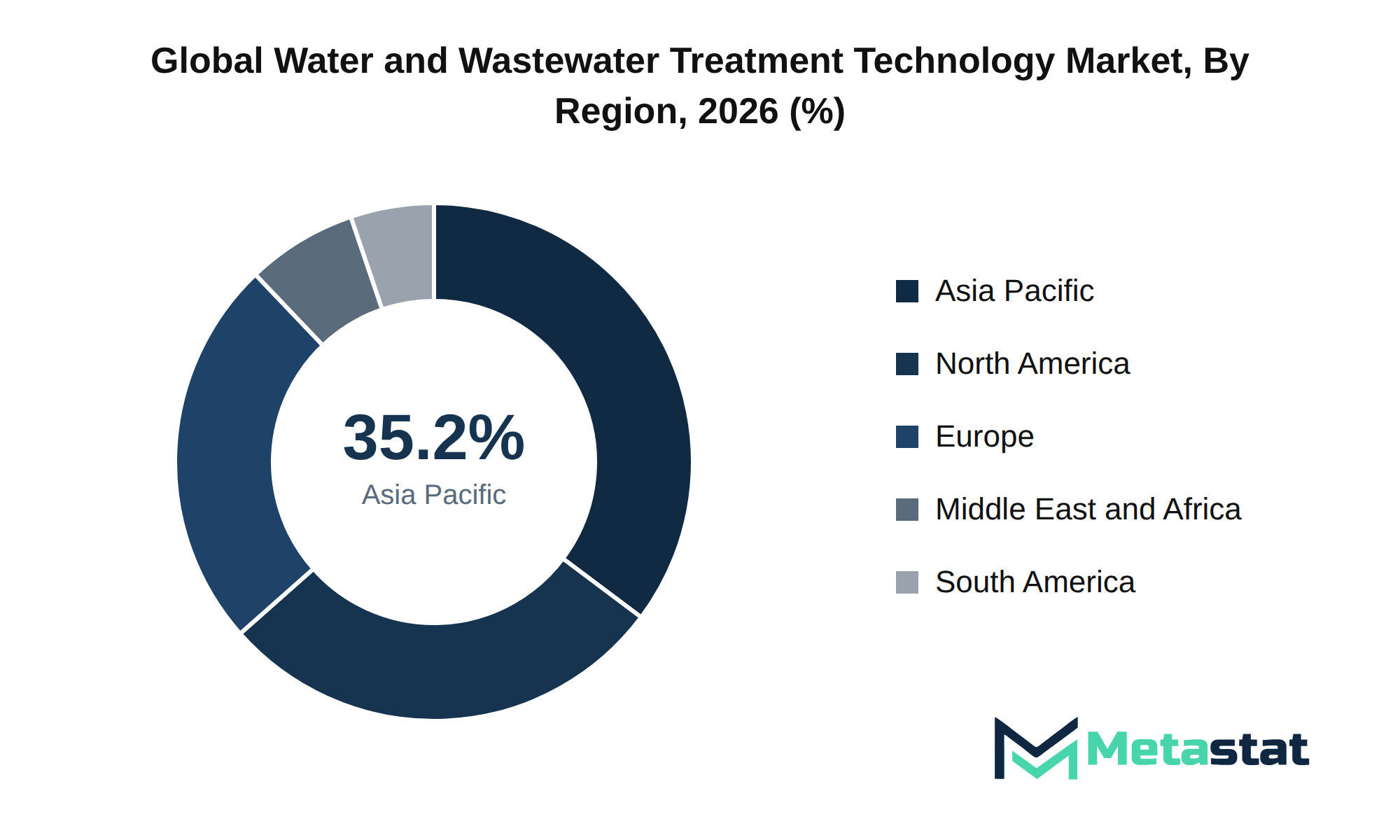
The Water and Wastewater Treatment Technology market experiences significant strategic dynamics influenced by mergers, acquisitions, and partnerships. Companies including Veolia Water Technologies, Suez Environnement S.A., and Xylem, Inc. engage in strategic consolidations to enhance service offerings and improve market presence. Collaborative efforts among industry players enable access to advanced technologies and broaden customer bases, enhancing overall competitiveness.
Product differentiation remains a focal point, with firms investing in research and development to create proprietary technologies that cater to diverse end-user needs. For example, DuPont de Nemours, Inc. (DuPont Water Solutions) and BASF SE emphasize innovation in treatment chemicals and filtration solutions, addressing specific industry challenges. This focus strengthens brand equity and builds customer loyalty within the market.
Barriers to entry prove significant in the Water and Wastewater Treatment Technology market, driven by established brands and technological expertise. New entrants face challenges in accessing distribution channels and achieving market penetration without substantial initial investment. The presence of well-established players including Ecolab Inc. (Nalco Water) and Pentair plc contributes to a competitive atmosphere that requires new firms to strategically align their offerings to gain traction.
The future competitive outlook indicates a shift toward integrated solutions, reflecting an increasing focus on sustainability and regulatory compliance. Companies prioritize value chain integration and supply chain dominance to optimize operational efficiency. The market's trajectory suggests an emphasis on customer retention strategies and the development of innovative solutions that align with evolving environmental standards, promoting long-term growth.
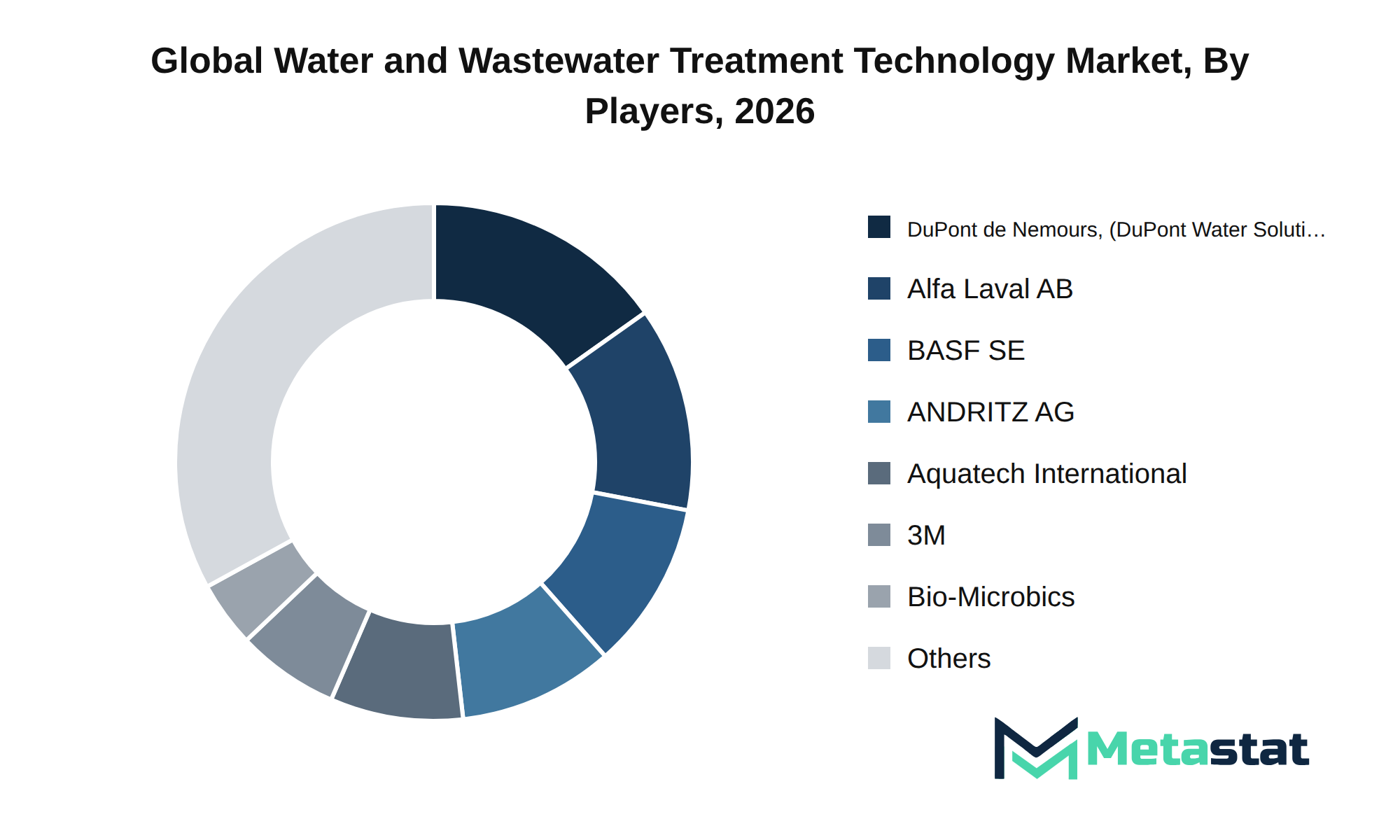
Market size is forecast to rise from USD 377.8 billion in 2025 to over USD 694.3 billion by 2033. The base case reflects a compound annual growth rate (CAGR) of 7.9%. In the bull case, accelerated adoption of next-generation technologies and increased infrastructural investments drive higher growth, resulting in stronger market expansion. Conversely, the bear case could stem from economic downturns, regulatory challenges, or shifts in demand that restrict market growth.
Macroeconomic factors heavily influence demand for the Water and Wastewater Treatment Technology market, with economic cycles impacting investment levels. Industries focusing on sustainable practices and compliance with stringent regulations are likely to boost demand. Structural consumption shifts continue owing to urbanization driving the need for advanced treatment solutions. Emerging technologies compete on efficiency and cost-effectiveness, necessitating R&D commercialization timelines that align with market needs.
Regulatory evolution presents both challenges and opportunities, with compliance milestones pushing industries toward innovation. Geopolitical realignments and evolving trade corridors impact supply chains, influencing the availability of materials and technologies necessary for market players. Strategic capital allocation directives prioritize infrastructure commitments, aligning with projected CapEx investment vectors. High-growth pockets emerge because companies address unmet enterprise needs, enhancing their competitive standing.
Executive-level strategic imperatives focus on developing defensibility roadmaps, ensuring firms remain resilient amid evolving market conditions. Collaborative efforts to address the industry-wide challenges strengthen the foundation for future growth recommendations.
The report strategically identifies and profiles the key market players and analyses their core competencies in each sub-segment of the Water and Wastewater Treatment Technology market.
Report Attributes | Details |
Study Period | 2021-2033 |
Base Year | 2025 |
Estimated Year | 2026 |
Forecast Period | 2026-2033 |
Historical Period | 2021-2025 |
Growth Rate | CAGR 7.9% from 2026 to 2033 |
Revenue Unit | USD billion |
Segmentation | By Type of Treatment, Technology, Offering, End-Use Industry, and Region |
By Region | North America (By Type of Treatment, Technology, Offering, End-Use Industry, and Country)
|
Europe (By Type of Treatment, Technology, Offering, End-Use Industry, and Country)
| |
Asia Pacific (By Type of Treatment, Technology, Offering, End-Use Industry, and Country)
| |
South America (By Type of Treatment, Technology, Offering, End-Use Industry, and Country)
| |
Middle East and Africa (By Type of Treatment, Technology, Offering, End-Use Industry, and Country)
|
Find answers to common questions about this report
The Water and Wastewater Treatment Technology market size was valued at USD 377.8 billion in 2025.
The Water and Wastewater Treatment Technology market is projected to grow at a CAGR of 7.9% during the forecast period from 2026 to 2033.
The North America Water and Wastewater Treatment Technology market size is estimated to reach USD 186.3 billion by 2033.
The Secondary Treatment segment leads the Water and Wastewater Treatment Technology market, with a projected value of USD 242.4 billion by 2033. This segment surpasses others in terms of market size and growth potential.
Key drivers for the Water and Wastewater Treatment Technology market include increased capital investments in infrastructure, rising GDP levels prompting enhanced water management systems, and a heightened focus on sustainability initiatives. These factors stimulate demand for innovative treatment solutions while addressing the needs of urban populations and aligning with evolving consumer expectations.
Asia Pacific holds the dominant share of the Water and Wastewater Treatment Technology market, accounting for 35.2% in 2025. This region's significant share reflects its extensive industrial activities and growing demand for water treatment solutions.
Regulatory challenges create barriers for suppliers, increasing costs and delaying project implementation. Macroeconomic headwinds reduce capital availability, while infrastructure gaps and a lack of skilled labor hinder the deployment of advanced technologies. These factors collectively impede growth and innovation within the Water and Wastewater Treatment Technology market.
Increased capital investments in infrastructure and heightened focus on sustainability initiatives favor product adoption in the Water and Wastewater Treatment Technology market. Organizations prioritize innovative solutions that enhance operational efficiency, reduce environmental impact, and address the needs of growing urban populations, driving demand for advanced technologies.
The Water and Wastewater Treatment Technology market is estimated to reach a valuation of USD 694.3 billion by 2033.
Key players operating in the Water and Wastewater Treatment Technology market include 3M Company, Inc., Alfa Laval AB, ANDRITZ AG, Aquatech International, BASF SE, Ecolab Inc. (Nalco Water), and DuPont de Nemours, Inc. (DuPont Water Solutions).
The analysts below cover Chemicals and Materials research at Metastat Insights.
LEAD ANALYST
Utkarsh Khirodkar is a Lead Market Research Analyst at MetaStat Insight, specializing in market intelligence, technology sector assessments, and competitive strategy.

INDUSTRY CONSULTANT - CHEMICALS & ADVANCED MATERIALS
Chemicals and Materials · Machinery & Equipment · Packaging
Amit Gadhekar Consultant for Chemicals and Materials at MetaStat Insight, directing sector-specific intelligence, research, and strategic consulting across global chemical and processing markets.
Integrating zero-trust access controls across legacy electronic health record systems involves complex compliance overhead. Team produced an analysis that clearly separated identity governance and administration tools from privileged access management platforms. Their evaluation of HIPAA and GDPR compliance features across cloud native solutions gave our architecture group clear baseline criteria. The custom data request regarding biometric authentication adoption in hospital networks was returned promptly with clear documentation.
Evaluating calorific value requirements and air permit compliance across municipal waste facilities requires localized data. Metastat Insight structured their analysis around operational throughput capacity and feedstock composition variations in Latin America and Eastern Europe. Their competitive mapping of sorting equipment vendors helped clarify technology differences between optical separators and heavy media systems. The study provided an objective baseline during our capital expenditure reviews.
Decarbonizing industrial thermal processes hinges on refrigerant regulations and compressor efficiency limits. Metastat Insights delivered a thorough market analysis that evaluated natural refrigerants like CO2 and hydrocarbons against synthetic low-GWP alternatives. The breakdown of utility incentives and grid capacity constraints across key European manufacturing hubs offered valuable perspective. The follow-up conversation with their sector analysts addressed our specific questions on mechanical vapor recompression systems efficiently.
Explore related market intelligence reports worth reading alongside this one.
Starting from
$2950