
Explore key trends driving the GCC Halal Food, Beverages and Agricultural Products sector, from local sourcing to e-commerce growth.
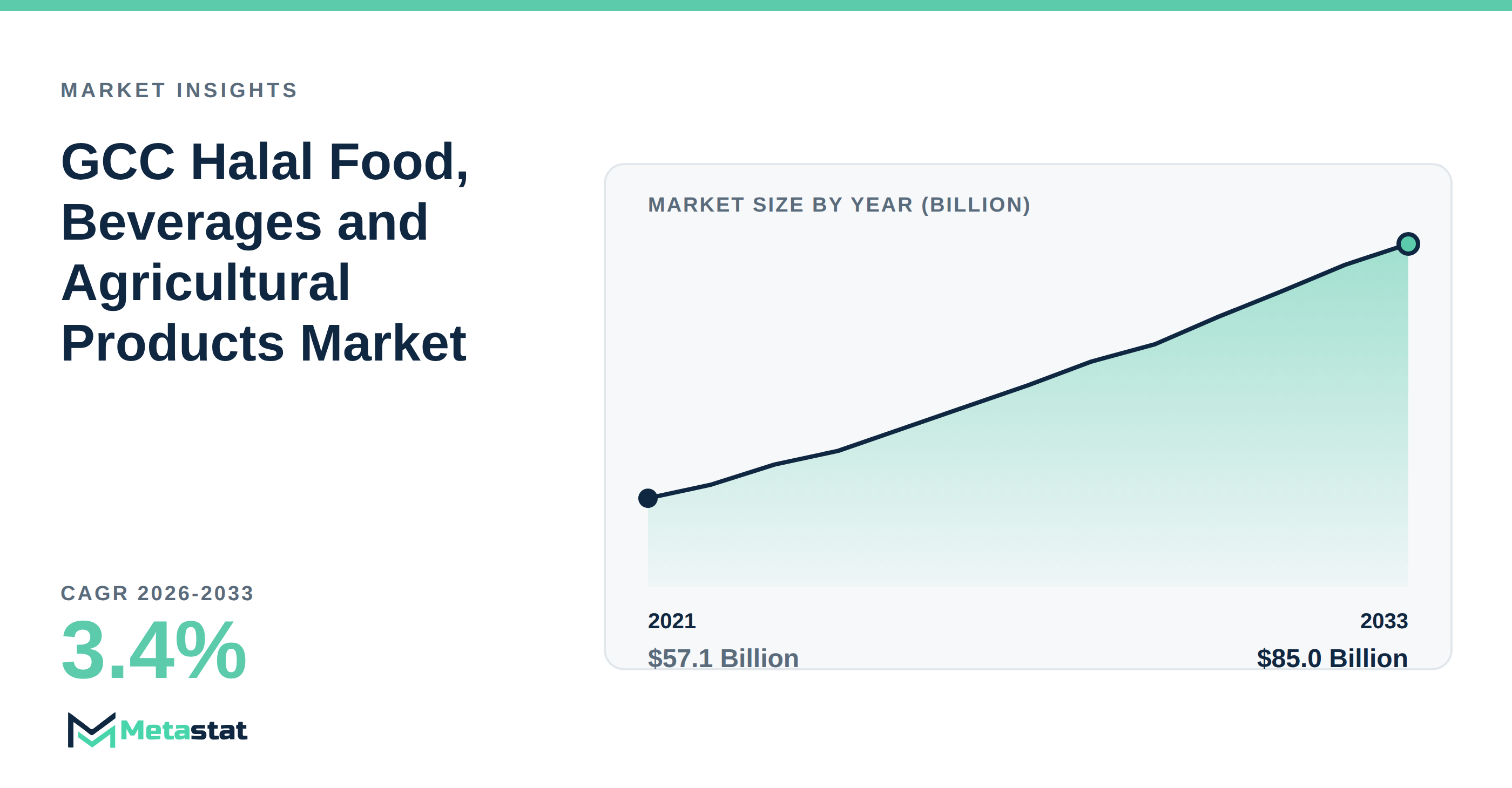
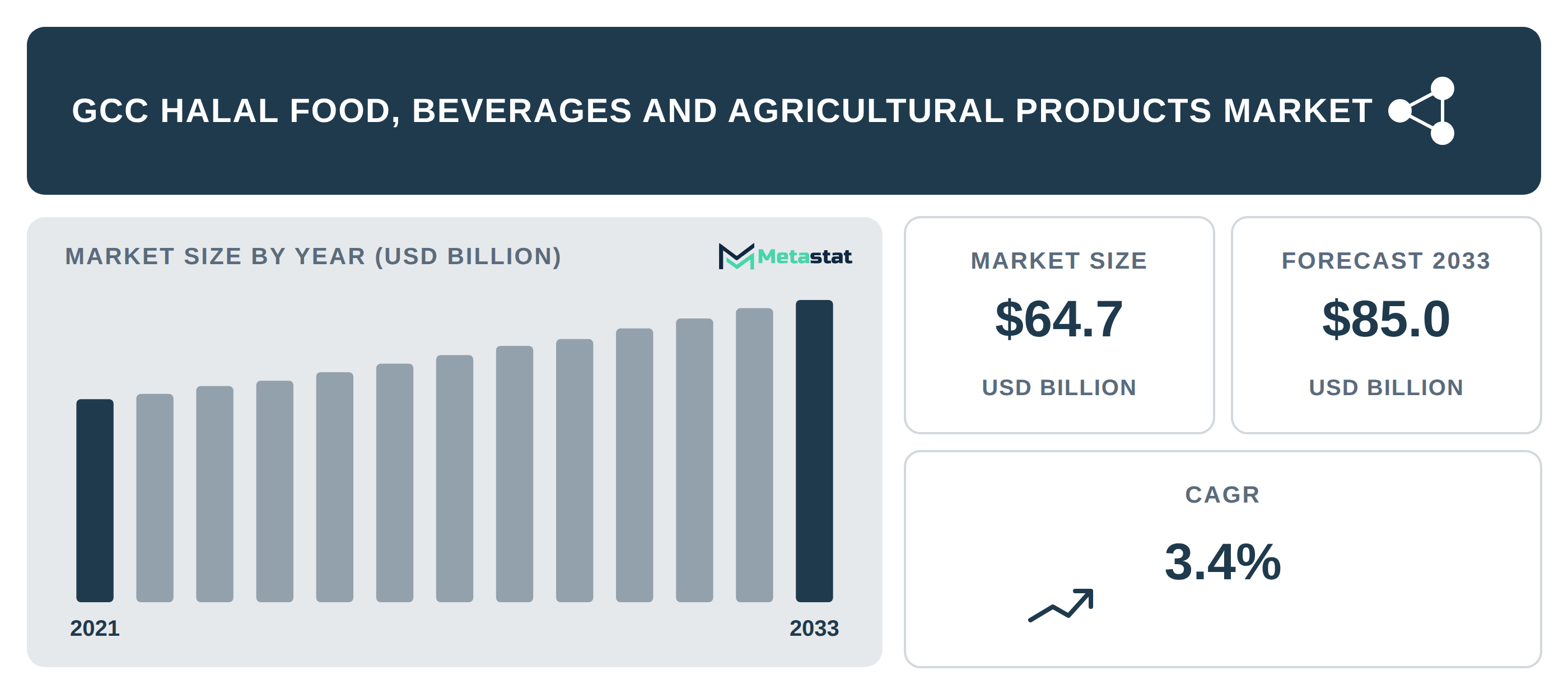
The landscape for GCC Halal Food, Beverages and Agricultural Products is evolving rapidly, driven by shifts in consumer behavior, advancements in technology, and changes in distribution channels. Understanding these trends is essential for buyers and operators in the market to remain competitive and responsive to evolving demands. The full figures are in our GCC Halal Food, Beverages and Agricultural Products market size and forecast report.
1. Local sourcing drives consumer trust
Consumers increasingly prioritize locally sourced halal meat, poultry, and seafood due to a growing awareness of food quality and sustainability. The halal meat segment is expected to reach USD 30.7 billion by 2033, highlighting a significant trend towards fresh and locally produced options. Households and foodservice establishments are shifting their preferences towards these offerings, reinforcing community support and reducing transportation costs. This movement encourages suppliers to enhance their local product lines, boosting their competitive edge while fostering a health-conscious eating culture.
2. E-commerce streamlines accessibility
The rise of online retail has transformed purchasing habits for halal products. With a projected annual growth rate of 8.5%, the online retail segment is gaining momentum as consumers seek convenience and access to a broader range of products. Suppliers adapt their pricing strategies to cater to diverse buying behaviors, ensuring they remain relevant in a digitally driven marketplace. Improved online platforms facilitate the purchasing process, making it easier for both households and institutional buyers to access halal options anytime, anywhere.
3. Health-conscious choices increase dairy demand
The demand for halal dairy products continues to rise, driven by heightened health consciousness among consumers. The halal dairy and eggs segment is projected to reach USD 15.5 billion by 2033, indicating strong growth potential. This trend is particularly relevant among local and expatriate populations who adhere to halal dietary guidelines while seeking nutritious options. Producers are focusing on maintaining high quality and transparency in sourcing to effectively meet the expectations of this health-conscious consumer base.
4. Foodservice growth reflects dining trends
The foodservice sector is set to reach USD 16.4 billion by 2033, showing a faster growth trajectory than traditional retail channels. The increasing preference for halal-certified meals in restaurants and cafes indicates a shift towards dining experiences that accommodate health-conscious consumers. Foodservice establishments are integrating competitive pricing and quality assurance into their offerings, forcing suppliers to refine contract structures and payment terms to tap into this expanding market segment. This dynamic drives innovation in product offerings and enhances the culinary landscape.
5. Rising price sensitivity influences purchasing decisions
Price sensitivity has emerged as a crucial factor among households when selecting halal products. Escalating food prices lead many consumers to prioritize affordability, often opting for budget-friendly alternatives. This trend hampers the uptake of premium halal items, compelling suppliers to adjust their pricing strategies to align with consumer expectations for value. Recognizing these economic pressures is essential for navigating sales and maintaining a strong presence in a competitive environment.
6. Halal beverages reshape consumer choices
The popularity of halal beverages continues to grow, driven by changing consumer preferences for healthy and convenient drink options. This segment highlights a shift towards functional beverages and organic offerings, catering to health-conscious younger demographics. Suppliers focusing on expanding their halal beverage ranges are well-positioned to capitalize on this trend, promoting diverse product lines that align with evolving consumer tastes.
In summary, these trends highlight the necessity for suppliers and operators within the GCC Halal Food, Beverages and Agricultural Products space to adapt to changing consumer preferences, leverage technology, and respond to market dynamics. By focusing on innovation, strategic sourcing, and meeting the evolving expectations of consumers, businesses enhance their competitive edge.
Tags
About the Authors

LEAD ANALYST
Utkarsh Khirodkar is a Lead Market Research Analyst at MetaStat Insight, specializing in market intelligence, technology sector assessments, and competitive strategy.

LEAD PRINCIPAL ANALYST, PHARMA AND HEALTHCARE
Food and Beverages · Healthcare · Healthcare IT · Medical Devices
Ajay Devgire is the Lead Healthcare Analyst at MetaStat Insight, leading strategic research and market intelligence initiatives across the global healthcare domain.

SENIOR RESEARCH ANALYST
Biotechnology · Food and Beverages · Medical Devices · Packaging
Snehal Pasalkar is a Research Analyst at MetaStat Insight, operating at the intersection of life sciences research, competitive strategy, and market intelligence.