
LEAD ANALYST
Utkarsh Khirodkar is a Lead Market Research Analyst at MetaStat Insight, specializing in market intelligence, technology sector assessments, and competitive strategy.

Global Community Engagement Platform Market Size, Share, By Community Type (Customer Communities, Professional and Membership Communities, Civic and Resident Communities, Employee Communities, Partner Communities, Creator and Fan Communities, Student and Alumni Communities, Interest-Based Communities), By Component (Community Engagement Platform, Professional Services, Consulting, Training and Education, Support and Maintenance, Managed Services), By Deployment Model (Cloud-Based and On-Premises), By Industry (BFSI, Government and Public Utilities, Healthcare and Hospitality, Retail, Manufacturing, Education, Media and Entertainment), Industry Analysis, Growth, Trends, and Forecast, 2026-2033
Report ID
MSI-5415
Published
October, 2026
Pages
292 Pages
Format
Historical
Base year
Forecast
Forecast period
Report Details
Market Valuation: Valued at $825.9 Million in 2025, projected to reach $2,765.1 Million by 2033 at a 16.3% CAGR.
Dominant Segment: Customer communities lead the market, driven by a projected CAGR of 16.7% through 2033, highlighting the growing importance of customer interaction in brand loyalty and retention.
Geographic Lead: North America is the leading region, holding 40.0% of the market share in 2025, with significant growth attributed to increased investments in digital engagement tools across various sectors.
What's Inside: The report includes comprehensive competitive coverage, detailed analyses of market dynamics, and forecasts extending to 2033, providing insights into community types, components, and deployment models.
Market Dynamics: The report outlines key market drivers, including the shift towards customer-centric engagement strategies and the increasing demand for cloud-based solutions, which are projected to grow significantly in the coming years.
Choose Your License
Global Community Engagement Platform Market
The global Community Engagement Platform market was valued at USD 825.9 million in 2025 and is projected to reach USD 2,765.1 million by 2033, growing at a CAGR of 16.3% over the forecast period.
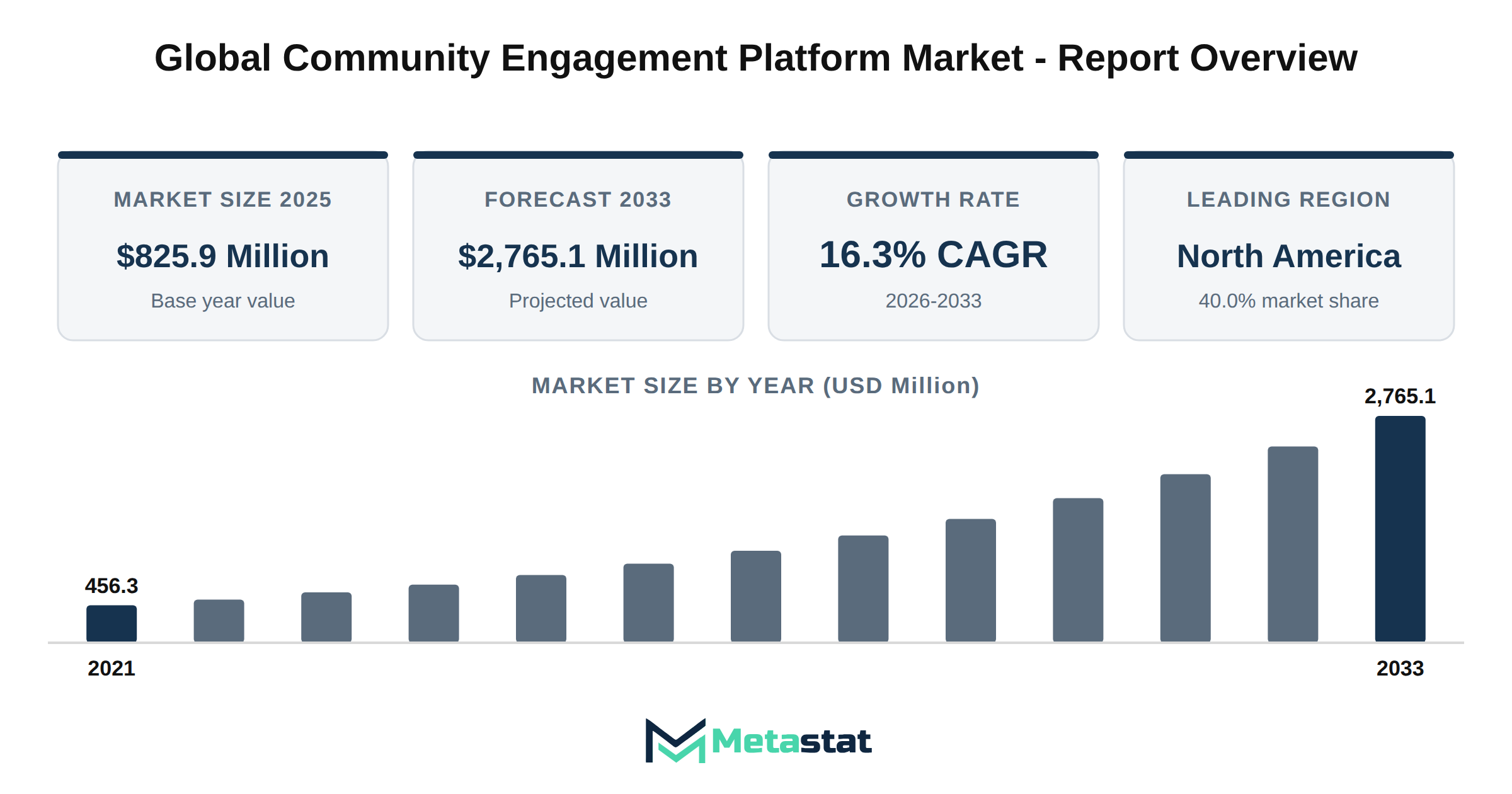
The Community Engagement Platform market encompasses solutions designed to enable interaction and collaboration among various community types, including customer, professional, civic, and employee communities. The market reflects a shift towards increased digital engagement, driven by the need for organizations to strengthen their relationships with stakeholders. Buyers are investing in these platforms due to the imperative to enhance communication, enhance collaboration, and improve customer loyalty.
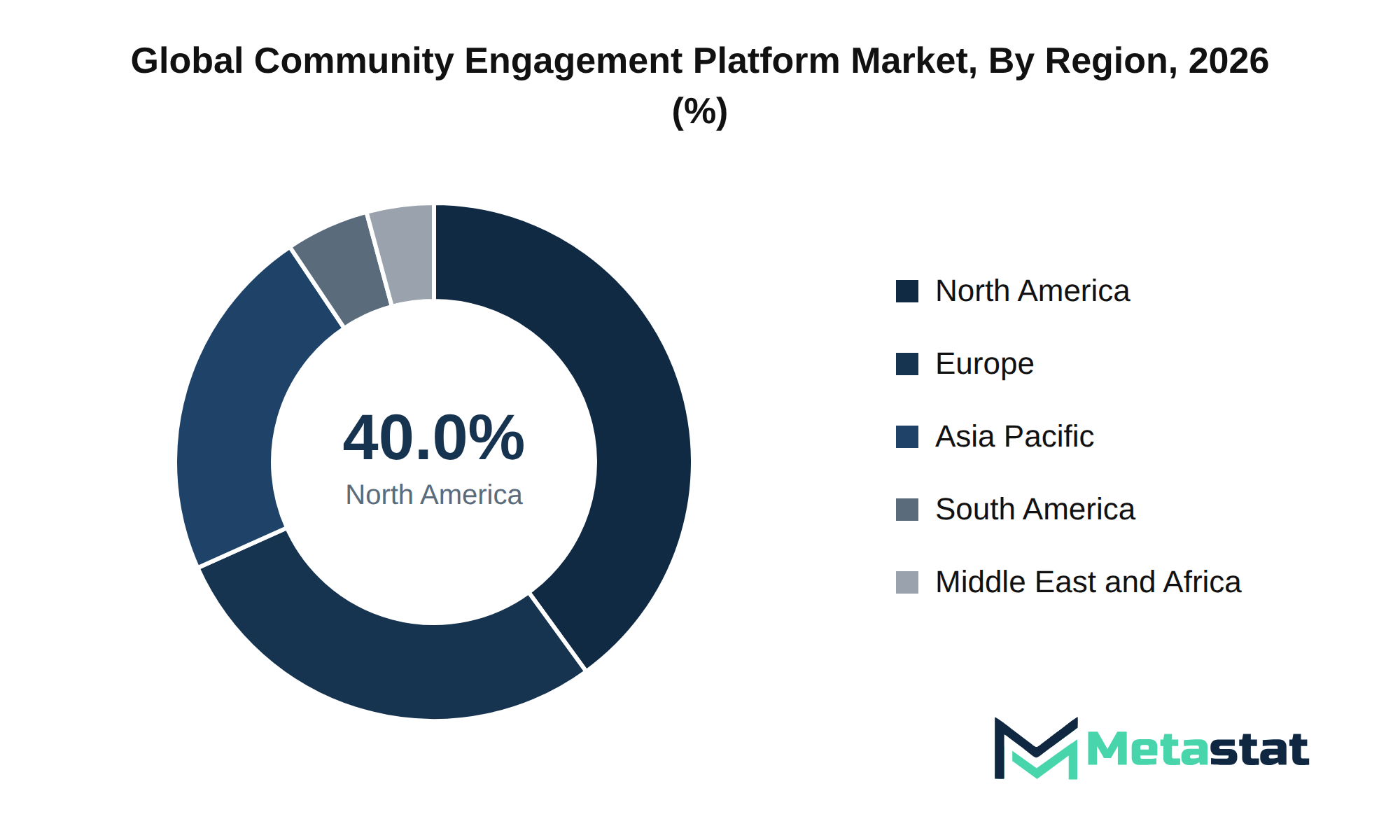
North America holds 40.0% in 2025 with the US leading the market share in 2026. The cloud-based deployment model emerges as the dominant choice among buyers, providing scalability and flexibility. Customer communities represent a vital segment, expected to grow at a CAGR of 16.7% through 2033, highlighting the importance of customer interaction in driving brand loyalty and retention.
The Community Engagement Platform market includes various solutions that enhance communication and interaction within diverse community types. The increase from USD 825.9 million to USD 2,765.1 million reflects a significant shift in demand driven by the need for more effective engagement strategies among organizations. This region's prominence stems from increasing investment in digital engagement tools across various sectors, including government and public utilities, which focus on promoting civic participation and enhancing service delivery.
Growth is most pronounced in customer communities, with a projected increase from USD 287.2 million in 2026 to USD 848.3 million by 2033, reflecting a compound annual growth rate of 16.7%. Rising demand for community engagement solutions aligns with organizations' efforts to build strong customer relationships and improve user experience. Overall, the market responds to changing dynamics in consumer behavior and organizational needs, highlighting the importance of effective community management in achieving strategic objectives.
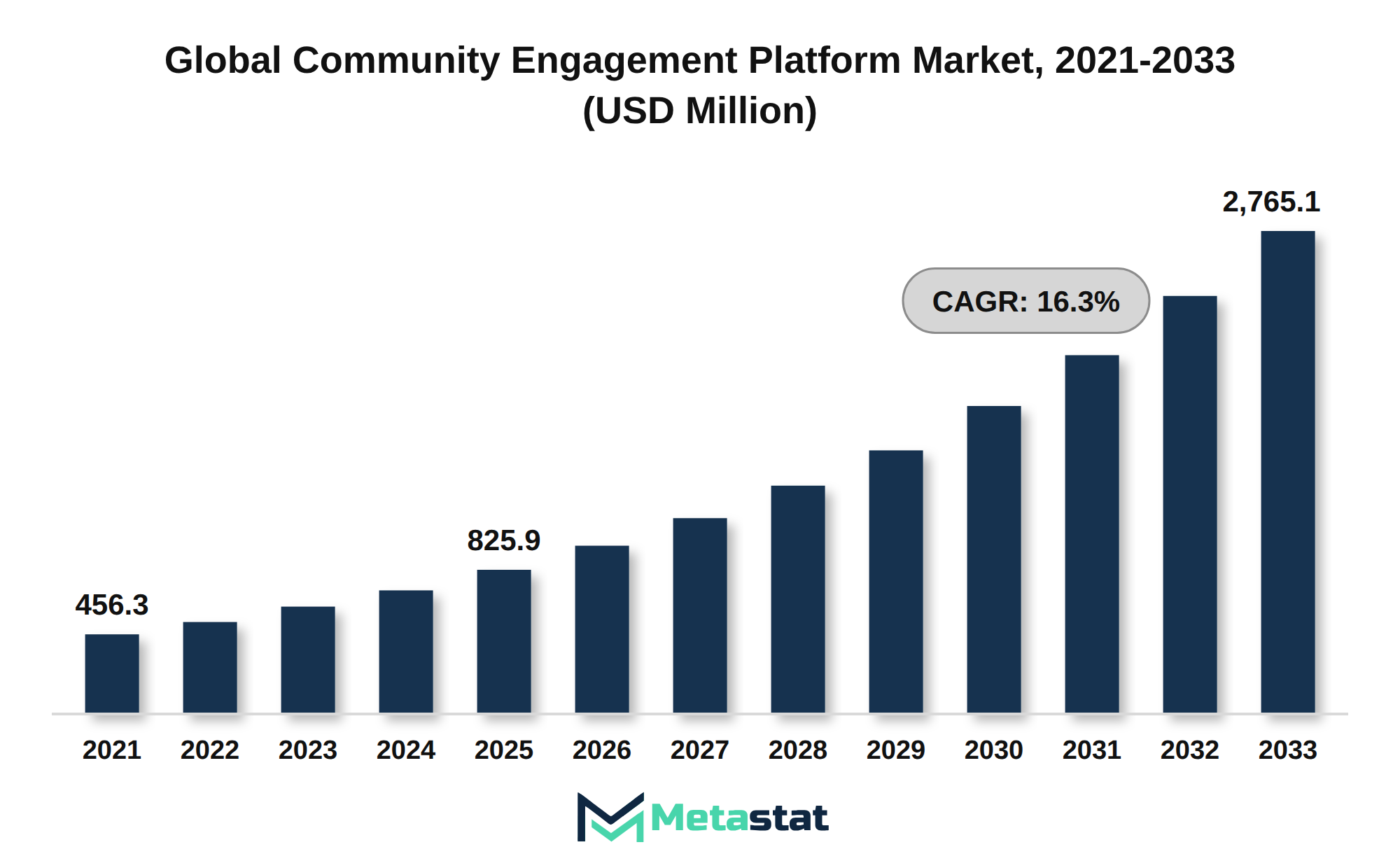
The integration of AI-driven moderation and personalization features significantly enhances user experience within the Community Engagement Platform market. These technologies automate the management of community interactions, ensuring content aligns with community guidelines while minimizing harmful or inappropriate content. By 2026, the market anticipates a surge in demand for platforms leveraging AI for community management, driven by users increasingly seeking safer and more tailored online environments.
Personalization enhances user engagement through targeted content recommendations based on individual preferences and behaviors. In the evolving market, platforms implementing such features are expected to experience increased customer loyalty and improved retention rates. Community Engagement Platforms applying advanced AI algorithms analyze user data to deliver customized experiences, thereby attracting a wider audience.
Companies in the market benefit from this shift towards AI moderation and personalization by reducing operational costs associated with manual moderation. The automation of these processes allows staff to focus on strategic initiatives rather than routine content management. Consequently, platforms that invest in these technologies gain a competitive edge, driving growth in user base and revenue streams.
Enhanced CRM integration significantly influences the effectiveness of branded communities within the Community Engagement Platform market. Organizations increasingly prioritize integration with existing CRM systems to optimize customer interactions and streamline data management. In 2026, the segment value for Cloud-Based deployment is projected to reach USD 780.1 million, highlighting the shift towards digital solutions that support customer engagement initiatives. This integration allows firms to serve customers more efficiently, enhancing user experience and building loyalty. Customer Loyalty and Retention Software addresses the broader retention objective through personalized engagement, customer behavior analysis, and loyalty management.
Self-service capabilities in branded communities actively reshape customer engagement strategies. Users increasingly prefer platforms that enable them to access information and solve issues independently without waiting for assistance. These platforms support a range of self-service functionalities, providing timely responses to inquiries and enhancing overall satisfaction. By 2033, revenue from Customer Communities is expected to reach USD 848.3 million, illustrating the significant demand for platforms that facilitate self-service options. Providing users with these features contributes to increased satisfaction and retention rates.
Data-driven insights play a crucial role in refining strategies within branded communities. Advanced analytics tools integrated into community platforms offer organizations valuable information on user behavior and preferences. This capability enables companies to tailor content and engagement strategies effectively. Product Analytics Software provides additional context on measuring digital user interactions and translating behavioral insights into experience improvements. With the Community Engagement Platform market projected to grow at a CAGR of 16.3%, the demand for data-driven solutions is evident. Leveraging these insights enhances customer engagement, driving both growth and operational efficiency.
Increasing interest in digital public consultation platforms enhances resident participation in decision-making processes. Communities actively seek tools that facilitate engagement with local governments, providing residents a voice in public affairs. The Community Engagement Platform market sees significant growth with an increasing volume of digital platforms designed to streamline this interaction. By 2033, the market is projected to reach USD 2,765.1 million, demonstrating a robust demand for these technologies.
Innovative features within these platforms allow users to voice their opinions on local initiatives and projects effectively. The integration of user-friendly interfaces enhances accessibility for diverse demographics, enabling residents to engage effortlessly. Demand for such solutions supports the need for platforms that strengthen civic engagement and deepen community ties. These platforms serve as vital resources for local governments seeking to improve relationships with their constituents.
Regulatory changes push municipalities to increase transparency and improve citizen interaction. Compliance with emerging regulations surrounding public participation drives investment in comprehensive engagement tools. Local authorities recognize the benefits of digital platforms, leading to expanded budgets for community engagement initiatives. Such investments promote goodwill, enhance public trust, and contribute to more informed policymaking.
While digital engagement becomes the norm, municipalities that lag in adopting these solutions risk alienating their constituents. The Community Engagement Platform market thrives on this momentum, with investors keen to capitalize on the evolving landscape of public participation. The ongoing digital transformation ensures that platforms remain relevant and effective in meeting the growing demands of urban populations.
Community Engagement Platforms enhance member retention through personalized communication strategies. By leveraging data analytics, organizations tailor messages, offers, and content specifically for individual members. Email Marketing Software supports targeted outreach through audience segmentation, automated campaigns, and communication performance measurement. This personalized approach creates a stronger connection between members and the community, resulting in increased loyalty and participation. A significant segment of the market, specifically Customer Communities, is projected to grow from USD 287.2 million in 2026 to USD 848.3 million by 2033, reflecting the effectiveness of targeted engagement initiatives. These platforms effectively address members' unique preferences, contributing to a more satisfying experience.
Robust feedback mechanisms within Community Engagement Platforms play a critical role in enhancing member retention. By enabling real-time feedback collection, these platforms allow members to voice their opinions and suggestions. Net Promoter Score (NPS) offers a structured measure of customer advocacy within broader feedback and relationship assessment efforts. This two-way communication creates a sense of belonging and respect among members, leading to longer retention rates. The Government and Public Utilities sector, which expects to generate USD 662 million by 2033, increasingly relies on feedback-driven engagement strategies to retain constituents. Continuous adjustments driven by member input build trust, establishing a stable community environment.
Incorporating social features within Community Engagement Platforms significantly boosts interaction among members. Features including discussion forums, polls, and event calendars facilitate active participation and strengthen community bonds. The integration of these social functions supports higher engagement rates, which directly correlate with member retention. The market's transition towards Cloud-Based deployment models, projected to reach USD 2,417.2 million by 2033, enables easier access to these interactive features, making it more convenient for members to engage regularly. Enhanced interaction creates a lively community atmosphere, promoting long-term member loyalty.
Growing interest in community-based interactions drives significant investment in the market. Customers increasingly value personalized, relevant experiences, leading organizations to prioritize the development of customer communities. Marketing Technology (MarTech) addresses the wider personalization requirement through customer data analysis, content tools, and marketing automation. This shift is evident in the rise of platforms dedicated to enhancing customer engagement, reflecting the increasing demand for tailored communications and interactions.
The transition toward customer communities is fueled by changing consumer behaviors, where users prefer engaging with brands through interactive platforms. Communities serving specific customer interests provide deeper connections, strengthening loyalty and resulting in higher retention rates. These trends contribute to a projected compound annual growth rate of 16.7 percent for customer communities through 2033.
Organizations adopting these platforms enhance their customer engagement strategies, ultimately increasing brand loyalty and driving long-term growth. While more businesses recognize the importance of creating and nurturing customer communities, the market expands to accommodate this demand for tailored engagement solutions.
High costs associated with implementing community engagement platforms restrict adoption among small to medium-sized enterprises (SMEs). These organizations face budget constraints that hinder their ability to invest in robust engagement solutions. Initial setup expenses, including software licensing, training, and ongoing maintenance, contribute to slower uptake among this buyer group. SMEs prioritize immediate financial returns over potentially long-term benefits, resulting in smaller orders for these platforms. The reluctance to invest in community engagement technology reflects a cautious approach to spending, ultimately impacting the overall growth trajectory of the market. Without adequate budget allocation, SMEs struggle to capitalize on the benefits offered by community engagement platforms, leading to delayed replacement of existing systems and lower overall demand. Consequently, the high cost associated with platform implementation poses a significant barrier to broader adoption across various industries.
Rising talent costs present a significant challenge for suppliers in the Community Engagement Platform market. The need for skilled professionals, including developers, data analysts, and engagement strategists, has intensified, leading to increased operational expenses. Suppliers face pressure to maintain profit margins while attracting and retaining top talent, which adds complexity to pricing strategies. This situation is evident in sectors experiencing rapid technological advancement, where competition for expertise escalates.
In response, suppliers implement various strategies to mitigate the impact of these rising costs. Many organizations invest in training and development programs to enhance the skills of their existing workforce, reducing reliance on external hiring. Several suppliers explore partnerships with educational institutions to create a pipeline of skilled candidates. These initiatives stabilize workforce costs while maintaining service quality and innovation within the community engagement space. The ongoing emphasis on optimizing talent management influences growth trajectories and competitive dynamics within the market.
Cloud-based engagement platforms exhibit significant growth potential, driven by increased adoption across various industries. Organizations transition to cloud solutions for scalability, enhanced collaboration, and cost-effectiveness. This shift aligns with the growing demand for flexibility and remote accessibility among users. The cloud-based segment is projected to expand from USD 780.1 million in 2026 to USD 2,417.2 million by 2033, reflecting a compound annual growth rate (CAGR) of 17.5%. Industries including BFSI and government use these platforms to improve communication with stakeholders and strengthen community relationships. The rising inclination towards cloud-based solutions positions them as a preferred choice for organizations aiming to optimize engagement strategies. This trend highlights the importance of cloud technology in shaping the future of the Community Engagement Platform market.
The Global Community Engagement Platform market is segmented based on Community Type, Component, Deployment Model, and Industry.
This segment typically serves businesses looking to enhance customer loyalty and engagement through interaction within dedicated platforms. Organizations leverage these communities for feedback, support, and relationship building. Rising demand for personalized customer experiences drives growth in this segment, with firms recognizing the value of direct customer engagement. In contrast to other community types, including Civic and Resident Communities, Customer Communities exhibit faster growth due to the increasing emphasis on customer satisfaction and retention, leading to greater investment in tailored engagement solutions. This shift in focus toward customer-centric approaches in the market reflects the evolving landscape in which businesses operate.
Professional and Membership Communities segment is estimated to reach USD 485 million by 2033, at a CAGR of 15.1% during the forecast period. This segment primarily serves organizations and groups focused on professional development, networking, and membership engagement. These platforms enable members to connect, share knowledge, and collaborate effectively. Growth in this segment is driven by an increasing emphasis on lifelong learning and professional networking opportunities. Compared to other community types, including Customer Communities, which focus on product-related discussions, Professional and Membership Communities exhibit a more specialized application. The need for enhanced professional development programs pushes demand within this segment, resulting in a higher growth trajectory relative to other community types. Organizations seek solutions that promote member retention and engagement through targeted interactions and resources, reinforcing the segment's importance in the broader market context.
Civic and Resident Communities segment is expected to reach USD 437.4 million by 2033. This segment serves local governments, municipalities, and community organizations that engage with engagement platforms to enhance communication and collaboration among residents. A growing emphasis on public participation in governance drives demand, leading to increased investment in technology solutions that improve civic engagement. The market's focus on transparency and accountability promotes active citizen involvement. Compared to other community types, this segment experiences significant growth, with an anticipated compound annual growth rate of 17% through 2033. This growth rate exceeds that of many sibling segments, reflecting a shift toward more engaged and responsive governance. The rising need for digital platforms that enable open dialogue between residents and local authorities further supports this trend.
Employee Communities segment is projected to grow at a CAGR of 14.5% during the forecast period. This segment serves various organizations that prioritize employee engagement, collaboration, and communication among their workforce. The increasing focus on employee satisfaction and retention drives demand, especially in industries including manufacturing, healthcare, and technology. Enhanced engagement tools facilitate effective communication, knowledge sharing, and collaboration, making it essential for organizations to invest in community platforms. Compared to other community types, Employee Communities experience slower growth due to higher costs associated with implementation and management. Despite this, organizations recognize the value of building a strong workplace culture, leading to sustained investment in these platforms. The market anticipates that the segment's growth will continue owing to organizations adapting to evolving workforce expectations and leveraging technology to enhance employee experiences. Employee Engagement tools extend this focus through workforce feedback, sentiment measurement, and internal communication.
Partner Communities focus on creating collaboration between organizations and their partners, facilitating mutual growth and shared objectives. These communities serve various stakeholders, including businesses and organizations seeking to enhance their partner networks. A significant force driving this segment is the increasing reliance on strategic partnerships to innovate and expand market reach. Companies prioritize building robust partner ecosystems to improve product offerings and customer engagement. Compared to other community types, this segment experiences differentiated growth dynamics, emphasizing value creation through collaborative efforts. Partner Communities involve more complex relationship management than Customer or Employee Communities due to their diverse stakeholder interests.
Creator and Fan Communities serve as platforms where creators, influencers, and their fans interact, share content, and build relationships. These communities often cater to specific interests, enabling more personalized engagement strategies. Demand for these communities grows owing to the increasing reliance on social media and online content creation, prompting brands and individual creators to utilize community engagement for audience loyalty. This segment differs from others, including Customer Communities, by focusing on content creation and fan interaction rather than traditional customer service or support. The unique nature of Creator and Fan Communities attracts diverse demographics, leading to varying pricing models based on the level of engagement and features provided. Consequently, this segment experiences distinct trends compared to its counterparts, reflecting a more niche market driven by personal connections and audience engagement strategies.
This segment focuses on Student and Alumni Communities, which serve educational institutions and student organizations in building connections among current and former students. These platforms facilitate networking, mentorship, and information sharing to support career development and alumni engagement. Growing digital interactions among students and the increasing need for institutions to maintain relationships with alumni significantly drive this segment's expansion. Compared to other community types, Student and Alumni Communities often exhibit unique pricing structures, reflecting the specialized services offered to educational entities. These services include tailored engagement tools and analytics aimed at enhancing community participation and retention. Educational institutions prioritize alumni relations for fundraising and support, leading to rising demand for dedicated platforms that highlight the segment's importance in the broader market.
Interest-based communities serve to connect individuals with shared interests, enabling them to interact, share knowledge, and collaborate on projects. These communities attract diverse participants, including hobbyists, professionals, and individuals seeking niche interests. A significant demand driver for this segment includes the increasing desire for personalized experiences, which enhances user engagement and loyalty. Compared to other segments, interest-based communities demonstrate distinct growth dynamics, influenced by community-driven content and user interaction. The lower cost of entry for these platforms encourages broader participation, while the emphasis on user-generated content differentiates this segment from others requiring more formal structures. This unique approach creates an active environment where users contribute, shaping the community's direction and activities. The market reflects this trend, with a growing focus on facilitating meaningful connections through tailored engagement strategies.
The Community Engagement Platform segment is valued at USD 606.5 million in 2026 and is projected to reach USD 1,789.3 million by 2033, at a CAGR of 16.7% during the forecast period. This segment primarily supports organizations seeking to enhance engagement with their communities through digital platforms. Demand for these platforms is driven by the increasing need for effective communication and collaboration among various stakeholders, including businesses, civic bodies, and non-profit organizations. The emphasis on data-driven decision-making and community feedback increases the demand for these solutions. Compared to other segments, the Community Engagement Platform segment exhibits a higher growth trajectory, fueled by technological advancements and a shift toward cloud-based solutions. In particular, organizations in the Government and Public Utilities sector contribute significantly to this growth, anticipating a market value of USD 662 million by 2033, which highlights the segment's strategic importance within the broader market.
Professional Services segment is estimated to reach USD 258.3 million by 2033, at a CAGR of 15% during the forecast period. This segment supports organizations in effectively applying community engagement platforms through specialized consulting, training, and support. Increased investments in professional services arise from the growing complexity of community management and the need for strategic guidance, driving demand among enterprises and organizations. Unlike other segments, which focus on platform features or user communities, Professional Services emphasizes tailored solutions and expert advice to enhance user experience. This focus on strategic implementation and ongoing support differentiates it from components like Community Engagement Platforms, which primarily offer technological solutions. The demand for high-quality professional services reflects the competitive landscape, where organizations seek to maximize engagement efforts and achieve successful outcomes.
The consulting segment is expected to reach USD 163.7 million by 2033. This aspect serves organizations seeking expert guidance in optimizing their community engagement strategies. Key drivers include the increasing emphasis on tailored community experiences and the demand for specialized knowledge to enhance user interactions. Organizations in various sectors, including government, healthcare, and retail, engage consulting to refine their engagement approaches. Unlike other segments, the consulting component experiences slower growth, with a projected CAGR of 15% compared to faster-growing areas that achieve 16.7% CAGR. The need for consulting arises from the complexities involved in deploying effective engagement strategies, ensuring a distinct position within the broader market.
The Training and Education segment is projected to grow at a CAGR of 14.1% during the forecast period. This segment serves educational institutions and organizations that seek to enhance knowledge-sharing and skill development among their members. Increased demand for online learning and ongoing professional development drives investment in this area. The emphasis on remote learning due to recent global shifts in work and education has accelerated the adoption of training and education solutions. This segment is distinct from others, exhibiting a slower growth rate compared to Professional Services, which is projected to reach USD 258.3 million by 2033. However, the growing focus on continuous education and training creates a strong opportunity for engagement platforms, facilitating lasting connections and collaborations among users. The landscape of the market reflects this rising trend, highlighting the importance of effective training and education solutions.
Support and Maintenance encompasses ongoing services that ensure community engagement platforms operate efficiently and effectively. Organizations apply these services to address technical issues, improve user experiences, and maintain platform reliability. Demand for support and maintenance is driven by the increasing reliance on digital engagement tools across various industries. Users expect functional performance, which increases the importance of responsive maintenance services. Unlike other segments, this sub-segment faces slower growth owing to its often reactive nature, addressing issues as they arise rather than driving proactive engagement strategies. This approach contrasts with components including Community Engagement Platforms, which experience rapid expansion due to their central role in facilitating community interaction and engagement. In the market, effective support and maintenance systems significantly enhance customer satisfaction and retention, further contributing to overall performance.
Managed Services encompass essential support functions within organizations, focusing on optimizing community engagement strategies. These services facilitate the management of community platforms, particularly for organizations that require specialized expertise to enhance user interaction and content delivery. Demand for managed services is driven by the increasing complexity of digital engagement and the need for organizations to leverage technology effectively. Unlike other components in the segment, managed services typically cater to a diverse range of industries, including healthcare, education, and financial services, which often seek tailored solutions to meet specific community needs. This segment tends to experience steady growth as organizations invest in external expertise to improve their community engagement outcomes. The market benefits from trends towards digitalization and a growing focus on creating personalized interactions, leading organizations to prioritize effective management solutions.
This segment serves organizations seeking efficient, scalable solutions for community engagement, enabling them to connect with users across various platforms. Factors driving growth include increasing demand for digital interactions and the need for real-time feedback mechanisms across industries. Unlike on-premises models, which face slower adoption rates, the cloud-based approach offers flexibility and lower upfront costs. Enterprise Software-as-a-Service (SaaS) provides a broader subscription delivery context for business applications covering collaboration, communication, and customer relationship management. The higher growth rate compared to on-premises deployment reflects the shift toward remote operations and digital transformation initiatives across sectors, enhancing user experiences and facilitating broader community participation. In this evolving landscape, the market continues to attract investment and innovation targeted at optimizing community engagement strategies.
The On-Premises segment is estimated to reach USD 347.8 million by 2033, at a CAGR of 9.6% during the forecast period. Organizations prefer on-premises solutions for increased control, data security, and compliance with industry regulations. This segment primarily serves enterprises in sectors including government and healthcare, where data privacy is critical. Adoption of on-premises models faces challenges from the rising trend of cloud-based solutions, which offer flexibility and scalability. Consequently, these factors contribute to slower growth compared to the cloud-based segment, which anticipates a CAGR of 17.5%. Budget constraints influence purchasing decisions, leading several organizations to opt for on-premises solutions that require higher initial investment but lower long-term operational costs. Overall, the On-Premises segment presents unique advantages and challenges that shape its trajectory within the market.
BFSI segment is valued at USD 118.9 million in 2026 and is projected to reach USD 325.7 million by 2033, at a CAGR of 15.5% during the forecast period. This segment serves banks, financial institutions, and insurance companies by facilitating community engagement, enhancing customer relations, and streamlining operations. Regulatory changes, including increased compliance requirements, drive demand for effective communication tools within the BFSI sector. Compared to other segments, this market experiences faster growth due to rising digital transformation in banking and finance, which necessitates more robust engagement platforms. The segment’s focus on security and data privacy is essential for building trust with consumers and impacts pricing strategies and overall adoption rates. While segments like Retail and Professional and Membership Communities grow at different rates, BFSI's emphasis on compliance and security distinguishes it within the community engagement framework.
The Government and Public Utilities segment is estimated to reach USD 662 million by 2033, at a CAGR of 17% during the forecast period. This segment serves government agencies and public utility providers, who use community engagement platforms to enhance citizen interaction, streamline communication, and improve service delivery. The increasing emphasis on transparency and accountability in governance drives demand for effective community engagement tools. Digital Transformation provides the broader public sector context for adopting digital platforms that improve communication and service delivery. Compared to other segments, this segment experiences significant growth, largely due to heightened regulatory requirements and the push for digital transformation in public services. Unlike private sector segments, buyers in this area prioritize compliance, often leading to higher costs associated with tailored solutions to meet specific governmental needs. The growth trajectory of the Government and Public Utilities segment stands out as a critical component of digital engagement in building public trust and participation.
The healthcare and hospitality segment is expected to reach USD 318.8 million by 2033. This segment serves healthcare providers and hospitality organizations, focusing on enhancing patient and customer engagement through community-driven platforms. Increasing demand for personalized experiences and improved communication within these sectors drives growth. Within healthcare, Patient Engagement Solutions address these needs through patient education, digital communication, and access to health information. The integration of technology into healthcare and hospitality operations enables better interactions, leading to higher adoption of community engagement solutions. Compared to other segments, this area shows a strong growth trajectory, reflecting a CAGR of 15.9% during the forecast period. Investment in advanced engagement platforms allows these industries to build stronger relationships with patients and customers, resulting in enhanced satisfaction and loyalty. The market continues to evolve, supported by digital transformation initiatives that prioritize community connections and personalized service delivery.
The retail segment is projected to grow at a CAGR of 15.9% during the forecast period. This segment serves retailers looking to enhance customer engagement and retention. Customer Loyalty Program Software addresses the incentive side of this objective through reward management and targeted loyalty campaigns. The growth is driven by the increasing shift to digital channels, where retailers engage with community engagement platforms to interact with customers, gather feedback, and build loyalty. Retailers increasingly adopt these platforms to create personalized experiences, drawing more customers to their brands. The focus on customer-centric approaches differentiates this segment from others, including civic communities, which do not experience the same level of digital transformation. By 2033, the retail segment is expected to generate significant revenue, contributing to the overall expansion of the market.
Manufacturing involves the production of goods using labor, machines, and tools, and is essential in many economies. Companies within this segment employ community engagement platforms to facilitate collaboration, share best practices, and enhance communication among employees and stakeholders. The movement toward automation and Industry 4.0 significantly influences this segment, driving demand for platforms that support workforce engagement and knowledge sharing. Unlike other segments, manufacturing focuses on operational efficiency and employee connectivity, resulting in distinct engagement strategies tailored to the unique challenges of the industry. The market sees a necessity for quick adaptation to technological advancements, emphasizing the importance of platforms that enable the integration of new technologies and processes.
Educational institutions employ platforms to enhance communication, collaboration, and community-building among students, staff, and alumni. This segment experiences growth driven by increasing demand for interactive and engaged learning environments. Educational institutions, including universities and colleges, leverage these platforms to facilitate connections, share resources, and create a sense of belonging among participants. The shift towards digital learning and remote education further increases adoption, as institutions seek to maintain engagement in virtual settings. Compared to other segments, the Education segment often sees unique challenges, including budget constraints and varying levels of technological adoption across institutions. This segment responds to specific needs within educational contexts, differentiating itself from other industry segments within the broader Community Engagement Platform market.
The Media and Entertainment segment enables engagement between creators, audiences, and stakeholders. This segment finds extensive use among content creators, production companies, and media platforms aiming to build and maintain relationships with their audiences. A significant driver for this segment stems from the increasing demand for interactive and engaging content, which encourages organizations to adopt community engagement platforms. With the shift toward digital consumption, media companies seek innovative ways to connect with viewers and offer personalized experiences to enhance loyalty. Compared to other segments, including retail or healthcare, the Media and Entertainment segment faces unique challenges related to rapidly changing consumer preferences and the need for real-time interactions. This dynamic environment drives continuous investment in technology and strategies aimed at sustaining audience interest and participation throughout the market.
The "Others" segment encompasses various industries that engage with community engagement platforms for specific purposes, including niche markets and unique community interactions. Organizations across sectors leverage these platforms to enhance engagement, build networks, and facilitate communication among diverse groups. Factors driving this segment include a demographic shift toward digital communication and the increasing importance of community-oriented strategies in enhancing customer loyalty. Compared to other segments, the "Others" category experiences a different growth trajectory, focusing more on specialized applications and tailored solutions, which lead to varying price structures. This segment appeals to entities seeking customized approaches to community management, differentiating it from larger segments with broader applications. The market continues to evolve, reflecting the growing recognition of the value of community interactions across all sectors.
Based on geography, the Global Community Engagement Platform market is divided into North America, Europe, Asia-Pacific, South America, Middle East, and Africa.
The region has emerged as a significant contributor to the Community Engagement Platform market, driven primarily by technology adoption within various sectors. The increasing demand for customer engagement in industries including BFSI and government enhances investment in community engagement solutions. Countries including the United States, Canada, and Mexico play a key role, with the United States accounting for 40.0% of the global market share in 2025. This strong presence results from investments in digital infrastructure and initiatives aimed at improving community interactions. In particular, the government sector's focus on enhancing public services through community platforms sets North America apart from other regions. The market is projected to reach USD 1,018.1 million by the end of 2033, indicating significant growth supported by ongoing digital transformation efforts across industries.
Driving demand within Europe, government initiatives enhance community engagement, particularly across Germany, France, and the UK. The region benefits from a strong focus on digital transformation and public participation, which influences the adoption of community engagement platforms. Countries including Italy and Spain contribute significantly, with local governments exploring innovative ways to connect with citizens through digital means. Industry players increasingly invest in solutions that facilitate collaboration and transparency, resulting in improved operational efficiency. The Community Engagement Platform market in Europe demonstrates substantial growth potential driven by evolving regulatory frameworks and heightened public sector engagement.
Growth in the Community Engagement Platform market in Asia-Pacific stems from increasing adoption among various sectors, particularly in China, India, and Japan. These countries recognize the value of community engagement to enhance customer relationships and drive brand loyalty. Rising internet penetration and mobile connectivity facilitate the expansion of digital platforms, enabling real-time interactions. The market's share in the region reached 22.3% in 2025, reflecting robust demand across industries including healthcare, retail, and education. Countries like South Korea and Australia contribute significantly through investments in digital transformation initiatives, enhancing the overall ecosystem. The unique cultural and social dynamics of Southeast Asia encourage diverse community interactions, driving further demand for tailored solutions. With a projected growth trajectory, the region is expected to emerge as a key player in the global market.
In South America, interest in community engagement stems from an increasing focus on digital communication among businesses and local governments. Brazil and Argentina lead the demand, driven by a need for enhanced interaction between citizens and public entities. The region's share of the global market reflects growth potential within sectors including government and public utilities. Localized initiatives aimed at improving civic engagement contribute to a favorable environment for platforms. The Community Engagement Platform market experiences traction from organizations seeking to improve community relationships and streamline communication processes. This focus on connection and engagement aligns with broader trends that encourage transparency and collaboration among stakeholders.
In the Middle East and Africa, demand for the Community Engagement Platform market arises from an increase in digital interactions across various sectors. Key industries driving this growth include government, where initiatives focus on enhancing public participation, and the private sector, particularly in Saudi Arabia and the UAE. Significant infrastructure investments in digital platforms support this trend, facilitating better engagement and communication. South Africa contributes to the market due to growing interest in community-driven solutions. The region holds a share of the global market in 2025, with expectations for continued growth through infrastructure development and increasing digital adoption among businesses and government entities.
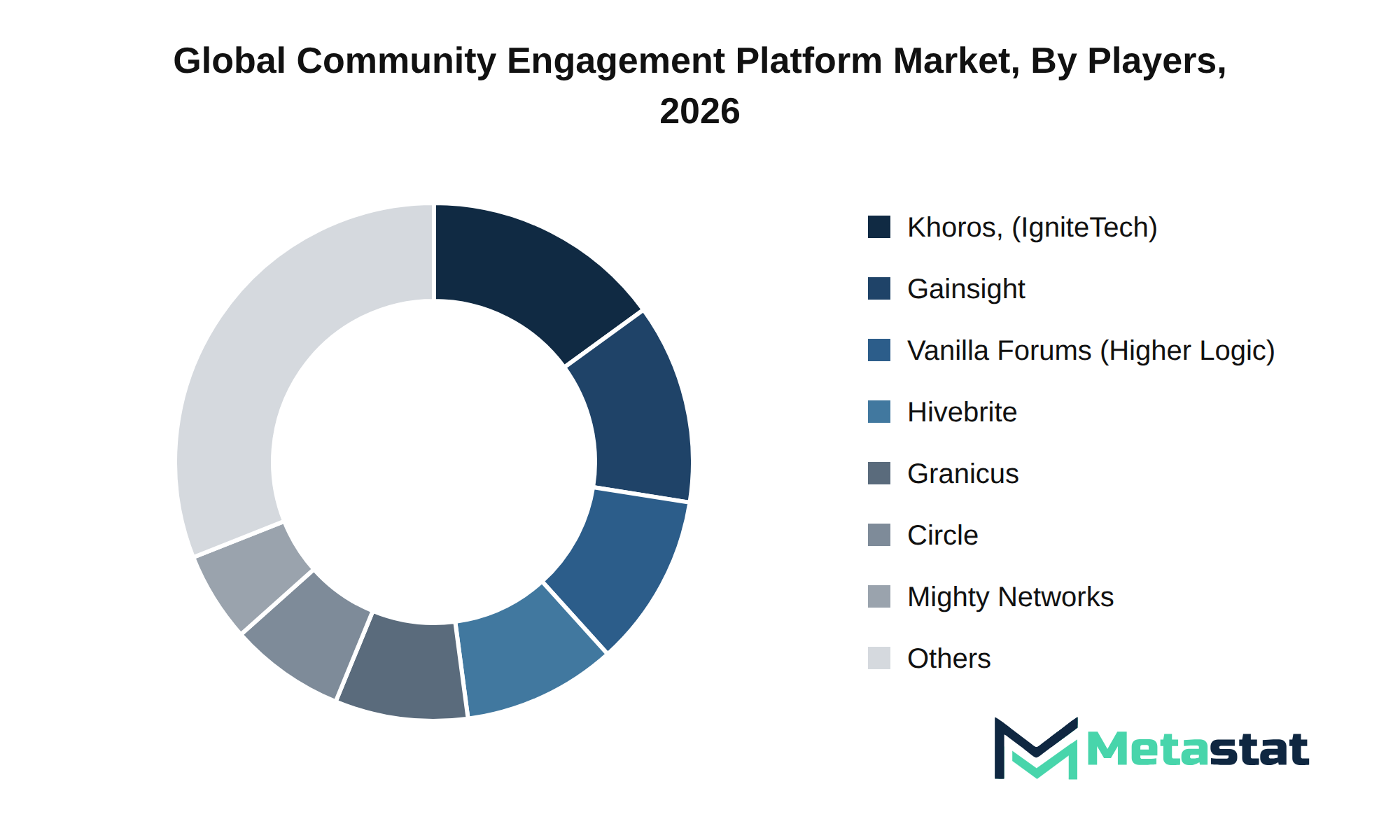
Competition in the Community Engagement Platform market encompasses various strategies, focusing on distinct service types and customization capabilities. Clients evaluate offerings based on price, service quality, and the platform's ecosystem integration. This dynamic significantly influences purchasing decisions.
Vanilla Forums (Higher Logic) emphasizes community-centric solutions, delivering tools for building customer communities. Khoros (IgniteTech) targets professional and membership communities, leveraging its expertise in customer engagement and analytics. Gainsight focuses on maximizing customer success through robust community engagement tools, aligning with organizations that enhance user experience.
Platforms like Hivebrite and Granicus provide tailored solutions for civic and resident communities, ensuring alignment with public sector requirements. Circle and Mighty Networks deliver flexible options for creator and fan communities, facilitating user-generated content and interaction. Each company navigates the market by catering to unique community needs and enhancing overall user engagement.
For the Community Engagement Platform market to achieve this forecast, several key developments occur. The first is the increasing adoption of cloud-based deployment models, which are projected to expand from USD 780.1 million in 2026 to USD 2,417.2 million by 2033, driven by organizations seeking scalable and flexible solutions. Another critical factor is the growth of customer communities, expected to grow at a CAGR of 16.7%, reaching USD 848.3 million by 2033. This growth stems from businesses aiming to enhance customer engagement and loyalty through robust platforms. Regulatory changes supporting digital communication in various industries, particularly in government and public utilities, will further boost market expansion.
Risks to this forecast exist, including potential economic downturns that could reduce investment in technology. Regions like North America, holding a 40% share of the market, experience slower growth if budget constraints emerge. These dynamics, linked to buyer behavior and technological advancements, will determine the trajectory of the market over the forecast period.
By Community Type: Customer Communities, Professional and Membership Communities, Civic and Resident Communities, Employee Communities, Partner Communities, Creator and Fan Communities, Student and Alumni Communities, Interest-Based Communities
By Component: Community Engagement Platform, Professional Services, Consulting, Training and Education, Support and Maintenance, Managed Services
By Deployment Model: Cloud-Based, On-Premises
By Industry: BFSI, Government and Public Utilities, Healthcare and Hospitality, Retail, Manufacturing, Education, Media and Entertainment, Others
The report strategically identifies and profiles the key market players and analyses their core competencies in each sub-segment of the Community Engagement Platform market.
|
Report Attributes |
Details |
|
Study Period |
2021-2033 |
|
Base Year |
2025 |
|
Estimated Year |
2026 |
|
Forecast Period |
2026-2033 |
|
Historical Period |
2021-2025 |
|
Growth Rate |
CAGR 16.3% from 2026 to 2033 |
|
Revenue Unit |
USD million |
|
Segmentation |
By Community Type, Component, Deployment Model, Industry, and Region |
|
By Region |
North America (By Community Type, Component, Deployment Model, Industry, and Country)
|
|
|
|
Asia Pacific (By Community Type, Component, Deployment Model, Industry, and Country)
|
|
|
|
|
Middle East and Africa (By Community Type, Component, Deployment Model, Industry, and Country)
|
Find answers to common questions about this report
The Metastat Insights study reveals that the Community Engagement Platform market size was valued at USD 825.9 million in 2025.
The Community Engagement Platform market is projected to grow at a CAGR of 16.3% during the forecast period from 2026 to 2033.
According to Metastat Insights analysis, the North America Community Engagement Platform market size is estimated to reach USD 1,018.1 million by 2033.
Customer Communities lead the segment with a value of USD 848.3 million by 2033, reflecting the highest growth potential within the Community Engagement Platform market.
North America ranks as the dominant region in the Community Engagement Platform market, with a projected value of USD 1,018.1 million by 2033. Customer Communities emerge as the leading segment, expected to reach USD 848.3 million during the same period.
North America holds the dominant share of the market, accounting for 40 percent in 2025. This region is projected to reach USD 1,018.1 million by 2033.
Restraint: High operational costs associated with implementing and maintaining community engagement platforms challenge market growth. Challenge: Limited awareness and understanding of the benefits of these platforms hinder adoption rates. North America leads the market with a projected value of USD 1,018.1 million by 2033, while the Customer Communities segment dominates with a value of USD 848.3 million in the same year.
The Community Engagement Platform market is estimated to reach a valuation of USD 2,765.1 million by 2033.
Key players operating in the Community Engagement Platform market include Vanilla Forums (Higher Logic), Khoros, Gainsight, Hivebrite, Granicus, Circle, and Mighty Networks.
The cloud-based segment is projected to expand from USD 780.1 million in 2026 to USD 2,417.2 million by 2033, reflecting a compound annual growth rate of 17.5%.
The analysts below cover Information & Technology research at Metastat Insights.
LEAD ANALYST
Utkarsh Khirodkar is a Lead Market Research Analyst at MetaStat Insight, specializing in market intelligence, technology sector assessments, and competitive strategy.

PRINCIPAL CONSULTANT - ENTERPRISE AI & EMERGING TECHNOLOGIES
Banking & Finance · Electronics and Semiconductor · Energy and Power · Healthcare IT · Information & Technology · Professional Services
Vijay Gunti is a Principal Consultant at MetaStat Insight, bringing over two decades of experience across enterprise digital transformation, technology strategy, and intelligent systems.

LEAD CONSULTANT - COMMUNICATION, TELECOM, AND IT
Electronics and Semiconductor · Information & Technology · Machinery & Equipment · Professional Services
Ravindra Sathe Consultants for Communication, Telecom, and IT at MetaStat Insight. He leads the firm's industry research initiatives across telecommunications infrastructure, digital connectivity, enterprise networking, and emerging information technology domains.
Transitioning ultra-class mining haul trucks to alternative power requires concrete data on remote hydrogen refueling infrastructure economics. The report evaluated megawatt-scale electrolyzer installation expenses, onsite storage safety mandates, and heavy-duty fuel cell stack degradation under continuous duty cycles. That technical rigor helped our engineers benchmark realistic total operating cost horizons for off-highway fleet decarbonization.
Enterprise zero-trust network rollouts are often slowed down by multi-cloud transit latency and proprietary hardware retirement schedules. This study provided realistic total cost of ownership models comparing cloud-delivered security edge solutions against traditional hardware refreshes. The analysis of contract renewal lengths and software maintenance fees gave us clear visibility into enterprise replacement cycles over the next three to five years.
Scaling antibody-drug conjugate manufacturing hinges on contract manufacturing availability for high-potency active ingredients. The MetaStat Insight analysis looked closely at global cleanroom slot constraints, bioconjugation batch failure rates, and supply chain redundancies between the US, Europe, and India. The supplier capability matrix proved genuinely useful for our team when mapping secondary source options across our clinical pipeline.
Explore related market intelligence reports worth reading alongside this one.
Starting from
$2950