
LEAD ANALYST
Utkarsh Khirodkar is a Lead Market Research Analyst at MetaStat Insight, specializing in market intelligence, technology sector assessments, and competitive strategy.

Ghana Automobile Market Size, Share, By Vehicle Type (Passenger Cars, Light Commercial Vehicles, Medium and Heavy Commercial Vehicles, Two-Wheelers and Three-Wheelers), By Propulsion Type (Internal Combustion Engine Vehicles, Hybrid Electric Vehicles, Plug-in Hybrid Electric Vehicles and Battery Electric Vehicles), By Vehicle Condition (Used Vehicles and New Vehicles), By End Use (Personal Mobility, Commercial and Business Fleets, Public Transport and Others (Government and Emergency Services)), Industry Analysis, Growth, Trends, and Forecast, 2026-2033
Report ID
MSI-5657
Published
November, 2026
Pages
292 Pages
Format
Historical
Base year
Forecast
Forecast period
Report Details
Market Valuation: Valued at $2,363.8 Million in 2025, projected to reach $4,892.2 Million by 2033 at a 9.5% CAGR.
Dominant Segment: Passenger cars lead the market, driven by rising disposable incomes and increasing consumer preferences for personal mobility. This segment is projected to grow significantly, reflecting strong demand among individual buyers.
Geographic Lead: The West African region, particularly Ghana, exhibits the highest growth potential in the automobile market, fueled by urbanization and economic development. This growth is supported by improvements in infrastructure and rising consumer demand.
What's Inside: The report provides a comprehensive analysis of the Ghana Automobile market, covering vehicle types, propulsion methods, and end-use segments. It includes competitive insights, market dynamics, and forecasts through 2033.
Emerging Trends: The market is witnessing a surge in hybrid electric vehicles, projected to grow at a CAGR of 16.7%, as consumers increasingly seek environmentally friendly transportation options.
Local Production Initiatives: Increased investment in local vehicle assembly and component sourcing is reshaping the market, enhancing domestic manufacturing capabilities and reducing reliance on imports.
Choose Your License
Ghana Automobile Market
The Ghana Automobile market was valued at USD 2,363.8 million in 2025 and is projected to reach USD 4,892.2 million by 2033, growing at a CAGR of 9.5% over the forecast period.
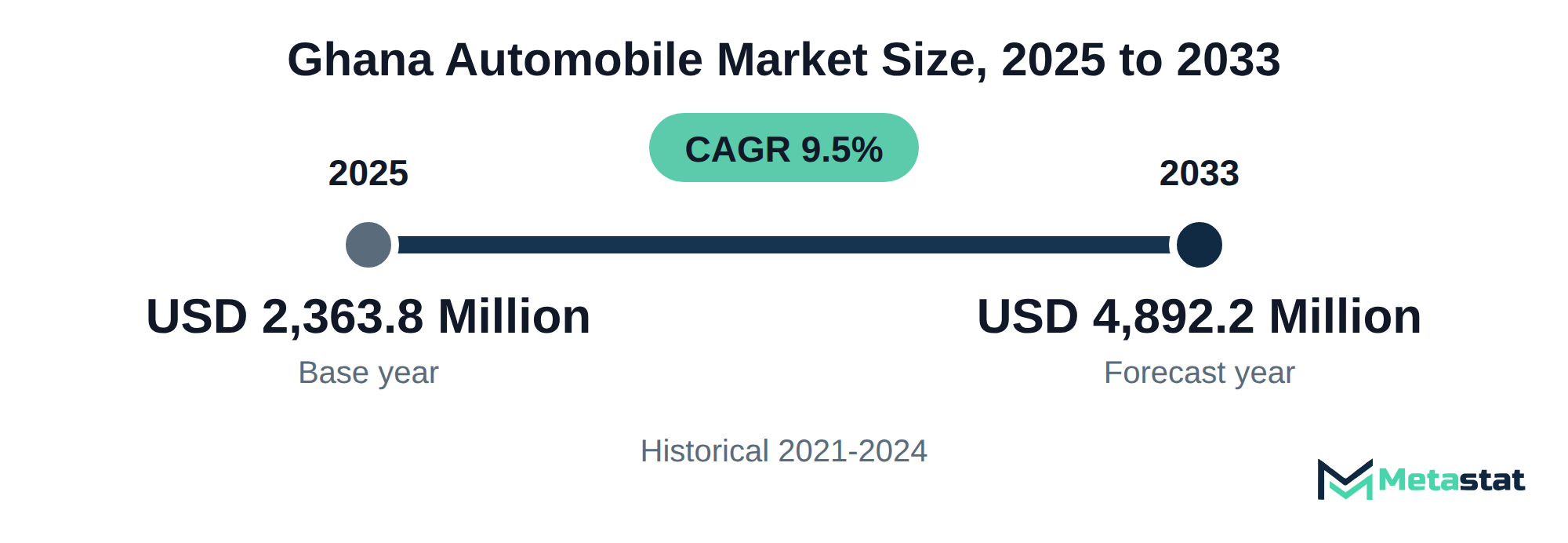
The Ghana Automobile market spans passenger cars, commercial vehicles, and two-wheelers. Buyers purchase vehicles to meet personal mobility needs, enhance business operations, and support public transportation systems. Demand for automobiles reflects a growing economy and increasing consumer preferences for personal and commercial transportation solutions.
Growth in the market arises from several factors, with rising disposable incomes serving as a significant driver. Consumers increasingly seek vehicles for personal use and business purposes, leading to greater investment in both new and used vehicles. Among the various segments, passenger cars hold the largest market value, reflecting strong demand in personal mobility. The market is expected to experience substantial expansion during the forecast period, with various segments contributing to overall growth.
Regional dynamics influence market performance, with the largest share observed in the African region. This region's increasing urbanization and infrastructural development contribute to heightened vehicle demand. Continuous improvement in road networks and economic conditions creates a favorable environment for growth, enabling consumers to access a broader range of automotive options.
The market comprises various vehicle types, including passenger cars, light commercial vehicles, and two-wheelers, catering to diverse buyer needs. Customers invest in vehicles primarily for personal mobility, commercial operations, and public transport, driven by urbanization, economic development, and consumer preferences for private transport. This spending reflects a growing demand for reliable transportation solutions across all sectors.
Passenger cars represent the most significant segment in terms of market value, contributing substantially to overall sales. The rapid expansion of light commercial vehicles follows closely, fueled by increasing logistics and trade activities. The West African region stands out as the primary market area, exhibiting the highest growth potential, driven by rising disposable incomes and urban population growth.
One notable growth driver involves the increasing adoption of hybrid electric vehicles, appealing to environmentally conscious consumers and aligning with global trends toward sustainability. This segment is projected to grow at an impressive rate, reflecting buyer interest in innovative propulsion technologies. Such advancements contribute to the overall evolution of the Ghana Automobile market, influencing purchasing decisions across consumer demographics.
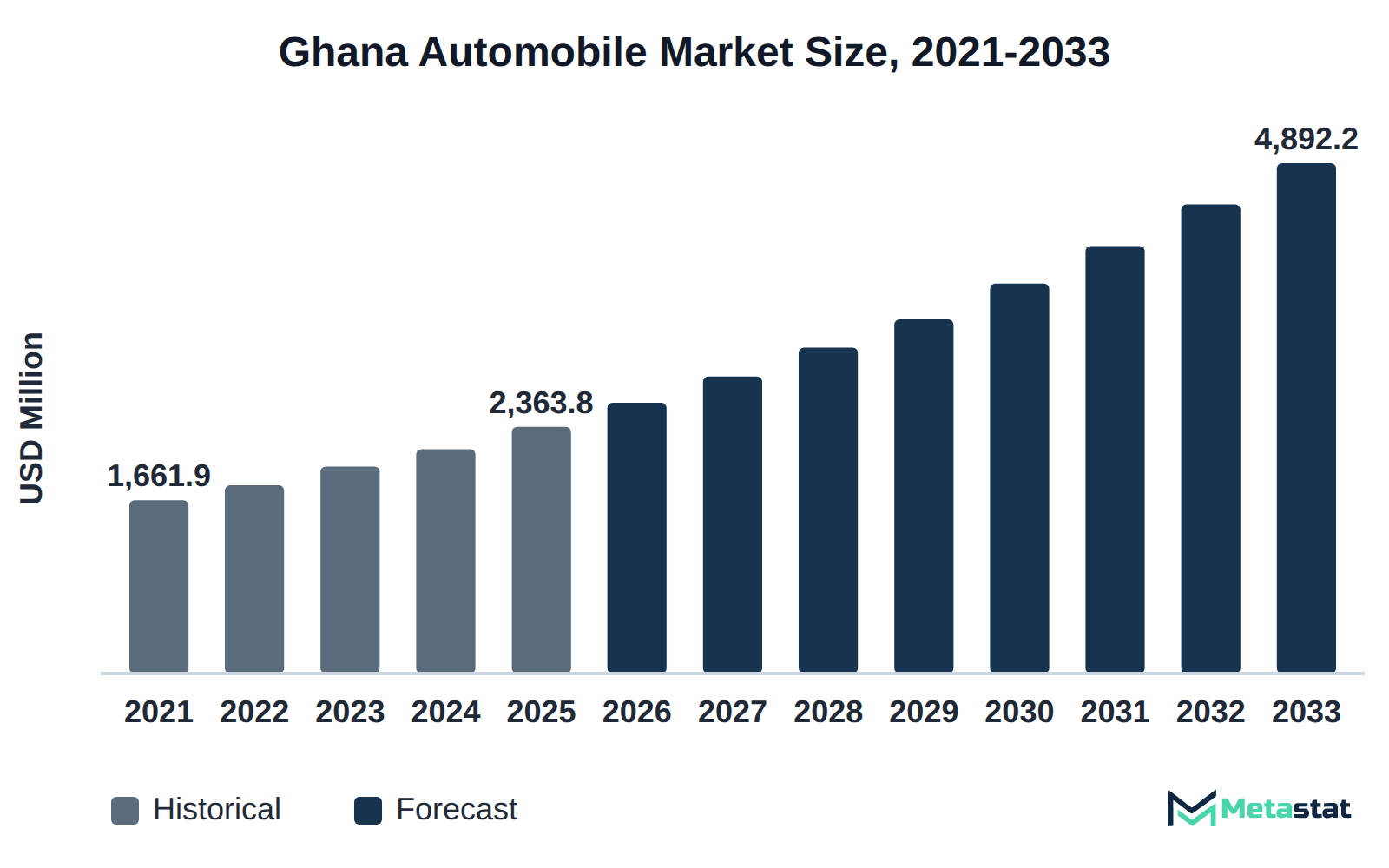
The Ghana Automobile market is experiencing a significant shift towards local vehicle assembly and component sourcing, driven by a strategic focus on enhancing domestic manufacturing capabilities. In recent years, several companies have established assembly plants in the country, promoting local employment and reducing dependency on imported vehicles. This shift aligns with the growing demand for passenger cars, projected to reach USD 3,142.3 million by 2033, highlighting the increasing consumer preference for locally assembled vehicles.
This local assembly initiative supports economic growth and encourages collaboration between local suppliers and automotive manufacturers. Such partnerships enhance the supply chain, improve lead times, and reduce production costs. Local suppliers benefit from increased business opportunities, providing components including engines and electronic systems essential for vehicle assembly. The rise of hybrid electric vehicles, anticipated to achieve a value of USD 698.1 million by 2033, further emphasizes the need for local sourcing of specialized components, such as battery management systems, to meet evolving market demands.
The focus on local vehicle assembly and component sourcing positions Ghana's automotive industry for sustainable growth, meeting consumer preferences while supporting the local economy. This strategic shift promotes resilience within the market, encouraging further investments and innovations in the automotive sector.
The affordability of vehicles in the Ghana Automobile market significantly influences consumer behavior, particularly in the context of used imports and financing options for new vehicles. A notable aspect is that used vehicle purchases are often more accessible for buyers due to lower upfront costs. The segment for used vehicles has a projected value of USD 3,279.8 million by 2033, reflecting strong demand driven by budget-conscious consumers seeking economical alternatives.
In contrast, financing for new vehicles features different dynamics, often involving structured payment plans that help buyers manage expenses. Various financial institutions and dealerships offer competitive financing options, making new vehicles more attainable. This sector anticipates a value of USD 1,612.5 million for new vehicles by 2033, reflecting the market's response to financing needs. Such arrangements benefit buyers by spreading costs over time, enhancing affordability and encouraging vehicle ownership.
Both used imports and financing for new vehicles therefore play important roles in shaping consumer choices in the Ghana Automobile market. Growing access to financing solutions and a strong market for used vehicles give potential buyers greater confidence in long-term mobility investments.
The Ghana Automobile market shows a growing interest in electric two- and three-wheelers, driven by urbanization and the need for efficient transportation solutions. The market for battery electric vehicles is expected to experience a compound annual growth rate (CAGR) of 28.9%, indicating a significant shift toward electrification in the transportation sector. As cities expand, residents increasingly seek cost-effective and environmentally friendly options, making electric two- and three-wheelers an attractive alternative for short-distance travel.
Electric two- and three-wheelers, including electric scooters and motorcycles, provide urban commuters with a practical solution to navigate congested streets. These vehicles offer lower operational costs compared to traditional internal combustion engine vehicles, particularly in densely populated areas. Efficient energy consumption and reduced maintenance expenses contribute to their appeal among consumers. The trend toward electrification aligns with the Ghanaian government's push for sustainable transportation initiatives, further enhancing the viability of electric options in the market.
Commercial fleet operators recognize the benefits of incorporating electric two- and three-wheelers into their offerings. The expected growth in this segment opens opportunities for businesses to cater to a demographic that prioritizes eco-conscious practices. This transition supports the overall demand for electric vehicles within the Ghana Automobile market, establishing a foundation for continued expansion and innovation in transportation solutions.
The Ghana Automobile market presents significant assembly prospects for specific vehicle categories, particularly in light commercial vehicles and passenger cars. The segment of light commercial vehicles is projected to reach USD 692.7 million by 2033, reflecting a compound annual growth rate (CAGR) of 11%. This growth is driven by increasing demand from small and medium enterprises requiring efficient transport solutions for goods and services. Consequently, local assembly initiatives for light commercial vehicles gain traction, enhancing the competitive edge of manufacturers operating in this space.
Passenger cars also show strong assembly prospects, with value projected to rise from USD 1,760.3 million in 2026 to USD 3,142.3 million by 2033, a CAGR of 8.6%. The rising urban population and growing middle class in Ghana contribute to heightened demand for personal mobility solutions. Local assembly of passenger cars allows manufacturers to reduce costs associated with imports and tariffs while catering to local preferences and trends. This trend positions Ghana as a strategic hub for car assembly within the region, promoting investment opportunities and driving economic growth.
Rising urbanization trends in Ghana drive demand for passenger cars among younger buyers, particularly those seeking reliable transportation for personal mobility. Increased disposable income and changing consumer preferences support the growth of vehicle ownership, leading to a notable shift in purchasing behavior. The passenger car segment is expected to expand from USD 1,760.3 million in 2026 to USD 3,142.3 million in 2033, reflecting a compound annual growth rate of 8.6%. This demand surge influences manufacturers and dealers to enhance their offerings and cater to the evolving preferences of this demographic. The Ghana Automobile market exhibits a strengthening market environment due to these emerging trends.
Growing interest in hybrid and electric vehicles aligns with sustainability values among younger consumers, prompting producers to diversify their lineups. The focus on environmental consciousness drives higher adoption rates, further influencing the market's trajectory toward greener transportation solutions.
The Ghana Automobile market benefits from increased investment in local vehicle production facilities, enhancing manufacturing capabilities. This trend arises from a strategic focus on reducing import dependence and driving economic growth. Local assembly plants attract both domestic and foreign manufacturers, leading to the establishment of supply chains that support various vehicle types. Enhanced production capacity results in better availability of vehicles, meeting rising demand from consumers across different sectors, including personal mobility and commercial fleets.
The growing emphasis on local production aligns with government initiatives aimed at supporting the automotive industry. Manufacturers experience reduced operational costs through localized sourcing of materials, improving competitiveness in pricing. Investment in local facilities continues, and the market is projected to see significant growth, with an anticipated expansion in both production volumes and vehicle variety. This shift supports the overall growth trajectory of the Ghana Automobile market, contributing to its increasing relevance in the regional context.
High vehicle prices in the Ghana Automobile market restrict demand among price-sensitive buyers, particularly in low-to-middle income segments. Rising costs associated with vehicle ownership influence purchasing decisions and lead to slower uptake of new vehicles. Buyers prioritize affordability, resulting in smaller orders and delayed replacement of older vehicles. This trend is evident in the passenger car and light commercial vehicle segments, where price fluctuations directly impact sales volume. The presence of cheaper used imports further complicates market dynamics, making it challenging for new vehicle sales to gain traction. Limited financing options exacerbate the situation, restricting access to new vehicle purchases for many consumers. Consequently, these factors contribute to a less favorable growth trajectory for the market, with higher prices discouraging potential buyers from making commitments to new vehicles.
Rising input costs present a significant challenge for suppliers operating in the Ghana Automobile market. Price increases in raw materials, components, and logistics affect profitability, making it difficult for manufacturers to maintain competitive pricing. Suppliers absorb these additional costs, restricting their ability to invest in research, development, and improved production techniques. The increasing expense of inputs pushes several suppliers to reassess their sourcing strategies, seeking local suppliers to mitigate transportation costs and secure more stable pricing. This strategic shift to local sourcing enhances supply chain resilience while responding to fluctuations in global material prices. Despite these adjustments, pressure on profit margins persists, limiting the financial flexibility of suppliers in the market. The ongoing search for cost-effective solutions enhances the competitive environment, driving innovation and efficiency while suppliers adapt to the changing economic conditions.
The hybrid electric vehicle segment represents a significant opportunity within the Ghana Automobile market, with a compound annual growth rate (CAGR) of 16.7% through 2033. Increased consumer awareness and rising fuel prices contribute to the growing interest in this segment, as buyers seek more efficient and environmentally friendly transportation solutions. Local manufacturers capitalize on this trend by introducing affordable hybrid models tailored to the Ghanaian consumer. Partnerships with battery suppliers enhance local production capabilities, supporting the demand for hybrid vehicles. The anticipated demand in this segment reflects a broader shift towards sustainable transportation, positioning hybrid electric vehicles as a key growth area in the market.
The market's overall trajectory points to strong expansion in the hybrid electric vehicle segment, which calls for investment in new technology and local sourcing strategies. This approach aligns with the increasing focus on reducing carbon emissions and creating a greener transportation landscape in Ghana. Embracing this opportunity enables stakeholders to drive both revenue and market share, addressing the evolving preferences of consumers seeking cost-effective and sustainable automobile options.
The Ghana Automobile market is segmented based on Vehicle Type, Propulsion Type, Vehicle Condition, and End Use.
These vehicles serve personal mobility needs, primarily serving individual consumers and families seeking reliable transportation options. Demand for passenger cars is influenced by increasing urbanization and a growing middle class, which enhances disposable income levels, leading to higher vehicle ownership rates. Compared to light commercial vehicles, which exhibit a CAGR of 11%, passenger cars experience slower growth, reflecting differing buyer priorities and market segments. While passenger cars cater to personal use, light commercial vehicles serve business needs, highlighting distinct market dynamics.
These vehicles, such as pickup trucks, support various businesses, including logistics and delivery services, by providing essential transportation solutions. A growing demand for efficient delivery options drives this segment, particularly among small and medium enterprises that seek to optimize their operations. Compared to other segments, including passenger cars, the Light Commercial Vehicles segment experiences faster growth, with a projected CAGR of 11%, while passenger cars grow at a CAGR of 8.6%. This growth reflects a shift in buyer preferences towards vehicles that enhance business efficiency and productivity, emphasizing the importance of reliable transportation in the Ghana Automobile market.
Medium and Heavy Commercial Vehicles segment is expected to reach USD 311.6 million by 2033. This segment serves industries such as construction, logistics, and agriculture, where dependable transportation remains essential. Increasing infrastructure development and economic activities drive demand for these vehicles, such as dump trucks used in construction, enabling businesses to enhance operational efficiency. Compared to other segments, including Light Commercial Vehicles, this segment exhibits slower growth, with a lower CAGR, affecting overall market dynamics. While the demand for Light Commercial Vehicles is anticipated to grow at 11%, Medium and Heavy Commercial Vehicles face different challenges in the competitive landscape. Factors including fluctuating fuel prices and the availability of financing options influence buyers' decisions, shaping the purchasing patterns within the Ghana Automobile market.
Two-Wheelers segment is projected to grow at a CAGR of 9.8% during the forecast period. This segment serves urban commuters and delivery services that operate commercial two-wheelers, providing cost-effective and efficient transportation solutions. Increasing congestion in metropolitan areas drives demand for two-wheelers, appealing to consumers seeking mobility without the higher expenses associated with four-wheeled vehicles. Compared to Light Commercial Vehicles and Medium and Heavy Commercial Vehicles, which focus on larger payloads and fleets, the two-wheelers segment offers lower entry costs and faster growth potential. While Light Commercial Vehicles are projected to reach USD 692.7 million by 2033 at a CAGR of 11%, two-wheelers maintain their distinct advantage in affordability and city travel efficiency. This positioning enhances their appeal among budget-conscious buyers, contributing to significant growth in the Ghana automobile market.
Three-wheelers, or motorized tricycles, provide a versatile transportation option within urban areas, catering to both passenger and goods movement. Frequently employed by small-scale businesses and individual operators, these vehicles fulfill an essential role in last-mile delivery services and personal mobility. The rising demand for affordable and efficient transport solutions drives this segment, particularly in densely populated regions. Compared to other vehicle types, three-wheelers generally present lower acquisition costs, thus attracting several price-sensitive consumers. This segment stands out with its potential for faster growth, driven by increasing urbanization and a shift towards shared mobility solutions. The market for three-wheelers reflects a broader trend of evolving transportation preferences, demonstrating adaptability to shifting consumer demands.
Special-Purpose Road Vehicles serve specific functions, often tailored for niche applications. These vehicles include those used for construction, emergency services, and specialized transportation, catering to governments and private companies requiring unique solutions. Demand for this segment is driven by infrastructure development and the expansion of public services, which creates a need for vehicles that fulfill specific roles. This segment contrasts with others, including passenger cars, by focusing on functionality rather than personal transport and often features higher pricing due to custom requirements. While the growth rate varies, the increasing complexity of operations in sectors including construction and emergency response fuels investment in specialized vehicles, strengthening long-term demand.
Internal Combustion Engine Vehicles segment is valued at USD 2,251 million in 2026 and is projected to reach USD 3,631.5 million by 2033, at a CAGR of 7.1% during the forecast period. This segment primarily serves consumers seeking reliable and familiar technology for personal and commercial transportation. Demand increases due to the extensive existing infrastructure supporting internal combustion engines, including fuel availability and maintenance services across the automotive aftermarket. Buyers in this segment include individual consumers and businesses requiring vehicles for logistics and transportation. Compared to other propulsion types, this segment grows at a slower rate than hybrid electric vehicles, which achieve a CAGR of 16.7%. Consumer preference for familiar technology, supported by the internal combustion engine's established presence, differentiates this segment from emerging alternatives in the market.
Hybrid Electric Vehicles segment is estimated to reach USD 698.1 million by 2033, at a CAGR of 16.7% during the forecast period. This segment caters primarily to environmentally conscious consumers seeking efficient transportation solutions. Increasing awareness regarding environmental sustainability and rising fuel costs drive this segment forward. Compared to Internal Combustion Engine Vehicles, which have a CAGR of 7.1%, Hybrid Electric Vehicles show a stronger growth trajectory, appealing to buyers seeking innovative technologies that offer both performance and lower emissions. The combination of financial incentives and government regulations supporting cleaner energy vehicles further enhances demand. This segment's pricing strategy differs due to the higher initial investment in hybrid technology, positioning it uniquely within the market's diverse offerings.
Plug-in Hybrid Electric Vehicles segment is expected to reach USD 178.6 million by 2033. This segment serves consumers who prioritize fuel efficiency and lower emissions, appealing to environmentally conscious buyers. Growing awareness of environmental issues drives demand for vehicles with reduced carbon footprints, while government initiatives supporting clean energy solutions enhance adoption. The segment enjoys a higher growth trajectory compared to traditional internal combustion engine vehicles, reflecting a compound annual growth rate (CAGR) of 28.9%. The market supports a shift towards sustainable transport, positioning Plug-in Hybrid Electric Vehicles as a viable alternative to conventional vehicles, meeting the evolving preferences of consumers seeking efficiency and sustainability.
Battery Electric Vehicles segment is projected to grow at a CAGR of 28.9% during the forecast period. This segment caters predominantly to environmentally conscious consumers and businesses seeking sustainable transportation solutions. Increasing awareness of climate change and the push for reduced emissions significantly drive demand for battery electric vehicles. Compared to other propulsion types, including internal combustion engine vehicles, battery electric vehicles exhibit faster growth trajectories and attract a different demographic, often comprising younger, tech-savvy buyers. Price sensitivity influences adoption, as these vehicles often come with higher initial costs. However, potential savings in fuel and maintenance enhance their appeal. Improvements in charging infrastructure and technology developments increase confidence among buyers seeking efficient and reliable alternatives to traditional vehicles, ensuring that this segment continues to thrive.
Used Vehicles segment is valued at USD 1,731.7 million in 2026 and is projected to reach USD 3,279.8 million by 2033, at a CAGR of 9.6% during the forecast period. This segment serves buyers seeking affordable transportation options such as used passenger cars, reflecting a strong preference for budget-friendly vehicles. Growing sustainability awareness and the rising cost of new vehicles drive demand for used cars, helping buyers save on initial purchase prices. Compared to new vehicles, the used vehicles segment exhibits a lower price point, making it attractive to price-sensitive consumers. The market experiences a distinct dynamic, with longer sales cycles associated with used vehicles, influencing buyer behavior differently from new vehicles. While new vehicle segments see faster growth rates, the steady demand for used vehicles ensures consistent market activity.
New Vehicles segment is estimated to reach USD 1,612.5 million by 2033, at a CAGR of 9.3% during the forecast period. This segment caters primarily to individual consumers seeking reliable transportation options, along with businesses looking to upgrade their fleets. Demand in this segment is driven by rising consumer preferences for modern features and improved safety standards in vehicles. Compared to the Used Vehicles segment, which is expected to grow at a CAGR of 9.6%, the New Vehicles segment demonstrates a slightly slower growth trajectory. However, the focus on new technologies and higher efficiency often results in higher prices, making it a more premium choice for buyers. Manufacturers are responding to this demand by incorporating advanced technology and eco-friendly features into their new offerings, significantly influencing purchasing decisions. The Ghana Automobile market continues to evolve, reflecting these shifts in consumer behavior and preferences.
Personal Mobility segment is valued at USD 1,762 million in 2026 and is projected to reach USD 3,102.7 million by 2033, at a CAGR of 8.4% during the forecast period. This segment serves individual consumers seeking personal transportation solutions, reflecting growing urbanization and increased purchasing power among the population. A significant driver for this segment includes the expanding middle class, which enhances demand for affordable and practical vehicles. Compared to other segments, Personal Mobility exhibits slower growth, influenced by pricing pressures and varying consumer preferences for vehicle types. The market's focus on affordability influences new offerings, with buyers opting for both used and new vehicles, impacting overall segment dynamics. In contrast, the Commercial and Business Fleets segment shows a higher growth rate at a CAGR of 11.3%, illustrating differing priorities in vehicle acquisition across segments.
Commercial and Business Fleets segment is estimated to reach USD 1,328.7 million by 2033, at a CAGR of 11.3% during the forecast period. This segment encompasses vehicles for the transportation of goods and services by businesses, governmental entities, and organizations. Demand rises due to increasing commercial activities and urbanization, driving the need for efficient transportation solutions. This category grows faster than other segments, reflecting its importance to economic development and logistics operations. Adoption of advanced vehicle technologies and eco-friendly options aligns with regulatory pushes for sustainability, enhancing appeal among fleet operators. Growth of e-commerce and courier, express, and parcel services further increases demand, presenting significant opportunities for businesses investing in commercial and business fleets within the Ghana Automobile market.
The Public Transport segment is expected to reach USD 363.5 million by 2033. This segment supports the movement of passengers through buses, minibuses, and other mass transit options, catering primarily to commuters in urban settings. Demand for reliable public transport options drives growth in this segment, reflecting a broader trend of urbanization. Increasing urban populations and the necessity for efficient transportation solutions contribute to significant demand fluctuations within the Public Transport segment. Compared to other segments including Personal Mobility, which shows a CAGR of 8.4%, the growth trajectory of this segment aligns more closely with Commercial and Business Fleets, anticipated to achieve a CAGR of 11.3%. The emphasis on public transport systems presents an opportunity for investment, particularly in expanding infrastructure and fleet modernization, ultimately enhancing service delivery in the Ghana Automobile market.
Segment Others (Government and Emergency Services) is projected to grow at a CAGR of 11.6% during the forecast period. This segment includes vehicles used by governmental agencies and emergency services, including ambulances and police vehicles. Demand for these vehicles arises from the need for effective emergency response and public safety measures, driving procurement by governmental and municipal bodies. Regulatory frameworks surrounding public safety standards often dictate the specifications for these vehicles, which differ from other segments in terms of utilization and buyer profiles. Unlike Personal Mobility or Commercial and Business Fleets, which cater to individual consumers and businesses, this segment experiences a distinct growth trajectory fueled by public sector investment in infrastructure and safety initiatives. In 2033, the segment's value is expected to reflect this public sector demand in the Ghana Automobile market.
North America presents a significant market for the Ghana Automobile market, driven by a growing consumer base seeking innovative transportation solutions. Strong demand for various vehicle types, particularly passenger cars and light commercial vehicles, contributes to the overall market expansion. Urbanization and increased disposable income among consumers fuel the preference for new vehicles, enhancing market dynamics.
The transition toward more environmentally friendly transportation options influences the adoption of hybrid and battery electric vehicles. Consumers exhibit a strong inclination toward sustainability, prompting manufacturers to diversify their offerings. This shift aligns with global trends toward reducing carbon emissions and promoting cleaner technologies.
Investment in infrastructure development supports the growth of the market, enabling greater accessibility and convenience for consumers. Enhanced road networks and improved transportation systems create a conducive environment for automobile sales. The strategic positioning of manufacturers in response to these developments shapes market trends and dynamics.
Overall, the Ghana Automobile market benefits from North America's demand for both traditional and advanced vehicles, supporting sustained growth over the forecast period. The emergence of new technologies and consumer preferences will continue to shape the market, driving innovation and competition among participants.
The Ghana Automobile market exhibits a growing interest from European manufacturers looking to enter and expand their presence in the region. European automakers increasingly recognize the potential for growth within the market, driven by rising consumer demand for various vehicle types, including passenger cars and commercial vehicles. Efforts to adapt offerings for local preferences and conditions enhance competitiveness among these automakers.
Investment in local partnerships and production facilities is becoming a strategic focus for many European companies. By establishing local supply chains, automakers improve operational efficiency and reduce costs. This approach leads to better pricing strategies that appeal to the growing middle class in Ghana, which increasingly seeks personal mobility options.
The shift toward environmentally friendly vehicles further influences European interest in the market. The transition to hybrid and electric vehicle technologies aligns with global sustainability trends, attracting interest from manufacturers aiming to meet stricter emissions regulations in their home countries while tapping into new markets. This trend creates opportunities for collaboration between local companies and European manufacturers, driving innovation in the sector.
The growth trajectory within the Ghana Automobile market reflects rising consumer demand and expanding automotive infrastructure. Increased urbanization in Ghana promotes enhanced public transportation solutions and growing personal mobility needs. The automotive sector experiences a surge in both new and used vehicle sales, driven by a youthful population and increased disposable income, leading to greater access to automobile financing options.
Investments from various stakeholders, including foreign automakers, contribute significantly to market dynamics. Local manufacturing initiatives emerge in response to rising demand, creating a competitive environment within the industry. The trend towards electrification, particularly in hybrid and battery electric vehicles, exemplifies a shift towards sustainable transport options. Consumer awareness regarding environmental impacts influences purchasing decisions, creating a favorable environment for green vehicle adoption.
Regulatory measures aimed at enhancing local manufacturing capabilities further reinforce market potential. The Ghana Automobile market is projected to grow through to 2033, supported by sustained demand across various segments. The combination of increasing consumer preferences and infrastructural development drives a dynamic automotive landscape, presenting opportunities for market participants.
The Ghana Automobile market faces unique dynamics in the South American context, influenced by regional economic factors and consumer preferences. Continuous investment in automotive infrastructure and logistics enhances accessibility to vehicle supply chains, promoting growth across various segments. The rising demand for efficient public transport solutions drives interest in commercial vehicles, shaping purchasing patterns among buyers. Increased urbanization contributes to a shift toward personal mobility options, aligning with global trends observed in automotive consumption. The competitive landscape features key players actively expanding their market presence, reflecting strategies aimed at capturing a share of the growing demand. Overall, these factors contribute to a positive outlook for the market, creating opportunities for innovation and investment.
The Ghana Automobile market experiences diverse dynamics driven by regional characteristics within the Middle East and Africa. Economic growth across several African nations stimulates interest in automobile ownership, particularly among consumers seeking vehicles for personal mobility and commercial use. Rising urbanization and infrastructure development enhance accessibility, prompting increased demand for various vehicle types.
In this region, local manufacturers and international automotive companies actively engage in market expansion efforts. Increased investment into production facilities and partnerships with local entities supports the growth of the market. The focus on introducing both internal combustion engine vehicles and electrified options aligns with global trends toward sustainability.
Challenges including fluctuating currency values and varying import tariffs influence pricing strategies for both new and used vehicles. Companies operating in the Ghana Automobile market navigate these economic conditions to sustain competitiveness and capture emerging market opportunities.
Technology adoption in vehicle manufacturing influences consumer preferences, with a notable shift toward electric and hybrid vehicles reflecting changes in buyer attitudes regarding sustainability. Overall, the Ghana Automobile market presents opportunities driven by economic and technological factors.
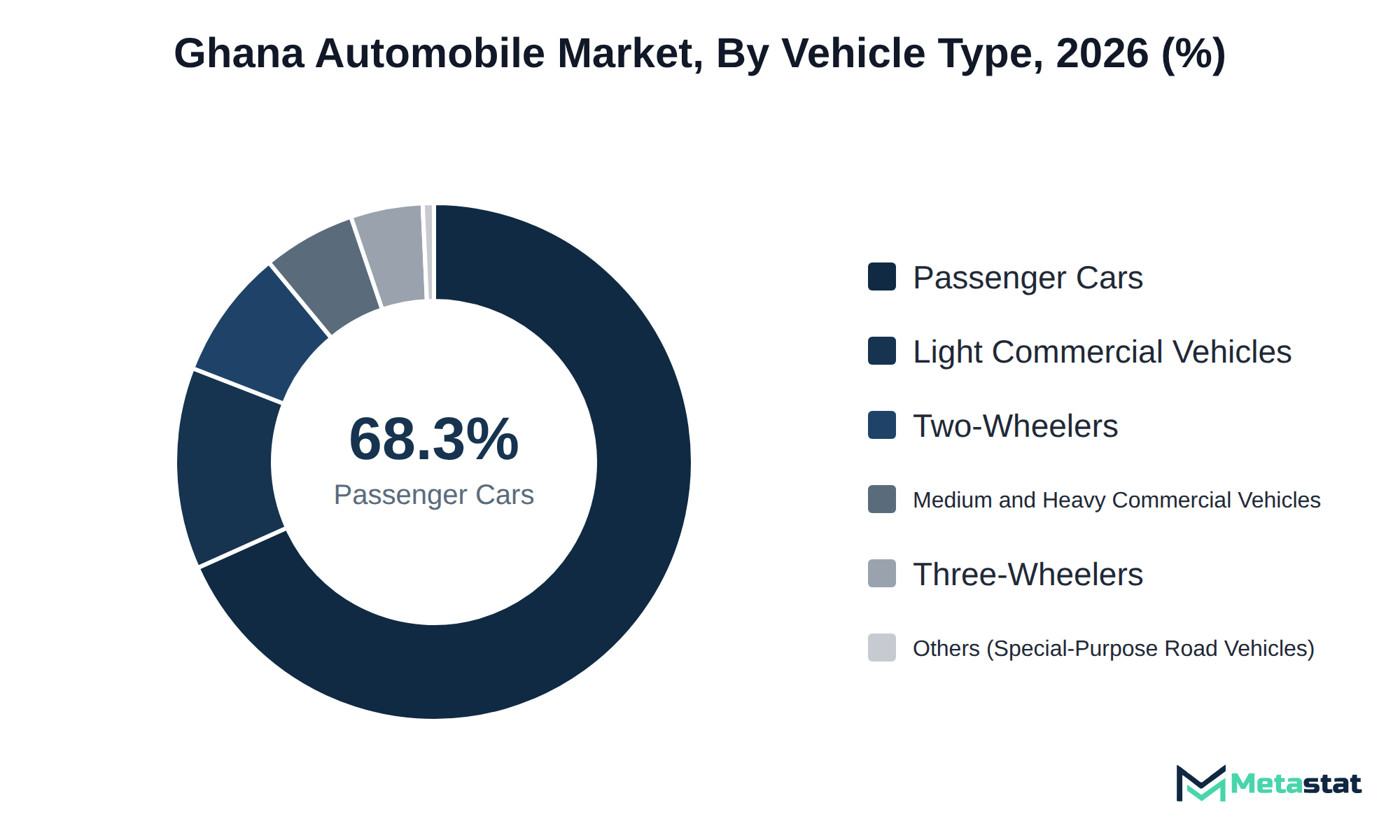
Competition within the Ghana Automobile market reflects a diverse range of strategies among companies. Key players including Toyota Motor Corporation, Volkswagen AG, and Nissan Motor Co., Ltd. focus on delivering reliability and extensive service networks, enhancing consumer trust. Pricing remains a significant factor in buyer decisions, with options varying widely based on features and vehicle types.
Several manufacturers target specific segments through tailored offerings. For instance, Hyundai Motor Company emphasizes fuel efficiency and modern design, appealing to personal mobility buyers. Kantanka Automobile Company Limited, a notable local player, differentiates with unique designs and localized production, catering to domestic preferences. In contrast, Kia Corporation seeks to balance affordability with advanced technology, making it attractive for budget-conscious consumers in the market.
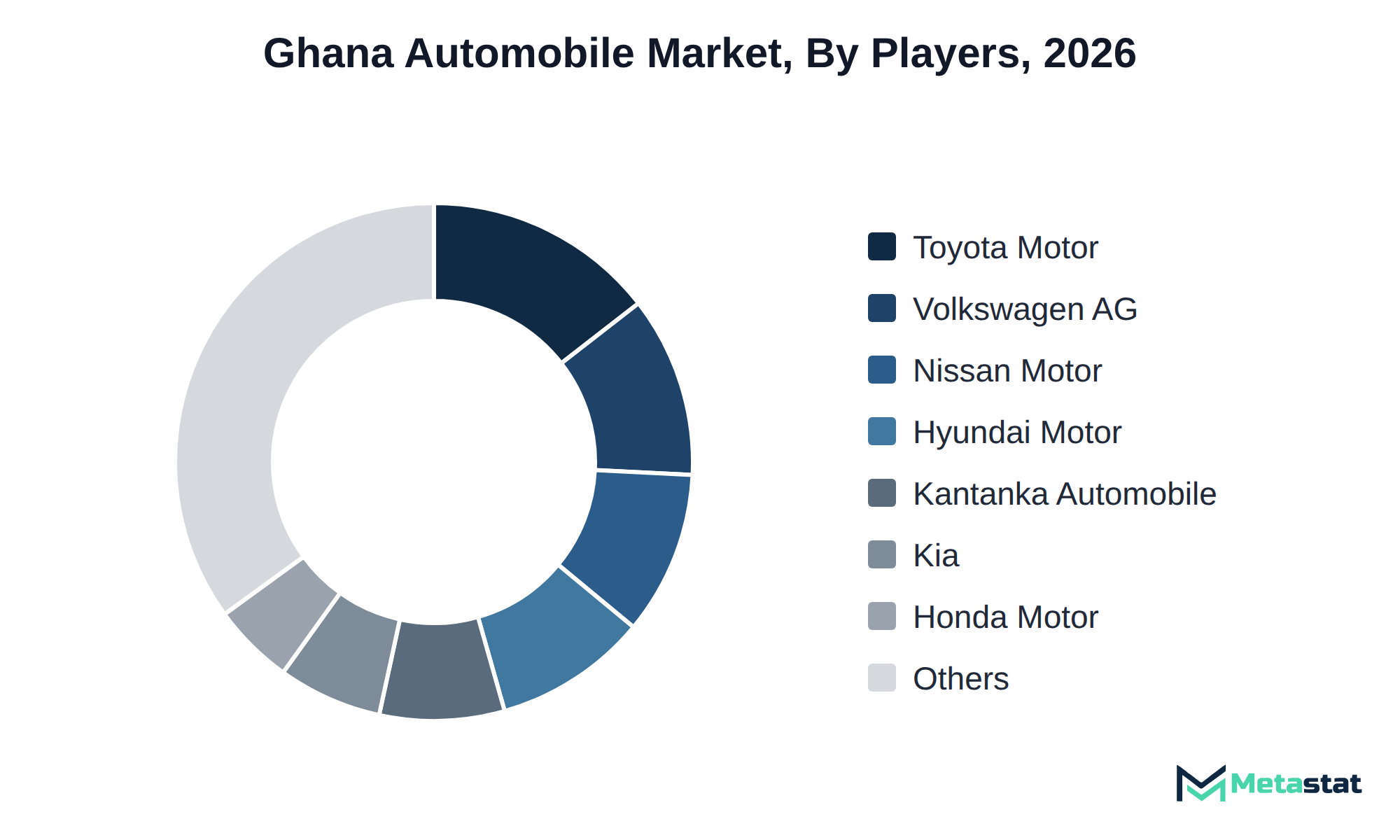
Growth in the Ghana Automobile market depends on several key developments. Firstly, increasing demand for passenger cars, expected to rise from USD 1,760.3 million in 2026 to USD 3,142.3 million by 2033, will significantly contribute to this expansion. This demand is driven by a growing middle class and increasing urbanization in Ghana. The rise of hybrid electric vehicles, anticipated to reach USD 698.1 million by 2033, reflects the country's shift toward more sustainable transportation options, capturing the interest of environmentally conscious consumers. However, market growth faces risks, particularly from economic instability, which slows consumer spending. Addressing these challenges will be crucial for the market to achieve its full growth potential, reinforcing the overall forecast for the Ghana Automobile market.
By Vehicle Type: Passenger Cars, Light Commercial Vehicles, Medium and Heavy Commercial Vehicles, Two-Wheelers, Three-Wheelers, Others (Special-Purpose Road Vehicles)
By Propulsion Type: Internal Combustion Engine Vehicles, Hybrid Electric Vehicles, Plug-in Hybrid Electric Vehicles, Battery Electric Vehicles
By Vehicle Condition: Used Vehicles, New Vehicles
By End Use: Personal Mobility, Commercial and Business Fleets, Public Transport, Others (Government and Emergency Services)
By Region: North America, Europe, Asia-Pacific, South America, Middle East and Africa
The report strategically identifies and profiles the key market players and analyses their core competencies in each sub-segment of the Automobile market.
Report Attributes | Details |
Study Period | 2021-2033 |
Base Year | 2025 |
Estimated Year | 2026 |
Forecast Period | 2026-2033 |
Historical Period | 2021-2025 |
Growth Rate | CAGR 9.5% from 2026 to 2033 |
Revenue Unit | USD million |
Segmentation | By Vehicle Type, Propulsion Type, Vehicle Condition, End Use, and Region |
Find answers to common questions about this report
The Automobile market size was valued at USD 2,363.8 million in 2025.
The market is projected to grow at a CAGR of 9.5% during the forecast period from 2026 to 2033.
Passenger Cars lead the Automobile market with a projected value of USD 3,142.3 million by 2033. This segment shows significant growth potential, with a compound annual growth rate of 8.6%.
The Automobile market is estimated to reach a valuation of USD 4,892.2 million by 2033.
Key players operating in the Automobile industry include Toyota Motor Corporation, Volkswagen AG, Nissan Motor Co., Ltd., Hyundai Motor Company, Kantanka Automobile Company Limited, and Ford Motor Company.
Rising urbanization trends and increased disposable income among younger buyers drive demand for passenger cars in Ghana. Changing consumer preferences for reliable transportation support the growth of vehicle ownership.
The hybrid electric vehicle segment showcases a compound annual growth rate of 16.7 percent through 2033. Increased consumer awareness and rising fuel prices contribute to the growing interest in this segment.
Rising input costs present significant challenges for suppliers in the Ghana Automobile market. Price increases in raw materials and logistics affect profitability, making it difficult for manufacturers to maintain competitive pricing.
High vehicle prices restrict demand among price-sensitive buyers, particularly in low-to-middle income segments. This trend leads to smaller orders and delayed replacement of older vehicles, impacting overall sales volume.
The light commercial vehicle segment is projected to reach USD 692.7 million by 2033. This growth aligns with increasing demand for commercial transportation solutions in various sectors.
The analysts below cover Automotive and Transportation research at Metastat Insights.
LEAD ANALYST
Utkarsh Khirodkar is a Lead Market Research Analyst at MetaStat Insight, specializing in market intelligence, technology sector assessments, and competitive strategy.

ENERGY & INFRASTRUCTURE INDUSTRY CONSULTANT
Automotive and Transportation · Electronics and Semiconductor · Energy and Power · Machinery & Equipment
Saurabh Vasant Ganvir consults for Energy & Infrastructure Industry at MetaStat Insight, specializing in renewable energy, solar EPC, and electric vehicle (EV) infrastructure markets.
Replacing petrochemical surfactants with bio-based alternatives requires realistic timelines on industrial precision fermentation scaling. The market research broke down commercialization timelines, feedstock sugar price sensitivities, and regional cosmetic ingredient regulatory approvals in Europe and East Asia. That supplier readiness mapping gave our formulations team reliable context when comparing renewable chemical sourcing roadmaps.
Tracking ceramic matrix composite adoption in high-bypass aero engines requires strict attention to material qualification cycles and FAA airworthiness testing milestones. The MetaStat Insight team provided a detailed timeline of silicon carbide fiber manufacturing capacity and commercial foundry lead times. Having clear visibility into upstream thermal barrier coating supply helped us stress-test our long-term component procurement strategy.
Transitioning ultra-class mining haul trucks to alternative power requires concrete data on remote hydrogen refueling infrastructure economics. The report evaluated megawatt-scale electrolyzer installation expenses, onsite storage safety mandates, and heavy-duty fuel cell stack degradation under continuous duty cycles. That technical rigor helped our engineers benchmark realistic total operating cost horizons for off-highway fleet decarbonization.
Explore related market intelligence reports worth reading alongside this one.
Starting from
$2950
Starting from
$2950