
LEAD ANALYST
Utkarsh Khirodkar is a Lead Market Research Analyst at MetaStat Insight, specializing in market intelligence, technology sector assessments, and competitive strategy.

North America Emergency Ambulance Vehicle Market Size, Share, By Vehicle Type (Van-Based Ambulances, Truck-Based Ambulances, Bus-Based Ambulances, Car-Based Ambulances, Motorcycle Ambulances and All-Terrain Ambulances), By Ambulance Type (Type I Ambulances, Type II Ambulances, Type III Ambulances and Medium-Duty Ambulances), By Propulsion Type (Diesel Internal Combustion Engine, Gasoline Internal Combustion Engine, Battery-Electric and Hybrid Electric), By Region (United States, Canada and Mexico), Industry Analysis, Growth, Trends, and Forecast, 2026-2033
Report ID
MSI-5808
Published
November, 2026
Pages
300 Pages
Format
Historical
Base year
Forecast
Forecast period
Report Details
Market Valuation: Valued at $10.6 Billion in 2025, projected to reach $16.9 Billion by 2033 at a 6.0% CAGR.
Dominant Segment: Van-based ambulances lead the North America Emergency Ambulance Vehicle market, driven by their widespread use and adaptability in various emergency scenarios.
Geographic Lead: The United States dominates the market, accounting for a significant share due to its extensive healthcare infrastructure and continuous investments in emergency services.
What's Inside: The report provides a comprehensive analysis of market dynamics, competitive landscape, and detailed forecasts for various ambulance types and propulsion systems over the 2026-2033 period.
Emerging Trends: The market is witnessing a rapid increase in the adoption of electric and hybrid ambulances, projected to grow at a CAGR of 14.2%, driven by sustainability initiatives and regulatory pressures.
Type-Specific Growth: Demand for Type I ambulances is projected to rise significantly, reflecting the increasing preference for advanced medical capabilities in emergency situations.
Choose Your License
North America Emergency Ambulance Vehicle Market
The North America Emergency Ambulance Vehicle market was valued at USD 10.6 billion in 2025 and is projected to reach USD 16.9 billion by 2033, growing at a CAGR of 6.0% over the forecast period.
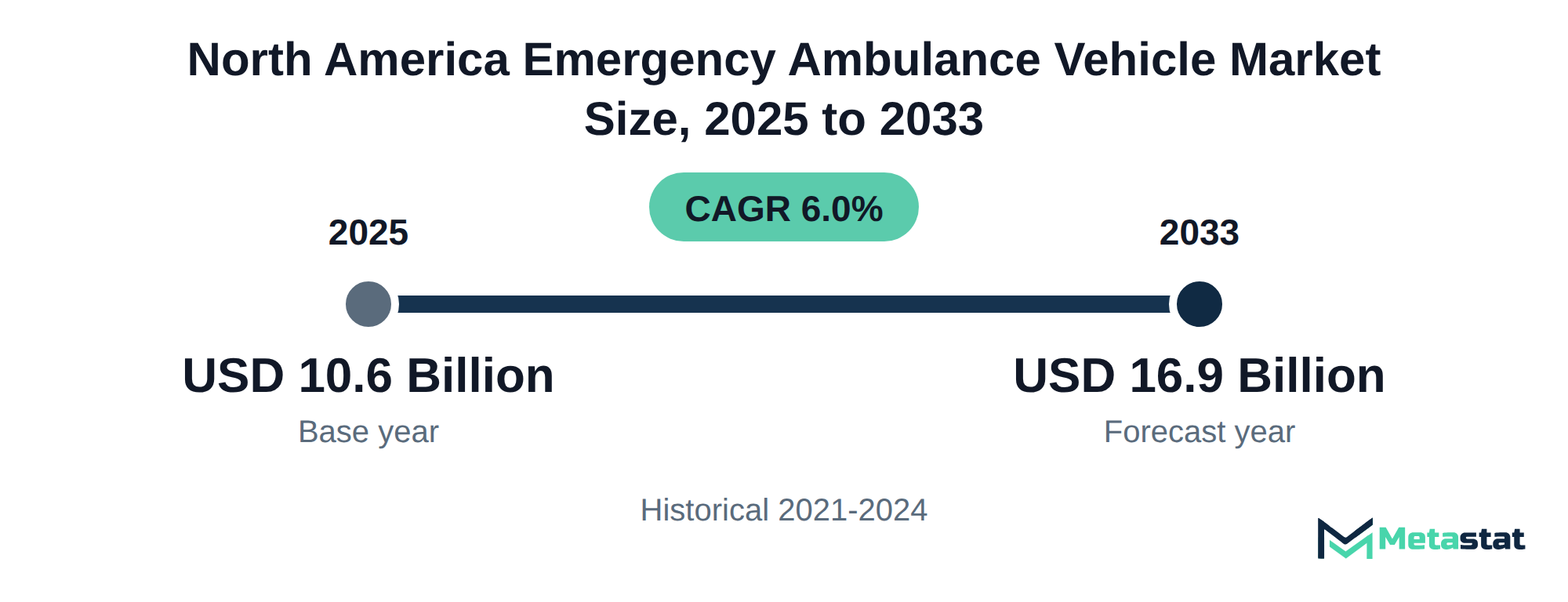
The North America Emergency Ambulance Vehicle market encompasses the production and distribution of vehicles specifically designed for emergency medical services, including various types of ambulances and their associated technologies. Buyers invest in this market because these vehicles ensure timely medical response and patient care. The increasing demand for enhanced emergency medical services drives spending, with public health initiatives and regulations further propelling investments in this sector.
Growth within the market is primarily fueled by the rising demand for advanced healthcare services, particularly in urban areas where emergency response times are crucial. Among the different segments, van-based ambulances represent the largest share, reflecting their widespread use and adaptability in various emergency scenarios. The United States, with a share of USD 1,004.1 million in 2025, stands out compared to Canada and Mexico, which have smaller shares but are experiencing increasing investments in their emergency medical services.
Enhanced technological integration within ambulances, including mission-critical communication systems and medical equipment, significantly influences market expansion. Buyers prioritize features that improve patient outcomes and operational efficiency, leading to higher investments in vehicles equipped with advanced technology. The market's trajectory aligns with the increasing emphasis on health and safety standards across North America, ensuring that emergency medical services remain effective and reliable.
The market encompasses various emergency ambulance vehicle types, including van-based, truck-based, and bus-based designs, tailored to meet the specific requirements of emergency medical services. Buyers invest in these vehicles to enhance operational efficiency, respond effectively to emergencies, and ensure patient safety. Ongoing demand from government agencies, private ambulance services, and healthcare organizations drives spending, which shows how central these vehicles are to the healthcare sector.
Increasing emphasis on advanced medical care and rapid response systems fuels growth in the North America Emergency Ambulance Vehicle market. Among the different vehicle types, van-based ambulances represent the largest segment in terms of value, serving diverse applications across various regions. The United States holds the largest share of the market, driven by its extensive healthcare infrastructure and continuous investments in emergency services.
One primary growth driver remains the rising demand for technology integration within ambulance vehicles, including telemedicine and advanced medical equipment. This trend emphasizes the need for modern vehicles equipped with innovative features that enable enhanced patient care during transport. The focus on improving service delivery and operational efficiency is expected to shape investment decisions in the North America Emergency Ambulance Vehicle market.
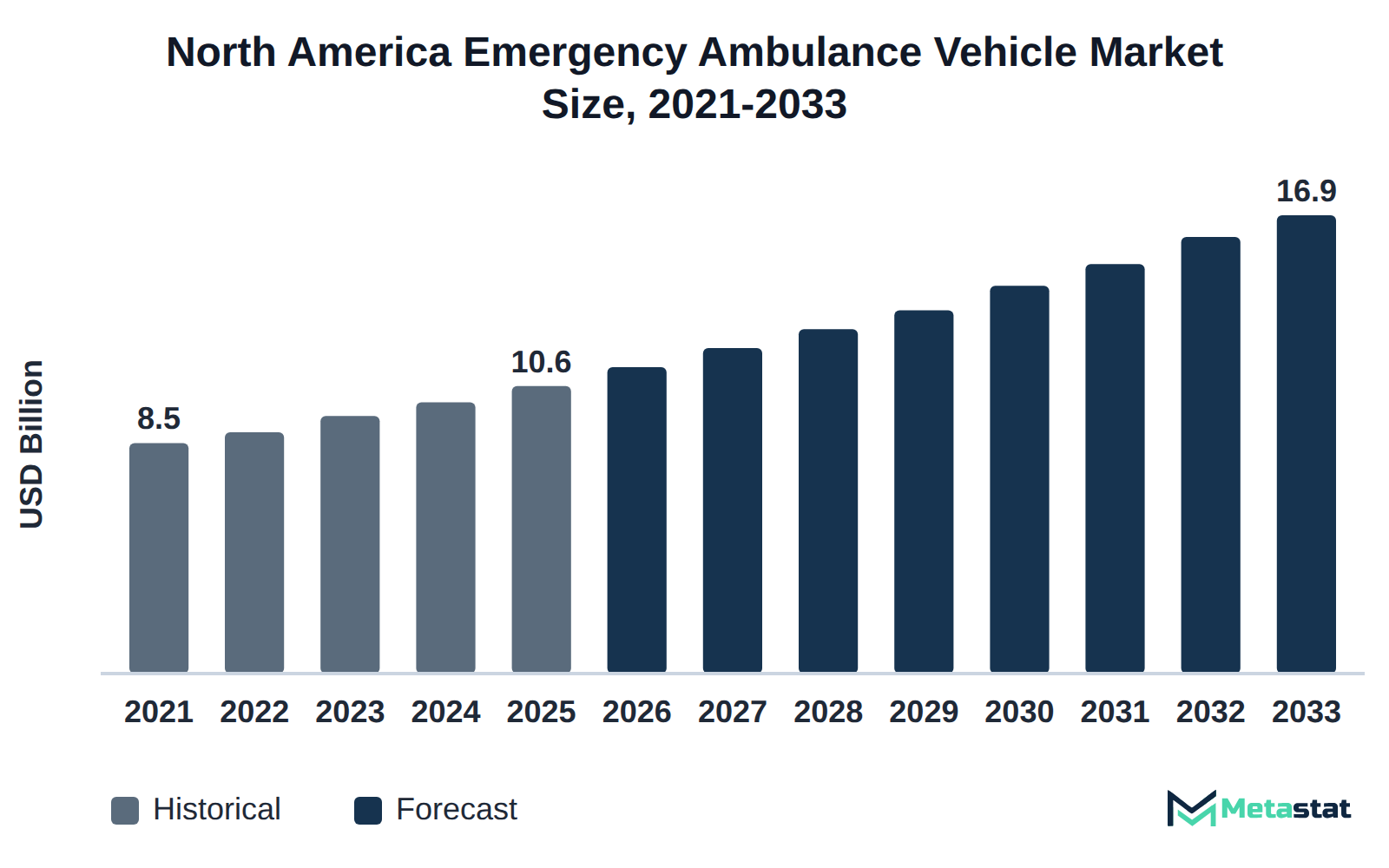
Recent advancements in emergency ambulance vehicle design focus on integrating advanced patient care equipment, significantly enhancing the capability of these vehicles to provide immediate medical assistance. For instance, the rise in battery-electric propulsion systems highlights a shift towards energy-efficient designs that reduce the environmental impact of emergency services. This shift aligns with increased regulatory scrutiny surrounding vehicle emissions, prompting manufacturers to innovate toward sustainable solutions.
Battery-electric ambulances, while still emerging in the North America Emergency Ambulance Vehicle market, represent a growing segment expected to evolve considerably over the coming years. Battery-electric ambulances are one application of commercial electric vehicle technology. The market anticipates a surge in battery-electric ambulance adoption, contributing to overall industry growth driven by a projected increase in demand for eco-friendly medical transport solutions. This transition improves operational efficiency and positions ambulance services as leaders in sustainable healthcare practices.
The inclusion of advanced medical technology within these vehicles enhances the ability of healthcare professionals to deliver care in transit effectively. Features including telemedicine capabilities and onboard diagnostic tools facilitate continuous patient monitoring, leading to improved patient outcomes. Investment in these innovations ultimately strengthens service delivery and the competitive edge of manufacturers operating in the North America Emergency Ambulance Vehicle market.
Increasing adoption of electric and hybrid ambulances in the North America Emergency Ambulance Vehicle market reflects a shift towards sustainable transportation solutions. The market sees a significant rise in demand for hybrid electric ambulances, projected to grow at a compound annual growth rate (CAGR) of 14.2%. This growth is driven by environmental regulations and the desire for cost-effective operations.
Pricing models for these vehicles typically incorporate upfront costs alongside long-term savings from reduced fuel consumption and maintenance. Buyers explore financing options, including leases and public-private partnerships, which facilitate access to advanced vehicles without substantial initial investments. The average price for hybrid electric ambulances aligns with the growing market trend, encouraging agencies to transition from traditional models.
Commercial consequences of this shift include potential reductions in operational costs and enhanced public perception of emergency services as environmentally responsible. Increased availability of electric infrastructure supports this transition, making electric and hybrid models more appealing to buyers. The market is placing growing emphasis on sustainable solutions in emergency response.
Demand for Type I, Type II, and Type III ambulances within the North America Emergency Ambulance Vehicle market reflects distinct requirements across varied emergency response systems. These vehicle types serve specific roles. Type I ambulances are primarily used for advanced life support, Type II ambulances are designed for non-emergency transport, and Type III ambulances balance both functions. The projected growth in Type I ambulances, increasing from USD 4.1 billion in 2026 to USD 6.1 billion by 2033, highlights the escalating preference for advanced medical capabilities in emergency situations.
The increasing complexity of patient care during transport drives demand for Type I and Type III ambulances, making them critical assets for many urban and rural emergency services. Emergency medical services (EMS) organizations prioritize these vehicle types to enhance operational efficiency and patient outcomes. While regulations evolve, ensuring that these ambulances meet rigorous safety and medical standards remains essential. The competitive environment within the market necessitates continuous advancements in ambulance technology, enhancing their appeal to EMS providers. Sustained demand for these ambulance types positions the market for significant growth in the coming years.
Electrification and fleet modernization significantly influence procurement strategies within the North America Emergency Ambulance Vehicle market. Increasing attention towards sustainability drives the adoption of electric and hybrid electric ambulances. The segment for hybrid electric propulsion is projected to experience a compound annual growth rate (CAGR) of 14.2% through 2033. This shift towards electric options aligns with broader trends, including urbanization and stricter emissions regulations, necessitating a reevaluation of existing fleets.
Procurement decisions now reflect a heightened emphasis on operational efficiency and environmental responsibility. Buyers seek vehicles that not only meet functional requirements but contribute to long-term cost savings through reduced fuel consumption and lower maintenance expenses. For instance, the diesel internal combustion engine segment is expected to increase from USD 7.6 billion in 2026 to USD 10.1 billion by 2033. This indicates that traditional engine types continue to hold a significant position despite the electrification push.
These changes compel manufacturers and suppliers to innovate and invest in advanced technologies. Companies that prioritize electrification and modern fleet solutions position themselves favorably in an increasingly competitive market. The integration of these technologies enhances service delivery and aligns with the market's trajectory towards sustainable emergency response solutions.
Transformations in demographic trends across North America significantly influence spending patterns on emergency ambulance vehicles. An increasing number of aging populations leads to heightened demand for medical services, prompting municipalities and healthcare providers to invest in expanding their emergency response capabilities. The same demographic shift also supports demand across the aged care industry. This shift in demographics drives higher vehicle procurement volumes, resulting in stronger demand for advanced ambulance models designed to provide efficient care and transport. The North America Emergency Ambulance Vehicle market is projected to reach USD 16.9 billion by 2033, reflecting a compound annual growth rate of 6% during the forecast period. The growing focus on improving healthcare infrastructure significantly impacts the volume of emergency services, resulting in increased spending on vehicles that support these efforts.
Rising investment in healthcare and emergency services is expected to drive demand for various ambulance types, including van-based and truck-based models. This trend reflects the evolving needs of communities seeking to improve patient outcomes.
Emerging trends in vehicle design significantly enhance efficiency within the North America Emergency Ambulance Vehicle market. Manufacturers focus on producing vehicles that optimize cost, fuel consumption, and maintenance expenses, impacting purchasing decisions among emergency medical service providers. Rising operational costs drive the emphasis on cost-effective solutions, influencing the selection of ambulance types and propulsion systems. The integration of lightweight materials and aerodynamics improves fuel efficiency for truck-based and van-based ambulances, appealing to budget-conscious buyers.
Advancements in battery-electric and hybrid electric vehicles provide attractive alternatives within the market. These technologies contribute to lower fuel costs and reduced environmental impact, aligning with growing preferences for sustainable practices in emergency medical services. The demand for cost-effective and environmentally friendly solutions is rising, positioning suppliers favorably in a competitive landscape. The market is moving toward a balance of performance and expenditure, which improves the value proposition for buyers across North America.
High acquisition costs for emergency ambulance vehicles hinder adoption among various buyers, including hospitals and emergency medical services. Budget constraints often lead to delayed procurement and smaller order sizes, especially in regions with limited funding. This financial barrier impacts the ability to modernize fleets, causing several organizations to retain older vehicles longer than desired. The substantial investment required for new vehicles, particularly advanced models featuring innovative technologies, deters many potential buyers from entering the market. Vehicle replacement forms part of the capital expenditure that EMS organizations must plan and budget for. Consequently, the North America Emergency Ambulance Vehicle market is expected to experience slower growth rates, while the challenge of financing urgent replacements significantly affects overall demand.
Profitability for suppliers in the North America Emergency Ambulance Vehicle market faces significant pressure stemming from rising input costs. Material expenses, particularly for advanced manufacturing processes and technology integration, experience upward trends, affecting overall operational margins. Suppliers report challenges in sourcing high-quality components and materials at competitive prices, leading to increased production costs. This situation compels manufacturers to explore alternative procurement strategies and negotiate more favorable terms with suppliers to manage expenses effectively.
In response to these challenges, several manufacturers focus on optimizing their supply chains and enhancing operational efficiencies. Investments in automation and smart manufacturing technology aim to reduce labor costs and streamline production processes, thereby mitigating the impact of escalating material costs. Companies diversify their supplier base to minimize dependency on any single source, enhancing resilience against price fluctuations. Such proactive measures uphold profitability in a competitive environment.
The electric ambulance segment within the North America Emergency Ambulance Vehicle market demonstrates rapid growth potential, driven by increasing demand for sustainable and efficient emergency response solutions. The segment is projected to expand significantly, exhibiting a compound annual growth rate of 14.2% through 2033. This growth results from heightened environmental awareness and regulatory pressures prompting agencies to transition to cleaner vehicle technologies. Electric ambulances offer advantages including reduced operational costs and minimized emissions, appealing to municipalities and healthcare providers focused on sustainability. Investment in charging infrastructure and advancements in battery technologies further support this segment's development. The market's trajectory indicates a shift toward electrification, positioning electric ambulances as a strategic choice for modernizing fleets and enhancing emergency response capabilities. This segment's growth reflects a broader trend influencing overall market dynamics.
The North America Emergency Ambulance Vehicle market is segmented based on Vehicle Type, Ambulance Type, Propulsion Type, and Region.
Van-Based Ambulances segment is valued at USD 6.6 billion in 2026 and is projected to reach USD 9.8 billion by 2033, at a CAGR of 5.9% during the forecast period. This segment serves emergency medical services by providing reliable transport for patients in urgent situations, used predominantly by hospitals, rescue services, and private emergency firms. Demand is driven by increasing awareness of rapid response times and the necessity for specialized medical care during transit. Van-Based Ambulances generally exhibit slower growth compared to Truck-Based Ambulances, which have a CAGR of 6.2%. The lower price point of Van-Based Ambulances appeals to budget-conscious buyers, while the larger, more equipped Truck-Based units cater to those requiring advanced features and capabilities. This distinction highlights varying buyer priorities across segments in the North America Emergency Ambulance Vehicle market.
Truck-Based Ambulances segment is estimated to reach USD 4.4 billion by 2033, at a CAGR of 6.2% during the forecast period. This segment serves a critical role in emergency medical services, primarily serving hospitals and private ambulance services for patient transport over varying distances. Demand for truck-based ambulances is driven by their ability to provide a robust platform for advanced medical equipment and multiple personnel. Compared to other segments, this category exhibits a higher growth rate, reflecting a preference among buyers for larger, more equipped vehicles capable of addressing complex medical situations. The emphasis on vehicle durability and enhanced patient care capabilities differentiates truck-based models from van-based or bus-based alternatives, which cater to different operational needs and patient transport requirements. This focus on performance and reliability keeps Truck-Based Ambulances central to the North America Emergency Ambulance Vehicle market.
Bus-Based Ambulances segment is expected to reach USD 1 billion by 2033. These vehicles serve primarily larger medical facilities and emergency response agencies, facilitating the transport of multiple patients or those requiring extensive medical care during transit. Increased demand for such vehicles is driven by rising patient populations and the need for efficient transport mechanisms in urban settings. This segment experiences moderate growth compared to other ambulance types; the CAGR stands at 6.2%, slightly lower than the growth rates observed in van-based and truck-based ambulances. Bus-based ambulances provide enhanced space and equipment options, appealing to buyers requiring specialized care capabilities. The market reflects a shift towards larger, more capable vehicles that meet the evolving needs of emergency medical services.
Car-Based Ambulances segment is projected to grow at a CAGR of 5.8% during the forecast period. These vehicles serve emergency medical services requiring flexibility and quick response times, often employed in urban settings where maneuverability is crucial. Demand for this segment stems from increasing urbanization and the need for rapid patient transport. These ambulances typically feature advanced medical equipment while maintaining a compact design, differentiating them from larger truck- and van-based counterparts. With a lower initial investment compared to other ambulance types, car-based ambulances attract several emergency service providers and municipalities looking to enhance their fleet without significant financial burden. This segment's growth remains steady, supported by strong demand for efficient emergency response capabilities across the market.
Motorcycle and all-terrain ambulances serve specialized roles in emergency medical services, providing rapid response capabilities in challenging environments. Law enforcement agencies, rescue teams, and off-road paramedic units employ these vehicles to navigate difficult terrains where traditional ambulances struggle. Unique design features and compact sizes enhance maneuverability in urban or rugged settings. Growth in this segment is driven by increasing awareness of the need for quick medical response across diverse environments. Rising incidents of outdoor recreation injuries heighten demand for motorcycle ambulances, while the unique capabilities of all-terrain vehicles cater to remote areas. This segment experiences different dynamics compared to van-based and truck-based ambulances, which dominate the market in terms of overall volume and revenue.
This segment typically serves emergency medical services, including hospitals and private ambulance operators, where rapid patient transport and care are critical. Factors driving growth include increasing demand for advanced medical features and technology integration within ambulances, making them more efficient for patient care. Compared to Type II and Type III ambulances, which focus on different operational needs, Type I ambulances offer higher versatility, catering to a broader range of emergency responses. Competitive pricing of Type I ambulances positions them favorably against alternative models, contributing to anticipated steady growth in the North America Emergency Ambulance Vehicle market.
Type II Ambulances segment is estimated to reach USD 5.4 billion by 2033, at a CAGR of 6.1% during the forecast period. This segment serves a critical role in emergency medical services, used primarily by hospitals and ambulance service providers for non-life-threatening situations, ensuring timely patient transport. The increasing focus on operational efficiency and patient care drives demand for Type II Ambulances, supporting their growth trajectory. Compared to other ambulance types, Type II Ambulances typically have a lower price point, appealing to a broader range of buyers. This segment's growth rate outpaces that of Type I Ambulances, which is projected at a CAGR of 5.8%. Enhanced design features and improved equipment functionalities contribute to the competitive advantage of Type II Ambulances, reinforcing their position in the North America Emergency Ambulance Vehicle market. The market reflects ongoing advancements in vehicle technology, aligning with emerging healthcare needs.
Type III Ambulances segment is expected to reach USD 4.3 billion by 2033. These vehicles are primarily used by emergency medical services to transport patients requiring advanced medical care. Demand for Type III ambulances is driven by the increasing prevalence of pre-hospital care and the growing emphasis on patient comfort during transport. This segment presents a different growth trajectory compared to Type I and Type II ambulances, experiencing a moderate growth rate due to its specialized design tailored for advanced life support and emergency medical services. The projected CAGR for Type III ambulances stands at 5.8% through the forecast period, highlighting a steady growth pattern. Increased investment in healthcare infrastructure across North America supports this growth, with healthcare providers seeking to enhance their service offerings. The market for these ambulances remains competitive, driven by innovations in design and technology that aim to meet the evolving needs of emergency response systems.
Medium-Duty Ambulances segment is projected to grow at a CAGR of 5.7% during the forecast period. These ambulances serve a crucial role in emergency medical services, typically used by municipal emergency responders and private ambulance companies. The increasing demand for reliable and versatile vehicles drives growth, particularly in urban environments where quick response times are essential. In comparison to other ambulance types, medium-duty ambulances offer a balance between capacity and maneuverability, distinguishing them from lighter models including Type II ambulances. While Type I and Type III ambulances experience faster growth, medium-duty units maintain steady demand due to their adaptability and functionality. Rising concerns over compliance with regulatory standards influence procurement decisions, with agencies seeking vehicles that meet stringent safety and environmental regulations. The market for these ambulances reflects broader trends within the North America Emergency Ambulance Vehicle market, emphasizing the need for efficient and capable emergency response solutions.
This segment primarily serves emergency medical services and hospitals, relying on its well-established performance for rapid patient transport. Ongoing demand for reliable and robust vehicles supports growth, driven by the need for consistent service in emergency situations. Compared to other propulsion types, this segment experiences slower growth due to increasing interest in alternative energy solutions. However, relatively lower acquisition costs and familiarity among operators maintain its attractiveness. In contrast, gasoline internal combustion engines, projected to reach USD 4.4 billion by 2033 at a CAGR of 6.3%, appeal to customers looking for potentially higher efficiency and lower emissions. Overall, the Diesel Internal Combustion Engine segment retains a significant role in the North America Emergency Ambulance Vehicle market.
This propulsion type primarily powers ambulances serving emergency medical services and healthcare facilities, offering a reliable and established option for transporting patients. The segment experiences growth driven by increasing demand for emergency response vehicles in urban areas where quick access to healthcare services is critical. Compared to other propulsion types, including Battery-Electric and Diesel Internal Combustion Engine, Gasoline Internal Combustion Engine ambulances often feature lower initial acquisition costs, appealing to budget-conscious buyers. However, competition from emerging technologies that prioritize sustainability influences market dynamics while operators seek more eco-friendly alternatives.
Battery-Electric segment is expected to reach USD 1.3 billion by 2033. This segment focuses on electric ambulances that use battery power for propulsion, appealing mainly to emergency medical services seeking sustainable transportation solutions. Demand for these vehicles is driven by increasing regulatory pressures for lower emissions and the push for greener technologies in urban settings. Compared to other propulsion types, including Diesel Internal Combustion Engine, which is projected to grow at a CAGR of 4.3%, the Battery-Electric segment experiences faster growth potential, with a significant emphasis on environmental concerns influencing buyer preferences. The transition toward battery-electric technology aligns with broader industry trends focused on efficiency and sustainability, increasing its attractiveness among forward-thinking emergency medical providers. In the context of the North America Emergency Ambulance Vehicle market, this segment stands out due to its potential to transform traditional emergency response systems.
Hybrid Electric segment is projected to grow at a CAGR of 14.2% during the forecast period. This segment focuses on ambulances powered by hybrid electric propulsion systems, which leverage both traditional internal combustion engines and electric power for operation. Primarily used by emergency medical services, these vehicles enhance fuel efficiency while reducing emissions. Growing environmental regulations and a shift towards sustainable solutions drive this segment's adoption, with many municipalities and healthcare organizations prioritizing eco-friendly options. Compared to other propulsion types, including Diesel Internal Combustion Engine and Gasoline Internal Combustion Engine, the Hybrid Electric segment presents faster growth prospects, appealing to a market increasingly focused on sustainability. Investment in hybrid technologies supports a transition to greener emergency response solutions, ensuring compliance with evolving standards in the North America Emergency Ambulance Vehicle market.
This segment primarily serves emergency medical services, providing critical transportation for patients in need of urgent care. Increased demand for quick response times and advanced medical services drives growth in this segment. Comparatively, the United States segment experiences a higher growth rate than the Bus-Based Ambulances segment, which is projected to reach USD 1 billion by 2033. The segment's growth is supported by ongoing investments in healthcare infrastructure and rising awareness of emergency medical services among the population. The segment's expansion reflects a commitment to enhancing emergency care capabilities across the country.
Canada is estimated to reach USD 2 billion by 2033, at a CAGR of 6.3% during the forecast period. This segment encompasses various types of ambulances deployed for emergency medical services across the nation, primarily used by public and private healthcare providers. Growth in this segment is driven by increasing demand for upgraded emergency response vehicles that comply with modern safety and technology standards. Compared to other segments, Canada experiences relatively strong growth, supported by rising investments in healthcare infrastructure and an aging population. The market faces challenges associated with rising input costs and regulatory compliance, which influence pricing and adoption of new technologies. The push for advanced features and sustainable solutions in the North America Emergency Ambulance Vehicle market presents opportunities for innovation and expansion within this segment.
Mexico segment is projected to reach USD 0.9 billion by 2033. This segment primarily serves emergency medical services across urban and rural areas, focusing on timely patient transport and care. Demand is driven by the increasing need for efficient healthcare infrastructure and emergency response capabilities. Growth challenges arise from budget constraints faced by municipalities and healthcare providers. Compared to other regional segments, Mexico's growth rate reflects a slower trend, resulting from lower investment in healthcare facilities and ambulatory services. Despite these challenges, the market continues to expand, supported by governmental initiatives aimed at improving the quality and access of emergency services.
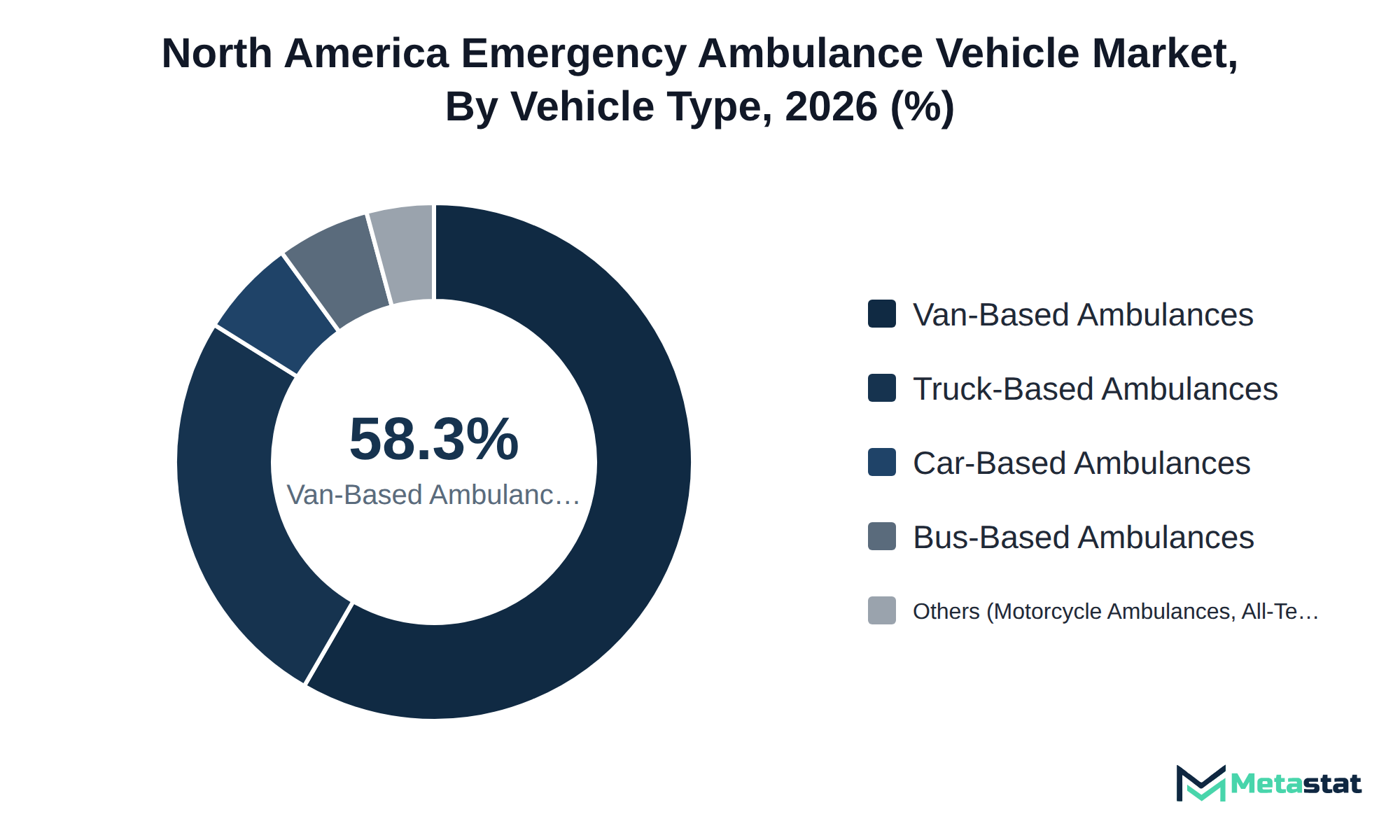
The North America Emergency Ambulance Vehicle market features diverse competitive strategies among key players. Companies differentiate themselves through various factors, including price, customization, and service offerings. Buyers select vehicles based on specific needs, emphasizing certifications and the ability to tailor solutions to operational requirements.
REV Group, Inc. operates in the market by focusing on advanced vehicle technologies and customization options to enhance performance and reliability. Demers Ambulances emphasizes specialized designs for different emergency services, catering to unique customer needs. Braun Industries, LLC prioritizes durability and functionality in its ambulance offerings, ensuring robust solutions for emergency responders.
The competitive dynamics in the market reflect ongoing shifts toward higher standards in vehicle specifications and service quality. Companies including Crestline Coach Ltd. and Medix Specialty Vehicles, LLC contribute by enhancing their product lines with new features, aligning with market demand for efficient and effective emergency response solutions.
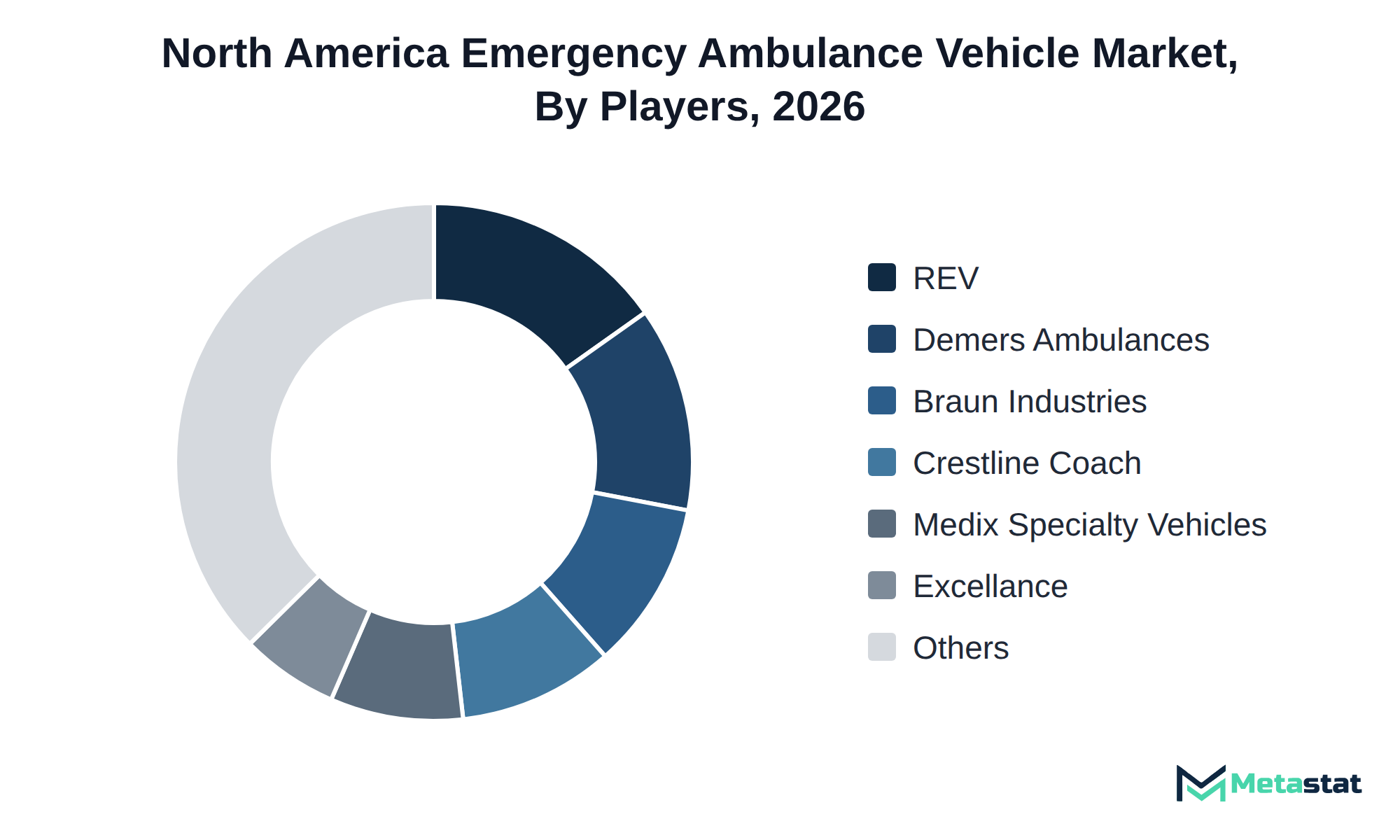
Significant growth in the North America Emergency Ambulance Vehicle market will hinge on several critical developments. One essential factor involves the increasing adoption of advanced ambulance technologies, including hybrid electric and battery-electric propulsion systems, which attract environmentally conscious buyers and regulatory support. This shift is expected to enhance demand in all vehicle types but particularly in the truck-based and van-based segments, which are projected to grow at CAGRs of 6.2% and 5.9%, respectively.
Another vital aspect is the expansion of healthcare infrastructure, especially in the United States, where investment is projected to drive demand for Type I and Type II ambulances. The growth of emergency medical services in urban and rural areas necessitates a larger and more advanced fleet to meet varying needs. Conversely, potential risks include supply chain disruptions that could delay manufacturing and delivery timelines, impacting market dynamics. Finished vehicle logistics also determine how quickly completed ambulances reach EMS buyers. These developments and challenges will shape the trajectory of the market, determining its capacity to reach the projected USD 16.9 billion by 2033.
By Vehicle Type: Van-Based Ambulances, Truck-Based Ambulances, Bus-Based Ambulances, Car-Based Ambulances, Others (Motorcycle Ambulances, All-Terrain Ambulances)
By Region: United States, Canada, Mexico
The report strategically identifies and profiles the key market players and analyses their core competencies in each sub-segment of the Emergency Ambulance Vehicle market.
Report Attributes | Details |
Study Period | 2021-2033 |
Base Year | 2025 |
Estimated Year | 2026 |
Forecast Period | 2026-2033 |
Historical Period | 2021-2025 |
Growth Rate | CAGR 6.0% from 2026 to 2033 |
Revenue Unit | USD billion |
Segmentation | By Vehicle Type, Ambulance Type, Propulsion Type, Region, and Region |
Find answers to common questions about this report
The Emergency Ambulance Vehicle market size was valued at USD 10.6 billion in 2025.
The market is projected to grow at a CAGR of 6.0% during the forecast period from 2026 to 2033.
Van-Based Ambulances lead the Emergency Ambulance Vehicle market with a projected value of USD 9.8 billion by 2033. This segment's growth reflects a compound annual growth rate of 5.9 percent from 2026 to 2033.
Transformations in demographic trends, particularly the increasing aging population, drive heightened demand for medical services and emergency response capabilities. Advancements in vehicle design, focusing on cost optimization and fuel efficiency, enhance purchasing decisions among emergency medical service providers.
High acquisition costs for emergency ambulance vehicles hinder adoption among various buyers, including hospitals and emergency medical services. Budget constraints often lead to delayed procurement and smaller order sizes, impacting the ability to modernize fleets and causing organizations to retain older vehicles longer than desired.
Rising investment in healthcare and emergency services supports the adoption of various ambulance types, including van-based and truck-based models. advancements in battery-electric and hybrid electric vehicles present attractive alternatives that align with the growing preference for sustainable practices in emergency medical services.
The Emergency Ambulance Vehicle market is estimated to reach a valuation of USD 16.9 billion by 2033.
Key players operating in the Emergency Ambulance Vehicle market include REV Group, Inc., Demers Ambulances, Braun Industries, LLC, Crestline Coach Ltd., Medix Specialty Vehicles, LLC, Osage Ambulances, and Excellance, Inc.
The electric ambulance segment is projected to reach USD 1.3 billion by 2033, reflecting a compound annual growth rate of 14.2%.
Canada exhibits the highest growth rate in the Emergency Ambulance Vehicle market, projected at 6.3% through 2033.
The analysts below cover Automotive and Transportation research at Metastat Insights.
LEAD ANALYST
Utkarsh Khirodkar is a Lead Market Research Analyst at MetaStat Insight, specializing in market intelligence, technology sector assessments, and competitive strategy.

ENERGY & INFRASTRUCTURE INDUSTRY CONSULTANT
Automotive and Transportation · Electronics and Semiconductor · Energy and Power · Machinery & Equipment
Saurabh Vasant Ganvir consults for Energy & Infrastructure Industry at MetaStat Insight, specializing in renewable energy, solar EPC, and electric vehicle (EV) infrastructure markets.
Tracking maintenance cycle demand for secondary flight display units and terrain collision avoidance systems across regional jet fleets involves complex aftermarket dynamics. MetaStat Insight provided practical analysis separating airline retrofit programs from OEM forward-fit production schedules in North America and Southeast Asia. The supplier matrix highlighted component obsolescence timelines without resorting to vague generalizations. The dataset served as a dependable reference during our annual program review meetings.
Evaluating secondary resin quality across post-consumer packaging streams requires reliable technical segmentation. MetaStat Insight delivered an objective assessment that distinguished between extrusion-grade flake pricing and optical sorting throughput limitations across Western Europe. The competitive positioning breakdown for licensed depolymerization technology providers answered several questions during our feedstock feasibility audit. Their team clarified regional trade restrictions on mixed plastic scrap quickly when our team submitted follow-up requests.
Evaluating sovereign cloud deployments for core banking platforms demands a clear view of data residency regulations and migration exit strategies. MetaStat Insight delivered an exhaustive review of regional latency tolerances, mainframe decommission milestones, and third-party vendor concentration risk. The regulatory compliance mapping across European and Asian financial jurisdictions gave our team a dependable baseline for multi-cloud infrastructure discussions.
Explore related market intelligence reports worth reading alongside this one.
Starting from
$2950
Starting from
$2950