
LEAD ANALYST
Utkarsh Khirodkar is a Lead Market Research Analyst at MetaStat Insight, specializing in market intelligence, technology sector assessments, and competitive strategy.

Scandinavia Food and Beverage Flavors Market Size, Share, By Flavor Type (Citrus Flavors, Non-Citrus Fruit and Berry Flavors, Chocolate and Cocoa Flavors, Vanilla and Caramel Flavors, Dairy and Cream Flavors, Coffee and Tea Flavors, Herbal and Botanical Flavors, Mint and Cooling Flavors, Savory and Spice Flavors), By Nature (Natural Flavors and Non-Natural Flavors), By Application (Beverages, Bakery and Cereals, Confectionery, Dairy and Frozen Desserts, Savory and Prepared Foods, Snacks, Sports Nutrition and Dietary Supplements), By Country (Sweden, Denmark and Norway), Industry Analysis, Growth, Trends, and Forecast, 2026-2033
Report ID
MSI-5484
Published
October, 2026
Pages
251 Pages
Format
Historical
Base year
Forecast
Forecast period
Report Details
Market Valuation: Valued at $360.1 Million in 2025, projected to reach $540.4 Million by 2033 at a 5.2% CAGR.
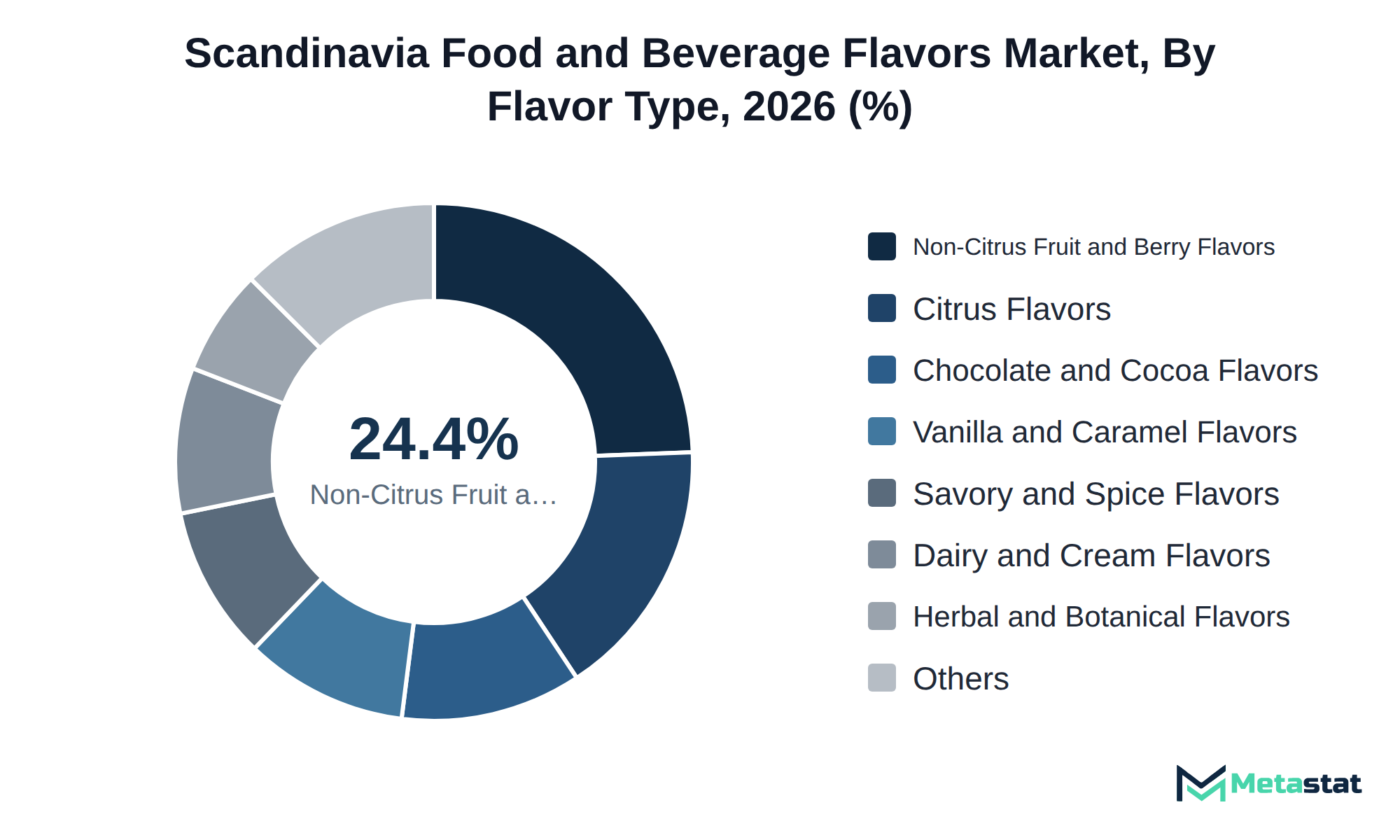
Dominant Segment: Non-Citrus Fruit and Berry Flavors lead the market, projected to reach USD 138.4 million by 2033, driven by consumer demand for natural and fruity flavors in beverages and confections.
Geographic Lead: Sweden is the leading country in the Scandinavia Food and Beverage Flavors market, supported by a strong consumer base and a growing interest in premium flavor offerings.
What's Inside: The report provides comprehensive coverage of flavor types, applications, and market dynamics, along with detailed analyses and forecasts from 2026 to 2033.
Natural Flavor Growth: Natural flavors are gaining traction, expected to grow from USD 243.2 million in 2026 to USD 374.2 million by 2033, reflecting a 6.3% CAGR driven by clean-label demand.
Choose Your License
Scandinavia Food and Beverage Flavors Market
The Scandinavia Food and Beverage Flavors market was valued at USD 360.1 million in 2025 and is projected to reach USD 540.4 million by 2033, growing at a CAGR of 5.2% over the forecast period.
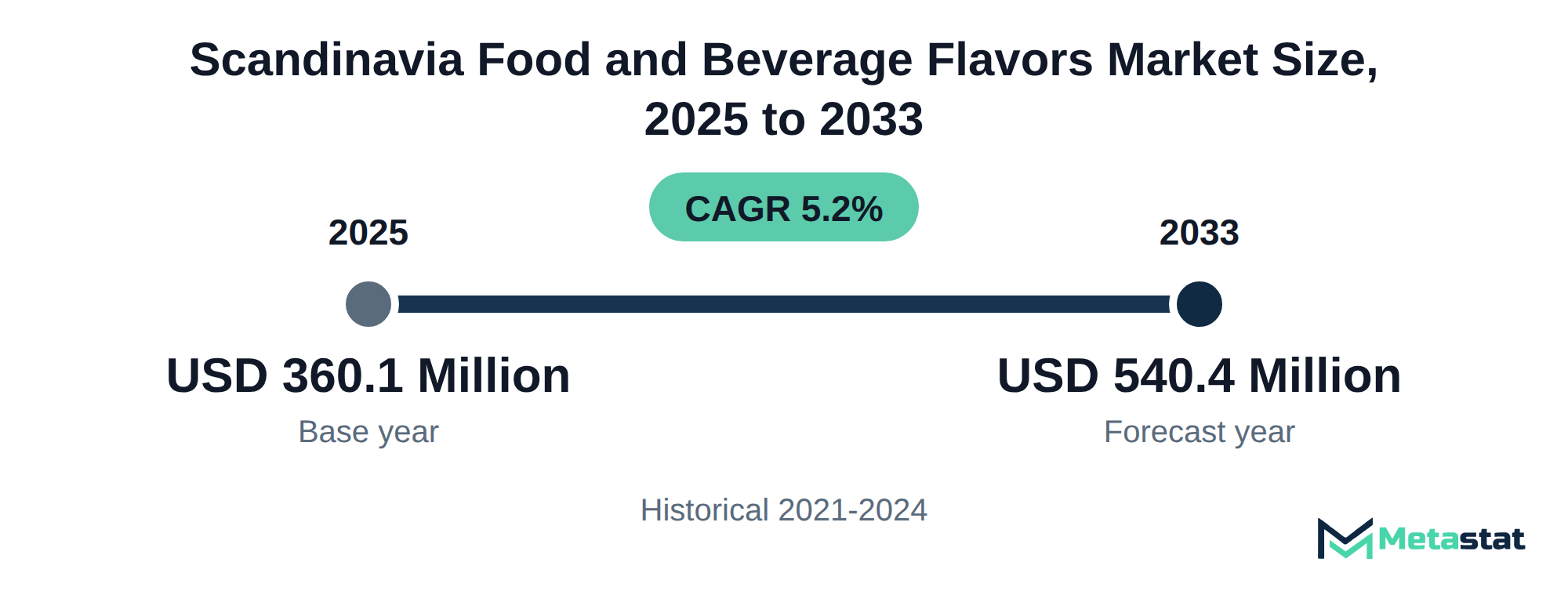
The Scandinavia Food and Beverage Flavors market encompasses a diverse range of flavors used in various food and beverage applications. Buyers invest in these flavors to enhance product appeal, meet evolving consumer preferences, and comply with regulatory standards. The market's growth aligns with increasing consumer demand for innovative and natural flavoring options, particularly within the beverage and confectionery sectors.
One significant growth driver is the rising preference for natural flavors, reflecting a broader shift toward healthier and more sustainable food choices. Among the flavor types, non-citrus fruit and berry flavors represent the segment with the highest value, driven by their widespread application in various products. Sweden emerges as the leading country in the region, capturing the largest market share, supported by a strong consumer base and a growing interest in premium flavors.
Investment in flavor innovation and development plays a critical role in driving market expansion. Companies within the Scandinavia Food and Beverage Flavors market focus on creating unique flavor profiles that cater to changing consumer tastes. This trend encourages competition among suppliers, prompting them to enhance product offerings while maintaining cost efficiency.
Buyers in the Scandinavia Food and Beverage Flavors market invest in flavors that enhance the sensory appeal of food and beverages, driving consumer preferences and satisfaction. The diverse applications of these flavors in beverages, bakery products, confectionery, and dairy contribute to increased spending. Innovations in flavor profiles and the demand for natural ingredients further influence purchasing decisions, aligning with consumer trends toward health and quality.
Growth in the market is fueled by the rising demand for natural flavors, reflecting a broader consumer shift toward clean-label products. The segment of Non-Citrus Fruit and Berry Flavors stands out in terms of value, highlighting its popularity among manufacturers seeking to differentiate their offerings. Sweden holds the largest share within the region, reflecting a strong consumer base that prioritizes flavor innovation and variety.
Investments in research and development by key players enhance flavor offerings and cater to evolving consumer tastes. Companies in the Scandinavia Food and Beverage Flavors market focus on creating unique and appealing flavors, addressing the growing demand for diverse taste experiences. This commitment to innovation positions the market for sustained growth and competitive advantage.
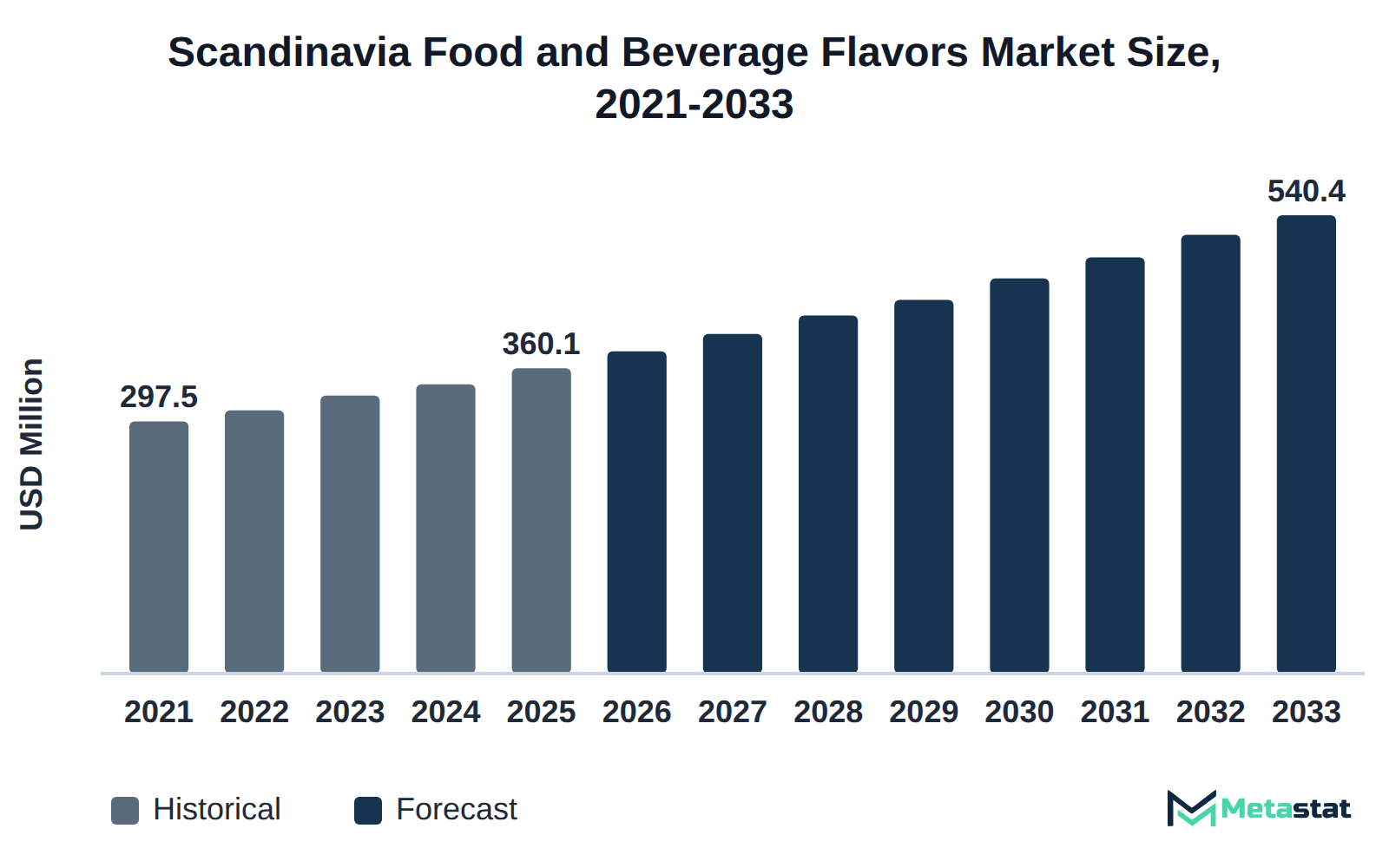
The increasing demand for clean-label products significantly drives the adoption of natural flavors across Scandinavia. Consumers exhibit a strong preference for products with fewer synthetic ingredients, prompting manufacturers to reformulate their offerings. This shift is evident in the projected growth of natural flavors, which is expected to expand from USD 243.2 million in 2026 to USD 374.2 million by 2033, reflecting a compound annual growth rate (CAGR) of 6.3%.
The emphasis on transparency and health-conscious choices pushes companies to prioritize natural flavoring solutions. This trend particularly influences the beverages segment, where natural flavors support the development of innovative products that align with consumer expectations. Major players in the Scandinavia Food and Beverage Flavors market actively invest in research and development to create appealing and authentic flavor profiles that meet clean-label criteria.
This transition toward natural flavors enhances product acceptability and builds brand loyalty. Clean-label demand strengthens, and companies that effectively incorporate natural flavors into their product lines position themselves favorably within the competitive landscape, ultimately driving growth and increasing market share.
Buyers in the Scandinavia Food and Beverage Flavors market increasingly prefer flexible pricing and contract models tailored to specific needs. The trend toward customization reflects growing demand for unique flavor profiles, particularly in functional beverages. Data indicates that the market reached USD 360.1 million in 2025, highlighting significant purchasing activity.
Pricing strategies vary among key suppliers, often influenced by factors including ingredient sourcing and production methods. For instance, suppliers offering natural flavors, which command a premium, engage in long-term contracts to ensure consistent supply and price stability. This approach allows buyers to manage costs effectively while benefiting from high-quality offerings.
Several companies adopt tiered pricing models based on volume and contract length, enabling buyers to secure better rates for larger purchases. Such strategies enhance buyer loyalty and facilitate long-term partnerships, ultimately leading to more predictable revenue streams for suppliers. The shift toward these models reflects a broader trend in the market, where buyers seek reliable sources of innovative flavors while managing budgets efficiently.
The growing demand for protein-rich products in the sports nutrition sector drives flavor development focused on taste masking. Flavors that effectively counterbalance the often unappealing taste of protein ingredients attract significant attention from manufacturers. In the Scandinavia Food and Beverage Flavors market, the application of flavors in sports nutrition products continues to evolve, reflecting the need for enhanced palatability.
Natural flavors, comprising USD 243.2 million in 2026 and projected to reach USD 374.2 million by 2033, play a critical role in meeting these consumer preferences. The rise in health-conscious consumers, alongside an increasing interest in fitness and dietary supplements, contributes to the expansion of flavor solutions that improve taste profiles while maintaining product integrity.
Producers in the market focus on developing distinctive flavor profiles that appeal to athletes and fitness enthusiasts. Successful flavor masking enhances the overall consumer experience, encouraging repeat purchases and brand loyalty. This trend signifies a substantial opportunity for suppliers to innovate and differentiate their offerings within the competitive environment.
Among the various flavor categories, Non-Citrus Fruit and Berry Flavors demonstrate the strongest growth potential in the Scandinavia Food and Beverage Flavors market. This segment is expected to reach a value of USD 138.4 million by the end of 2033, reflecting a compound annual growth rate (CAGR) of 5.8%. Rising consumer preference for natural and fruity flavors, particularly in beverages and confections, drives this growth. The emphasis on health-conscious consumption fuels demand for flavors that enhance the sensory experience without synthetic additives.
Citrus Flavors experience significant growth, with projections indicating an increase from USD 61.7 million in 2026 to USD 84.4 million by 2033, corresponding to a CAGR of 4.6%. The versatility of citrus flavors in various applications, including beverages and desserts, contributes to their popularity among consumers who seek refreshing and zesty options.
In the context of the Scandinavia Food and Beverage Flavors market, these trends signal substantial opportunities for manufacturers and suppliers. Companies focused on developing innovative products within these flavor categories expect to attract a growing customer base and improve revenue prospects in the coming years.
The rising preference for clean-label products significantly influences buyer behavior in Nordic countries. Consumers increasingly seek transparency regarding ingredients, leading to greater investment in natural flavors, which align with these expectations. This shift has driven manufacturers and food producers to reformulate their offerings, enhancing appeal and meeting market demand. The influence of health-conscious consumer trends suggests that natural flavors are expected to account for a larger share of the market in the coming years.
This growth indicates a strong commitment from buyers toward sourcing flavors that align with consumer preferences for authenticity and health-oriented choices. The market's evolution highlights the critical role that natural flavors play in developing food and beverage products that meet contemporary demands.
Health-conscious consumers increasingly influence flavor development in the food and beverage sector. Trends toward functional ingredients and wellness-focused products push suppliers to innovate flavors that align with health benefits. The growing popularity of botanical and herbal flavors reflects consumer demand for natural remedies and wellness enhancement. This shift motivates manufacturers to explore new flavor profiles that incorporate these elements, enhancing product appeal.
Products featuring functional flavors attract attention, benefiting from a premium pricing strategy. The Scandinavia Food and Beverage Flavors market experiences significant interest in flavors that promote health, including adaptogens and probiotics. Suppliers that adapt their offerings to meet these emerging preferences strengthen their competitive positions. Expanding product lines with innovative flavors satisfies consumer demand and drives growth in market revenue, positioning brands favorably in the evolving landscape.
Increasing prices for food and beverage flavors present a significant barrier to adoption among producers and manufacturers. This price pressure arises from rising raw material costs, which influences the overall pricing strategy in the market. Producers hesitant to absorb these costs delay flavor purchases or opt for less expensive alternatives, resulting in slower uptake of new flavor innovations. High costs particularly affect smaller manufacturers and startups, limiting their ability to invest in premium flavor options. Consequently, this situation leads to reduced order volumes and a focus on budget-friendly solutions rather than innovative, high-quality products. The impact of rising prices highlights the necessity for manufacturers to balance cost management with flavor quality, shaping purchasing decisions in the Scandinavia Food and Beverage Flavors market.
Suppliers face significant input cost pressures in the Scandinavia Food and Beverage Flavors market. Fluctuating raw material prices, particularly for natural ingredients, affect profit margins. Increasing costs for sourcing high-quality ingredients compel suppliers to explore alternative sourcing strategies and renegotiate contracts with producers. This situation results in diminished profitability, impacting investment and innovation capabilities within the market.
In response, suppliers implement cost-control measures, including investments in more efficient production processes and optimizing supply chains for better resource allocation. Several companies seek to enhance operational efficiency through technological advancements, enabling them to maintain competitive pricing while managing rising costs. These efforts to adapt to changing economic conditions highlight ongoing challenges within the market, with suppliers striving to balance quality and cost-effectiveness without sacrificing product appeal.
The demand for natural flavors in beverages demonstrates significant growth potential within the Scandinavia Food and Beverage Flavors market. The sector is projected to expand from USD 125.8 million in 2026 to USD 185.1 million by 2033, reflecting a compound annual growth rate of 5.7%. This trend arises from increasing consumer preference for clean-label options that emphasize health and natural ingredients. Beverage manufacturers respond to this shift by incorporating natural flavors to enhance product appeal and cater to health-conscious consumers. Meeting consumer expectations for transparency and quality positions companies favorably for competitive advantage. Investments in innovation and development of new formulations incorporating natural flavors are expected to result in increased market share and revenue growth opportunities for suppliers.
The Scandinavia Food and Beverage Flavors market is segmented based on Flavor Type, Nature, Application, and Country.
This flavor type finds extensive use in beverages and confectionery, appealing to consumers seeking refreshing and tangy profiles. The rising demand for natural ingredients in various applications influences growth, with buyers increasingly favoring flavors derived from real fruit sources. Such preferences drive innovation and product development, distinguishing Citrus Flavors from other flavors that do not experience the same level of consumer interest. For instance, the growth rate for Non-Citrus Fruit and Berry Flavors stands at a higher CAGR of 5.8%, reflecting a broader trend toward diverse fruit flavors. The market offers opportunities for suppliers to expand their offerings and meet evolving consumer preferences in the Scandinavia Food and Beverage Flavors market.
Non-Citrus Fruit and Berry Flavors segment is estimated to reach USD 138.4 million by 2033, at a CAGR of 5.8% during the forecast period. These flavors find significant application in beverages, confectionery products, and dairy items. The increasing consumer preference for unique and diverse taste experiences drives this segment. Natural and organic product trends drive demand among health-conscious consumers, who seek authentic flavor profiles. Compared to other flavor segments, Non-Citrus Fruit and Berry Flavors exhibit a higher growth rate, attributed to their versatile use in various applications. This segment distinguishes itself through its focus on natural ingredients and innovative flavor combinations, appealing to a broad consumer base. Manufacturers emphasize the creation of appealing and exotic profiles that cater to contemporary food and beverage trends, enhancing their market presence. The integration of these flavors into new product lines illustrates the dynamic nature of the Scandinavia Food and Beverage Flavors market.
Chocolate and Cocoa Flavors segment is expected to reach USD 57.4 million by 2033. This segment finds applications primarily in confectionery, dairy, and desserts, appealing to manufacturers aiming to enhance the taste profile of their products. The increasing consumer preference for indulgent flavors drives demand in this segment, supporting notable growth. Chocolate and cocoa flavors differentiate themselves through their unique taste profiles, compared to other flavors including citrus and non-citrus fruit, which cater more to refreshing applications. Within the market, the Chocolate and Cocoa Flavors segment experiences slower growth compared to Non-Citrus Fruit and Berry Flavors, which are projected to grow at a CAGR of 5.8%. The unique positioning of chocolate and cocoa flavors appeals to specific consumer segments, particularly those seeking rich, luxurious taste experiences.
Valued at USD 57.4 million in 2026, this segment is projected to grow at a CAGR of 4.8% during the forecast period. Vanilla and caramel flavors find extensive use in desserts, confectionery, and baked goods, appealing to manufacturers aiming to enhance sweetness and aroma. The trend toward indulgent flavor profiles drives demand in various applications, particularly in the confectionery and dairy sectors. Competitive pricing strategies and a focus on product innovation create distinct advantages for suppliers in this segment. In contrast to other flavor types, including non-citrus fruit and berry flavors, which are expected to grow at a CAGR of 5.8%, vanilla and caramel flavors experience slightly slower growth. This difference in growth rates reflects varying consumer preferences and market dynamics within the Scandinavia Food and Beverage Flavors market.
Dairy and Cream Flavors deliver rich and creamy notes, integral to products including ice creams, puddings, and cheese. This segment appeals to manufacturers focused on enhancing texture and mouthfeel, particularly in dairy-based applications. One driving force in this segment involves increasing consumer interest in premium dairy products that emphasize quality and authenticity. Evolving health perspectives encourage the development of dairy flavors catering to health-conscious individuals, thereby expanding the target market beyond traditional dairy consumers. Compared to other flavor segments, Dairy and Cream Flavors experience slower growth, influenced by the trend toward plant-based alternatives that challenge the traditional dairy product market. While the Scandinavia Food and Beverage Flavors market evolves, the impact of these factors shapes the segment's trajectory and competitive landscape.
Coffee and tea flavors are essential components in the formulation of various beverages, contributing to their taste profiles and overall consumer enjoyment. This segment finds application primarily in the beverage industry, where it enhances the sensory experience for consumers, catering to preferences for aromatic and flavorful drinks. The growing trend toward specialty coffee and artisanal tea products reflects a broader consumer shift toward premiumization, driving demand within this segment. While other flavor segments experience higher growth rates, coffee and tea flavors maintain steady demand due to their established presence in the market. Increasing consumer interest in innovative beverage formulations encourages manufacturers to explore unique flavor combinations, further influencing market dynamics. This segment differs from others by appealing to a distinct consumer base that values quality and authenticity in coffee and tea products.
Herbal and Botanical Flavors represent a segment characterized by unique profiles derived from various plants, herbs, and botanicals. These flavors find extensive use in beverages, confectionery, and bakery products, appealing to both traditional and health-conscious consumers. The growing trend of incorporating natural ingredients into food and beverages drives demand for these flavors, aligning with consumer preferences for cleaner labels. Competition within the market intensifies as suppliers innovate to deliver unique flavor experiences, differentiating themselves from conventional flavor offerings. This segment differs from others through its focus on health benefits and distinct taste, catering to a niche market segment that prioritizes these attributes. The emphasis on sustainability and natural sourcing enhances its appeal among discerning buyers, influencing product development strategies throughout the Scandinavia Food and Beverage Flavors market.
Mint and Cooling Flavors provide refreshing and invigorating profiles suitable for various applications in the food and beverage industry. This flavor segment finds extensive use in products including chewing gums, candies, and beverages, appealing predominantly to consumers seeking a cooling sensation. The growing consumer preference for unique taste experiences drives demand in this segment, particularly among younger demographics who favor innovative flavor combinations. Compared to other flavor segments, Mint and Cooling Flavors face intense competition from a broader range of flavors, with several segments including Non-Citrus Fruit and Berry Flavors experiencing faster growth rates. This segment does not demonstrate the same pace of growth as others, making strategic product development essential for expanding its market presence. The Scandinavia Food and Beverage Flavors market reflects these dynamics, shaping how producers approach flavor offerings and marketing strategies to engage targeted consumer groups.
Savory and Spice Flavors encompass a variety of flavoring agents used in culinary applications to enhance the taste profile of foods. This segment is essential for manufacturers producing ready-to-eat meals, sauces, and snacks, catering to a diverse consumer base seeking bold and rich flavors. Increasing demand for gourmet and specialty food items drives growth in this segment. The segment differentiates itself through its focus on more complex flavor profiles compared to simpler fruit or sweet flavors, appealing to discerning consumers. Price sensitivity influences buyer decisions, with these flavors often commanding a premium due to the quality of ingredients. The trend toward plant-based diets enhances interest in this segment, providing the necessary depth of flavor in vegetarian and vegan food options, further establishing its relevance in the Scandinavia Food and Beverage Flavors market.
Floral, Smoke, and Nut Flavors add depth and complexity to various culinary applications, appealing to gourmet food producers and beverage manufacturers seeking to differentiate their products. These flavors enhance the sensory experience of food and beverages, catering primarily to high-end consumers who favor unique taste profiles. The demand for innovative flavor combinations drives the growth of this segment, attracting attention from culinary professionals and food artisans. Competition from other flavor segments, including Non-Citrus Fruit and Berry Flavors, presents a challenge, particularly regarding pricing strategies and market positioning. While the latter segment shows higher anticipated growth, the distinctive attributes of Floral, Smoke, and Nut Flavors continue to secure a niche market, emphasizing quality and artisanal methods in production. The ongoing trend toward unique and sophisticated flavor options fuels interest among consumers in the Scandinavia Food and Beverage Flavors market, highlighting the potential for creative applications in new product development.
These flavors serve vital roles in enhancing the taste and appeal of various food and beverage products, attracting health-conscious consumers and manufacturers focused on clean-label offerings. Growth is primarily driven by increasing consumer preference for natural ingredients, which influences product formulations across multiple categories. This sub-segment distinguishes itself from others by its higher growth rate compared to Non-Natural Flavors, which are projected to reach USD 166.2 million by 2033 at a CAGR of 2.8%. Rising demand for Natural Flavors in the Scandinavia Food and Beverage Flavors market highlights a significant shift toward healthier and more transparent food products, impacting manufacturers and suppliers alike.
These flavors find application primarily in processed foods and beverages, appealing to manufacturers focusing on consistent flavor profiles. The segment experiences steady demand driven by the culinary industry, where flavor consistency and cost-efficiency are critical. This contrasts with the Natural Flavors segment, which has a higher growth rate due to shifting consumer preferences toward clean-label ingredients. The slower growth of Non-Natural Flavors reflects a market that remains essential but faces challenges in adapting to the increasing consumer trend favoring natural alternatives. Manufacturers targeting cost-sensitive segments leverage these flavors to maintain competitive pricing, impacting the overall dynamics of the Scandinavia Food and Beverage Flavors market.
Beverages include a variety of products including soft drinks, juices, and alcoholic beverages, with flavorings enhancing taste and overall consumer appeal. The segment attracts attention from manufacturers seeking to improve product differentiation and consumer satisfaction. An increasing trend toward health-conscious choices drives demand for natural flavors, which are expected to experience a faster growth rate compared to non-natural flavors. The CAGR for non-natural flavors stands at 2.8%, reflecting the preference among consumers for cleaner label products. In the context of the Scandinavia Food and Beverage Flavors market, this segment plays a significant role in shaping purchasing decisions and industry dynamics.
Bakery and Cereals segment is estimated to reach USD 79.2 million by 2033, at a CAGR of 4.6% during the forecast period. This segment primarily serves the bakery and cereal industries, providing essential flavors for products including bread, pastries, and breakfast cereals. A growing trend toward healthier options drives demand for natural and innovative flavor profiles, influencing manufacturers in their product development strategies. Compared to the other segments, Bakery and Cereals experiences moderate growth, reflecting a steady consumer base that prioritizes traditional baked goods and cereals. This segment's growth trajectory contrasts with faster-growing segments, including Non-Citrus Fruit and Berry Flavors, which are projected to reach USD 138.4 million by 2033 at a CAGR of 5.8%. The unique flavor requirements of the Bakery and Cereals segment necessitate specific formulations, presenting distinct challenges and opportunities in the market.
The Confectionery segment is expected to reach USD 62.9 million by 2033. This segment includes flavors used in various sweet products, including candies, chocolates, and gummies, catering primarily to food manufacturers and confectionery producers. Growth in this segment is driven by evolving consumer preferences for innovative and diverse taste experiences. The rising trend of premium and artisanal products positively influences demand. Compared to other application segments, including Bakery and Cereals, which show a CAGR of 4.6%, the Confectionery segment does not experience rapid growth but contributes significantly to the overall dynamics of the Scandinavia Food and Beverage Flavors market. Flavor customization and sensory appeal remain critical factors for confectionery manufacturers aiming to differentiate their products within the competitive landscape.
The Dairy and Frozen Desserts segment is projected to grow at a CAGR of 4.5% during the forecast period. This segment encompasses flavors used in a variety of products including ice creams, puddings, and other frozen treats. Key buyers include food manufacturers and dessert producers looking to enhance flavor profiles and improve consumer appeal. Increasing demand for innovative and diverse flavor offerings drives growth within this segment. Compared to other applications like beverages, which are set to grow at a CAGR of 5.7%, the Dairy and Frozen Desserts segment experiences slightly slower growth. However, the focus on natural and high-quality ingredients continues to influence flavor choices, reflecting broader trends within the Scandinavia Food and Beverage Flavors market.
This segment focuses on enhancing the taste and appeal of various culinary products through the incorporation of unique flavor profiles. Savory and Prepared Foods find significant use in applications including prepared meals, sauces, and snack foods, targeting consumers seeking convenience without compromising on flavor. Demand for this segment is driven by the increasing consumer preference for savory flavors and convenient meal solutions. This segment experiences slower growth, influenced by the need for higher ingredient quality and production costs. In contrast to the faster-growing Beverages segment, which benefits from the trend of flavored drinks, the demand dynamics for Savory and Prepared Foods reflect a more complex relationship with consumer preferences and culinary trends, impacting pricing and product development strategies.
Snacks encompass a broad range of flavorful products enjoyed by consumers across various demographics. This segment is critical for manufacturers focusing on both savory and sweet snack categories, including chips, popcorn, and granola bars. Increasing consumer demand for convenient, ready-to-eat options significantly influences the segment, leading to a rise in flavor innovations tailored to specific tastes and preferences. Compared to other applications, the Snacks segment differentiates itself through its focus on on-the-go consumption and variety, appealing to a diverse set of buyers, including retailers and food service operators. The robust trend of health-conscious eating continues to push manufacturers to integrate natural and unique flavors into their offerings, promoting differentiation within the competitive landscape. The Scandinavia Food and Beverage Flavors market reflects this growing emphasis on flavor diversity in snacks, aligning with broader consumer trends toward premium and functional food options.
Sports Nutrition and Dietary Supplements (Excluding Beverages) include a variety of products designed to support athletic performance and overall health. These products appeal to fitness enthusiasts, athletes, and health-conscious consumers seeking to enhance their dietary intake. Demand for this segment is driven by increasing awareness of health and fitness trends, which encourages more consumers to incorporate supplements into their daily routines. Unlike other segments with more traditional flavor applications, this segment sees variation in flavor preferences and formulations tailored to specific dietary needs and taste profiles, positioning it distinctly within the market. The focus on natural and functional ingredients further sets this sub-segment apart, catering to a demographic that prioritizes health-focused, innovative solutions.
This segment encompasses a variety of specialized food products, including baby foods, which cater to the nutritional needs of infants and young children. Key players in this segment include manufacturers who focus on quality ingredients and flavors that appeal to both children and discerning parents. Demand drivers for this segment include increasing awareness of healthy eating habits among parents and the growing trend toward organic and natural ingredients in baby food production. Unlike other segments within the application category, this segment targets a specific consumer group prioritizing nutritional value and safety. With a focus on quality and health, producers differentiate their offerings through unique flavor combinations and formulations, creating a competitive edge in the market.
Valued at USD 177.4 million in 2026, this segment is projected to reach USD 258.1 million by 2033, at a CAGR of 5.5% during the forecast period. This segment applies primarily in various food and beverage products, catering to consumers who seek unique and appealing flavors. The rising demand for innovative flavor profiles drives growth, alongside a growing preference for natural ingredients among health-conscious consumers. Compared to other segments, the growth pace of this segment stands out, driven by increasing consumption of flavored beverages and baked goods. The Sweden segment experiences a notable increase in demand for both alcoholic and non-alcoholic beverages, reflecting evolving consumer tastes and preferences. With a strong focus on product quality, local manufacturers emphasize the use of natural flavors to meet consumer expectations, differentiating their offerings from those using non-natural alternatives.
Denmark is estimated to reach USD 167.1 million by 2033, at a CAGR of 4.8% during the forecast period. This segment primarily serves the food and beverage sector, focusing on enhancing flavors in various applications including beverages, dairy, and confectionery. The demand for innovative and diverse flavor profiles drives this segment, with manufacturers aiming to meet evolving consumer preferences for unique taste experiences. Denmark's growth rate reflects a stable demand environment, appealing to companies prioritizing quality and sourcing of flavor ingredients. The segment's relatively slower growth compared to others, including Natural Flavors, stems from market saturation in established categories. The market continues to adapt to changes in consumer behavior, leading to opportunities for product differentiation and advancements in flavor technology.
Norway segment is expected to reach USD 115.2 million by 2033. This segment enhances the flavor profiles of various food and beverage products, catering primarily to local manufacturers seeking to meet consumer preferences. The rising demand in Norway is driven by increasing consumer interest in unique and diverse flavor experiences within the food and beverage sector. Compared to other segments, the growth of flavors within this country exhibits a slower pace due to a smaller market size and specific consumer preferences. The focus on localized flavors differentiates this segment from broader segments, which often explore a wider array of global flavor profiles.
The Scandinavia Food and Beverage Flavors market experiences diverse dynamics influenced by evolving consumer preferences and regulatory standards. Demand for flavors reflects increasing interest in natural and unique taste profiles across various applications. Flavors enhance product offerings in beverages, confections, and dairy, appealing to both manufacturers and health-conscious consumers. The market is expected to grow driven by innovations in flavor technologies and the expansion of product lines catering to health trends. Competitive strategies among flavor manufacturers focus on developing diverse and tailored solutions to meet the specific needs of food and beverage producers.
Natural flavor offerings, in particular, align with consumer trends favoring clean label products, enhancing market attractiveness. Manufacturers invest in research and development to create innovative flavors that meet consumer expectations. While the market expands, collaborations among key players increase market penetration, with established companies exploring strategic partnerships to leverage their reach. This collaborative approach ensures a robust supply chain, allowing manufacturers to respond effectively to changing market demands.
The Scandinavia Food and Beverage Flavors market experiences growth driven by increasing consumer interest in diverse and innovative flavors across various applications. The market benefits from a strong emphasis on natural ingredients, aligning with health-conscious trends among consumers. This shift toward natural flavors supports the expansion of the Natural Flavors segment, which is projected to achieve significant growth through 2033.
Innovative flavor development caters to the evolving preferences of consumers, enhancing product offerings in beverages, dairy, and confectionery sectors. The competitive landscape in the region features several key players focusing on improving flavor profiles to attract and retain consumers. Investment in research and development supports creativity and meets consumer demands for unique flavors.
Demand for flavoring agents continues to rise, influenced by trends in gourmet cooking and premium products. This shift encourages food and beverage manufacturers to invest in high-quality flavor solutions, thus enhancing product differentiation. The market outlook remains positive, with growth anticipated in both the Natural and Non-Natural Flavors segments through 2033.
The Scandinavia Food and Beverage Flavors market exhibits diverse opportunities driven by consumer preferences for unique and innovative flavor profiles. A growing shift toward health-conscious eating habits influences demand for natural flavors, reflecting a broader trend across the food and beverage industry. Manufacturers align product offerings with changing consumer tastes, resulting in a dynamic market environment. Segment expansion provides avenues for innovation and investment within the food and beverage sector, enhancing competitive positioning. Enhanced flavor products support manufacturers in meeting the evolving requirements of consumers, driving growth throughout the forecast period.
Investment in flavor development and research plays a crucial role in shaping the future of the market. Companies focusing on sustainability and organic ingredients are likely to attract a loyal customer base, crucial for long-term success. The strong emphasis on flavor authenticity and quality drives market players to invest in advanced technologies, ensuring high standards throughout the production process. This focus leads to increased revenue opportunities and market penetration across Scandinavia.
The Scandinavia Food and Beverage Flavors market presents significant potential due to growing consumer interest in unique flavor experiences. Rising health consciousness influences buying behavior, particularly among health-focused consumers. Innovative flavor solutions, including natural options, drive demand across various applications. The market benefits from evolving dietary trends, encouraging manufacturers to diversify their product offerings. Suppliers enhancing their portfolios with distinctive flavors are likely to capture greater market share. Collaboration between flavor manufacturers and food producers facilitates the development of customized solutions that address specific consumer preferences. This collaborative approach supports overall market growth and boosts competitiveness among key players.
Investment in flavor development and market research remains crucial for companies seeking to succeed. By focusing on emerging trends and adapting their offerings, manufacturers position themselves effectively within the evolving landscape. The growing emphasis on sustainability further influences flavor creation, with consumers increasingly preferring products that align with eco-friendly practices. While the market continues to evolve, strategic partnerships and innovation will play essential roles in shaping the future of the Scandinavia Food and Beverage Flavors market.
The growth of the Scandinavia Food and Beverage Flavors market reflects robust consumer interest in unique flavor offerings, driven by increasing demand for innovative food products. This market experiences significant attention from food and beverage manufacturers seeking to enhance product formulations and meet evolving consumer preferences. The rising trend toward clean-label products fuels demand for natural flavors, supported by shifts in consumer behavior favoring healthier options and sustainability. With a strong focus on flavor diversity, companies within the market invest in research and development to create distinct flavor profiles that cater to various consumer segments. Overall, the market landscape presents opportunities for growth as manufacturers adapt to changing consumer demands and incorporate novel flavors into their portfolios.
Investment in flavor technology and research enables manufacturers to differentiate their offerings and capture market share. The increasing popularity of specialty diets, including plant-based and gluten-free products, influences flavor development strategies. Health-conscious consumers seek flavorful options without artificial additives, driving demand for natural flavors. Companies that prioritize innovation in flavor development position themselves to thrive in this competitive landscape, ultimately contributing to the sustained growth of the Scandinavia Food and Beverage Flavors market.
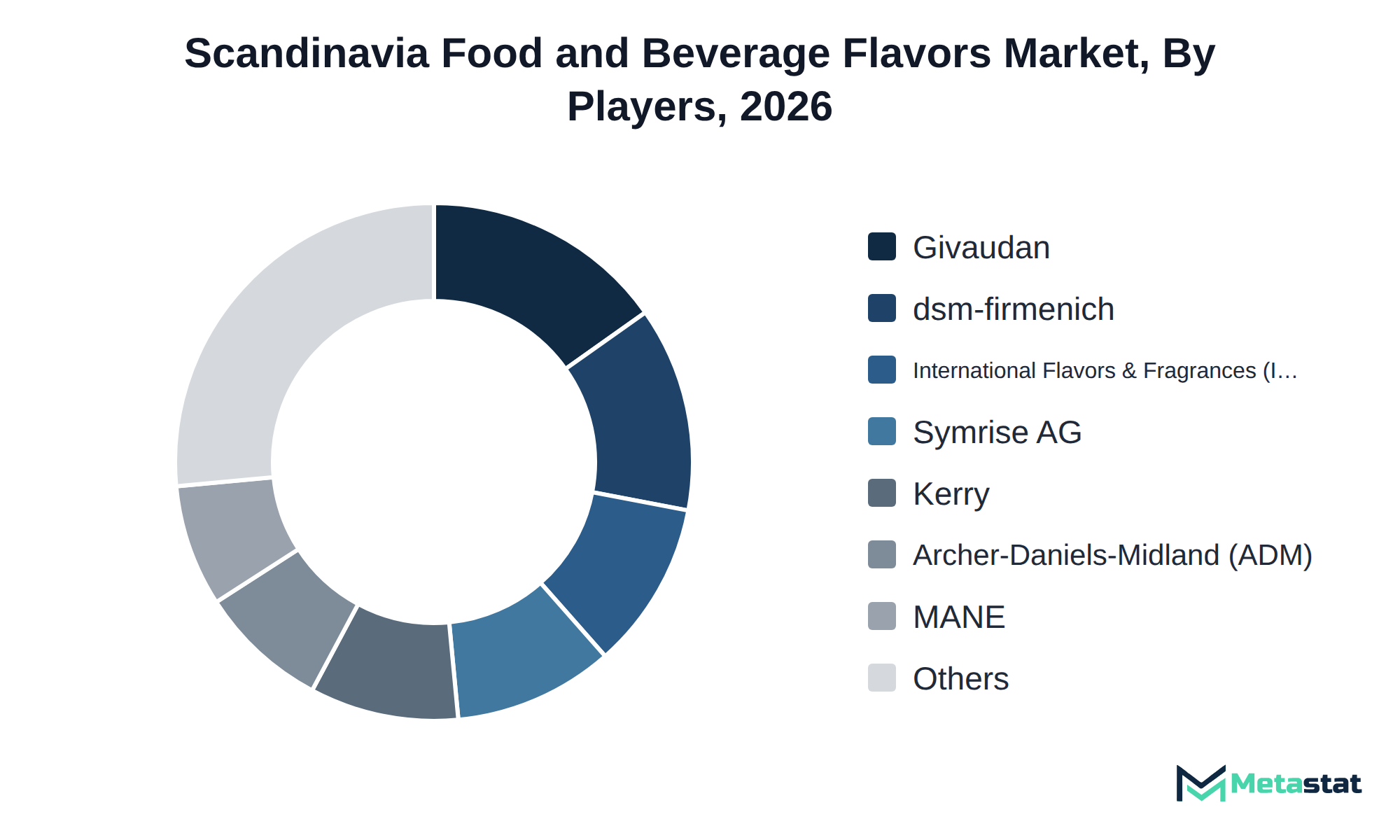
Companies in the Scandinavia Food and Beverage Flavors market compete through diverse strategies, focusing on flavor innovation, quality, and customer engagement. Major players including Givaudan SA and International Flavors & Fragrances Inc. (IFF) prioritize extensive research and development to deliver unique flavor profiles that meet consumer preferences. Regional players like NordArom AB and Storms AS emphasize customization and local sourcing to address specific market needs.
Buyers in the market select suppliers based on several factors, including price, flavor quality, and service offerings. Companies like Kerry Group plc and Symrise AG provide comprehensive service packages, enhancing customer experience through technical support and application expertise. Players including the Döhler Group focus on providing natural flavors, reflecting growing demand for clean-label products among health-conscious consumers.
The growth of the Scandinavia Food and Beverage Flavors market relies on several key developments. First, the increasing demand for natural flavors, anticipated to reach USD 374.2 million by 2033, is driven by consumer preferences for clean-label products. This trend particularly impacts the beverage and dairy segments, where natural ingredients enhance product appeal. Second, the rising popularity of non-citrus fruit and berry flavors reflects a shift in consumer tastes toward innovative and diverse flavor profiles across various applications, including confectionery and bakery products. This segment is expected to achieve USD 138.4 million by 2033.
Risks associated with supply chain disruptions and fluctuating raw material costs present challenges. Such factors impede the market's growth trajectory and prevent the achievement of the projected value. The market's ability to navigate these challenges will determine its success and overall expansion in the coming years.
By Flavor Type: Citrus Flavors, Non-Citrus Fruit and Berry Flavors, Chocolate and Cocoa Flavors, Vanilla and Caramel Flavors, Dairy and Cream Flavors, Coffee and Tea Flavors, Herbal and Botanical Flavors, Mint and Cooling Flavors, Savory and Spice Flavors, Others (Floral, Smoke, Nut Flavors)
By Nature: Natural Flavors, Non-Natural Flavors
By Application: Beverages, Bakery and Cereals, Confectionery, Dairy and Frozen Desserts, Savory and Prepared Foods, Snacks, Sports Nutrition and Dietary Supplements (Excluding Beverages), Others (Baby Foods, Specialized Food Products)
By Country: Sweden, Denmark, Norway
By Region: North America, Europe, Asia-Pacific, South America, Middle East and Africa
The report strategically identifies and profiles the key market players and analyses their core competencies in each sub-segment of the Food and Beverage Flavors market.
Report Attributes | Details |
Study Period | 2021-2033 |
Base Year | 2025 |
Estimated Year | 2026 |
Forecast Period | 2026-2033 |
Historical Period | 2021-2025 |
Growth Rate | CAGR 5.2% from 2026 to 2033 |
Revenue Unit | USD million |
Segmentation | By Flavor Type, Nature, Application, Country, and Region |
Find answers to common questions about this report
The Food and Beverage Flavors market size was valued at USD 360.1 million in 2025.
The market is projected to grow at a CAGR of 5.2% during the forecast period from 2026 to 2033.
Non-Citrus Fruit and Berry Flavors lead the Food and Beverage Flavors market with a projected value of USD 138.4 million by 2033. This segment surpasses others in terms of growth potential and revenue generation.
The rising preference for clean-label products significantly influences buyer behavior, driving investment in natural flavors that align with consumer expectations for transparency and health. health-conscious trends motivate suppliers to innovate flavors that incorporate functional ingredients, enhancing product appeal and catering to evolving consumer demands.
Increasing prices for food and beverage flavors present a significant barrier to adoption among producers and manufacturers. This price pressure arises from rising raw material costs, influencing overall pricing strategies and leading to reduced order volumes and a focus on budget-friendly solutions.
The rising preference for clean-label products and health-conscious consumer trends favor adoption in the Scandinavia Food and Beverage Flavors market. This shift drives manufacturers to innovate with natural flavors, enhancing product appeal and aligning with consumer demands for authenticity and wellness-focused options.
The Food and Beverage Flavors market is estimated to reach a valuation of USD 540.4 million by 2033.
Key players operating in the Food and Beverage Flavors market include Givaudan SA, dsm-firmenich, International Flavors & Fragrances Inc. (IFF), Symrise AG, Kerry Group plc, and Archer-Daniels-Midland Company (ADM).
Natural flavors are projected to grow from USD 243.2 million in 2026 to USD 374.2 million by 2033, reflecting a compound annual growth rate of 6.3 percent.
The beverages application segment is projected to grow from USD 125.8 million in 2026 to USD 185.1 million by 2033, with a compound annual growth rate of 5.7 percent.
The analysts below cover Food and Beverages research at Metastat Insights.
LEAD ANALYST
Utkarsh Khirodkar is a Lead Market Research Analyst at MetaStat Insight, specializing in market intelligence, technology sector assessments, and competitive strategy.

LEAD PRINCIPAL ANALYST, PHARMA AND HEALTHCARE
Food and Beverages · Healthcare · Healthcare IT · Medical Devices
Ajay Devgire is the Lead Healthcare Analyst at MetaStat Insight, leading strategic research and market intelligence initiatives across the global healthcare domain.

SENIOR RESEARCH ANALYST
Biotechnology · Food and Beverages · Medical Devices · Packaging
Snehal Pasalkar is a Research Analyst at MetaStat Insight, operating at the intersection of life sciences research, competitive strategy, and market intelligence.
In the biological seed treatment space, registration timelines vary drastically between the European Union, Brazil, and North America. The MetaStat Insight research handled these cross-border regulatory barriers with genuine nuance, mapping commercialization pathways alongside historical field adoption rates. The segmentation between microbial strains and biochemical active ingredients was particularly well structured.
Our team was tracking whether regional recycling infrastructure could realistically absorb the growing volume of lithium iron phosphate batteries over the next decade. The report did a solid job separating announced hydrometallurgical plant capacity from active, permitted operational throughput. That distinction made the feedstock availability projections and regional recovery rate models far more credible than standard commercial overviews.
Tracking capacity expansion in single-use bioprocessing requires dependable data on raw material availability and cleanroom-grade polymer supply chains. The competitive landscape chapter gave a grounded evaluation of secondary component suppliers across North America and Asia-Pacific rather than simply reprinting press releases. Having that level of supplier benchmarking helped clarify dual-sourcing considerations for our clinical pipeline planning.
Explore related market intelligence reports worth reading alongside this one.