
LEAD ANALYST
Utkarsh Khirodkar is a Lead Market Research Analyst at MetaStat Insight, specializing in market intelligence, technology sector assessments, and competitive strategy.

Europe Luxury & Premium Mattress Market Size, Share, By Product Type (Hybrid, Innerspring (Pocket Spring), Memory Foam, Latex), By Price Tier (Premium (EUR 1,000-2,500), Luxury (EUR 2,500-5,000), Ultra-Luxury (Above EUR 5,000)), By End-Use (Residential, Hospitality, Healthcare & Senior Living), By Region (Germany, France, UK, Italy, Spain, Russia), Industry Analysis, Growth, Trends, and Forecast, 2026-2033
Report ID
MSI-5671
Published
November, 2026
Pages
266 Pages
Format
Historical
Base year
Forecast
Forecast period
Report Details
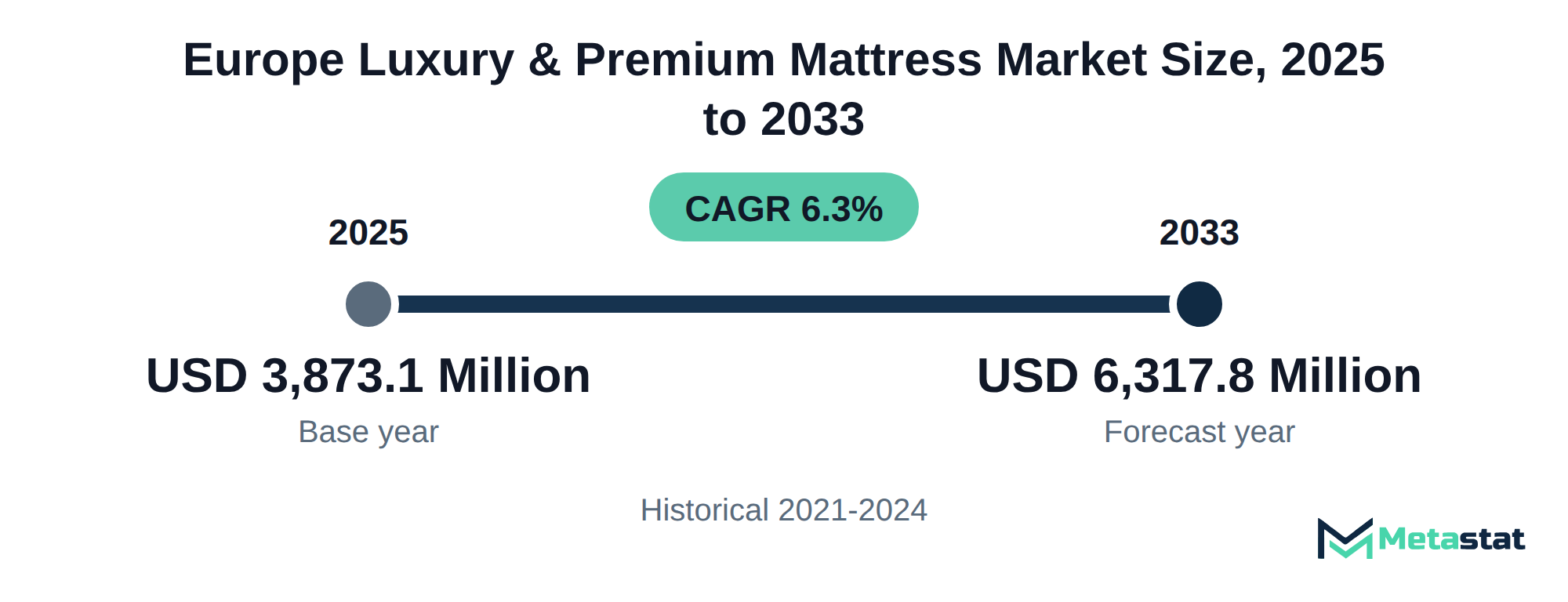
Market Valuation: Valued at $3,873.1 Million in 2025, projected to reach $6,317.8 Million by 2033 at a 6.3% CAGR.
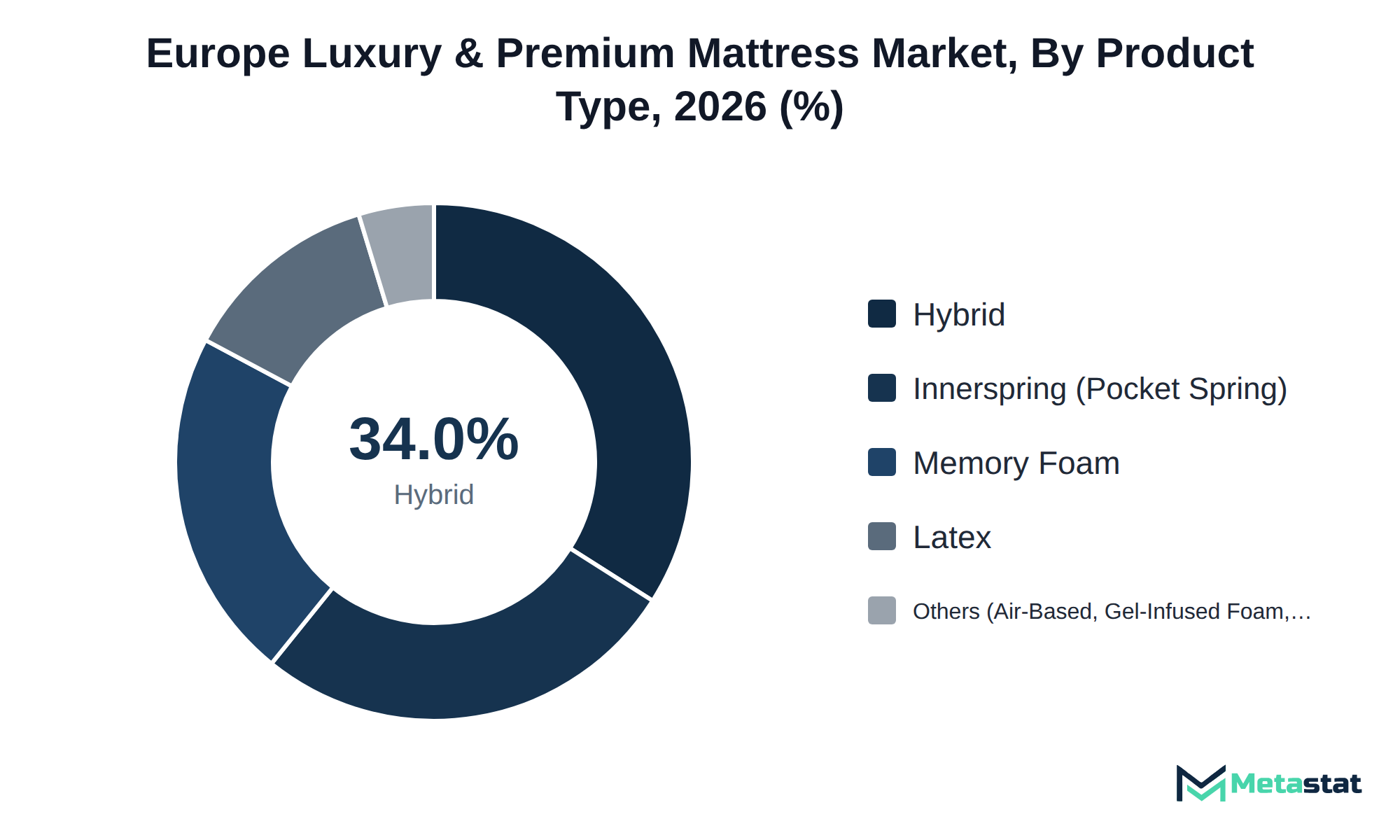
Dominant Segment: Hybrid mattresses lead the Europe Luxury & Premium Mattress market, driven by consumer demand for tailored comfort and support, with a projected value increase from USD 1,426.2 million in 2026 to USD 2,407.1 million by 2033.
Geographic Lead: Germany holds the largest market share, projected to grow from USD 936.4 million in 2026 to USD 1,388 million by 2033, supported by a strong economy and high consumer awareness regarding sleep quality.
What's Inside: The report provides a comprehensive analysis of market dynamics, competitive landscape, and growth trends, covering various segments including product types, price tiers, and end-use applications.
Emerging Trends: There is a significant shift towards eco-friendly materials and innovative mattress designs, appealing to health-conscious consumers and driving growth in the premium and ultra-luxury segments.
Choose Your License
Europe Luxury & Premium Mattress Market
The Europe Luxury & Premium Mattress market was valued at USD 3,873.1 million in 2025 and is projected to reach USD 6,317.8 million by 2033, growing at a CAGR of 6.3% over the forecast period.
The Europe Luxury & Premium Mattress market covers high-quality sleeping solutions designed for discerning consumers who want comfort and luxury. Buyers invest in these products for various reasons, including enhanced sleep quality, health benefits, and a desire for premium materials and craftsmanship. The market serves residential, hospitality, and healthcare sectors, reflecting a growing emphasis on well-being and sleep hygiene.
Growth in the market is driven by increasing awareness of the importance of sleep and its impact on overall health. Among product types, hybrids represent the segment with the most value, combining various materials to offer tailored comfort. Germany holds the largest share of the market, supported by strong demand for premium sleeping solutions and a healthy economy that enables consumers to invest in luxury products.
The rising demand for innovative mattress designs and materials fuels market expansion. Consumers seek products that offer personalized comfort and durability, leading to a shift toward higher-value options. This trend is evident in the growing popularity of premium and luxury mattress segments, which cater to customers willing to invest in their sleep experience.
Market participants focus on products that enhance sleep quality, targeting affluent consumers who prioritize comfort and luxury in their purchasing decisions. This market includes a variety of mattress types, including hybrid, innerspring, memory foam, and latex, catering to different preferences and needs. The demand stems from an increasing awareness of the importance of sleep for overall well-being, driving buyers to invest in high-end mattresses that promise improved sleep experiences.
The growth trajectory of the Europe Luxury & Premium Mattress market reflects a notable shift towards premium products, particularly in the residential segment. Among the segments, hybrid mattresses generate the most value, appealing to consumers seeking a balance of support and comfort. Germany stands out as the leading region, with the highest market share due to a strong economy and a growing population willing to invest in luxury sleep solutions.
A key growth driver for this market involves the rising trend of wellness and health-conscious living, prompting consumers to make informed choices about their sleep environments. Individuals prioritize health, and the demand for high-quality mattresses that support restful sleep continues to increase. This trend influences purchasing behavior, reinforcing the market's position within the broader luxury goods sector.
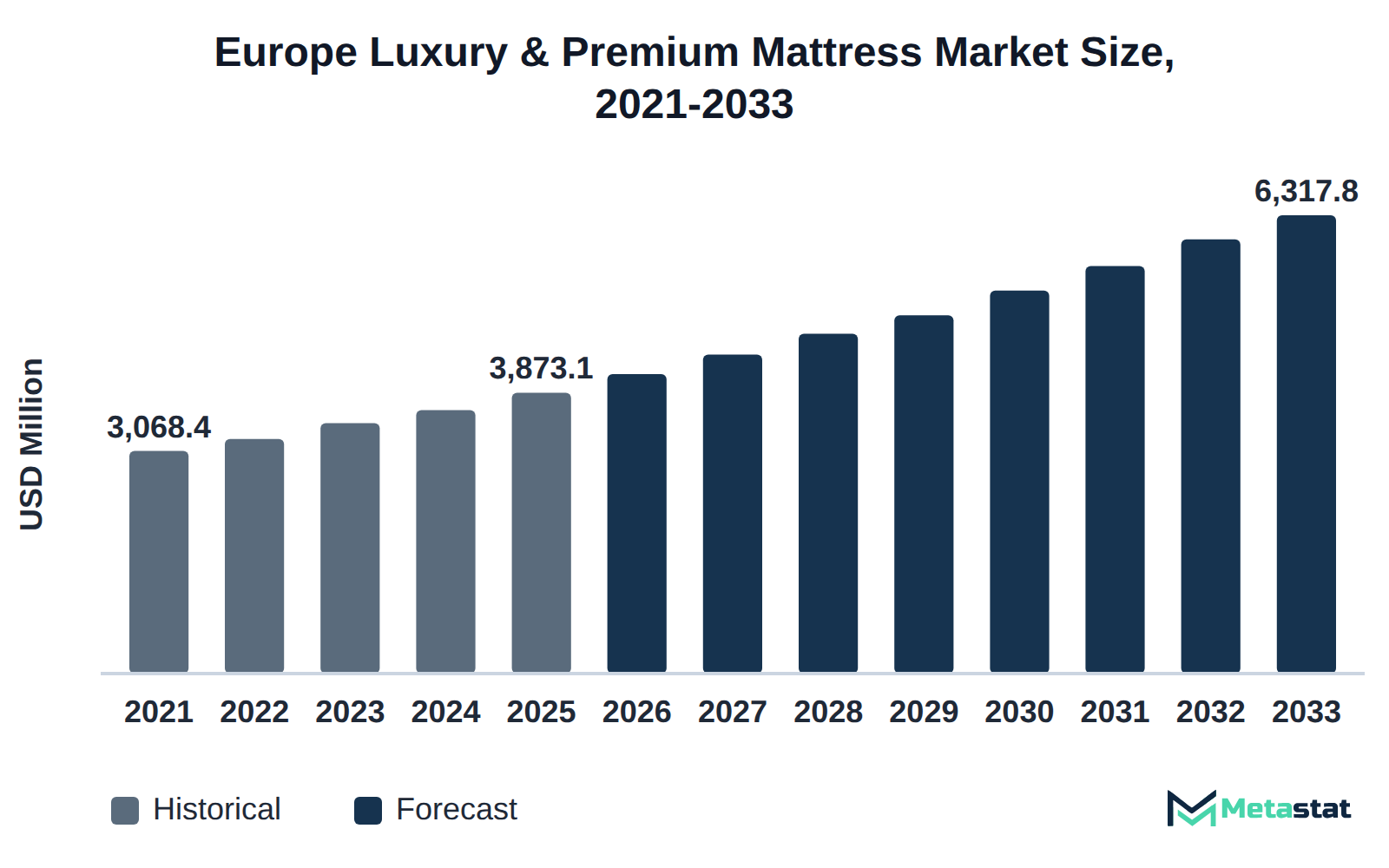
Innovative hybrid and pocket-spring mattress constructions are significantly transforming the Europe Luxury & Premium Mattress market. These advancements offer consumers enhanced comfort and support, addressing diverse sleep preferences. The hybrid mattress segment is projected to grow from USD 1,426.2 million in 2026 to USD 2,407.1 million by 2033, a compound annual growth rate (CAGR) of 7.8%. This growth indicates marked consumer interest in mattresses that combine multiple materials, providing tailored sleep solutions.
The rising demand for pocket-spring mattresses, known for their independent coil systems that adapt to individual body contours, complements this trend. The incorporation of such technologies appeals to buyers seeking personalized comfort and support during sleep. Hybrid and pocket-spring technologies improve product performance and increase consumer satisfaction, which strengthens brand loyalty and repeat purchases.
While these constructions gain traction, manufacturers and retailers within the market experience opportunities for differentiation and premium pricing strategies. This innovation-driven approach supports market expansion, ultimately resulting in greater revenue potential and a stronger competitive environment.
The integration of natural fibres and handcrafted materials significantly influences the pricing strategies within the ultra-luxury segment of the Europe Luxury & Premium Mattress market. These materials, renowned for their superior quality and craftsmanship, appeal to discerning consumers who prioritize comfort and sustainability in their purchasing decisions. The ultra-luxury product tier, which includes mattresses priced above EUR 5,000, is projected to reach USD 691.8 million by 2033, highlighting a growing willingness among customers to invest in premium offerings that feature these high-quality components.
Buyers increasingly seek products that reflect their personal values, with many willing to pay a premium for mattresses constructed from organic materials or featuring artisanal craftsmanship. This trend drives manufacturers to adopt transparent pricing models that emphasize the quality and sourcing of materials. Businesses implement pricing strategies that align with consumer expectations for sustainability and luxury. Emphasizing quality enhances brand reputation and contributes to higher profit margins for manufacturers, which reinforces the commercial viability of the ultra-luxury segment.
Procurement in the hospitality and senior-living sectors significantly influences demand for high-end mattresses. These industries require premium sleep solutions to enhance guest experiences and patient comfort, leading to increased investment in luxury and premium options. The residential end-use segment projects a revenue increase from USD 2,962.5 million in 2026 to USD 4,392.1 million by 2033, highlighting the strong consumer preference for quality sleep products in hospitality environments.
Hotels emphasize the importance of sleep quality for guest satisfaction and loyalty. Managers seek superior mattress options that ensure restful nights. Senior-living facilities prioritize comfort and support in mattress procurement, recognizing the impact on residents' health and well-being. The healthcare and senior-living segment, while smaller, represents a growing market opportunity with its revenue projected to reach USD 481.4 million by 2033.
Investment in high-end mattresses enhances service quality and improves brand reputation within the Europe Luxury & Premium Mattress market. High-quality sleep solutions contribute to improved guest experience and satisfaction, ultimately driving repeat business and positive reviews. Ongoing demand from hospitality and senior-living sectors highlights the importance of premium mattresses in achieving operational success.
Germany leads in luxury mattress purchases within the Europe Luxury & Premium Mattress market, driven by increasing consumer awareness of sleep quality and its impact on health. In 2026, the market in Germany is projected to reach USD 936.4 million, expanding to USD 1,388 million by 2033. This growth reflects a compound annual growth rate (CAGR) of 5.8%, indicating strong demand among consumers prioritizing comfort and quality in their sleep solutions.
France follows closely, with significant growth anticipated over the forecast period. The luxury mattress segment in France is estimated to reach USD 873.1 million by 2033, reflecting a CAGR of 5.9%. These figures highlight a trend where discerning buyers increasingly seek premium products through both online and offline channels. E-commerce platforms have become essential for reaching tech-savvy consumers, who value convenience and broad product selection.
In the hospitality sector, channels such as direct sourcing from manufacturers and specialty retailers drive sales. Establishments prioritizing guest comfort increasingly invest in high-end mattresses. Such trends indicate a robust market environment, where both residential and commercial buyers contribute to the overall growth trajectory of the Europe Luxury & Premium Mattress market.
Increasing consumer awareness regarding sleep quality drives affluent buyers toward high-end mattress options. This demographic prioritizes comfort and luxury in their purchasing decisions, leading to greater investment in premium products. The shift toward luxury mattresses stems from lifestyle changes, including a heightened focus on wellness and self-care, which increases the need for better sleep solutions. The market is projected to achieve a compound annual growth rate (CAGR) of 6.3% from 2025 to 2033, reflecting the growing preference for premium sleep products. This substantial increase emphasizes the heightened focus on quality sleep among consumers.
Advancements in materials significantly impact the Europe Luxury & Premium Mattress market. Manufacturers increasingly incorporate high-performance textiles and sustainable materials, catering to eco-conscious consumers. The shift towards environmentally friendly options reflects growing consumer preferences for products that contribute to sustainability. Innovations in material science enable the development of mattresses that offer enhanced durability and comfort while maintaining environmental integrity.
Material developments attract a wider audience, including millennials and Generation Z consumers, who prioritize sustainability in their purchasing decisions. The integration of bio-based materials and recycled components shapes product offerings, providing a competitive edge for companies that adopt these practices. Consumers become more discerning regarding the origins and production of their purchases, and brands that highlight sustainable materials strengthen their market presence. Growth in the luxury mattress segment positions suppliers favorably for future market expansions.
Price sensitivity among consumers restricts adoption of high-end products in the Europe Luxury & Premium Mattress market. The premium price tiers, especially in the Luxury and Ultra-Luxury segments, lead to slower purchase decisions among budget-conscious buyers. Several consumers in the residential sector consider alternatives, resulting in diminished sales for luxury offerings. The perceived value associated with these mattresses does not always align with consumer expectations when competing products are available at lower price points. Budget-conscious buyers often compare these mattresses with lower-priced options from the wider mattress industry before deciding.
In the hospitality sector, cost considerations significantly impact procurement strategies. Budget constraints lead to smaller orders and delayed replacement of existing mattresses. This scenario affects overall demand for premium sleeping solutions and limits the growth potential of the market. Addressing price sensitivity through innovative marketing or financing options enhances consumer interest and encourages greater investment in luxury and premium mattresses.
Suppliers in the Europe Luxury & Premium Mattress market face significant challenges related to rising material costs, impacting profitability and market positioning. Increasing prices of high-quality materials, including natural fibers and specialized foams, strain margins and force suppliers to reconsider sourcing strategies. This pressure leads to a search for alternative materials that maintain product quality while offering cost efficiencies. Several manufacturers invest in research and development to discover innovative materials that withstand price fluctuations while appealing to consumers seeking luxury. Suppliers collaborate with local providers to reduce transportation costs and improve supply chain reliability. These strategies aim to alleviate financial strain and support sustainable growth in the competitive landscape of luxury mattresses. Such measures enhance the ability to meet evolving customer demands while balancing cost pressures in the market.
A significant opportunity exists within the hybrid mattress segment, projected to achieve a CAGR of 7.8% from 2026 to 2033. This growth reflects a shift in consumer preferences toward versatile sleep solutions that combine the benefits of various materials. Hybrid mattresses, which integrate features from innerspring and memory foam technologies, attract buyers seeking enhanced support and comfort. Hybrid mattresses appeal particularly to affluent consumers, who prioritize quality and innovation in their purchasing decisions. The Europe Luxury & Premium Mattress market stands to benefit from this trend, with hybrid offerings expected to capture a larger market share and drive overall sales growth. Demand for these products aligns with changing consumer behaviors favoring multi-functional and adaptable sleeping solutions.
In Germany, for instance, the segment displays notable potential, with an anticipated increase in market value from USD 936.4 million in 2026 to USD 1,388 million by 2033. This underlines a favorable environment for suppliers to develop and market hybrid mattresses that meet evolving consumer expectations. Ongoing interest in personalized comfort solutions positions hybrid mattresses as a key segment of the Europe Luxury & Premium Mattress market.
The Europe Luxury & Premium Mattress market is segmented based on Product Type, Price Tier, End-Use, and Region.
This segment attracts consumers seeking a blend of comfort and support, appealing to both residential buyers and hospitality providers. The popularity of hybrid mattresses stems from their ability to combine multiple materials, enhancing durability and comfort. The increasing focus on sleep quality drives demand from affluent consumers prioritizing restful sleep. This segment exhibits stronger growth compared to traditional innerspring mattresses, which are projected to grow at a CAGR of 4.2%. The hybrid segment's innovative design suits varied preferences and positions it well in the Europe Luxury & Premium Mattress market.
Innerspring (Pocket Spring) segment is estimated to reach USD 1,443 million by 2033, at a CAGR of 4.2% during the forecast period. This segment features traditional innerspring technology, appealing to consumers seeking a balance of support and comfort. Typically used in residential settings, these mattresses cater to buyers prioritizing durability and responsiveness in their sleep surfaces. Demand is driven by increased consumer interest in personal comfort and sleep quality. Innerspring products exhibit slower growth compared to memory foam and hybrid options, which benefit from technological advancements and changing consumer preferences. While the average price point positions this segment competitively against others, its growth remains steady rather than accelerating, creating a unique niche within the market. The combination of established technology and evolving consumer demands continues to define the appeal of innerspring mattresses.
Memory Foam segment is expected to reach USD 1,322.3 million by 2033. This type of mattress appeals to consumers seeking pressure relief and comfort, often preferred by individuals with specific sleep needs. Demand for Memory Foam mattresses is increasing due to their ability to conform to body shapes and provide support. Compared to other segments, Memory Foam experiences slower growth, with a CAGR of 4.2%. The residential market primarily drives this segment, reflecting consumers prioritizing sleep quality in their purchasing decisions. Pricing factors influence consumer choices, making this segment less accessible for price-sensitive buyers compared to premium and luxury tiers. Rising health consciousness among consumers further fuels interest in Memory Foam options, contributing to its steady demand and growth trajectory within the Europe Luxury & Premium Mattress market.
Latex mattresses, valued at USD 0.0 million initially, exhibit significant growth potential. This segment is primarily applied in residential settings, appealing to consumers who prioritize durability and natural materials. The projected CAGR of 7.2% during the forecast period highlights strong demand driven by increasing awareness of sustainable and environmentally friendly products. Customers gravitate toward latex for its hypoallergenic properties and longevity, distinguishing it from other materials in the market. Compared to memory foam and innerspring options, latex mattresses typically command a higher price point, catering to discerning buyers seeking premium products. This emphasis on sustainability in purchasing decisions further enhances latex's unique position within the Europe Luxury & Premium Mattress market.
This segment includes various innovative mattress types, including air-based, gel-infused foam, and natural fibre options. These products appeal primarily to health-conscious consumers and those seeking alternative sleeping solutions that prioritize comfort and sustainability. Growing awareness surrounding the benefits of these materials influences demand, driving a shift toward more eco-friendly and health-oriented options. Unique features distinguish this segment from traditional offerings. The focus centers on specialized technologies and materials that provide enhanced comfort and support. Compared to other mattress types, including hybrid or memory foam, this segment typically commands a higher price point, reflecting its specialized nature and appealing to a niche market that values innovation and sustainability. The ongoing trend toward wellness and healthy living supports the growth potential of this segment within the Europe Luxury & Premium Mattress market.
Premium (EUR 1,000-2,500) segment is valued at USD 2,541.1 million in 2026 and is projected to reach USD 3,711.1 million by 2033, at a CAGR of 5.6% during the forecast period. This segment appeals to affluent consumers who prioritize quality and comfort in their sleep experience. The residential sector prominently drives demand, particularly among households investing in premium bedroom furniture. Growing consumer awareness regarding the health benefits of quality sleep enhances interest in this price tier. This segment experiences slower growth compared to the luxury tier, which has a projected CAGR of 7.1%. The ability of buyers to invest more in their mattresses sets the premium segment apart, allowing more choice in materials and technology than lower-priced options while maintaining a focus on quality.
Luxury (EUR 2,500-5,000) segment is estimated to reach USD 1,914.9 million by 2033, at a CAGR of 7.1% during the forecast period. This segment attracts affluent consumers seeking high-quality sleep solutions, often used in upscale residential settings and luxury hotels. The growing emphasis on sleep wellness drives demand, particularly among buyers with disposable income. Unlike the Premium (EUR 1,000-2,500) segment, which is projected to have a CAGR of 5.6%, the Luxury segment exhibits stronger growth due to increasing prioritization of sleep quality and brand prestige. The exclusivity associated with luxury mattresses encourages buyers to invest further, distinguishing it from lower-priced alternatives. With material advancements and design innovation, this segment continues to evolve, ensuring its appeal to discerning consumers in the Europe Luxury & Premium Mattress market.
The ultra-luxury segment in Europe appeals to affluent consumers seeking bespoke mattresses that offer high comfort and exclusivity. Demand is primarily driven by increasing recognition of the importance of sleep quality among high-income households. An expanding array of luxurious options, including custom designs and premium materials, increases consumer interest. Compared to other price tiers, this segment exhibits a faster growth rate, with a projected CAGR of 7.1% during the forecast period. The market dynamics reflect a unique buyer profile, focusing on individuals who prioritize quality and are willing to invest significantly in tailored solutions. The Europe Luxury & Premium Mattress market is expected to experience enhanced growth in this segment driven by affluent consumer trends and increasing awareness of sleep health.
Residential use of luxury and premium mattresses is valued at USD 2,962.5 million in 2026 and is projected to reach USD 4,392.1 million by 2033, at a CAGR of 5.8% during the forecast period. This segment primarily caters to homeowners seeking high-quality sleep solutions, reflecting growing awareness of sleep's impact on overall well-being. Increasing disposable incomes among affluent consumers boost demand for luxury products tailored for the home environment. Unlike the hospitality sector, which is subject to fluctuating trends driven by travel and seasonal demands, the residential segment maintains steady growth. Consumer preferences shift towards personalized comfort, driving innovations in materials and designs. The anticipated growth aligns with broader trends promoting health and wellness, while differing from other segments including hospitality, which faces greater volatility in demand.
Hospitality segment is estimated to reach USD 1,220 million by 2033, at a CAGR of 7.4% during the forecast period. This segment serves the luxury accommodation market, including hotels, luxury resorts, and other lodging facilities, focusing on enhancing guest experience through high-quality sleep products. Increasing emphasis on comfort and luxury in hospitality settings drives demand for premium mattresses, positioning this segment for significant growth relative to others. Compared to the residential sub-segment, which grows at a CAGR of 5.8%, the hospitality sector exhibits a faster growth trajectory due to higher spending potential from businesses. Enhanced sleep solutions distinguish this segment, with businesses investing in premium quality products to improve guest satisfaction and brand reputation, leading to increased occupancy rates and customer loyalty. The market evolves, reflecting trends in consumer preferences and the hospitality industry's commitment to excellence.
This segment serves various healthcare facilities and senior living communities, emphasizing comfort and support for individuals with specific needs. Demand for high-quality mattresses continues to rise due to the growing emphasis on patient well-being and sleep quality in healthcare settings. Increased investments in healthcare infrastructure and senior living facilities drive this segment. Compared to other end-use segments, this segment experiences a faster growth rate, with a projected CAGR of 7.4%. The focus on providing a restful environment for residents distinguishes it from residential and hospitality uses, resulting in unique requirements for product features and pricing structures. In the Europe Luxury & Premium Mattress market, manufacturers increasingly tailor offerings to meet the demands of this demographic, enhancing the overall user experience.
This segment is projected to grow at a CAGR of 7.1% during the forecast period. In student housing, cruise and luxury yacht accommodations, and serviced residences, demand for luxury mattresses reflects the high standards of comfort and quality expected by residents and travelers. These environments often prioritize premium sleep experiences, attracting customers willing to invest in high-quality products. Factors driving growth include the increasing emphasis on customer satisfaction and the desire for enhanced sleeping conditions in hospitality settings. The Others segment distinguishes itself from others in the market by focusing on niche applications, which often include higher price points due to the specialized needs of these buyers. This positioning leads to a unique demand dynamic that contrasts with more mass-market segments, creating a distinct growth trajectory within the Europe Luxury & Premium Mattress market.
This segment primarily serves residential customers seeking high-quality sleep solutions. Growing awareness of sleep health drives demand for premium products, particularly among the affluent population. The distinct preference for locally produced mattresses, combined with a rising trend of personalized and customized options, differentiates this segment from others. While the hospitality and healthcare segments exhibit faster growth rates, Germany's residential segment offers stability and consistent demand, resulting in a robust revenue stream. The unique blend of quality and local craftsmanship enhances the perceived value of products, fostering customer loyalty and repeat purchases within the market.
This segment serves residential and hospitality sectors, providing high-quality sleep solutions to consumers seeking enhanced comfort. Growing consumer awareness regarding sleep health significantly drives demand for luxury and premium mattresses in France. Increasing disposable income enables more consumers to invest in higher-end products. Compared to other regions, France's market exhibits moderate growth, influenced by its diverse consumer base and established retail networks. Competition among brands in France, alongside evolving consumer preferences for premium offerings, reinforces the segment's unique position within the Europe Luxury & Premium Mattress market.
UK segment is expected to reach USD 1,091.7 million by 2033. This segment primarily serves residential consumers seeking high-quality, comfortable sleeping solutions. Growing awareness of sleep quality and wellness among consumers significantly influences demand, with buyers increasingly prioritizing premium materials and craftsmanship. The UK market experiences more moderate growth compared to other regions, with a CAGR of 5.8% projected from 2026 to 2033. In contrast to the hospitality segment, which benefits from a faster growth rate of 7.4%, the UK residential segment reflects a more stable demand profile driven by individual purchasing decisions. Emphasis on luxury and premium offerings aligns with broader trends in the Europe Luxury & Premium Mattress market, catering to discerning customers who invest in enhancing their sleep experience.
This segment is projected to grow at a CAGR of 6.5% during the forecast period. Italy is a significant market for luxury and premium mattresses, attracting residential buyers seeking high-quality products for comfort and wellness. The demand is driven by increasing disposable incomes and a growing focus on sleep quality among consumers. Italy's unique design heritage and craftsmanship appeal to buyers looking for distinctive and luxurious options, ensuring a competitive edge over other regions. Unlike the German market, which is experiencing steady growth, Italy's segment stands out due to its artistic design influences and tailored offerings. This dynamic contributes to its growth trajectory, positioning it as a key player in the Europe Luxury & Premium Mattress market.
Spain's luxury and premium mattress segment is a key component of the market, driven by increasing consumer preference for high-quality sleep solutions. Customers in Spain seek products that ensure comfort and durability, leading to rising demand among residential and hospitality sectors. This segment is characterized by a diverse range of offerings, including premium and luxury mattresses that differentiate themselves through superior materials and craftsmanship. A growing focus on health and wellness, alongside improvements in the hospitality industry, contributes to the segment's positive outlook. The segment's growth trajectory differs from others, particularly with premium mattresses appealing to a broad consumer base, while luxury options attract a niche market willing to invest in high-end products. The focus on sustainable and locally sourced materials enhances the appeal among environmentally conscious buyers in Spain.
Russia's involvement in the luxury and premium mattress market reflects a growing trend where consumers seek high-quality sleep solutions. This segment finds application in various settings, including residential spaces and hospitality environments, with particular appeal among affluent buyers who prioritize comfort and luxury in their purchasing decisions. Demand in this region is driven by increasing disposable income and rising awareness of the importance of quality sleep, leading to higher investments in premium bedding products. In comparison to other segments, the Russian market exhibits unique characteristics, including a distinct cultural appreciation for craftsmanship in bedding, often leading to a preference for locally made products. This segment stands out for its focus on high-end materials and innovative designs, differentiating it from more price-sensitive markets in Europe.
This sub-segment addresses various mattress types found throughout the remaining European markets. These products cater primarily to residential consumers, hospitality businesses, and healthcare facilities. A growing consumer inclination toward premium sleeping solutions increases demand in this area. Competitive pricing strategies and innovative designs enhance the appeal of luxury mattresses compared to other segments, including premium or ultra-luxury categories. The market for luxury and premium mattresses continues to evolve, reflecting a broader trend toward prioritizing quality sleep and comfort. Buyers in this segment seek distinct features, including eco-friendly materials and advanced sleep technologies, which differentiate these offerings from other mattress types. The Europe Luxury & Premium Mattress market presents dynamic growth opportunities driven by shifting consumer preferences.
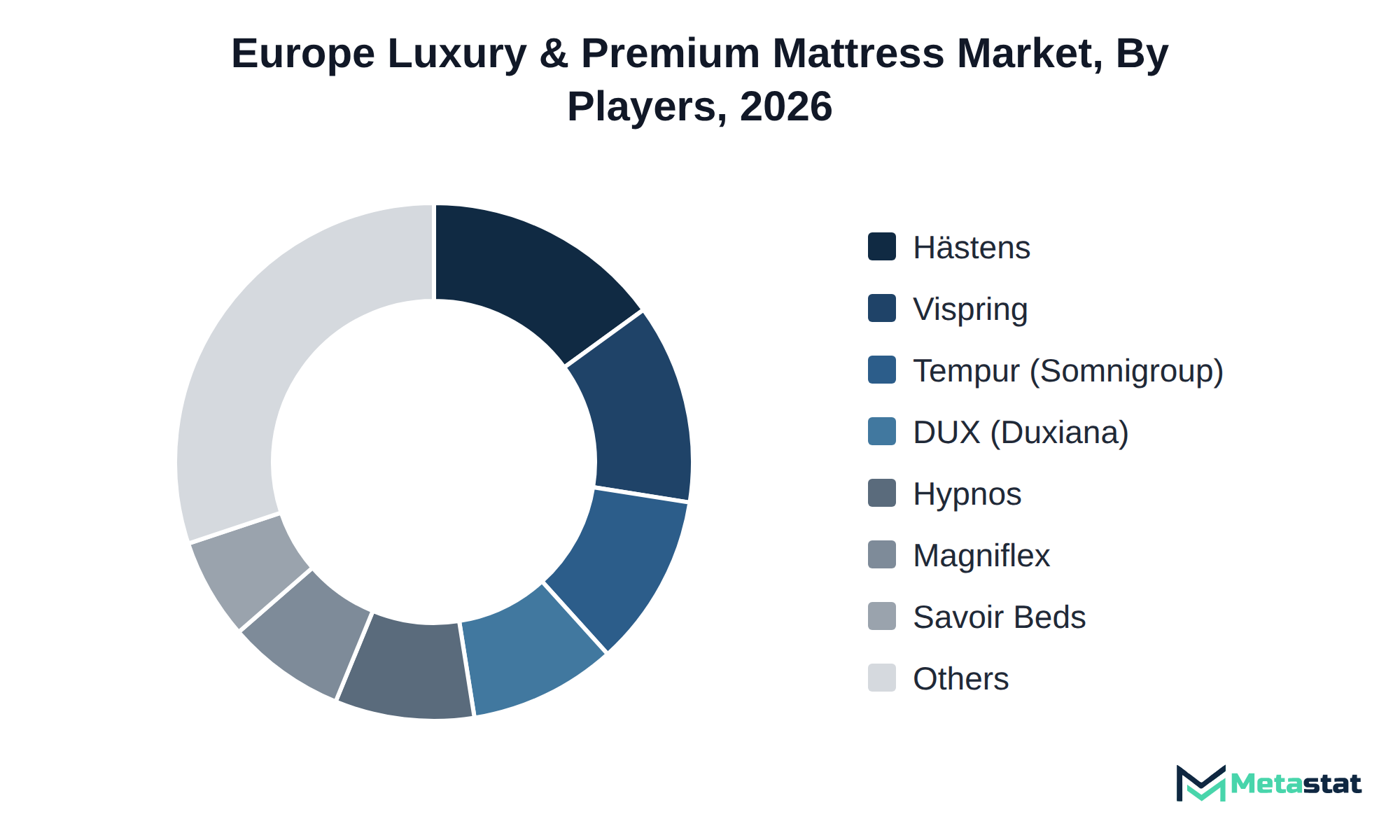
In the Europe Luxury & Premium Mattress market, companies distinguish themselves through product offerings, price points, and customer service. Key segments include hybrid, innerspring, memory foam, and latex mattresses, allowing buyers to select based on personal preference and comfort needs. Price tiers ranging from premium to ultra-luxury significantly influence purchasing decisions.
Hästens, a prominent player, emphasizes craftsmanship and high-quality materials, appealing to consumers seeking luxury. Vispring targets the high-end market with a focus on traditional manufacturing techniques. Emma - The Sleep Company leverages innovative design and competitive pricing to attract a broader audience, while Tempur (Somnigroup) positions itself in the premium segment, highlighting advanced material technology that enhances sleep quality.
To achieve this growth, several key developments require focus. Adoption of hybrid mattresses is projected to drive substantial revenue, with expectations of increasing consumer preference for versatile sleep solutions. Growth within this segment aligns with rising disposable incomes and heightened consumer awareness regarding sleep quality. However, potential economic downturns present a risk that hinders market progress. Economic fluctuations could lead to reduced consumer spending on luxury and premium products, adversely impacting the luxury mattress segment. Overall, the Europe Luxury & Premium Mattress market is expected to show promising growth potential, contingent upon these developments while remaining vigilant of external economic factors affecting consumer behavior.
By Product Type: Hybrid, Innerspring (Pocket Spring), Memory Foam, Latex, Others (Air-Based, Gel-Infused Foam, Natural Fibre)
By End-Use: Residential, Hospitality, Healthcare & Senior Living, Others (Student Housing, Cruise & Yachts, Serviced Residences)
By Region: Germany, France, UK, Italy, Spain, Russia, Rest of the Europe
The report strategically identifies and profiles the key market players and analyses their core competencies in each sub-segment of the Luxury & Premium Mattress market.
Report Attributes | Details |
Study Period | 2021-2033 |
Base Year | 2025 |
Estimated Year | 2026 |
Forecast Period | 2026-2033 |
Historical Period | 2021-2025 |
Growth Rate | CAGR 6.3% from 2026 to 2033 |
Revenue Unit | USD million |
Segmentation | By Product Type, Price Tier, End-Use, Region, and Region |
Find answers to common questions about this report
The Luxury & Premium Mattress market size was valued at USD 3,873.1 million in 2025.
The market is projected to grow at a CAGR of 6.3% during the forecast period from 2026 to 2033.
The Hybrid segment leads the Luxury & Premium Mattress market with a projected value of USD 2,407.1 million by 2033. This segment exhibits the highest growth rate at a CAGR of 7.8%.
Increasing consumer awareness regarding sleep quality drives affluent buyers toward high-end mattress options. Advancements in materials significantly impact the market, as manufacturers incorporate high-performance textiles and sustainable materials to cater to eco-conscious consumers.
Price sensitivity among consumers restricts adoption of high-end mattresses, resulting in slower purchase decisions in the residential sector. Rising material costs challenge suppliers, impacting profitability and forcing a reconsideration of sourcing strategies.
The Luxury & Premium Mattress market is estimated to reach a valuation of USD 6,317.8 million by 2033.
Key players operating in the Luxury & Premium Mattress market include Hästens, Vispring, Hypnos, Savoir Beds, DUX (Duxiana), Tempur (Somnigroup), and Emma - The Sleep Company.
The hybrid mattress segment is projected to achieve a CAGR of 7.8% from 2026 to 2033, reflecting a shift in consumer preferences toward versatile sleep solutions.
The residential segment is expected to rise from USD 2,962.5 million in 2026 to USD 4,392.1 million by 2033, emphasizing the growing focus on quality sleep.
Germany shows significant potential, with an anticipated increase in market value from USD 936.4 million in 2026 to USD 1,388 million by 2033.
The analysts below cover Consumer Goods research at Metastat Insights.
LEAD ANALYST
Utkarsh Khirodkar is a Lead Market Research Analyst at MetaStat Insight, specializing in market intelligence, technology sector assessments, and competitive strategy.
Decarbonizing industrial thermal processes hinges on refrigerant regulations and compressor efficiency limits. Metastat Insights delivered a thorough market analysis that evaluated natural refrigerants like CO2 and hydrocarbons against synthetic low-GWP alternatives. The breakdown of utility incentives and grid capacity constraints across key European manufacturing hubs offered valuable perspective. The follow-up conversation with their sector analysts addressed our specific questions on mechanical vapor recompression systems efficiently.
Assessing 200mm wafer transition schedules and substrate supply bottlenecks requires precise technical intelligence. MetaStat Insight supplied an actionable breakdown comparing planar and trench MOSFET architectures across automotive and industrial drive markets. The regional capacity estimates for Asia-Pacific foundries helped clarify lead-time uncertainties during our strategic planning session. When we needed additional clarification on high-purity raw material sourcing, their analyst team responded with helpful context within twenty-four hours.
Tracking maintenance cycle demand for secondary flight display units and terrain collision avoidance systems across regional jet fleets involves complex aftermarket dynamics. MetaStat Insight provided practical analysis separating airline retrofit programs from OEM forward-fit production schedules in North America and Southeast Asia. The supplier matrix highlighted component obsolescence timelines without resorting to vague generalizations. The dataset served as a dependable reference during our annual program review meetings.
Explore related market intelligence reports worth reading alongside this one.