
LEAD ANALYST
Utkarsh Khirodkar is a Lead Market Research Analyst at MetaStat Insight, specializing in market intelligence, technology sector assessments, and competitive strategy.

UK Bus, Coach Fleet Leasing, Rental and Finance Market Size, Share, By Vehicle Category (Minibuses, Light and Midi Buses, Full-size Single-deck Buses, Double-deck Buses, Standard and Intercity Coaches, Luxury and Executive Coaches, Other Specialist and Accessible Vehicles), By Service Type (Operating Lease, Finance Lease, Contract Hire, Rental), Industry Analysis, Growth, Trends, and Forecast, 2026-2033
Report ID
MSI-4809
Published
October, 2026
Pages
280 Pages
Format
Historical
Base year
Forecast
Forecast period
Report Details
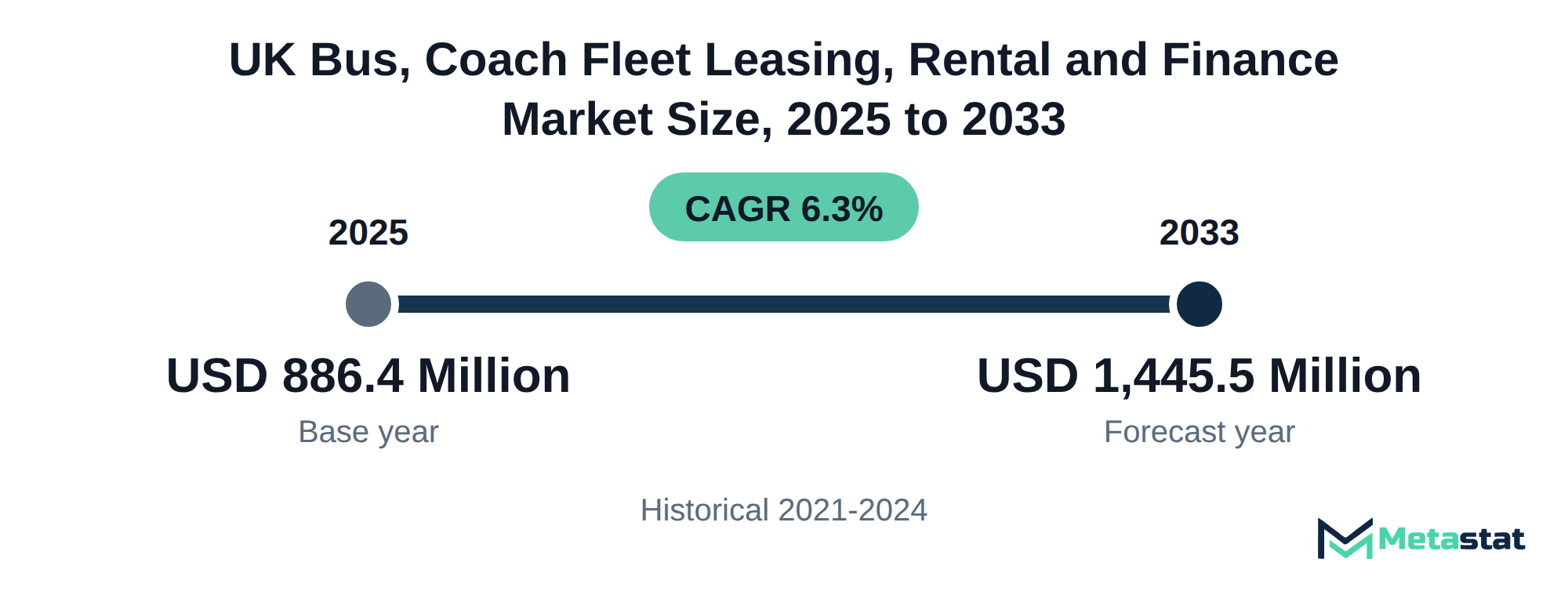
Market Valuation: Valued at $886.4 Million in 2025, projected to reach $1,445.5 Million by 2033 at a 6.3% CAGR.
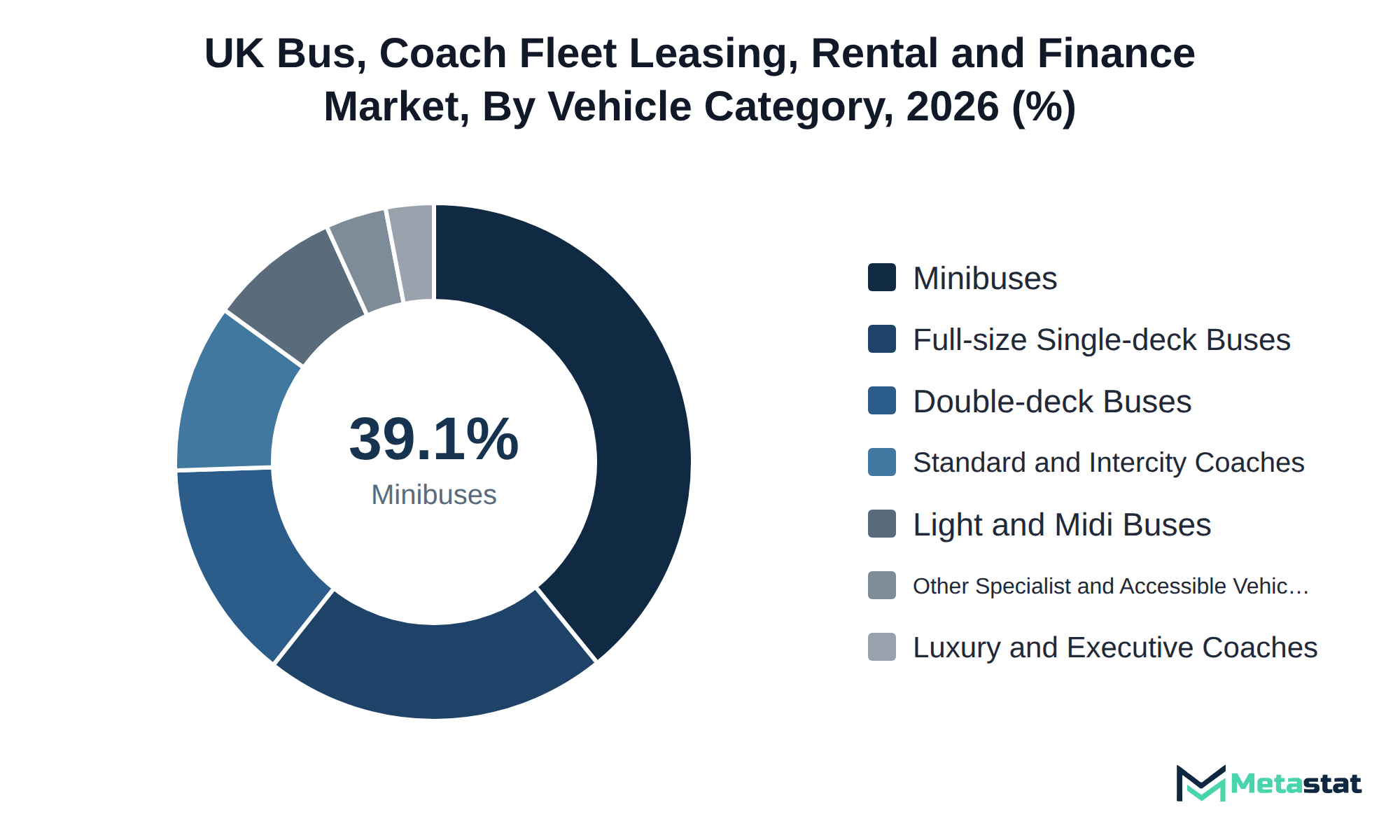
Dominant Segment: Minibuses lead the UK Bus, Coach Fleet Leasing, Rental and Finance market, driven by their versatility and lower operational costs, making them increasingly popular among urban transit agencies and private hire operators.
Geographic Lead: The UK stands out as the primary market for bus and coach leasing, with growth fueled by rising urbanization and the demand for efficient public transport systems.
What's Inside: This report provides a comprehensive analysis of market dynamics, competitive landscape, and forecasts for the period from 2026 to 2033, covering various vehicle categories and service types.
Emerging Technologies: Technological advancements, particularly in electric and hybrid vehicles, are reshaping the market, driving investment and enhancing operational efficiency for fleet operators.
Price Sensitivity: Price sensitivity among operators poses a challenge, as high acquisition costs slow the uptake of new vehicles, particularly affecting smaller operators with tighter budgets.
Choose Your License
UK Bus, Coach Fleet Leasing, Rental and Finance Market
The UK Bus, Coach Fleet Leasing, Rental and Finance market was valued at USD 886.4 million in 2025 and is projected to reach USD 1,445.5 million by 2033, growing at a CAGR of 6.3% over the forecast period.
The UK Bus, Coach Fleet Leasing, Rental and Finance market covers services and vehicles including minibuses, light and midi buses, full-size buses, and coaches. Buyers invest in these services to enhance operational efficiency, reduce capital expenditure, and ensure access to modern, sustainable transport solutions. The demand for leasing and rental services arises from various sectors, including public transportation, tourism, and logistics, which rely on flexible financing options to meet their vehicle requirements.
Growth in the market is driven by increasing urbanization and the subsequent demand for efficient public transport systems. Among the vehicle categories, minibuses represent the segment with the highest value, reflecting a trend toward smaller, more versatile vehicles that cater to varying transportation needs. The increasing focus on sustainability and environmental compliance has led to greater investments in this segment, with many operators seeking to modernize their fleets.
The UK bus and coach fleet leasing, rental and finance market is projected to expand at a significant compound annual growth rate over the forecast period. The operating lease segment stands out as a major contributor to this growth, appealing to businesses seeking flexibility in vehicle management. Organizations prioritize cost-effective solutions, and the need for accessible financing options influences purchasing decisions within the market.
The market encompasses a broad spectrum of leasing, rental, and financing options tailored for various vehicle categories, including minibuses, light and midi buses, and full-size buses. Investment in these services arises from the operational flexibility and reduced capital expenditure they offer to operators. Buyers, particularly in public transport and tourism industries, engage in these transactions to maintain a modern fleet without the burden of outright purchase costs.
Growth within the market is driven by increasing demand for sustainable transportation solutions, particularly in urban areas. Minibuses represent the segment with the most significant value, with operators seeking efficient alternatives to larger vehicles for short-distance travel. The UK Bus, Coach Fleet Leasing, Rental and Finance market is projected to expand strongly, with consistent investment from public and private sectors aimed at enhancing transportation infrastructure.
Continued innovation in vehicle technology, including electric and hybrid buses, enhances the attractiveness of leasing and rental options. The UK Bus, Coach Fleet Leasing, Rental and Finance market benefits from these advancements, aligning with the growing emphasis on sustainability and environmental responsibility. Such trends position the market for sustained growth through the forecast period, despite potential economic fluctuations.
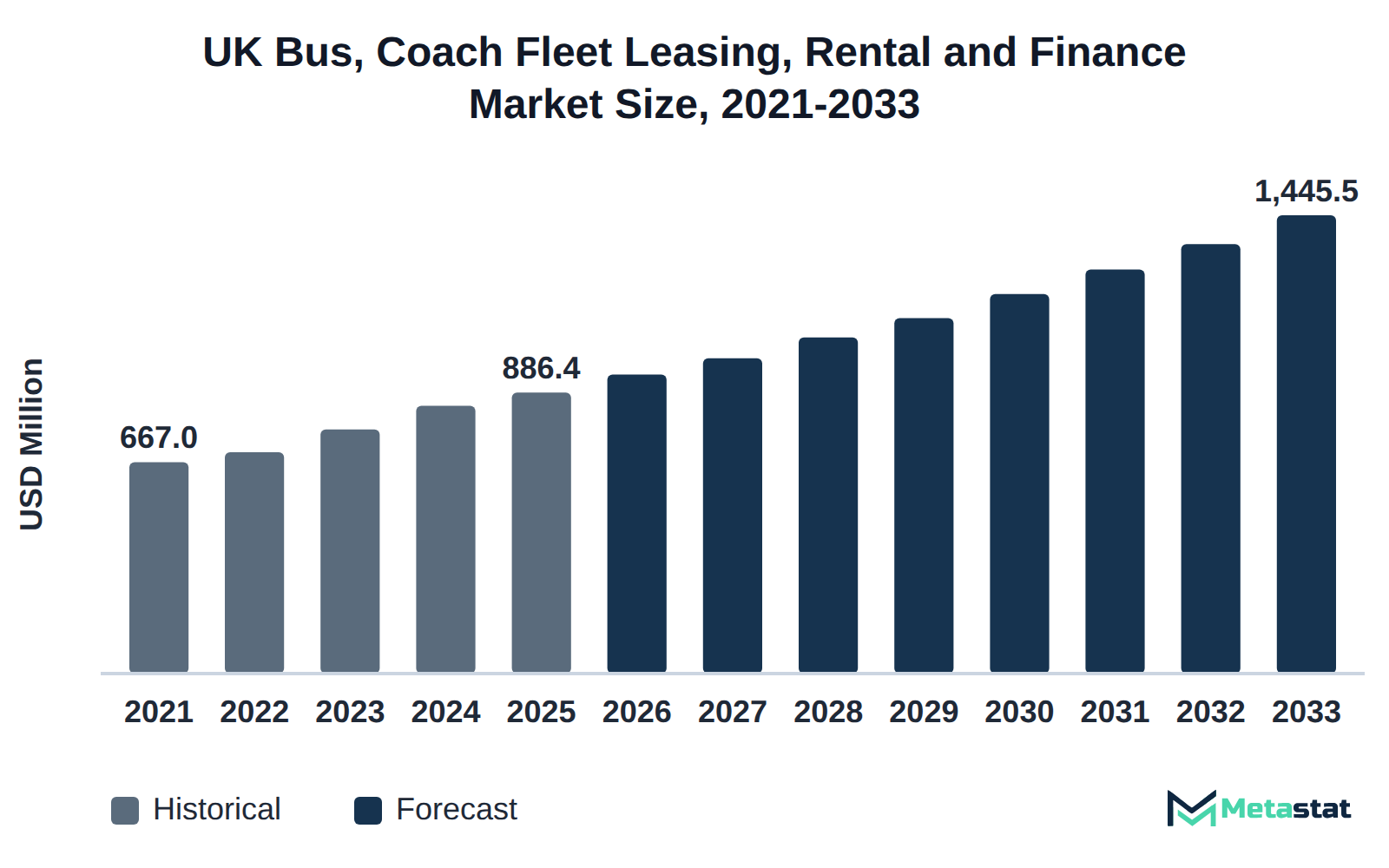
Electric bus financing introduces complexities surrounding battery ownership and residual value risk, presenting new challenges for stakeholders in the UK Bus, Coach Fleet Leasing, Rental and Finance market. The financing structure often determines who holds ownership of the battery, which significantly impacts the valuation of electric buses over time. This shift is driven by the growing adoption of commercial electric vehicles, with the market expected to see a considerable increase in demand for minibuses. The segment is projected to grow from USD 369 million in 2026 to USD 566.9 million by 2033, reflecting a compound annual growth rate of 6.3%.
Ownership models that separate battery ownership from vehicle ownership complicate residual value assessments. The battery’s lifespan and performance directly affect the vehicle's resale value, influencing leasing terms and conditions. A battery management system records battery condition, which can inform these resale value assessments. Companies engaged in leasing and financing develop strategies to mitigate the financial risks associated with battery depreciation. Properly addressing these concerns enhances competitiveness and profitability in the UK Bus, Coach Fleet Leasing, Rental and Finance market.
In the UK Bus, Coach Fleet Leasing, Rental and Finance market, the structure of contracts significantly influences purchasing decisions. Buyers often select between several common contract types, including operating leases, finance leases, and contract hire agreements. Each type presents distinct financial implications and operational flexibility, catering to different organizational needs.
The operating lease segment is projected to grow from USD 480.1 million in 2026 to USD 738.4 million by 2033, reflecting heightened interest in flexible financing solutions. This contract model typically allows buyers to avoid upfront capital expenditures while providing access to modern fleets. In contrast, finance leases require a higher initial investment but result in ownership at the end of the contract term. Such variations in contract structures are essential for buyers evaluating cash flow requirements and long-term operational strategies.
Understanding these contract models enables companies to make informed decisions that align with their financial and operational goals. Managing these contract structures effectively will optimize fleet management and financial performance in the UK Bus, Coach Fleet Leasing, Rental and Finance market.
Seasonal demand for coach rentals in the UK Bus, Coach Fleet Leasing, Rental and Finance market reflects distinct buyer needs. Customers, including travel agencies and corporate event planners, seek flexibility in vehicle availability during peak seasons. This demand surge occurs annually, particularly during summer and holiday periods, when tourism peaks and corporate events increase. The rental segment exhibits a compound annual growth rate of 7.4% driven by these seasonal fluctuations.
Operating within this context, companies that offer rental services experience heightened pressure to optimise fleet utilisation. Effective management of fleet size and availability directly affects profit margins. Reduced idle time of vehicles during off-peak periods enhances revenue generation potential. Companies focusing on efficient fleet management strategies capitalise on seasonal peaks while minimising costs associated with underutilisation.
The impact of these dynamics on the market is significant. Seasonal fluctuations drive rental revenues, creating opportunities for growth in fleet leasing and rental services. Revenue management practices help rental providers align pricing and availability with demand variability. Companies equipped to manage demand variability and fleet efficiency secure a competitive edge in the UK Bus, Coach Fleet Leasing, Rental and Finance market.
Choosing the right financing option significantly impacts operational efficiency and cost management for bus and coach operators in the UK Bus, Coach Fleet Leasing, Rental and Finance market. Operating leases represent a viable option, allowing operators to manage cash flow effectively while accessing the latest vehicle models without large upfront investments. This growth indicates strong market confidence in leasing, a flexible financing method.
Rental options provide another alternative for operators seeking short-term solutions. Rental services enable operators to adapt quickly to changing demand without the long-term commitment associated with purchases or leases. The rental segment experiences a CAGR of 7.4%, illustrating increasing operator interest in this flexible financing choice. Each of these financing methods, leasing and rental, addresses distinct operational needs while influencing the overall financial health of the business. Operators evaluate their specific requirements to determine the most beneficial option within the UK Bus, Coach Fleet Leasing, Rental and Finance market.
Growing public interest in sustainable transport solutions drives increased demand for bus and coach services. Local authorities and transport operators prioritize environmentally friendly options, resulting in higher fleet utilization rates. This shift reflects a broader trend toward reduced carbon emissions, influencing purchasing decisions. Enhanced awareness around climate change, coupled with urban congestion, compels operators to invest in more efficient vehicles. This transition leads to improvements in service offerings, enhancing overall passenger satisfaction and contributing to long-term growth in the UK Bus, Coach Fleet Leasing, Rental and Finance market.
Technological advancements significantly influence the UK Bus, Coach Fleet Leasing, Rental and Finance market. Innovations in vehicle design, including the development of electric and hybrid buses, attract investment from operators seeking to enhance fuel efficiency and reduce emissions. Suppliers respond by expanding their offerings to include modern vehicles equipped with advanced telematics and connectivity features, which improve operational efficiency and fleet management. These technologies enable operators to optimize route planning and monitor vehicle performance, leading to reduced operational costs and enhanced service delivery. Route planning and vehicle monitoring tools of this kind sit within the broader field of intelligent transportation systems.
Increased vehicle automation and improved safety features create a competitive advantage for operators, driving their preference for modernized fleets. Operators recognize the value of adopting these technologies, resulting in rising demand for leasing and rental solutions. This trend reflects the market's responsiveness to evolving customer expectations and regulatory pressures surrounding sustainability and safety. Emerging technologies improve fleet performance and offer significant opportunities for growth within the market.
Price sensitivity among operators acts as a significant restraint in the UK Bus, Coach Fleet Leasing, Rental and Finance market. High costs associated with acquiring new vehicles result in slower uptake of the latest models, particularly affecting smaller operators who typically have tighter budgets. Consequently, these operators often delay replacements and opt for maintaining older vehicles longer than ideal. This hesitation impacts operational efficiency, with aged fleets typically incurring higher maintenance costs and lower fuel efficiency. The financial implications of upgrading fleets deter investment in new technologies and sustainable options, which could enhance service delivery. This price constraint restricts growth potential and limits the adoption of advanced fleet solutions among operators.
Rising operational costs present a significant challenge for suppliers in the UK Bus, Coach Fleet Leasing, Rental and Finance market. Factors contributing to this increase include talent acquisition expenses and heightened competition for skilled labor, driving up talent costs. Suppliers respond to these pressures by enhancing operational efficiency and exploring intelligent automation technologies to reduce reliance on manual processes, thereby improving margins. Many firms focus on investing in employee training and development initiatives to improve productivity and retention. Suppliers are reallocating resources to streamline service delivery and optimize fleet management, leading to reduced overhead costs. These strategic measures aim to maintain competitiveness while ensuring high service quality, ultimately supporting sustained demand in the market.
Minibuses represent a significant growth opportunity within the UK Bus, Coach Fleet Leasing, Rental and Finance market. This upward trend reflects operator preferences for flexible and cost-effective transport solutions, particularly among urban transit agencies and private hire operators. Increasing demand for efficient, smaller vehicles aligns with an emphasis on sustainability and reduced operational costs. Consequently, the expansion of operating lease models for minibuses presents a strategic avenue for financing companies to cater to this growing segment. Targeting this under-penetrated area allows lessors and finance providers to enhance market share and establish stronger competitive positions.
The UK Bus, Coach Fleet Leasing, Rental and Finance market is segmented based on Vehicle Category, Service Type.
Commonly used by community transport services, schools, and corporate entities, minibuses support various transportation needs, facilitating group travel in urban and rural settings. Demand for this segment increases due to a rising focus on efficient, cost-effective transport solutions. Compared to other vehicle categories, minibuses exhibit significant growth, driven by their versatility, lower operational costs, and ability to navigate congested areas. This growth outpaces several segments, including Full-size Single-deck Buses, which command higher pricing and present different operational dynamics. The market anticipates that the positive trajectory for minibuses will continue, reflecting increased adoption and investment in this category.
Light and Midi Buses segment is estimated to reach USD 121.1 million by 2033, at a CAGR of 6.6% during the forecast period. These vehicles serve various purposes, including public transport, shuttle services, and private hires. Local authorities and transportation companies primarily engage this segment, driven by increasing demand for accessible and efficient urban mobility solutions. The segment's growth reflects a notable shift towards smaller, more flexible transport solutions compared to larger vehicle categories. Light and Midi Buses offer operators lower operating costs and greater fuel efficiency, appealing to budget-conscious buyers. While the segment demonstrates faster growth than Full-size Single-deck Buses, which do not exhibit projected CAGR figures, it faces challenges from rising operational costs impacting overall profitability. These dynamics highlight the segment's potential within the UK Bus, Coach Fleet Leasing, Rental and Finance market.
Full-size Single-deck Buses segment is expected to reach USD 320.2 million by 2033. This segment primarily serves public transport needs, catering to operators focused on providing affordable and efficient transportation solutions. Demand for full-size single-deck buses is increasing due to the need for urban mobility and the growing preference for public transport options. This segment benefits from stable financing conditions, encouraging operators to procure new vehicles. Compared to other segments, including minibuses, full-size single-deck buses attract a different buyer profile, including larger transport companies and municipalities, impacting overall pricing and growth patterns. The segment's value reflects its contribution to operational efficiency in urban environments and to market expansion.
Double-deck Buses segment is projected to grow at a CAGR of 5.7% during the forecast period. This segment primarily serves urban transportation markets, providing efficient mass transit solutions for passengers. Operators, including public transit authorities and private bus companies, use double-deck buses to maximize passenger capacity and reduce operational costs. The growing demand for urban mobility solutions drives investment in double-deck buses, emphasizing their role in reducing traffic congestion and environmental impact. Compared to other vehicle categories, this segment experiences slower growth, influenced by higher initial capital costs and regulatory compliance for larger vehicles. Double-deck buses help operators improve service efficiency while meeting increasing passenger demand. The market for double-deck buses remains competitive, with manufacturers focusing on innovations in fuel efficiency and passenger comfort, further enhancing their attractiveness to buyers.
Standard and Intercity Coaches involve vehicles specifically designed for longer-distance travel, catering to a broad audience, including commuters and tourists. This segment supports intercity connections and longer journeys, often serving key transportation routes. Online bus ticketing is one channel through which passengers book these journeys. Demand for this segment is primarily driven by the increasing need for affordable and efficient travel options, particularly among passengers seeking convenient alternatives to personal vehicles. Factors including urbanization and rising fuel costs contribute to this demand. Compared to other segments, Standard and Intercity Coaches exhibit slower growth due to market saturation and established competition. This segment features higher operational costs, impacting pricing strategies and influencing buyer decisions.
Luxury and Executive Coaches provide premium transportation options for corporate events, weddings, and special occasions. This segment attracts clients seeking high-quality travel experiences, often involving comfortable seating, sophisticated interiors, and additional amenities. Demand for Luxury and Executive Coaches is influenced by the growing trend of corporate travel and event management, where businesses prioritize comfort and style during transportation. Unlike other segments, including Minibuses or Standard Coaches, this segment typically commands higher prices due to its specialized services and features. The market for Luxury and Executive Coaches experiences distinct growth patterns compared to broader categories, reflecting shifts in consumer preferences towards luxury travel experiences. The unique positioning of this segment aligns with affluent clientele and corporate customers, highlighting consistent demand for high-end transport options that differentiate it from more standard offerings in the market.
Other Specialist and Accessible Vehicles include unique vehicle designs tailored for specific requirements, including those catering to individuals with disabilities. These vehicles find applications in various sectors, including community transport and specialized travel services, serving users who require tailored mobility solutions. Demand for such vehicles often increases due to heightened awareness around inclusivity and accessibility. This segment faces challenges related to regulatory compliance and the need for specialized features, which increase acquisition costs. Compared to other vehicle categories, this sub-segment experiences slower growth due to its niche nature and the limited number of buyers focused on accessibility solutions, contrasting with more broadly applicable categories including minibuses or full-size buses. The market for these specialized vehicles emphasizes the importance of meeting specific user needs, driving innovation in design and functionality.
This segment serves a variety of clients, including public transport operators and private companies seeking flexible financing solutions for fleet management. The increasing demand for budget-friendly leasing options drives growth in this segment, particularly among smaller operators who benefit from the ability to avoid upfront capital expenditure on vehicles. Compared to other service types, the Operating Lease segment experiences a steadier growth rate, contrasting with Contract Hire, which experiences fluctuations driven by economic conditions. The predictable monthly payments associated with operating leases enhance financial planning for operators, further stimulating segment demand. Investment in new technologies and vehicles continues to support competitiveness and operational efficiency in the market.
Finance Lease segment is estimated to reach USD 187 million by 2033, at a CAGR of 5.5% during the forecast period. This segment caters primarily to operators seeking financial flexibility without the ownership burden of assets. Businesses in the public transportation sector engage in finance leasing to acquire buses and coaches while retaining capital for other operational needs. The growing trend of operators seeking cost-effective solutions positions this segment for steady growth, driven by the need for access to modern fleets without upfront purchase costs. Compared to other service types, finance leases typically offer lower initial payments than operating leases, making them an attractive option for smaller operators looking to expand their services while managing cash flow effectively. In the market, the finance lease segment exhibits more modest growth compared to the rental segment, which experiences a higher CAGR of 7.4% due to rising demand for flexible vehicle usage.
Contract Hire segment is expected to reach USD 344.9 million by 2033. This segment effectively serves businesses seeking flexibility in fleet management without long-term ownership commitments. Typically used by various operators, it allows access to necessary vehicles without significant capital expenditure. One prominent factor driving this segment involves the growing demand for cost-effective fleet solutions amid fluctuating economic conditions. Contract Hire differentiates itself from other service types through its structured pricing and lower upfront costs, appealing to operators seeking predictable expenses. While Operating Lease reflects a similar strategy, Contract Hire offers tailored agreements based on specific vehicle requirements. Such distinctions contribute to a competitive environment where the Contract Hire segment is expected to thrive within the UK Bus, Coach Fleet Leasing, Rental and Finance market.
Rental is projected to grow at a CAGR of 7.4% during the forecast period. This segment caters to operators seeking flexible access to vehicle fleets without the long-term commitment of ownership. It primarily serves various transportation entities, including public transit authorities and private operators, looking to manage costs while responding to fluctuating demand. The increasing preference for short-term vehicle availability drives growth in this segment. Unlike other service types, including Operating Lease, which anticipates a CAGR of 6.3%, the Rental segment demonstrates a more rapid growth trajectory. While Operating Lease emphasizes long-term commitments with set terms, the Rental segment offers more agility, appealing to businesses that require immediate flexibility in operations. This differentiation enhances the attractiveness of the Rental segment within the UK Bus, Coach Fleet Leasing, Rental and Finance market.
This segment encompasses various financing solutions not categorized under the defined service types, including unique arrangements tailored to specific client needs. Companies frequently apply these flexible options to meet diverse operational requirements, often adapting to niche markets or specific fleet needs. Demand for these services arises from evolving market dynamics, including fluctuating economic conditions and the need for cost-efficient solutions. This segment distinguishes itself through its customized offerings, appealing to clients seeking alternatives to traditional financing methods. Unlike the Operating Lease segment, which experiences steady growth, the Others segment provides tailored solutions that attract clients desiring flexibility, often leading to varied growth trajectories compared to other service types. The UK Bus, Coach Fleet Leasing, Rental and Finance market continues to evolve, and this segment adds to the financing options available to operators.
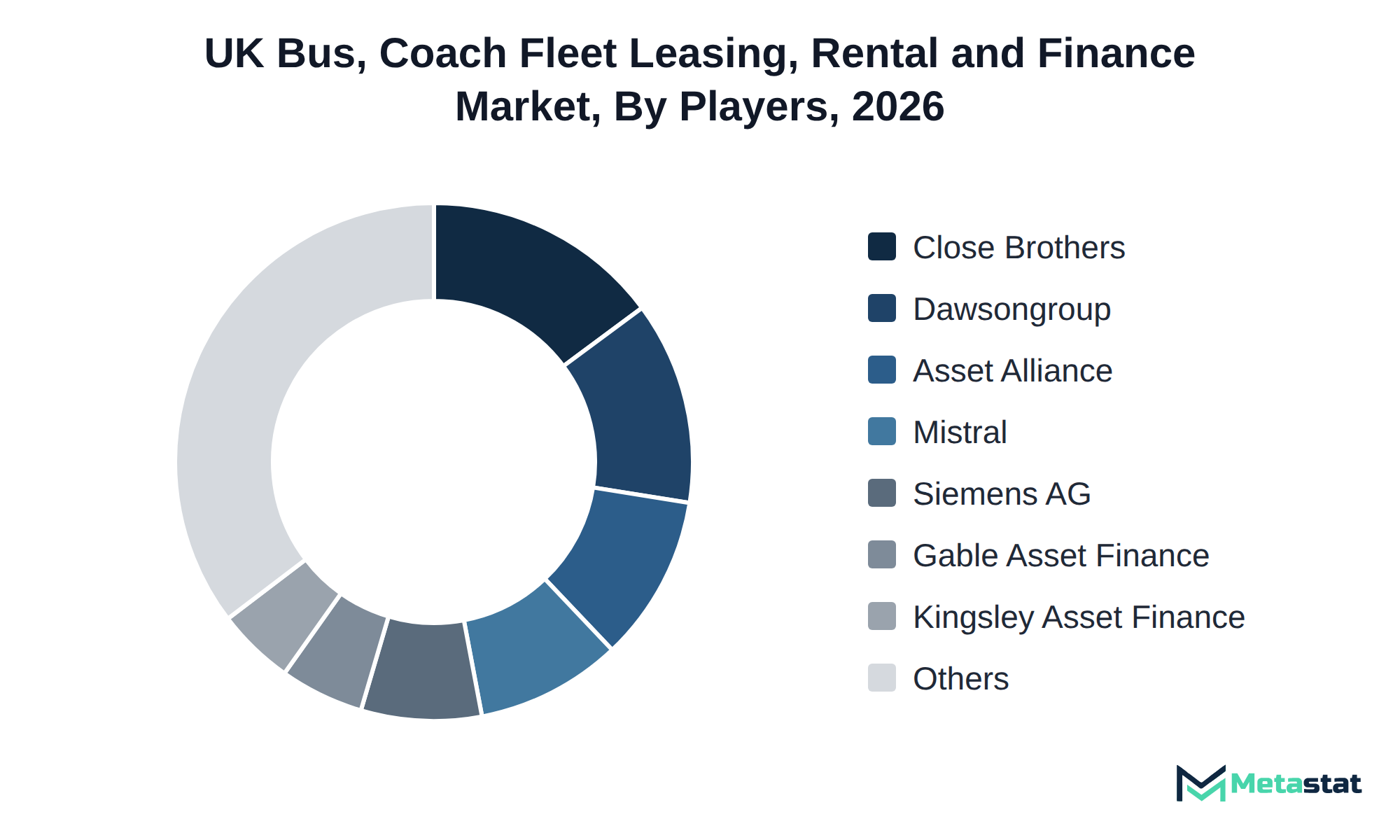
The competitive landscape in the UK Bus, Coach Fleet Leasing, Rental and Finance market features a variety of companies that differentiate themselves through diverse service offerings and business models. Key segments include operating leases, finance leases, contract hire, and rental services. Companies compete based on factors including price, service quality, and customization options, which are significant to buyers in this sector.
Asset Alliance Group emphasizes its extensive portfolio of leasing options, providing flexibility to customers. Close Brothers Group plc focuses on finance solutions tailored to specific customer needs. Dawsongroup Limited invests in technology to improve service delivery and enhance customer experience, establishing a benchmark in the market.
Growth over the forecast period relies on several key developments within the UK Bus, Coach Fleet Leasing, Rental and Finance market. This trend reflects a shift in customer preference towards flexible financing options. The demand for minibuses stems from their suitability for various applications, including community transport and school services. Risks including economic fluctuations and rising costs for fleet maintenance hinder this growth trajectory. Suppliers and operators face challenges if operational costs increase significantly. Such conditions influence investment decisions within the market. The UK Bus, Coach Fleet Leasing, Rental and Finance market stands at a critical point, where strategic responses to these developments shape its future trajectory.
By Vehicle Category: Minibuses, Light and Midi Buses, Full-size Single-deck Buses, Double-deck Buses, Standard and Intercity Coaches, Luxury and Executive Coaches, Other Specialist and Accessible Vehicles
By Service Type: Operating Lease, Finance Lease, Contract Hire, Rental, Others
The report strategically identifies and profiles the key market players and analyses their core competencies in each sub-segment of the Bus, Coach Fleet Leasing, Rental and Finance market.
|
Report Attributes |
Details |
|
Study Period |
2021-2033 |
|
Base Year |
2025 |
|
Estimated Year |
2026 |
|
Forecast Period |
2026-2033 |
|
Historical Period |
2021-2025 |
|
Growth Rate |
CAGR 6.3% from 2026 to 2033 |
|
Revenue Unit |
USD million |
|
Segmentation |
By Vehicle Category, Service Type, and Region |
Find answers to common questions about this report
The Bus, Coach Fleet Leasing, Rental and Finance market size was valued at USD 886.4 million in 2025.
The market is projected to grow at a CAGR of 6.3% during the forecast period from 2026 to 2033.
Operating Lease leads the Bus, Coach Fleet Leasing, Rental and Finance market with a projected value of USD 738.4 million by 2033. This segment shows significant growth potential, driven by increasing demand for flexible financing options.
Growing public interest in sustainable transport solutions drives increased demand for bus and coach services. Technological advancements, including the development of electric and hybrid buses, attract investment from operators seeking to enhance fuel efficiency and reduce emissions.
Price sensitivity among operators restrains growth in the Bus, Coach Fleet Leasing, Rental and Finance market, with high costs for acquiring new vehicles resulting in slower uptake of the latest models. Rising operational costs, driven by talent acquisition expenses and increased competition for skilled labor, further challenge suppliers in this market.
Growing public interest in sustainable transport solutions and technological advancements favor adoption in the UK Bus, Coach Fleet Leasing, Rental and Finance market. The rise of electric and hybrid buses, along with enhanced telematics and connectivity features, attracts investment from operators seeking improved efficiency and reduced emissions.
The Bus, Coach Fleet Leasing, Rental and Finance market is estimated to reach a valuation of USD 1,445.5 million by 2033.
Key players operating in the Bus, Coach Fleet Leasing, Rental and Finance market include Asset Alliance Group, Dawsongroup Limited, Mistral Group, Close Brothers Group plc, Siemens AG, and Gable Asset Finance.
The minibus segment is projected to grow from USD 369 million in 2026 to USD 566.9 million by 2033, reflecting a compound annual growth rate of 6.3 percent.
Growing public interest in sustainable transport solutions drives demand for environmentally friendly options. Technological advancements in vehicle design, including electric and hybrid buses, attract investment from operators.
The analysts below cover Automotive and Transportation research at Metastat Insights.
LEAD ANALYST
Utkarsh Khirodkar is a Lead Market Research Analyst at MetaStat Insight, specializing in market intelligence, technology sector assessments, and competitive strategy.

ENERGY & INFRASTRUCTURE INDUSTRY CONSULTANT
Automotive and Transportation · Electronics and Semiconductor · Energy and Power · Machinery & Equipment
Saurabh Vasant Ganvir consults for Energy & Infrastructure Industry at MetaStat Insight, specializing in renewable energy, solar EPC, and electric vehicle (EV) infrastructure markets.
Decarbonizing industrial thermal processes hinges on refrigerant regulations and compressor efficiency limits. Metastat Insights delivered a thorough market analysis that evaluated natural refrigerants like CO2 and hydrocarbons against synthetic low-GWP alternatives. The breakdown of utility incentives and grid capacity constraints across key European manufacturing hubs offered valuable perspective. The follow-up conversation with their sector analysts addressed our specific questions on mechanical vapor recompression systems efficiently.
Assessing 200mm wafer transition schedules and substrate supply bottlenecks requires precise technical intelligence. MetaStat Insight supplied an actionable breakdown comparing planar and trench MOSFET architectures across automotive and industrial drive markets. The regional capacity estimates for Asia-Pacific foundries helped clarify lead-time uncertainties during our strategic planning session. When we needed additional clarification on high-purity raw material sourcing, their analyst team responded with helpful context within twenty-four hours.
Tracking maintenance cycle demand for secondary flight display units and terrain collision avoidance systems across regional jet fleets involves complex aftermarket dynamics. MetaStat Insight provided practical analysis separating airline retrofit programs from OEM forward-fit production schedules in North America and Southeast Asia. The supplier matrix highlighted component obsolescence timelines without resorting to vague generalizations. The dataset served as a dependable reference during our annual program review meetings.
Explore related market intelligence reports worth reading alongside this one.
Starting from
$2950