
LEAD ANALYST
Utkarsh Khirodkar is a Lead Market Research Analyst at MetaStat Insight, specializing in market intelligence, technology sector assessments, and competitive strategy.

Global Mesenchymal Stem Cells Market Size, Share, By Cell Source (Bone Marrow-Derived Mesenchymal Stem Cells (BM-MSCs), Adipose Tissue-Derived Mesenchymal Stem Cells (AD-MSCs), Umbilical Cord-Derived Mesenchymal Stem Cells (UC-MSCs), Dental Pulp-Derived Mesenchymal Stem Cells, Amniotic and Placental Tissue-Derived Mesenchymal Stem Cells and Others (Synovial Membrane-Derived MSCs, Peripheral Blood-Derived MSCs), By Cell Type (Autologous Mesenchymal Stem Cells and Allogeneic Mesenchymal Stem Cells), By Application (Orthopedic and Musculoskeletal Disorders, Cardiovascular Diseases, Neurological Disorders, Immunological and Inflammatory Diseases, Wound Healing and Vascular Disorders, Regenerative Medicine and Tissue Engineering and Others (Metabolic Disorders, Pulmonary Disorders), By End User (Hospitals and Specialty Clinics, Pharmaceutical and Biotechnology Companies, Academic and Research Institutes, Contract Research Organizations (CROs), Cell Banks and Biobanks and Contract Development and Manufacturing Organizations (CDMOs), Industry Analysis, Growth, Trends, and Forecast, 2026-2033
Report ID
MSI-5703
Published
November, 2026
Pages
301 Pages
Format
Historical
Base year
Forecast
Forecast period
Report Details
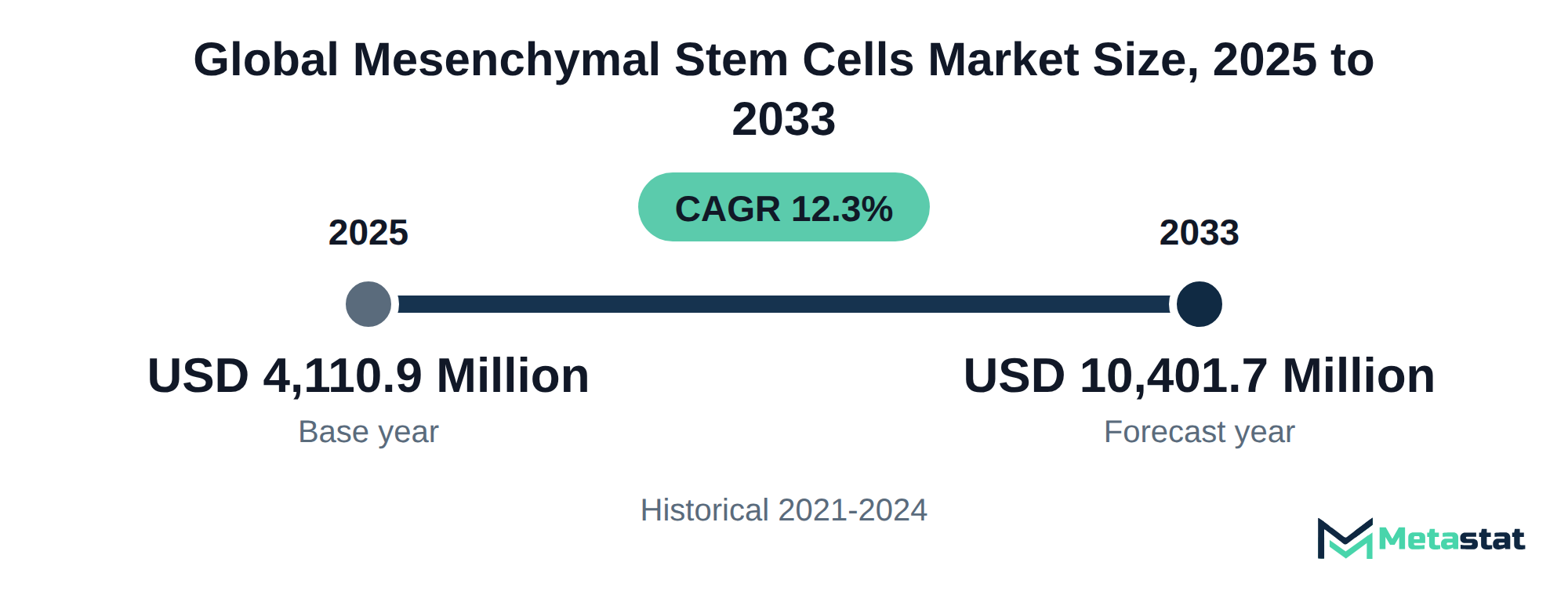
Market Valuation: Valued at $4,110.9 Million in 2025, projected to reach $10,401.7 Million by 2033 at a 12.3% CAGR.
Dominant Segment: Adipose Tissue-Derived Mesenchymal Stem Cells (AD-MSCs) lead the market, driven by their strong growth trajectory and application in regenerative medicine.
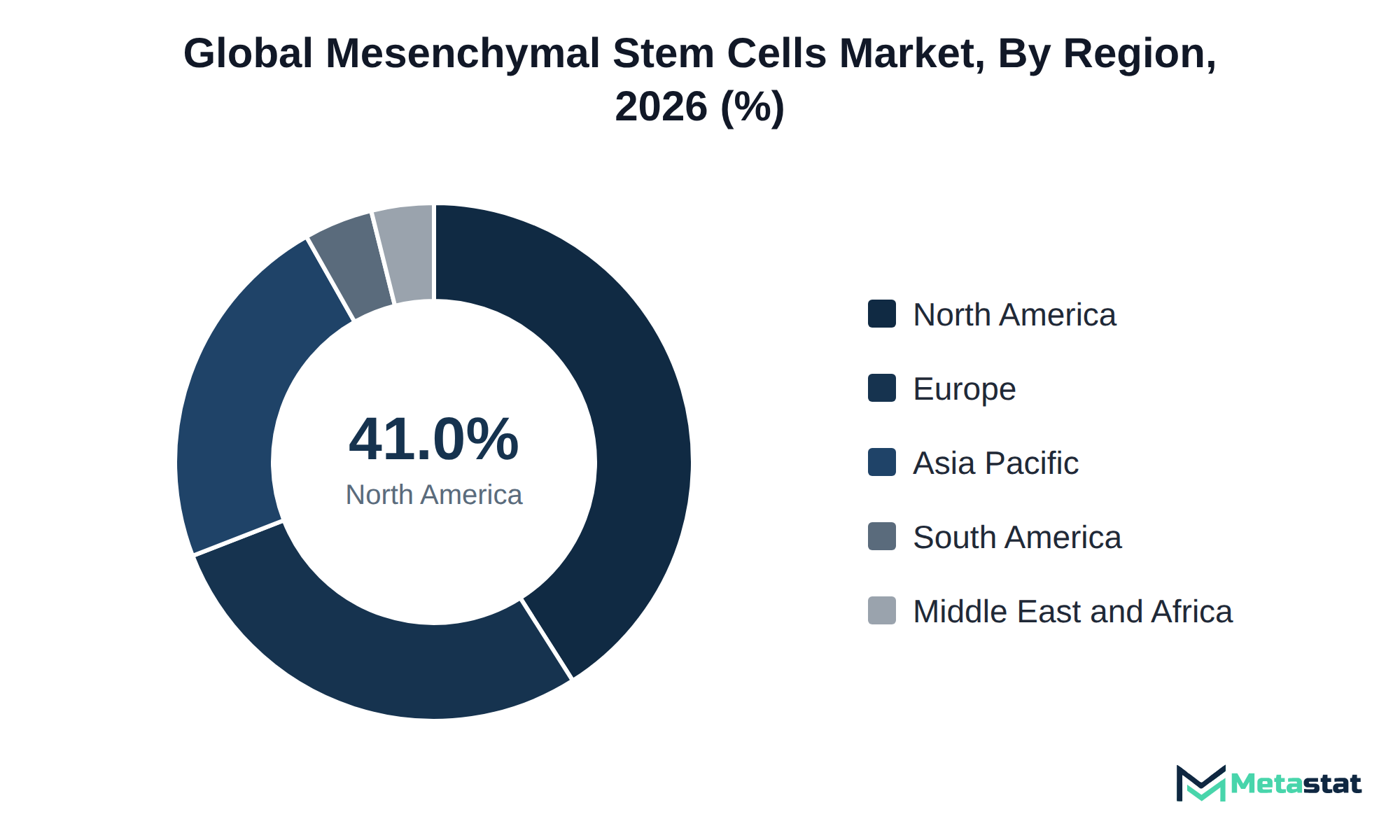
Geographic Lead: North America dominates the market with a 41.0% share in 2025, bolstered by advanced healthcare infrastructure and significant investments in research.
What's Inside: The report provides in-depth competitive coverage, market analyses, and forecasts spanning from 2026 to 2033, focusing on various cell sources and applications.
Emerging Applications: Orthopedic and musculoskeletal disorders represent a key growth area, with a projected CAGR of 10.8% from 2026 to 2033, highlighting the demand for innovative therapies.
Clinical Research Investment: Increased investment in clinical research for regenerative therapies is driving market growth, particularly among hospitals and specialty clinics.
Choose Your License
Global Mesenchymal Stem Cells Market
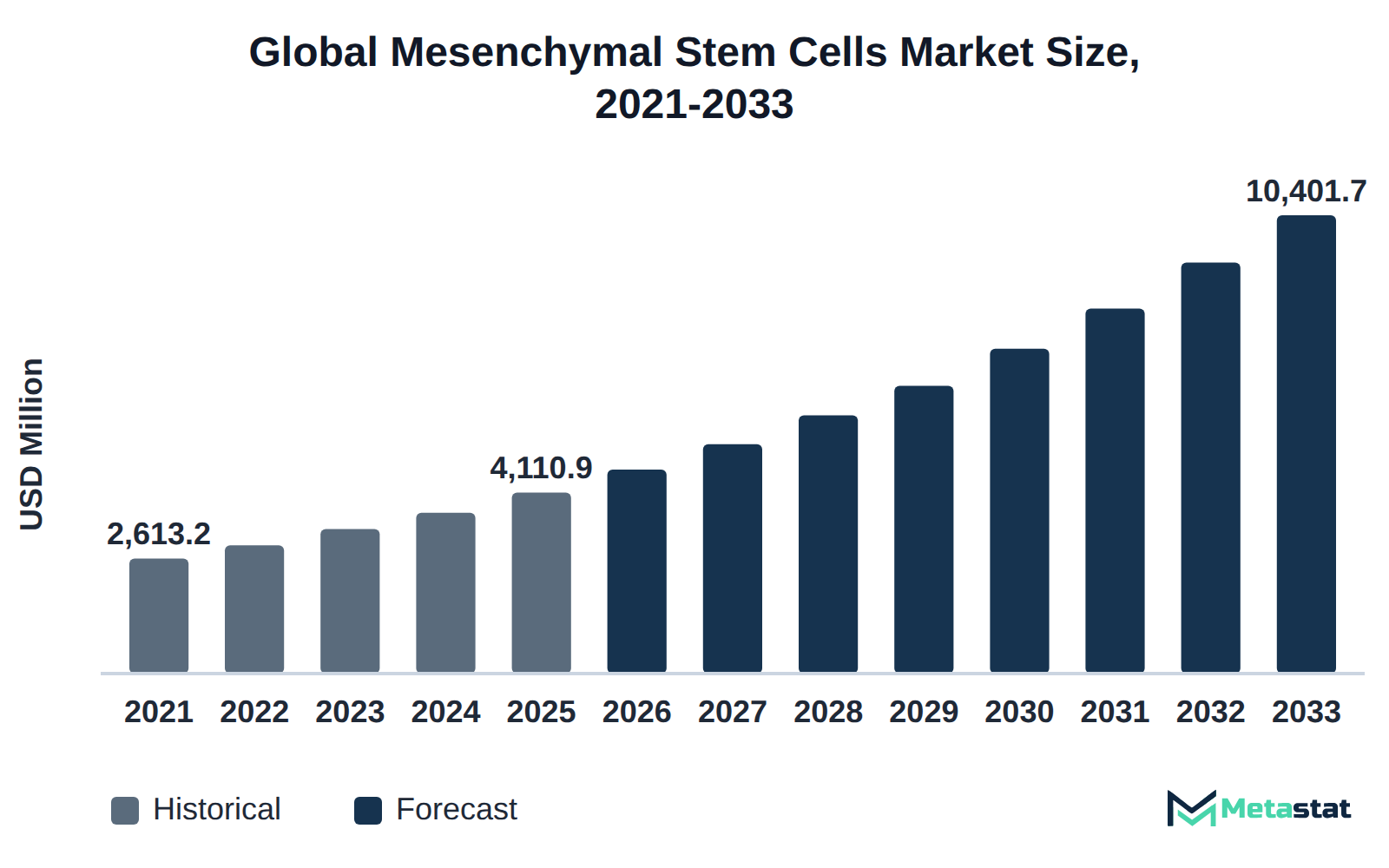
The global Mesenchymal Stem Cells market was valued at USD 4,110.9 million in 2025 and is projected to reach USD 10,401.7 million by 2033, growing at a CAGR of 12.3% over the forecast period.
The Mesenchymal Stem Cells market encompasses a range of cellular therapies derived from various sources, including bone marrow, adipose tissue, and umbilical cord. These therapies find application in treating orthopedic, cardiovascular, and neurological disorders. Buyers invest in these therapies to meet unmet medical needs, improve patient outcomes, and benefit from advances in regenerative medicine, resulting in significant spending across healthcare sectors.
Growth in the market is driven by the increasing prevalence of chronic diseases and the rising demand for effective treatment options. The segment of Adipose Tissue-Derived Mesenchymal Stem Cells (AD-MSCs) holds considerable value, contributing to the overall expansion of the market. North America holds 41.0% of the market in 2025, with the US leading in 2026. This region's advanced healthcare infrastructure, robust research initiatives, and high adoption rates of innovative therapies support its dominant position.
Investments in research and development focused on regenerative medicine enhance market potential. Key players are actively exploring new applications and formulations, expanding the therapeutic scope of mesenchymal stem cells. This focus on innovation creates competitive advantages and shapes market dynamics, supporting sustained growth in the coming years.
The Mesenchymal Stem Cells market includes therapies that address various medical conditions through the use of stem cells extracted from diverse sources. Buyers invest significantly in these therapies due to their potential to treat a wide range of diseases, including orthopedic, cardiovascular, and neurological disorders. This investment is driven by the increasing prevalence of chronic diseases and the growing acceptance of regenerative medicine approaches within healthcare systems.
Growth in the market is propelled by advancements in stem cell research and technology, particularly in the field of allogeneic mesenchymal stem cells, which exhibit substantial value. North America benefits from well-established healthcare infrastructure and significant investments in research and development, contributing to its dominant market position.
The demand for effective treatment options drives innovation and development within the market. The increasing focus on personalized medicine and the rise in clinical applications for mesenchymal stem cells further enhance market potential. Investment in this area not only drives revenue growth but expands access to advanced therapeutic solutions for patients worldwide.
Umbilical cord-derived mesenchymal stem cells (UC-MSCs) are emerging as a key component in the advancement of allogeneic cell therapies. The segment is expected to reach USD 2,979 million by 2033, illustrating significant growth potential within the Mesenchymal Stem Cells market. This growth is driven by the unique properties of UC-MSCs, which include lower immunogenicity and higher proliferation rates compared to other cell sources. These characteristics support their use in a wide range of therapeutic applications, providing a robust platform for clinical development.
The increase in UC-MSC applications in various therapeutic areas reflects a broader trend toward allogeneic therapies, which employ donor cells rather than patient-specific ones. With the market for allogeneic mesenchymal stem cells projected to reach USD 7,006.6 million by 2033, these therapies present an attractive option for addressing critical healthcare challenges. This shift toward allogeneic solutions enhances accessibility and reduces the logistical constraints associated with autologous therapies, ultimately promoting wider adoption in clinical settings.
The purchasing dynamics in the mesenchymal stem cells market reflect a transition towards diversified contract models and pricing strategies. Buyers increasingly favor agreements that offer flexibility and scalability, allowing easier integration of mesenchymal stem cells into their operations. For instance, hospitals and specialty clinics, which accounted for USD 1,463.8 million in 2026, seek to establish long-term partnerships with suppliers to secure consistent quality and supply. These relationships enable better negotiation terms and more predictable pricing structures.
Contract terms often include provisions for bulk purchasing discounts and tiered pricing based on volume commitments. This shift enhances financial planning and reduces procurement costs for buyers. While the market continues to grow, with projections reaching USD 10,401.7 million by 2033, effective purchasing strategies will matter for maintaining competitive advantage. Innovative pricing models increase buyer satisfaction and loyalty, ultimately creating a more robust supply chain in the mesenchymal stem cells market.
The increasing demand for Mesenchymal Stem Cells has prompted significant investments in commercial-scale manufacturing and bioprocess innovation. In 2025, the market value reached USD 4,110.9 million, with projections indicating a rise to USD 10,401.7 million by 2033, reflecting a compound annual growth rate (CAGR) of 12.3%. Such growth emphasizes the need for enhanced manufacturing capabilities and innovative processes in cell production.
Pharmaceutical and biotechnology companies represent a key buyer group with distinct requirements for scaling up production efficiently. The transition from research to large-scale application necessitates advanced bioprocess technologies that ensure consistent quality and yield. For instance, allogeneic mesenchymal stem cells are anticipated to achieve a market value of USD 7,006.6 million by 2033, illustrating the critical role these innovations play in meeting market demands.
Investments in cell banking further support this trend, providing strategic infrastructure for the storage and distribution of stem cells. These facilities enable easy access for clinical applications, enhancing the overall market landscape. The combination of commercial-scale manufacturing and robust cell banking systems positions companies to capitalize on the growing opportunities within the Mesenchymal Stem Cells market.
Emerging clinical applications significantly enhance the adoption of mesenchymal stem cell therapies across various medical fields. The increasing prevalence of orthopedic and musculoskeletal disorders drives demand within the market, with a projected growth from USD 1,274.6 million in 2026 to USD 2,615 million by 2033, representing a compound annual growth rate (CAGR) of 10.8%. These applications address critical needs including bone regeneration and cartilage repair, attracting hospitals and specialty clinics that seek effective treatment options.
This rising demand reflects a broader trend toward regenerative medicine, which focuses on repairing or replacing damaged tissues and organs. Key buyers, including pharmaceutical and biotechnology companies, actively invest in developing innovative therapies for conditions like cardiovascular diseases and neurological disorders. The market's capacity to offer solutions for such complex health issues positions mesenchymal stem cells as a vital component of advanced therapeutic strategies. The continuous evolution of clinical applications is expected to increase the market's value, projected to reach USD 10,401.7 million by 2033.
Investment in clinical research for regenerative medicine drives growth in the market. Hospitals and specialty clinics increasingly allocate resources to advanced therapies targeting various conditions, including orthopedic and musculoskeletal disorders. This shift occurs due to rising patient demand for innovative treatment options that offer improved outcomes. The anticipated growth in clinical trials and studies enhances the volume and price potential of mesenchymal stem cells. Such financial commitment from key stakeholders is expected to broaden access to therapies and strengthen the market.
Innovative bioprocess technologies enhance the efficiency of mesenchymal stem cell production. Advances in cell culture techniques, including 3D bioreactors and controlled microenvironments, significantly improve yield and cell quality. These technologies facilitate the scalable and cost-effective production of stem cells, directly influencing the market's growth trajectory. Enhanced production capabilities meet rising demand from hospitals, pharmaceutical companies, and research institutions seeking effective regenerative therapies. The integration of automation and real-time monitoring in manufacturing processes streamlines operations, reduces variability, and minimizes risks associated with contamination.
Suppliers benefit from reduced operational costs while maintaining high-quality outputs. Increased production efficiency leads to competitive pricing strategies, attracting a broader customer base within the market. Continued development of these technologies transforms the field of mesenchymal stem cell therapies, driving both adoption and investment. Enhanced production capabilities enable suppliers to respond to emerging clinical applications, further expanding the market potential.
The rising costs associated with advanced therapies significantly impact adoption in the mesenchymal stem cells market, particularly among hospitals and specialty clinics. High pricing structures challenge budget allocations and limit purchasing capabilities. These facilities operate under constrained financial environments, leading to slower uptake of mesenchymal stem cell treatments. Increased costs result in smaller orders and delayed implementation of innovative therapies, restricting hospitals from acquiring necessary technologies. Financial strain leads to reduced investment in essential infrastructure to support these therapies, limiting market growth potential. The trend of escalating costs necessitates a careful reevaluation of pricing strategies to enhance accessibility for critical end users.
Challenges within the supply chain significantly impact the Mesenchymal Stem Cells market. Fluctuations in availability and pricing of raw materials, particularly those sourced from human tissues, impose constraints on producers seeking to maintain cost-effectiveness. These disruptions often result in increased operational costs, leading suppliers to explore alternative sourcing strategies to mitigate financial pressures. Investments in localized production facilities and relationships with tissue banks emerge as common responses, helping suppliers secure reliable access to necessary materials.
Collaboration with academic and research institutions drives innovation in alternative sourcing and processing methods. Enhanced partnerships aim to streamline procurement processes and alleviate dependency on traditional supply chains. Suppliers adapt to these challenges, focusing on improving production efficiency to sustain profitability and competitiveness in the evolving market environment.
Growth opportunities in the Mesenchymal Stem Cells market emerge within the orthopedic and musculoskeletal disorders segment. This niche reflects a projected CAGR of 10.8 percent from 2026 to 2033, indicating substantial market potential. Increasing incidences of orthopedic conditions drive demand for innovative cell therapies. Patients and healthcare providers seek effective treatment options, which enhances the appeal of mesenchymal stem cells derived from various sources.
Investment in clinical research focused on regenerative medicine fuels advancements in this segment, leading to new applications that address unmet medical needs. Hospitals and specialty clinics serve as primary end users, resulting in heightened demand for effective therapies in orthopedic care. The expansion of the market reflects hospitals aiming to incorporate advanced treatments into their offerings.
Orthopedic applications present a clear opportunity to improve patient outcomes and recovery experiences. Strong interest in this area indicates a significant shift toward regenerative solutions, ultimately influencing the trajectory of growth in the overall market.
The Global Mesenchymal Stem Cells market is segmented based on Cell Source, Cell Type, Application, and End User.
Bone Marrow-Derived Mesenchymal Stem Cells (BM-MSCs) segment is valued at USD 1,400.9 million in 2026 and is projected to reach USD 2,719 million by 2033, at a CAGR of 9.9% during the forecast period. This segment plays a significant role in regenerative medicine, particularly for treating orthopedic and musculoskeletal disorders. Hospitals and specialty clinics are primary users, relying on BM-MSCs for their therapeutic properties in tissue repair and regeneration. Growth in this segment is driven by increasing investments in clinical research and advancements in bioprocessing technologies that enhance production efficiency. Compared to other cell sources, BM-MSCs show slower growth relative to Adipose Tissue-Derived Mesenchymal Stem Cells (AD-MSCs), which are anticipated to grow at a CAGR of 11.1%. These dynamics highlight the competitive landscape within the Mesenchymal Stem Cells market, with BM-MSCs maintaining a significant yet evolving presence.
Adipose Tissue-Derived Mesenchymal Stem Cells (AD-MSCs) segment is estimated to reach USD 2,026.2 million by 2033, at a CAGR of 11.1% during the forecast period. These cells are primarily used in regenerative medicine, particularly for treating orthopedic and musculoskeletal disorders, and in cosmetic applications. Hospitals and specialty clinics serve the main users of AD-MSCs, driven by growing interest in minimally invasive procedures and the therapeutic benefits of these cells in tissue repair and regeneration. This segment demonstrates a stronger growth trajectory compared to other cell sources, reflecting ongoing innovations in extraction and application techniques. AD-MSCs benefit from a favorable cost-to-benefit ratio, appealing to buyers seeking effective treatment options while maintaining reasonable operational costs. The anticipated growth in this segment is expected to influence the broader dynamics within the Mesenchymal Stem Cells market.
Umbilical Cord-Derived Mesenchymal Stem Cells (UC-MSCs) segment is expected to reach USD 2,979 million by 2033. This segment finds application in various therapeutic areas, including regenerative medicine, particularly for conditions including neurological disorders and cardiovascular diseases. Hospitals and specialty clinics actively adopt UC-MSCs due to their favorable properties, including lower immunogenicity compared to other sources. The growth trajectory for this segment is supported by increasing investments in research and clinical trials, enhancing the understanding of their efficacy. With a CAGR of 13.4%, the UC-MSCs segment exhibits a higher growth rate than certain other cell sources. This dynamic contrasts with Bone Marrow-Derived MSCs, which display a comparatively slower growth rate of 9.9%. The increasing shift towards sourcing stem cells from umbilical cords reflects evolving preferences in the market driven by the demand for more effective and safer treatment options.
Umbilical Cord Blood-Derived Mesenchymal Stem Cells segment is projected to grow at a CAGR of 13.4% during the forecast period. This segment plays critical roles in the treatment of various medical conditions, predominantly by hospitals and specialty clinics. Factors driving growth include the increasing focus on regenerative medicine and the rising prevalence of chronic diseases that require innovative therapies. This segment differentiates itself from others by its faster growth trajectory, alongside a notable increase in demand from pharmaceutical and biotechnology companies seeking to capture these cells for therapeutic applications. The market shows significant potential with more healthcare providers adopting these stem cells for their unique properties and benefits in regenerative treatments.
Dental pulp-derived mesenchymal stem cells represent a valuable source of regenerative cells, isolated from the dental pulp tissue of human teeth. These cells are primarily applied in dental regeneration and tissue engineering applications, attracting the interest of academic and research institutes alongside dental professionals. The increasing demand for effective therapies in regenerative dentistry drives growth in this segment, particularly in the treatment of dental diseases and injuries. Advancements in extraction techniques and the growing recognition of the therapeutic potential of dental pulp-derived cells support their adoption. Compared to other cell sources, dental pulp-derived mesenchymal stem cells offer unique advantages, including accessibility and lower ethical concerns, positioning them favorably in the market. The focus on expanding applications in regenerative medicine contributes to the segment's competitive standing.
Amniotic and Placental Tissue-Derived Mesenchymal Stem Cells hold significant potential for therapeutic applications. These cells are applied primarily in regenerative medicine, targeting a variety of conditions, including orthopedic and musculoskeletal disorders. Hospitals and specialty clinics frequently employ these cells for their unique properties and benefits. Demand for this segment is influenced by a growing interest in less invasive treatment options and advancements in cell processing technologies. Compared to other sources, this segment experiences slower growth due to regulatory hurdles and the complexities involved in tissue procurement. The Amniotic and Placental Tissue-Derived segment differentiates itself through its distinct sourcing and application methods, catering to specific patient needs while maintaining competitive positioning in the Mesenchymal Stem Cells market.
Synovial membrane-derived mesenchymal stem cells and peripheral blood-derived mesenchymal stem cells contribute to advancing regenerative medicine strategies. These cells are applied primarily in the treatment of orthopedic and cardiovascular conditions, attracting interest from hospitals and specialty clinics. Demand for these cell sources increases due to their potential for personalized therapies, appealing to buyers focused on innovative treatment methodologies. Regulatory challenges surrounding their use present barriers, slowing adoption compared to other more established cell sources. Unlike adipose tissue-derived or bone marrow-derived cells, which demonstrate faster growth rates, this sub-segment's development reflects broader trends in the Mesenchymal Stem Cells market, where the integration of new technologies enhances therapeutic applications while navigating complex approval processes.
Autologous Mesenchymal Stem Cells segment is valued at USD 1,715.4 million in 2026 and is projected to reach USD 3,395.1 million by 2033, at a CAGR of 10.2% during the forecast period. These cells are primarily harvested from the patient’s own tissues, ensuring compatibility and minimizing the risk of immune rejection. Hospitals and specialty clinics frequently employ autologous mesenchymal stem cells for regenerative treatments in various medical fields including orthopedics and cardiology. Increasing demand for personalized therapies drives growth within this segment. This sub-segment outpaces others in the Cell Type category due to its favorable safety profile and rising acceptance among patients and healthcare providers. Anticipated growth reflects the broader trend toward regenerative medicine, where personalized treatments gain prominence, enhancing patient outcomes and operational efficiency in the healthcare sector. The market for autologous cells continues to evolve, driven by advancements in technology and clinical applications.
Allogeneic Mesenchymal Stem Cells segment is estimated to reach USD 7006.6 million by 2033, at a CAGR of 13.4% during the forecast period. This segment finds significant application in regenerative medicine and therapeutic interventions, used by hospitals, pharmaceutical companies, and research institutes. The adoption of allogeneic cells is driven by their availability from healthy donors, allowing for broad use without the need for patient-specific sourcing. This approach contrasts with autologous cells, which require harvesting from individual patients. With a CAGR of 13.4%, this segment exhibits faster growth compared to other cell types due to escalating demand for off-the-shelf solutions that enhance patient access to advanced therapies. Heightened interest in allogeneic cells reflects advances in technology and growing investments in research aimed at expanding clinical applications.
This segment primarily addresses conditions including arthritis, fractures, and tendon injuries, serving hospitals and specialty clinics focused on orthopedic care. Increasing awareness of regenerative therapies drives demand, with healthcare providers seeking innovative solutions to enhance patient outcomes. The segment demonstrates a slower growth rate compared to others like Allogeneic Mesenchymal Stem Cells, which is projected at a CAGR of 13.4%. However, its pricing is generally lower, making it more accessible for various healthcare facilities. The rising interest in non-invasive treatments and advancements in cell therapy technology contribute significantly to the segment's expansion, highlighting its importance within the broader Mesenchymal Stem Cells market.
Cardiovascular Diseases segment is estimated to reach USD 1,298.1 million by 2033, at a CAGR of 11.5% during the forecast period. This segment focuses on the treatment of various heart conditions using mesenchymal stem cells, primarily by hospitals and specialty clinics. The increasing prevalence of cardiovascular diseases drives demand for innovative treatment options. The adoption of regenerative therapies for these conditions aligns with advancements in clinical research, facilitating new treatment modalities. Compared to other segments, including orthopedic and musculoskeletal disorders, this segment exhibits a moderate growth rate. Ongoing development of targeted therapies tailored for cardiovascular applications enhances its attractiveness to pharmaceutical and biotechnology companies, which actively pursue product development in this area. The focus on improving patient outcomes through advanced therapies emphasizes the significance of the cardiovascular diseases segment in the broader market.
Neurological Disorders segment is expected to reach USD 1,106.7 million by 2033. This segment focuses on the treatment of conditions affecting the nervous system, primarily by hospitals and specialized clinics. The increasing prevalence of neurological disorders, including Alzheimer's disease and multiple sclerosis, drives demand within this segment. A notable factor influencing growth stems from ongoing research and clinical trials exploring the efficacy of mesenchymal stem cells in regenerative applications. Compared to other applications, this segment experiences a relatively higher growth rate, supported by a CAGR of 11.5%. The complexities associated with neurological conditions necessitate advanced therapeutic approaches, differentiating it from segments including orthopedic disorders, which exhibit a lower growth rate of 10.8%. The market adapts to the evolving landscape of neurological treatment, emphasizing innovative stem cell applications.
Immunological and Inflammatory Diseases segment is projected to grow at a CAGR of 13.1% during the forecast period. This segment focuses on treating conditions related to immune dysfunction and inflammatory responses, primarily targeting patients with diseases including rheumatoid arthritis, lupus, and multiple sclerosis. Hospitals and specialty clinics adopt this segment due to its potential to improve patient outcomes in chronic inflammatory conditions. Increased awareness regarding the efficacy of mesenchymal stem cells in modulating immune responses drives demand in this segment. The segment differentiates itself from others in the application category through its higher projected growth rate compared to orthopedic and musculoskeletal disorders, which are anticipated to grow at a CAGR of 10.8%. The immunological and inflammatory diseases segment plays a critical role in the overall mesenchymal stem cells market by addressing unmet medical needs and supporting advancements in regenerative therapies.
Wound healing and vascular disorders involve medical conditions related to the body's ability to repair damaged tissues and blood vessels. Applications in this segment primarily focus on enhancing recovery processes for patients suffering from chronic wounds and vascular complications. Hospitals and specialty clinics apply mesenchymal stem cells for their regenerative properties in addressing these ailments. A significant factor influencing this segment is the growing prevalence of diabetes and associated complications, driving demand for advanced treatment options. Compared to other applications, this segment experiences a slower growth rate due to regulatory challenges and the complexity of treatment protocols. In addition, the segment's focus on specific medical conditions differentiates it from broader applications, attracting targeted investment in research and development aimed at improving therapeutic outcomes.
Regenerative Medicine and Tissue Engineering focuses on restoring or replacing damaged tissues and organs using innovative techniques. This segment finds applications in various medical fields, including orthopedic, cardiovascular, and neurological areas, where the goal is to enhance patient recovery and improve quality of life. Key players, including hospitals and specialty clinics, actively adopt mesenchymal stem cells due to their ability to differentiate into various cell types and support tissue regeneration. Strong demand arises from advancements in medical technology and increasing awareness of regenerative therapies. Compared to other applications, this segment experiences a faster growth rate driven by rising incidences of chronic diseases and an aging population. Investment in research and development further fuels progress, emphasizing the importance of regenerative solutions in the evolving market landscape.
Others (Metabolic Disorders, Pulmonary Disorders) represent a sub-segment within the Application category that addresses various health challenges. This segment targets patients with metabolic and pulmonary disorders, employing mesenchymal stem cells to promote healing and regeneration. Hospitals, specialty clinics, and research institutes use these stem cells to explore innovative treatments aimed at improving patient outcomes. Demand for these solutions is driven by the increasing prevalence of metabolic and pulmonary disorders globally. Ongoing advancements in stem cell research and therapies contribute to the segment's growth potential. Compared to other applications, this sub-segment experiences slower adoption rates due to regulatory hurdles and the complexity of treatment protocols. Overall, the market for mesenchymal stem cells is expected to evolve, with applications expanding to encompass a wider range of medical conditions.
Hospitals and Specialty Clinics segment is valued at USD 1,463.8 million in 2026 and is projected to reach USD 3,064.3 million by 2033, at a CAGR of 11.1% during the forecast period. This segment primarily serves patients seeking advanced treatment options for various medical conditions, leveraging mesenchymal stem cells for therapeutic procedures. Growth in this segment is driven by increasing acceptance of regenerative medicine techniques among healthcare providers, enhancing patient outcomes and recovery processes. Compared to other segments, Hospitals and Specialty Clinics demonstrate a balanced growth rate, reflecting advancements in clinical protocols and emerging clinical evidence supporting stem cell applications. Hospitals face regulatory challenges that influence the pace of adoption, while specialty clinics focus on niche applications, contributing to their distinct position in the market.
Pharmaceutical and Biotechnology Companies segment is estimated to reach USD 2,848 million by 2033, at a CAGR of 13.8% during the forecast period. This segment involves entities focused on developing and commercializing innovative therapies, including those that use mesenchymal stem cells. The increasing demand for advanced therapeutic options, driven by the rising prevalence of chronic diseases and the need for effective treatments, drives growth in this segment. Pharmaceutical and biotechnology companies apply mesenchymal stem cells for applications in regenerative medicine and cell therapy, differentiating their offerings in a competitive landscape. Compared to other end-user segments, this category experiences higher growth potential, attributed to robust investments in research and development aimed at discovering novel treatment modalities. The market continues to expand significantly, reflecting the increasing integration of mesenchymal stem cells into therapeutic solutions.
The Academic and Research Institutes segment is expected to reach USD 1,793.2 million by 2033. This segment plays a critical role in exploring the therapeutic potential of mesenchymal stem cells, serving researchers and scientists across various fields. Continuous advancements in stem cell research fuel demand within this segment, pushing institutions to secure access to innovative technologies and methodologies. With a projected CAGR of 12.3%, this segment exhibits strong growth, driven by increasing investments in stem cell research and regenerative medicine. Compared to other end-user segments, including Hospitals and Specialty Clinics, which are valued at USD 3,064.3 million in 2033, Academic and Research Institutes face different pricing dynamics, influenced by grant funding and public health initiatives. The growing focus on clinical applications positions this segment to capture significant attention in the mesenchymal stem cells market.
Contract Research Organizations (CROs) segment is projected to grow at a CAGR of 13.6% during the forecast period. These organizations play a vital role in the clinical development of therapeutic products, partnering with pharmaceutical and biotechnology companies to conduct research and clinical trials. Demand for CROs is driven by the increasing complexity of clinical trials and the growing need for innovative therapies in various medical fields. Compared to other end users, this segment typically experiences higher growth rates, reflecting the rising outsourcing trend in drug development. With a focus on efficiency and regulatory compliance, CROs provide essential support that accelerates the research and development process. The market reflects a strong preference for outsourcing clinical trials, which enhances the overall efficiency of the drug development process.
Cell Banks and Biobanks are critical facilities that focus on the collection, processing, and storage of mesenchymal stem cells for future therapeutic use. These institutions primarily serve hospitals, pharmaceutical companies, and research organizations, providing them with a reliable source of high-quality stem cells for various medical applications. The increasing demand for regenerative therapies and ongoing research in stem cell applications drive growth in this segment. Investment in advanced storage technologies and stringent regulatory standards for cell processing enhance the operational capabilities of these banks. Compared to other end-user segments, Cell Banks and Biobanks experience slower growth due to high initial setup costs and regulatory complexities, which hinder rapid expansion. This segment ensures the availability and quality of mesenchymal stem cells for clinical and research purposes, significantly impacting the overall market.
Contract Development and Manufacturing Organizations (CDMOs) focus on providing specialized services for the development and manufacturing of mesenchymal stem cells. These organizations serve pharmaceutical companies and biotechnology firms that require expert support in bringing their cell-based therapies to market. The increasing prevalence of chronic diseases drives the demand for advanced therapeutic options, impacting the segment positively. CDMOs distinguish themselves from other end user segments through tailored service offerings, facilitating faster and more efficient product development processes. The rising complexity of regulatory requirements enhances the value of CDMOs, owing to their necessary expertise to navigate these challenges effectively. This segment's growth aligns with broader trends in the mesenchymal stem cells market, particularly as the market expands to meet evolving healthcare needs.
Based on geography, the Global Mesenchymal Stem Cells market is divided into North America, Europe, Asia-Pacific, South America, Middle East, and Africa.
Demand for mesenchymal stem cells in North America experiences significant growth, driven by advancements in regenerative medicine and increased research activities. The established healthcare infrastructure in the United States, Canada, and Mexico facilitates the adoption of these therapies. By the end of 2033, North America is projected to reach USD 3,969.3 million, representing 41.00% of the global market in 2025. Key players in this region, including pharmaceutical and biotechnology companies, significantly contribute to the market, focusing on innovative treatments for various medical conditions. The increasing prevalence of orthopedic and musculoskeletal disorders further enhances demand for these therapies, highlighting the region's critical role in the mesenchymal stem cells market.
Demand for the Mesenchymal Stem Cells market in Europe reflects strong growth potential, driven by advancements in regenerative medicine and increasing investments in research and development. Germany, France, and the UK represent key markets, supporting a robust healthcare infrastructure that enables innovative therapies. Regulations promoting stem cell research significantly influence market dynamics, enhancing the adoption of mesenchymal stem cells across various applications. With a projected market share of 28.1% in 2025, Europe stands out for its commitment to clinical trials and collaboration among academic institutions and biotechnology firms. The focus on orthopedic and musculoskeletal disorders further highlights the region's specialization in addressing chronic health conditions, positioning the market for continued expansion through 2033.
Growing demand for the Mesenchymal Stem Cells market in Asia-Pacific derives from advancements in regenerative medicine and a strong focus on treating chronic diseases. Countries including China and India drive growth through increasing investments in healthcare infrastructure and supportive government initiatives aimed at enhancing medical research. The region's share of the global market reached 22.7% in 2025, reflecting significant opportunities for innovation and expansion. Hospitals and specialty clinics are the primary end users, seeking effective treatments for orthopedic and musculoskeletal disorders, among others. The presence of numerous academic and research institutes in South Korea and Australia further contributes to the market's momentum, facilitating research and development in stem cell therapies. Overall, market dynamics in Asia-Pacific indicate strong potential for growth, driven by both demand and increasing capabilities in stem cell applications.
Brazil and Argentina contribute significantly to the Mesenchymal Stem Cells market, driven by increasing investments in healthcare infrastructure and advancements in regenerative medicine. The region's focus on treating chronic diseases drives demand, particularly in orthopedic and cardiovascular applications. A growing network of hospitals and specialty clinics enhances accessibility to innovative treatments, improving patient outcomes and supporting market growth. The market's share in South America reached 4.3% in 2025, highlighting its emerging role in the global landscape. Research and development activities are expanding, and collaboration among key players and local institutions strengthens the region's position within the market.
Growth in the Mesenchymal Stem Cells market in the Middle East and Africa is influenced by increasing investments in healthcare infrastructure and advancements in regenerative medicine. Countries including Saudi Arabia and the UAE have undertaken initiatives to enhance healthcare services, driving demand for innovative therapies. South Africa's growing research institutions contribute to the market, focusing on clinical applications of mesenchymal stem cells. The region demonstrates significant potential for development. Strong interest from hospitals and specialty clinics, alongside pharmaceutical and biotechnology companies, supports market expansion. The focus on addressing chronic and degenerative diseases through regenerative treatments highlights the region's commitment to improving patient outcomes.
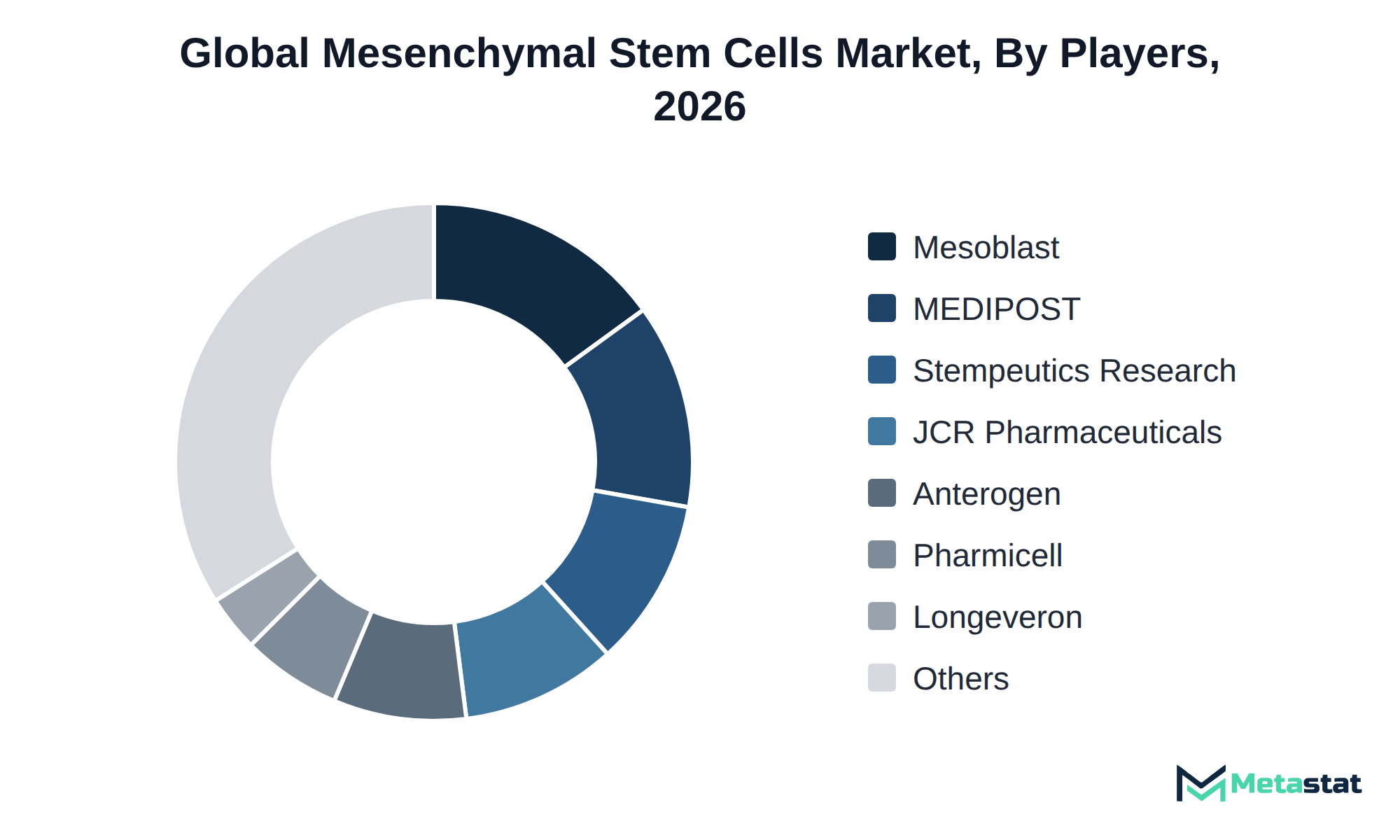
Competition in the Mesenchymal Stem Cells market revolves around the differentiation of product offerings and the strategic positioning of companies. Players focus on various cell sources, types, applications, and end users, contributing to a diverse competitive environment. Factors including price, regulatory certification, and customization significantly influence buyer choices.
Mesoblast Ltd. emphasizes innovation in cellular therapies, focusing on autologous and allogeneic mesenchymal stem cells. MEDIPOST Co., Ltd. targets the development of standardized, high-quality products aimed at specific therapeutic applications. Pharmicell Co., Ltd. concentrates on meeting the needs of academic and research institutes, enhancing collaboration and research capabilities.
Achieving this growth requires several key developments in the Mesenchymal Stem Cells market. Conversely, potential risks include regulatory hurdles, which could slow the approval processes for new therapies involving mesenchymal stem cells. Delays in regulatory pathways, especially in North America, create uncertainties that impact investor confidence and hinder market entry for new products. Reaching USD 10,401.7 million depends on managing these developments and risks across various segments.
By Cell Source: Bone Marrow-Derived Mesenchymal Stem Cells (BM-MSCs), Adipose Tissue-Derived Mesenchymal Stem Cells (AD-MSCs), Umbilical Cord-Derived Mesenchymal Stem Cells (UC-MSCs), Umbilical Cord Blood-Derived Mesenchymal Stem Cells, Dental Pulp-Derived Mesenchymal Stem Cells, Amniotic and Placental Tissue-Derived Mesenchymal Stem Cells, Others (Synovial Membrane-Derived MSCs, Peripheral Blood-Derived MSCs)
By Cell Type: Autologous Mesenchymal Stem Cells, Allogeneic Mesenchymal Stem Cells
By Application: Orthopedic and Musculoskeletal Disorders, Cardiovascular Diseases, Neurological Disorders, Immunological and Inflammatory Diseases, Wound Healing and Vascular Disorders, Regenerative Medicine and Tissue Engineering, Others (Metabolic Disorders, Pulmonary Disorders)
By End User: Hospitals and Specialty Clinics, Pharmaceutical and Biotechnology Companies, Academic and Research Institutes, Contract Research Organizations (CROs), Cell Banks and Biobanks, Contract Development and Manufacturing Organizations (CDMOs)
The report strategically identifies and profiles the key market players and analyses their core competencies in each sub-segment of the Mesenchymal Stem Cells market.
Report Attributes | Details |
Study Period | 2021-2033 |
Base Year | 2025 |
Estimated Year | 2026 |
Forecast Period | 2026-2033 |
Historical Period | 2021-2025 |
Growth Rate | CAGR 12.3% from 2026 to 2033 |
Revenue Unit | USD million |
Segmentation | By Cell Source, Cell Type, Application, End User, and Region |
By Region | North America (By Cell Source, Cell Type, Application, End User, and Country)
|
Europe (By Cell Source, Cell Type, Application, End User, and Country)
| |
Asia Pacific (By Cell Source, Cell Type, Application, End User, and Country)
| |
South America (By Cell Source, Cell Type, Application, End User, and Country)
| |
Middle East and Africa (By Cell Source, Cell Type, Application, End User, and Country)
|
Find answers to common questions about this report
The Mesenchymal Stem Cells market size was valued at USD 4,110.9 million in 2025.
The market is projected to grow at a CAGR of 12.3% during the forecast period from 2026 to 2033.
The North America Mesenchymal Stem Cells market size is estimated to reach USD 3,969.3 million by 2033.
The leading segment in the Mesenchymal Stem Cells market is Allogeneic Mesenchymal Stem Cells, with a projected value of USD 7,006.6 million by 2033. This segment surpasses others in terms of market size and growth potential.
Key drivers for the Mesenchymal Stem Cells market include significant investment in clinical research for regenerative medicine and enhanced production capabilities through innovative bioprocess technologies. These factors improve efficiency and scalability, directly influencing market expansion.
North America holds the dominant share of the Mesenchymal Stem Cells market, with a projected value of USD 3,969.3 million in 2033, representing 41 percent of the total market.
Rising costs associated with advanced therapies significantly impact adoption in the Mesenchymal Stem Cells market, particularly among hospitals and specialty clinics, leading to slower uptake of treatments. Challenges within the supply chain, including fluctuations in the availability and pricing of raw materials, impose constraints on producers seeking to maintain cost-effectiveness.
Investment in clinical research targeting orthopedic and musculoskeletal disorders drives adoption of mesenchymal stem cells. The increasing incidence of these conditions and the demand for innovative therapies enhance the appeal of these treatments among hospitals and specialty clinics.
The Mesenchymal Stem Cells market is estimated to reach a valuation of USD 10,401.7 million by 2033.
Key players operating in the Mesenchymal Stem Cells market include Mesoblast Ltd., MEDIPOST Co., Ltd., Stempeutics Research Pvt. Ltd., JCR Pharmaceuticals Co., Ltd., Anterogen Co., Ltd., and Pharmicell Co., Ltd.
The analysts below cover Healthcare research at Metastat Insights.
LEAD ANALYST
Utkarsh Khirodkar is a Lead Market Research Analyst at MetaStat Insight, specializing in market intelligence, technology sector assessments, and competitive strategy.

LEAD PRINCIPAL ANALYST, PHARMA AND HEALTHCARE
Food and Beverages · Healthcare · Healthcare IT · Medical Devices
Ajay Devgire is the Lead Healthcare Analyst at MetaStat Insight, leading strategic research and market intelligence initiatives across the global healthcare domain.
Floating offshore wind feasibility relies heavily on specialized installation vessel availability and port crane limits, which most broad renewable energy forecasts ignore. The report delivered a thorough analysis of dry dock capacity, mooring chain supply constraints, and raw material pricing trends for deepwater anchor installations. It served as a solid independent sanity check for our offshore project capital expenditure assumptions.
Assessing commercial microgrid software adoption requires looking past top-level installation numbers and examining utility interconnection queues. The research provided verifiable data on average permitting timelines, tariff structures, and battery storage integration costs across regional utility territories. That grounded perspective was valuable for our team when building five-year demand projections for industrial microgrid controllers.
Ambulatory surgical centers have very different purchasing cycles for robotic-assisted surgery platforms than major hospital networks. The MetaStat Insight study focused squarely on capital expenditure depreciation, procedural reimbursement pathways, and surgeon training overhead. That operational clarity made it much simpler to validate multi-year procedure growth forecasts against actual ambulatory center adoption patterns.
Explore related market intelligence reports worth reading alongside this one.