
LEAD ANALYST
Utkarsh Khirodkar is a Lead Market Research Analyst at MetaStat Insight, specializing in market intelligence, technology sector assessments, and competitive strategy.

Global Biomimetic Dental Regenerative Biomaterials Market Size, Share, By Product Type (Bone Graft Substitutes, Barrier Membranes, Soft Tissue Regeneration Matrices, Collagen-Based Wound Dressings, Biologically Active Regenerative Materials), By Material Type (Collagen-Based Biomaterials, Calcium Phosphate-Based Biomaterials, Natural Bone Mineral-Based Biomaterials, Demineralized Bone Matrix, Bioactive Glass-Based Biomaterials, Biodegradable Polymer-Based Biomaterials, Composite Biomaterials), By Application (Guided Bone Regeneration (GBR), Guided Tissue Regeneration (GTR), Alveolar Ridge Preservation, Alveolar Ridge Augmentation, Sinus Floor Augmentation, Periodontal Regeneration, Peri-Implant Defect Regeneration, Gingival and Soft Tissue Augmentation), By End User (Dental Clinics, Dental Hospitals, General Hospitals, Ambulatory Surgical Centers, Academic Dental Institutions), Industry Analysis, Growth, Trends, and Forecast, 2026-2033
Report ID
MSI-5479
Published
October, 2026
Pages
256 Pages
Format
Historical
Base year
Forecast
Forecast period
Report Details
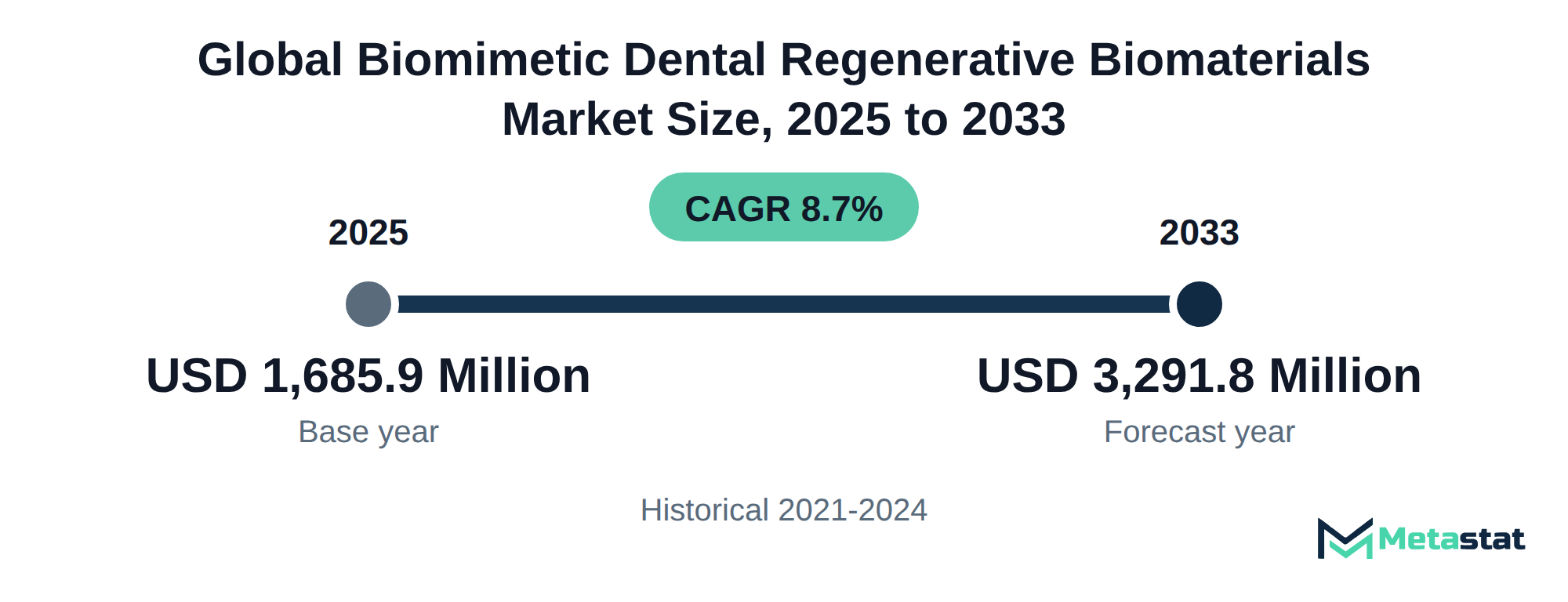
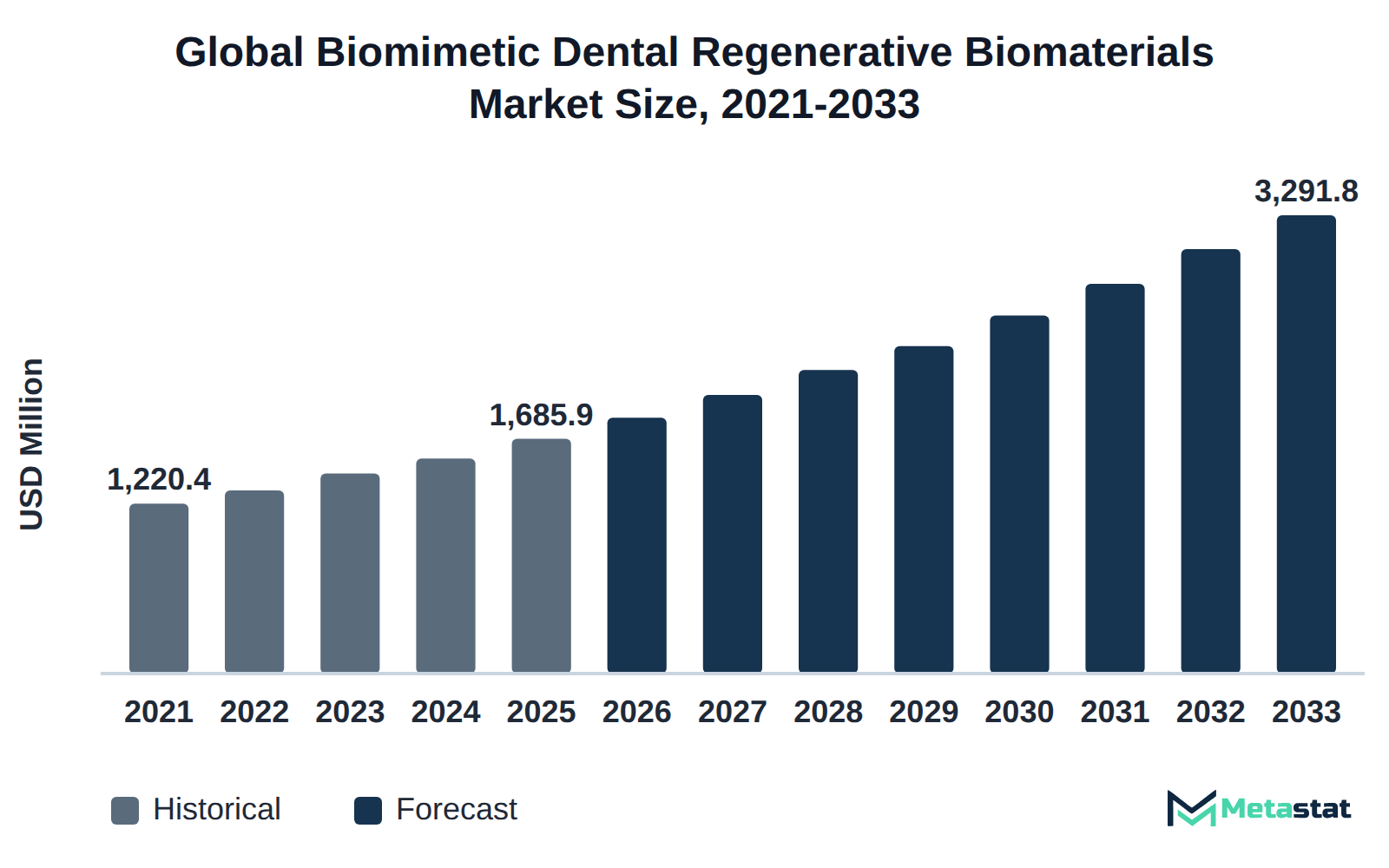
Market Valuation: Valued at $1,685.9 Million in 2025, projected to reach $3,291.8 Million by 2033 at a 8.7% CAGR.
Dominant Segment: Bone graft substitutes lead the market, driven by the increasing prevalence of dental procedures requiring effective regenerative materials. This segment's growth is supported by a growing aging population and a rise in dental implant procedures.
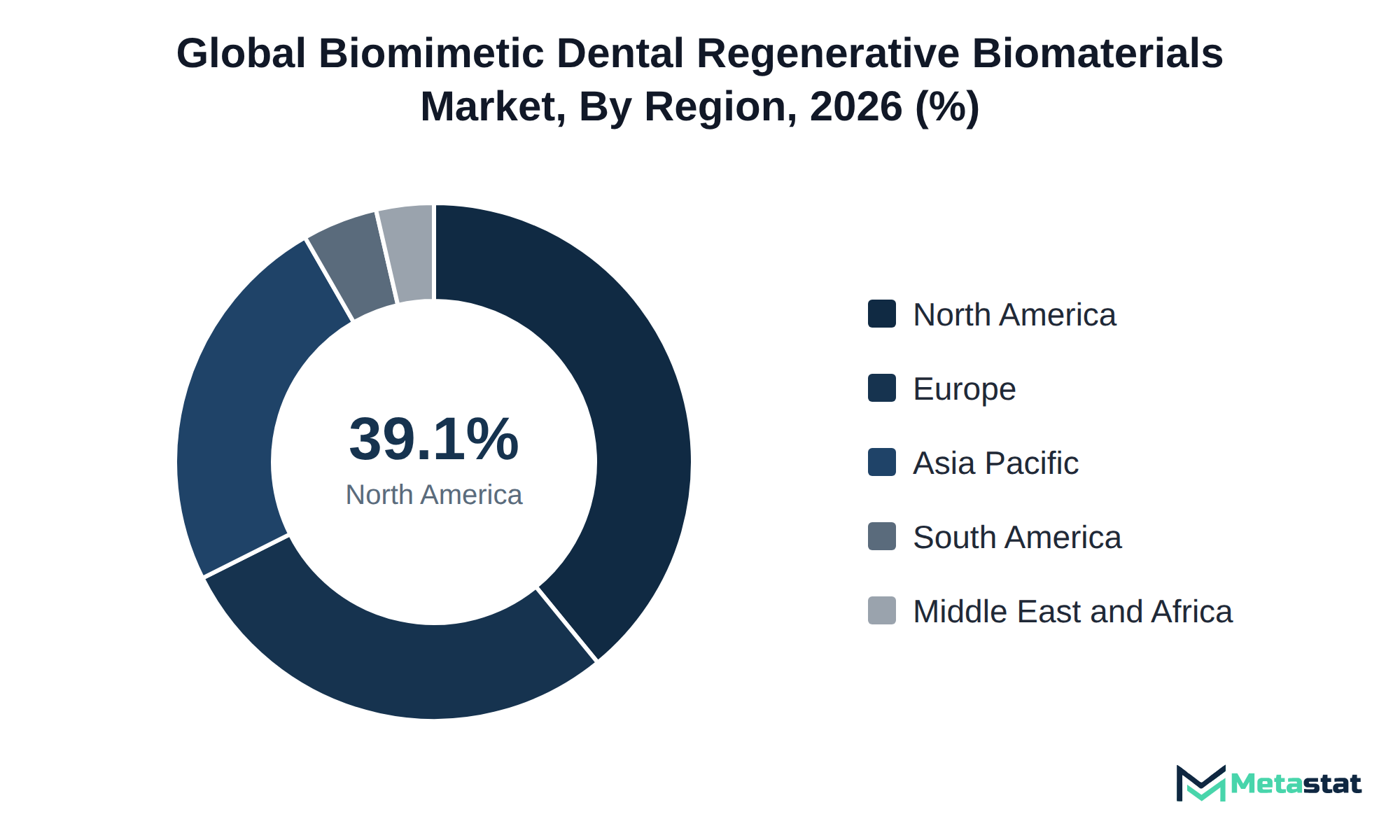
Geographic Lead: North America is the leading region, holding 39.1% of the market in 2025, with the US expected to maintain its dominance in 2026 due to advanced healthcare infrastructure and high demand for dental innovations.
What's Inside: The report provides a comprehensive analysis of the competitive landscape, including detailed segments by product type, material type, application, and end user, along with insights into market dynamics and growth trends.
Emerging Applications: Guided Tissue Regeneration (GTR) is a key growth area, projected to expand at a CAGR of 7.9%, driven by increasing awareness of advanced dental care options and the effectiveness of GTR procedures.
Choose Your License
Global Biomimetic Dental Regenerative Biomaterials Market
The global Biomimetic Dental Regenerative Biomaterials market was valued at USD 1,685.9 million in 2025 and is projected to reach USD 3,291.8 million by 2033, growing at a CAGR of 8.7% over the forecast period.
The market encompasses a range of innovative biomaterials specifically designed for dental applications, focusing on regenerative solutions that promote healing and tissue recovery. Buyers invest in these products to enhance clinical outcomes, improve patient satisfaction, and address various dental conditions. The need for advanced solutions in dental clinics, hospitals, and surgical centers drives demand for biomimetic dental regenerative biomaterials, ensuring that practitioners offer effective treatments for their patients.
Growth in the market is propelled by advancements in technology that improve the performance of biomaterials and clinical outcomes. North America holds 39.1% of the market in 2025, with the US leading in 2026. The segment of bone graft substitutes captures the largest share, reflecting the increasing prevalence of dental procedures that require effective regenerative materials. This trend is supported by a growing aging population and a rise in dental implant procedures.
Continued research and development efforts contribute to the competitive landscape, driving innovation in product offerings. The focus on clinical evidence and performance benchmarking enhances the credibility of biomaterials, attracting investments from both manufacturers and healthcare providers. These dynamics position the market favorably for sustained growth, with opportunities to expand into emerging regions and develop new applications for existing products.
The Biomimetic Dental Regenerative Biomaterials market addresses the increasing demand for advanced solutions in dental procedures, driven by the emphasis on effective healing and tissue regeneration. Buyers invest in these biomaterials due to their proven efficacy in enhancing clinical outcomes and minimizing recovery times, which is crucial in a competitive healthcare landscape. This market includes various segments, with bone graft substitutes representing the highest value segment, catering to dental clinics and hospitals focused on improving patient care.
Growth in the market is propelled by technological advancements in biomimetic bone regeneration, which enhance the performance and resorption of collagen membranes. The increasing prevalence of dental procedures, coupled with the rising awareness of regenerative treatments among patients, significantly contributes to the market's expansion.
The regulatory approval landscape for dental biomaterials further influences market dynamics, ensuring that products meet stringent safety and efficacy standards. This aspect builds confidence among buyers, encouraging the adoption of innovative solutions within dental practices. Continuous competitive product portfolio benchmarking among key players highlights the importance of differentiating offerings to capture market share effectively.
Recent advancements in Biomimetic Dental Regenerative Biomaterials focus on enhancing the effectiveness of bone graft substitutes. These substitutes play a critical role in various dental procedures, including guided bone regeneration and alveolar ridge augmentation. The anticipated growth in the bone graft substitutes segment, projected to reach USD 1,048.1 million by 2033, highlights the increasing reliance on these innovative materials in dental practices.
Technological improvements in material composition and delivery methods have contributed to better integration and performance of these biomaterials. For instance, collagen-based biomaterials exhibit enhanced biological compatibility, supporting cellular attachment and growth, leading to improved healing outcomes. The incorporation of bioactive glass and calcium phosphate-based materials further enhances the regenerative potential, resulting in superior osseointegration.
The continuous evolution of these technologies shapes the Biomimetic Dental Regenerative Biomaterials market, driving demand from dental clinics and hospitals. Practitioners adopting more effective solutions shift the commercial landscape towards products that ensure faster recovery times and better patient outcomes. Investment in these innovative biomaterials enhances competitive positioning in the market, ultimately leading to increased revenue and growth opportunities for stakeholders involved in dental regeneration.
Pricing strategies play a critical role in purchasing decisions within the Biomimetic Dental Regenerative Biomaterials market. Buyers evaluate cost-effectiveness when selecting products including collagen-based wound dressings and bone graft substitutes. These materials, particularly collagen-based biomaterials, exhibit a projected value increase from USD 497.3 million in 2026 to USD 844 million by 2033, reflecting a compound annual growth rate (CAGR) of 7.8%. This growth indicates heightened investment in innovative solutions that promise enhanced clinical outcomes.
Contract models influence purchasing behavior, with many suppliers opting for tiered pricing based on volume commitments or long-term agreements. Such arrangements lead to reduced prices for dental clinics and hospitals, facilitating easier access to high-quality regenerative materials. For instance, dental clinics expect to increase their purchasing from USD 899.5 million in 2026 to USD 1,672.9 million by 2033 at a CAGR of 9.3%. These pricing strategies enhance operational efficiency and patient care capabilities.
Understanding these pricing dynamics equips buyers to negotiate better deals and make informed decisions, ultimately impacting market penetration and revenue generation in the sector.
The increasing focus on Guided Bone Regeneration (GBR) therapies significantly influences the Biomimetic Dental Regenerative Biomaterials market. With growth from USD 475.7 million in 2026 to USD 786.1 million by 2033, GBR reflects the rising demand for effective solutions in dental reconstruction, driven by the need for improved patient outcomes. Dental clinics, primary users of GBR, seek innovative biomaterials that enhance the healing process and reduce complications associated with dental implants.
The integration of advanced biomaterials specifically designed for GBR allows dental professionals to achieve optimal bone density and volume, essential for successful implant placement. Consequently, the focus on developing and adopting high-quality bone graft substitutes and barrier membranes leads to enhanced market competitiveness. For instance, the segment of Bone Graft Substitutes is projected to grow at a CAGR of 7.8%, reaching USD 1,048.1 million by 2033. This growth reflects the increasing adoption of regenerative techniques within dental practices.
While more dental clinics prioritize GBR techniques, the demand for biomimetic materials continues to rise, pushing manufacturers to innovate and expand their product offerings. By investing in research and development, stakeholders cater to the evolving needs of dental professionals and patients alike. This focus on GBR enhances treatment success rates and contributes to the overall growth trajectory of the market.
Advanced biomimetic materials significantly enhance dental tissue regeneration, particularly through the use of bone graft substitutes. These materials facilitate healing and integration with native tissue, reducing the risk of complications during dental procedures. This growth stems from increasing demand for effective regenerative solutions in dental practices.
Incorporating collagen-based biomaterials has transformed approaches to tissue repair. These materials provide a conducive environment for cell attachment and proliferation, critical factors for successful regeneration. The ability to customize these biomaterials enhances their appeal to dental clinics, allowing practitioners to meet diverse patient needs effectively.
Advancements in biomimetic dental regenerative biomaterials lead to better treatment outcomes, increase patient satisfaction, and ultimately drive higher revenues for dental clinics. By investing in these innovative solutions, dental practitioners position themselves at the leading edge of regenerative medicine, promoting long-term growth within the market.
Investments in dental clinics have surged, driven by the rising demand for advanced dental procedures and regenerative therapies. This trend results from a shift in consumer behavior, where patients increasingly prioritize aesthetic and functional outcomes in dental care. While these clinics expand their offerings, the adoption of innovative biomaterials, including biomimetic dental regenerative biomaterials, becomes essential to meet patient expectations. The demand for these materials is reflected in the projected market growth, with a compound annual growth rate (CAGR) of 8.7% anticipated from 2025 to 2033. This growth indicates a robust increase in both volume and price within the market, facilitating improved outcomes for patients undergoing dental treatments. The expansion of dental clinics correlates with a greater focus on regenerative procedures, increasing the importance of biomimetic dental regenerative biomaterials in contemporary dental practice.
Recent developments in biomaterials significantly influence the market by enhancing the performance and applicability of dental regenerative solutions. Innovations in collagen-based biomaterials and calcium phosphate-based biomaterials improve healing and regeneration processes, leading to better clinical outcomes. Increased efficacy and biocompatibility result from these advancements, directly benefiting dental clinics and hospitals that adopt these solutions.
The growth of the market aligns with practitioners seeking to incorporate advanced materials that provide optimal results in guided bone regeneration and tissue healing. Research and development efforts focus on creating specialized formulations, including bioactive glass-based and biodegradable polymer-based biomaterials, to meet the diverse needs of end users. These tailored solutions cater to a wide range of applications, including alveolar ridge preservation and augmentation.
With these technological advancements, the market is poised for expansion, driven by increased adoption of innovative treatments and therapies. Enhanced product offerings attract more practitioners and support improved patient outcomes, thereby driving market growth.
High costs associated with biomimetic dental regenerative biomaterials limit adoption among dental clinics. The price of these advanced materials results in smaller orders and delayed replacements, particularly within smaller practices that operate under tighter budgets. Expensive initial investments deter clinics from integrating these innovative solutions, impacting their ability to offer a full range of services to patients. Clinics facing financial constraints experience slower momentum in the uptake of new technologies. Larger dental hospitals, while better equipped to absorb costs, exhibit cautious purchasing behaviors due to budget limitations and the need for justification of new expenditures. Consequently, the high cost barrier significantly influences the overall growth trajectory of the biomimetic dental regenerative biomaterials market, affecting demand dynamics across various segments.
Challenges associated with rising input costs present significant hurdles for suppliers in the Biomimetic Dental Regenerative Biomaterials market. Prices for essential raw materials, including collagen and calcium phosphates, have experienced upward pressure due to supply chain disruptions and increased demand from various medical sectors. Suppliers absorb these costs, which erode profit margins and impact pricing strategies. In response, companies explore alternative sourcing strategies and enhance operational efficiencies to mitigate financial strain. Several manufacturers invest in local production capabilities or optimize their supply chain logistics to reduce dependency on imported materials. These strategies help maintain competitive pricing while ensuring product availability. The ongoing need for innovation in material formulation drives suppliers to invest in research and development, enhancing the overall product offering within the market. Addressing these input cost challenges remains crucial for maintaining market competitiveness and ensuring sustained growth in the coming years.
Guided Tissue Regeneration (GTR) represents a compelling growth opportunity within the biomimetic dental regenerative biomaterials market. This segment addresses critical needs in dental applications, particularly for periodontal regeneration and surgical wound healing. The projected CAGR of 7.9% for this application signals strong demand driven by increasing awareness of advanced dental care options and the effectiveness of GTR procedures. The market for guided tissue regeneration benefits from growing investments in dental technologies and training for practitioners, supporting improved patient outcomes.
An increased focus on patient-centered care influences dental clinics' adoption of GTR methods, contributing to higher penetration of biomimetic solutions. This approach enhances tissue healing and regeneration, ultimately leading to improved patient satisfaction. The growing emphasis on minimally invasive techniques aligns with the demand for innovative biomaterials that facilitate guided tissue regeneration, reinforcing the segment's appeal within the broader market. Enhanced product offerings that target this specific application are likely to capture market share and drive revenue growth.
The Global Biomimetic Dental Regenerative Biomaterials market is segmented based on Product Type, Material Type, Application, and End User.
This segment is essential in oral surgeries, particularly in procedures that require bone reconstruction and regeneration. Dental clinics, hospitals, and surgical centers use these substitutes to facilitate the healing process following tooth extractions, implants, or trauma. Demand for this segment escalates due to the rising prevalence of dental implants and the growing need for effective oral surgical solutions. Compared to other segments, Bone Graft Substitutes show a moderate growth rate, with a CAGR of 7.8%, highlighting a steady increase in adoption among practitioners. The segment stands out due to its specific applications in guided bone regeneration and its effectiveness in providing structural support, differentiating it from other product types that focus more on soft tissue regeneration.
Barrier Membranes segment is estimated to reach USD 759.4 million by 2033, at a CAGR of 8.1% during the forecast period. These membranes play a crucial role in procedures including Guided Bone Regeneration (GBR) by preventing the growth of non-osteogenic tissues, thereby facilitating the regeneration of bone and promoting healing. Dental clinics and hospitals apply these materials to enhance the outcomes of various dental surgeries. The segment benefits from the increasing focus on advanced regenerative procedures, driven by the growing demand for effective healing solutions. Compared to other product types, Barrier Membranes experience relatively rapid growth, reflecting an expanding interest in innovative dental applications that address specific regenerative needs. The projected CAGR of 8.1% highlights strong market momentum, differentiating it from slower-growing segments within the market.
Soft Tissue Regeneration Matrices segment is expected to reach USD 557 million by 2033. These matrices are applied in dental procedures to promote the healing and regeneration of soft tissues, playing a vital role in restorative and surgical dentistry. Dental clinics and hospitals primarily use these products to enhance patient outcomes following surgical interventions. The segment experiences growth driven by increasing procedures that prioritize soft tissue repair, influenced by advancements in biomaterials technology. Compared to Bone Graft Substitutes, which are projected to grow at a CAGR of 7.8%, this segment exhibits a more moderate growth trajectory, emphasizing the specific needs of dental professionals in managing soft tissue challenges. The increasing integration of innovative biomaterials contributes to this segment's performance, enhancing the market's overall dynamics and catering to evolving clinical demands.
Collagen-Based Wound Dressings segment is projected to grow at a CAGR of 8% during the forecast period. These products are applied primarily in dental surgeries to promote healing and tissue recovery, particularly in soft tissue management. Dental clinics and hospitals frequently adopt this segment due to its effective application in post-operative recovery. The rising prevalence of dental procedures, coupled with an emphasis on minimally invasive techniques, drives demand for these wound dressings. Compared to other segments, including Barrier Membranes, Collagen-Based Wound Dressings features a competitive growth rate; however, its pricing aligns with broader trends within the Biomimetic Dental Regenerative Biomaterials market. The focus on enhanced healing properties contributes to their appeal among dental practitioners, ensuring sustained demand and adoption throughout the forecast period.
Biologically active regenerative materials encompass a class of biomaterials designed for applications in dental tissue regeneration. These materials serve crucial roles in promoting healing and supporting tissue integration during dental procedures. Dental clinics and hospitals employ biologically active regenerative materials to enhance patient outcomes, particularly in guided bone and tissue regeneration procedures. Demand for these materials arises from the increasing need for effective solutions that facilitate prompt healing and tissue recovery. Compared to other product types, including barrier membranes and bone graft substitutes, biologically active regenerative materials experience a slower growth trajectory due to varying pricing strategies and specific application requirements. Advancements in biomaterial technology continuously shape the effectiveness and usage of these materials, creating differentiation from other segments within the market. The focus on innovative applications highlights the ongoing evolution of the biomimetic dental regenerative biomaterials market.
This segment includes regenerative bone cements and specialized tissue scaffolds, which serve critical roles in dental regenerative procedures. Used primarily in advanced dental surgeries, these products facilitate the reconstruction of bony defects and support soft tissue healing. Driven by technological advancements, the segment attracts the attention of dental clinics and hospitals prioritizing innovative treatment options. Compared to other sub-segments, regenerative bone cements and specialized tissue scaffolds differ in their application versatility and specialized use cases. The increasing emphasis on personalized dental care enhances demand for these products, providing a competitive edge in the market. Ongoing research in biomaterials continues to refine their properties, resulting in improved clinical outcomes and heightened interest from dental practitioners.
This material type is essential in guided tissue regeneration and wound healing procedures, primarily used by dental clinics and hospitals. The increasing emphasis on minimally invasive surgical techniques drives demand for collagen-based solutions, reflecting a broader trend toward enhancing patient outcomes. Compared to other material types, this segment features a moderate growth rate, outpacing demineralized bone matrix offerings while showing slower growth compared to calcium phosphate-based biomaterials, which are projected to grow at a CAGR of 9.3%. The unique properties of collagen allow for better integration with natural tissues, making it a preferred choice for practitioners focusing on regenerative therapies. Innovations in collagen processing technology further enhance its applicability and effectiveness in dental procedures. The market anticipates ongoing advancements that will strengthen this segment's competitive position.
Calcium Phosphate-Based Biomaterials segment is estimated to reach USD 718.6 million by 2033, at a CAGR of 9.3% during the forecast period. This category serves primarily in applications including guided bone regeneration and alveolar ridge preservation, used by dental clinics and hospitals for enhancing patient outcomes in dental procedures. The segment experiences growth driven by increasing demand for biocompatible materials that promote effective bone healing and regeneration. Compared to other material types, Calcium Phosphate-Based Biomaterials offer a unique advantage in osteoconductivity, setting them apart in price and performance. This particular segment, benefiting from advancements in material science, positions itself favorably within the competitive landscape, enabling providers to enhance their service offerings while addressing growing patient demand for advanced restorative dental treatments.
Natural Bone Mineral-Based Biomaterials segment is expected to reach USD 533.6 million by 2033. This segment provides essential structural support in dental procedures, particularly in guided bone regeneration and implant surgeries, and enhances healing processes. Demand aligns closely with the increasing prevalence of dental surgeries, driven by an aging population and rising awareness of dental health. This segment experiences slower growth compared to Calcium Phosphate-Based Biomaterials, which is projected to achieve a CAGR of 9.3%. In contrast, Natural Bone Mineral-Based Biomaterials exhibit a CAGR of 7.3%. The cost-effectiveness and biocompatibility of these materials position them favorably among dental clinics, contributing to steady adoption in practices focused on regenerative therapies.
Demineralized Bone Matrix segment is projected to grow at a CAGR of 7.3% during the forecast period. This material is essential in guided bone regeneration procedures and has become a preferred choice for dental clinics and hospitals. The increasing need for effective bone grafting solutions drives demand for Demineralized Bone Matrix, distinguishing it from other segments through its specific application in alveolar ridge preservation and augmentation. While competing materials experience higher growth rates, the reliability and proven effectiveness of Demineralized Bone Matrix reinforce its position among dental professionals. This segment's steady growth reflects an ongoing trend toward innovative and effective solutions in the Biomimetic Dental Regenerative Biomaterials market, contributing significantly to overall market expansion.
Bioactive Glass-Based Biomaterials are increasingly recognized for their role in dental regenerative applications, enhancing healing and tissue integration. These biomaterials find extensive application in guided bone regeneration and guided tissue regeneration procedures, primarily by dental clinics and hospitals. Growth in this segment hinges on technological advancements that improve material properties and clinical outcomes. The increasing preference for minimally invasive procedures drives demand for these biomaterials, offering significant advantages over conventional options. In terms of growth trajectory, this segment remains competitive, distinguished by unique characteristics that appeal to specific buyer groups seeking innovative solutions. The market thrives on continuous research and development, focusing on enhancing bioactivity and biocompatibility, which sets it apart from other segments within the broader biomimetic dental regenerative biomaterials market.
Biodegradable Polymer-Based Biomaterials consist of materials designed to be absorbed and eliminated by the body over time, promoting natural healing processes. These materials find significant use in applications requiring minimal foreign body reaction and are commonly employed in dental procedures including guided bone regeneration and soft tissue management. The growth of this segment is driven by the increasing preference for sustainable and biocompatible options among dental practitioners. Compared to other segments, including Calcium Phosphate-Based Biomaterials, which have a projected CAGR of 9.3%, biodegradable polymers focus on delivering enhanced patient outcomes with a strategic emphasis on environmental sustainability. This segment's unique properties appeal to dental clinics seeking advanced, patient-friendly alternatives, contributing to its competitive position within the market.
Composite Biomaterials combine a variety of materials to enhance healing and integration in dental applications. These biomaterials find use primarily in guided bone regeneration and guided tissue regeneration procedures, appealing to dental clinics and hospitals that prioritize advanced treatment options for their patients. Demand for composite biomaterials is propelled by an increasing focus on minimally invasive techniques and the need for improved patient outcomes. Compared to other material types, this segment typically commands higher prices due to its advanced properties and specialized formulations. Differentiation occurs in performance, with composite biomaterials providing superior mechanical strength and biocompatibility. Such attributes contribute to their growing adoption in clinical settings. Trends toward personalized treatment indicate a robust future for this segment within the overall Biomimetic Dental Regenerative Biomaterials market.
This segment consists of extracellular matrix-derived materials and bioengineered protein matrices, playing a crucial role in regenerative dental applications. These materials are used in various dental procedures, significantly enhancing healing and tissue integration. Demand for such biomaterials is driven by increasing patient preferences for minimally invasive treatments and advancements in tissue engineering technologies. This segment distinctively addresses the needs of dental clinics and hospitals seeking innovative solutions to improve patient outcomes. Compared to other material types, this sub-segment experiences different growth dynamics, influenced by technological advancements and the growing emphasis on personalized medicine. The evolving landscape of biomimetic materials, along with increasing investment in research and development, further supports the segment's growth potential. These factors contribute to a competitive atmosphere in the Biomimetic Dental Regenerative Biomaterials market.
Guided Bone Regeneration (GBR) segment is valued at USD 475.7 million in 2026 and is projected to reach USD 786.1 million by 2033, at a CAGR of 7.4% during the forecast period. This segment focuses on facilitating the regeneration of bone tissue, primarily used by dental clinics and hospitals during procedures including implant placements and bone augmentation. A significant driver for GBR is the increasing prevalence of dental implant procedures, leading to heightened demand for effective bone regeneration techniques. Compared to other segments like Alveolar Ridge Augmentation, which has a CAGR of 9.1%, GBR growth reflects a moderate pace, influenced by advancements in biomaterial technologies and procedural innovations. The market emphasizes the need for reliable solutions that enhance patient outcomes and reduce recovery times, positioning GBR as a critical component in the Biomimetic Dental Regenerative Biomaterials market.
Guided Tissue Regeneration (GTR) segment is estimated to reach USD 500.7 million by 2033, at a CAGR of 7.9% during the forecast period. This technique focuses on the regeneration of lost or damaged tissues in dental surgeries, primarily by dental clinics and hospitals. Growth of this segment is driven by the rising prevalence of periodontal diseases, creating demand for effective regenerative solutions. Compared to other applications, GTR demonstrates a strong growth trajectory, influenced by advancements in biomaterials and surgical techniques. Demand in the GTR segment is higher due to increasing awareness of minimally invasive procedures among patients. These factors position GTR as a vital component in the broader context of the Biomimetic Dental Regenerative Biomaterials market, directly impacting operational efficiencies and patient outcomes in dental practices.
Alveolar Ridge Preservation segment is expected to reach USD 441.8 million by 2033. This segment focuses on maintaining the alveolar ridge following tooth extraction, which is crucial for future dental implant placement. Dental clinics apply these biomaterials to improve surgical outcomes and patient satisfaction. Key forces driving growth include increasing awareness of the importance of preserving oral health and advancements in surgical techniques. Compared to Guided Bone Regeneration (GBR), which has a projected CAGR of 7.4%, Alveolar Ridge Preservation shows a slower growth trajectory but serves a vital role in comprehensive dental care strategies. The demand for effective materials in this segment reflects broader trends in the Biomimetic Dental Regenerative Biomaterials market, emphasizing the need for innovative solutions in dental procedures.
Alveolar Ridge Augmentation segment is projected to grow at a CAGR of 9.1% during the forecast period. This segment is significant in dental implant procedures, aiming to restore the ridge's height and width for better implant integration. Dental clinics and hospitals frequently apply these biomaterials to enhance the success rate of implants. Growth is driven by the increasing prevalence of dental issues and the rising demand for cosmetic dentistry, indicating strong growth potential compared to others in the market. The segment's growth trajectory is faster than that of Guided Tissue Regeneration (GTR), which has a CAGR of 7.9%. Advancements in biomaterial technologies lead to improved outcomes in Alveolar Ridge Augmentation, differentiating it from traditional approaches and encouraging adoption among dental professionals.
Sinus Floor Augmentation involves a procedure aimed at increasing the height of the maxillary sinus floor. Dental professionals apply this technique to facilitate implant placement in patients with insufficient bone volume. The driving force behind this segment stems from advancements in dental implant technologies, enhancing successful outcomes for patients requiring sinus augmentation. Compared to other applications in this category, the Sinus Floor Augmentation segment experiences steady growth due to the increasing prevalence of dental implant procedures and the focus on improving patient satisfaction and treatment outcomes. This segment serves a specific need for dental clinics and surgical centers specializing in implant dentistry, differentiating it from broader applications that address various aspects of dental restoration and regeneration. The market for biomimetic dental regenerative biomaterials is expected to expand, driven by innovations that support effective procedures like sinus floor augmentation.
Periodontal regeneration focuses on restoring the supporting structures of teeth, including the bone and soft tissue surrounding the teeth. Dental professionals apply this approach to treat periodontal diseases and enhance oral health outcomes for patients. Demand for effective periodontal treatments drives the growth of this segment, with advancements in biomaterials enhancing healing and integration into host tissue. Compared to other sub-segments, periodontal regeneration often sees higher demand from dental clinics and hospitals, driven by the need for effective treatments in managing gum diseases. The segment's growth is influenced by ongoing innovations in biomaterials, emphasizing the importance of developing effective and biocompatible products. Within the Biomimetic Dental Regenerative Biomaterials market, this sub-segment stands out due to its direct impact on patient health and the increasing emphasis on preventive dental care.
Peri-Implant Defect Regeneration focuses on the restoration of bone tissue around dental implants, addressing complications that arise after implant placement. This application serves dental clinics and hospitals, where successful implant integration is critical for long-term patient outcomes. Increased awareness of the benefits of implant-supported solutions drives demand for effective regenerative materials. Continued advancements in biomaterials and techniques enhance the effectiveness of treatments, promoting broader adoption among dental professionals. Compared to other applications including Guided Bone Regeneration, the Peri-Implant Defect Regeneration segment experiences differences in treatment protocols and material requirements, reflecting varied clinical objectives and patient needs. The market benefits from ongoing research aimed at optimizing procedures and improving patient satisfaction, reinforcing its importance in the Biomimetic Dental Regenerative Biomaterials market.
Gingival and Soft Tissue Augmentation focuses on the restoration and enhancement of the soft tissues surrounding teeth and implants. This technique is vital for improving aesthetics and ensuring the health of oral structures. Dental clinics use this application to support patients undergoing restorative and cosmetic procedures, addressing issues including gum recession and bone loss. Demand for this segment is driven by increasing awareness of the importance of soft tissue health in overall dental procedures. Compared to other applications in the market, Gingival and Soft Tissue Augmentation exhibits a different growth trajectory due to its niche focus on aesthetic outcomes and patient satisfaction, which influences pricing strategies and adoption rates among practitioners.
Maxillofacial Defect Reconstruction and Oral Surgical Wound Regeneration focus on addressing complex oral and facial injuries, often resulting from trauma, surgical procedures, or congenital conditions. Dental professionals primarily apply these applications, emphasizing the need for effective regenerative solutions to promote healing and restore function. Demand for advanced biomaterials in this segment is driven by the increasing prevalence of oral and maxillofacial surgeries, alongside a growing recognition of their effectiveness in enhancing recovery outcomes. Compared to other applications, this segment experiences distinct challenges, including the need for specialized materials that cater to the unique demands of maxillofacial reconstruction, which influences pricing dynamics and patient accessibility. The Biomimetic Dental Regenerative Biomaterials market reflects ongoing advancements in technology and materials, offering innovative solutions that enhance surgical efficacy and patient satisfaction.
This segment serves a crucial role in providing dental regenerative procedures, including the application of biomaterials for various treatments including implants and soft tissue repairs. The increasing prevalence of dental conditions and the rising demand for restorative dental procedures primarily drive growth in this segment. Compared to other end-user segments, Dental Clinics exhibit faster growth with a higher CAGR of 9.3%, reflecting the growing reliance on advanced biomaterials to enhance treatment outcomes. The need for innovative solutions in dental procedures continues to shape the dynamics of the Biomimetic Dental Regenerative Biomaterials market, promoting significant investments in the development of new products tailored for this sector.
Dental Hospitals segment is estimated to reach USD 793.7 million by 2033, at a CAGR of 7.9% during the forecast period. Utilization of biomimetic dental regenerative biomaterials in dental hospitals focuses on complex procedures, including surgeries requiring advanced regenerative techniques. Key drivers include rising demand for advanced dental treatments and increasing patient awareness, which significantly influence this segment. Growth in this area reflects a higher adoption rate compared to other end-user segments, owing to the necessity for specialized care in hospital settings. The market benefits from ongoing improvements in regenerative technologies, enhancing treatment outcomes and patient satisfaction. This segment's projected growth aligns with trends toward more sophisticated and effective dental procedures.
General Hospitals segment is expected to reach USD 347.9 million by 2033. This segment serves various patient needs through the provision of comprehensive healthcare services, including dental surgeries that require advanced regenerative materials. Growth within this segment is driven by increasing patient volumes and advancements in dental technology. General hospitals typically cater to a broader range of medical conditions compared to specialized dental clinics, leading to different purchasing behaviors and budget allocations. Demand for regenerative materials in these facilities reflects the necessity for effective solutions in complex dental procedures. The market for General Hospitals demonstrates a moderate growth rate, characterized by a CAGR of 7.9%, compared to faster-growing segments. The Biomimetic Dental Regenerative Biomaterials market observes this segment's distinctive dynamics, highlighting its role in enhancing patient outcomes and operational efficiencies in dental treatments.
Ambulatory Surgical Centers segment is projected to grow at a CAGR of 9.6% during the forecast period. These centers provide a range of surgical procedures, including dental surgeries, in an outpatient setting. The increasing preference for minimally invasive procedures drives demand for advanced biomaterials in these facilities. With a focus on efficiency and patient comfort, ambulatory surgical centers apply biomimetic dental regenerative biomaterials to enhance recovery and outcomes for patients undergoing dental procedures. Unlike other end users, including hospitals, ambulatory surgical centers typically operate with lower overhead costs, allowing them to offer competitive pricing for procedures. This segment's growth outpaces that of dental hospitals, which are expected to grow at a CAGR of 7.9%. The overall advancement of dental technologies and increased patient awareness contribute to the robust expansion anticipated in this segment of the market.
Academic Dental Institutions focus on research, education, and training in the field of dentistry. These institutions apply biomimetic dental regenerative biomaterials for various applications, including teaching future dental professionals about innovative restorative techniques and materials. Growth in this segment is driven by increasing research funding and a rising emphasis on advanced dental training. Academic Dental Institutions differ from other end users, including dental clinics and hospitals, in their focus on education and research rather than immediate patient services. This segment engages with suppliers providing high-quality materials for experimental procedures and clinical studies, impacting market dynamics by promoting advancements and innovations in dental regenerative solutions.
Based on geography, the Global Biomimetic Dental Regenerative Biomaterials market is divided into North America, Europe, Asia-Pacific, South America, Middle East, and Africa.
The United States, Canada, and Mexico represent a significant market for Biomimetic Dental Regenerative Biomaterials, accounting for a 39.1% share of the global market in 2025. The increasing prevalence of dental procedures drives demand, particularly within dental clinics and hospitals. Continuous advancements in regenerative techniques enhance treatment outcomes, attracting more professionals to adopt these innovative materials. Regulatory frameworks concerning dental health further facilitate market growth by ensuring product safety and efficacy. North America is projected to reach USD 1,236.4 million by the end of 2033, highlighting the expanding role of the market in improving dental health solutions. Investments in research and development contribute to the introduction of new products, supporting the overall progression of the market.
The European market contributes to the growth of the Biomimetic Dental Regenerative Biomaterials market, driven by advancing dental technologies and the increasing prevalence of dental disorders among the population. Countries including Germany, France, and the UK exhibit high demand for innovative dental solutions, supported by a robust healthcare infrastructure and increasing patient awareness of dental health. The integration of biocompatible materials into dental practices enhances treatment outcomes, further propelling market growth.
In 2025, Europe is projected to capture 28.5% of the global market share. The regulatory framework within the region emphasizes safety and efficacy, which builds consumer confidence in biomimetic products. Continuous investment in research and development enhances the competitive landscape, enabling companies to introduce novel products tailored to the specific needs of dental professionals. With ongoing advancements, the region is expected to experience sustained growth throughout the forecast period, reflecting an evolving landscape in dental regenerative practices.
Asia-Pacific represents a significant portion of the Biomimetic Dental Regenerative Biomaterials market, contributing 24.1% of the global share in 2025. The demand in this region is primarily driven by the growing prevalence of dental disorders and the increasing number of dental procedures. Countries including China and India exhibit a rising awareness of advanced dental treatments, leading to heightened investments in dental healthcare infrastructure. The expansion of dental clinics and hospitals, particularly in urban areas, supports market growth. Increased disposable income among consumers in South Korea and Australia facilitates access to innovative dental solutions. Ongoing collaborations between local manufacturers and global players further enhance the availability of biomimetic dental regenerative products, creating a competitive environment that stimulates market expansion.
South America represents a smaller segment of the Biomimetic Dental Regenerative Biomaterials market, accounting for 4.7% of the global share in 2025. Brazil and Argentina drive demand through a growing emphasis on advanced dental care and the adoption of innovative regenerative technologies. The dental healthcare infrastructure in these countries supports increased investment in biomimetic materials, resulting in an expanding market. Rising disposable incomes, coupled with growing awareness of dental aesthetics, enhance the demand for regenerative solutions. The market is expected to benefit from advancements in dental procedures and an increasing number of dental clinics and hospitals focusing on patient-centric care. By 2033, the market in South America is projected to reflect significant contributions from these emerging trends.
The Biomimetic Dental Regenerative Biomaterials market in the Middle East and Africa is expected to capture a notable share by 2025. This region experiences unique demand driven by increasing investments in dental healthcare infrastructure and the growing prevalence of dental diseases. Countries like Saudi Arabia and the UAE are enhancing their healthcare systems, resulting in higher demand for innovative dental solutions. South Africa's market is growing due to an expanding dental services sector and rising awareness among patients regarding advanced dental treatments. The market's growth aligns with the region's focus on improving healthcare access and quality, reflecting a commitment to modernizing dental practices. Overall, these dynamics contribute to the evolving landscape of biomimetic dental regenerative biomaterials in the Middle East and Africa.
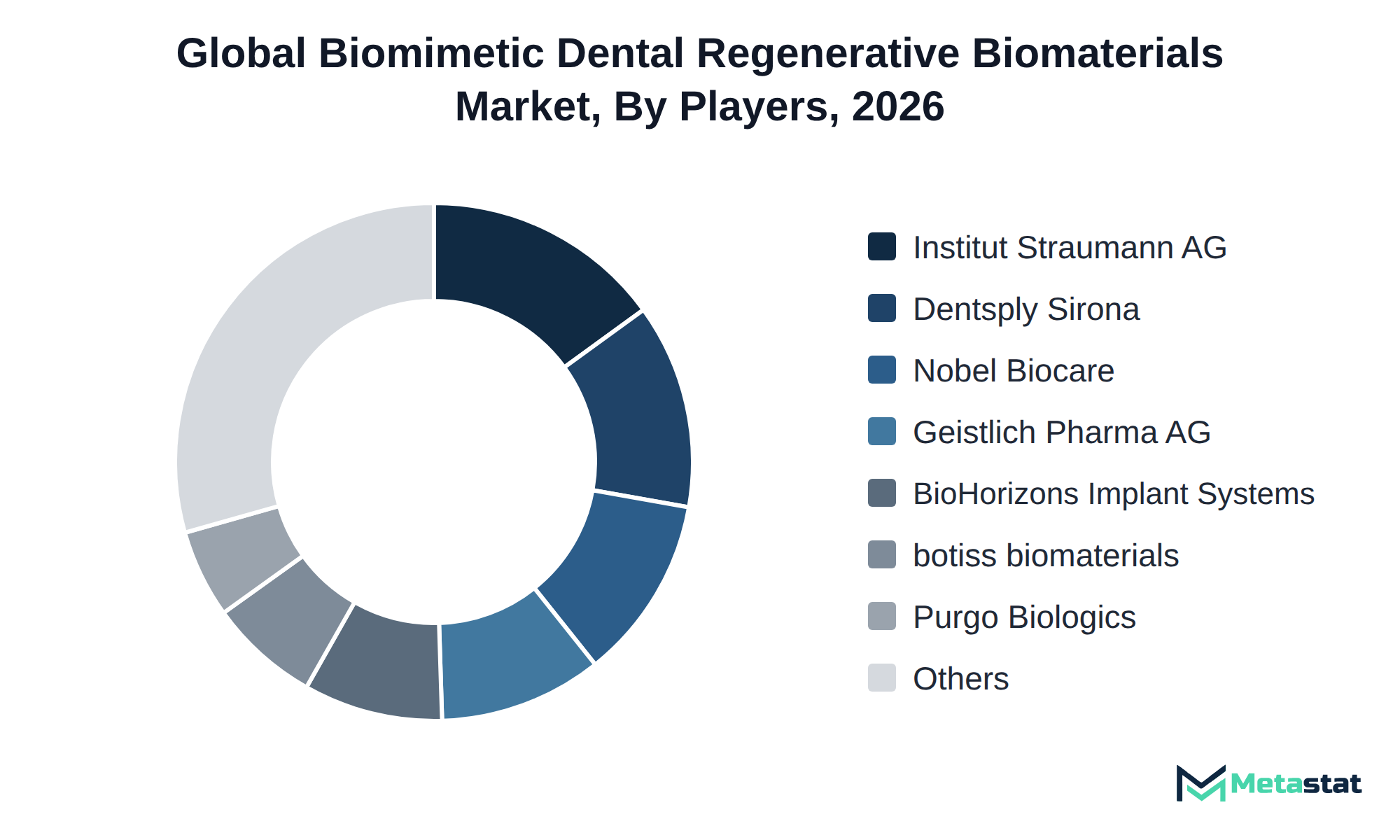
The Biomimetic Dental Regenerative Biomaterials market features diverse companies that position themselves based on product types, material types, and applications. Suppliers including Geistlich Pharma AG and Dentsply Sirona Inc. focus on advanced product offerings, including bone graft substitutes and barrier membranes, catering to dental clinics and hospitals. Companies like BioHorizons Implant Systems, Inc. and botiss biomaterials GmbH emphasize innovation in material types, including collagen-based and calcium phosphate-based biomaterials, reflecting a strong commitment to research and development.
Buyers select products based on factors including price, certification, and customization options. The demand for high-quality products drives competition among suppliers, with companies like Nobel Biocare and Osteogenics Biomedical, Inc. offering tailored solutions that meet specific clinical needs. Companies including Purgo Biologics Inc. and GENOSS Co., Ltd. leverage their capabilities, enhancing service offerings to attract dental clinics, hospitals, and surgical centers within the market.
This growth relies on several key developments. Firstly, advancements in Bone Graft Substitutes, projected to increase from USD 621 million in 2026 to USD 1,048.1 million by 2033 at a CAGR of 7.8%, will significantly influence the market. Secondly, a robust demand for Calcium Phosphate-Based Biomaterials, anticipated to reach USD 718.6 million by 2033, supports market expansion. However, potential risks could impede this growth. Economic fluctuations in key regions, particularly North America, which holds a 39.1% market share, challenge investment and purchasing decisions. Addressing these developments and risks effectively will ultimately determine the market trajectory for Biomimetic Dental Regenerative Biomaterials in the coming years.
By Product Type: Bone Graft Substitutes, Barrier Membranes, Soft Tissue Regeneration Matrices, Collagen-Based Wound Dressings, Biologically Active Regenerative Materials, Others (Regenerative Bone Cements, Specialized Tissue Scaffolds)
By Material Type: Collagen-Based Biomaterials, Calcium Phosphate-Based Biomaterials, Natural Bone Mineral-Based Biomaterials, Demineralized Bone Matrix, Bioactive Glass-Based Biomaterials, Biodegradable Polymer-Based Biomaterials, Composite Biomaterials, Others (Extracellular Matrix-Derived Materials, Bioengineered Protein Matrices)
By Application: Guided Bone Regeneration (GBR), Guided Tissue Regeneration (GTR), Alveolar Ridge Preservation, Alveolar Ridge Augmentation, Sinus Floor Augmentation, Periodontal Regeneration, Peri-Implant Defect Regeneration, Gingival and Soft Tissue Augmentation, Others (Maxillofacial Defect Reconstruction, Oral Surgical Wound Regeneration)
By End User: Dental Clinics, Dental Hospitals, General Hospitals, Ambulatory Surgical Centers, Academic Dental Institutions
The report strategically identifies and profiles the key market players and analyses their core competencies in each sub-segment of the Biomimetic Dental Regenerative Biomaterials market.
Report Attributes | Details |
Study Period | 2021-2033 |
Base Year | 2025 |
Estimated Year | 2026 |
Forecast Period | 2026-2033 |
Historical Period | 2021-2025 |
Growth Rate | CAGR 8.7% from 2026 to 2033 |
Revenue Unit | USD million |
Segmentation | By Product Type, Material Type, Application, End User, and Region |
By Region | North America (By Product Type, Material Type, Application, End User, and Country)
|
Europe (By Product Type, Material Type, Application, End User, and Country)
| |
Asia Pacific (By Product Type, Material Type, Application, End User, and Country)
| |
South America (By Product Type, Material Type, Application, End User, and Country)
| |
Middle East and Africa (By Product Type, Material Type, Application, End User, and Country)
|
Find answers to common questions about this report
The Biomimetic Dental Regenerative Biomaterials market size was valued at USD 1,685.9 million in 2025.
The market is projected to grow at a CAGR of 8.7% during the forecast period from 2026 to 2033.
The North America Biomimetic Dental Regenerative Biomaterials market size is estimated to reach USD 1,236.4 million by 2033.
Bone Graft Substitutes lead the Biomimetic Dental Regenerative Biomaterials market, with a projected value of USD 1,048.1 million by 2033. This segment outpaces others in terms of growth and revenue potential.
Investments in dental clinics have surged due to rising demand for advanced dental procedures and regenerative therapies. Guided Tissue Regeneration (GTR) represents a compelling growth opportunity, driven by increasing awareness of advanced dental care options and the effectiveness of GTR procedures.
North America holds the dominant share of the Biomimetic Dental Regenerative Biomaterials market, with a value of USD 1,236.4 million projected for 2033, representing 39.1 percent of the total market.
High costs associated with biomimetic dental regenerative biomaterials limit adoption among dental clinics, particularly smaller practices that operate under tighter budgets. Challenges from rising input costs for essential raw materials further hinder suppliers, eroding profit margins and impacting pricing strategies.
Guided Tissue Regeneration (GTR) presents a significant growth opportunity, particularly for periodontal regeneration and surgical wound healing. The projected compound annual growth rate of 7.9 percent for this application reflects rising awareness of advanced dental care and the effectiveness of GTR procedures, driving adoption of biomimetic solutions.
The Biomimetic Dental Regenerative Biomaterials market is estimated to reach a valuation of USD 3,291.8 million by 2033.
Key players operating in the Biomimetic Dental Regenerative Biomaterials market include Geistlich Pharma AG, Institut Straumann AG, Nobel Biocare, Dentsply Sirona Inc., BioHorizons Implant Systems, Inc., and botiss biomaterials GmbH.
The analysts below cover Medical Devices research at Metastat Insights.
LEAD ANALYST
Utkarsh Khirodkar is a Lead Market Research Analyst at MetaStat Insight, specializing in market intelligence, technology sector assessments, and competitive strategy.

LEAD PRINCIPAL ANALYST, PHARMA AND HEALTHCARE
Food and Beverages · Healthcare · Healthcare IT · Medical Devices
Ajay Devgire is the Lead Healthcare Analyst at MetaStat Insight, leading strategic research and market intelligence initiatives across the global healthcare domain.

SENIOR RESEARCH ANALYST
Biotechnology · Food and Beverages · Medical Devices · Packaging
Snehal Pasalkar is a Research Analyst at MetaStat Insight, operating at the intersection of life sciences research, competitive strategy, and market intelligence.
Enterprise zero-trust network rollouts are often slowed down by multi-cloud transit latency and proprietary hardware retirement schedules. This study provided realistic total cost of ownership models comparing cloud-delivered security edge solutions against traditional hardware refreshes. The analysis of contract renewal lengths and software maintenance fees gave us clear visibility into enterprise replacement cycles over the next three to five years.
Scaling antibody-drug conjugate manufacturing hinges on contract manufacturing availability for high-potency active ingredients. The MetaStat Insight analysis looked closely at global cleanroom slot constraints, bioconjugation batch failure rates, and supply chain redundancies between the US, Europe, and India. The supplier capability matrix proved genuinely useful for our team when mapping secondary source options across our clinical pipeline.
Floating offshore wind feasibility relies heavily on specialized installation vessel availability and port crane limits, which most broad renewable energy forecasts ignore. The report delivered a thorough analysis of dry dock capacity, mooring chain supply constraints, and raw material pricing trends for deepwater anchor installations. It served as a solid independent sanity check for our offshore project capital expenditure assumptions.
Explore related market intelligence reports worth reading alongside this one.
Starting from
$2950