
LEAD ANALYST
Utkarsh Khirodkar is a Lead Market Research Analyst at MetaStat Insight, specializing in market intelligence, technology sector assessments, and competitive strategy.

Global Grounding Wellness Products Market Size, Share, By Product Type (Grounding Bedding, Grounding Mats & Pads, Grounding Footwear, Grounding Wearables & Apparel, Grounding Connection & Testing Accessories), By Technology (Silver-Fiber Conductive Textiles, Stainless-Steel Conductive Textiles, Carbon-Infused Polymers & Vegan Leather, Conductive Rubber & Carbon Sole Systems, Copper-Based Conductive Components, Hybrid & Multi-Material Conductive Systems), By Application (Sleep & Overnight Grounding, Home Wellness & Relaxation, Workplace & Desk Grounding, Fitness, Yoga & Sports Recovery, Outdoor & Everyday Lifestyle Grounding, Travel & Portable Grounding), By Distribution Channel (Direct-to-Consumer Online, Online Marketplaces, Specialty Wellness Retailers, Health & Fitness Retailers, Healthcare & Practitioner Channels), Industry Analysis, Growth, Trends, and Forecast, 2026-2033
Report ID
MSI-5466
Published
October, 2026
Pages
261 Pages
Format
Historical
Base year
Forecast
Forecast period
Report Details
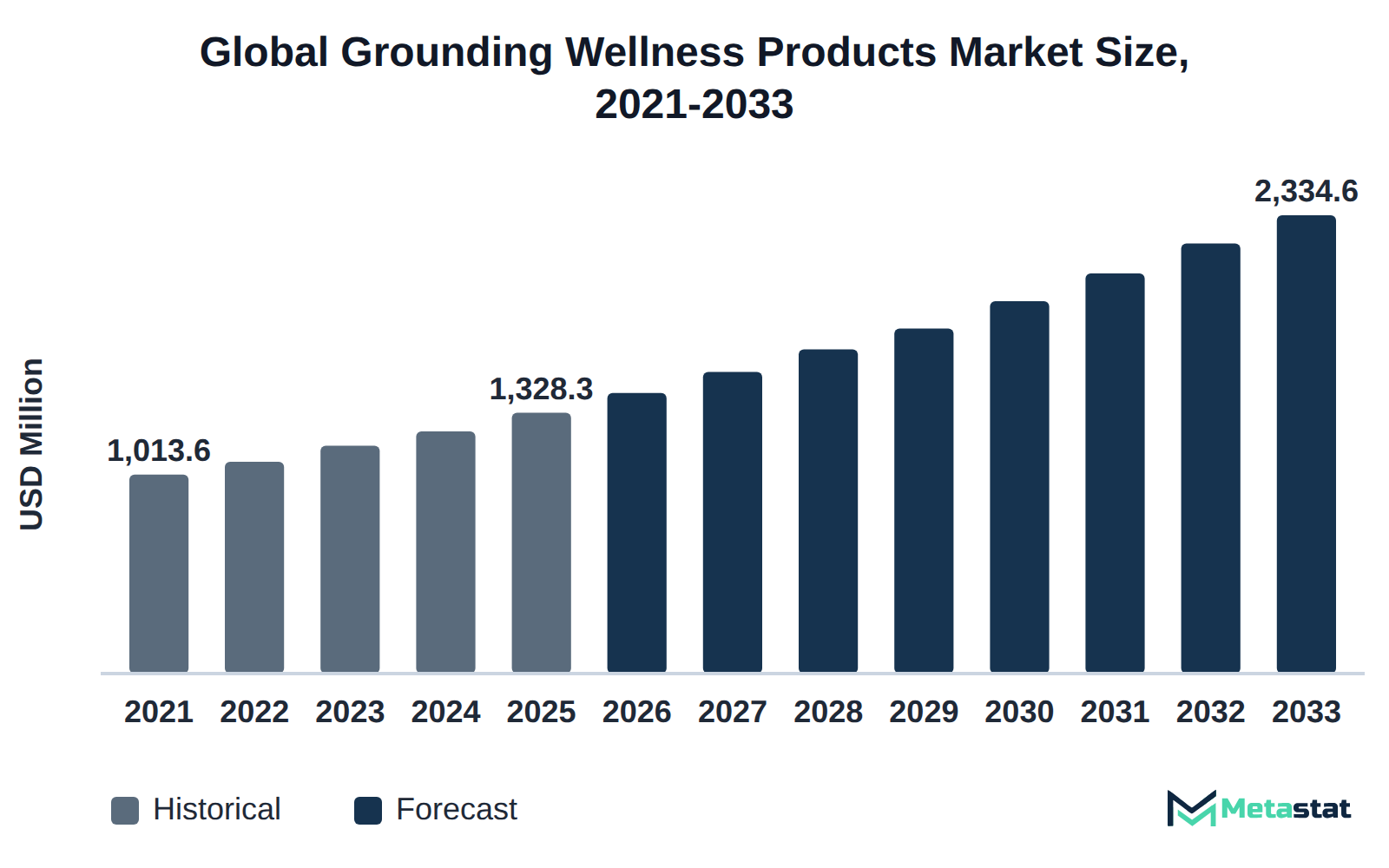
Market Valuation: Valued at $1,328.3 Million in 2025, projected to reach $2,334.6 Million by 2033 at a 7.3% CAGR.
Dominant Segment: Grounding Bedding leads the market, driven by strong demand for products that enhance sleep quality and overall wellness. This segment reflects a growing consumer interest in natural health solutions.
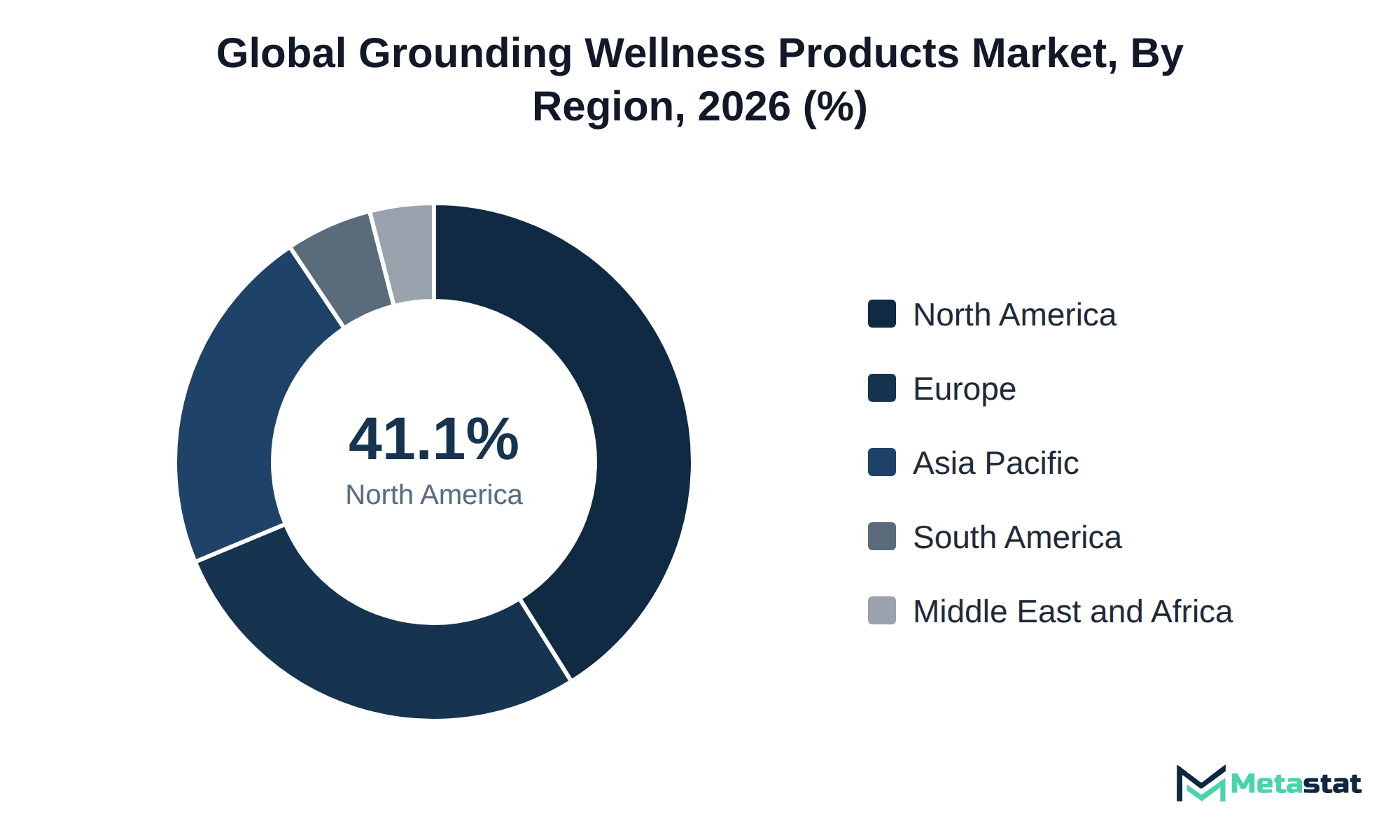
Geographic Lead: North America is the leading region, holding 41.1% of the market in 2025, with the US projected to maintain this dominance due to its established wellness culture and higher purchasing power.
What's Inside: The report provides comprehensive coverage of the competitive landscape, detailed analysis of market dynamics, and forecasts through 2033, ensuring valuable insights for stakeholders.
Innovation in Materials: The market is witnessing significant innovation through the use of silver-fiber textiles and carbon-based materials, enhancing product effectiveness and appealing to environmentally conscious consumers.
Distribution Channel Trends: Direct-to-consumer online sales are reshaping distribution, projected to generate USD 789.6 million by 2033, reflecting consumer preferences for convenience and accessibility.
Choose Your License
Global Grounding Wellness Products Market
The global Grounding Wellness Products market was valued at USD 1,328.3 million in 2025 and is projected to reach USD 2,334.6 million by 2033, growing at a CAGR of 7.3% over the forecast period.
The Grounding Wellness Products market encompasses a variety of products designed to promote wellness through grounding techniques. Buyers invest in these products to enhance their health, improve sleep quality, and support overall well-being. The appeal lies in the increasing awareness of the benefits associated with grounding, which includes stress reduction and improved energy levels.
Significant growth in the market is driven by rising consumer interest in health solutions and increased awareness of the benefits of grounding. Grounding Bedding represents the segment with the most value, reflecting a strong demand for products that facilitate restful sleep. North America holds 41.1% of the market in 2025, with the US leading in 2026. This region's dominance stems from a well-established wellness culture and higher purchasing power among consumers.
Among the various factors influencing growth, the increasing focus on natural and alternative health solutions stands out. The shift towards preventive health measures and self-care practices contributes to a growing demand for grounding products. The market shows robust potential for further expansion in the coming years, with a projected compound annual growth rate of 7.3%.
The Grounding Wellness Products market covers a wide range of items that facilitate grounding practices, which are believed to enhance physical and mental well-being. Buyers invest in these products to address various health concerns, improve their quality of life, and promote wellness in their daily routines. The increasing awareness of health and the desire for natural solutions drive consumer interest in grounding wellness products.
Growth in the market is primarily fueled by the rising demand for grounding bedding, which represents the segment with the highest value. This region's prominence is attributed to a strong consumer base that prioritizes health and wellness, alongside a growing trend towards alternative therapies.
Increased focus on wellness and preventive health measures significantly influences market expansion. The shift towards natural and organic products among consumers aligns with the principles of grounding, enhancing the appeal of the Grounding Wellness Products market. This trend attracts investments and innovation, ensuring sustained growth in the coming years.
Innovation in the Grounding Wellness Products market increasingly revolves around the application of silver-fiber textiles and carbon-based materials. These advanced materials significantly enhance the conductive properties of grounding products, providing users with more effective solutions for promoting well-being and reducing electrical stress. For instance, silver-fiber conductive textiles are projected to rise from USD 473 million in 2026 to USD 727.9 million by 2033, reflecting a compound annual growth rate of 6.4%. This growth reflects rising demand for products that leverage advanced technology to improve user experience.
The integration of carbon-infused polymers and vegan leather into grounding products offers another layer of innovation. These materials not only contribute to effective grounding but appeal to environmentally conscious consumers seeking sustainable options. Consumer preferences shift toward eco-friendly products, and brands that incorporate these materials position themselves competitively within the market. Overall, the transformation driven by silver-fiber textiles and carbon-based materials represents a critical shift in the Grounding Wellness Products market, enhancing product efficacy and meeting evolving expectations of consumers.
Direct-to-consumer sales and online marketplaces have transformed the distribution landscape of the Grounding Wellness Products market. The shift towards these platforms arises from consumer preference for convenient and accessible shopping experiences. Direct-to-consumer online channels are projected to generate USD 789.6 million by 2033, facilitating immediate purchasing decisions that allow buyers to engage directly with brands and access a wider range of products.
Pricing strategies in this market reflect the diverse offerings available through these channels. Premium products, including grounding bedding and wearables, often carry higher price points, while mass-market options provide budget-friendly alternatives. The ability to compare prices across various online marketplaces allows consumers to make informed choices, promoting competitive pricing among suppliers.
This evolution in purchasing behavior has significant commercial implications. Brands that optimize their online presence enhance customer loyalty and increase market share. Utilizing data analytics to understand consumer buying patterns enables more targeted marketing efforts, ultimately driving revenue growth within the market. The ongoing trend towards direct-to-consumer sales and online platforms indicates a robust shift in how grounding wellness products reach consumers.
Grounding footwear and wearable technologies play a critical role in promoting daily wellness for consumers seeking natural health solutions. The adoption of grounding products for everyday use is notable, with an increasing emphasis on comfort and functionality. In the Grounding Wellness Products market, the segment of grounding footwear is projected to reach USD 254.2 million by 2033, reflecting growing interest among health-conscious individuals who prioritize both style and well-being.
This buyer group typically seeks products that integrate seamlessly into their lifestyle while providing benefits associated with grounding practices. Consumers often turn to grounding footwear to enhance physical health, reduce inflammation, and improve sleep quality. This trend highlights the demand for products that cater not only to physical health but to an overall sense of well-being.
The commercial consequence of this shift indicates that brands focusing on innovative designs and effective marketing strategies are likely to capture a larger share of the market. Emphasizing the unique benefits of grounding footwear positions companies competitively within the evolving landscape of wellness-oriented consumers.
Grounding mats and sheets provide unique benefits related to their effectiveness in promoting wellness. Grounding bedding is projected to grow from USD 524.7 million in 2026 to USD 885.8 million by 2033, reflecting increasing consumer interest in the health benefits associated with these products. This growth stems from heightened awareness of the potential for grounding to improve sleep quality and reduce stress levels, attracting buyers seeking natural wellness solutions.
In terms of safety, grounding products typically use materials including silver-fiber conductive textiles, which enhance their functionality. This trend indicates a focus on innovative materials that offer both effectiveness and user safety, ensuring that consumers confidently incorporate these products into their daily routines.
Pricing remains a significant factor for buyers within the Grounding Wellness Products market. Grounding mats and sheets are available at various price points, influencing purchase decisions among different consumer segments. The market's expansion in grounding bedding signifies a growing willingness to invest in wellness-oriented products that promise tangible health benefits, ultimately leading to an evolution in consumer spending habits.
Growing awareness of wellness benefits drives consumer interest in Grounding Wellness Products. Individuals seeking enhanced physical and mental well-being increasingly prioritize grounding practices within their daily routines. This shift in consumer behavior correlates with rising stress levels and a greater desire for natural health solutions, prompting more buyers to invest in grounding solutions. The market reflects this demand, with a projected compound annual growth rate of 7.3% from 2026 to 2033. This trend indicates a significant increase in both volume and pricing for grounding products, with consumers actively seeking innovative solutions that align with their health goals. Increased sales in the grounding bedding segment, for example, highlight this trend, showing a rise from USD 524.7 million in 2026 to USD 885.8 million in 2033. The positive trajectory of the market highlights the strong commitment of consumers to incorporate grounding practices into their wellness routines.
The integration of sustainable materials into the Grounding Wellness Products market enhances product appeal and aligns with consumer preferences for environmentally conscious choices. Manufacturers increasingly adopt silver-fiber conductive textiles and carbon-infused polymers, capitalizing on their performance and eco-friendly attributes. This trend reflects growing demand for products that promote wellness while minimizing environmental impact.
Investments in research and development focus on advanced materials that improve conductivity and durability, leading to enhanced user experiences. Incorporating these materials supports brand loyalty among health-conscious consumers who prioritize sustainability in their purchasing decisions. Suppliers committed to eco-friendly practices benefit from differentiation in a competitive market, attracting attention from new customer segments.
Overall, the emphasis on sustainable materials transforms product offerings and contributes to the growth trajectory of the market. This trend illustrates how environmental considerations increasingly influence consumer behavior and purchasing patterns, driving demand for innovative grounding solutions that reflect both health and ecological awareness.
High prices for certain grounding wellness products restrict accessibility for budget-conscious consumers. Buyers seeking affordable options often overlook premium items, leading to slower uptake within the market. This financial barrier particularly affects segments including grounding bedding and wearable technologies, where product differentiation relies heavily on advanced materials and design innovations. Demand for these higher-end products remains constrained, causing smaller order sizes from consumers who prioritize affordability over premium features. The shift toward budget-friendly alternatives influences overall market growth, delaying the transition to more sophisticated grounding solutions while impacting retailers’ inventory strategies. Reduced orders from price-sensitive customers lead to increased competition among suppliers, further pressuring manufacturers to adjust pricing strategies and product offerings to capture broader market segments.
Rising material costs represent a significant challenge for suppliers in the Grounding Wellness Products market. Prices for essential inputs, including specialized textiles and conductive materials, have undergone substantial increases due to supply chain disruptions and heightened global demand. This cost pressure impacts profit margins, compelling suppliers to explore various strategies to maintain competitiveness and sustainability in their offerings.
In response to these challenges, many suppliers invest in alternative materials and innovative manufacturing processes. By focusing on cost-effective production techniques and sourcing locally, suppliers aim to mitigate the effects of rising costs. Collaborations with manufacturers that emphasize efficient resource use and waste reduction play a critical role in enhancing cost efficiency. Such strategies address immediate financial pressures and contribute to long-term sustainability goals within the market.
Ultimately, the ability to adapt to input cost pressures influences growth trajectories among suppliers in the Grounding Wellness Products market, shaping their competitive strategies and market positions over the forecast period.
Grounding wearables and apparel represent a significant growth opportunity within the market, driven by increasing consumer interest in wellness technologies. This segment exhibits a compound annual growth rate (CAGR) of 9.7%, indicating robust demand for products that integrate grounding techniques into everyday clothing and accessories. The ongoing trend toward health-focused lifestyles fuels interest among fitness enthusiasts and wellness-oriented consumers, enhancing market penetration for these products. Innovative designs that combine functionality with style attract buyers seeking versatile options for wellness integration.
Companies focusing on this segment benefit from expanding their product lines to include grounding wearables that address various consumer preferences. The integration of advanced materials, including silver-fiber textiles, into wearable designs enhances conductivity and comfort, appealing to a broader audience. This segment supports individual health objectives and aligns with growing trends in sustainable and health-promoting lifestyles, driving further growth in the Grounding Wellness Products market.
The Global Grounding Wellness Products market is segmented based on Product Type, Technology, Application, and Distribution Channel.
This segment serves primarily individuals seeking improved sleep quality and overall wellness through grounding techniques, appealing to health-conscious consumers and those interested in alternative therapies. Increasing focus on sleep health drives primary demand, enhancing the appeal of grounding bedding products. Compared to other segments, including Grounding Mats & Pads, which experiences a CAGR of 6.3%, Grounding Bedding demonstrates stronger growth potential. The distinctive integration of comfort in bedding items differentiates this segment further, with higher price points reflecting quality and specialized features. The market's evolution responds to ongoing consumer trends prioritizing wellness and natural healing approaches.
Grounding Mats & Pads segment is estimated to reach USD 823.2 million by 2033, at a CAGR of 6.3% during the forecast period. This segment serves individuals seeking comfort and well-being through grounding practices, often used during sleep or relaxation. Increasing consumer awareness of the health benefits associated with grounding techniques drives demand for these products. Compared to other segments, including Grounding Wearables & Apparel, this segment experiences slower growth, reflecting a broader market appeal for versatile wellness solutions. The focus on comfort and functionality distinguishes Grounding Mats & Pads from other product types, reinforcing its relevance in the market. The integration of innovative materials enhances product quality while supporting a steady increase in consumer adoption.
This segment caters to consumers seeking footwear that enhances wellness through grounding techniques. Individuals focused on health, fitness, and overall well-being primarily engage with these products. The increasing demand for comfort and performance in footwear drives growth, with consumers prioritizing wellness benefits. Grounding Footwear distinguishes itself from other segments in the market by appealing to an active demographic interested in integrating wellness into their lifestyles. The segment's growth trajectory is influenced by innovations in materials, including carbon-infused polymers, which enhance product effectiveness. In comparison to Grounding Mats & Pads, with a CAGR of 6.3%, Grounding Footwear features a unique position by targeting specific lifestyle needs, contributing to its anticipated revenue growth within the market.
Grounding Wearables & Apparel segment is projected to grow at a CAGR of 9.7% during the forecast period. This segment includes products designed for personal use, including grounding clothing and accessories that promote wellness through grounding techniques. Consumers seeking health benefits particularly favor this segment, which caters to individuals interested in alternative health solutions. The segment differentiates itself with a higher growth rate compared to other product types, driven by increasing demand for innovative wellness solutions. Advancements in textile technology enhance the appeal of wearables and apparel. These products often feature materials like silver-fiber conductive textiles, which support both functionality and consumer interest in sustainability. Competitive pricing strategies play a crucial role, encouraging broader market penetration while attracting health-conscious buyers.
Grounding Connection & Testing Accessories facilitate grounding practices through various tools and instruments. These accessories serve individuals seeking to enhance their grounding experience, particularly among wellness enthusiasts and practitioners. This segment experiences growth driven by rising consumer awareness of the health benefits associated with grounding techniques. The increasing availability of innovative accessories positions this segment uniquely in the market. Compared to other product types, Grounding Connection & Testing Accessories generally offer lower price points, making them accessible to a broader consumer base. Unlike more specialized products, including grounding mats or bedding, this segment attracts buyers seeking practical solutions to improve grounding practices without significant investment. Expanding usage among fitness and wellness communities further supports demand for these accessories.
This segment serves primarily in sleep and wellness applications, appealing to consumers seeking grounding solutions that promote relaxation and improved sleep quality. A growing focus on health and wellness drives demand, with consumers increasingly adopting products that incorporate advanced textile technology. Compared to other segments, Silver-Fiber Conductive Textiles exhibit a moderate growth rate, positioned between the faster-growing Grounding Wearables and Apparel segment, which has a CAGR of 9.7%, and the slower-growing Stainless-Steel Conductive Textiles segment with a CAGR of 5.9%. The unique properties of silver fibers provide enhanced conductivity and durability, setting this segment apart from alternatives that rely on traditional materials.
Stainless-Steel Conductive Textiles segment is estimated to reach USD 372.1 million by 2033, at a CAGR of 5.9% during the forecast period. This technology is applied mainly in grounding mats and wearable products aimed at enhancing wellness through electrical conductivity. Growing consumer awareness regarding health benefits associated with grounding practices drives demand, particularly among health-conscious individuals and fitness enthusiasts. Compared to other technologies in the segment, including Silver-Fiber Conductive Textiles, this segment experiences slower growth due to higher production costs and a narrower target audience. Nonetheless, its durability and conductivity make it appealing for specific applications, particularly in fitness and athletic markets. Overall, the evolution of consumer preferences toward sustainable and effective grounding solutions supports growth within the segment.
Carbon-Infused Polymers & Vegan Leather segment is expected to reach USD 427.5 million by 2033. This segment serves multiple applications, particularly in wellness products that prioritize eco-friendliness and consumer health. The segment attracts health-conscious consumers seeking products that align with sustainable practices. Demand arises from a growing preference for environmentally friendly materials and innovations in product design. Compared to other segments, Carbon-Infused Polymers & Vegan Leather exhibits a unique position due to its focus on sustainability, appealing to buyers who prioritize both health benefits and environmental impact. With a competitive CAGR reflecting significant growth potential, this segment is expected to strengthen its innovative approach in the market, catering to an increasing segment of the consumer base that values ethical consumption.
Conductive Rubber & Carbon Sole Systems segment is projected to grow at a CAGR of 8.3% during the forecast period. This segment incorporates advanced materials designed for footwear, enhancing grounding benefits during everyday activities. Consumers seeking improved wellness through daily grounding practices typically use these soles, which support physical health and recovery. Increasing awareness of the importance of grounding in promoting well-being significantly drives the segment's growth. Compared to other technology segments, Conductive Rubber & Carbon Sole Systems achieve faster growth, reflecting heightened demand for innovative and effective grounding solutions. The growing fitness and wellness culture, particularly among health-conscious consumers, continues to increase interest in products featuring this technology. Overall, these factors contribute to the expansion of this segment in the Grounding Wellness Products market.
Copper-Based Conductive Components serve critical roles in enhancing the effectiveness of grounding applications through their inherent conductivity properties. These components find usage in various products, particularly in grounding mats, pads, and clothing, appealing to consumers focused on health and wellness. Several factors influence this segment, including technological advancements that improve material efficiency and effectiveness. Increasing consumer demand for reliable and effective grounding solutions drives growth in this area. Compared to other segments including Silver-Fiber Conductive Textiles, which is projected to grow at a CAGR of 6.4%, Copper-Based Conductive Components display slower growth patterns. This slowdown stems from higher production costs associated with copper materials, impacting pricing strategies and market competitiveness. The market continues to explore innovative approaches to optimize the utility of copper in grounding wellness products, generating ongoing interest and investment in this segment.
Hybrid & Multi-Material Conductive Systems incorporate a range of conductive materials to enhance grounding effectiveness and user comfort. This segment serves various consumers seeking innovative solutions for grounding practices, including wellness enthusiasts and practitioners focusing on alternative health methods. Demand for this segment is driven by a shift toward integrating advanced materials that deliver improved performance and versatility. These systems differ from traditional conductive materials in their ability to combine multiple functionalities, catering to a diverse range of applications. Unlike segments including Silver-Fiber Conductive Textiles, which focus on specific material properties, Hybrid & Multi-Material Conductive Systems offer broader application potential, appealing to consumers interested in versatility and modern design. While the market evolves, these innovations support the growing trend toward personalized wellness solutions, attracting a unique buyer demographic focused on quality and functionality.
Sleep & Overnight Grounding segment is valued at USD 551.8 million in 2026 and is projected to reach USD 844.7 million by 2033, at a CAGR of 6.3% during the forecast period. This segment serves individuals seeking enhanced sleep quality and relaxation, targeting consumers focused on wellness and health. Rising stress levels and growing awareness surrounding the importance of sleep drive demand for effective grounding solutions. Unlike other segments, this category experiences steady growth due to its appeal to a broad consumer base that prioritizes health and well-being. The market distinguishes itself through a diverse range of products tailored for nighttime use, emphasizing comfort and functionality. Overall, the Sleep & Overnight Grounding segment demonstrates a unique position within the Grounding Wellness Products market, reflecting evolving consumer preferences for quality sleep solutions.
Home Wellness & Relaxation segment is estimated to reach USD 501.7 million by 2033, at a CAGR of 6.5% during the forecast period. This segment focuses on products that enhance the well-being and relaxation of users, appealing primarily to consumers seeking stress relief and improved quality of life. Increasing awareness of mental health and wellness drives demand, particularly among health-conscious individuals and those interested in wellness practices. Unlike other application segments, this category exhibits moderate growth compared to Fitness, Yoga & Sports Recovery, which is projected to grow at a CAGR of 8.9%. Consumers in the Home Wellness & Relaxation segment often seek affordability and accessibility, resulting in varied price points across products. This differentiation is significant, with buyers prioritizing comfort and ease of use in their grounding practices.
Workplace & Desk Grounding segment is expected to reach USD 343.7 million by 2033. This segment serves individuals in professional environments seeking to enhance focus and reduce stress while working. A growing awareness of the benefits of grounding practices among office workers drives demand, leading to increased adoption of related products. Unlike other applications, this segment experiences a unique push from a corporate wellness trend, where businesses recognize the importance of employee well-being. The segment exhibits a CAGR of 6.3%, illustrating stable growth compared to the higher growth rates of certain product types in the market. Enhanced product offerings designed specifically for workplace settings further differentiate this segment, catering to the unique needs of corporate buyers.
Fitness, Yoga & Sports Recovery segment is projected to grow at a CAGR of 8.9% during the forecast period. This segment serves individuals engaged in fitness activities, yoga, and sports, focusing on recovery and wellness enhancement. A growing trend toward comprehensive health and fitness has driven demand for products that facilitate recovery and improve overall well-being. Consumers increasingly seek solutions that promote better performance and recovery, influencing the segment's trajectory. Pricing strategies distinguish this segment from others; typically, products in this category command higher price points due to their specialized applications and perceived benefits. Compared to other segments, the Fitness, Yoga & Sports Recovery category experiences faster growth, reflecting a robust consumer shift toward health-conscious lifestyles and fitness-oriented products in the market.
Outdoor & Everyday Lifestyle Grounding emphasizes the integration of grounding practices into daily activities and outdoor experiences. This segment appeals to health-conscious consumers and wellness enthusiasts seeking to enhance their connection to nature and improve overall well-being through grounding techniques. A significant driver of this segment stems from the growing awareness of the benefits associated with grounding, including stress reduction and improved sleep quality. Compared to other applications, this segment attracts buyers interested in practicality and convenience, often opting for products suitable for everyday use. Consequently, Outdoor & Everyday Lifestyle Grounding supports the broader progression of the Grounding Wellness Products market by catering to individuals pursuing a healthy lifestyle while engaging in outdoor activities.
Travel & Portable Grounding focuses on products designed for grounding practices that enable users to connect with the Earth while on the go. This segment caters to individuals seeking wellness solutions during travel, including frequent flyers and outdoor enthusiasts who prioritize health and relaxation. Increasing awareness of grounding benefits drives interest in this segment, especially among wellness-focused consumers. Compared to other applications, Travel & Portable Grounding offers unique portability advantages, allowing users to incorporate grounding practices into their daily routines, regardless of location. The emphasis on convenience and accessibility distinguishes this segment, with buyers often seeking versatile solutions aligned with their active lifestyles. This trend aligns with broader shifts in the Grounding Wellness Products market, where consumer preferences increasingly favor adaptable and multipurpose products.
Direct-to-Consumer Online segment is valued at USD 469.6 million in 2026 and is projected to reach USD 789.6 million by 2033, at a CAGR of 7.7% during the forecast period. This channel serves consumers seeking convenient access to grounding wellness products, allowing immediate purchases from the comfort of their homes. The increasing trend of online shopping drives the segment, with tech-savvy buyers prioritizing direct access to product information and reviews. Compared to other distribution channels, this segment demonstrates faster growth due to its ability to adapt quickly to consumer preferences and trends. The rise of e-commerce platforms provides a competitive edge, enhancing visibility and market penetration. Demand for online purchases continues to strengthen, highlighting the significance of direct-to-consumer online strategies for suppliers.
Online Marketplaces segment is estimated to reach USD 729.3 million by 2033, at a CAGR of 8.3% during the forecast period. This segment serves consumers seeking grounding wellness products through easily accessible online platforms, which offer a wide range of options. The rise in e-commerce adoption among health-conscious individuals significantly drives this growth. Online marketplaces attract buyers looking for convenience and variety, enabling streamlined comparisons across products. Compared to other segments within distribution channels, this segment demonstrates faster growth due to the increasing trend of online shopping and the health and wellness industry's expansion. The segment's performance is expected to improve due to technological advancements and marketing strategies aimed at enhancing online visibility and customer engagement. The Grounding Wellness Products market adapts to this shift in consumer behavior, reflecting a broader trend towards digital retailing in various industries.
The Specialty Wellness Retailers segment is expected to reach USD 309.8 million by 2033. This segment serves consumers seeking health solutions and tools to enhance wellness practices. A growing awareness of health benefits associated with grounding products drives demand in this segment. The focus on personalized and specialized wellness products attracts health-conscious consumers who prefer curated selections found in specialty retail environments. Compared to other distribution channels, this segment features a more targeted approach, focusing on a niche market that emphasizes quality and customer experience. Specialty Wellness Retailers often offer higher-priced items, reflecting the quality and unique benefits of their products. The market experiences steady growth, supported by increasing consumer interest in health and wellness trends.
Health & Fitness Retailers segment is projected to grow at a CAGR of 6.1% during the forecast period. This segment includes stores specializing in health and fitness products, catering to consumers seeking grounding wellness solutions integrated into their fitness regimens. Growth in this segment is driven by increasing consumer focus on wellness and overall health. Consumers in this category prioritize products that enhance physical activity and recovery. Differentiating this segment from others is the targeted buyer base, which tends to be more engaged in fitness and wellness trends compared to general consumers. This positioning results in higher price points for specialized products, influencing sales and adoption rates. The market benefits from a growing trend of incorporating wellness practices into fitness routines, presenting opportunities for expansion and innovation in product offerings.
Healthcare & Practitioner Channels involve the distribution of grounding wellness products through healthcare professionals and wellness practitioners. This segment targets consumers seeking expert recommendations for grounding solutions to improve overall well-being. The rising awareness among health professionals regarding the benefits of grounding practices drives demand, with a growing number of practitioners integrating these products into their wellness offerings. Compared to other distribution channels, this segment attracts a customer base that prioritizes professional guidance and often leads to higher spending. Unlike online marketplaces and direct-to-consumer channels, which focus on convenience, healthcare and practitioner channels emphasize trust and personalized services, aligning with the increasing consumer focus on health solutions. Growth in this segment reflects a broader trend of integrating alternative wellness practices into mainstream health approaches, enhancing the overall dynamics of the Grounding Wellness Products market.
Wholesale & Distributor Channels facilitate the distribution of Grounding Wellness Products to various retail outlets and healthcare practitioners. This segment primarily serves wellness retailers and health professionals, supplying them with grounding products for resale or use in therapeutic practices. A significant demand driver for this segment includes increasing awareness of grounding benefits among consumers, leading to a surge in product demand from retailers. Unlike other distribution channels, this segment involves higher volume transactions and offers lower prices due to bulk purchasing agreements. The market experiences unique challenges related to maintaining consistent product quality and ensuring timely delivery, which affect retailer operations and customer satisfaction. Effective partnerships between manufacturers and distributors enhance the availability of these wellness products across various regions, contributing to overall market growth.
Based on geography, the Global Grounding Wellness Products market is divided into North America, Europe, Asia-Pacific, South America, Middle East, and Africa.
North America shows significant potential within the Grounding Wellness Products market, driven by increasing consumer awareness surrounding wellness and natural healing practices. The region's market share is projected at 41.1% in 2025. Demand stems primarily from the United States, Canada, and Mexico, where health-conscious consumers actively seek grounding products to promote better sleep and overall relaxation. The continuous growth in e-commerce channels enhances product accessibility, facilitating consumer purchasing behaviors. North America is projected to reach USD 890 million by the end of 2033, reflecting a compound annual growth rate of 7.3%. This growth reinforces the importance of local manufacturers who specialize in innovative grounding solutions tailored to consumer preferences.
The European market exhibits a substantial focus on wellness products that enhance grounding practices. Countries including Germany, France, and the UK exhibit high consumer interest, driven by growing awareness of health and wellness benefits associated with grounding. The region's infrastructure supports various wellness initiatives, promoting products that align with health trends. With a market share of 27.6% in 2025, the Grounding Wellness Products market reflects increasing demand for effective grounding solutions in everyday life. The rising popularity of grounding products in fitness and relaxation settings enhances market dynamics, providing opportunities for brands to expand their offerings. Investment in innovative product types, including grounding wearables and bedding, positions companies to capture a larger share of the growing consumer base in Europe.
In Asia Pacific, demand for Grounding Wellness Products is driven significantly by increased awareness of wellness practices and health benefits. Countries like China, Japan, and India exhibit a rising trend toward health-conscious consumer behavior, which increases the adoption of these products. Infrastructure developments in healthcare facilities enhance the accessibility of grounding wellness solutions across urban centers, while growing disposable income supports consumer spending on wellness-related items. The market share for this region in 2025 stands at 21.9%, reflecting strong growth potential within this sector. The prevalence of fitness and yoga activities in South Korea and Australia contributes to market expansion, with consumers seeking products that promote recovery and relaxation. Overall, the region's unique blend of cultural practices and economic factors establishes a robust platform for growth in the grounding wellness sector.
The South American market for Grounding Wellness Products stands out due to its emerging interest in health practices, particularly in Brazil and Argentina. Consumer awareness surrounding wellness and natural healing continues to increase, prompting higher demand for products that support grounding practices. The region's share of the global market in 2025 is 5.4%, indicating a growing segment that appeals to health-conscious consumers seeking alternative wellness solutions. Infrastructure improvements in online retailing enhance accessibility for consumers in South America, facilitating the purchase of grounding products through various channels. The market benefits from a range of distribution options, including direct-to-consumer online platforms and specialty wellness retailers. Growth in the Grounding Wellness Products market aligns with the broader trend of increasing prioritization of wellness and self-care among consumers in this region.
The Grounding Wellness Products market in the Middle East and Africa is influenced by a growing interest in health and wellness practices. Consumer demand arises from increasing awareness of the benefits associated with grounding techniques, particularly in countries like Saudi Arabia and the UAE. The emerging urban wellness trend drives higher sales of grounding products, including bedding and mats, which consumers perceive as supportive of overall well-being. South Africa contributes to market growth due to its expanding wellness sector and consumer inclination towards natural health solutions. The market share in this region is projected at 4.00% in 2025, reflecting developing infrastructure for wellness products and access to online purchasing platforms.
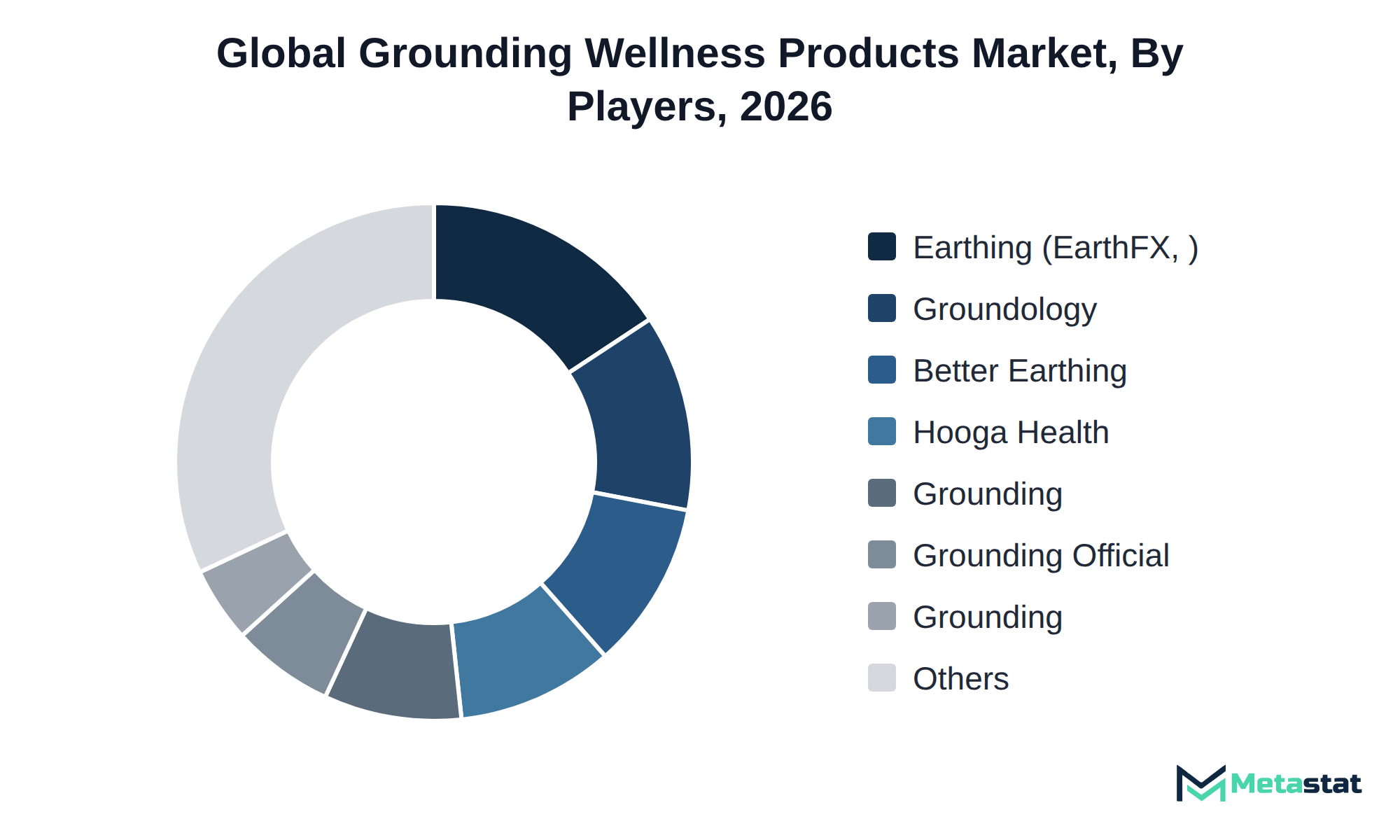
Competition within the Grounding Wellness Products market exhibits a diverse array of strategies among key players. Companies segment into various categories based on product offerings and customer engagement approaches. For instance, companies focusing on direct-to-consumer channels emphasize price and service, allowing customers to engage directly with products including grounding mats and bedding. In contrast, players emphasizing specialty wellness retail highlight certification and quality assurance, which are critical factors for buyers.
Earthing (EarthFX, Inc.) stands out with a comprehensive range of grounding products, centering on enhancing consumer health through innovative designs. Groundology focuses on the integration of health and wellness into everyday products, targeting a lifestyle-oriented consumer base. Similarly, Hooga Health emphasizes user experience and product customization, appealing to a demographic seeking personalized wellness solutions.
Achieving this target requires several developments within the Grounding Wellness Products market. The rise of online marketplaces as a distribution channel enhances accessibility, with a forecasted value of USD 729.3 million by 2033, catering to a broader audience. Conversely, risks including potential regulatory challenges or fluctuations in consumer preferences could impede growth. For example, regional variations in North America, accounting for 41.1% of the market share, face stricter regulations impacting product availability. The balance of these developments and risks will influence the market's trajectory towards the projected USD 2,334.6 million by 2033.
By Product Type: Grounding Bedding, Grounding Mats & Pads, Grounding Footwear, Grounding Wearables & Apparel, Grounding Connection & Testing Accessories
By Technology: Silver-Fiber Conductive Textiles, Stainless-Steel Conductive Textiles, Carbon-Infused Polymers & Vegan Leather, Conductive Rubber & Carbon Sole Systems, Copper-Based Conductive Components, Hybrid & Multi-Material Conductive Systems
By Application: Sleep & Overnight Grounding, Home Wellness & Relaxation, Workplace & Desk Grounding, Fitness, Yoga & Sports Recovery, Outdoor & Everyday Lifestyle Grounding, Travel & Portable Grounding
By Distribution Channel: Direct-to-Consumer Online, Online Marketplaces, Specialty Wellness Retailers, Health & Fitness Retailers, Healthcare & Practitioner Channels, Wholesale & Distributor Channels
The report strategically identifies and profiles the key market players and analyses their core competencies in each sub-segment of the Grounding Wellness Products market.
Report Attributes | Details |
Study Period | 2021-2033 |
Base Year | 2025 |
Estimated Year | 2026 |
Forecast Period | 2026-2033 |
Historical Period | 2021-2025 |
Growth Rate | CAGR 7.3% from 2026 to 2033 |
Revenue Unit | USD million |
Segmentation | By Product Type, Technology, Application, Distribution Channel, and Region |
By Region | North America (By Product Type, Technology, Application, Distribution Channel, and Country)
|
Europe (By Product Type, Technology, Application, Distribution Channel, and Country)
| |
Asia Pacific (By Product Type, Technology, Application, Distribution Channel, and Country)
| |
South America (By Product Type, Technology, Application, Distribution Channel, and Country)
| |
Middle East and Africa (By Product Type, Technology, Application, Distribution Channel, and Country)
|
Find answers to common questions about this report
The Grounding Wellness Products market size was valued at USD 1,328.3 million in 2025.
The market is projected to grow at a CAGR of 7.3% during the forecast period from 2026 to 2033.
The North America Grounding Wellness Products market size is estimated to reach USD 890 million by 2033.
Grounding Bedding leads the market with a value of USD 524.7 million in 2026. This segment outpaces others in terms of initial market size.
Growing awareness of wellness benefits drives consumer interest in grounding practices, leading to increased investments in grounding solutions. The integration of sustainable materials into products enhances their appeal, aligning with consumer preferences for environmentally conscious choices.
North America holds the dominant share of the Grounding Wellness Products market, with a value of USD 890 million projected for 2033, representing 41.1 percent of the total market.
High prices for certain grounding wellness products restrict accessibility for budget-conscious consumers. Rising material costs represent a significant challenge for suppliers, impacting profit margins and compelling them to explore various strategies to maintain competitiveness.
Growing consumer interest in wellness technologies drives the adoption of grounding wearables and apparel, which exhibit a compound annual growth rate of 9.7%. Innovative designs that integrate grounding techniques into everyday clothing appeal to health-focused consumers, enhancing market penetration and supporting sustainable lifestyles.
The Grounding Wellness Products market is estimated to reach a valuation of USD 2,334.6 million by 2033.
Key players operating in the Grounding Wellness Products market include Earthing (EarthFX, Inc.), Groundology, Better Earthing, Earthing Harmony, Hooga Health, and GroundLuxe.
The analysts below cover Healthcare research at Metastat Insights.
LEAD ANALYST
Utkarsh Khirodkar is a Lead Market Research Analyst at MetaStat Insight, specializing in market intelligence, technology sector assessments, and competitive strategy.

LEAD PRINCIPAL ANALYST, PHARMA AND HEALTHCARE
Food and Beverages · Healthcare · Healthcare IT · Medical Devices
Ajay Devgire is the Lead Healthcare Analyst at MetaStat Insight, leading strategic research and market intelligence initiatives across the global healthcare domain.
When evaluating distributed energy resource management systems, standard research summaries tend to gloss over the operational differences between front-of-the-meter utility deployments and behind-the-meter industrial sites. The MetaStat Insight report addressed those distinctions directly, especially regarding software interoperability standards and grid interconnection backlogs. The five-year market sizing across regional transmission organizations provided actionable context for our grid modernization strategy.
Most industry reports on warehouse automation bundle autonomous mobile robots and fixed conveyor installations into the same top-level numbers, which complicates advisory work. This study split the market cleanly by payload tiers, navigation technology, and fleet management software layers. The regional forecast for Western Europe gave our team defensible adoption benchmarks when evaluating capital allocation for logistics clients, saving us days of secondary data scrubbing.
Analyzing the transition from natural gas to green hydrogen in iron ore reduction requires realistic infrastructure timelines. Meta stat insight supplied a detailed regional assessment of DRI plant conversion costs and scrap metal availability in North America and Western Europe. Their report carefully examined pellet quality specs and electrical grid access constraints without making oversimplified market assumptions. The research material served as a practical reference during internal technology roadmap discussions.
Explore related market intelligence reports worth reading alongside this one.